
Why Do Parts Machined From Bar Stock Fail Under Complex Stress?
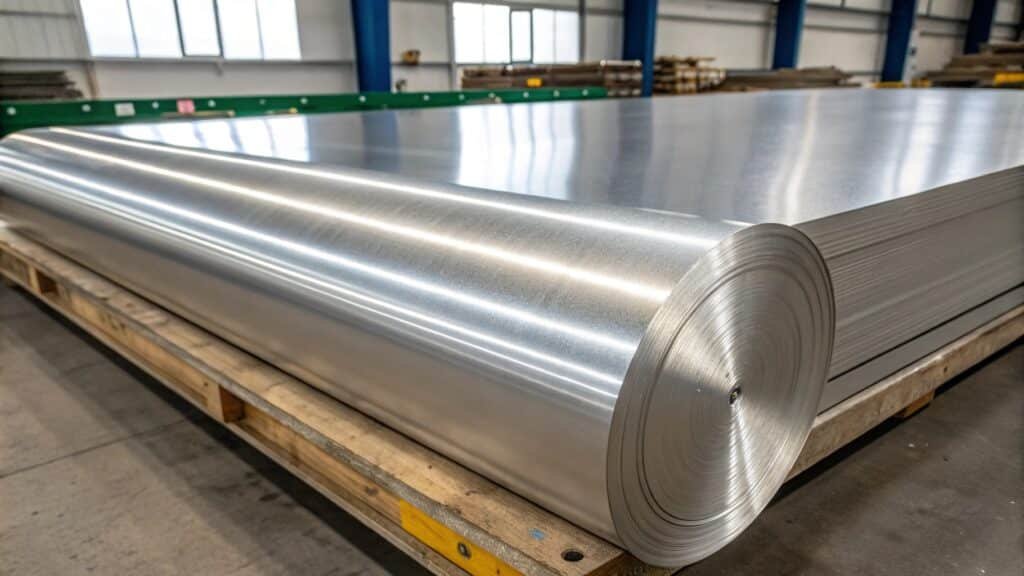
You specify high-strength aluminum bar for your parts, expecting top performance. Yet, they unexpectedly crack under multi-axial loads, forcing costly redesigns and damaging your reputation for reliability. A bar’s strength is linear. Machining it carves into its inherent weakness—the transverse grain. We forge strength into the part’s geometry, creating a continuous grain structure engineered to […]
Are Welds and Fasteners Undermining Your 7075-T6 Designs?
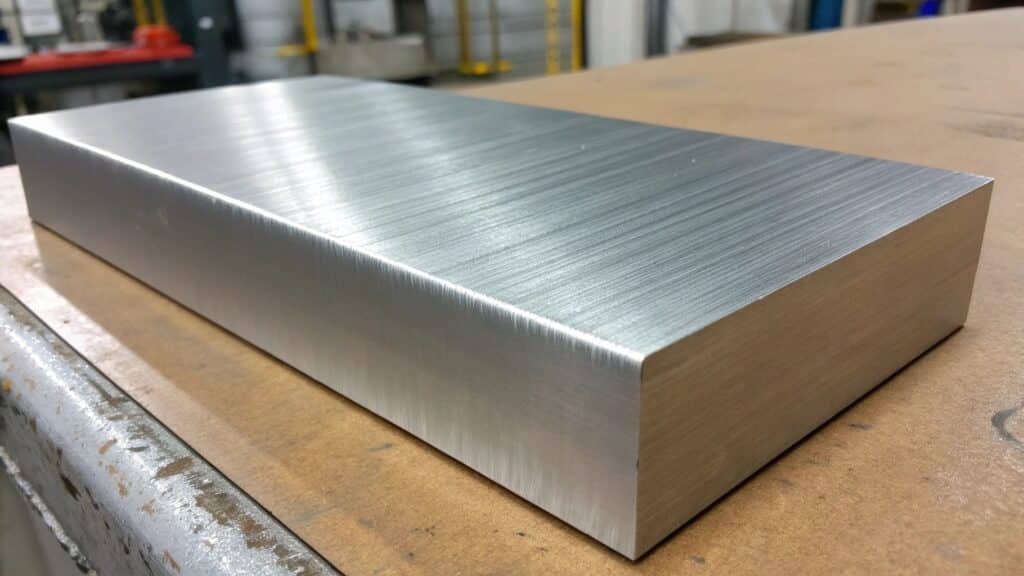
You build complex, mission-critical parts from high-strength 7075-T6 sheets1. But you rely on welds and fasteners, accepting that every single joint is a potential point of failure. An assembly from sheets bets its integrity on its weakest joint. We eliminate that bet. Our forging process creates a single, monolithic part, replacing failure points with an […]
Why Is a Forged Part Stronger Than One Machined from Tube?
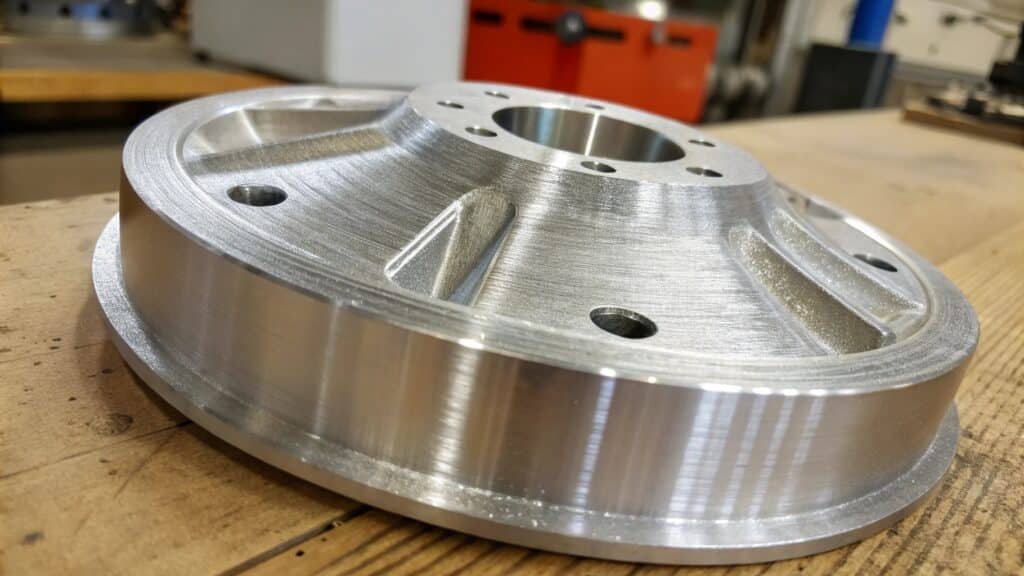
You machine complex parts from high-strength aluminum tubing1, assuming the material’s superior properties transfer directly to your component. But you still experience unexpected failures at connection points or sharp corners. A tube’s strength is unidirectional. Machining a complex part from it severs this inherent grain flow, creating weak points. We forge the part’s shape, forcing […]