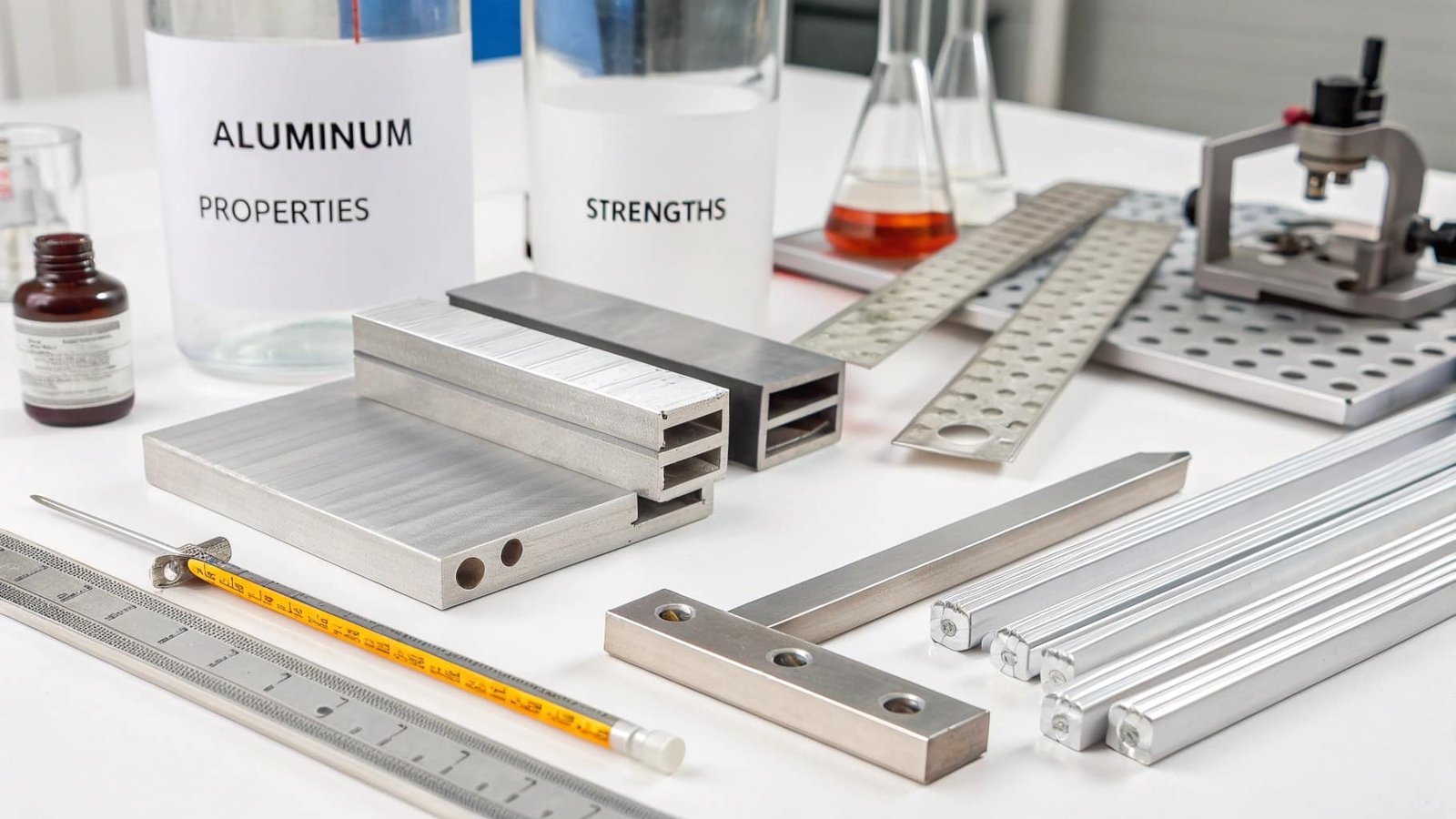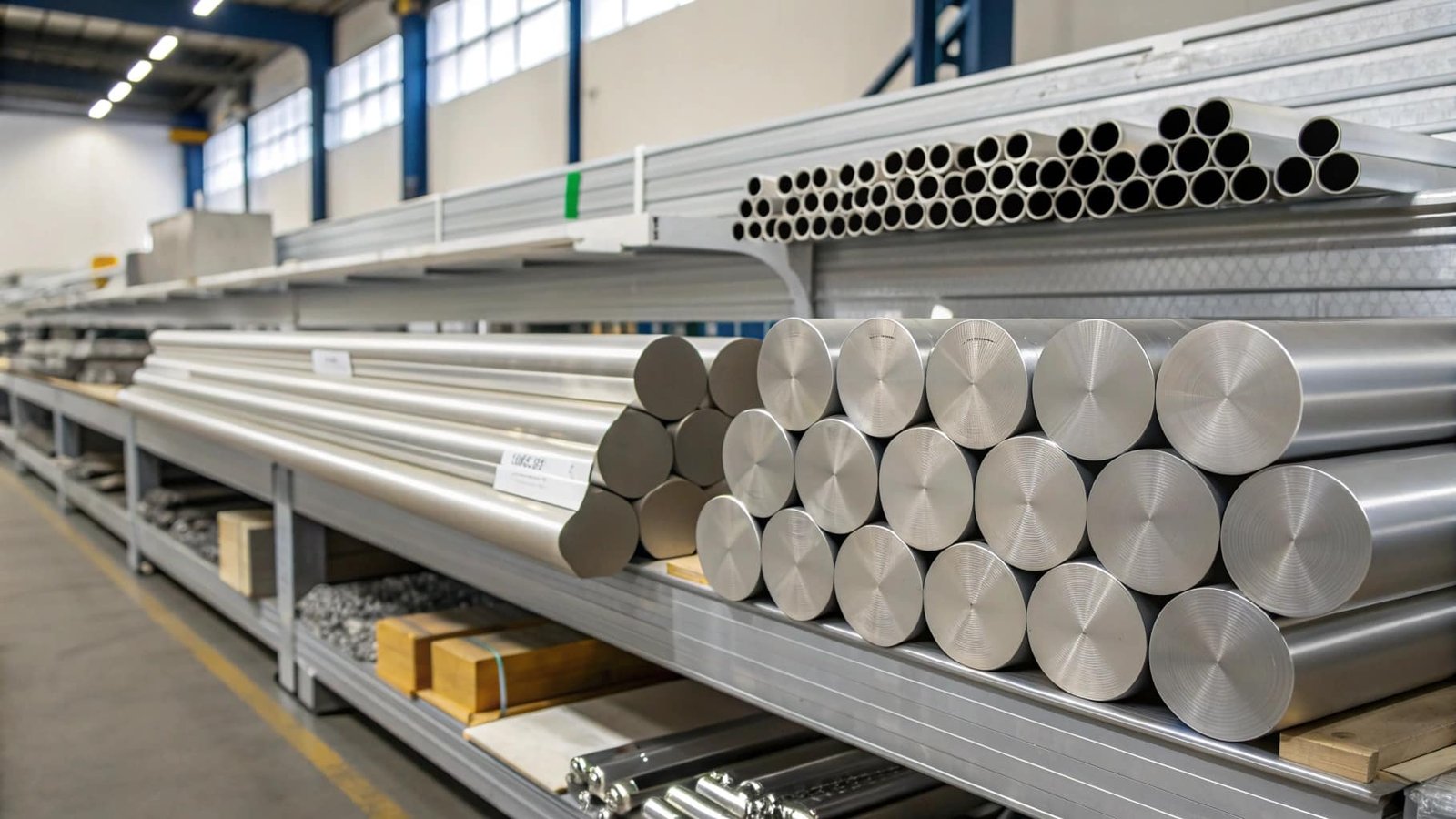
When considering aluminum for aerospace applications, understanding the specific strengths of each alloy is key. While 5052 aluminum is widely recognized for certain properties, at SWA Forging, our focus is on providing forged solutions that often exceed the structural capabilities required for critical flight components.
5052 aluminum is commonly used in aerospace for applications requiring excellent corrosion resistance1 and good formability, rather than high structural strength. Its uses include aircraft fuel tanks, fuel lines, fuselage skins, cabin interior panels, and air ducts. Aluminum in aerospace is broadly used for its lightweight yet strong properties, crucial for fuel efficiency and payload. The grades of aluminum used in aerospace vary by application; popular choices include 7075 and 2024 for high-strength structural parts, and 5052 for corrosion-resistant non-structural elements. Generally, 5052 is considered better than 6061 for corrosion resistance and formability, while 6061 offers a better balance of strength and ease of fabrication for general-purpose structural applications. However, for highest strength demands, neither 5052 nor 6061 are typically considered "aerospace grade."
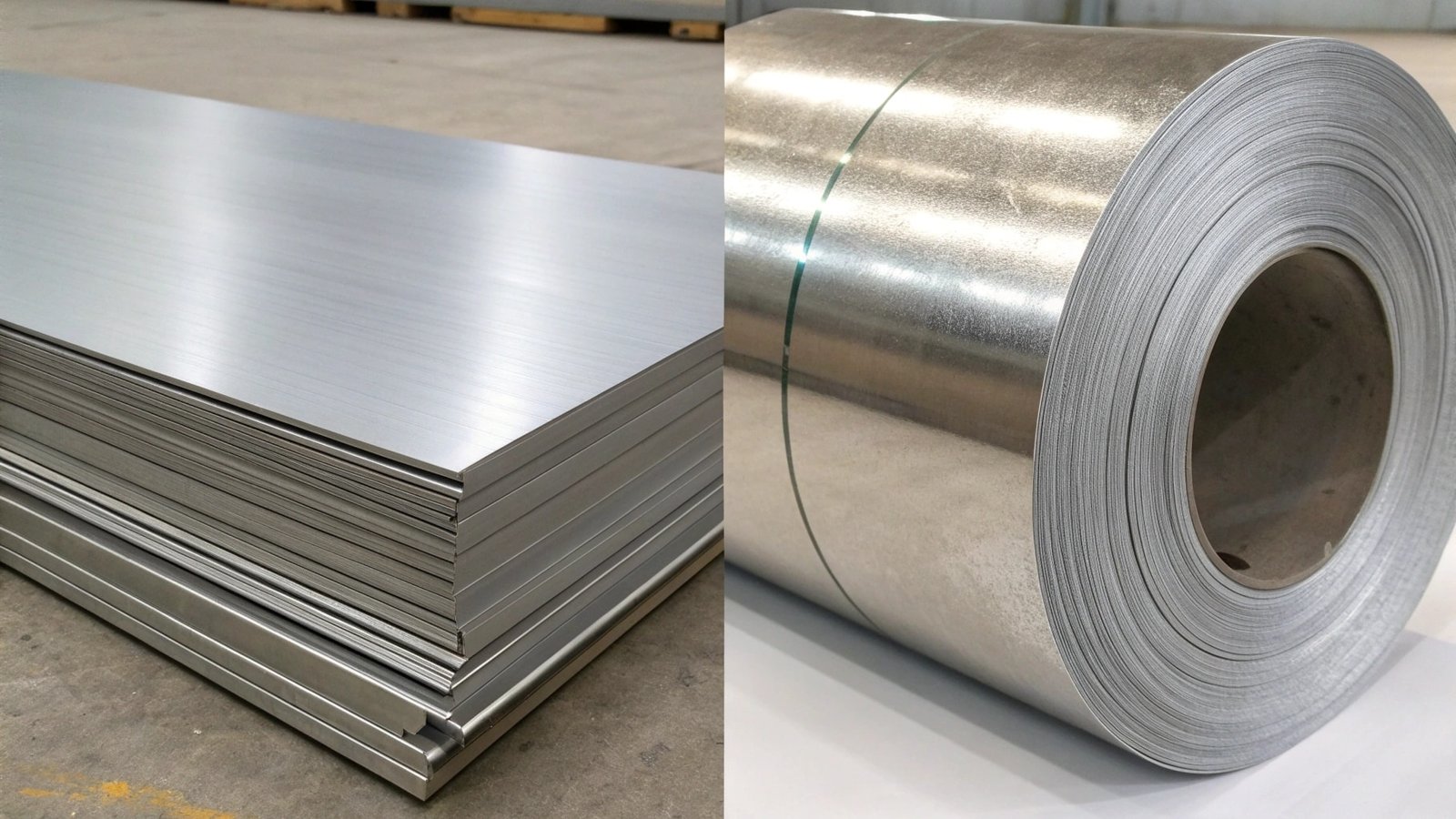
At SWA Forging, our specialization in forged aluminum offers a distinct advantage for critical aerospace applications. While 5052 is suitable for certain uses, our expertise lies in providing custom-forged components that deliver enhanced strength and superior structural integrity compared to sheet forms. This ensures that our clients receive robust and reliable solutions for their most demanding aerospace needs, effectively concluding their search for materials that guarantee both performance and durability.
What are the applications of aluminium 5052?
Are you trying to pinpoint the specific roles where 5052 aluminum2 shines, especially in demanding industrial sectors? Its properties lend themselves to particular uses.
Aluminum 5052 alloy is highly valued for its excellent corrosion resistance, good workability, and moderate strength, making it ideal for a variety of applications, particularly those exposed to corrosive environments. In the automotive industry, it is used for fuel tanks and body panels. Marine applications frequently utilize 5052 for boat hulls, decks, and offshore structures due to its superior resistance to saltwater. In general industry, it's common for food processing equipment, electrical enclosures, and architectural elements like roofing and siding. Its ease of fabrication and welding also makes it a popular choice for manufacturing complex parts and assemblies that require durability and resistance to environmental degradation.
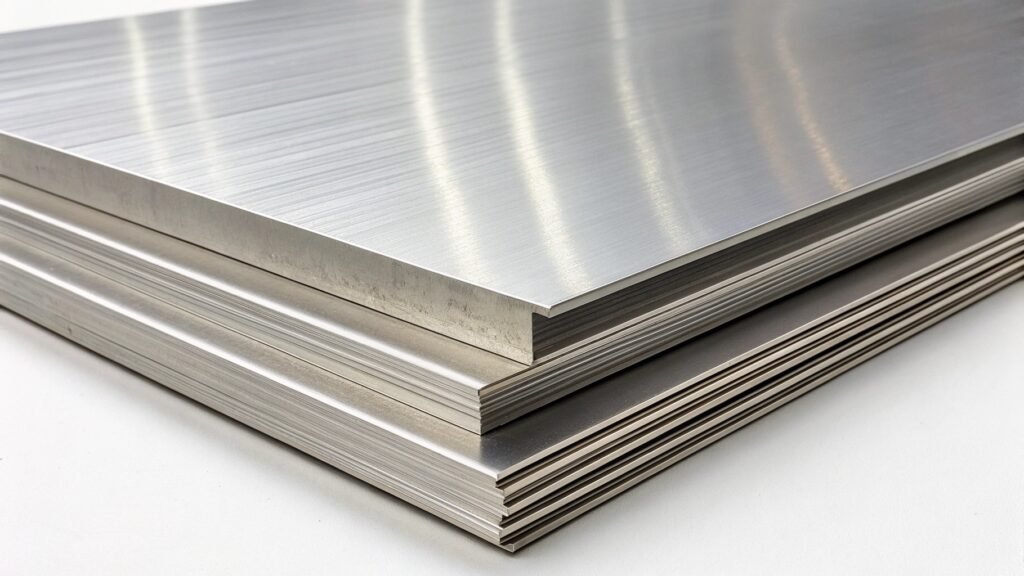
SWA Forging produces forged components from a variety of aluminum alloys3, including 5052, tailored to specific customer requirements. While its applications are broad, we ensure that when 5052 is chosen, the forged product delivers enhanced performance. Whether for marine components requiring excellent corrosion resistance or industrial parts needing ease of fabrication, our forging process can optimize the material's properties, providing a more robust and reliable component than may be achievable with standard sheet metal fabrication for similar applications.
What is aluminum used for in aerospace?
Are you interested in understanding the wide-ranging uses of aluminum across the entire aerospace industry? Its lightweight strength makes it foundational.
Aluminum is a cornerstone material in aerospace and is used for a multitude of components due to its advantageous properties. It forms the primary structure of most aircraft, including the fuselage (the main body of the aircraft), wings, wing spars, and wing skins. Aluminum alloys are also used in landing gear components, engine parts, interior structures, seats, overhead bins, and various sub-assemblies. For spacecraft, aluminum alloys are critical for rocket bodies, fuel tanks, satellite structures, and payload fairings, where minimizing weight is paramount for launch efficiency and payload capacity. Its excellent strength-to-weight ratio, corrosion resistance, and formability make it suitable for nearly every aspect of flight and space exploration.
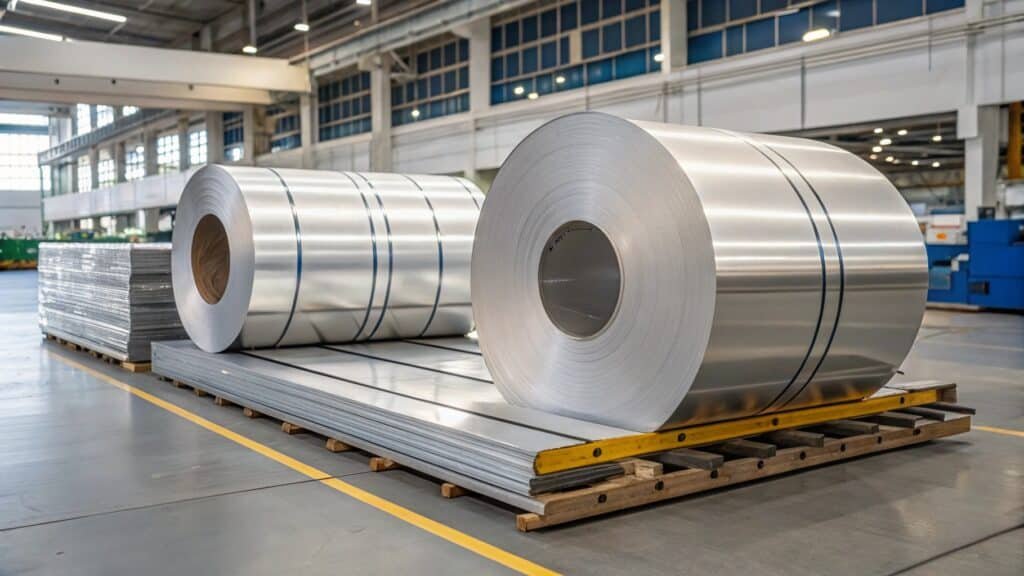
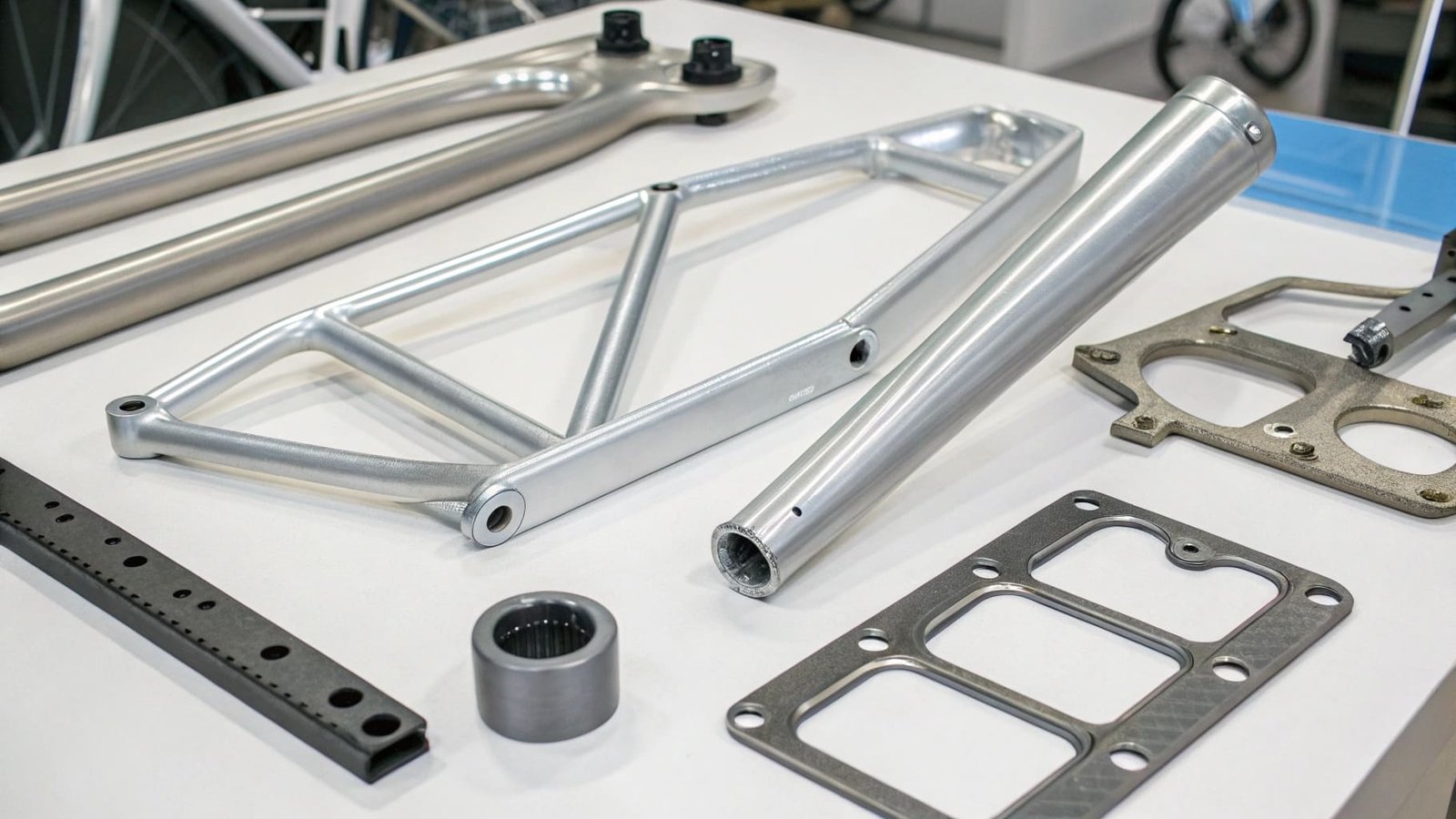
At SWA Forging, we contribute directly to these aerospace applications by producing high-quality forged aluminum rings and discs. These large, critical components are often used in highly stressed areas of airframes, landing gear, and engine mounts, where the superior strength and reliability of forged aluminum are essential. Our ability to customize these forgings from high-performance alloys precisely meets the demanding structural requirements of modern aerospace design, ensuring safety and efficiency in flight.
What grade of aluminium is used in aerospace?
Are you curious about the specific types or "grades" of aluminum that are considered standard for aerospace applications? Different applications call for different strengths.
A variety of aluminum alloy grades are used in aerospace, depending on the specific performance requirements of the component. However, the most common and critical grades fall into the 2xxx, 6xxx, and 7xxx series. The 7xxx series, particularly alloys like 7075, 7050, and 7079, are widely used for high-strength structural applications such as airframes, wings, and fuselage components due to their exceptional tensile strength. The 2xxx series, notably 2024, is also used for high-strength applications, particularly where fatigue resistance is critical. The 6xxx series, such as 6061, is often used for lower-stress structural applications, frames, and fittings where a good balance of strength, corrosion resistance, and workability is needed. For less critical applications where corrosion resistance is key, alloys like 5052 are also utilized.
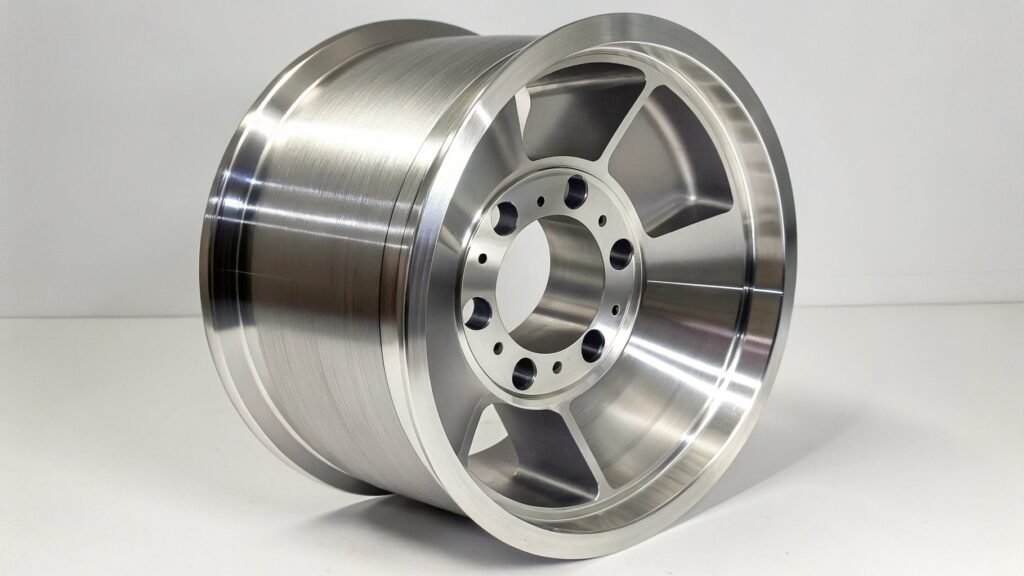
SWA Forging specializes in the forging of critical aerospace-grade aluminum alloys, predominantly from the 7xxx and 2xxx series, as well as other high-performance variants. Our expertise allows us to produce large-diameter forged rings and discs from these demanding materials, optimizing them for applications where extreme strength, fatigue resistance, and reliability are non-negotiable. By focusing on these top-tier grades, we provide components that form the backbone of safe and efficient aircraft and spacecraft.
Is 5052 better than 6061?
Are you trying to decide between 5052 and 6061 aluminum for a project and want to know which is "better"? The answer depends entirely on what you need the aluminum to do.
Whether 5052 is "better" than 6061 depends on the specific application's requirements. 5052 aluminum is generally superior to 6061 in terms of corrosion resistance, especially in marine environments, and it also offers better formability and weldability. This makes 5052 a preferred choice for applications like boat hulls, fuel tanks, and intricate stampings where extreme strength is not the primary concern. 6061 aluminum, on the other hand, is stronger than 5052 and offers a better balance of strength, corrosion resistance, and ease of fabrication, making it a more versatile general-purpose structural alloy for applications like aircraft components (though often not the highest-strength ones), truck frames, and architectural structures.
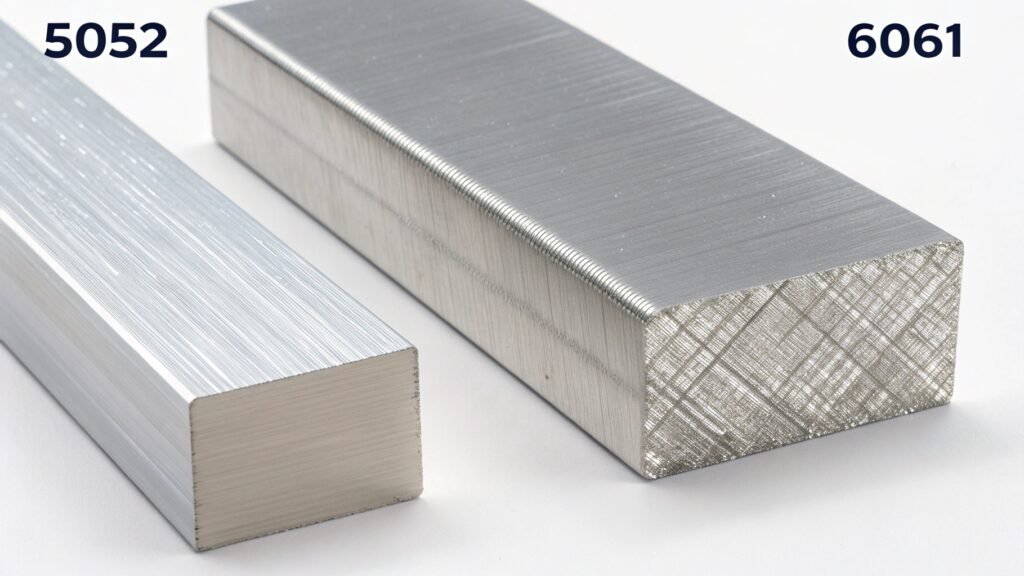
At SWA Forging, we work with both 5052 and 6061 aluminum, understanding their unique strengths. While 5052 excels in corrosion resistance and 6061 offers good general-purpose strength and fabricability, neither is typically the "best" for primary, high-stress aerospace structural components compared to alloys like 7075. However, if your application specifically requires the excellent corrosion resistance of 5052 or the balanced properties of 6061, especially in a forged form that enhances structural integrity, we can certainly provide high-quality components to meet those needs.
Conclusion
While 5052 aluminum is excellent for corrosion resistance in aerospace components like fuel tanks, higher-strength grades are preferred for structural integrity. SWA Forging specializes in providing robust, custom-forged solutions from top-tier aerospace alloys, ensuring unparalleled reliability and performance.