Aluminum forging is a manufacturing process that shapes aluminum alloys using compressive forces. It's a versatile technique used to create strong, lightweight parts for various industries. Here's a look at some of the key advantages:
1. High Strength-to-Weight Ratio
Aluminum forgings offer an excellent strength-to-weight ratio. This makes them ideal for applications where weight is a critical factor, such as aerospace and automotive industries. The forging process aligns the grain structure of the aluminum, enhancing its strength and durability compared to other manufacturing methods like casting.
2. Superior Durability
Forged aluminum parts are known for their exceptional durability. The forging process eliminates porosity and other internal defects that can weaken components. This results in parts that can withstand high stress, impact, and fatigue, making them suitable for demanding applications.
3. Design Flexibility
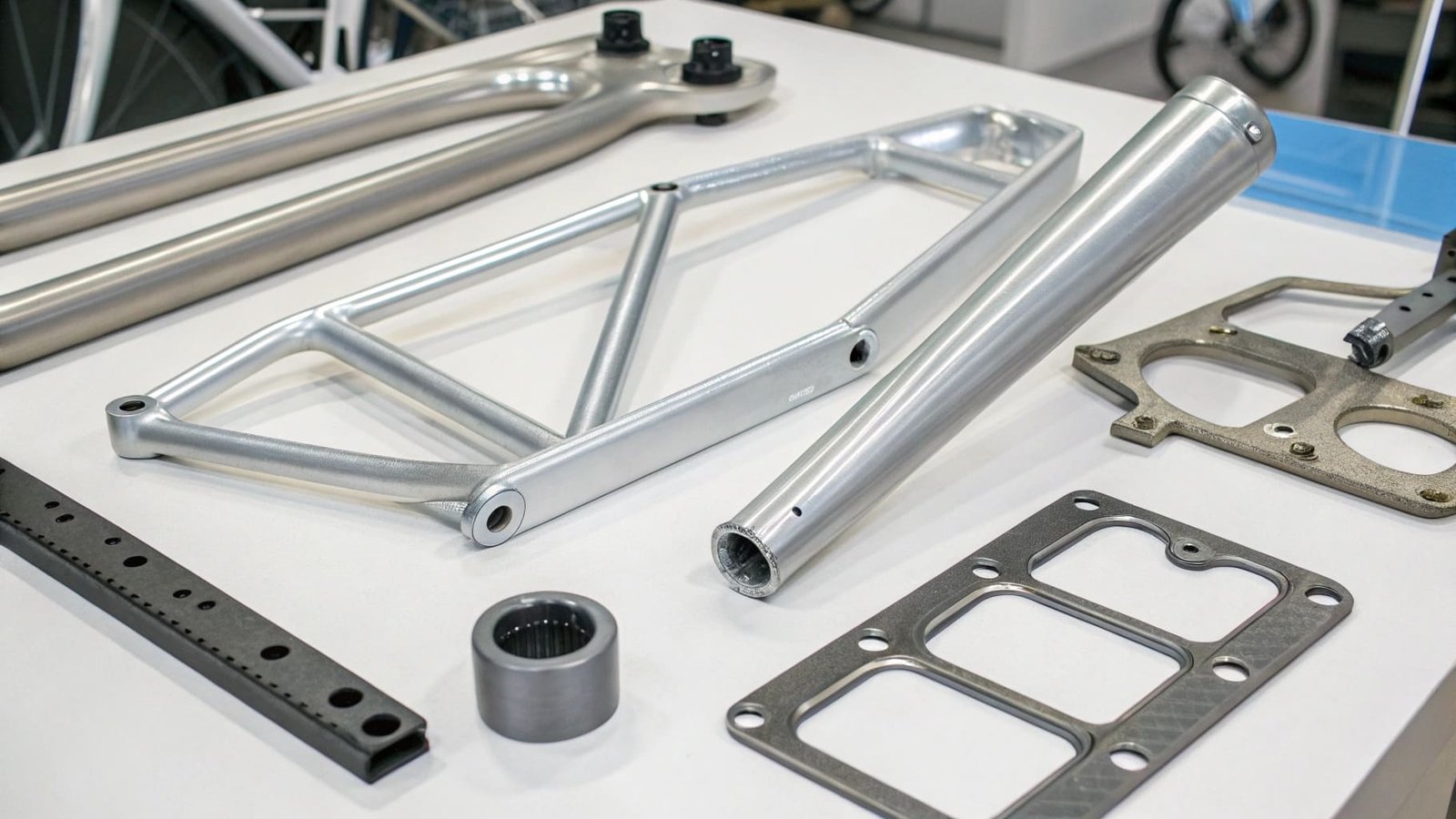
Aluminum forging allows for the creation of complex shapes and designs. The process can accommodate intricate geometries and tight tolerances, providing designers with greater flexibility. This enables the production of customized parts that meet specific performance requirements.
4. Improved Surface Finish
Forged aluminum parts typically have a smooth and consistent surface finish. This is due to the controlled deformation of the metal during the forging process. A good surface finish reduces the need for secondary machining operations, saving time and costs.
5. Cost-Effectiveness
While the initial tooling costs for aluminum forging can be higher than other manufacturing methods, the long-term cost-effectiveness is often better. Forged parts require less material, have a longer lifespan, and reduce the need for frequent replacements. This makes them a cost-effective solution for high-volume production runs.
6. Enhanced Grain Structure
The forging process refines the grain structure of aluminum, resulting in improved mechanical properties. The aligned grain flow enhances the material's strength, toughness, and resistance to fatigue. This is particularly important for parts that are subjected to high stress or cyclic loading.
7. Corrosion Resistance
Aluminum alloys are naturally corrosion-resistant, and the forging process further enhances this property. The dense, non-porous structure of forged aluminum parts prevents moisture and contaminants from penetrating the material, protecting it from corrosion. This makes them suitable for use in harsh environments.