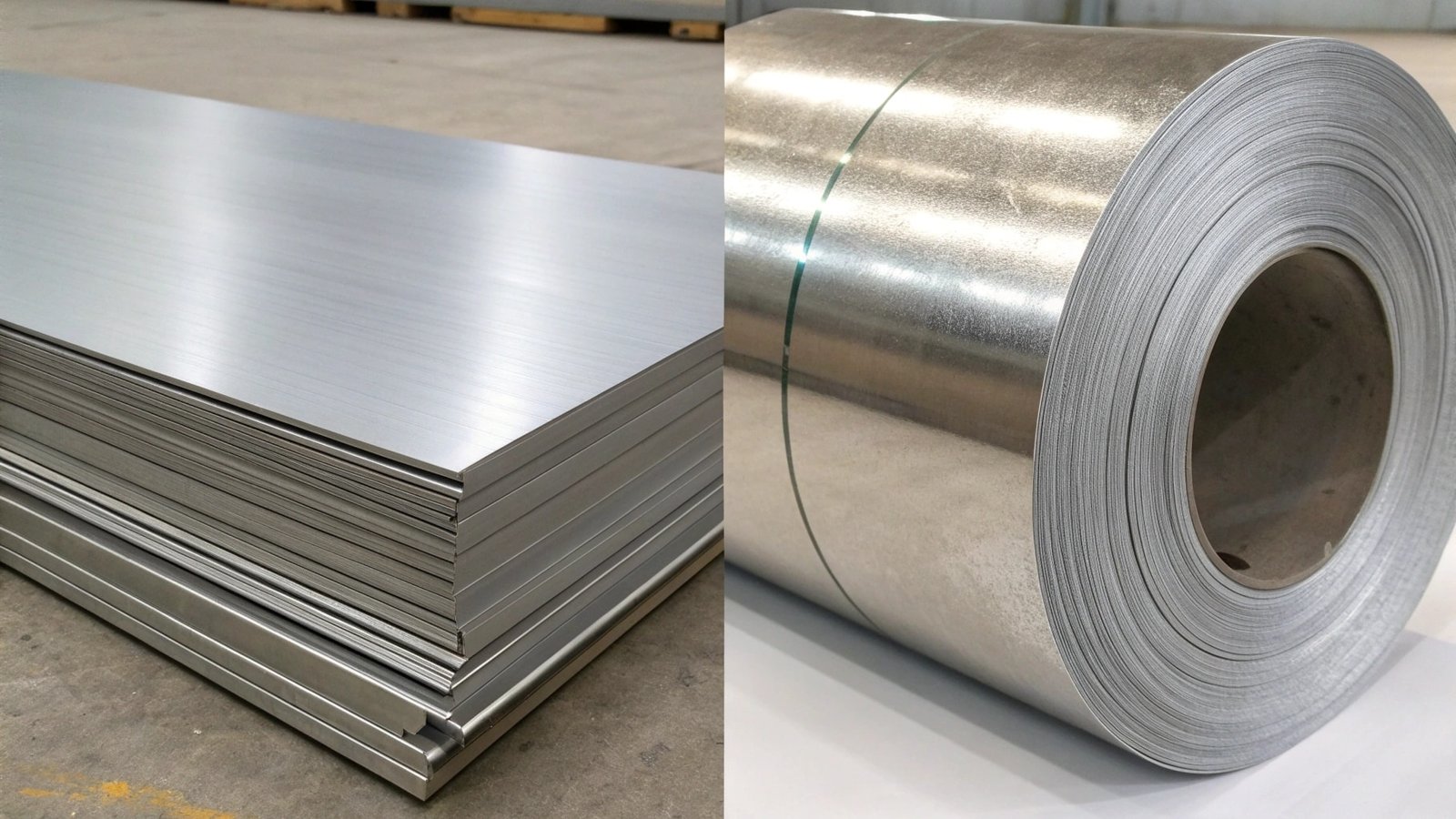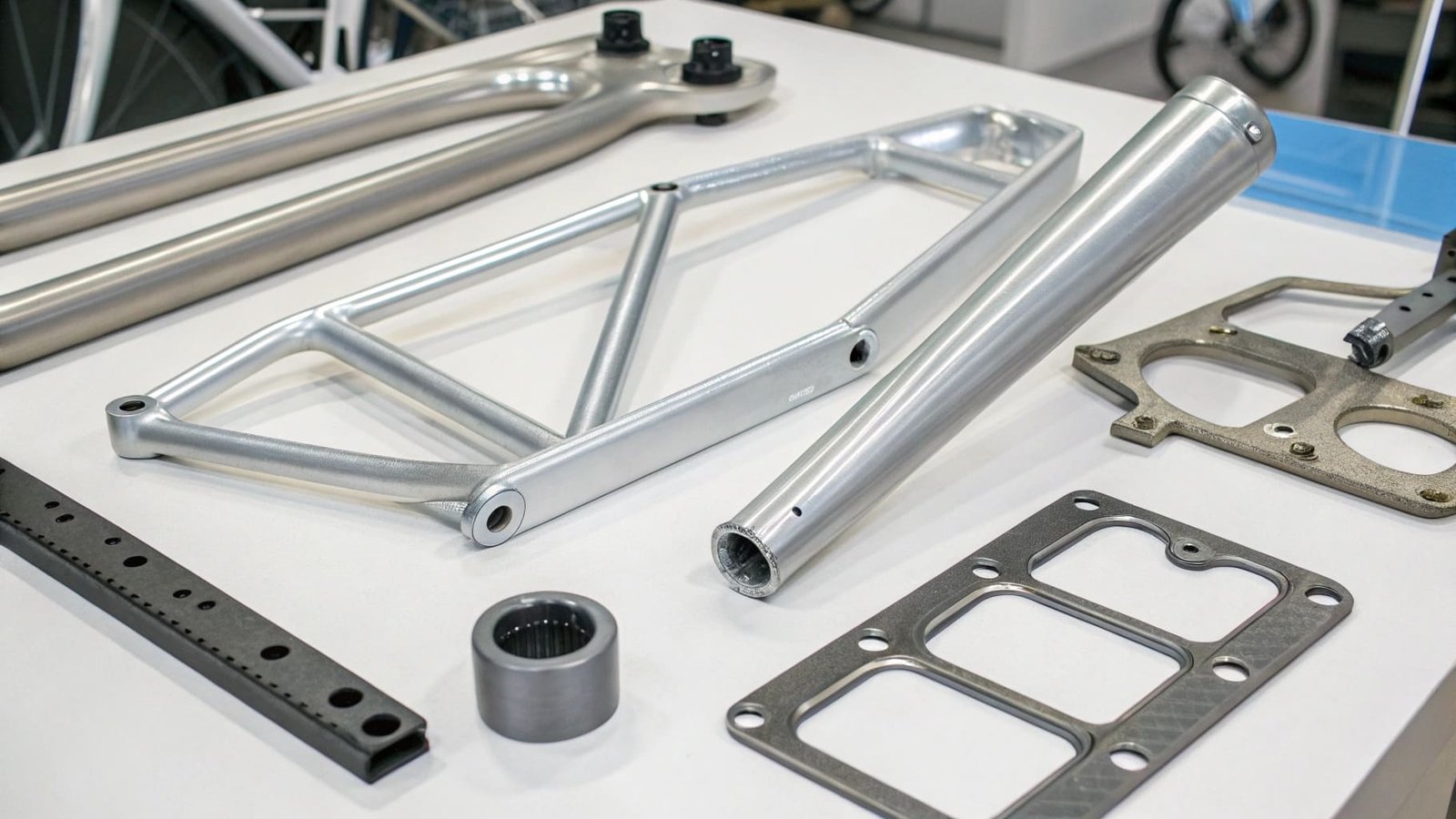
Have you ever considered using aluminum plates for a project and wondered what benefits they truly offer over other materials? Aluminum plates bring a unique set of advantages to the table, making them a preferred choice in numerous demanding industries.
The primary advantages of aluminum plates stem from aluminum's inherent properties, offering a high strength-to-weight ratio, excellent corrosion resistance, good thermal and electrical conductivity, and high recyclability. Specifically for plates, these benefits are amplified for structural applications: they provide significant strength while keeping overall weight down, resist environmental degradation, dissipate heat efficiently, and contribute to sustainability. Their formability and machinability further enhance their versatility, allowing for complex designs and precise manufacturing in sectors like aerospace, marine, automotive, and heavy machinery where performance and durability are critical.
At SWA Forging, our large-diameter forged aluminum components share and often enhance these advantages. We often provide an even better grain structure and mechanical properties than plate, making our products ideal for clients who demand the utmost performance and integrity from their aluminum materials for critical applications.
Are aluminium plates good?
Have you ever asked yourself, "Are aluminum plates really good?" The answer is a resounding yes, especially when their unique combination of properties aligns with the demands of an application. Their widespread use across critical industries speaks volumes about their utility and performance.
Aluminum plates are considered very good due to their exceptional combination of properties that make them highly versatile and effective for a wide range of applications. They offer an excellent strength-to-weight ratio, meaning they provide significant structural integrity without adding excessive mass, which is crucial for efficiency in transport. Their inherent corrosion resistance ensures durability in harsh environments, reducing maintenance needs. Additionally, aluminum plates are easy to machine and form, allowing for precise and complex designs, while also being fully recyclable, contributing to sustainable practices. These attributes make them a superior choice for industries like aerospace, marine, construction, and automotive.
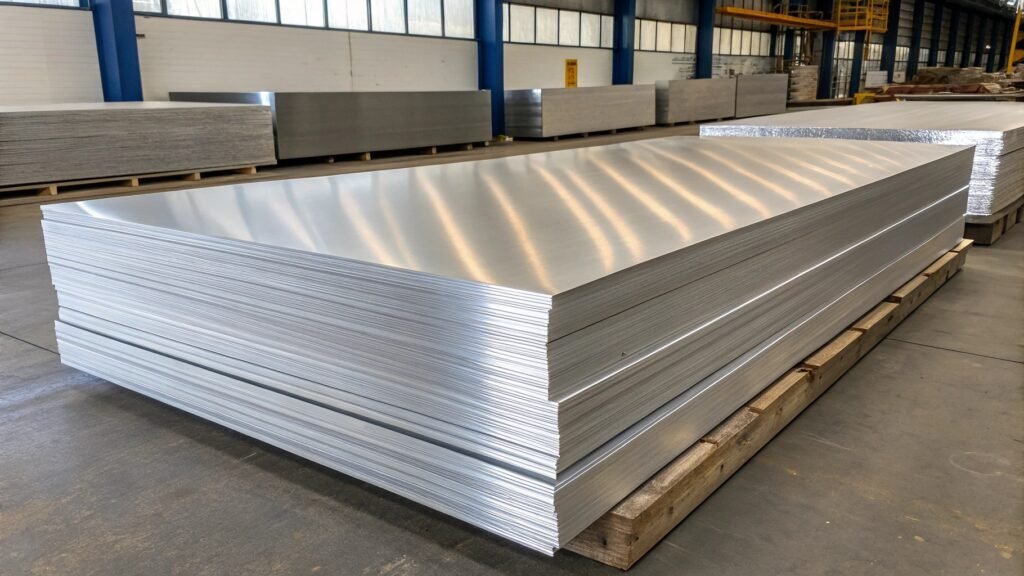
At SWA Forging, the "goodness" of aluminum, particularly in its high-strength forged form, is the foundation of our business. We see firsthand how our clients leverage the superior performance of aluminum to create innovative and durable products, proving that aluminum plates (and our forged components) are indeed excellent choices.
Why Aluminum Plates are "Good" (Key Characteristics)
Let's break down the core reasons why aluminum plates are highly regarded in various industries:
-
Exceptional Strength-to-Weight Ratio:
- Explanation: Aluminum is approximately one-third the density of steel, yet certain aluminum alloys (like 7075 or 2024) can achieve strength levels comparable to or even exceeding some steel grades.
- Benefit: This allows for the design of structures and components that are strong and rigid but significantly lighter. This is critical in applications where weight reduction leads to increased efficiency (e.g., fuel savings in vehicles, increased payload in aircraft), reduced stress on supporting structures, or easier handling.
-
Excellent Corrosion Resistance:
- Explanation: Aluminum naturally forms a thin, tough, self-repairing oxide layer on its surface when exposed to air. This passivation layer protects the underlying metal from rust and many forms of chemical degradation.
- Benefit: Products made from aluminum plate resist environmental wear and tear, especially in outdoor, marine, or chemically exposed environments. This leads to longer service life and reduced maintenance costs over time.
-
Good Formability and Machinability:
- Explanation: Depending on the alloy and temper, aluminum plates can be easily cut, bent, welded, and machined into precise and complex shapes. This workability allows for diverse manufacturing processes and intricate designs.
- Benefit: Facilitates efficient production, reduces manufacturing lead times, and allows engineers greater design freedom for innovative solutions.
-
High Thermal and Electrical Conductivity:
- Explanation: Aluminum is an excellent conductor of both heat and electricity.
- Benefit: This makes aluminum plates suitable for applications requiring efficient heat dissipation (e.g., heat exchangers, cooling plates) or electrical transmission (e.g., busbars, electrical enclosures).
-
Recyclability and Sustainability:
- Explanation: Aluminum is 100% recyclable without any loss of its intrinsic properties. Recycling aluminum requires only about 5% of the energy needed to produce primary aluminum from ore.
- Benefit: Contributes significantly to sustainable manufacturing practices, reduces carbon footprint, and offers economic benefits through material reuse.
-
Non-Magnetic and Non-Sparking:
- Explanation: Aluminum is non-magnetic, which is crucial for applications sensitive to magnetic fields. It is also non-sparking, making it safer in environments where flammable materials are present.
- Benefit: Suitable for specialized applications in electronics, medical imaging, and hazardous environments.
| Characteristic | Benefit for Aluminum Plates |
|---|---|
| High Strength-to-Weight Ratio | Lightweight structures, fuel efficiency, reduced stress |
| Excellent Corrosion Resistance | Durability, low maintenance, long service life |
| Good Formability/Machinability | Ease of manufacturing, design flexibility |
| High Thermal/Electrical Conductivity | Efficient heat dissipation, electrical applications |
| Recyclability | Environmental sustainability, reduced carbon footprint |
| Non-Magnetic/Non-Sparking | Safe for sensitive electronics and hazardous environments |
Considering these combined attributes, aluminum plates are indeed a very good choice for a vast array of demanding engineering and industrial applications.
What are the benefits of aluminum alloy1?
Have you ever wondered why aluminum isn't just used in its pure form, but almost always as an alloy? The decision to combine aluminum with other elements unlocks a vast array of enhanced properties, transforming it from a soft metal into a high-performance material.
The benefits of aluminum alloy stem from the ability to tailor aluminum's inherent properties (lightweight, corrosion resistance2) by adding small amounts of other elements like copper, magnesium, zinc, silicon, or manganese. These additions significantly enhance mechanical strength, hardness, machinability, and weldability, and can even improve specific properties like corrosion resistance in certain environments or high-temperature performance. This allows aluminum to meet diverse and demanding engineering requirements across industries, enabling it to be lightweight yet strong enough for aerospace, durable for marine applications, or highly conductive for electronics.
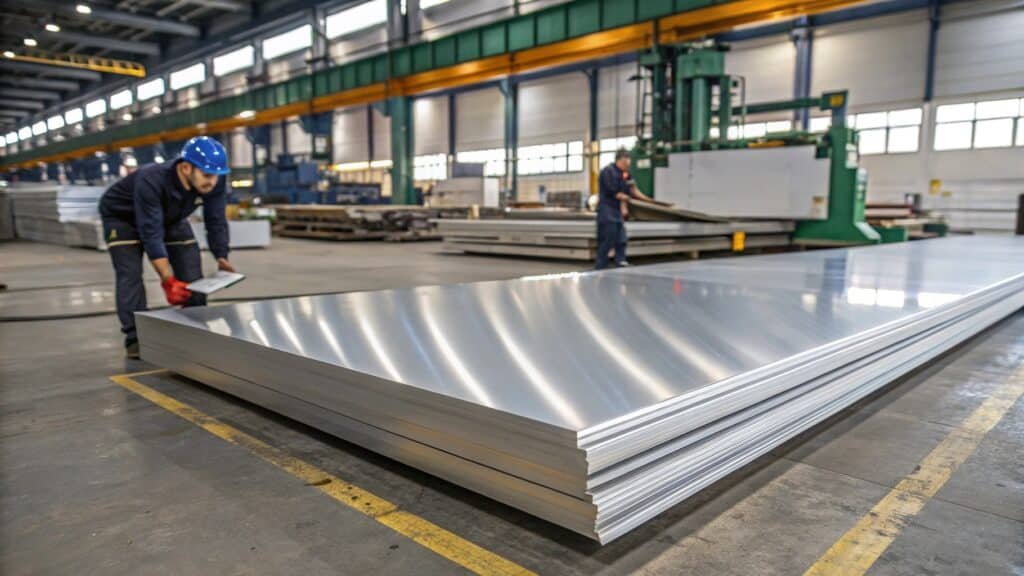
At SWA Forging, our entire business revolves around harnessing the benefits of aluminum alloys. By selecting the right alloy and then enhancing its properties through our precise forging process, we deliver components that offer superior strength, integrity, and performance compared to what pure aluminum or even standard rolled stock could provide.
The Power of Alloying: Tailoring Aluminum's Properties
Let's dive deeper into how alloying transforms aluminum and what benefits it brings:
-
Enhanced Mechanical Strength:
- How Alloying Helps: Pure aluminum is relatively soft. Adding elements like copper (e.g., 2xxx series), zinc (e.g., 7xxx series), or magnesium and silicon (e.g., 6xxx series) creates solid solutions and precipitates within the aluminum matrix. These disrupt the crystalline structure, making it harder for dislocations to move, which dramatically increases tensile strength and yield strength.
- Benefit: Enables aluminum alloys to be used in high-stress structural applications where pure aluminum would deform. This includes aircraft frames, automotive components, and heavy machinery parts.
-
Improved Hardness and Wear Resistance:
- How Alloying Helps: Similar to strength, alloying elements and subsequent heat treatments (like T6 temper) can increase the surface hardness of aluminum.
- Benefit: Makes alloys more resistant to scratching, abrasion, and wear, extending the lifespan of components in contact with other materials.
-
Tailored Corrosion Resistance:
- How Alloying Helps: While pure aluminum has good corrosion resistance, some alloys can enhance it further or make it suitable for specific corrosive environments. For example, magnesium in 5xxx series alloys improves resistance to saltwater.
- Benefit: Allows aluminum to be used reliably in marine, coastal, and chemical processing environments without significant degradation.
-
Optimized Machinability:
- How Alloying Helps: Some alloying elements, like lead or bismuth (though less common now due to environmental concerns), or specific tempers, are added to create chips that break easily during machining, preventing tool buildup and improving surface finish.
- Benefit: Allows for efficient and precise machining of complex parts, reducing manufacturing time and costs.
-
Enhanced Weldability:
- How Alloying Helps: Certain alloys (e.g., 5xxx series) are specifically designed to have excellent weldability, maintaining their strength and corrosion resistance in the heat-affected zone after welding.
- Benefit: Facilitates joining multiple components into larger structures, allowing for diverse fabrication methods.
-
Better Formability:
- How Alloying Helps: Alloys like the 3xxx series (with manganese) offer good formability, allowing them to be easily shaped, bent, and drawn without cracking.
- Benefit: Ideal for applications requiring deep drawing, stamping, or complex forming operations, such as beverage cans or architectural panels.
-
Specific Property Enhancements:
- High Temperature Performance: Some alloys are designed to retain strength at elevated temperatures.
- Thermal/Electrical Conductivity: While some alloying can slightly reduce conductivity, certain alloys are still excellent conductors and chosen for these properties.
| Benefit of Alloying | How it's Achieved (Examples) | Practical Application |
|---|---|---|
| Enhanced Strength | Adding Zn (7xxx), Cu (2xxx), Mg/Si (6xxx) | Aircraft fuselage, automotive chassis |
| Improved Hardness | Heat treatment (T6 temper), specific alloying | Wear plates, tooling |
| Tailored Corrosion Resistance | Adding Mg (5xxx) for marine environments | Boat hulls, offshore platforms |
| Optimized Machinability | Specific tempers, small additions (historical: Pb, Bi) | Complex machined parts, gears |
| Enhanced Weldability | Specific alloy compositions (5xxx series) | Welded structures, large tanks |
| Better Formability | Alloying with Mn (3xxx) | Beverage cans, automotive body panels |
By carefully selecting alloying elements and applying appropriate thermal and mechanical treatments, aluminum alloys become incredibly versatile, meeting the precise performance requirements of almost any application.
What is the strength of aluminum plate?
Have you ever wondered just how strong an aluminum plate can be, especially when considering its lightweight nature? The strength of an aluminum plate is not a single value; it varies significantly depending on the specific alloy and its temper (heat treatment condition).
The strength of an aluminum plate varies widely depending on the alloy and its temper, but generally ranges from moderate to very high. For instance, a common general-purpose alloy like 6061-T6 plate offers good strength with a typical ultimate tensile strength (UTS) of around 45,000 psi (310 MPa) and a yield strength (YS) of 40,000 psi (275 MPa). High-strength alloys such as 7075-T6 plate, often used in aerospace, exhibit significantly higher strengths, with UTS reaching approximately 83,000 psi (572 MPa) and YS around 73,000 psi (503 MPa). Other factors like thickness and grain structure (enhanced by processes like forging, which we do at SWA) also influence the effective strength and performance of the plate.
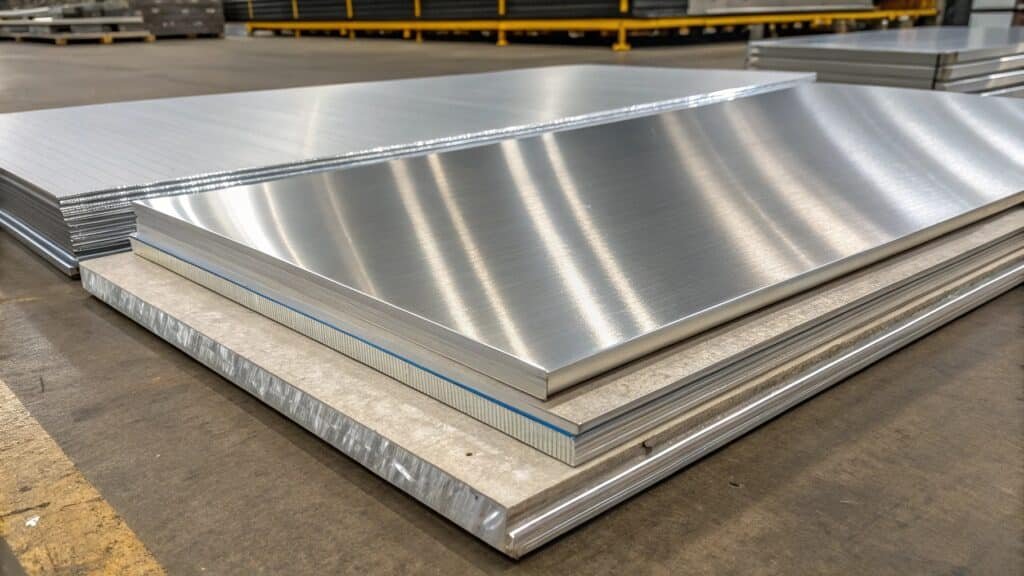
At SWA Forging, we often work with clients who need the absolute highest strength and integrity. Our forging process refines the grain structure of these high-strength alloys, often yielding forged components with superior fatigue strength and fracture toughness compared to an equivalent rolled plate, ensuring exceptional performance in critical applications.
Examples of Aluminum Plate Strengths by Alloy and Temper
Let's look at some common aluminum plate alloys and their typical strength values:
-
Aluminum Alloy 3003-H14 Plate:
- Type: Non-heat-treatable, work-hardened.
- Typical Properties:
- Ultimate Tensile Strength (UTS): 22,000 psi (150 MPa)
- Yield Strength (YS): 21,000 psi (145 MPa)
- Use Case: Good formability and corrosion resistance. Used where moderate strength and excellent workability are needed (e.g., general sheet metal work, chemical equipment).
-
Aluminum Alloy 5052-H32 Plate:
- Type: Non-heat-treatable, work-hardened (Magnesium alloy).
- Typical Properties:
- Ultimate Tensile Strength (UTS): 33,000 psi (228 MPa)
- Yield Strength (YS): 28,000 psi (193 MPa)
- Use Case: Excellent corrosion resistance, especially in marine environments. Good strength for a non-heat-treatable alloy (e.g., marine applications, fuel tanks, street lights).
-
Aluminum Alloy 6061-T6 Plate:
- Type: Heat-treatable (Magnesium and Silicon alloy).
- Typical Properties:
- Ultimate Tensile Strength (UTS): 45,000 psi (310 MPa)
- Yield Strength (YS): 40,000 psi (275 MPa)
- Use Case: Very versatile with good strength, corrosion resistance, and weldability. It's considered a general-purpose structural alloy (e.g., structural components, automotive parts, bicycle frames).
-
Aluminum Alloy 2024-T351 Plate:
- Type: Heat-treatable (Copper alloy).
- Typical Properties:
- Ultimate Tensile Strength (UTS): 68,000 psi (469 MPa)
- Yield Strength (YS): 47,000 psi (324 MPa)
- Use Case: High strength and excellent fatigue resistance. Widely used in aerospace applications (e.g., aircraft fuselage and wing structures).
-
Aluminum Alloy 7075-T651 Plate:
- Type: Heat-treatable (Zinc alloy).
- Typical Properties:
- Ultimate Tensile Strength (UTS): 83,000 psi (572 MPa)
- Yield Strength (YS): 73,000 psi (503 MPa)
- Use Case: Considered one of the strongest aluminum alloys. Used for highly stressed parts in aerospace, defense, and high-performance sports equipment (e.g., aircraft landing gear, structural fittings).
Understanding Strength Terms:
- Ultimate Tensile Strength (UTS): The maximum stress a material can withstand before fracturing.
- Yield Strength (YS): The stress at which a material begins to deform plastically (permanently). This is often more critical for design, as engineers want to ensure components don't permanently deform under load.
- Temper: The condition of the metal after mechanical and/or thermal treatment. It significantly affects the strength. For example, "T6" means solution heat-treated and artificially aged for maximum strength.
| Aluminum Alloy Plate | Typical UTS (psi/MPa) | Typical YS (psi/MPa) | Key Characteristic |
|---|---|---|---|
| 3003-H14 | 22,000 / 150 | 21,000 / 145 | Moderate strength, good formability |
| 5052-H32 | 33,000 / 228 | 28,000 / 193 | Good strength, excellent corrosion resistance |
| 6061-T6 | 45,000 / 310 | 40,000 / 275 | General structural, good balance of properties |
| 2024-T351 | 68,000 / 469 | 47,000 / 324 | High strength, good fatigue resistance |
| 7075-T651 | 83,000 / 572 | 73,000 / 503 | Very high strength, aerospace grade |
The choice of aluminum plate depends on the specific strength requirements of the application, balanced with other factors like corrosion resistance, machinability, and cost.
What are aluminium plates used for?
Have you ever noticed aluminum plates in various products and structures around you and wondered about their specific applications? Due to their unique blend of properties, aluminum plates are incredibly versatile and are used across a vast array of industries.
Aluminum plates are used across a wide range of industries for applications requiring a combination of high strength-to-weight ratio, excellent corrosion resistance, and good machinability. Their common uses include structural components in aerospace (e.g., wing skins, fuselage frames, bulkheads) and marine vessels (e.g., hull plating, superstructures) to reduce weight and resist saltwater. They are also integral to automotive manufacturing (e.g., chassis components, truck bodies) for fuel efficiency, and in heavy machinery (e.g., base plates, tooling) for durability. Additionally, aluminum plates are utilized in construction (e.g., facade elements, structural supports), electrical applications (e.g., busbars, heat sinks), and specialized tooling and jigs due to their stability and ease of fabrication.
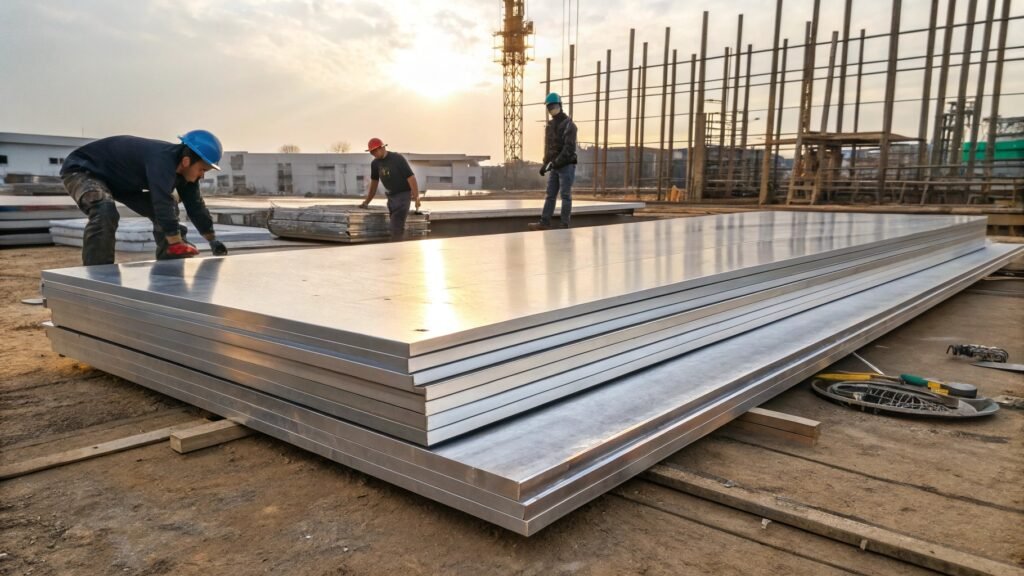
At SWA Forging, our large-diameter forged aluminum rings and discs are often destined for some of these very applications, serving as the foundational components for gear rings, pressure vessel flanges, or critical machinery parts that demand the superior integrity and strength that our forging process delivers, complementing or even replacing plate in some instances.
Diverse Applications of Aluminum Plates
Let's explore some of the key industries and specific uses for aluminum plates:
-
Aerospace Industry:
- Uses: Wing skins, fuselage frames, bulkheads, stringers, ribs, landing gear components.
- Why Aluminum Plate: High strength-to-weight ratio is crucial for fuel efficiency and payload capacity. Good fatigue resistance for cyclic loading. Alloys like 2024, 7075, and 7050 are common.
-
Marine Industry:
- Uses: Hull plating, superstructures, decks, bulkheads for boats, yachts, and ships.
- Why Aluminum Plate: Excellent corrosion resistance to saltwater, lightweight for speed and fuel economy. Alloys like 5083 and 5086 (from the 5xxx series) are specifically designed for marine environments.
-
Automotive Industry:
- Uses: Chassis components, structural frames, truck beds, trailer bodies, engine blocks, transmission housings.
- Why Aluminum Plate: Weight reduction improves fuel efficiency and performance. Good crashworthiness and durability. Increasingly used in electric vehicles to offset battery weight.
-
Construction and Architecture:
- Uses: Architectural facades, roofing, structural supports, decorative elements, bridge decks, highway signs.
- Why Aluminum Plate: Aesthetic appeal, corrosion resistance (low maintenance), lightweight for easier installation, and durability in outdoor environments.
-
Heavy Machinery and Industrial Equipment:
- Uses: Base plates for machinery, tooling, jigs and fixtures, hydraulic manifold blocks, press dies.
- Why Aluminum Plate: Good machinability for precise components, stability, and sufficient strength for non-ferrous applications. Lighter weight than steel components can make handling easier.
-
Electrical and Electronics:
- Uses: Busbars, heat sinks, electrical enclosures, conductor plates.
- Why Aluminum Plate: Excellent electrical and thermal conductivity. Lightweight and non-magnetic.
-
Cryogenic Applications:
- Uses: Storage tanks for liquefied gases (e.g., LNG, liquid oxygen).
- Why Aluminum Plate: Aluminum maintains its ductility and strength at extremely low temperatures, unlike some other metals that become brittle.
| Industry/Sector | Specific Uses of Aluminum Plate | Key Advantages Utilized |
|---|---|---|
| Aerospace | Wing skins, fuselage, bulkheads | High strength-to-weight ratio, fatigue resistance |
| Marine | Hull plating, superstructures | Corrosion resistance (saltwater), lightweight |
| Automotive | Chassis, truck beds, structural frames | Weight reduction, fuel efficiency, crashworthiness |
| Construction/Architecture | Facades, structural elements, bridge decks | Aesthetics, corrosion resistance, lightweight |
| Heavy Machinery | Base plates, tooling, jigs, hydraulic manifolds | Machinability, stability, durability |
| Electrical/Electronics | Busbars, heat sinks, enclosures | Electrical/thermal conductivity, non-magnetic |
| Cryogenics | Liquefied gas storage tanks | Maintains properties at low temperatures |
The ability of aluminum plates to combine strength with lightness, corrosion resistance, and workability makes them an indispensable material in modern engineering and manufacturing.
Conclusion
Aluminum plates offer significant advantages due to their high strength-to-weight ratio, excellent corrosion resistance, and good conductivity. They are highly beneficial for various applications, proving their worth across critical industries. The strength of aluminum plate varies greatly by alloy and temper, with 7075-T6 being among the strongest. Consequently, aluminum plates are widely used in aerospace, marine, automotive, construction, and heavy machinery for their durability, efficiency, and performance.