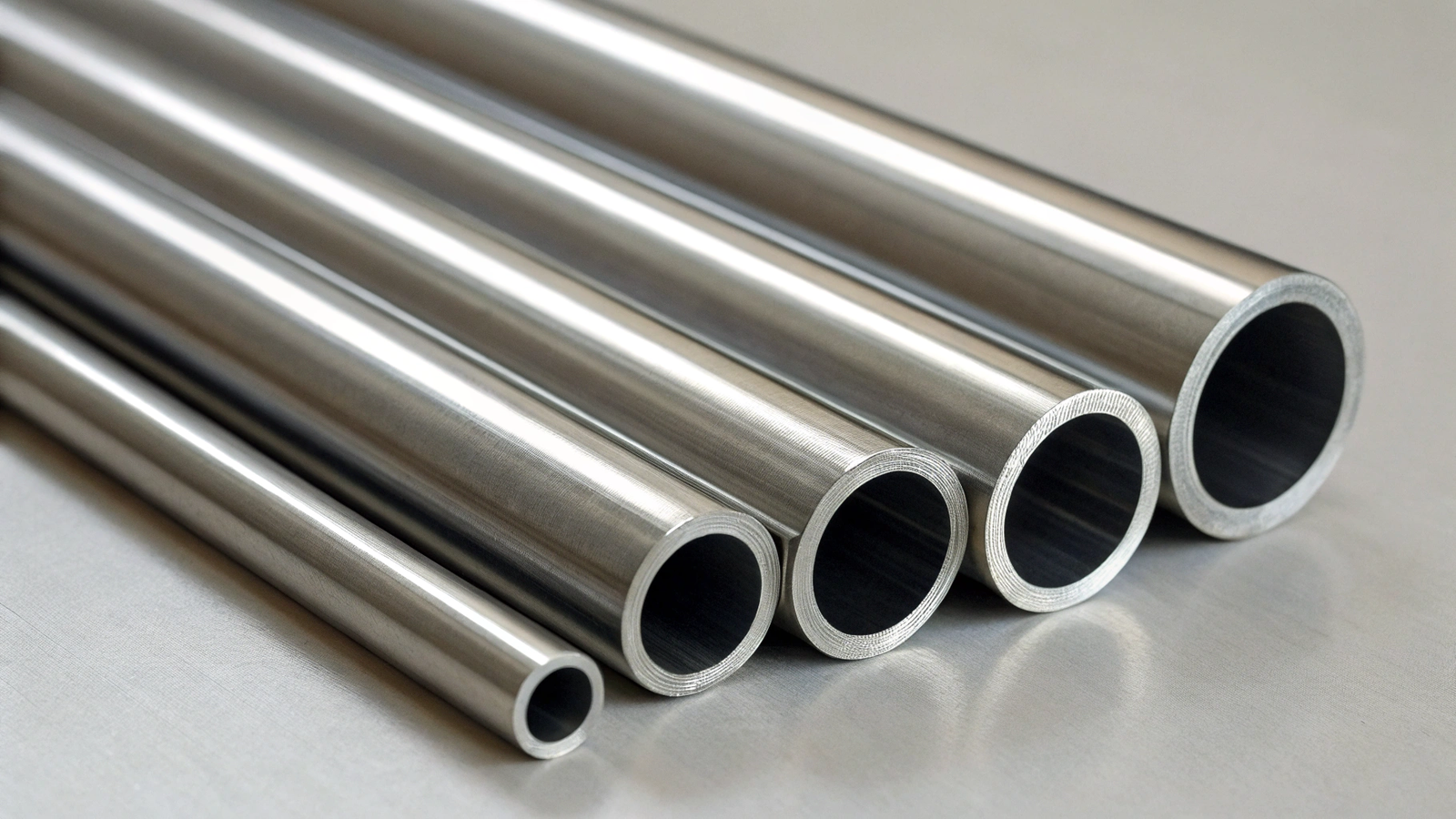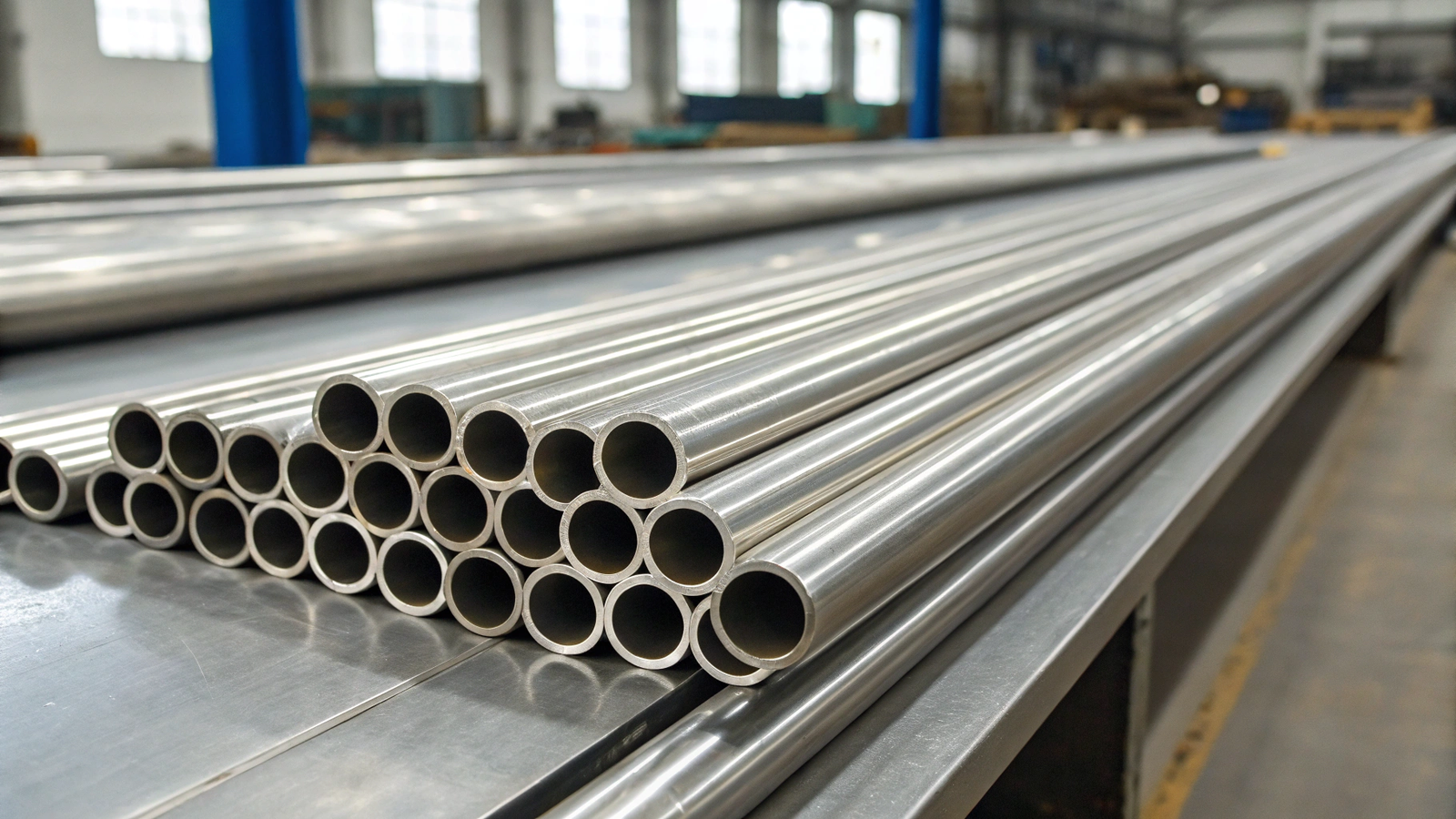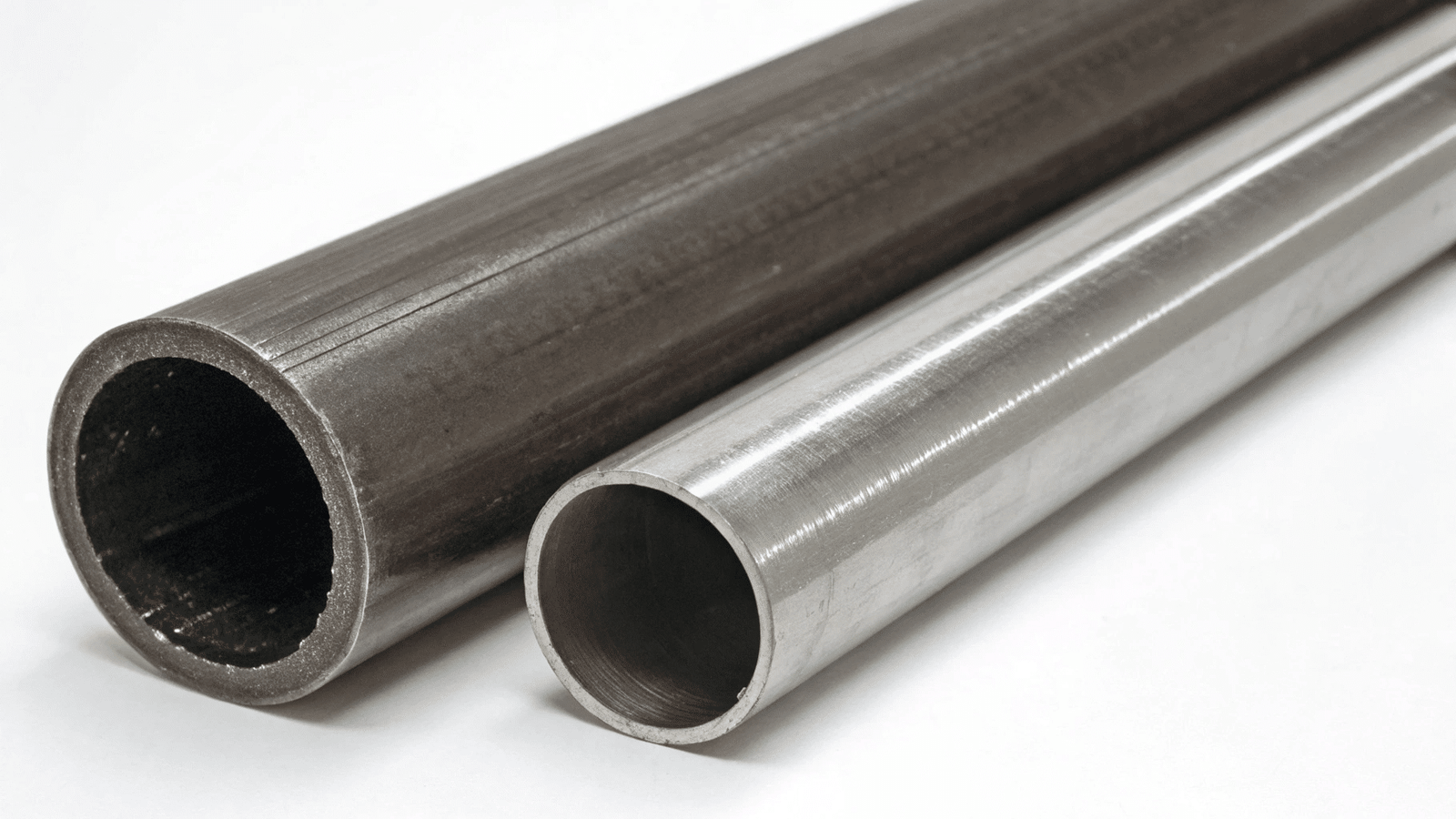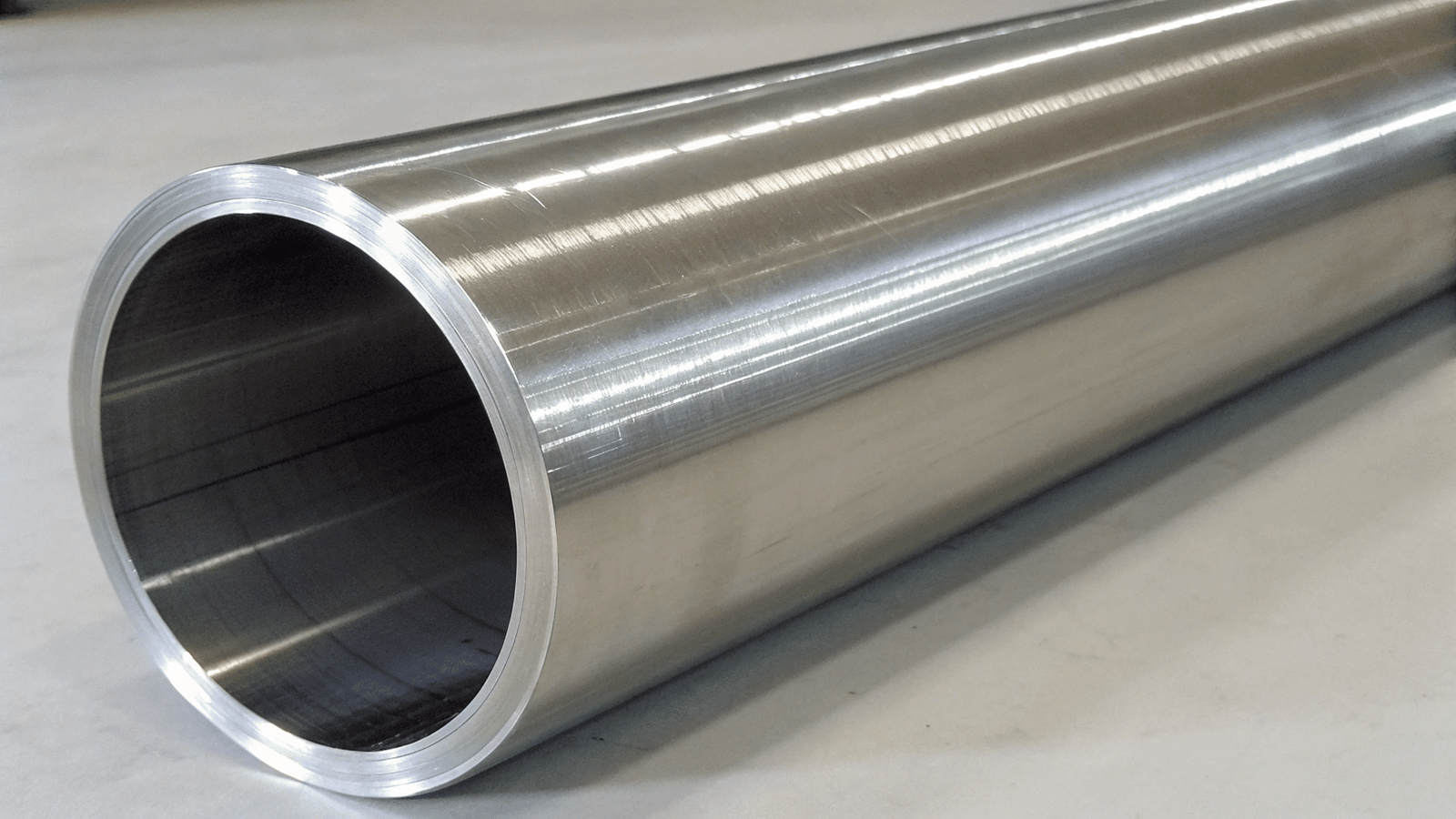
Are standard aluminum tubes failing to meet your performance needs? Discover how SWA Forging's custom-forged rings and discs offer superior strength and tailored solutions.
When standard aluminum round tubes lack the necessary strength, durability, or specific geometries for demanding applications, SWA Forging provides custom-forged aluminum rings and discs, engineered from high-performance alloys to deliver exceptional mechanical properties and tailored performance.
Many of our clients approach us because they've encountered limitations with off-the-shelf aluminum tubing. Whether it's a need for greater load-bearing capacity, enhanced structural integrity under stress, or unique shapes that tubing cannot provide, standard solutions often fall short. At SWA Forging, we specialize in bridging this gap by offering custom-forged aluminum components that are specifically designed to meet and exceed these challenging requirements, ensuring optimal performance and longevity.
What is the strongest aluminum alloy tube?
The strength of an aluminum alloy tube1 is determined by its alloy composition and heat treatment, with certain alloys offering significantly higher tensile and yield strengths.
The strongest aluminum alloy tubes are typically made from high-strength 7xxx series alloys, such as 7075 or 7050, especially when they are heat-treated to their peak tempers (like T6 or T7351). These alloys provide exceptional tensile and yield strengths, making them ideal for aerospace and critical structural applications.

When clients are looking for the most robust aluminum tubing, understanding the material science behind it is key. At SWA Forging, while we specialize in forged components, we recognize that many clients start with an idea based on existing forms like tubes. Knowing which alloys offer the highest strength helps us explain why our forged solutions are often superior for demanding roles.
Here's a look at the strongest aluminum alloys commonly found in tube form:
- 7075: This alloy is renowned for its extreme strength, comparable to many steels. It is widely used in aircraft structures, military equipment, and high-stress applications. However, it requires careful handling due to lower corrosion resistance and weldability compared to other alloys.
- 7050: Developed for improved properties in thicker sections, 7050 is another high-strength alloy often used in aerospace applications like fuselage components. It offers better resistance to stress corrosion cracking than some other 7xxx series alloys.
- 2024: This alloy is recognized for its excellent fatigue strength and good tensile strength. It's a common choice for aircraft skins and structural elements where resistance to cyclic loading is important.
- 6061 (T6 Temper): While not as strong as the 7xxx series, 6061 in its T6 temper offers a very good balance of strength, corrosion resistance, and formability. It's a popular choice for general structural purposes and many industrial applications.
The choice of alloy, combined with the manufacturing process, dictates the final performance characteristics of the aluminum tube.
What are the different types of aluminum alloy?
Aluminum alloys are classified into different series based on their primary alloying elements, each offering a unique balance of properties like strength, corrosion resistance, and formability.
Aluminum alloys are categorized into eight main series, indicated by a four-digit number: 1xxx (pure aluminum), 2xxx (Al-Cu), 3xxx (Al-Mn), 4xxx (Al-Si), 5xxx (Al-Mg), 6xxx (Al-Mg-Si), 7xxx (Al-Zn), and 8xxx (other elements). Each series is optimized for specific properties and applications.

Understanding these alloy classifications is fundamental to selecting the right material for any application. At SWA Forging, this knowledge guides our selection of raw materials for creating custom forged rings and discs. Different alloys have different responses to forging and heat treatment, and knowing their inherent properties helps us deliver optimal performance.
Here's a brief overview of the main aluminum alloy series:
- 1xxx Series (99% Pure Aluminum): Excellent corrosion resistance, high ductility, low mechanical strength. Used where pure aluminum properties are needed, like chemical equipment or electrical conductors.
- 2xxx Series (Aluminum-Copper): High strength, good machinability, but poor corrosion resistance and weldability. Commonly used in aerospace, particularly for airframe structures.
- 3xxx Series (Aluminum-Manganese): Moderate strength, good workability, and corrosion resistance. Often used for cookware, beverage cans, and automotive trim.
- 4xxx Series (Aluminum-Silicon): Lower melting point and good fluidity, making them suitable for welding and brazing applications. Used in automotive components like pistons and brake bodies.
- 5xxx Series (Aluminum-Magnesium): Excellent corrosion resistance, good weldability, and moderate to high strength. Popular for marine applications, shipbuilding, and automotive body panels.
- 6xxx Series (Aluminum-Magnesium-Silicon): Good strength, formability, corrosion resistance, and weldability. Widely used in structural applications, automotive frames, and architectural extrusions.
- 7xxx Series (Aluminum-Zinc): Very high strength, often comparable to steel. Used in aerospace, high-performance sporting goods, and other applications requiring maximum strength-to-weight ratio.
- 8xxx Series (Other Elements): Contains alloys with elements like iron, nickel, lithium, etc., designed for specific properties not covered by other series, such as improved strength or conductivity.
The choice of series and specific alloy within that series dictates the material's suitability for forging and its final performance characteristics.
What is the best aluminium for forging?
The "best" aluminum alloy for forging depends entirely on the specific application's requirements, such as strength, corrosion resistance, weldability, and cost.
The best aluminum alloy for forging depends on the application's needs, but common high-performance alloys like 6061 and 7075 are excellent choices, offering a balance of strength, corrosion resistance, and formability, while alloys like 1100 or 3003 offer good formability and corrosion resistance at lower strengths.

When we discuss forging at SWA Forging, selecting the right alloy is a critical first step. Different alloys behave differently under heat and pressure, and each has unique properties that make it suitable for specific end uses. Our team works closely with clients to identify the alloy that best meets their performance requirements, whether it's for a large forged ring for industrial machinery or a precision-forged disc for aerospace.
Here are some of the top aluminum alloys for forging and their typical uses:
- 6061: This is one of the most popular and versatile aluminum alloys. It offers a good combination of strength, corrosion resistance, weldability, and machinability. It's widely used for structural components, aerospace parts, automotive applications, and general-purpose forgings. It can be heat-treated to achieve higher strength levels.
- 7075: Known for its exceptional strength, often comparable to some steels, 7075 is a high-strength alloy. It's primarily used in aerospace, military applications, and high-performance sporting goods where maximum strength-to-weight ratio is essential. However, it has lower corrosion resistance and weldability compared to 6061.
- 2000 Series (e.g., 2014, 2024): These alloys, containing copper as the primary alloying element, offer very high strength and good machinability, making them suitable for aerospace structural components. They have lower corrosion resistance and are more challenging to weld.
- 5000 Series (e.g., 5083, 5086): These alloys, with magnesium as the main alloying element, offer excellent corrosion resistance, good weldability, and moderate strength. They are often used in marine applications, automotive body panels, and where resistance to saltwater is crucial.
- 1000 Series (e.g., 1100): These are commercially pure aluminum alloys. They offer excellent corrosion resistance, formability, and weldability but have low mechanical strength. They are suitable for applications where strength is not a primary concern, like heat exchangers or decorative items.
The choice of alloy directly impacts the forging process and the final product's performance.
How to make aluminum tubes?
Aluminum tubes are typically manufactured through processes like extrusion or drawing, which shape molten or solid aluminum into a tubular form with specific dimensions.
Aluminum tubes are commonly made through extrusion, where heated aluminum is forced through a die to create a continuous profile, or by drawing, where a solid rod or tube is pulled through a die and over a mandrel to reduce its diameter and wall thickness, ensuring precise dimensions and smooth surfaces.

While SWA Forging's expertise lies in creating custom components through forging, understanding how basic forms like aluminum tubes are made helps us better serve our clients. Many of our customers begin their design process with an idea for a tube and then realize its limitations, leading them to seek more robust, custom-shaped alternatives like our forged rings and discs.
Here are the primary methods for manufacturing aluminum tubes:
- Extrusion: This is a primary method for creating aluminum tubes, especially those with complex cross-sections or thicker walls. In this process, a billet of aluminum alloy is heated to a specific temperature and then pushed through a die with the desired tube shape. The extruded product is then cooled and can be further processed, such as by stretching or heat treating, to achieve desired properties.
- Drawing: The drawing process is often used to further refine extruded tubes or to create seamless tubes from solid rods. In tube drawing, a pre-formed tube (often from extrusion) is pulled through a die and over a mandrel. The die reduces the outer diameter, while the mandrel controls the inner diameter and wall thickness. This process can be done with or without heat, resulting in different material properties. Cold drawing, in particular, can significantly increase the strength and improve the surface finish and dimensional accuracy of the tube.
- Welded Tubes: Aluminum tubes can also be manufactured by forming a flat sheet into a tube shape and then welding the seam. While this is a common method for some applications, welded tubes may have different strength characteristics along the weld line compared to seamless tubes, especially under high pressure or stress.
Each method has its advantages and limitations in terms of cost, achievable shapes, dimensional tolerances, and material properties.
Conclusion
When standard aluminum round tubes don't offer the required strength, durability, or specific form factor, SWA Forging provides custom aluminum forgings2. By understanding the best aluminum alloys, the different alloy types, and the methods for producing forms like tubes, you can see why our forged rings and discs offer a superior alternative for your most demanding applications.