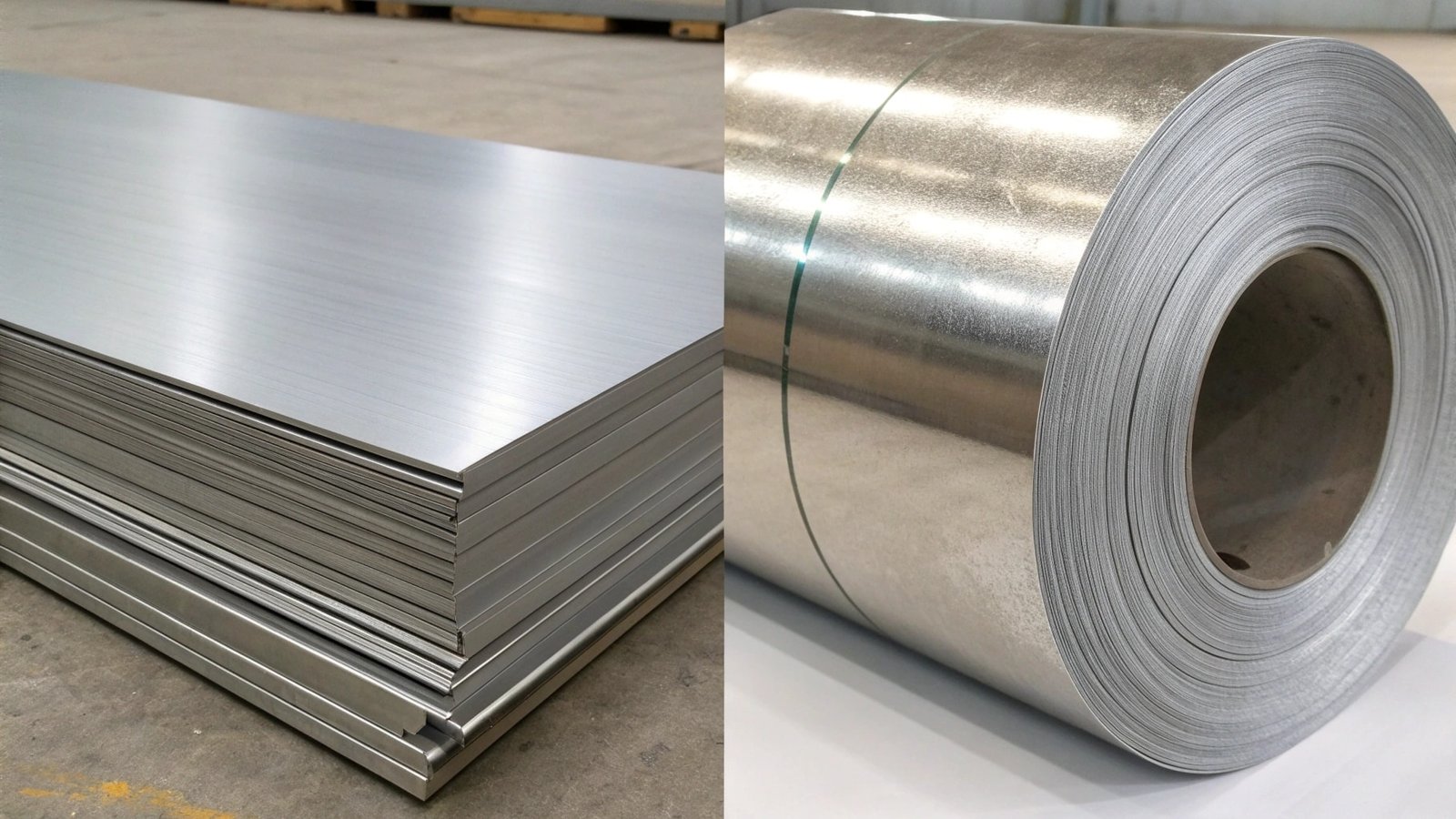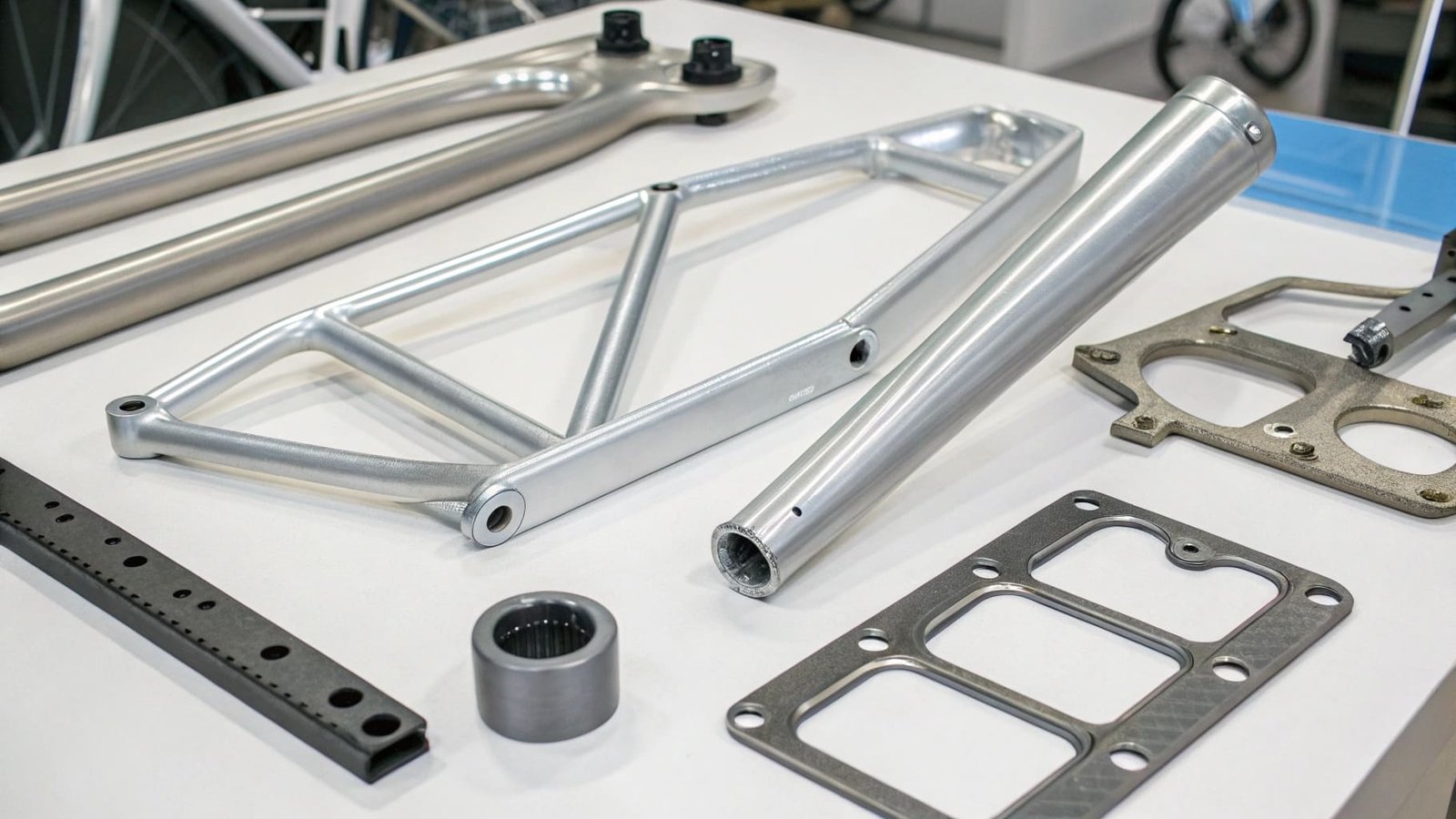
Are you looking for the pinnacle of aluminum strength and reliability for your most demanding applications? Discover the forging advantage of 7075-T61.
When standard aluminum components fail to meet the rigorous demands of high-stress applications requiring exceptional structural integrity, SWA Forging2's precision-forged 7075-T6 components offer a superior upgrade in strength, durability, and performance.
Many of our clients at SWA Forging are involved in industries where component failure is not an option. They might be developing aerospace parts, high-performance automotive systems, or critical industrial machinery. Often, they start by specifying standard forms of high-strength aluminum, like 7075-T6 in bar or tube form. While 7075-T6 is inherently strong, its performance can be further amplified through forging. Standard manufacturing methods can sometimes compromise the material's optimal grain structure or limit the ability to create complex, load-optimized geometries. At SWA Forging, we leverage our advanced forging techniques to transform 7075-T6 into components that exhibit exceptional structural integrity, far surpassing the capabilities of non-forged forms.
What is the ultimate strength of 7075 T6 aluminum?
The ultimate strength of 7075-T6 aluminum refers to the maximum tensile stress it can withstand before fracturing, a property significantly enhanced by forging.
7075-T6 aluminum typically exhibits an ultimate tensile strength ranging from 74,000 to 83,000 psi (510 to 572 MPa) in its wrought (e.g., forged) form. This high strength, combined with good toughness and fatigue resistance, makes it one of the strongest commercially available aluminum alloys3.

When our clients at SWA Forging work with 7075-T6, they are already selecting a top-tier alloy. However, the "ultimate strength" they achieve in their final component is profoundly influenced by how the material is processed. Forging 7075-T6 manipulates its grain structure to align with the stress paths of the component. This means that a forged 7075-T6 part can often withstand higher loads and stresses than a part machined from a standard wrought form of the same alloy, effectively pushing its ultimate strength to its peak potential for the specific application.
Key factors influencing 7075-T6 ultimate strength:
- Alloy Composition: The specific mix of elements like zinc, magnesium, and copper in 7075.
- Temper (T6): This indicates the heat treatment process (solution heat-treated and artificially aged) which maximizes strength.
- Manufacturing Process: Forging creates an optimized grain flow, enhancing tensile strength and fatigue resistance compared to other methods.
- Direction of Stress: Strength can vary slightly depending on whether the stress is applied along or across the grain flow.
Understanding these factors helps in selecting the right form of 7075-T6 for the intended application.
What is forged 7075 T6 aluminum?
Forged 7075-T6 aluminum is a high-strength aluminum alloy that has been shaped under extreme pressure, typically using dies, to create components with superior mechanical properties and complex geometries.
Forged 7075-T6 aluminum is a premium material produced by heating the 7075 alloy to a specific temperature and then shaping it through a forging process, followed by a T6 heat treatment. This process refines the metal's grain structure, leading to significantly improved strength, toughness, and fatigue life compared to wrought or cast 7075-T6.

At SWA Forging, we specialize in creating precisely engineered components from 7075-T6 through forging. Clients choose our forged 7075-T6 products when they need the absolute best in aluminum performance. Unlike simply machining from a standard 7075-T6 bar, our forging process inherently optimizes the material. The intense pressure aligns the aluminum's crystalline structure, eliminating internal defects and creating a homogenous, incredibly strong component. This makes our forged 7075-T6 parts ideal for critical applications where reliability and strength under extreme loads are paramount.
The characteristics of forged 7075-T6 include:
- Superior Strength-to-Weight Ratio: It combines high strength with relatively low density.
- Excellent Fatigue Strength: Better resistance to failure from repeated stress cycles.
- High Toughness and Impact Resistance: Less prone to cracking or shattering under impact.
- Complex Geometries: Allows for the creation of intricate shapes often required in aerospace and high-performance engineering.
- Reduced Internal Defects: Forging compacts the material, minimizing porosity and voids.
This makes it a material of choice for demanding engineering solutions.
What is 7075 T6 aluminium used for?
7075-T6 aluminum alloy is a high-performance material widely used in industries that demand exceptional strength, lightness, and durability.
7075-T6 aluminum is extensively used in aerospace components4 such as aircraft structural parts, fuselage skins, wing structures, and landing gear. It is also popular in high-performance sporting goods, automotive performance parts, military equipment, and other applications where a high strength-to-weight ratio and structural integrity are critical.

Our clients at SWA Forging frequently utilize 7075-T6 for applications that mirror these demanding uses. For example, we might forge a component for a drone’s critical structural frame or a part for a high-speed train’s suspension system. While standard wrought forms of 7075-T6 are often used, our forged components offer an added layer of reliability. By precisely controlling the material’s grain flow and eliminating potential weaknesses, we ensure that these critical parts can withstand the extreme stresses and fatigue associated with their operational environments, providing a significant upgrade in performance and longevity.
Typical applications include:
- Aerospace: Airframes, wing spars, fuselage components, helicopter rotor hubs.
- Automotive: High-performance engine components, suspension parts, chassis elements.
- Sporting Goods: Bicycle frames, golf club components, high-end equipment.
- Military: Weapon components, vehicle structures, portable equipment.
- Industrial: High-stress machinery parts, specialized tooling.
Its combination of strength, low weight, and good machinability makes it a go-to material for critical engineering tasks.
What is the difference between 7075 T6 and steel?
The primary differences between 7075-T6 aluminum and steel lie in their material properties, density, corrosion resistance, and cost.
While steel is generally stronger and stiffer than 7075-T6 aluminum, 7075-T6 offers a significantly better strength-to-weight ratio5, is lighter, and possesses superior corrosion resistance. Steel is denser and heavier, but provides higher ultimate tensile strength and Young's modulus, making it suitable for different types of extreme load applications.

At SWA Forging, we often help clients decide between using our high-performance forged 7075-T6 components or traditional steel parts. If the absolute highest stiffness or tensile strength is the only concern, steel might be the choice. However, for many applications, especially in aerospace and automotive, the weight savings offered by 7075-T6 are crucial. Our forged 7075-T6 components can often match or exceed the performance of steel parts when considering the load they need to carry relative to their weight. Furthermore, the corrosion resistance of aluminum and its ability to be formed into complex shapes through forging provide significant advantages that steel may not easily offer.
Key comparison points:
- Strength: Steel is generally stronger in terms of absolute tensile and yield strength.
- Strength-to-Weight Ratio: 7075-T6 aluminum is significantly better, offering comparable or even superior performance in many dynamic applications due to its lightness.
- Density: Steel is about three times denser than aluminum.
- Stiffness (Young's Modulus): Steel is roughly three times stiffer than 7075-T6 aluminum.
- Corrosion Resistance: 7075-T6 aluminum typically offers better corrosion resistance than many common steels, especially without protective coatings.
- Cost: While prices fluctuate, high-strength steels and aluminum alloys like 7075-T6 can be comparable, with aluminum often being more cost-effective for certain complex shapes.
The choice depends heavily on the specific engineering requirements, prioritizing weight savings versus absolute stiffness or strength.
Conclusion
For applications demanding the absolute highest performance and structural integrity, upgrading to precision-forged 7075-T6 components from SWA Forging provides a significant advantage over standard materials.
-
Explore the advantages of 7075-T6 aluminum, a top-tier alloy known for its strength and durability in demanding applications. ↩
-
Discover the services provided by SWA Forging and how they specialize in high-performance aluminum components. ↩
-
Learn about various aluminum alloys and their specific applications in different industries. ↩
-
Learn about the materials used in aerospace components and why 7075-T6 is a popular choice. ↩
-
Explore the concept of strength-to-weight ratio and its critical role in material selection for engineering. ↩