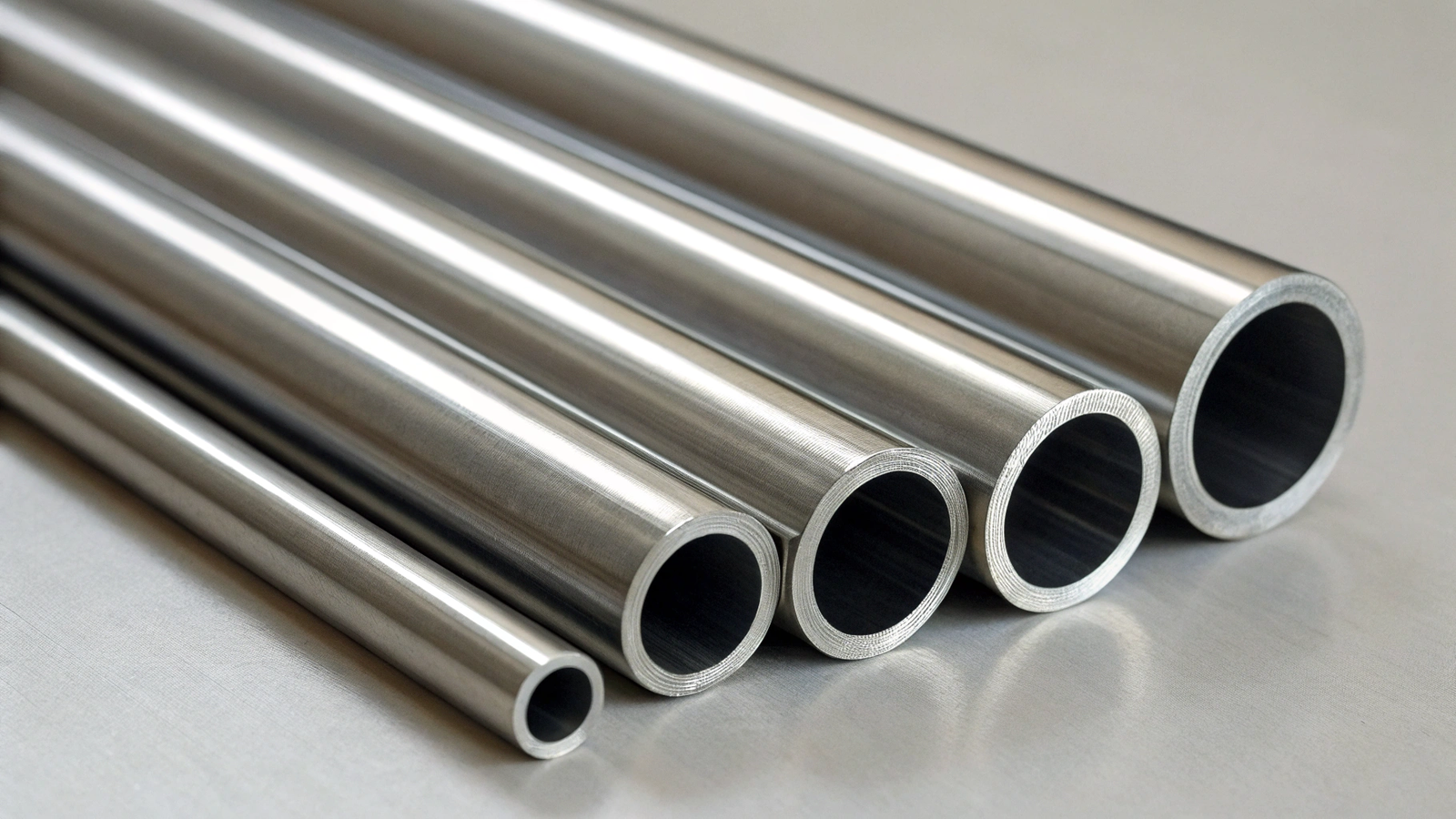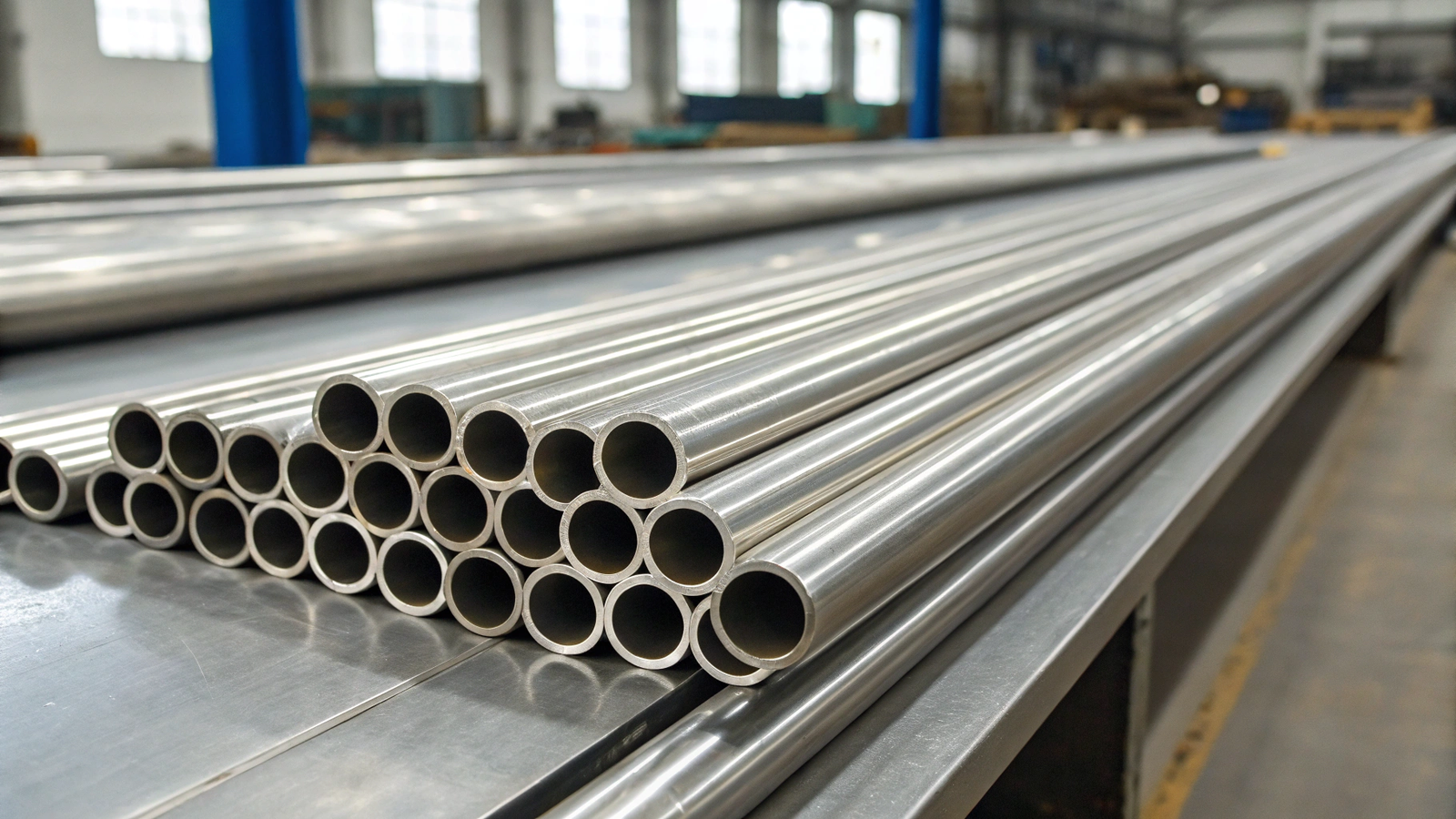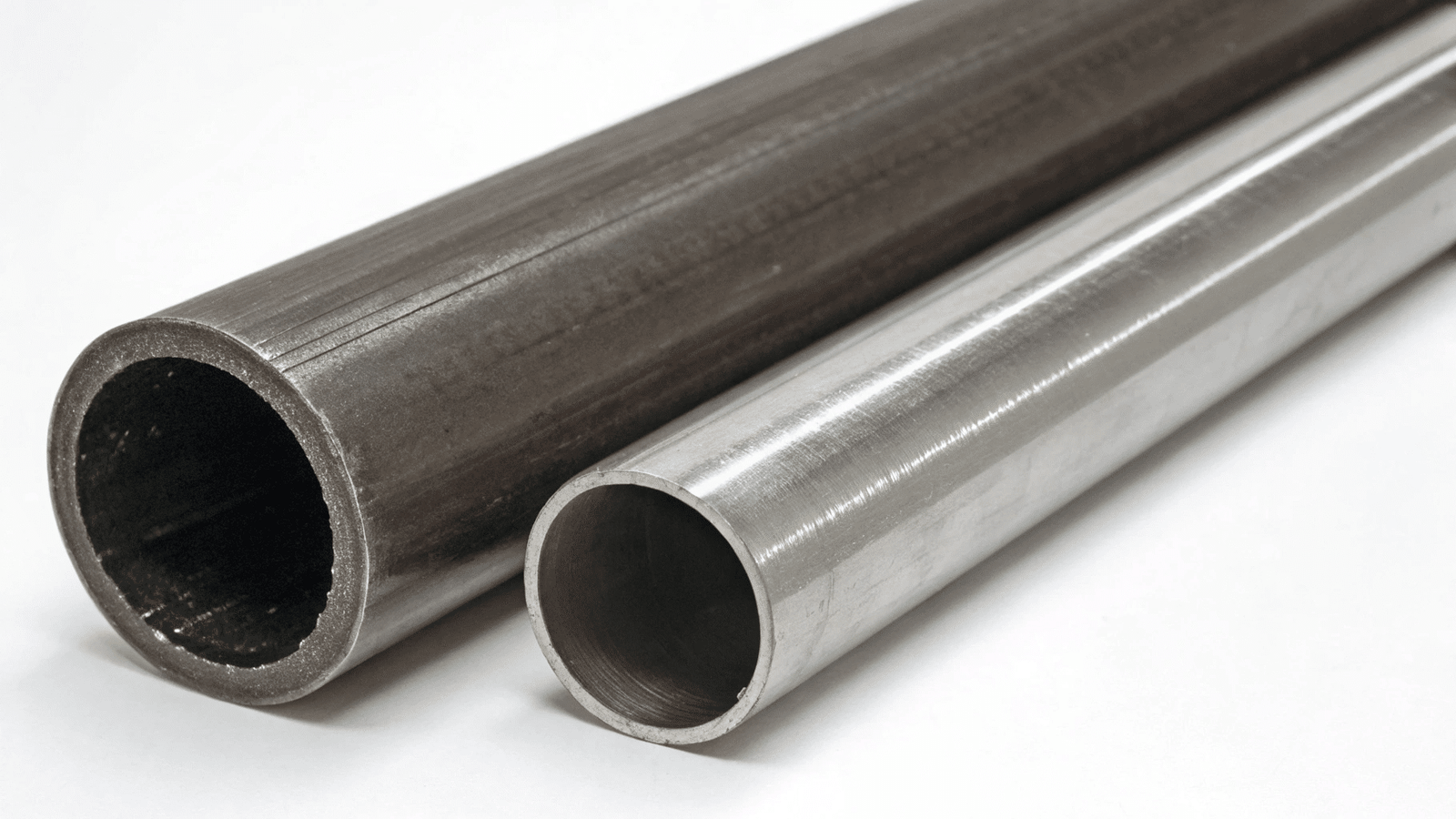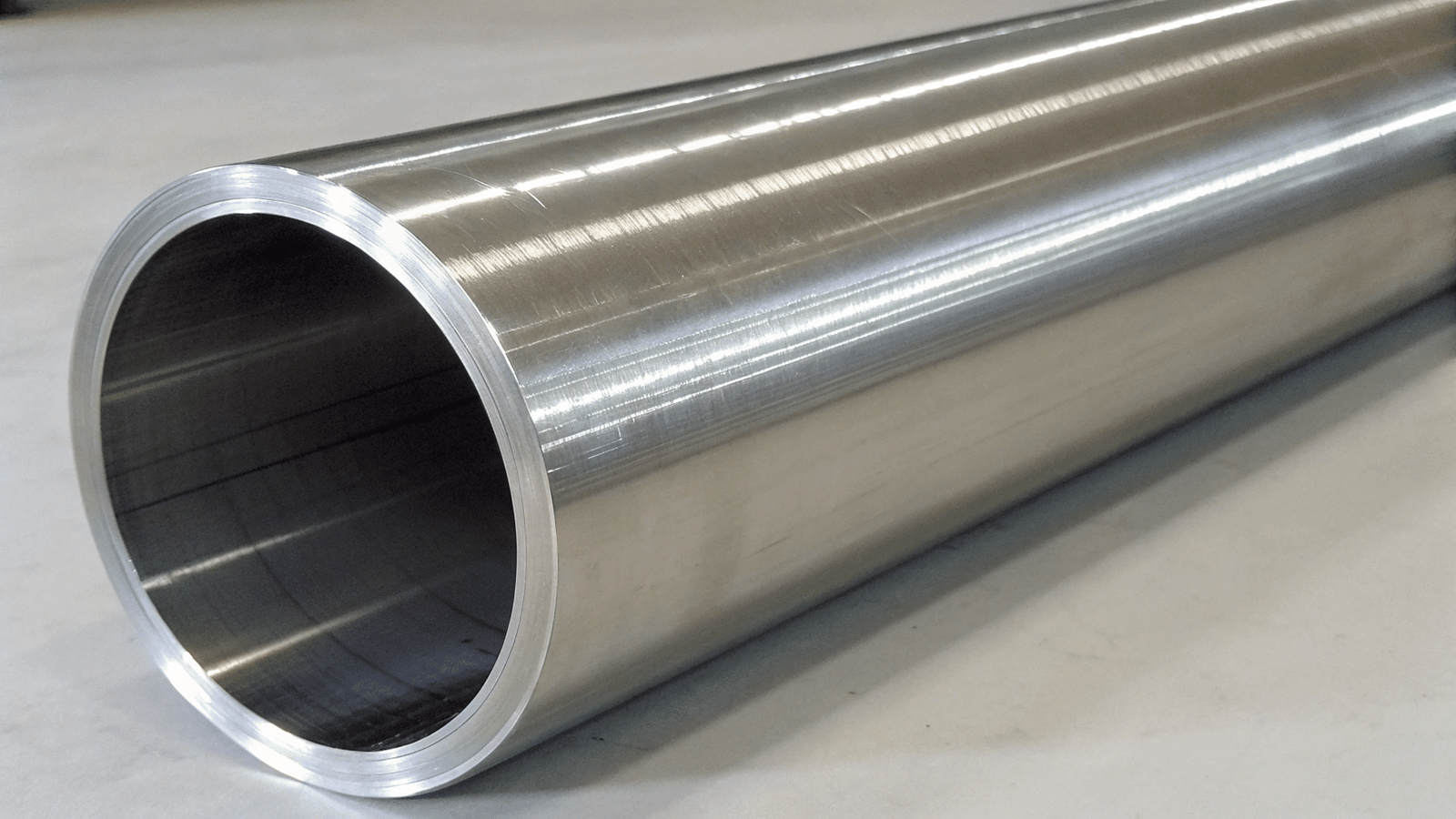
Are you finding that standard aluminum round bars1 don't quite meet the complex demands of your critical applications? Explore the world of precision forging.
When standard aluminum round bars1 lack the necessary mechanical properties, complex geometries, or optimized performance for high-stress applications, SWA Forging's custom-engineered components2 offer a superior, precision-built alternative.
Many of our clients at SWA Forging begin their projects by considering common material forms like aluminum round bars. These bars are versatile and widely available, serving many general purposes. However, for applications that require exceptional strength, intricate shapes, precise tolerances, or enhanced durability under extreme conditions, standard round bars often fall short. The limitations typically arise from the material’s inherent grain structure and the inability to tailor it for specific stress points. At SWA Forging, we address these challenges by using our advanced forging techniques to create precisely engineered components, transforming the potential of aluminum alloys3 to deliver unmatched performance beyond what simple round bars can offer.
What are round bars used for?
Round bars are fundamental structural and mechanical components used in a vast array of applications across many industries due to their simple, consistent geometry.
Round bars are primarily used as raw material for manufacturing parts that require cylindrical shapes, such as shafts, axles, pins, bolts, and fasteners. They are also employed as structural supports, push rods, rollers, and in various machine elements where consistent diameter and strength are needed.

Clients often approach SWA Forging after initially sourcing or planning to use aluminum round bars for their projects. They might need a simple shaft or a basic structural element. However, as their design requirements become more demanding, especially regarding performance under stress or the need for complex integrated features, the limitations of a simple round bar become apparent. Our expertise at SWA Forging lies in taking the same base aluminum alloys that are used for round bars and transforming them through forging into highly specialized components. These components possess superior mechanical properties and integrated design features that a simple bar cannot provide, making them ideal for critical applications.
Common uses for round bars include:
- Machining Stock: As the starting material for creating more complex machined parts like shafts, pins, and bolts.
- Structural Support: In frameworks, railings, and supports where a cylindrical shape is suitable.
- Mechanical Components: Axles, spindles, dowel pins, and internal components of machinery.
- Fasteners: Used in the production of screws, bolts, and rivets.
- Reinforcement: In construction or composite materials for added strength.
Their simplicity makes them a versatile building block in engineering.
What is a round bar called?
While "round bar" is the most common and widely understood term, depending on the context, material, diameter, and specific use, it can also be referred to by other names.
A round bar is most commonly called a round bar or simply a bar. However, it can also be referred to as a round stock, rod, or bar stock, especially when referring to it as raw material for manufacturing. In specific contexts, like steel, it might be called a round steel bar.

When discussing materials with clients at SWA Forging, we often clarify the terminology. If a client is asking about starting materials, they might refer to them as "round stock" or "bars." However, our focus is on transforming these raw materials, whether they are round bars or other forms, into precision-engineered forged components. A simple round bar might be the initial step, but our end products, like forged rings, are highly specialized components designed for specific stress-bearing roles, which is a significant evolution from the basic "round bar" concept.
Other terms for round bars:
- Rod: Often used for smaller diameter bars, particularly in metals like brass or copper, but also for steel.
- Bar Stock: A general term for raw material in bar form used for manufacturing.
- Shaft: If the round bar is specifically intended for use as a rotating mechanical component.
- Mandrel: Sometimes used for hollow round bars or when used to form other shapes.
The most universally understood term remains "round bar."
What do you call a circular bar?
A circular bar is typically referred to as a round bar, but the specific terminology can vary based on material, size, and application.
A circular bar is most commonly called a round bar. Depending on the material and its intended use, it might also be called a rod, bar stock, or a cylindrical shaft.

At SWA Forging, we deal with aluminum in its various forms, including raw materials that might start as circular bars. When clients discuss their needs, they might use "circular bar" or "round bar" interchangeably. Our specialty is to take these basic shapes and, through advanced forging processes, create components that are far more than just circular bars. We engineer parts with specific geometries and optimized material structures to meet the rigorous demands of critical applications, moving well beyond the simplicity of a standard circular bar to deliver enhanced performance and reliability.
Alternative names include:
- Round Stock: Emphasizes its use as raw material.
- Rod: Often implies a smaller diameter or a more flexible material.
- Shaft: Specifically denotes a component used in rotating machinery.
- Cylinder: While descriptive, it’s less common as a material term unless referring to a solid cylinder as a component.
"Round bar" remains the most prevalent and universally understood term for a solid, circular cross-section of metal.
What is the material grade of round bar?
The material grade of a round bar refers to its specific alloy composition and temper, which dictate its mechanical properties and suitability for different applications.
The material grade of an aluminum round bar can range widely, with common grades including 6061, 6063, 7075, and 2024, each with specific properties. For steel round bars, grades can include various carbon steels (like 1018, 1045) or alloy steels (like 4140, 4340), each offering different levels of strength, hardness, and toughness.

When clients approach SWA Forging, they often come with a specific material grade in mind, like 6061 or 7075 aluminum. They might be sourcing this as a round bar for machining. Our value proposition is to take these same high-grade materials and elevate their performance through forging. For instance, a round bar of 7075-T6 might be specified for its high strength, but a forged component made from the same alloy will have superior grain alignment and thus even greater strength and durability in critical load-bearing situations. We help clients understand that the grade is just the starting point; the manufacturing process, like forging, unlocks the material’s true potential for demanding applications.
Examples of material grades:
- Aluminum:
- 6061: Good strength, weldability, and corrosion resistance.
- 6063: Excellent extrudability and corrosion resistance, often used for architectural applications.
- 7075: Very high strength, often used in aerospace.
- 2024: High strength, good fatigue resistance, often used in aircraft structures.
- Steel:
- 1018: Low carbon steel, good formability and weldability.
- 1045: Medium carbon steel, offers higher strength than 1018.
- 4140: Alloy steel, excellent strength, toughness, and fatigue resistance.
- 4340: High-strength alloy steel, often used for critical applications requiring high toughness.
Choosing the correct grade is essential for meeting application requirements.
Conclusion
For critical applications that demand performance beyond standard aluminum round bars, SWA Forging offers precision-engineered solutions that leverage advanced forging techniques to maximize material properties.
-
Discover the unique benefits of aluminum round bars and how they can enhance your engineering projects. ↩ ↩
-
Discover how custom-engineered components can provide tailored solutions for specific applications. ↩
-
Get insights into the most popular aluminum alloys and their applications in engineering. ↩