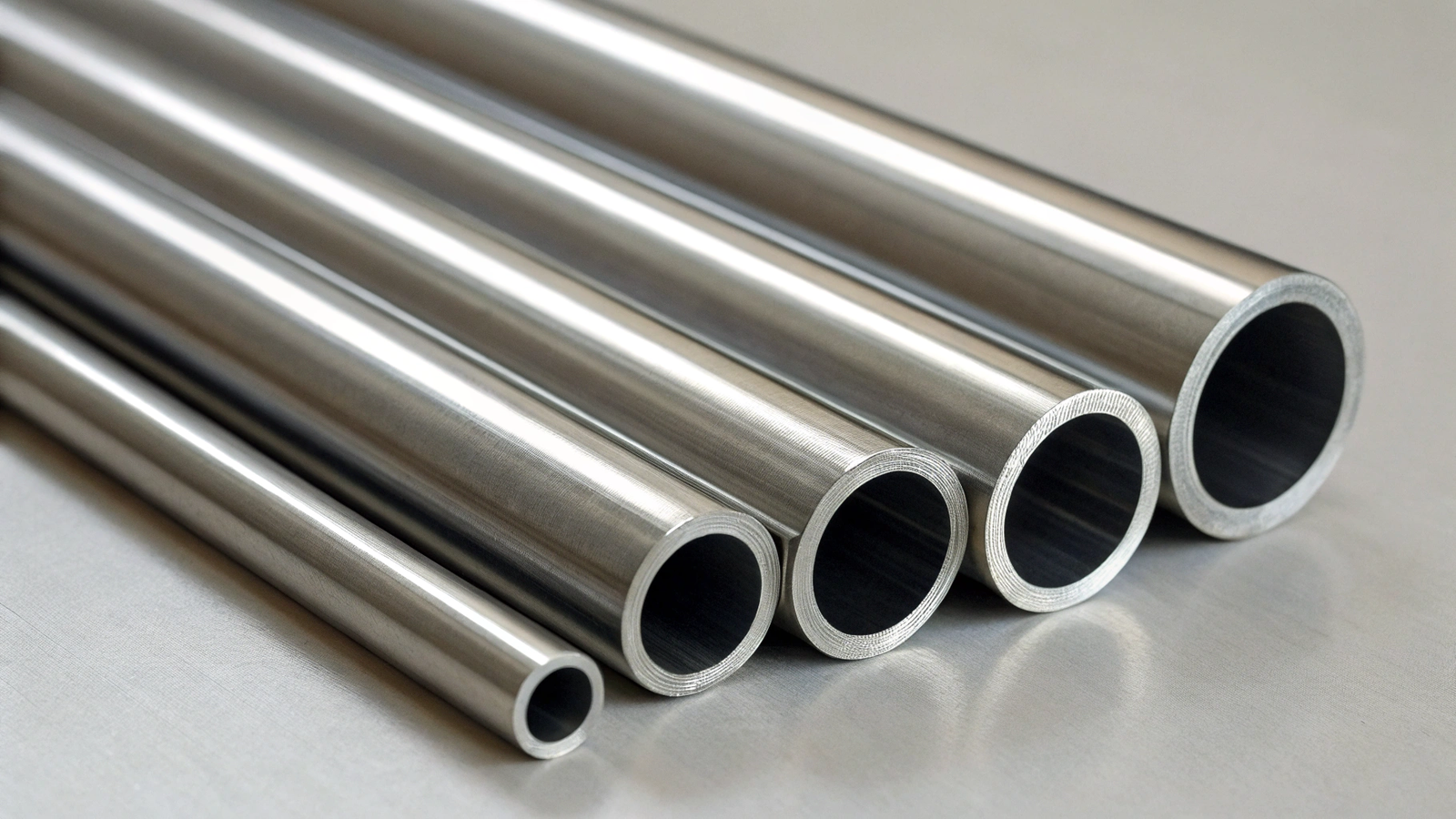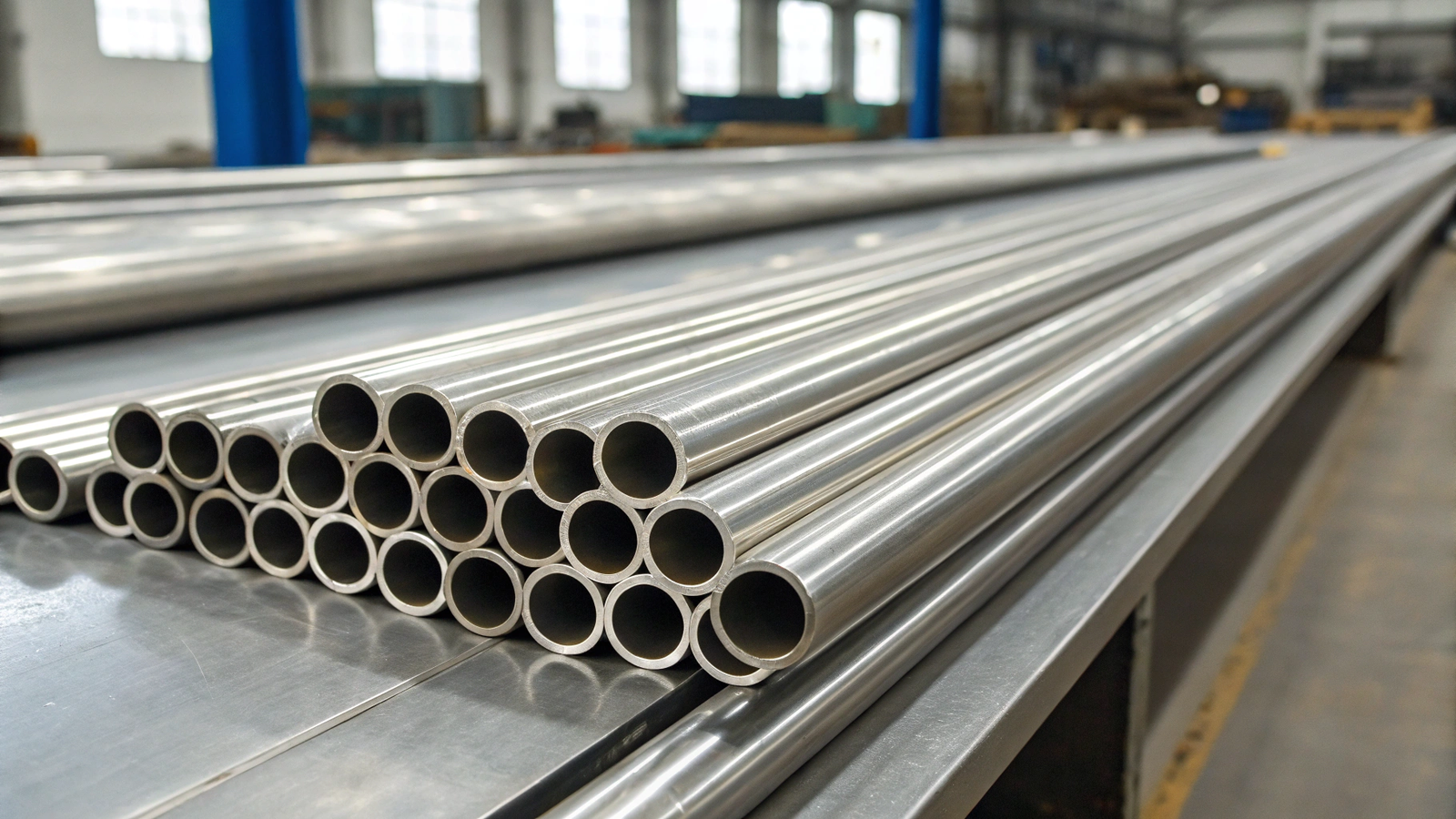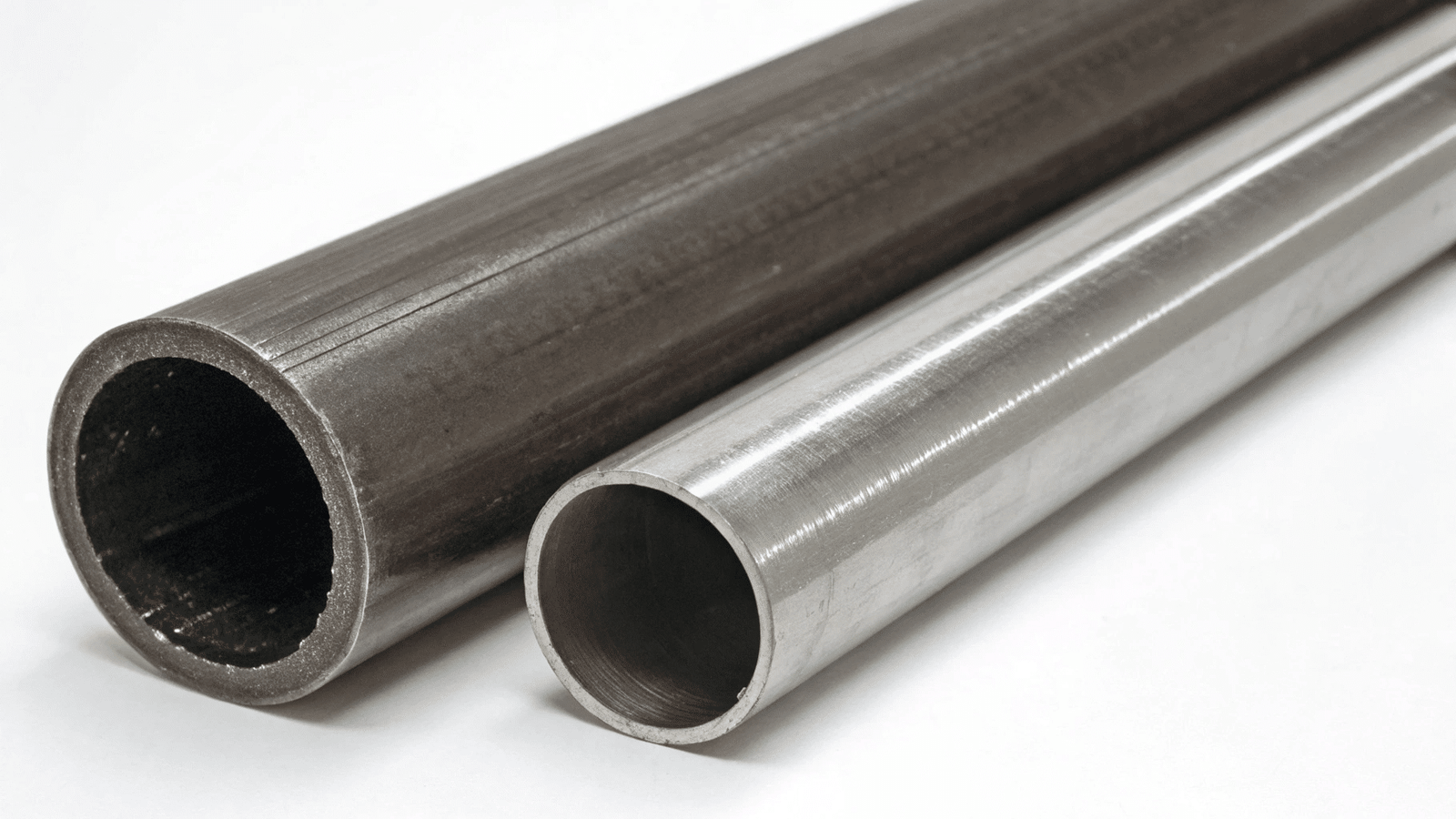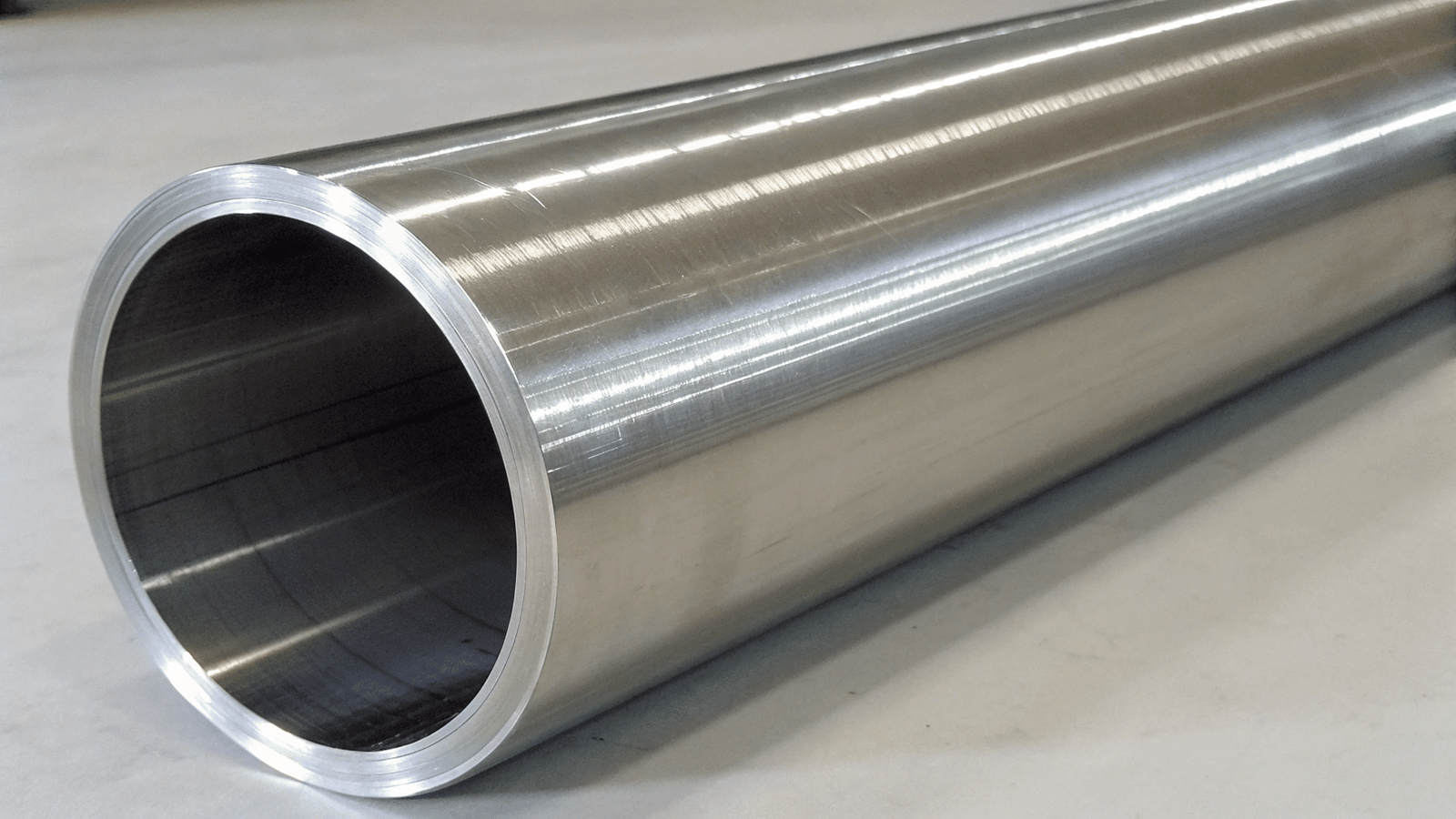
Are you choosing between standard 6061/6063 aluminum bars and the advanced capabilities of forged rings1 for your critical applications? Understand the performance difference.
When standard 6061 or 6063 aluminum bars fall short in delivering the required mechanical properties, complex geometries, or optimized performance for high-stress applications2, SWA Forging's custom-engineered forged rings offer a superior solution.
Many of our clients at SWA Forging start by looking at readily available aluminum bars, often in grades like 6061 or 6063. These alloys are versatile and widely used for many applications. However, for components that experience significant stress, require exceptional dimensional accuracy, or need specific performance characteristics like enhanced fatigue strength, standard bars can be limiting. The limitations often stem from the material's grain structure and the inability to precisely shape it for optimal load bearing. At SWA Forging, we address this by using our advanced forging techniques to create custom rings from high-quality aluminum alloys, transforming the material’s potential to deliver unmatched performance.
Can 6061 aluminum be forged?
Yes, 6061 aluminum is a highly suitable alloy for forging, and this process significantly enhances its already desirable mechanical properties.
6061 aluminum is an excellent candidate for forging. The forging process allows for improved grain structure, increased strength, better toughness, and enhanced fatigue resistance compared to its cast or machined forms. Forged 6061 parts are often used in critical applications where reliability under stress is paramount.
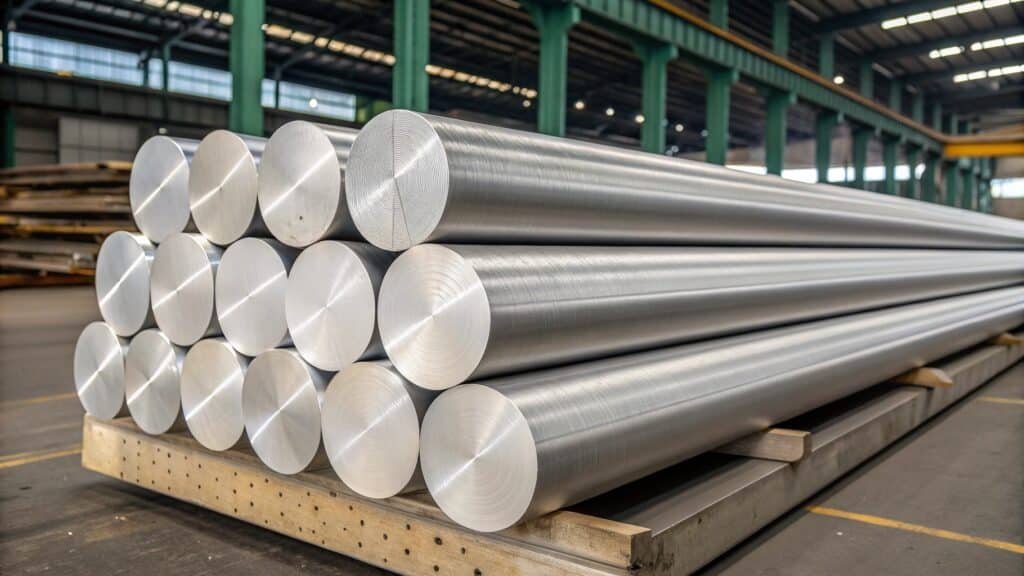
At SWA Forging, 6061 is one of our most frequently used alloys for creating forged components, including our signature rings. Clients often choose 6061 bars for their projects, but when they require parts with superior performance, we highlight the benefits of forging this alloy. Forging manipulates the grain flow of the 6061 aluminum, aligning it with the stress patterns of the final part. This results in a component that is stronger, more durable, and more resistant to failure than a part machined from a standard bar, making it ideal for demanding applications.
Key benefits of forging 6061:
- Improved Strength: Forging refines the grain structure, increasing tensile and yield strength.
- Enhanced Toughness: The process reduces internal defects and creates a more homogenous microstructure, improving impact resistance.
- Better Fatigue Life: Optimized grain flow leads to superior performance under cyclic loading.
- Complex Shapes: Forging allows for the creation of intricate shapes that are difficult or impossible to achieve with standard bar stock.
- Dimensional Accuracy: While requiring precise tooling, forging can yield components with excellent dimensional control.
Forging unlocks the full potential of the 6061 alloy for high-performance applications.
How strong is forged aluminum?
Forged aluminum is significantly stronger and more durable than aluminum that has been cast or machined from standard bar stock.
Forged aluminum exhibits superior strength, toughness, and fatigue resistance due to the refinement of its grain structure during the forging process. This results in components that can withstand higher stresses, impacts, and cyclic loads compared to their cast or machined counterparts made from the same alloy.
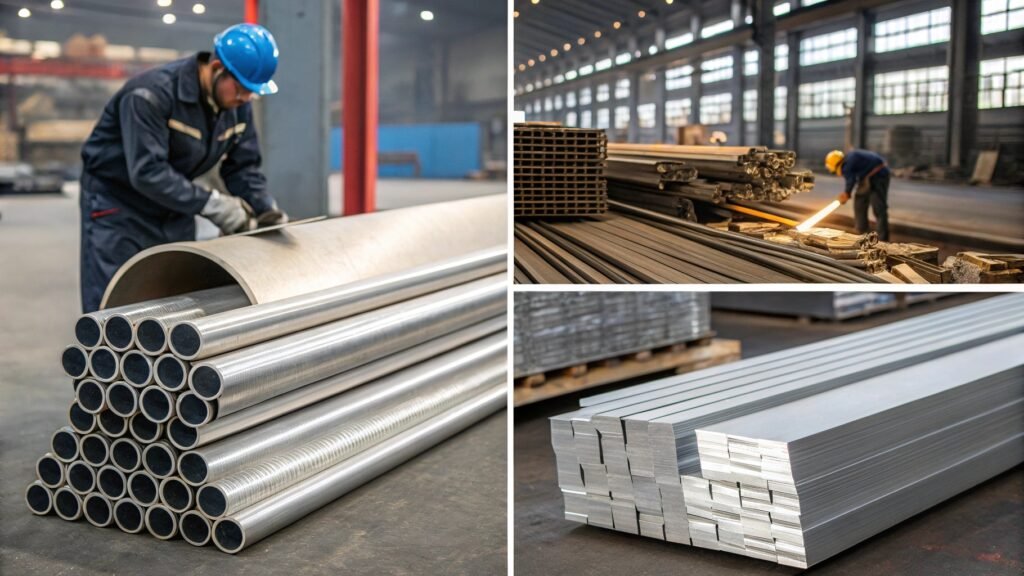
Clients often ask about the strength of our forged aluminum components at SWA Forging. The answer is always a significant increase compared to standard aluminum bars. For example, a forged ring made from 6061 aluminum can have a yield strength that is considerably higher than a bar of the same alloy, especially in the direction of the grain flow. This enhanced strength makes our forged products ideal for critical applications in industries like aerospace, automotive, and heavy machinery where component failure is not an option. The improved toughness also means better resistance to fracture and cracking under stress.
The strength advantage of forged aluminum includes:
- Higher Yield and Tensile Strength: Forging aligns the grain structure, increasing the force required to deform or break the material.
- Improved Ductility and Toughness: The refined microstructure makes the aluminum less brittle and more resistant to impact.
- Superior Fatigue Strength: Components can withstand more stress cycles before failing, crucial for dynamic applications.
- Reduced Porosity and Internal Defects: The forging process compacts the metal, eliminating internal voids common in casting.
This makes forged aluminum components a reliable choice for demanding environments.
Can aluminium be forged?
Yes, aluminum is a highly forgeable metal, and the forging process is widely used to create a vast array of strong, durable, and precisely shaped aluminum components.
Aluminum alloys are well-suited for forging, a metalworking process where metal is shaped by localized compressive forces, often with dies. Forging improves the mechanical properties of aluminum, including its strength, toughness, and fatigue resistance, by aligning the grain structure and eliminating internal voids.
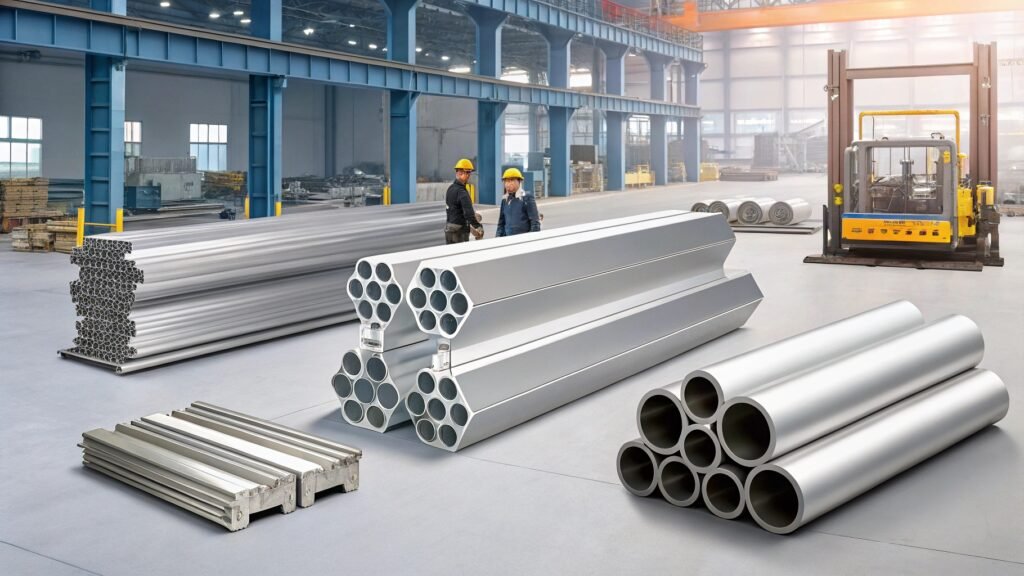
At SWA Forging, our entire business is built on the ability to forge aluminum. We work with various aluminum alloys, transforming them from basic forms like bars and billets into complex, high-performance components like our custom rings. Many clients are initially unaware of the extent to which aluminum can be shaped and strengthened through forging. They might be using machined parts that are prone to cracking or failing under stress. By forging these same alloys, we can create parts with intricate geometries and superior internal structures, significantly enhancing their reliability and performance in critical applications where standard aluminum products would not suffice.
The process offers several advantages for aluminum:
- Enhanced Mechanical Properties: Forging refines the grain structure, leading to higher strength, toughness, and fatigue life.
- Complex Geometries: It allows for the creation of intricate shapes that are difficult to achieve through other methods.
- Material Integrity: Forging reduces internal defects like porosity, creating a more homogenous and reliable part.
- Versatility: Many aluminum alloys can be successfully forged, from common alloys like 6061 to high-strength ones like 7075.
This makes forging a key process for producing high-performance aluminum parts.
What is the best aluminum for forging?
The "best" aluminum alloy for forging depends entirely on the specific application's requirements for strength, corrosion resistance, temperature stability, and cost.
While many aluminum alloys can be forged, alloys from the 6xxx series (like 6061 and 6063) and the 7xxx series (like 7075) are among the most popular and versatile for forging. 6xxx series alloys offer a good balance of strength, corrosion resistance, and formability, while 7xxx series alloys provide extremely high strength, making them ideal for aerospace and high-stress applications.
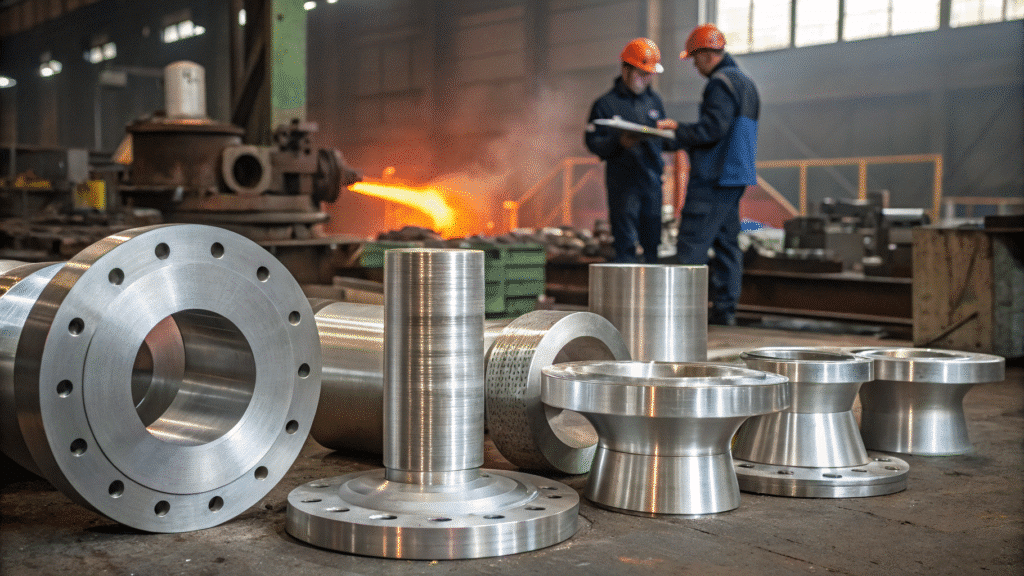
At SWA Forging, we frequently work with both 6061 and 7075 for our forged rings and other custom components. If a client needs a strong, corrosion-resistant, and weldable part for general industrial use or moderate stress, 6061 is often the optimal choice. However, for applications demanding the absolute highest tensile strength and fatigue resistance, such as in aerospace structural components or high-performance automotive parts, 7075 is typically preferred. Our expertise lies in selecting the right alloy and applying our forging techniques to meet the unique performance specifications of each client's project.
Factors to consider for alloy selection:
- Strength Requirements: For extreme strength, 7xxx series alloys are often superior. For good all-around strength, 6xxx series alloys are excellent.
- Corrosion Resistance: 6xxx series generally offers better corrosion resistance than 7xxx series.
- Operating Temperature: Some alloys perform better at elevated temperatures.
- Weldability and Machinability: 6xxx series alloys are typically easier to weld and machine than 7xxx series.
- Cost: Higher-strength alloys like 7075 are usually more expensive.
Our team at SWA Forging works closely with clients to determine the ideal alloy for their specific forging needs.
Conclusion
For unparalleled performance that surpasses standard 6061/6063 aluminum bars, SWA Forging's custom-engineered forged rings offer superior strength and optimized properties.