Skip to content
Are you pushing the limits with aluminum tubes1 and need a solution that offers superior strength and reliability? Explore the forging advantage.
For high-stress applications where standard aluminum tubes fail to provide sufficient strength, durability, or the required complex geometries, SWA Forging's precision-engineered components offer a significantly stronger and more reliable alternative.
Many of our clients come to SWA Forging after experiencing failures or limitations with standard aluminum tubes. They might be working on aerospace components, critical automotive parts, or heavy industrial machinery where the stresses are immense. Tubes, even those made from high-strength alloys like 7075, often have inherent weaknesses due to their manufacturing process, such as inconsistent grain flow or limitations in achieving complex 3D shapes. These factors can compromise structural integrity under extreme loads. At SWA Forging, we overcome these challenges by using our advanced forging techniques to create precisely engineered components from high-strength aluminum alloys, delivering performance far beyond that of conventional tubing.
What is the strongest tubing?
The strength of tubing is not a single answer, as it depends on the material, manufacturing process, and specific application requirements.
The strongest tubing is typically made from high-strength alloys like titanium, certain specialty steels, or advanced composites like carbon fiber, and is manufactured using processes like precision forging or filament winding that optimize material properties and complex geometries.
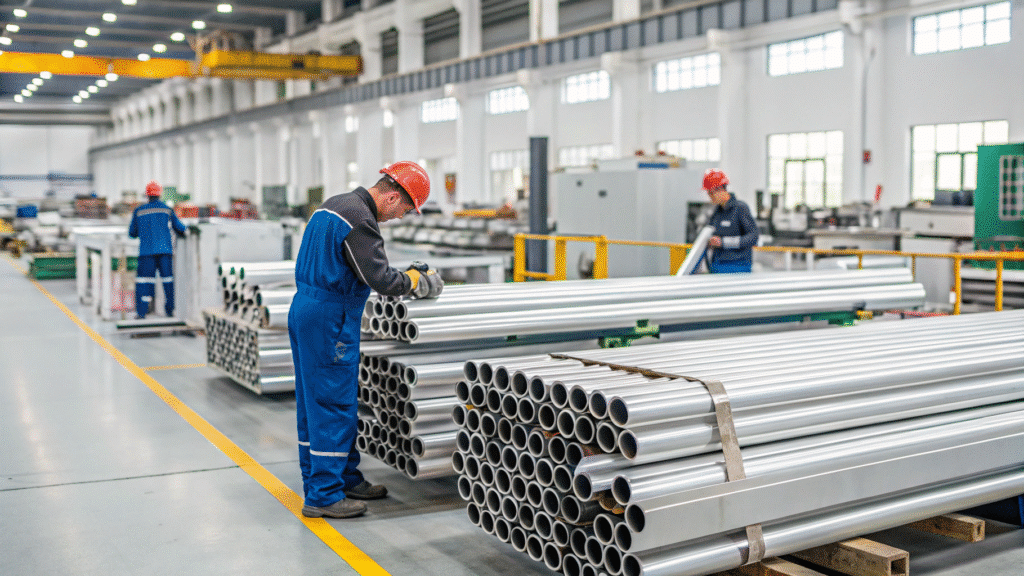
When clients approach SWA Forging, they are often seeking a strength level that standard aluminum tubing cannot provide. We help them understand that while aluminum is versatile, other materials like steel or titanium offer higher absolute strength. However, the true advantage often lies not just in the material, but in how it's shaped. Our forging process for aluminum alloys, such as 70752, creates components with exceptional strength-to-weight ratios and optimized grain structures, often outperforming even tubes made from stronger base materials when considering factors like impact resistance and complex formability.
Factors determining tubing strength:
- Material: Titanium, high-strength steels (e.g., Cr-Mo), and carbon fiber composites are generally stronger than aluminum alloys3.
- Manufacturing Process: Forging optimizes material grain flow, increasing strength and toughness compared to extrusion or drawing.
- Alloy Grade: Within any material category, different alloys have vastly different strength characteristics.
- Design and Geometry: How the tubing is shaped and how it handles stress distribution is crucial.
The "strongest" tubing is thus a combination of material, processing, and intelligent design.
What's stronger than aluminum?
Several materials offer superior strength compared to aluminum alloys, depending on the specific property being measured, such as tensile strength, hardness, or stiffness.
Materials generally considered stronger than aluminum alloys include various types of steel, titanium, high-performance composites like carbon fiber, and ceramics. These materials often possess higher tensile strength, yield strength, and stiffness, making them suitable for applications requiring extreme durability and load-bearing capacity.
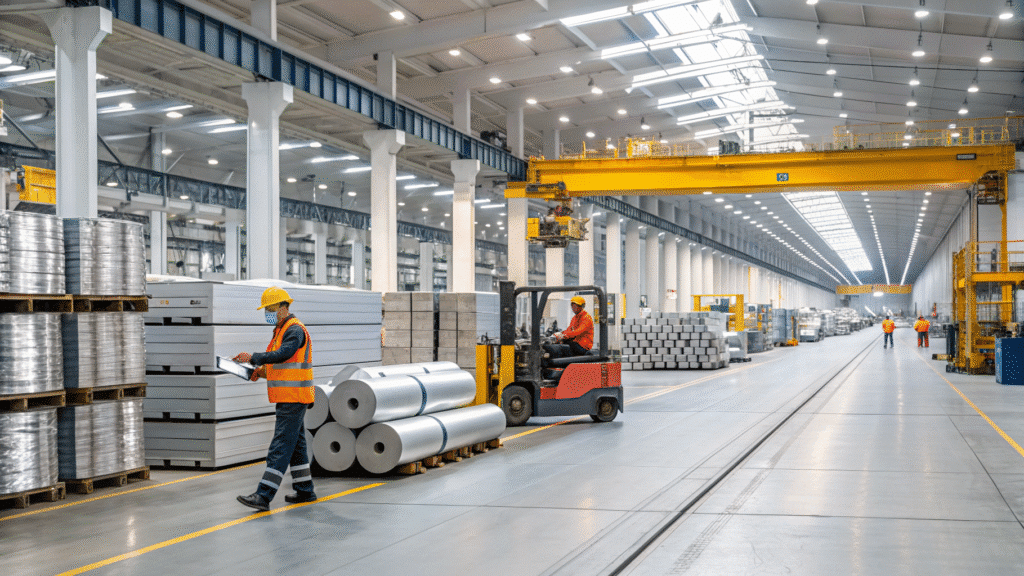
At SWA Forging, we specialize in aluminum, but we understand its place in the material hierarchy. Our clients often select aluminum for its excellent strength-to-weight ratio, corrosion resistance, and cost-effectiveness. However, when applications demand sheer brute strength or exceptional stiffness, we acknowledge that materials like steel or titanium are often the primary choices. Our value proposition is transforming aluminum into a high-performance material through forging, pushing its inherent capabilities to meet demanding requirements that might otherwise necessitate these stronger, heavier, or more expensive alternatives.
A comparison of strength:
- Steel: Generally much stronger and stiffer than aluminum, but also heavier. Offers excellent wear resistance and hardness.
- Titanium: Offers excellent strength-to-weight ratio, superior to aluminum and steel in many cases, with outstanding corrosion resistance, but is more expensive.
- Carbon Fiber Composites: Extremely high strength-to-weight and stiffness-to-weight ratios, but can be brittle and are typically more expensive and complex to manufacture.
- Ceramics: Extremely hard and stiff, with very high compressive strength, but are brittle and unsuitable for tensile or impact-prone applications.
The choice of material depends on the specific performance criteria, weight considerations, and budget.
Is steel tubing stronger than aluminum tubing?
Yes, generally speaking, steel tubing is significantly stronger and stiffer than aluminum tubing for comparable dimensions.
Steel tubing typically possesses much higher tensile strength, yield strength, and Young's modulus (stiffness) compared to aluminum tubing. This means steel can withstand greater loads and resist deformation more effectively, although it is also considerably denser and heavier than aluminum.
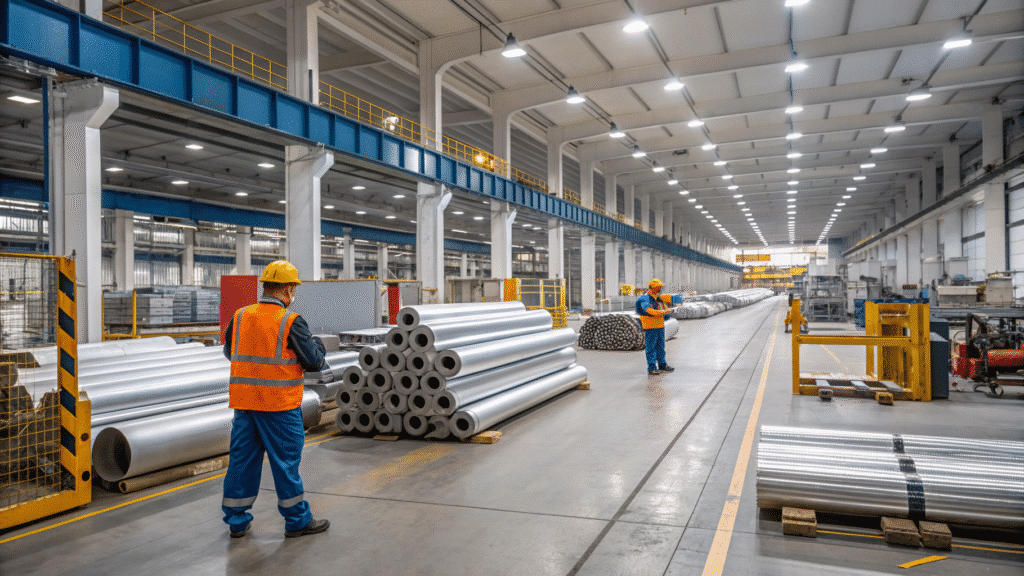
Many of our clients at SWA Forging work with applications that might traditionally use steel for its inherent strength. However, aluminum offers advantages like lighter weight and better corrosion resistance, which are crucial in many industries. Our expertise at SWA Forging lies in maximizing the strength of aluminum through advanced forging techniques. We can create complex, high-stress components from aluminum alloys that approach or even outperform steel in specific performance metrics, particularly when considering the strength-to-weight ratio, while still benefiting from aluminum’s lighter mass and corrosion advantages.
Key points of comparison:
- Tensile Strength: Steel is typically 2-4 times stronger than aluminum alloys.
- Stiffness (Young's Modulus): Steel is about three times stiffer than aluminum.
- Density: Steel is about three times denser than aluminum, meaning aluminum is much lighter for the same volume.
- Corrosion Resistance: Aluminum generally offers better corrosion resistance than uncoated steel.
- Cost: Aluminum is often less expensive than high-strength steels.
While steel is fundamentally stronger, aluminum provides a better strength-to-weight ratio and is often more practical for applications where weight is a critical factor.
What is the strongest aluminum tubing?
The strength of aluminum tubing is determined by its alloy composition, its temper (heat treatment), and its manufacturing process, with certain combinations yielding much higher performance.
The strongest aluminum tubing is typically made from high-strength alloys like 7075 or 2024, especially when in the T6 temper (solution heat-treated and artificially aged). Furthermore, tubes that undergo advanced manufacturing processes, such as precision forging or specific types of extrusion that optimize grain flow, will be stronger and more durable than standard drawn or welded tubes.
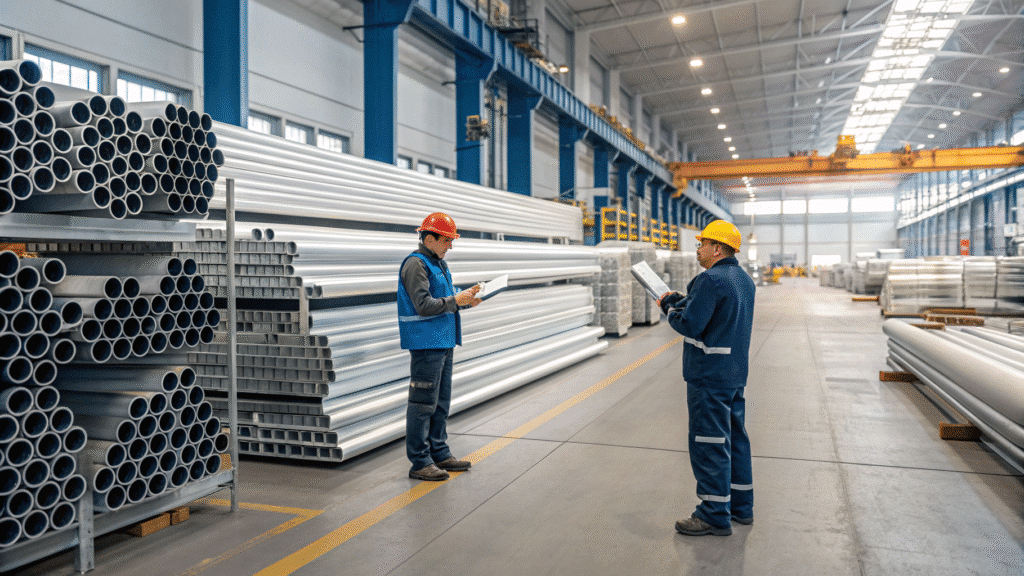
At SWA Forging, we excel at unlocking the maximum potential of aluminum alloys, including those used for tubing. While high-strength alloys like 7075 are available in tube forms, our clients often turn to us when they need strength and reliability that exceed standard tubing capabilities. Through our precision forging process, we can create complex 3D components from these same high-strength alloys4. This process aligns the metal's grain structure to the component's stress points, resulting in significantly enhanced mechanical properties, superior fatigue resistance, and greater overall durability compared to conventional tubing.
To identify the strongest aluminum tubing, consider:
- Alloy: 7075 and 2024 alloys offer the highest strength among common aluminum alloys.
- Temper: The T6 temper generally provides the highest strength for these alloys.
- Manufacturing Method: Seamless and forged tubes are generally stronger than welded tubes. Forged components offer the most optimized strength.
- Application-Specific Design: Even with strong alloys, the design of the tube (wall thickness, diameter, any reinforcing features) plays a vital role.
For critical applications demanding the utmost performance, exploring precision-forged aluminum components is often the next step beyond standard tubing.
Conclusion
When aluminum tubes are not strong enough for your demanding applications, SWA Forging's precision-engineered forged components offer a superior solution. Discover the difference forging makes for high-stress environments.
-
Explore the benefits of aluminum tubes, including their lightweight nature and versatility in various engineering fields. ↩
-
Understand why 7075 is a popular choice for high-performance applications due to its strength and durability. ↩
-
Understand the various aluminum alloys available and their specific applications in engineering. ↩
-
Discover the properties and uses of high-strength alloys in demanding applications. ↩