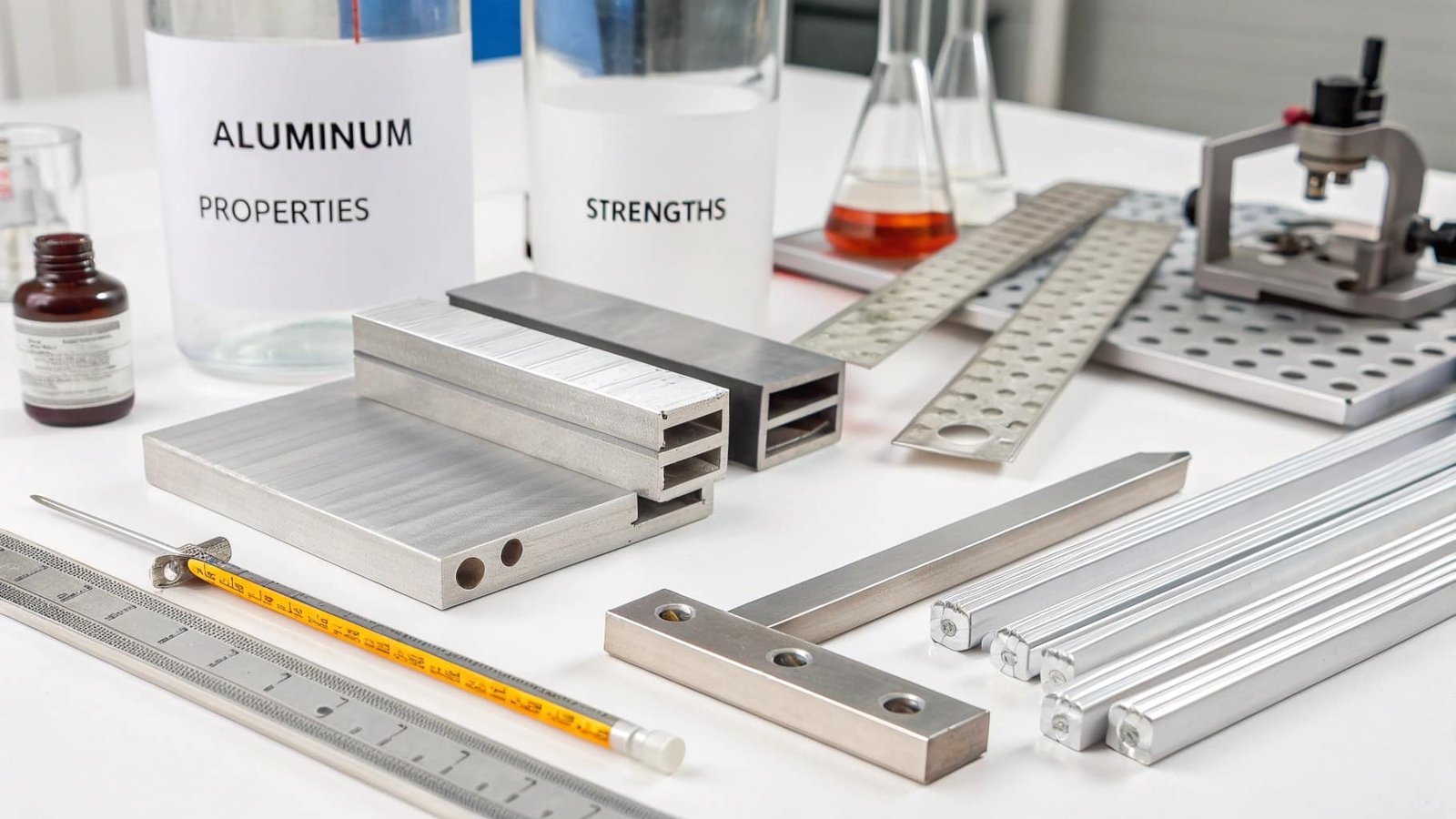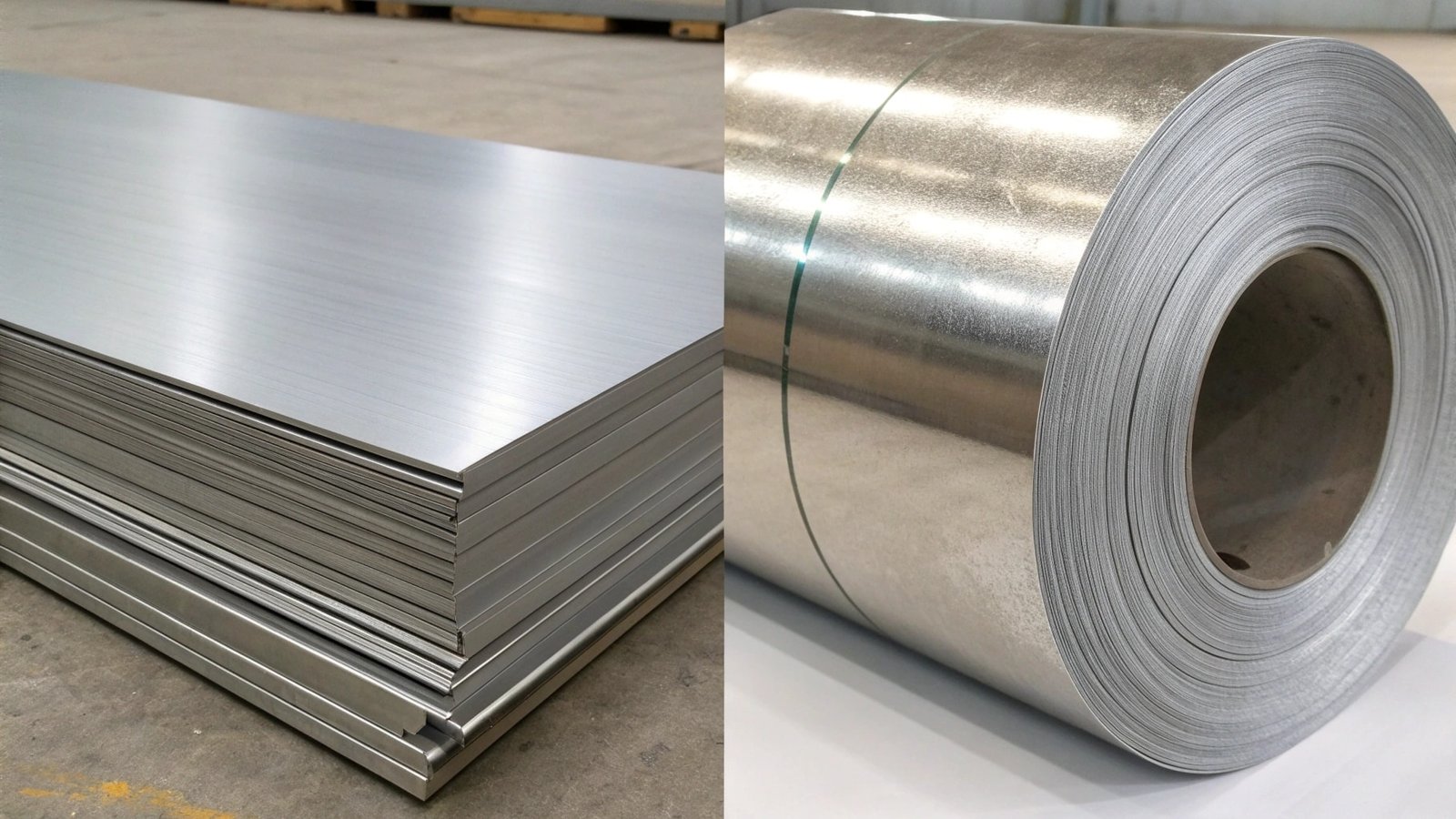
Are you navigating the complexities of material selection for aerospace applications, where every component demands unparalleled reliability and performance? Choosing the right "aerospace grade aluminum1" is a critical decision. This article provides a clear understanding of these specialized alloys.
Aerospace grade aluminum refers to specific aluminum alloys that possess superior mechanical properties, including high strength-to-weight ratio2, excellent fatigue resistance, fracture toughness, and corrosion resistance, essential for the structural integrity and operational safety of aircraft and spacecraft. These alloys, primarily from the 2xxx and 7xxx series, undergo stringent manufacturing controls and rigorous testing to meet the demanding certification requirements of the aerospace industry.
From my vantage point at SWA Forging, where we often provide high-quality aluminum solutions for demanding sectors, I can tell you that "aerospace grade" is far more than just a label. It signifies a profound level of precision, material integrity, and proven performance that is paramount in an industry where failure is not an option.
What is aerospace grade aluminum?
Are you wondering what makes an aluminum alloy "aerospace grade" and how it differs from standard commercial-grade aluminum? This distinction is crucial for anyone involved in high-stakes engineering.
Aerospace grade aluminum identifies specific aluminum alloys, predominantly from the 2XXX (Al-Cu) and 7XXX (Al-Zn) series, that are engineered and rigorously tested for exceptional strength-to-weight ratio, high fatigue life, fracture toughness, and often good corrosion resistance. These alloys meet stringent industry standards and regulatory certifications for use in aircraft, rockets, and satellites, where performance and reliability are critical.
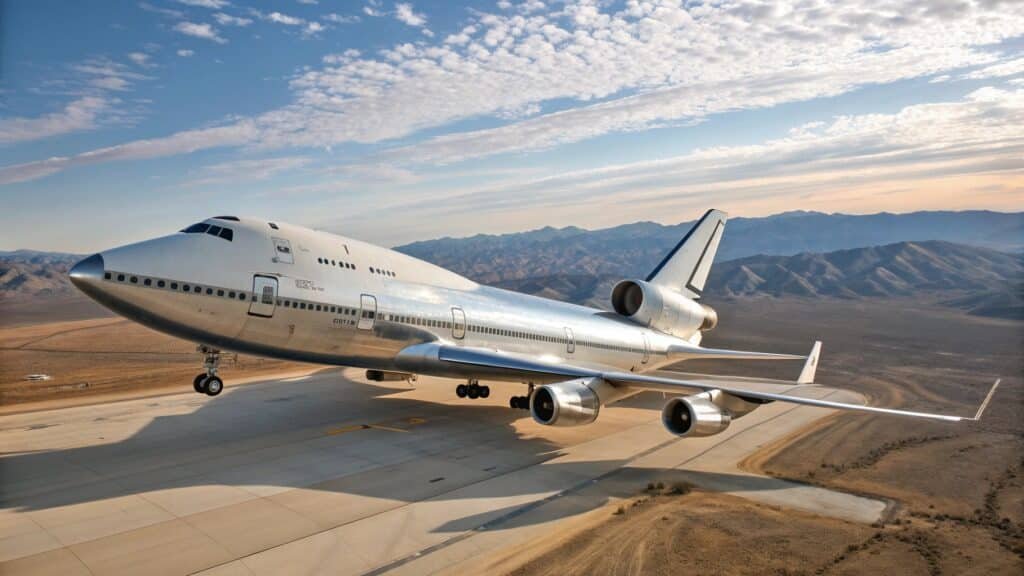
From my perspective at SWA Forging, when we talk about "aerospace grade aluminum," we are referring to materials that stand at the pinnacle of aluminum alloy performance. These are not merely stronger versions of everyday aluminum; they are meticulously developed and controlled materials designed for environments where structural integrity and lightweighting are paramount.
Here is what defines aerospace grade aluminum:
-
Superior Mechanical Properties:
- High Strength-to-Weight Ratio: This is arguably the most critical factor. Aerospace applications demand materials that are strong enough to withstand immense forces but light enough to minimize fuel consumption and maximize payload. Alloys like 7075-T6 and 2024-T3 are renowned for this.
- Excellent Fatigue Resistance: Aircraft and spacecraft components are subjected to repeated stress cycles (e.g., take-off, landing, pressurization cycles). Aerospace aluminum must resist the initiation and propagation of cracks under these cyclic loads. Forged components are particularly prized for their enhanced fatigue properties due to optimized grain flow.
- High Fracture Toughness: This refers to the material's ability to resist brittle fracture when a crack is present. In aerospace, ensuring components can tolerate minor defects without catastrophic failure is vital for safety.
- Good Corrosion Resistance: While not always the absolute best (e.g., some 2xxx series alloys need cladding), adequate corrosion resistance is essential for longevity and safety in diverse atmospheric conditions.
-
Specific Alloy Series: The most common aerospace grade aluminum alloys come from:
- 2xxx Series (Al-Cu): Alloys like 2014, 2024, and 2618 are known for very high strength and good fatigue resistance. 2024 is foundational for fuselage structures due to its excellent fatigue properties.
- 7xxx Series (Al-Zn-Mg-Cu): Alloys like 7050, 7075, 7475, and 7068 offer the highest strengths of all aluminum alloys. 7075 is iconic for its use in highly stressed structural parts.
-
Strict Manufacturing Controls: Aerospace grade alloys undergo extremely tight controls during melting, alloying, casting, rolling, extrusion, and forging. This ensures consistent chemical composition, minimal impurities, and a uniform microstructure. At SWA Forging, our ISO9001, ISO14001, and ISO45001 certifications reflect this commitment to quality at every step.
-
Rigorous Testing and Certification: Every batch and often every component must pass exhaustive non-destructive testing (NDT), mechanical property tests, and chemical analysis. Comprehensive documentation and traceability are paramount. Third-party certifications (SGS, BV, TUV) are often required by our clients to guarantee adherence to specifications.
In short, aerospace grade aluminum is not just strong aluminum; it is aluminum with a pedigree of performance, reliability, and meticulous quality control, specifically designed for the most demanding applications on Earth and beyond.
Here is a summary chart of common aerospace grade aluminum alloys:
| Alloy | Primary Alloying Elements | Key Properties | Typical Applications (Aerospace) |
|---|---|---|---|
| 2014 | Copper, Magnesium, Silicon | High strength, good machinability | Aircraft structures, large forged components, heavy-duty fittings |
| 2024 | Copper, Magnesium | High strength, excellent fatigue resistance, good fracture toughness | Fuselage structures, wing tension members, rivets |
| 2124 | Copper, Magnesium (low iron/silicon) | Enhanced fracture toughness over 2024 | Critical aerospace components demanding high toughness |
| 2219 | Copper | High strength at elevated temperatures, good weldability | Space applications, supersonic aircraft parts, fuel tanks |
| 7050 | Zinc, Magnesium, Copper, Zirconium | Very high strength, superior fracture toughness, stress-corrosion cracking resistance | Wing skins, fuselage frames, bulkheads, landing gear |
| 7075 | Zinc, Magnesium, Copper | Highest strength of common alloys, good fatigue resistance | Highly stressed structural parts, landing gear, wing spars |
| 7475 | Zinc, Magnesium, Copper (high purity) | Excellent fracture toughness, good stress-corrosion cracking resistance | Skin sheet applications where high toughness is critical |
Is 5052 aluminum aircraft grade?
Are you considering 5052 aluminum for an aircraft component and wondering if it meets "aircraft grade" standards? This is an important distinction, as not all aluminum alloys are suitable for aerospace.
No, 5052 aluminum is generally not considered aircraft grade for primary structural components. While it offers excellent corrosion resistance, good formability, and moderate strength, it lacks the very high strength, fatigue resistance, and fracture toughness required for the critical load-bearing structures in aircraft, which typically demand 2xxx or 7xxx series alloys.
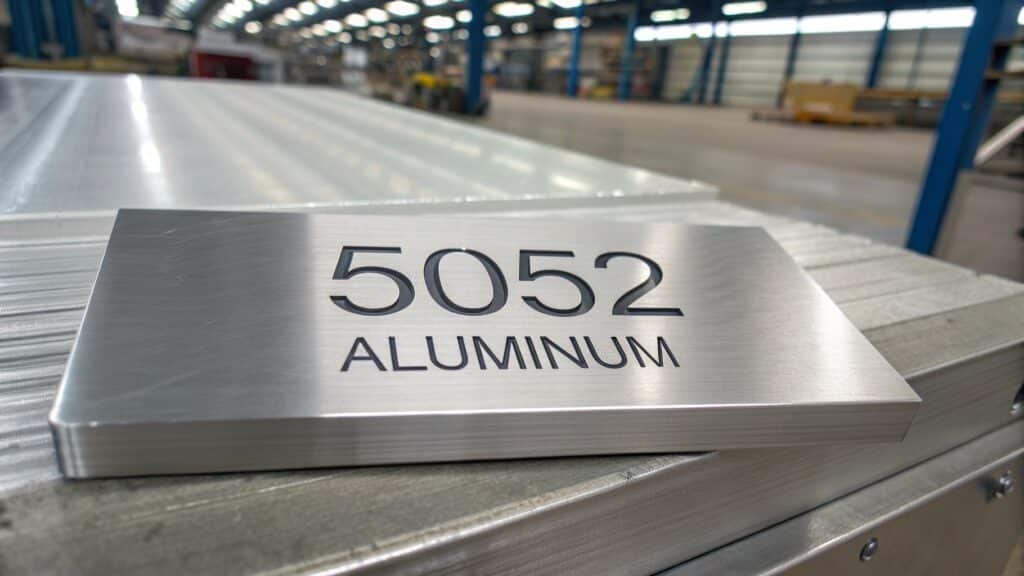
From my perspective at SWA Forging, I can definitively state that 5052 aluminum is generally not classified as "aircraft grade" for primary structural applications. While it is an excellent alloy with valuable properties, its mechanical performance simply does not meet the stringent requirements for load-bearing structures in modern aircraft.
Here is why 5052 aluminum falls short for most aerospace structural uses:
- Moderate Strength: 5052 is a non-heat-treatable alloy, and its strength depends solely on cold work (strain hardening). Even in its hardest temper (H38), its tensile strength is around 290 MPa (42 ksi), and its yield strength is about 240 MPa (35 ksi). Compare this to aerospace workhorse 7075-T6, with a tensile strength of 570 MPa (83 ksi) and yield strength of 503 MPa (73 ksi). This significant difference means 5052 cannot handle the high stresses and loads that primary aircraft structures must endure.
- Lower Fatigue Resistance: Aircraft components are subject to millions of stress cycles. High fatigue resistance is crucial. While 5052 has decent fatigue properties for its strength class, it cannot compete with the exceptional fatigue performance of alloys like 2024-T3 or 7075-T6.
- Lower Fracture Toughness: Aerospace requires materials that can tolerate small defects without immediate catastrophic failure. 5052 typically does not offer the same level of fracture toughness as specialized aerospace alloys like 7050 or 7475.
- Primary Applications: 5052 is best known for its excellent corrosion resistance (especially in marine environments) and superb formability. It is widely used in chemical equipment, marine components, pressure vessels (non-critical), and general sheet metal work. These are important applications, but they are not the structural backbone of an aircraft.
Could 5052 be used in an aircraft? Possibly, for very minor, non-load-bearing components where corrosion resistance or formability is key, and strength is not a factor. However, it would not be part of the primary airframe structure, wing, or landing gear. My company focuses on materials that meet the demanding performance requirements of industries like aerospace, so we typically work with higher-strength 2xxx and 7xxx series alloys for such clients.
Here is a comparison of 5052 with a typical aircraft grade alloy:
| Feature | 5052 H32 | 7075-T6 (Typical Aircraft Grade) |
|---|---|---|
| Alloy Type | Non-heat-treatable (Mg) | Heat-treatable (Zn, Mg, Cu) |
| Tensile Strength | ~230 MPa (33 ksi) | ~570 MPa (83 ksi) |
| Yield Strength | ~180 MPa (26 ksi) | ~503 MPa (73 ksi) |
| Strength-to-Weight | Moderate | Excellent |
| Fatigue Resistance | Moderate | Excellent |
| Fracture Toughness | Good | Excellent |
| Corrosion Resistance | Excellent (especially marine) | Good (can be susceptible to SCC) |
| Formability | Excellent | Good (less than 5052) |
| Weldability | Excellent | Good (HTZ softening without post-weld HT) |
| Primary Aerospace Use | Non-structural fittings, minor components | Primary structural components, high-stress parts |
Is 7075 aluminum aircraft grade?
Are you specifically wondering if 7075 aluminum qualifies as an aircraft grade material, considering its reputation for high strength? This alloy is often mentioned in discussions about high-performance metals.
Yes, 7075 aluminum is definitively considered an aircraft grade alloy. In its T6 and T73 tempers, it offers an exceptionally high strength-to-weight ratio, excellent fatigue resistance, and good machinability, making it a cornerstone material for highly stressed structural components in aerospace applications such as wing structures, fuselage frames, and landing gear.
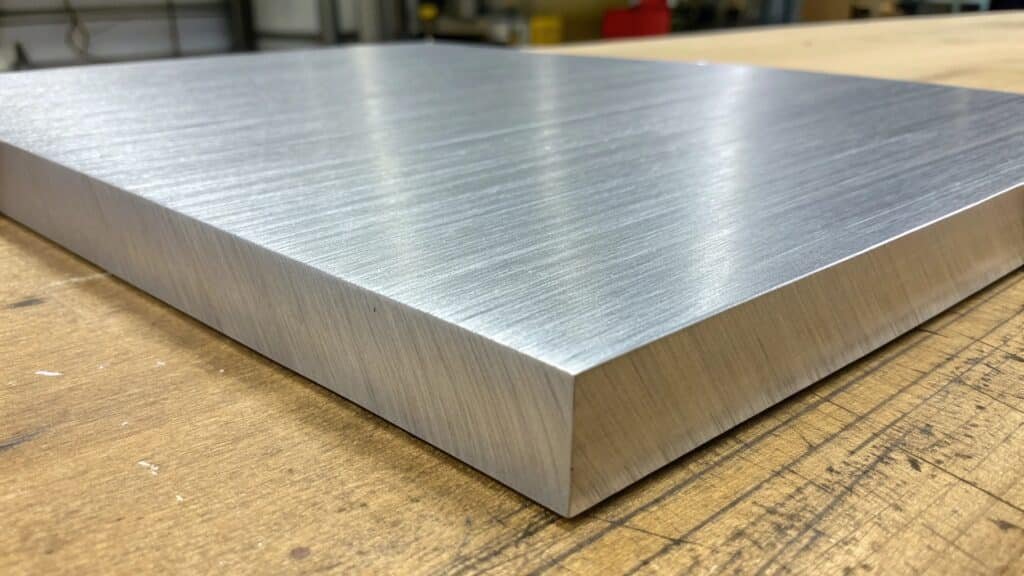
From my perspective at SWA Forging, I can say with full confidence that 7075 aluminum, particularly in its T6 and T73 tempers, is absolutely an aircraft grade alloy. In fact, it is one of the most iconic and widely used high-strength aluminum alloys in the aerospace industry, setting a benchmark for performance.
Here is why 7075 aluminum is considered aircraft grade:
- Exceptional High Strength: 7075-T6 boasts the highest strength among common aluminum alloys, with a typical tensile strength of around 570 MPa (83 ksi) and a yield strength of 503 MPa (73 ksi). This makes it ideal for components subjected to very high static or dynamic loads, where maximum strength-to-weight is paramount.
- Excellent Fatigue Resistance: While 2024 might have a slight edge in some specific fatigue metrics, 7075 also offers very good fatigue resistance, crucial for parts that experience cyclic loading in aircraft operations. As a manufacturer of forged components, we know that forging 7075 further enhances its fatigue properties by optimizing grain flow.
- Good Machinability: Despite its high strength, 7075 is quite machinable, allowing for the creation of complex and precise components frequently seen in aerospace and defense.
- Specific Tempers for Aerospace:
- 7075-T6: This is the most common temper, providing maximum strength. It is used for highly stressed structural applications like wing spars, fuselage frames, and landing gear components. However, it can be susceptible to stress-corrosion cracking (SCC) in certain aggressive environments.
- 7075-T73 (and T7351): This temper provides slightly lower strength than T6, but offers greatly improved resistance to stress-corrosion cracking and good fracture toughness. It is chosen for applications where SCC risk is a major concern.
Our clients in aerospace and defense often specify 7075 (along with 7050 for even better fracture toughness and SCC resistance) for their most demanding forged components, requiring our customized, high-quality solutions. Our rigorous quality inspection and certification processes ensure that their 7075 materials meet the precise "aircraft grade" specifications needed for safe and reliable use.
Here is a comparison of 7075 tempers relevant to aerospace:
| Property | 7075-T6 | 7075-T73 |
|---|---|---|
| Ultimate Tensile Strength | ~570 MPa (83 ksi) | ~510 MPa (74 ksi) |
| Yield Strength | ~503 MPa (73 ksi) | ~440 MPa (64 ksi) |
| Stress-Corrosion Cracking (SCC) Resistance | Moderate to Poor | Excellent |
| Fracture Toughness | Good | Very Good |
| Primary Use | Max strength, static loads | Max SCC resistance, critical dynamic components |
| Aerospace Applications | Wing spars, fuselage frames, landing gear, highly stressed parts | Bulkheads, pressure vessels, components in corrosive environments |
What is aerospace quality aluminum?
Are you seeking to understand what "aerospace quality" truly implies beyond just the alloy type for aluminum components? This term encompasses more than just material composition.
Aerospace quality aluminum refers to aluminum products that meet exceptionally stringent standards for chemical composition, mechanical properties, microstructural integrity, surface finish, and documentation, ensuring complete traceability and reliability for critical aerospace applications. This includes strict adherence to specifications, rigorous testing (mechanical, NDT), and comprehensive certification to guarantee consistent performance and safety.
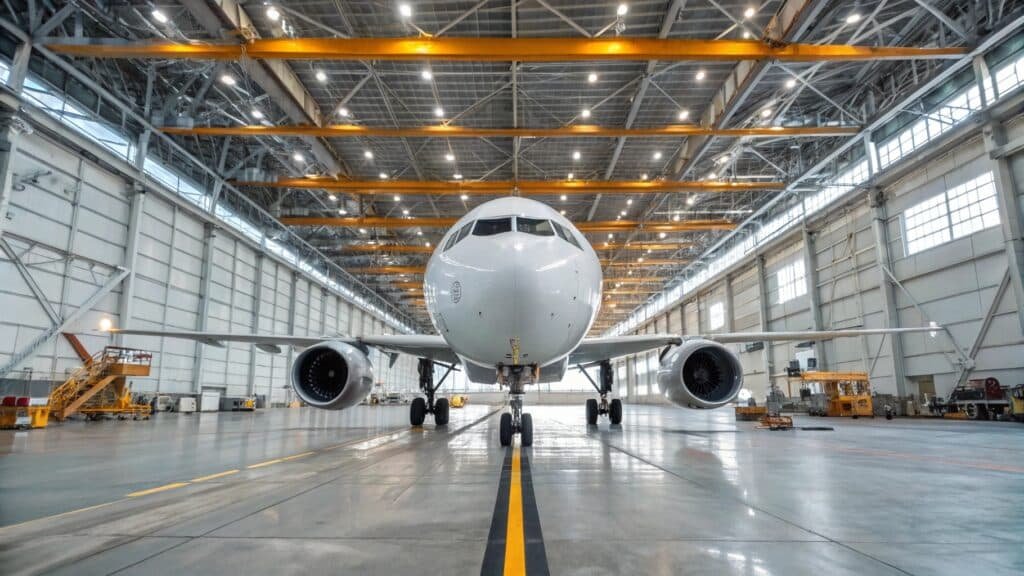
From my perspective at SWA Forging, "aerospace quality aluminum" goes far beyond simply buying an "aircraft grade" alloy. It is an all-encompassing term that speaks to the entire lifecycle and control of the material, which is critical for safety and operational performance in the aerospace industry.
Here's what "aerospace quality" entails for aluminum:
- Exact Chemical Composition: Not just the right alloy (e.g., 7075), but ensuring the alloying elements are precisely within the specified ranges and that detrimental impurities are minimized to an absolute minimum. Consistency is paramount.
- Superior Mechanical Properties: The material must consistently meet or exceed the specified ultimate tensile strength, yield strength, elongation, fracture toughness, and fatigue limits for its alloy and temper.
- Microstructural Integrity: This refers to the internal structure of the material. Aerospace quality ensures a fine, uniform grain structure (often achieved via forging), absence of internal porosity, inclusions, or other micro-defects that could initiate cracks. Our large-diameter forged rings and discs greatly benefit from this refined microstructure.
- Absence of Defects: Through intense quality control procedures, manufacturers like SWA Forging aim to eliminate all surface and subsurface defects, such as cracks, laps, seams, or gross inclusions. This is where non-destructive testing (NDT) methods like ultrasonic inspection, eddy current, and dye penetrant inspection become critical.
- Tight Dimensional Tolerances: Components must be manufactured to extremely precise dimensions, ensuring perfect fit and function within complex assemblies.
- Surface Finish: Specific surface roughness requirements are often in place to minimize stress concentrators or improve aerodynamic flow.
- Heat Treatment Control: The temper (-T6, -T73, etc.) must be achieved through meticulously controlled heat treatment processes, with precise temperature and time cycles, followed by verification of the attained properties.
- Comprehensive Documentation and Traceability: Every step, from the raw ingot to the final product, must be documented. This includes melt numbers, process parameters, test results, and final certifications. Complete material traceability, often back to the originating melt, is a non-negotiable aspect of aerospace quality. Our detailed product quality certificates and availability of third-party reports (SGS, BV, TUV) are a direct response to this need.
- Compliance with Industry Standards: Adherence to national and international standards (e.g., AMS, ASTM, ISO, QMS like AS9100) and customer-specific specifications.
In essence, "aerospace quality aluminum" means that the material has been produced and verified under the most rigorous standards possible, providing confidence in its performance and safety in the most critical of applications. For SWA Forging, delivering this level of quality is central to our mission and what our global clients expect.
Here is a summary chart of what constitutes aerospace quality aluminum:
| Aspect | Description | Why it's Critical for Aerospace |
|---|---|---|
| Material Composition | Precisely controlled alloying elements, minimal impurities | Ensures predictable mechanical properties and corrosion resistance. |
| Mechanical Properties | Guaranteed strength (UTS, YS), elongation, fatigue & fracture toughness | Enables safe design against static, dynamic, and impact loads. |
| Microstructure | Fine, uniform grain structure, absence of porosity/inclusions | Prevents crack initiation and propagation, enhances fatigue life. |
| Defect Control | Meticulous NDT (ultrasonic, eddy current, penetrant) to detect flaws | Eliminates potential failure points, critical for safety. |
| Dimensional Accuracy | Extremely tight tolerances and dimensional stability | Ensures proper fit, assembly, and function of complex systems. |
| Heat Treatment | Precisely controlled aging and tempering to achieve desired properties | Optimizes strength, hardness, and resistance to SCC. |
| Surface Integrity | Specific surface finish requirements, absence of harmful surface flaws | Reduces stress risers, improves fatigue performance. |
| Traceability & Certs | Full documentation from melt to finished product, comprehensive test reports | Guarantees material pedigree, regulatory compliance, client confidence. |
| Standards Compliance | Adherence to aerospace-specific specs (AMS, ASTM, AS9100) | Ensures interchangeability and consistent performance across suppliers. |
Conclusion
Understanding "aerospace grade aluminum" is paramount for critical applications, encompassing stringent material properties, manufacturing controls, and rigorous testing. This discussion clarified that 5052 is generally not aircraft grade, while 7075 certainly is, and defined the comprehensive scope of "aerospace quality" aluminum. At SWA Forging, our commitment to providing customized, high-quality forged aluminum solutions with full certification ensures that our clients receive materials that meet these exacting demands for performance and reliability.