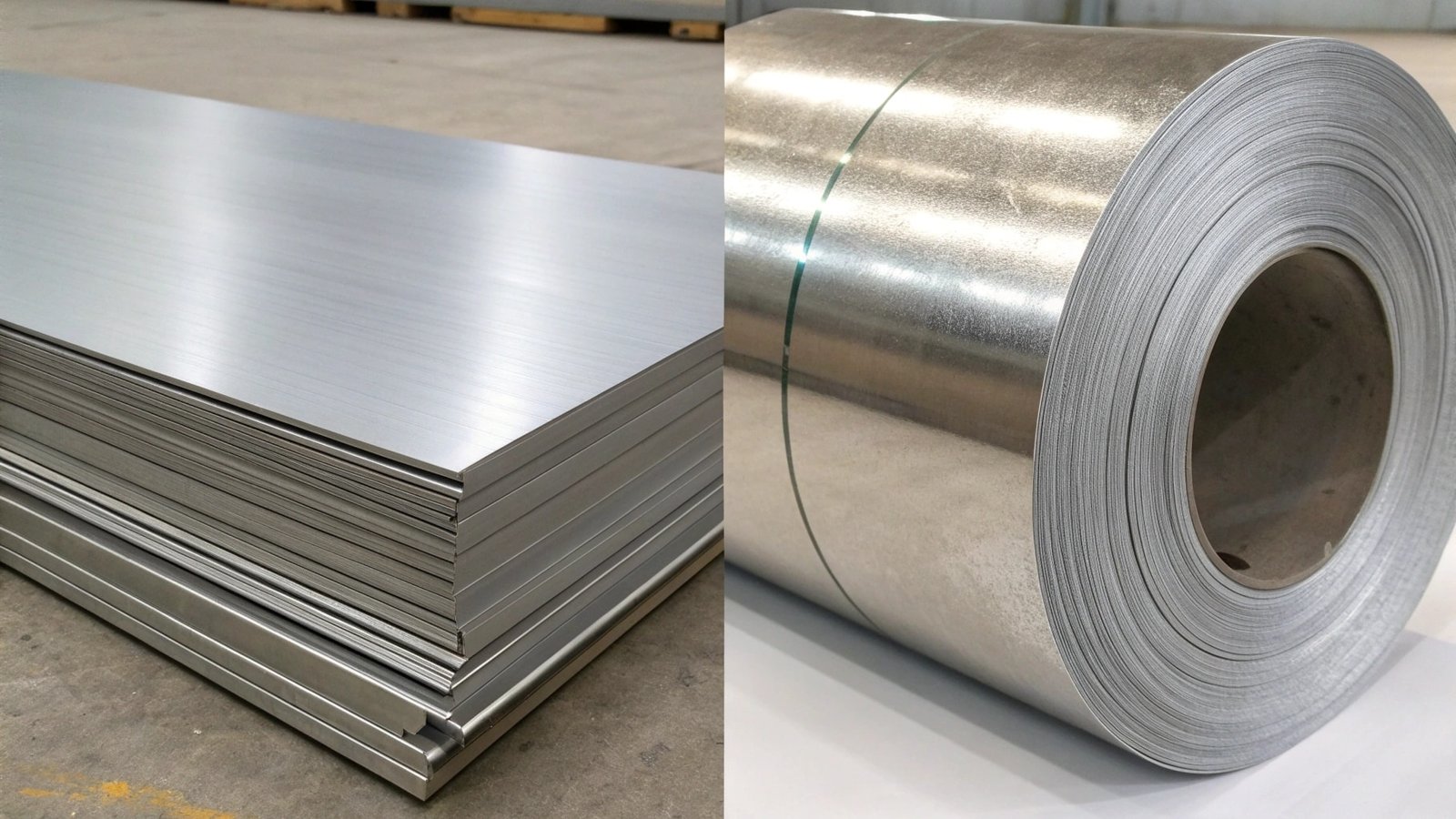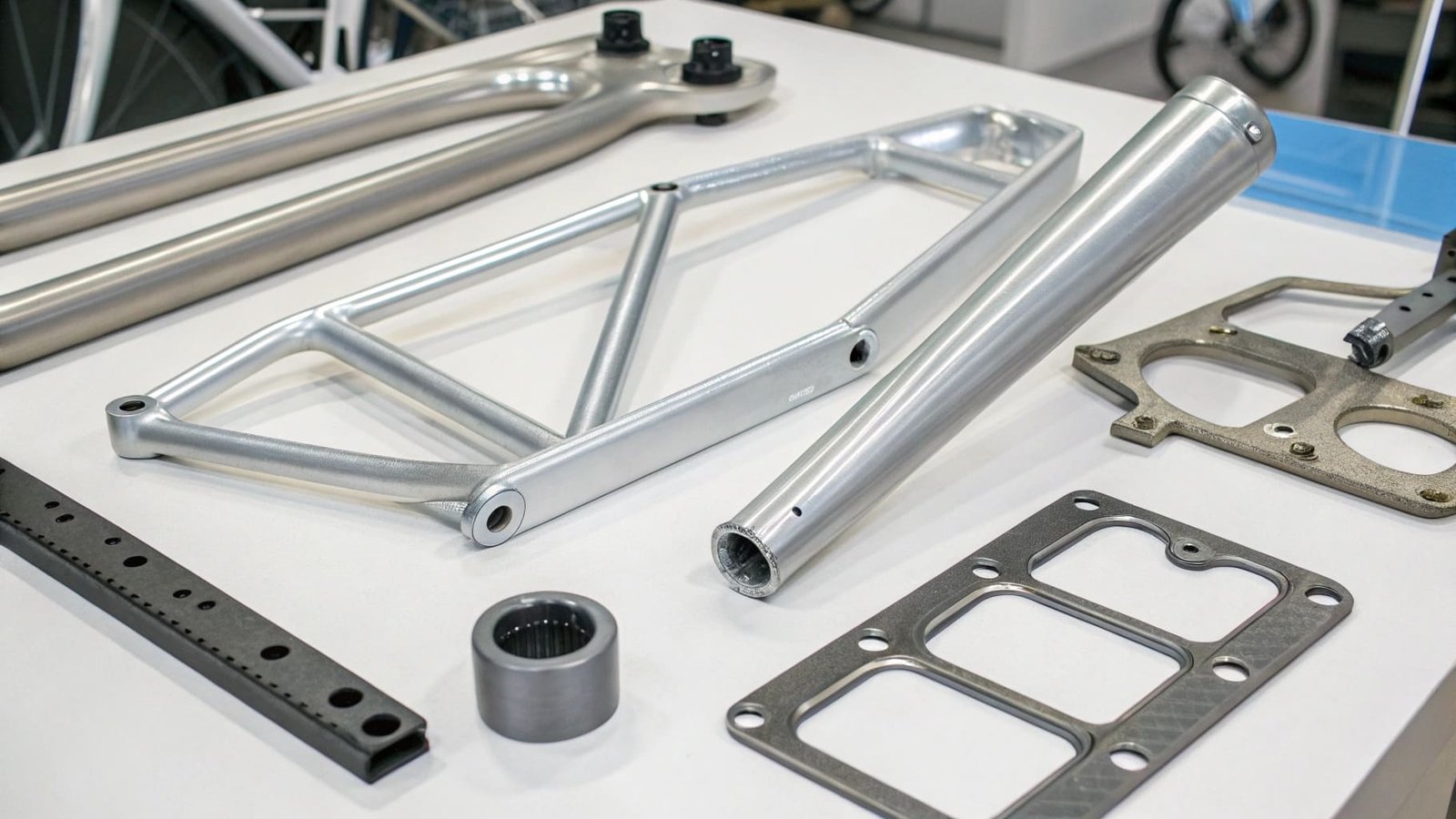
Are you navigating the stringent material requirements for aircraft construction and wondering what defines "aerospace grade aluminum sheet"? This specialized material is the very skin of aerial innovation. This article will provide a clear explanation.
Aerospace grade aluminum sheet refers to specifically manufactured, high-performance aluminum alloy sheets (primarily from the 2xxx and 7xxx series) that exhibit exceptional strength-to-weight ratios1, excellent fatigue resistance, fracture toughness, and formability, with consistent quality and tight tolerances. These sheets undergo rigorous testing and certification to ensure they meet the critical safety and performance demands for aircraft skins, wing panels, and internal structural components.
From my vantage point at SWA Forging2, where we specialize in customized, high-quality aluminum solutions, I can tell you that "aerospace grade aluminum sheet" is a cornerstone material. It represents the careful balance of strength, lightweight properties, and formability demanded by the skins and structures of aircraft.
What is aerospace grade aluminum?
Are you wondering what makes an aluminum alloy "aerospace grade" and how it differs from standard commercial-grade aluminum? This distinction is crucial for anyone involved in high-stakes engineering.
Aerospace grade aluminum identifies specific aluminum alloys, predominantly from the 2XXX (Al-Cu) and 7XXX (Al-Zn) series, that are engineered and rigorously tested for exceptional strength-to-weight ratio, high fatigue life, fracture toughness, and often good corrosion resistance3. These alloys meet stringent industry standards and regulatory certifications for use in aircraft, rockets, and satellites, where performance and reliability are critical.
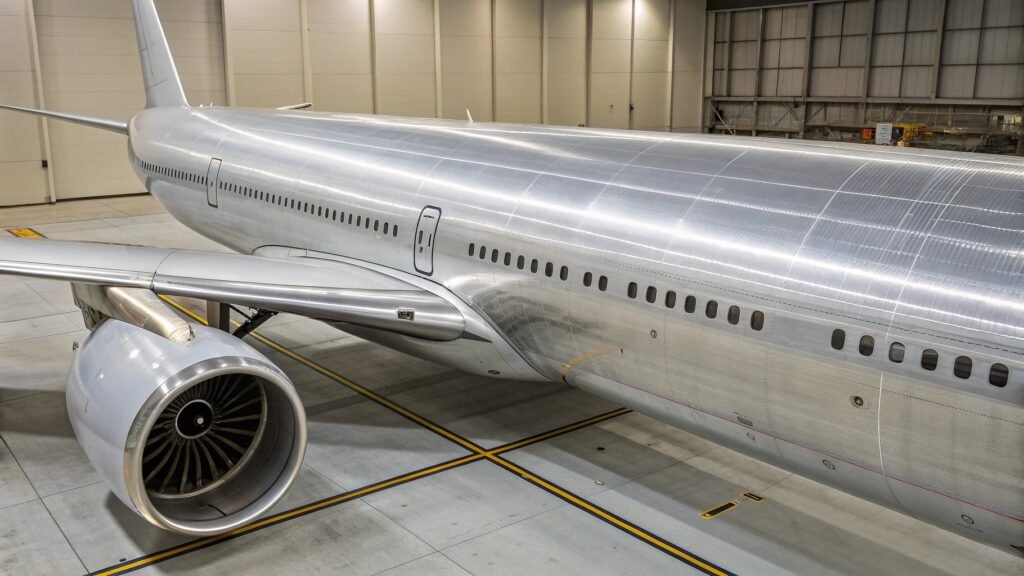
From my perspective at SWA Forging, when we talk about "aerospace grade aluminum," we are referring to materials that stand at the pinnacle of aluminum alloy performance. These are not merely stronger versions of everyday aluminum; they are meticulously developed and controlled materials designed for environments where structural integrity and lightweighting are paramount.
Here is what defines aerospace grade aluminum:
-
Superior Mechanical Properties:
- High Strength-to-Weight Ratio: This is arguably the most critical factor. Aerospace applications demand materials that are strong enough to withstand immense forces but light enough to minimize fuel consumption and maximize payload. Alloys like 7075-T6 and 2024-T3 are renowned for this.
- Excellent Fatigue Resistance: Aircraft and spacecraft components are subjected to repeated stress cycles (e.g., take-off, landing, pressurization cycles). Aerospace aluminum must resist the initiation and propagation of cracks under these cyclic loads. Forged components are particularly prized for their enhanced fatigue properties due to optimized grain flow.
- High Fracture Toughness: This refers to the material's ability to resist brittle fracture when a crack is present. In aerospace, ensuring components can tolerate minor defects without catastrophic failure is vital for safety.
- Good Corrosion Resistance: While not always the absolute best (e.g., some 2xxx series alloys need cladding), adequate corrosion resistance is essential for longevity and safety in diverse atmospheric conditions.
-
Specific Alloy Series: The most common aerospace grade aluminum alloys come from:
- 2xxx Series (Al-Cu): Alloys like 2014, 2024, and 2618 are known for very high strength and good fatigue resistance. 2024 is foundational for fuselage structures due to its excellent fatigue properties.
- 7xxx Series (Al-Zn-Mg-Cu): Alloys like 7050, 7075, 7475, and 7068 offer the highest strengths of all aluminum alloys. 7075 is iconic for its use in highly stressed structural parts.
-
Strict Manufacturing Controls: Aerospace grade alloys undergo extremely tight controls during melting, alloying, casting, rolling, extrusion, and forging. This ensures consistent chemical composition, minimal impurities, and a uniform microstructure. At SWA Forging, our ISO9001, ISO14001, and ISO45001 certifications reflect this commitment to quality at every step.
-
Rigorous Testing and Certification: Every batch and often every component must pass exhaustive non-destructive testing (NDT), mechanical property tests, and chemical analysis. Comprehensive documentation and traceability are paramount. Third-party certifications (SGS, BV, TUV) are often required by our clients to guarantee adherence to specifications.
In short, aerospace grade aluminum is not just strong aluminum; it is aluminum with a pedigree of performance, reliability, and meticulous quality control, specifically designed for the most demanding applications on Earth and beyond.
Here is a summary chart of common aerospace grade aluminum alloys:
| Alloy | Primary Alloying Elements | Key Properties | Typical Applications (Aerospace) |
|---|---|---|---|
| 2014 | Copper, Magnesium, Silicon | High strength, good machinability | Aircraft structures, large forged components, heavy-duty fittings |
| 2024 | Copper, Magnesium | High strength, excellent fatigue resistance, good fracture toughness | Fuselage structures, wing tension members, rivets |
| 2124 | Copper, Magnesium (low iron/silicon) | Enhanced fracture toughness over 2024 | Critical aerospace components demanding high toughness |
| 2219 | Copper | High strength at elevated temperatures, good weldability | Space applications, supersonic aircraft parts, fuel tanks |
| 7050 | Zinc, Magnesium, Copper, Zirconium | Very high strength, superior fracture toughness, stress-corrosion cracking resistance | Wing skins, fuselage frames, bulkheads, landing gear |
| 7075 | Zinc, Magnesium, Copper | Highest strength of common alloys, good fatigue resistance | Highly stressed structural parts, landing gear, wing spars |
| 7475 | Zinc, Magnesium, Copper (high purity) | Excellent fracture toughness, good stress-corrosion cracking resistance | Skin sheet applications where high toughness is critical |
Is 6061 aircraft aluminum?
Are you wondering if 6061 aluminum4, a widely recognized alloy, qualifies as "aircraft aluminum"? This is a common question, as its versatility can sometimes obscure its precise role in aerospace.
Yes, 6061 aluminum is considered "aircraft aluminum" for many secondary and non-critical structural components, but generally not for primary, high-stress airframe structures. It offers a good balance of strength, corrosion resistance, excellent weldability, and versatility. It is commonly used for internal components, seat frames, brackets, and non-pressurized parts where its properties are sufficient and its ease of fabrication is an advantage.
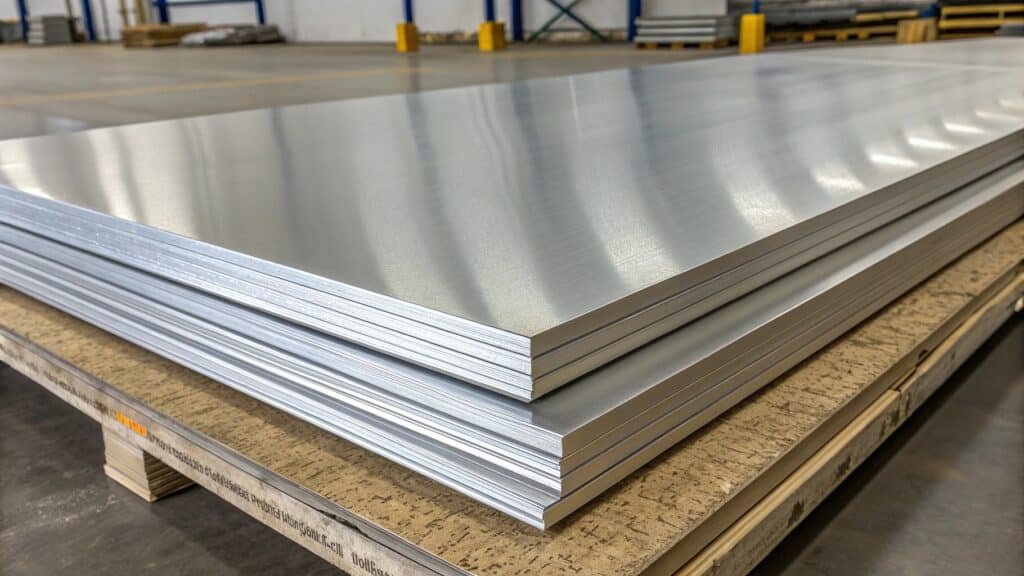
From my perspective at SWA Forging, 6061 aluminum is a fantastic general-purpose alloy, and it certainly finds its place in aircraft, making it "aircraft aluminum" in a broad sense. However, it is crucial to understand that it is typically used for different types of components than the ultra-high-strength alloys like 7075 or 2024.
Here is why 6061 is used in aircraft (and its limitations):
-
Good Balance of Properties:
- Moderate to High Strength: In the -T6 temper, 6061 offers respectable strength (tensile strength around 310 MPa or 45 ksi, yield strength around 276 MPa or 40 ksi). This is sufficient for many aerospace applications where stress levels are not extreme.
- Excellent Corrosion Resistance: Its natural oxidation layer provides good resistance to atmospheric and marine corrosion, making it durable for various environments.
- Superb Weldability: This is one of 6061's standout features. It can be easily welded using common techniques. This is a huge advantage for fabricating complex assemblies.
- Good Formability and Machinability: It is relatively easy to form, machine, and fabricate.
-
Typical Aircraft Applications:
- Internal structures: Such as floor beams, bulkheads in non-pressurized areas, and cargo liners.
- Seat frames and galley structures: Where a balance of strength, weight, and ease of fabrication is needed.
- Brackets and fittings: Many non-critical support components.
- Fairings and access panels: Non-load-bearing exterior parts.
- Ducting and tubing: For various fluid and air transfer systems.
- Ground support equipment: Ramps, maintenance stands, and tools used around aircraft.
-
Limitations for Primary Structures: While strong, 6061 does not match the very high strength, superior fatigue resistance, or fracture toughness of alloys like 7075, 7050, or 2024. These higher-performance alloys are reserved for critical, primary load-bearing structures like wing spars, fuselage skins, and landing gear. For example, the fatigue life of 6061 is significantly lower than that of 2024 in many conditions.
So, while 6061 is indeed used extensively in aircraft, it is important to differentiate its role. It is a workhorse, but not typically the "muscle" that bears the primary flight loads. We at SWA Forging often provide 6061 solutions for clients requiring its specific balance of properties for less critical aerospace-related applications, as well as for general machinery and construction industries.
Here is a comparison of 6061 with a primary aircraft grade alloy:
| Feature | 6061-T6 | 7075-T6 (Primary Aircraft Grade) |
|---|---|---|
| Alloy Type | Heat-treatable (Mg, Si) | Heat-treatable (Zn, Mg, Cu) |
| Tensile Strength | ~310 MPa (45 ksi) | ~570 MPa (83 ksi) |
| Yield Strength | ~276 MPa (40 ksi) | ~503 MPa (73 ksi) |
| Strength-to-Weight | Good | Excellent |
| Fatigue Resistance | Good | Excellent |
| Fracture Toughness | Good | Excellent |
| Corrosion Resistance | Excellent | Good (can be susceptible to SCC) |
| Weldability | Excellent | Difficult (HTZ softening without post-weld HT) |
| Primary Aerospace Use | Secondary structures, interior fittings, brackets, non-pressurized components | Primary structural components, high-stress parts like wing spars and landing gear |
Is 5052 aluminum aircraft grade?
Are you considering 5052 aluminum for an aircraft component and wondering if it meets "aircraft grade" standards? This is an important distinction, as not all aluminum alloys are suitable for aerospace.
No, 5052 aluminum is generally not considered aircraft grade for primary structural components. While it offers excellent corrosion resistance, good formability, and moderate strength, it lacks the very high strength, fatigue resistance, and fracture toughness required for the critical load-bearing structures in aircraft, which typically demand 2xxx or 7xxx series alloys.
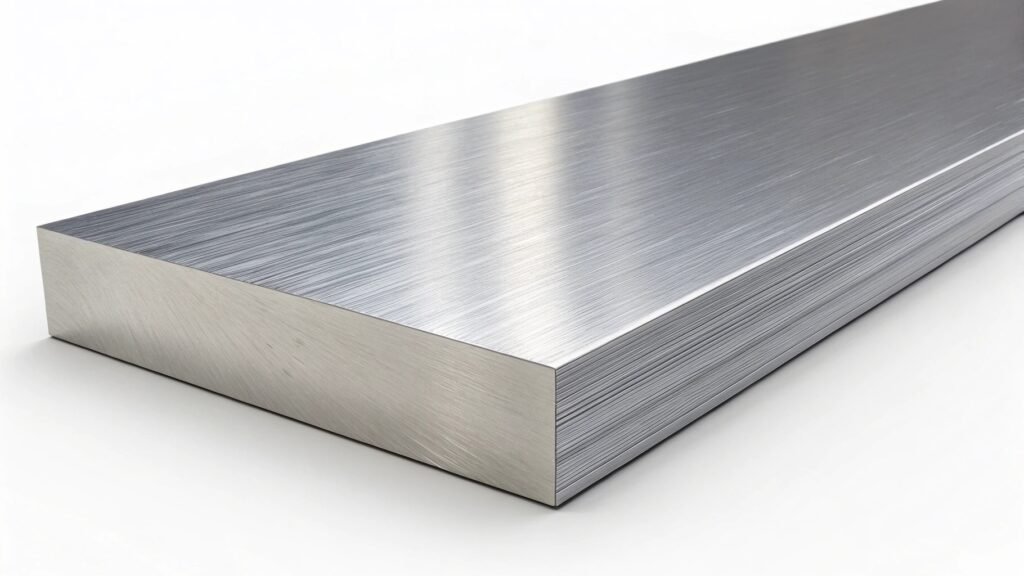
From my perspective at SWA Forging, I can definitively state that 5052 aluminum is generally not classified as "aircraft grade" for primary structural applications. While it is an excellent alloy with valuable properties, its mechanical performance simply does not meet the stringent requirements for load-bearing structures in modern aircraft.
Here is why 5052 aluminum falls short for most aerospace structural uses:
- Moderate Strength: 5052 is a non-heat-treatable alloy, and its strength depends solely on cold work (strain hardening). Even in its hardest temper (H38), its tensile strength is around 290 MPa (42 ksi), and its yield strength is about 240 MPa (35 ksi). Compare this to aerospace workhorse 7075-T6, with a tensile strength of 570 MPa (83 ksi) and yield strength of 503 MPa (73 ksi). This significant difference means 5052 cannot handle the high stresses and loads that primary aircraft structures must endure.
- Lower Fatigue Resistance: Aircraft components are subject to millions of stress cycles. High fatigue resistance is crucial. While 5052 has decent fatigue properties for its strength class, it cannot compete with the exceptional fatigue performance of alloys like 2024-T3 or 7075-T6.
- Lower Fracture Toughness: Aerospace requires materials that can tolerate small defects without immediate catastrophic failure. 5052 typically does not offer the same level of fracture toughness as specialized aerospace alloys like 7050 or 7475.
- Primary Applications: 5052 is best known for its excellent corrosion resistance (especially in marine environments) and superb formability. It is widely used in chemical equipment, marine components, pressure vessels (non-critical), and general sheet metal work. These are important applications, but they are not the structural backbone of an aircraft.
Could 5052 be used in an aircraft? Possibly, for very minor, non-load-bearing components where corrosion resistance or formability is key, and strength is not a factor. However, it would not be part of the primary airframe structure, wing, or landing gear. My company focuses on materials that meet the demanding performance requirements of industries like aerospace, so we typically work with higher-strength 2xxx and 7xxx series alloys for such clients.
Here is a comparison of 5052 with a typical aircraft grade alloy:
| Feature | 5052 H32 | 7075-T6 (Typical Aircraft Grade) |
|---|---|---|
| Alloy Type | Non-heat-treatable (Mg) | Heat-treatable (Zn, Mg, Cu) |
| Tensile Strength | ~230 MPa (33 ksi) | ~570 MPa (83 ksi) |
| Yield Strength | ~180 MPa (26 ksi) | ~503 MPa (73 ksi) |
| Strength-to-Weight | Moderate | Excellent |
| Fatigue Resistance | Moderate | Excellent |
| Fracture Toughness | Good | Excellent |
| Corrosion Resistance | Excellent (especially marine) | Good (can be susceptible to SCC) |
| Formability | Excellent | Good (less than 5052) |
| Weldability | Excellent | Good (HTZ softening without post-weld HT) |
| Primary Aerospace Use | Non-structural fittings, minor components | Primary structural components, high-stress parts |
What aluminium is used in aerospace?
Are you seeking a definitive answer on which aluminum alloys are predominantly utilized in the aerospace industry, and why these specific choices are made? Understanding this is key to material selection for aircraft.
Aerospace extensively uses aluminum alloys from the 2xxx series (primarily Al-Cu alloys like 2024, 2014, 2219) for their high strength and excellent fatigue properties, and the 7xxx series (Al-Zn-Mg-Cu alloys like 7075, 7050, 7475) for their superior strength-to-weight ratios and enhanced fracture toughness. These alloys are chosen for their critical balance of mechanical performance, lightweighting, and reliability under extreme operating conditions.
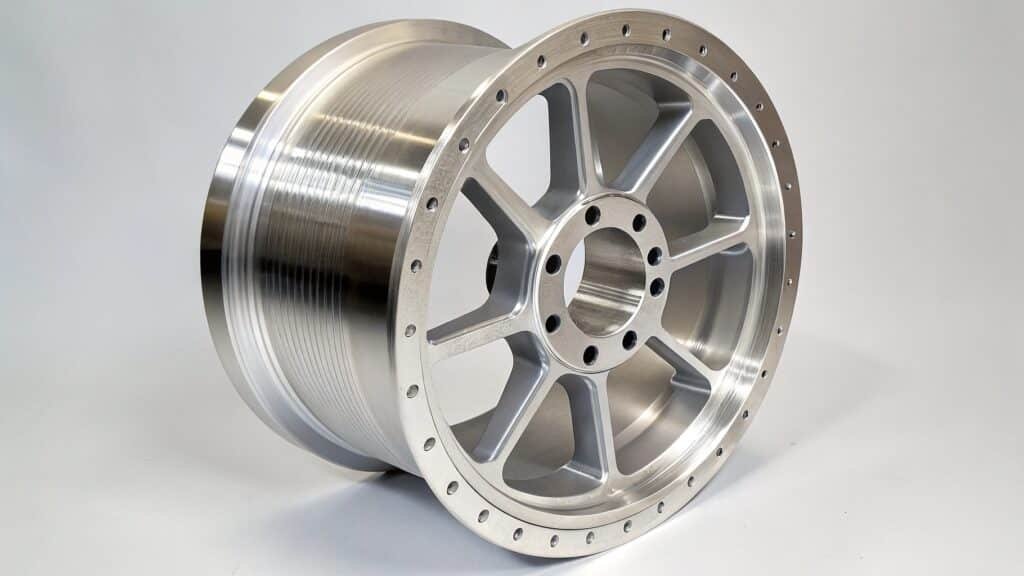
From my perspective at SWA Forging, where we specialize in high-performance aluminum solutions for various demanding sectors, I can tell you that the aerospace industry relies heavily on a select group of advanced aluminum alloys. The choice of alloy is never arbitrary; it is driven by a precise set of performance criteria essential for flight safety and efficiency.
Here are the primary aluminum alloys used in aerospace and why:
-
2xxx Series (Aluminum-Copper Alloys): These alloys are known for their high strength combined with good fatigue properties. They are often used for tension-critical components.
- 2024: This is a foundational alloy for fuselage structures and lower wing skins. It boasts excellent fatigue crack propagation resistance, crucial for parts subjected to high cyclic stresses.
- 2014: Known for high strength and good machinability, it is used for heavy-duty fittings, landing gear components, and large forged parts. Our large-diameter forged rings and discs in this alloy are vital for such uses.
- 2219: This alloy maintains strength at elevated temperatures and has good weldability, making it suitable for supersonic aircraft and space applications (like rocket fuel tanks).
-
7xxx Series (Aluminum-Zinc-Magnesium-Copper Alloys): These are the highest strength aluminum alloys, essential for highly stressed structures.
- 7075: The iconic high-strength alloy, particularly in T6 and T73 tempers. It is used for wing spars, fuselage bulkheads, highly stressed fittings, and landing gear. It offers an outstanding strength-to-weight ratio.
- 7050: Developed to overcome some limitations of 7075 (specifically, better fracture toughness and superior resistance to stress-corrosion cracking). It is a top choice for thicker sections like wing skins, fuselage frames, and large structural forgings where damage tolerance is paramount.
- 7475: A high-purity variant of 7075, offering even better fracture toughness, often used for skin sheet applications where both strength and crack propagation resistance are critical.
-
6xxx Series (Aluminum-Magnesium-Silicon Alloys): While generally lower in strength than 2xxx and 7xxx, the 6xxx series (namely 6061) is valued for its excellent corrosion resistance, formability, and weldability.
- 6061: Used for secondary structures, internal fittings, seat frames, brackets, and non-critical components where its moderate strength and ease of fabrication are beneficial. It is not typically used for primary load-bearing structures.
-
Al-Li Alloys (Aluminum-Lithium): Newer generation alloys like 2099 or 2050 incorporate lithium to further reduce density and increase stiffness, offering a significant weight advantage. These are increasingly used in advanced aircraft designs, though they are more expensive and challenging to process.
The selection process involves a meticulous analysis of the component's function, expected loads, environmental conditions, and manufacturing process. My company's ability to offer customized aluminum alloy solutions, including large-diameter forged rings and discs with quality certifications, directly supports these precise aerospace material requirements.
Here is a chart summarizing aerospace aluminum alloy selection by application:
| Main Alloy Series | Key Alloys Used | Primary Properties | Typical Aerospace Applications |
|---|---|---|---|
| 2xxx (Al-Cu) | 2024, 2014, 2219 | High strength, excellent fatigue resistance, good fracture toughness (2024), high temperature (2219) | Fuselage skin, wing tension members, structural frames, forged fittings, fuel tanks |
| 7xxx (Al-Zn) | 7075, 7050, 7475 | Highest strength-to-weight, high fatigue, excellent fracture toughness (7050, 7475), SCC resistance (7050) | Wing spars, fuselage bulkheads, landing gear, critical structural forgings, heavy-duty parts |
| 6xxx (Al-Mg-Si) | 6061 | Moderate strength, excellent corrosion resistance, weldability, formability | Secondary structures, interior fittings, ducts, seat frames, brackets |
| Al-Li (Advanced) | 2099, 2050 (examples) | Extremely low density, increased stiffness, good strength and toughness | Next-generation aerospace structures, weight-critical components |
Conclusion
Understanding "aerospace grade aluminum sheet" is critical for aircraft construction, involving a precise blend of material properties and rigorous quality control. This discussion clarified what aerospace grade aluminum entails, confirmed 6061's use in secondary aircraft structures, explained why 5052 is not suitable for primary aerospace use, and outlined the key aluminum alloys employed in aerospace. At SWA Forging, our expertise in customized high-quality aluminum forging ensures that clients receive precisely certified materials for the most demanding applications, contributing to the integrity of aerospace designs.
-
Discover why strength-to-weight ratios are critical for aircraft performance and efficiency. ↩
-
Learn about SWA Forging's expertise in providing high-quality aluminum solutions for aerospace. ↩
-
Discover how corrosion resistance affects the longevity and safety of aerospace components. ↩
-
Find out the properties and applications of 6061 aluminum in the aerospace industry. ↩