Are you struggling to bridge the gap between raw material and the high-performance, complex components your projects demand? Understanding the journey from forged aluminum bar stock to precision forged components reveals the capabilities of a full-service partner. This article clarifies the process.
Forged aluminum bar stock is a semi-finished product with inherent strength, while precision forged components are the final, shaped parts manufactured from this stock using controlled deformation processes to achieve specific geometries and superior mechanical properties. The difference lies in the stage of manufacturing and intended use; bar stock is the starting material, and components are the finished goods, refined through forging to meet exact design and performance specifications.
As someone deeply involved in the world of aluminum manufacturing at SWA Forging, I see this transformation every day. Forged aluminum bar stock is where the promise of strength begins. Precision forged components are where that promise is delivered, shaped by expertise and advanced processes to meet the exact needs of our clients.
What is the difference between forged and bar stock?
Are you trying to understand how forged aluminum differs from simple bar stock, and why this distinction matters for your manufacturing goals? The core difference lies in their form and inherent material characteristics.
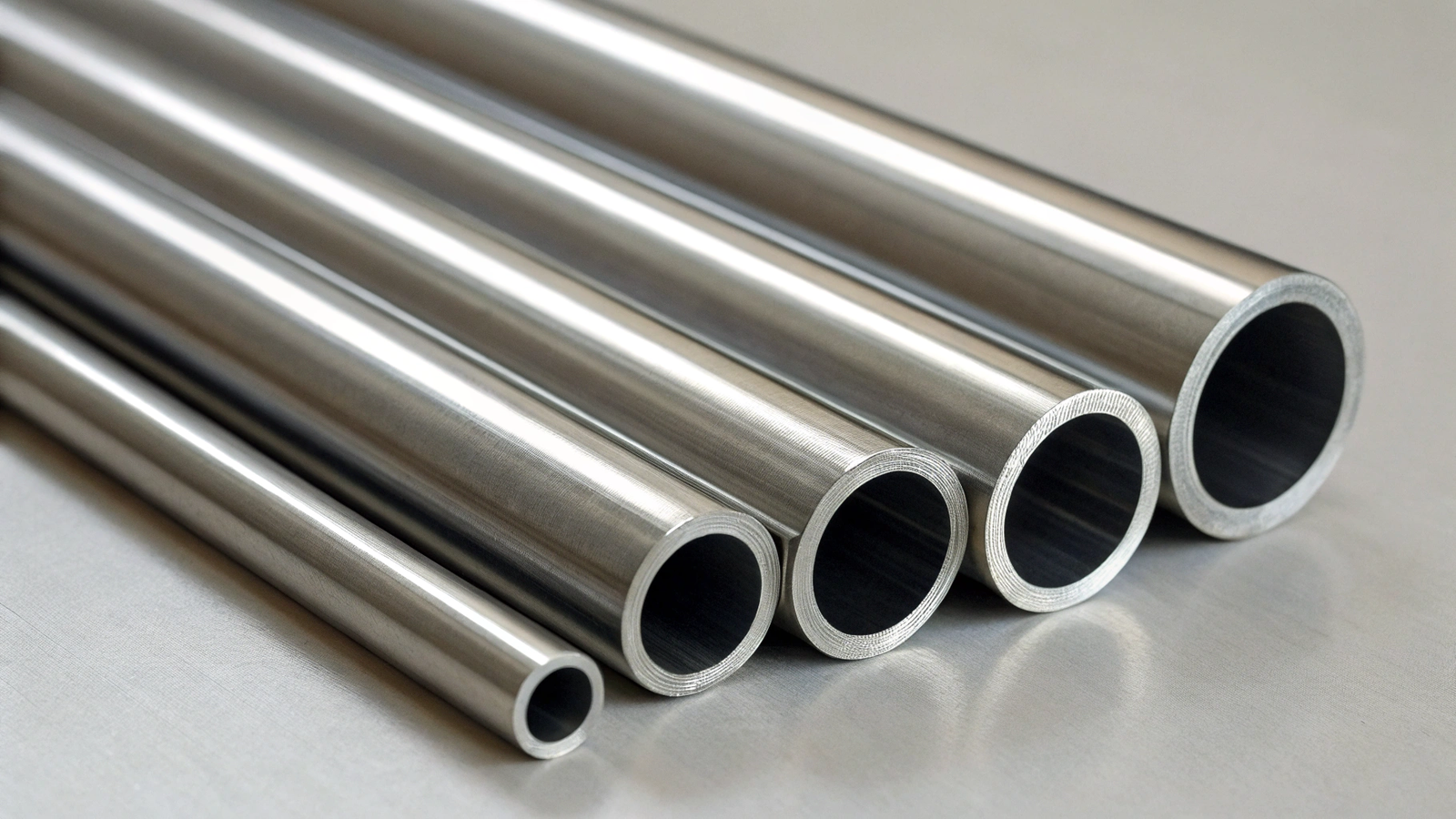
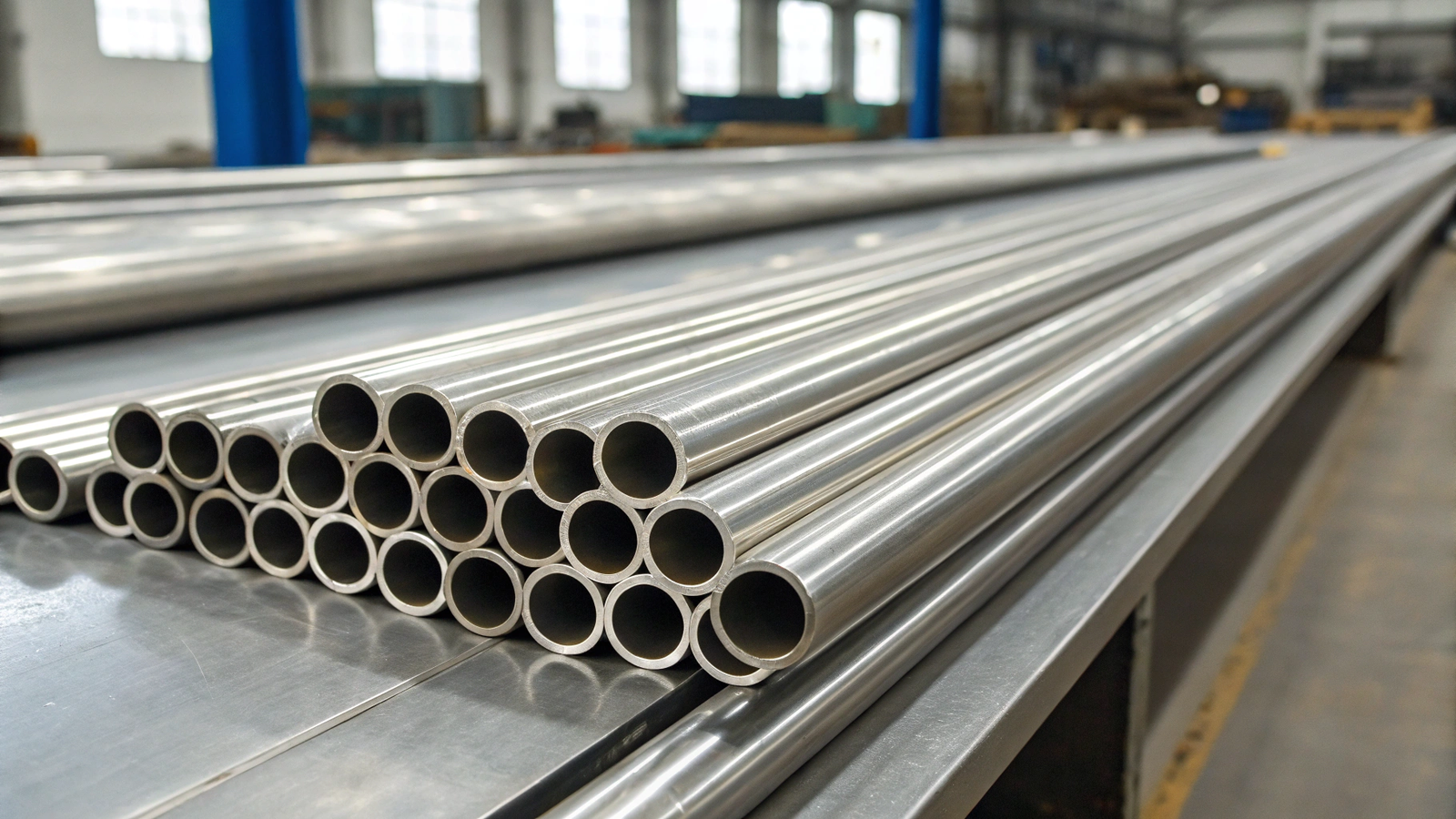
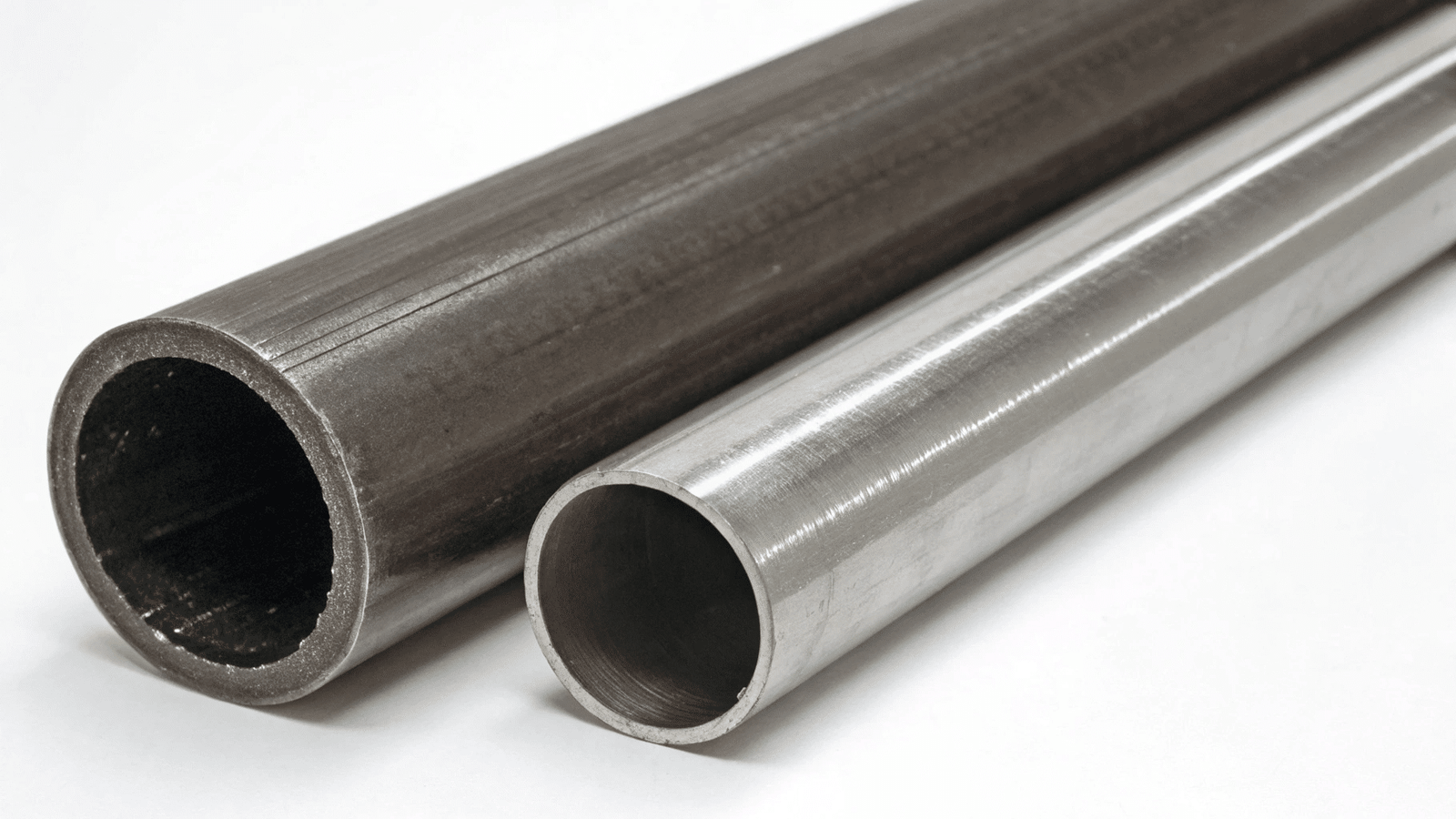
Forged aluminum is a shaped product manufactured by applying force to heat-treated aluminum, aligning its grain structure and enhancing its mechanical properties. Bar stock, in contrast, is a semi-finished, elongated cylindrical or prismatic form of aluminum, often produced by extrusion or rolling, which serves as the raw material that can then be forged or machined into more complex shapes and components with improved characteristics.
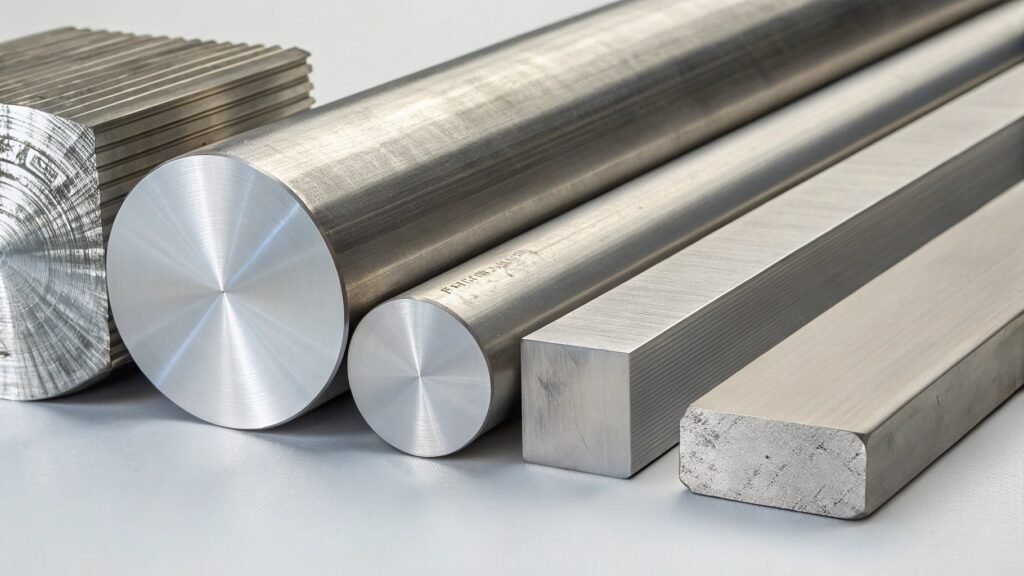
At SWA Forging, we work with both, but for very different purposes. Bar stock, including our high-quality forged aluminum bar stock, is where the quality journey begins. It's the foundation upon which we build superior components. It is already a superior starting material due to its forged origin, but it's still a relatively simple shape.
Here's a breakdown of the differences:
-
Form:
- Bar Stock: Typically a long, straight product with a uniform cross-section (round, square, hexagonal). It's a foundational shape, designed for further processing. Our forged aluminum bar stock has already undergone a forging process to enhance its internal structure.
- Forged Aluminum: Is the final, shaped component. It has taken on a complex geometry dictated by the needs of its application, often far removed from the simple shape of the original bar stock.
-
Manufacturing Process:
- Bar Stock: Produced by processes like extrusion, rolling, or drawing. If it's forged bar stock, it has undergone a forging process to refine its grain structure and strength before it's sold as a semi-finished product.
- Forged Aluminum (Component): Created by taking a piece of bar stock (or billet) and subjecting it to further plastic deformation, usually with dies, often at elevated temperatures. This process shapes the material into its final complex form and further enhances its properties.
-
Material Properties:
- Bar Stock: Possesses the inherent properties of the alloy and its manufacturing process. Forged bar stock, for instance, will have a refined grain structure and higher strength than extruded bar of the same alloy.
- Forged Aluminum (Component): Exhibits optimized material properties resulting from the specific forging of its final shape. The grain flow aligns with the component's stresses, maximizing strength, toughness, and fatigue life in critical areas. It’s the culmination of material science and mechanical engineering.
-
Application:
- Bar Stock: Primarily used as raw material for machining, further forging, or other manufacturing processes.
- Forged Aluminum (Component): Is the finished product itself, designed for a specific function in an assembly or system, such as an aerospace part, a critical automotive component, or a high-performance industrial fitting.
So, while forged aluminum bar stock is an excellent starting point due to its inherent quality, the real value is unlocked when it is further processed into a precision forged component. This final step imbues it with strength, precise geometry, and reliability tailored for its exact role.
What is aluminum forging?
Are you trying to understand precisely what "aluminum forging" entails and why it's such a critical process in manufacturing high-performance components? It's more than just shaping metal; it's about enhancing it.
Aluminum forging is a metalworking process where aluminum material is shaped by applying controlled compressive forces, often using heated dies or hammers, to plastically deform the metal. This process refines the aluminum's internal grain structure, aligns it with the component's geometry, and eliminates internal defects, resulting in superior strength, toughness, ductility, and fatigue resistance compared to other manufacturing methods like casting or machining.
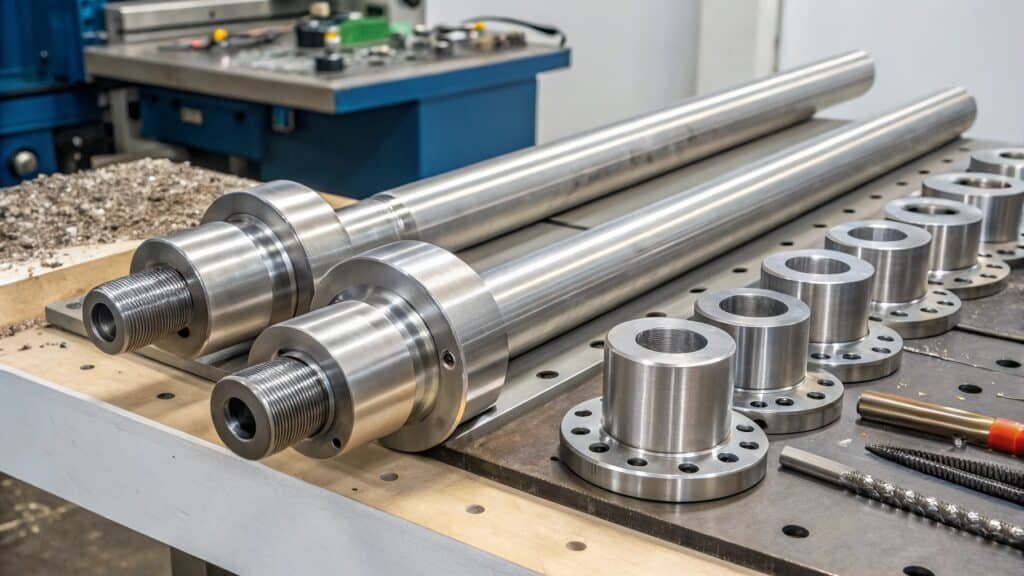
From my daily work at SWA Forging, I see aluminum forging as the pinnacle of metal shaping. It takes high-quality aluminum, often starting with superior forged bar stock, and transforms it into components that are not only precisely shaped but also fundamentally stronger and more reliable.
Here’s a deeper look at what aluminum forging involves:
- Starting Material: It begins with a suitable piece of aluminum, such as a billet, block, or often, high-quality forged aluminum bar stock itself. This starting material already possesses good properties due to its own initial manufacturing.
- Controlled Plastic Deformation: Force is applied to the aluminum workpiece. This can be done through:
- Hammer Forging: Impact force from a hammer.
- Press Forging: Steady force from a hydraulic or mechanical press, often using closed dies that fully enclose the metal and force it to fill the cavity.
- Ring Rolling: A specialized process for seamless rings where a heated blank is pierced and then rolled to shape.
- Heat Application (Hot Forging): For most structural aluminum, forging is done hot – meaning the aluminum is heated to temperatures above its recrystallization point (around 400-500°C for many alloys). This makes the aluminum more malleable, allowing for more complex shapes and significantly improving grain structure refinement without cracking.
- Die Design: The shape of the final component is determined by the design of the dies. These dies are precisely engineered to impart the desired geometry, and in closed-die forging, they form the external shape of the part.
- Grain Flow Enhancement: This is a fundamental benefit of forging. The plastic deformation aligns the aluminum's grain structure along the lines of material flow. This continuous grain flow creates a stronger, more defect-free internal structure that directly follows the contours of the component.
- Resulting Properties: The outcome is a forged aluminum component with:
- Higher Strength: Improved tensile and yield strength.
- Better Toughness: Higher resistance to fracture and impact.
- Superior Fatigue Resistance: Essential for components that experience repeated stress.
- Reduced Porosity: Eliminates or significantly reduces internal voids common in castings.
- Near-Net Shape: Often requires minimal subsequent machining.
Aluminum forging is chosen for applications where structural integrity, weight savings, and long-term reliability are paramount, making it indispensable in industries like aerospace, automotive, and defense.
What is precision forged?
Are you aiming for the highest level of accuracy and performance in your manufactured parts and wondering what "precision forged" signifies? It means achieving exact shapes with optimized material properties.
Precision forged refers to components manufactured through forging processes that achieve extremely tight dimensional tolerances, excellent surface finish, and optimized mechanical properties that are precisely tailored to the component's intended application. This level of accuracy is typically attained through techniques like closed-die forging, advanced process control, and extensive quality verification, ensuring the part performs reliably under demanding conditions.
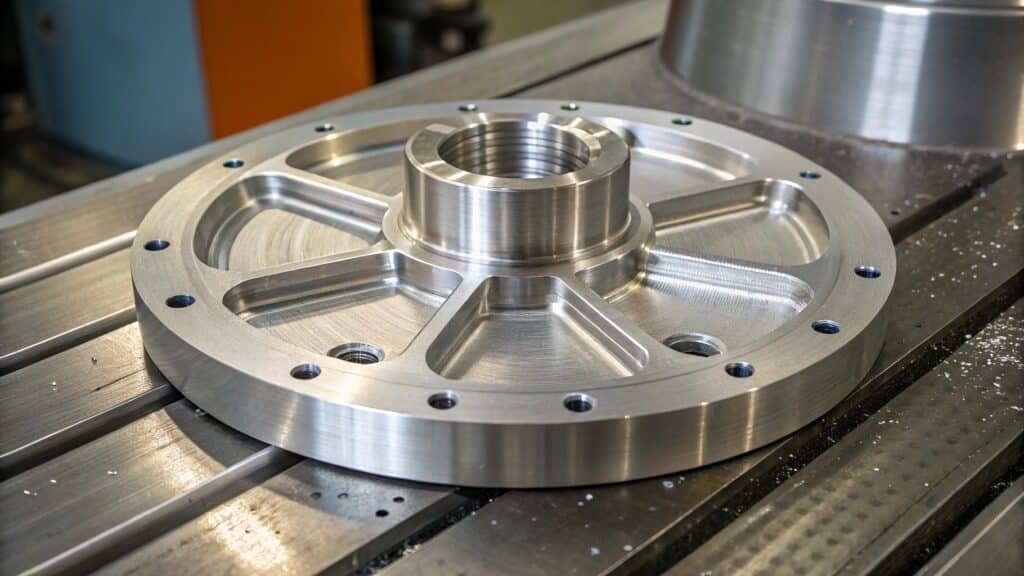
At SWA Forging, when we talk about "precision forged" components, we are speaking about the art and science of creating parts that meet extraordinarily exact specifications. It’s not just about meeting general strength requirements; it's about hitting specific dimensions, maintaining flawless surfaces, and ensuring performance predictability down to the smallest detail.
What makes a forging a "precision forged" component?
- Tight Tolerances: This is a hallmark. Precision forging aims to produce parts with very close dimensional accuracy, often comparable to or even better than what can be achieved through initial machining. This reduces the amount of subsequent machining required, saving time and material.
- Complex Geometries with Accuracy: The ability to create intricate shapes – sharp corners, smooth radii, or specific contours – while maintaining these tight tolerances is key. Advanced die design and controlled material flow are critical here.
- Optimized Grain Structure: Precision forging ensures the grain flow is perfectly aligned with the stress paths of the component. This doesn't just make it strong; it makes it strong in the right places and reduces stress concentrations.
- Superior Surface Finish: While forging surfaces aren't always perfectly smooth, precision forging aims for an excellent finish that can often be used as-is or requires minimal finishing. This is crucial for components that might be exposed or need to fit snugly against other parts.
- Exceptional Material Properties: Precision forging maximizes the inherent benefits of the aluminum alloy – strength, toughness, and fatigue resistance – by controlling the deformation process to produce the most favorable microstructure.
- Repeatability and Consistency: Precision forging means that every part produced meets the same high standards. This consistency is vital for serial production, especially in industries like automotive and aerospace where interchangeability and reliability are non-negotiable.
- Verification and Quality Control: Achieving precision requires rigorous quality control at every stage, from material inspection and die calibration to in-process checks and final inspection of the finished components.
When we start with high-quality forged aluminum bar stock and apply the principles of precision forging, we are delivering parts that are not only beautiful in their form but exceptionally reliable and true to their design intent.
What is a forged component?
Are you trying to understand what classifies a manufactured item as a "forged component" and what advantages this label brings? It signifies a product made through a specific, robust manufacturing process.
A forged component is a part manufactured by shaping solid metal, such as aluminum, through controlled plastic deformation, typically involving heat and dies. This process refines the material’s grain structure, aligns it with the component's geometry, and eliminates internal defects, resulting in superior strength, toughness, ductility, and fatigue resistance, making it ideal for high-stress applications where reliability is paramount.
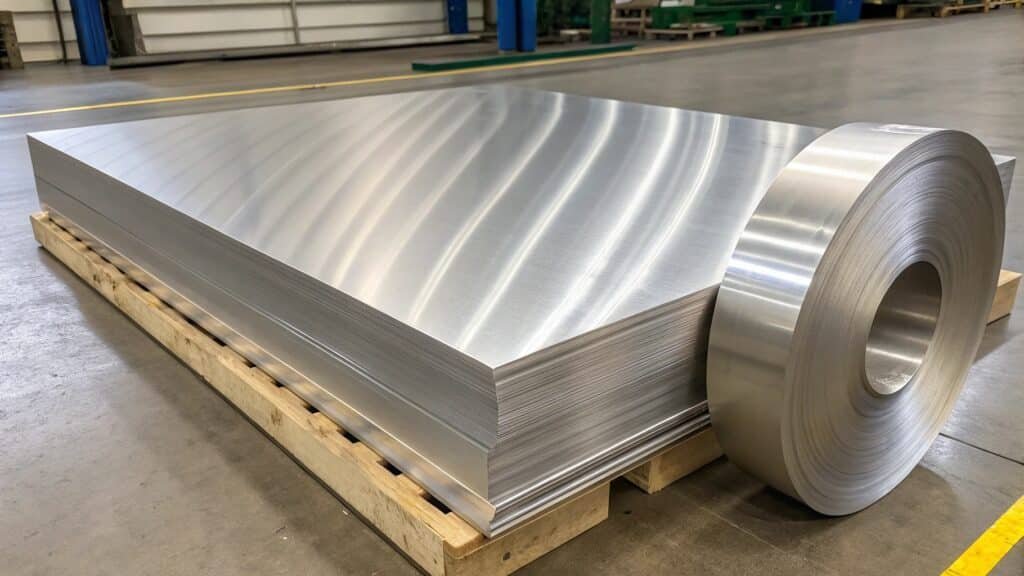
From my perspective at SWA Forging, when we produce a "forged component," we are delivering more than just a shaped piece of metal. We are delivering a part engineered for ultimate performance and reliability. It carries with it the inherent benefits of the forging process that set it apart from other manufacturing methods.
Here's what defines a forged component and what its advantages entail:
- Manufacturing Method: The defining characteristic is that it was formed by forging – applying controlled compressive forces to a solid metal workpiece. This distinguishes it from cast components (formed by pouring molten metal into a mold) or machined components (formed by removing material from a larger block).
- Enhanced Mechanical Properties: Forged components benefit from a refined and continuous grain structure that follows the contours of the part. This leads to:
- Higher Strength: Typically stronger than cast or even machined parts from the same alloy.
- Improved Toughness: Greater ability to withstand impact and shock loads without fracturing.
- Superior Fatigue Resistance: Highly resistant to failure from repeated stress cycles, critical for dynamic applications.
- Good Ductility: Ability to deform without breaking.
- Reduced Internal Defects: Forging squeezes out internal voids, porosity, and inclusions that can be present in castings. This makes the component more homogeneous and reliable.
- Design Flexibility: The forging process allows for complex shapes and integrated designs, often reducing the need for multiple parts to be assembled and joined. This can lead to lighter and stronger assemblies.
- Near-Net Shape Manufacturing: Forged components are often produced close to their final dimensions, minimizing the amount of subsequent machining required. This saves material, time, and cost.
- Reliability and Consistency: The controlled nature of forging, especially with modern die designs and process management, leads to high consistency and repeatability between parts.
Forged components are specified for applications where failure is not an option. Think of landing gear on an aircraft, critical engine parts in a car, or high-pressure valves in an industrial plant. The inherent strength and reliability derived from the forging process are indispensable for these demanding roles. Our commitment at SWA Forging is to ensure that every forged component we produce maximizes these benefits.
Conclusion
Bridging the gap from forged aluminum bar stock to precision forged components means partnering with experts who understand the entire manufacturing lifecycle. This article clarified the distinction between bar stock and forged products, detailed the aluminum forging process, defined precision forging, and explained the inherent advantages of a forged component. SWA Forging stands ready as your full-service partner, transforming quality bar stock into exceptional components that drive performance and unlock complex designs.