Skip to content
Are you curious about the versatility and strength of large diameter aluminum tubes and how they can benefit your next project? From structural elements to fluid transport, these hollow profiles offer a unique blend of properties. This article delves into their advantages, manufacturing, and diverse uses.
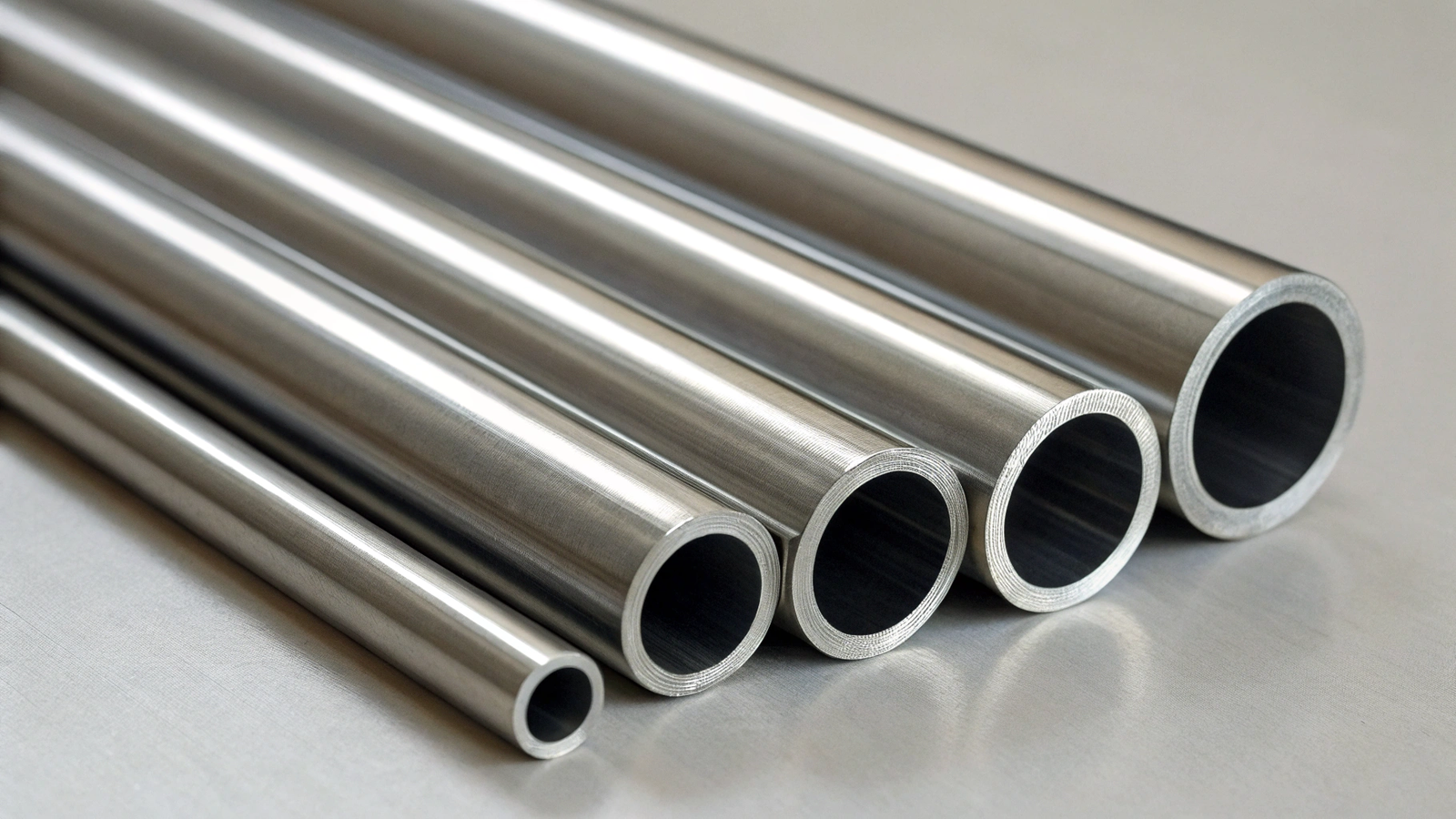
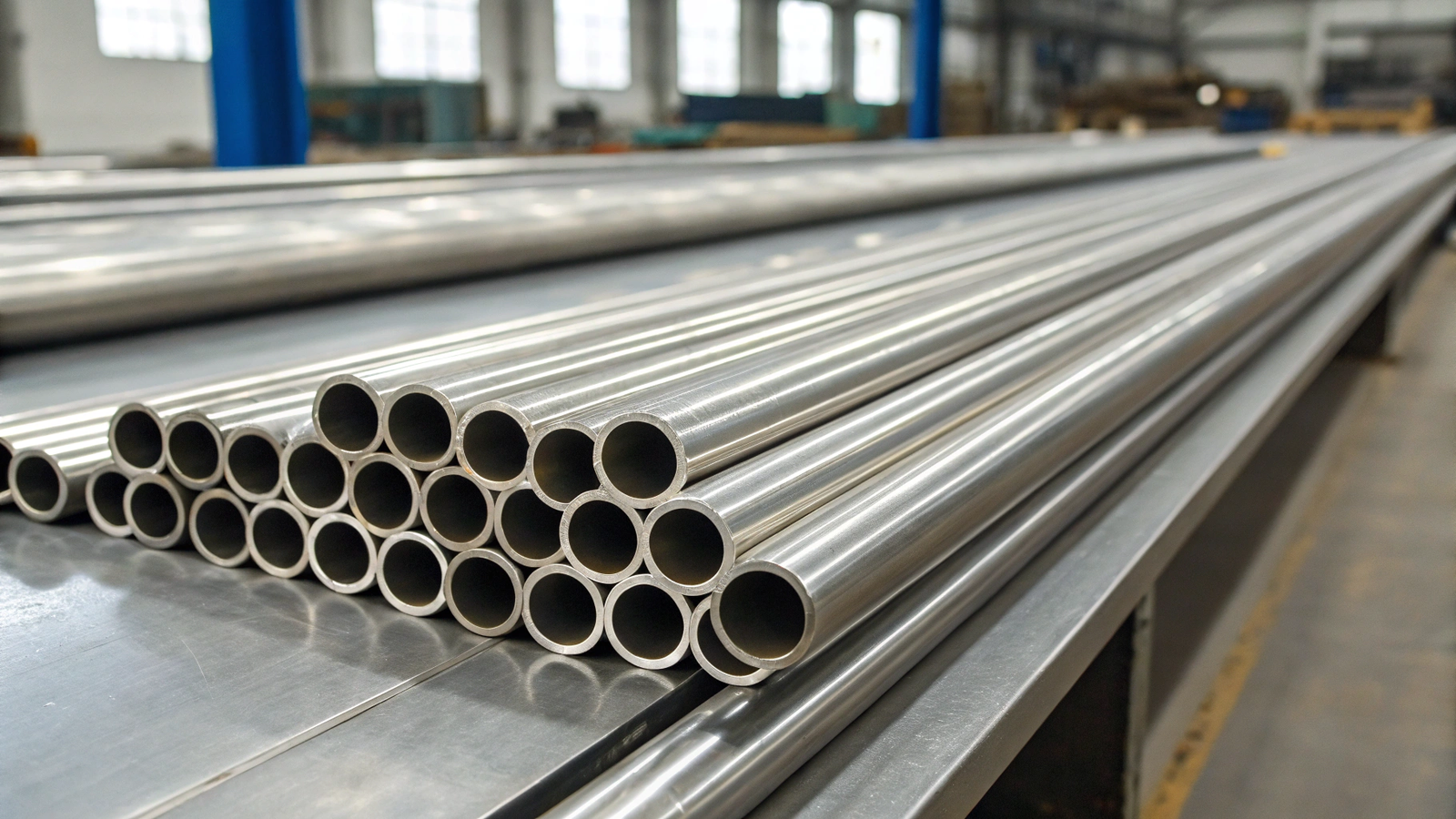
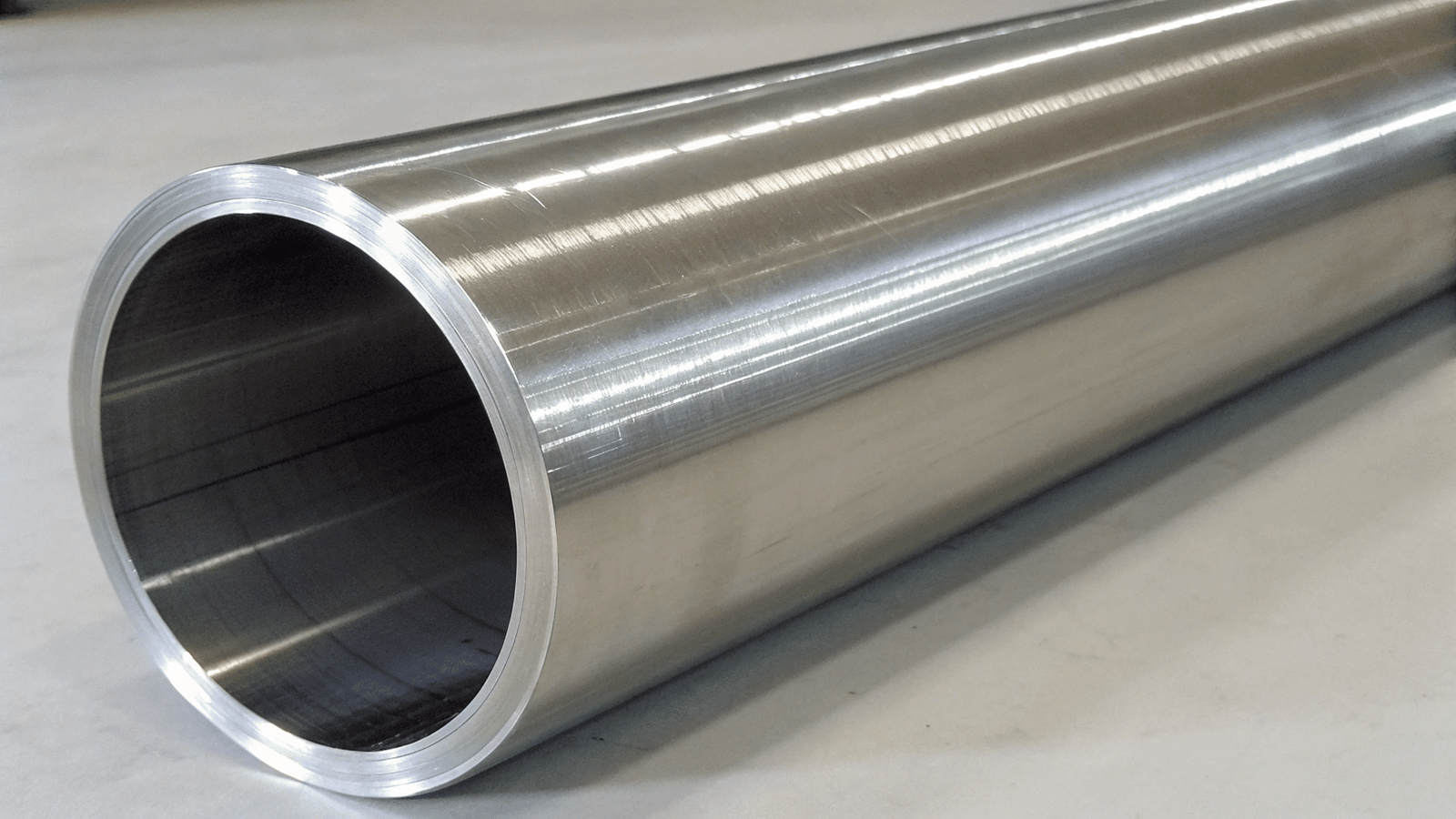
Large diameter aluminum tubes are hollow cylindrical products engineered from aluminum alloys, offering a high strength-to-weight ratio, excellent corrosion resistance, and good thermal conductivity, making them ideal for applications ranging from structural frameworks and transportation components to fluid conveyance systems. Their manufacturing involves extrusion or drawing, processes that create seamless, precise profiles with controlled wall thickness and material properties.
From my perspective at SWA Forging, working with aluminum in various forms, I see large diameter tubes as incredibly versatile building blocks. They combine the inherent advantages of aluminum with a robust, hollow form factor that opens up a world of engineering possibilities.
What are aluminum tubes used for?
Are you wondering about the vast array of applications where aluminum tubes play a crucial role and how their properties make them suitable for such diverse uses? Their lightweight strength and inherent resistance make them invaluable across many sectors.
Aluminum tubes are used extensively across various industries for structural components, fluid and gas conveyance, heat exchange, and decorative purposes. Their high strength-to-weight ratio makes them ideal for applications where reducing mass is critical, such as in aerospace (airframes, fuel lines), automotive (chassis, exhaust, fluid lines), and construction (architectural elements, scaffolding). They are also used in furniture, sporting goods, and heat sinks due to aesthetic appeal, corrosion resistance, and thermal conductivity.

In my experience with aluminum solutions at SWA Forging, aluminum tubes are fundamental components. They are not just simple pipes; they are engineered profiles that form the backbone or critical pathways for countless systems and structures. Their wide range of uses stems directly from their inherent material characteristics.
Here are some key application areas for aluminum tubes:
-
Structural Applications:
- Construction: Used for architectural elements, support structures, window frames, curtain walls, and scaffolding. Their lightness simplifies installation and handling.
- Automotive: Increasingly used in chassis components, subframes, exhaust systems, and impact absorption structures to reduce vehicle weight, improving fuel efficiency and performance.
- Aerospace: Vital for airframe structures, fuel lines, and hydraulic systems where minimum weight and maximum strength are essential.
- Furniture: Popular for chairs, tables, bed frames, and outdoor furniture due to their durability, light weight, and modern aesthetic.
- Sporting Goods: Used in bicycles, tent poles, rowing shells, and drone frames for their strength and low weight.
-
Fluid and Gas Conveyance:
- Automotive: Fuel lines, brake lines, coolant tubes, air conditioning lines, and oil coolers. Their corrosion resistance is a major advantage.
- Aerospace: Fuel and hydraulic lines, often requiring specialized alloys and stringent quality control.
- Industrial: Pneumatic and hydraulic systems, process piping for chemicals (where compatible), and cooling lines.
- Refrigeration and HVAC: Used in heat exchangers, condensers, and evaporators due to good thermal conductivity.
-
Heat Exchange:
- Automotive Radiators and Condensers: Aluminum's good thermal conductivity makes it an efficient material for transferring heat.
- Industrial Heat Exchangers: Used in various process industries for heating or cooling liquids and gases.
-
Electrical Applications:
- Busbars: Larger tubes can be used as high-conductivity electrical conductors due to aluminum's good electrical conductivity and light weight.
-
Other Applications:
- Protective Sleeving: For cables and wiring.
- Lighting Fixtures: Decorative and functional elements.
- Medical Equipment: Lightweight frames and components.
The specific alloy, temper, diameter, and wall thickness of the aluminum tube are chosen based on the demands of these applications, ensuring the right balance of strength, corrosion resistance, formability, and cost.
What are the advantages of aluminium tube?
Are you considering aluminum tubes for your project and want to know precisely why they are often the material of choice over steel or other alternatives? Their unique combination of properties offers significant benefits.
Aluminum tubes offer a compelling set of advantages, primarily their exceptional strength-to-weight ratio, excellent corrosion resistance, good thermal and electrical conductivity, formability, and aesthetic appeal. These benefits make them suitable for a wide range of applications from structural components and fluid transport to heat exchangers and architectural features, where lightness, durability, and performance are critical.

Thinking about the projects we support at SWA Forging, the advantages of aluminum tubes are clear drivers for their selection. They offer a fantastic combination of performance and practicality that few other materials can match, especially when weight or environmental exposure is a factor.
Here are the key advantages of using aluminum tubes:
- High Strength-to-Weight Ratio: This is arguably aluminum's most significant advantage. Aluminum alloys can be engineered to achieve high strengths comparable to some steels but at roughly one-third the density. This leads to lighter components and structures, which translates to improved fuel efficiency in vehicles and aircraft, easier handling and installation, and reduced material usage for equivalent strength.
- Excellent Corrosion Resistance: Aluminum naturally forms a protective oxide layer on its surface when exposed to air. This layer is highly resistant to corrosion, making aluminum tubes ideal for use in humid, corrosive, or marine environments where steel would quickly rust. Specific alloys offer even enhanced corrosion resistance.
- Good Thermal Conductivity: Aluminum is an excellent conductor of heat, about three times better than steel. This makes aluminum tubes highly suitable for heat exchangers, radiators, condensers, and applications where heat dissipation or transfer is important.
- Good Electrical Conductivity: While not as conductive as copper, aluminum is a good electrical conductor and is much lighter and often more cost-effective for electrical applications like busbars or conductor components.
- Formability and Fabricability: Aluminum tubes can be easily bent, formed, welded, machined, and assembled. This allows for the creation of complex shapes and intricate designs, simplifying manufacturing processes.
- Non-Magnetic: Aluminum is non-magnetic, which is an advantage in applications sensitive to magnetic fields, such as certain electronic or medical equipment.
- Aesthetic Appeal: Aluminum offers a modern, clean appearance that can be enhanced through various finishing processes like anodizing, powder coating, or painting, making it suitable for architectural and decorative uses.
- Recyclability: Aluminum is highly recyclable, and recycling aluminum requires significantly less energy than producing primary aluminum. This makes it an environmentally friendly choice with a strong lifecycle advantage.
These advantages, when combined with the ability to manufacture them in large diameters and various alloy compositions, make aluminum tubes a highly versatile and cost-effective material for a broad spectrum of engineering and design challenges.
What is the difference between aluminum pipe and aluminum tube?
Are you confused by the terms "aluminum pipe" and "aluminum tube" and want to understand the distinction, as it can affect material selection and application? While they seem similar, there is a key difference based on how their dimensions are specified.
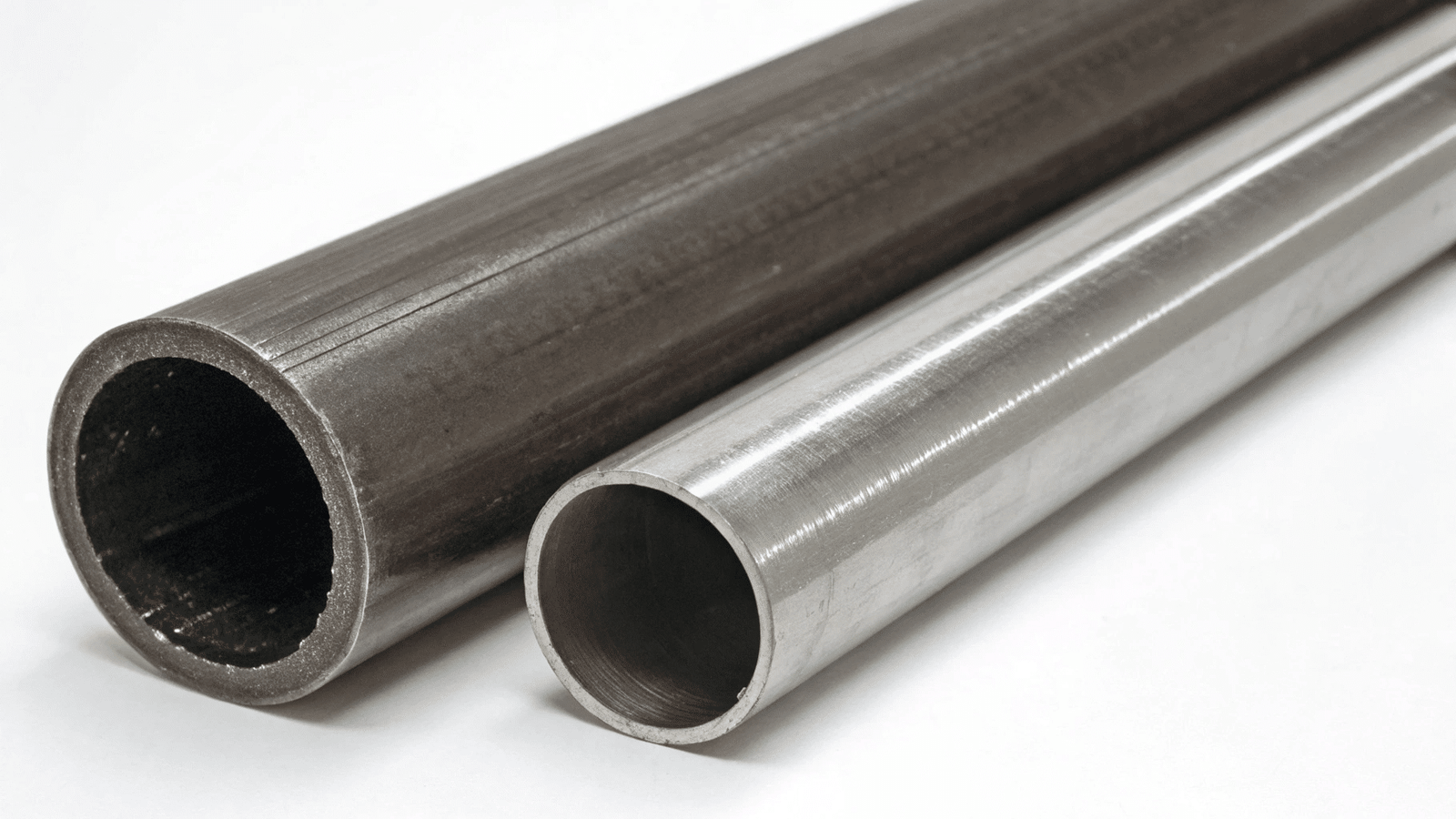
The primary difference between aluminum pipe and aluminum tube lies in their dimensional standards and intended applications. Aluminum pipes are generally specified by their nominal pipe size (NPS) and schedule (wall thickness), with the internal diameter being the primary variable, often used for fluid and gas conveyance. Aluminum tubes, on the other hand, are typically specified by their exact outside diameter (OD) and wall thickness, with a wider range of applications including structural, mechanical, and heat exchanger uses.

In my professional life, the distinction between pipe and tube is important for ensuring we provide the correct material for customer specifications. While both are hollow aluminum extrusions, their identification and typical uses differ significantly.
Here's a breakdown of the key differences:
-
Dimensional Specification:
- Aluminum Pipe: Specified by Nominal Pipe Size (NPS) and Schedule (wall thickness, like Sch 40, Sch 80). The NPS is a standard set of dimensions, and the actual OD and ID can vary based on the schedule. For example, a 1-inch Schedule 40 pipe has a specific OD (1.315 inches) and wall thickness (0.133 inches), resulting in a specific ID. The ID is the variable that changes most with schedule.
- Aluminum Tube: Specified by its exact Outside Diameter (OD) and Wall Thickness (WT). For example, a 2-inch OD tube with a 0.120-inch wall thickness has precisely those dimensions. The OD is the primary defining measurement.
-
Dimensional Accuracy and Wall Thickness:
- Pipe: Wall thickness (schedule) can vary more significantly and has less stringent tolerances on OD. Often designed for pressure containment rather than precise external dimensions.
- Tube: Generally manufactured to tighter tolerances for both OD and wall thickness. They are often designed for applications where precise dimensions are critical, such as in mechanical assemblies or structural frameworks.
-
Typical Applications:
- Pipe: Predominantly used for fluid and gas transport, such as water lines, natural gas distribution, hydraulic systems, and plumbing. Their design prioritizes pressure handling.
- Tube: Used in a wider variety of applications, including structural framing (furniture, architectural), mechanical components (automotive chassis, bicycle frames), heat exchangers, and general fabrication where exact dimensions and material uniformity are important.
-
Standards:
- Pipe: Follows standards like ASTM A307, A312, or specific industry standards related to pressure ratings.
- Tube: Follows standards like ASTM B210 (seamless drawn), B221 (extruded), B241 (extruded, seamless), B429 (structural), and B749 (for shapes, profiles, and bars).
In essence, if the application is primarily about moving fluids or gases under pressure and nominal dimensions are acceptable, "pipe" is often the term used. If exact external dimensions, precise wall thickness, and broader structural or mechanical applications are the focus, "tube" is the more appropriate description.
How are aluminium tubes manufactured?
Are you curious about the processes involved in creating aluminum tubes, especially large diameter ones, and what makes them acquire their specific properties? The manufacturing method is key to their final form and performance.
Aluminum tubes, particularly large diameter ones, are predominantly manufactured through extrusion or drawing processes. Extrusion involves forcing heated aluminum through a die with a specific cross-sectional shape to create a continuous profile. Drawing further refines the profile by pulling the extruded tube through a die (and often over a mandrel) to achieve tighter tolerances, smoother surfaces, and improved mechanical properties. Large diameter tubes often start as hollow extrusions.

At SWA Forging, while we focus on forging, we understand the importance of high-quality starting materials, which often include extruded or drawn tubes. The manufacturing processes for aluminum tubes are crucial for delivering the material properties and dimensional accuracy required by various industries.
Here’s how aluminum tubes are typically manufactured:
- Alloy Preparation and Melting: The process begins with selecting the appropriate aluminum alloy. The raw materials are melted in furnaces to create molten aluminum, which is then cast into suitable forms like ingots or billets.
- Extrusion (Primary Method for Large Diameter):
- Preheating: A solid billet of aluminum alloy is heated to a specific temperature (typically 400-500°C for many alloys) in a large-capacity furnace.
- Pressing: The hot billet is then placed into a powerful hydraulic extrusion press. It is forced through a die that has an opening shaped like the desired cross-section of the tube. For producing hollow shapes like tubes directly, a hollow billet is often used, or a mandrel is positioned within the die opening to create the hollow core as the aluminum is forced around it.
- Forming: As the aluminum is pushed through the die, it emerges as a long, continuous profile in the shape of the tube. This process is excellent for large diameter sections and complex cross-sections.
- Cooling: The extruded profile is then cooled, often by air or water quench, to solidify its structure and achieve the desired temper properties (or it is kept in a softer state for subsequent drawing).
- Drawing (For Higher Precision and Properties):
- Pre-formed Shape: An extruded tube or a pierced rod is used as the starting material for drawing.
- Pulling: The tube is pulled through a die that is smaller than its initial diameter. A plug or mandrel is often used inside the tube to control the internal diameter and wall thickness.
- Refinement: This process reduces the diameter and wall thickness, elongates the tube, and significantly refines the grain structure. Drawing can improve dimensional accuracy, surface finish, and mechanical properties like tensile strength and hardness. Tubes can be drawn multiple times, with annealing steps in between, to achieve desired specifications.
- Straightening and Cutting: After extrusion and/or drawing, the long tubes are straightened using machines to remove any residual curvature. They are then cut to the required lengths according to customer specifications.
- Heat Treatment (Tempering): Many aluminum alloys require heat treatment to achieve their full strength and hardness. This typically involves solution heat treatment followed by aging (natural or artificial), which alters the microstructure and mechanical properties of the tube.
- Finishing and Inspection: Tubes may undergo further finishing processes like deburring, polishing, or surface treatments (anodizing, coating). Rigorous inspection, including dimensional checks, visual inspection, and sometimes non-destructive testing (NDT) like eddy current or ultrasonic testing, is performed to ensure quality and adherence to standards.
The choice between direct extrusion for large diameters and subsequent drawing for higher precision depends on the required tolerances, mechanical properties, and surface finish for the tube's intended application.
Conclusion
Exploring large diameter aluminum tubes reveals a material that is both strong and adaptable. This discussion clarified their diverse uses, highlighted their significant advantages, distinguished them from aluminum pipes, and explained their manufacturing processes. At SWA Forging, we value the exceptional properties of aluminum and understand how these manufactured forms contribute to innovative engineering solutions.