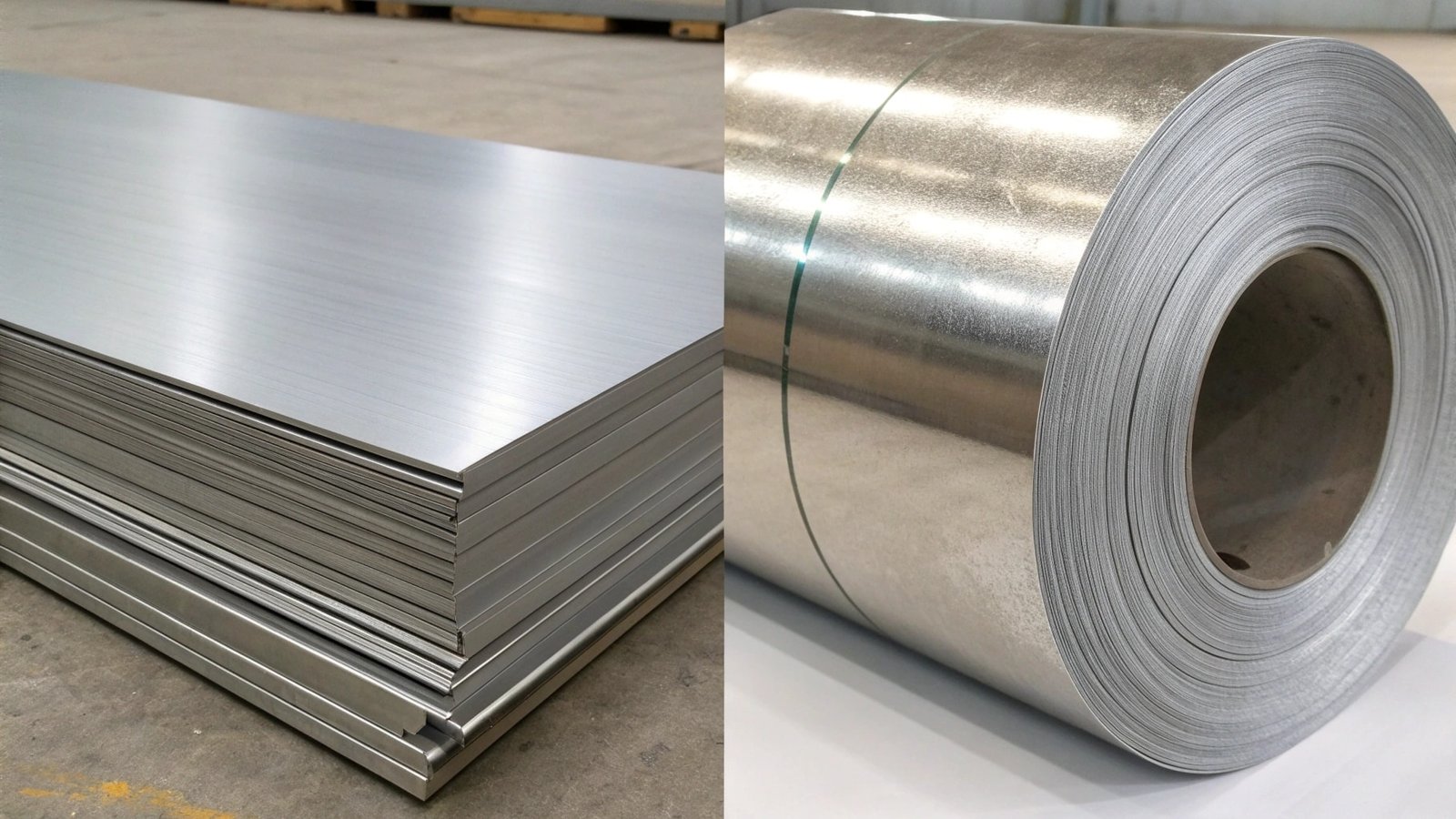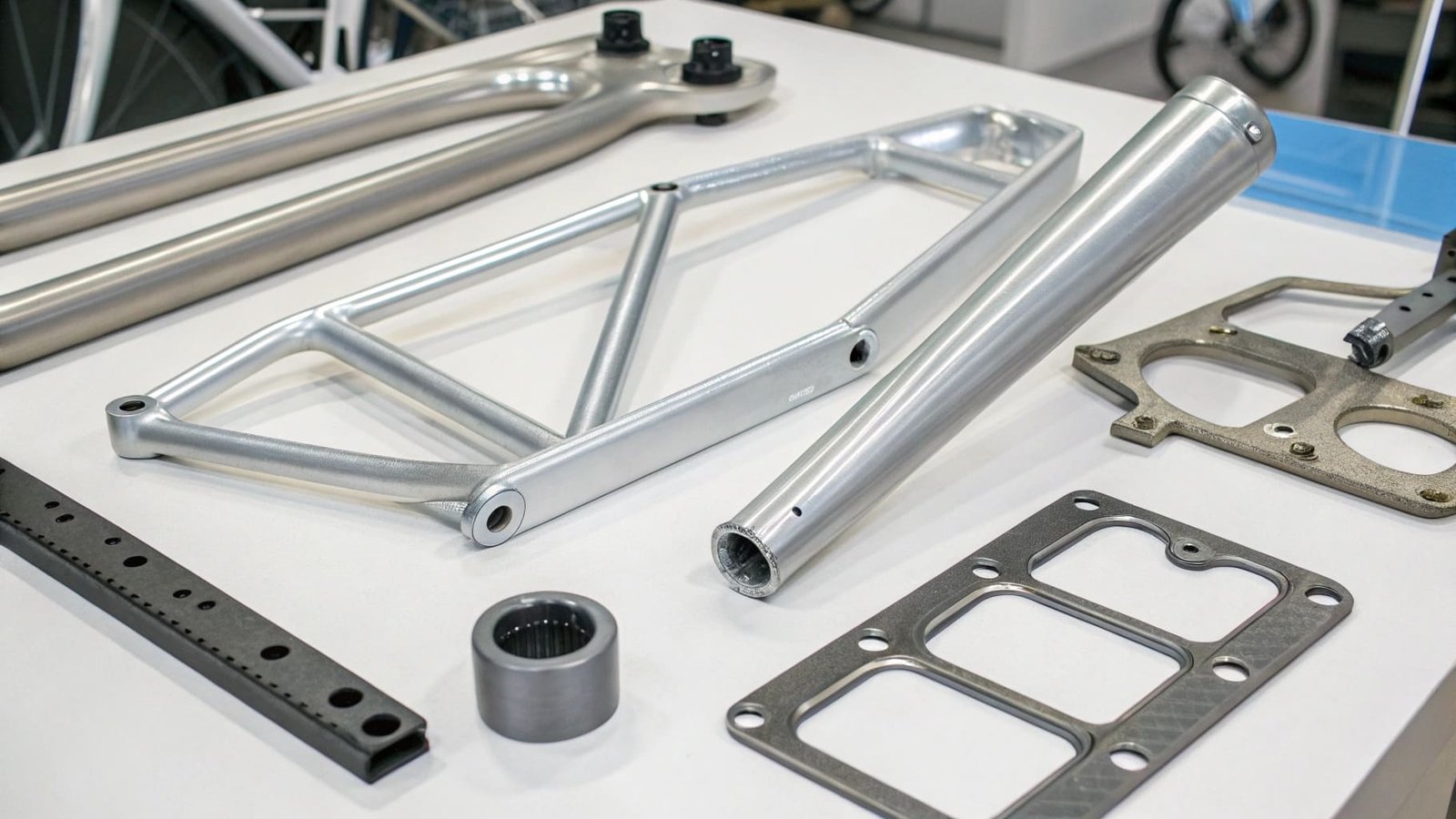
Are you searching for precise aluminum solutions that meet the unique demands of high-performance industries? Custom aluminum bars, forged to exacting standards, offer the strength, reliability, and specific properties crucial for applications in aerospace, defense, and beyond. This article explores the world of custom aluminum.
Custom aluminum bars are precisely engineered metallic rods made from specific aluminum alloys1, tailored in composition, dimensions, and temper to meet the exact requirements of specialized applications. Unlike standard off-the-shelf options, these custom solutions, often produced through advanced forging techniques at facilities like SWA Forging, ensure optimal performance, strength, and reliability for demanding sectors such as aerospace, defense, and heavy machinery.
At SWA Forging, our expertise lies in creating these custom aluminum solutions. We go beyond standard offerings to forge large-diameter aluminum bars and custom shapes that are precisely engineered for our clients' critical applications, ensuring they receive materials that are perfect for their intended use.
What is an aluminum bar?
Are you trying to understand the fundamental definition of an aluminum bar and its typical forms? Knowing what constitutes an "aluminum bar" is the first step in appreciating its role in manufacturing.
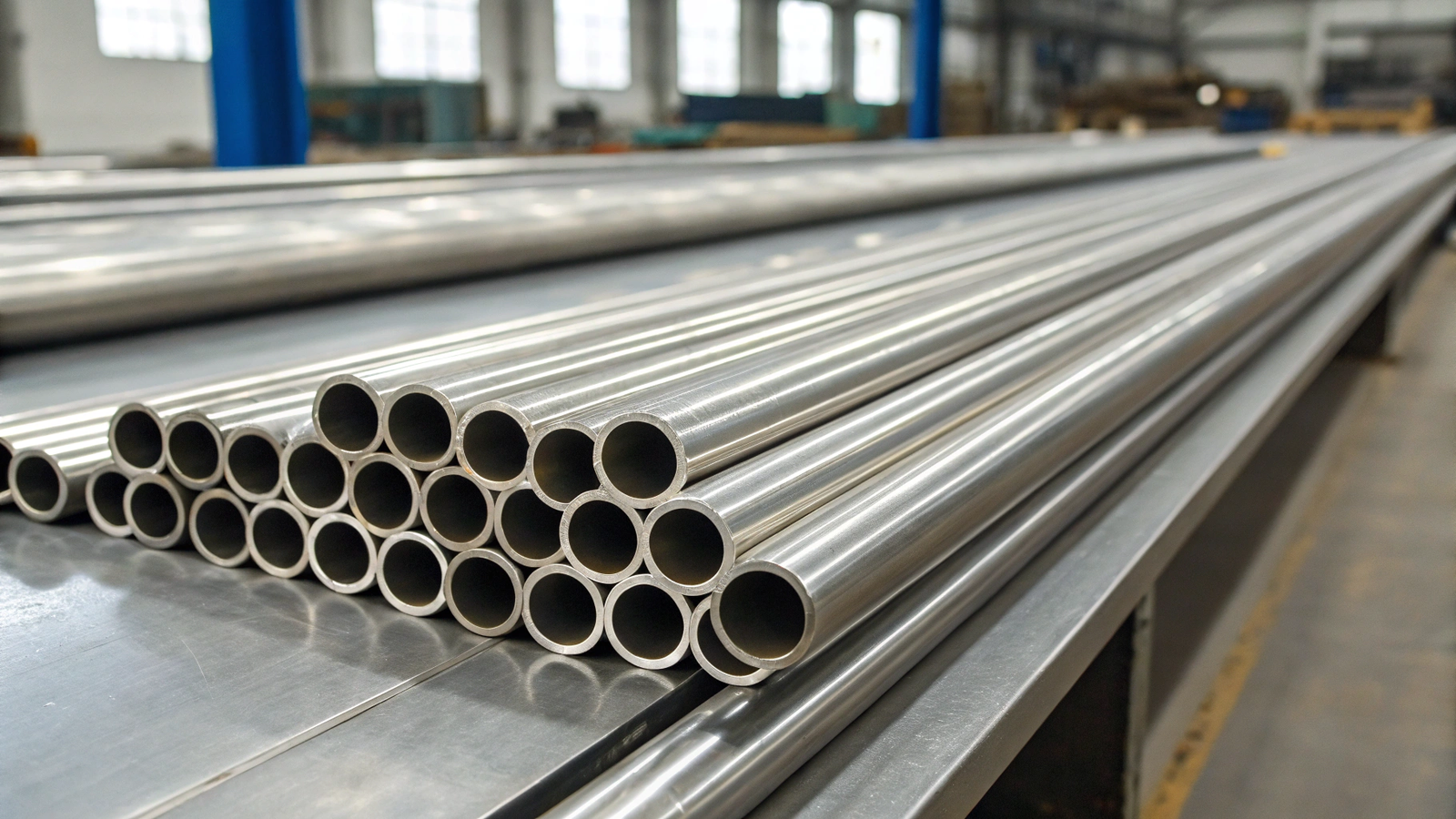
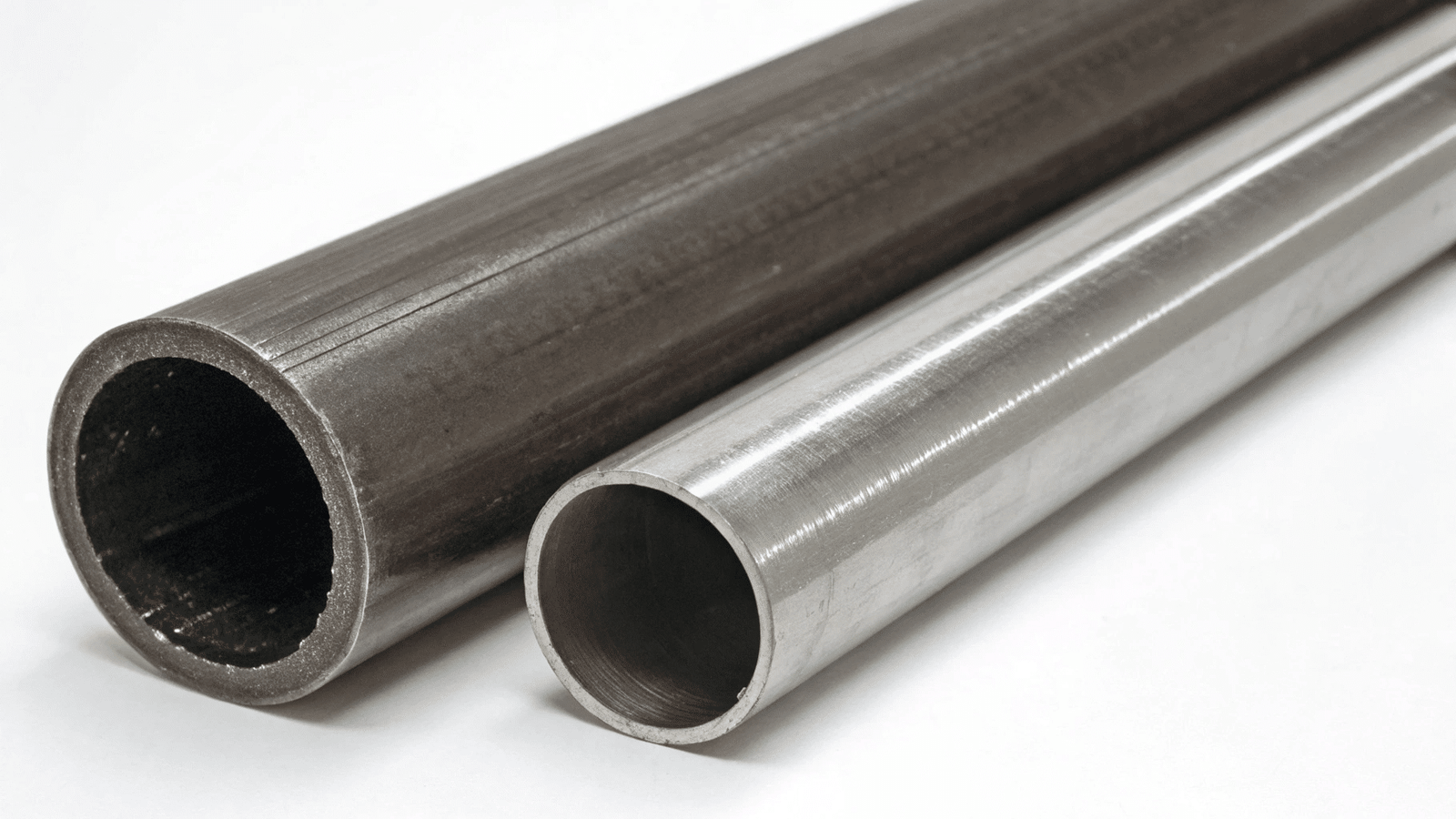
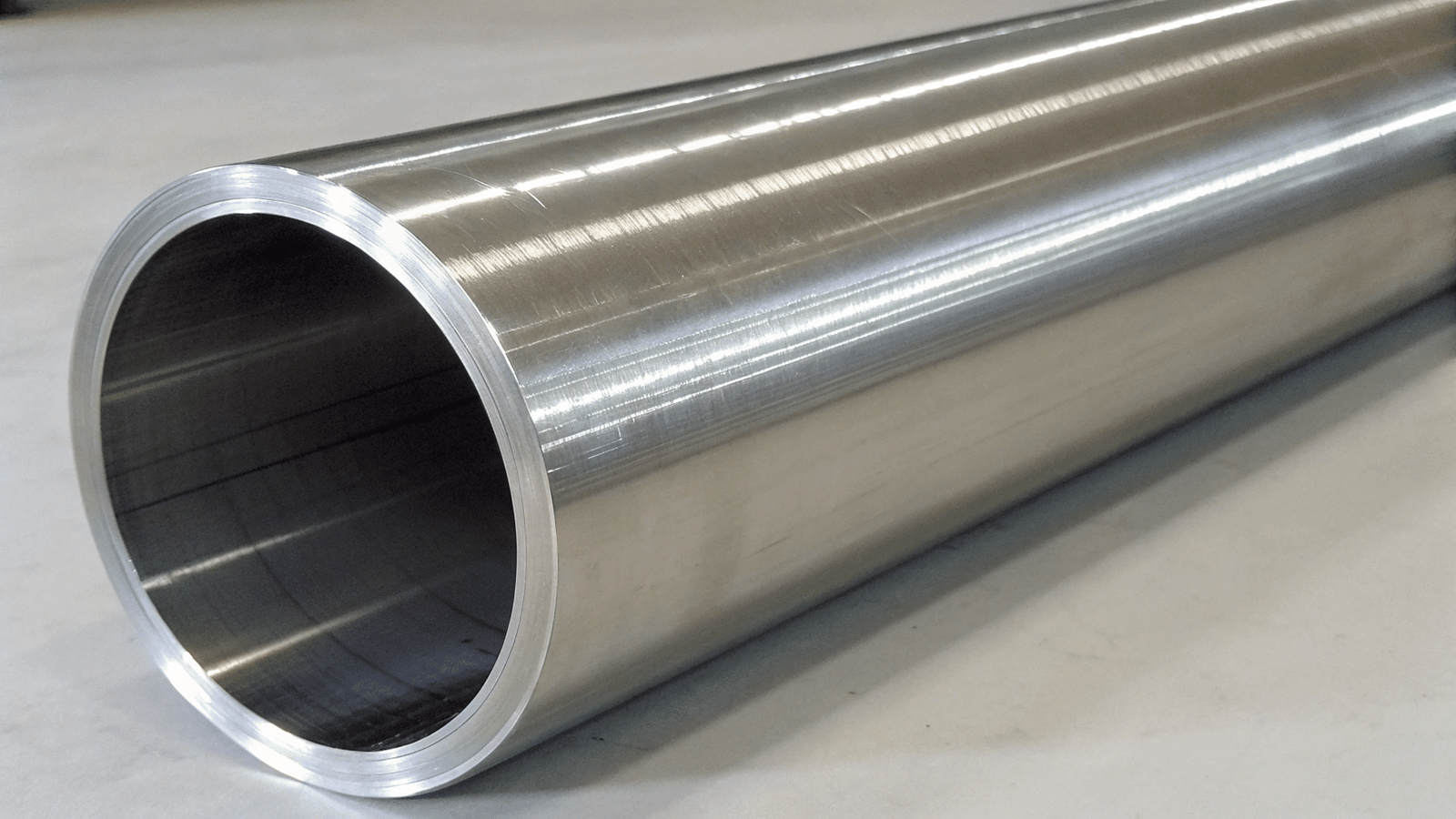
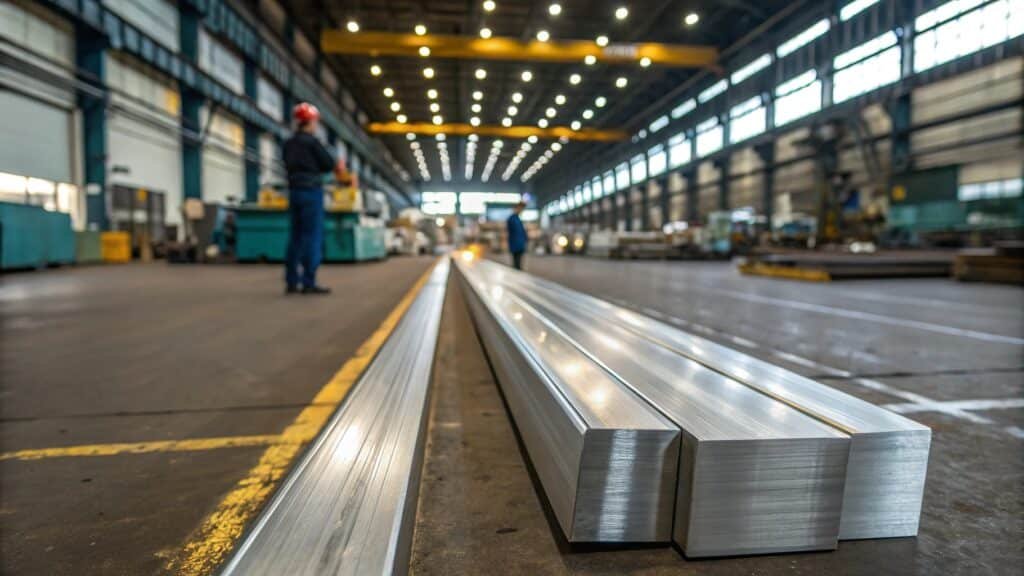
An aluminum bar is a solid, extruded or forged product with a uniform cross-sectional shape and size, typically circular, square, or hexagonal. It is a fundamental raw material used in machining, manufacturing, and construction. Bars are manufactured to specific dimensional tolerances and can be made from various aluminum alloys, each offering different properties like strength, corrosion resistance2, and machinability. They serve as the basic building blocks for creating more complex components.
In our work at SWA Forging, we often start with large, custom-forged aluminum billets that are essentially oversized bars, which we then further process or supply as near-net-shape solutions. The concept of a bar as a fundamental, uniform shape is key, even when we're dealing with very large or specialized versions of it.
What is the aluminum alloy?
Are you wondering what makes aluminum suitable for different jobs and what "aluminum alloy" actually means? Understanding alloy composition is key to material selection.
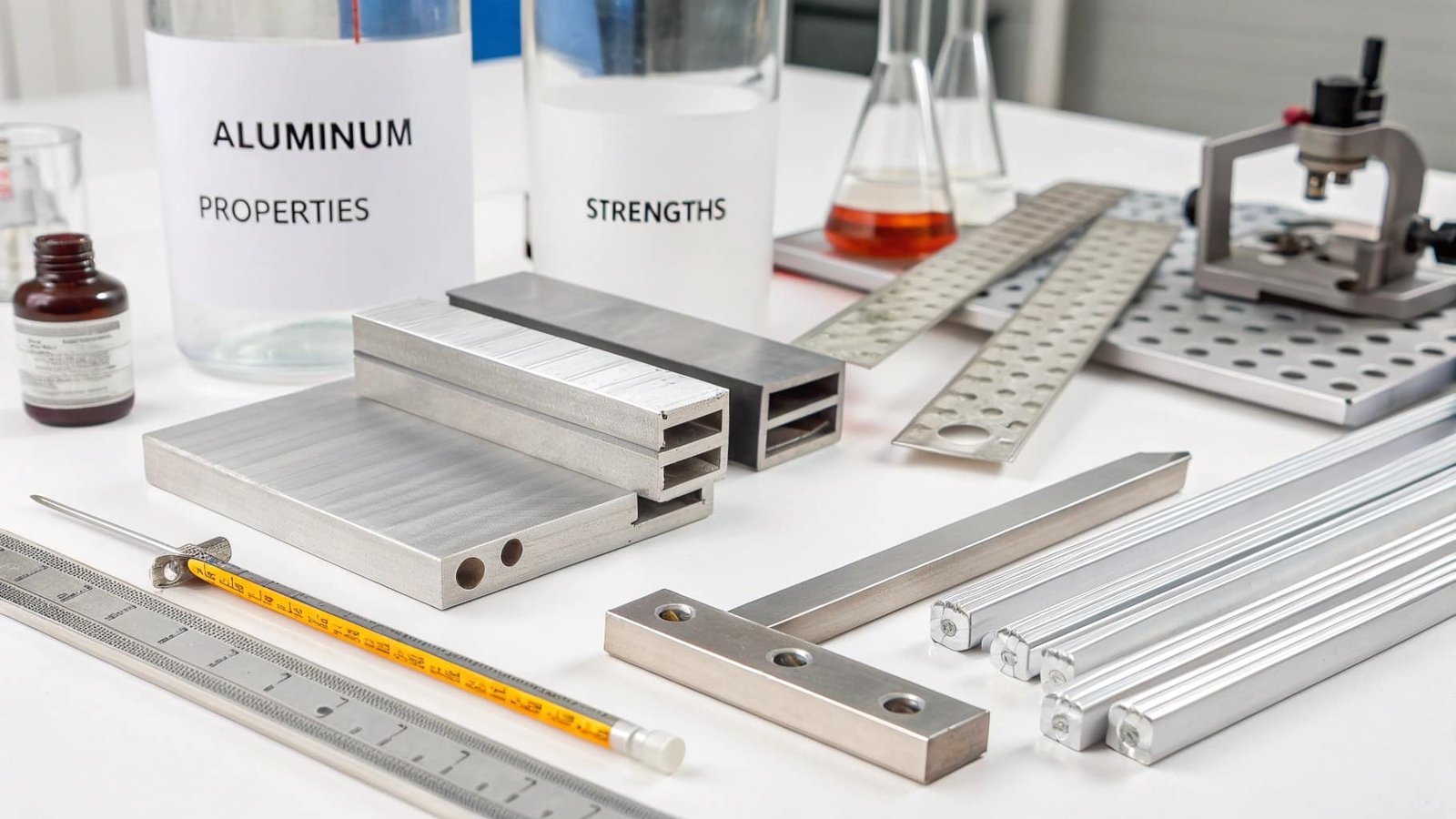
An aluminum alloy is a mixture of aluminum along with one or more other elements, such as copper, magnesium, silicon, zinc, or manganese. These added elements are strategically combined to significantly improve or modify the properties of pure aluminum, which is naturally soft and weak. Alloys are engineered to enhance characteristics like strength, hardness, corrosion resistance, weldability, and formability, making them suitable for a vast range of applications from aerospace components to everyday items.
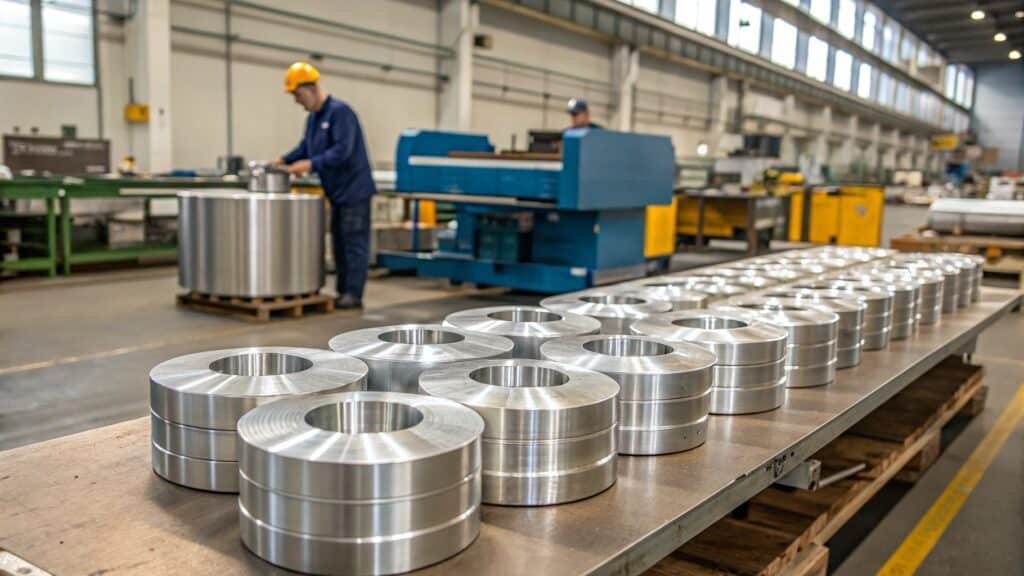
For SWA Forging, selecting the right aluminum alloy is paramount. We often work with high-strength alloys like 6061 and 7075 because the alloying elements they contain allow them to achieve the incredible strength and durability required for critical applications, especially after our forging process enhances their structure.
Here's a glimpse into why alloys are so important:
- Pure Aluminum (1xxx Series): Consists of at least 99% aluminum. It's soft, ductile, and has excellent corrosion resistance and electrical conductivity. However, its low strength limits its use in structural applications.
- Alloys (2xxx through 8xxx Series): These incorporate alloying elements to achieve specific performance benefits:
- Strength: Elements like copper, magnesium, and zinc significantly boost tensile and yield strength, essential for load-bearing parts. Our work often focuses on 6xxx and 7xxx series for this reason.
- Corrosion Resistance: Magnesium and manganese improve resistance to environmental degradation, vital for outdoor or marine applications.
- Weldability: Alloys like those in the 5xxx series (aluminum-magnesium) offer excellent weldability.
- Formability: Some alloys are designed to be bent, shaped, or extruded more easily.
The choice of alloy dictates a material's performance. For example, an alloy chosen for an aircraft landing gear will be vastly different from one used for a decorative trim piece.
Which is stronger, 6061 or 7075 aluminum?
Are you trying to decide between 6061 and 7075 aluminum3 for a high-strength application and need to know which alloy offers superior mechanical performance? Understanding their comparative strengths is crucial for material selection.
7075 aluminum alloy is significantly stronger than 6061 aluminum4 alloy. The 7075 alloy, belonging to the aluminum-zinc series, offers exceptionally high tensile and yield strength due to its higher concentration of zinc, along with other alloying elements like magnesium and copper, and its suitability for advanced heat treatments. While 6061 is a versatile, good-strength alloy, 7075 is considered one of the strongest commercially available aluminum alloys, making it the preferred choice for extremely high-stress applications where paramount strength is non-negotiable.
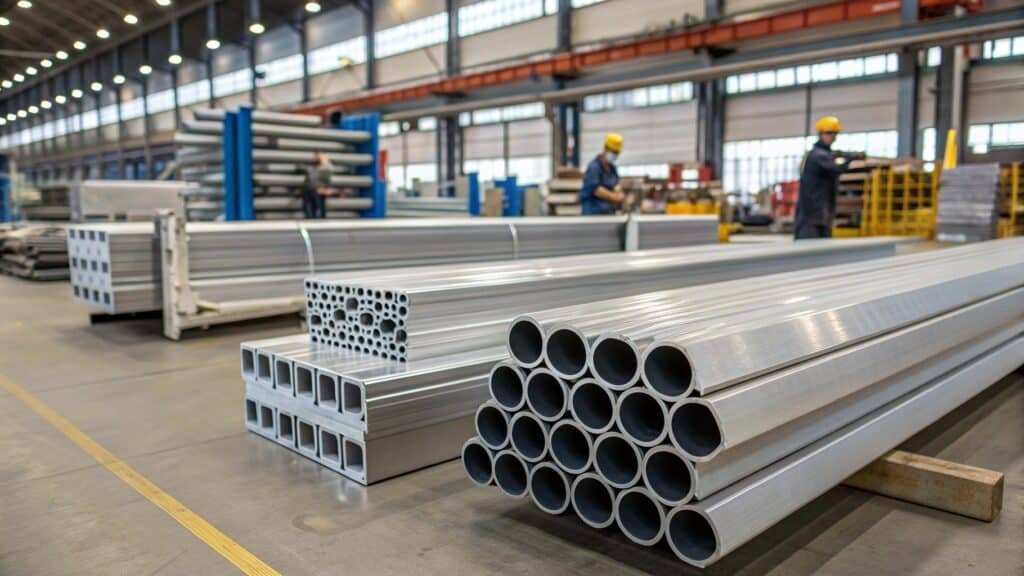
In our operations at SWA Forging, when a client specifies the absolute highest strength requirement, often for aerospace or defense components, we steer them towards 7075. Its superior strength characteristics, particularly when forged, provide a critical performance edge, even though it comes with considerations like cost and potentially lower corrosion resistance compared to 6061.
Here's a comparative look at their strengths:
- 6061-T6: A very common and versatile strong alloy. Typical tensile strength is around 310 MPa (45 ksi), and yield strength is around 276 MPa (40 ksi).
- 7075-T6: One of the strongest aluminum alloys available. Typical tensile strength is around 540 MPa (78 ksi), and yield strength is around 503 MPa (73 ksi).
This means that 7075 in its T6 temper can be nearly 75% stronger in terms of tensile strength than 6061 in its T6 temper. This marked difference is why 7075 is chosen for parts that must withstand extreme loads and fatigue.
How do I know if my aluminum is 5052 or 6061?
Are you trying to identify a specific piece of aluminum and need to differentiate between the common 5052 and 6061 alloys? Direct identification can be tricky without proper means.
The most reliable way to confirm if your aluminum is 5052 or 6061 is to check its accompanying documentation, such as a mill test report (MTR) or certificate of analysis (COA), which details the exact alloy composition and temper. Visually, distinguishing them is difficult. However, 6061 is a heat-treatable alloy offering higher strength and rigidity, commonly used for structural components, while 5052 is a non-heat-treatable alloy known for its excellent corrosion resistance, formability, and moderate strength, often used for tanks, marine parts, and intricate sheet metal work. Definitive identification would require material testing like spark testing or spectrometric analysis.
At SWA Forging, we always work with certified materials, meaning we have the documentation that precisely states the alloy. If you’re unsure about an existing piece, seeking professional material analysis is the safest route. Assuming an alloy can lead to critical failures in high-performance applications.
Here are the key differences to consider, though visual identification is unreliable:
- Heat Treatability:
- 6061: Is heat-treatable, meaning its strength can be significantly increased through specific heating and cooling processes (e.g., T6 temper).
- 5052: Is not heat-treatable. Its strength is primarily achieved through cold working (strain hardening).
- Strength:
- 6061 (T6 temper): Significantly stronger than 5052.
- 5052: Offers good strength, especially in its hardened states, but generally less than 6061-T6.
- Corrosion Resistance:
- 5052: Has superior corrosion resistance, particularly in marine environments, compared to 6061.
- 6061: Has good corrosion resistance, but the presence of copper makes it more susceptible to corrosion in certain environments than 5052.
- Formability:
- 5052: Excellent formability and ductility, making it easy to bend and shape, even after cold working.
- 6061: Good formability, especially in the annealed (O) temper, but becomes much less formable when heat-treated to higher strengths.
- Weldability:
- 5052: Excellent weldability using common methods like gas metal arc welding (GMAW) or gas tungsten arc welding (GTAW).
- 6061: Good weldability, but heat-treating loses its strength in the weld zone, requiring post-weld heat treatment for optimal properties.
If you have a crucial application requiring absolute certainty about material grade, rely on certified documentation or professional material testing services.
Conclusion
Custom aluminum bars, engineered from specific alloys like 6061 and 7075, are vital for industries demanding peak performance and tailored material properties. By understanding what an aluminum bar is, the importance of alloys, and the distinct strengths of different grades such as 6061, 7075, and 5052, manufacturers can make informed decisions. SWA Forging is dedicated to providing these precision-engineered aluminum solutions, ensuring our clients receive materials perfectly suited to their critical applications.
-
Understand the various aluminum alloys and how they impact performance in different applications. ↩
-
Discover which aluminum alloys are best suited for environments prone to corrosion. ↩
-
Explore the unique properties of 7075 aluminum and its suitability for high-stress applications. ↩
-
Find out why 6061 aluminum is a popular choice for many structural applications. ↩