Are you seeking the pinnacle of material performance for your aerospace projects? Aerospace-grade forged aluminum bars represent the highest standard in strength, reliability, and precision, engineered to withstand extreme conditions. This article explores what makes aluminum suitable for the skies and beyond.
Aerospace-grade aluminum refers to specific aluminum alloys and tempers that meet the exceptionally rigorous standards required for aircraft and spacecraft construction, prioritizing properties like high strength-to-weight ratio, fatigue resistance, and corrosion resistance1. Alloys like 7075 and 6061, particularly when forged, are commonly used due to their ability to withstand extreme stresses and environmental challenges inherent in aerospace applications2.
At SWA Forging, we specialize in producing aerospace-grade forged aluminum bars and rings. Our precision forging process enhances the mechanical properties of these advanced alloys, making them ideal for the demanding environments of the aerospace and defense industries, where component failure is not an option.
What is aerospace grade aluminum?
Are you curious about the specific qualities that qualify aluminum for use in aircraft and spacecraft? Understanding "aerospace grade" involves looking beyond just the material's name.
Aerospace-grade aluminum refers to aluminum alloys that are chosen and processed to meet the extremely high performance and safety standards required for aviation and space exploration. This means the aluminum must exhibit superior properties such as an exceptional strength-to-weight ratio, high fatigue resistance (ability to withstand repeated stress cycles), excellent corrosion resistance, and dimensional stability under extreme temperatures and pressures. These alloys, often from the 2xxx, 6xxx, and 7xxx series, are typically subjected to strict quality control, specific heat treatments, and advanced manufacturing processes like forging to achieve their optimal performance characteristics.
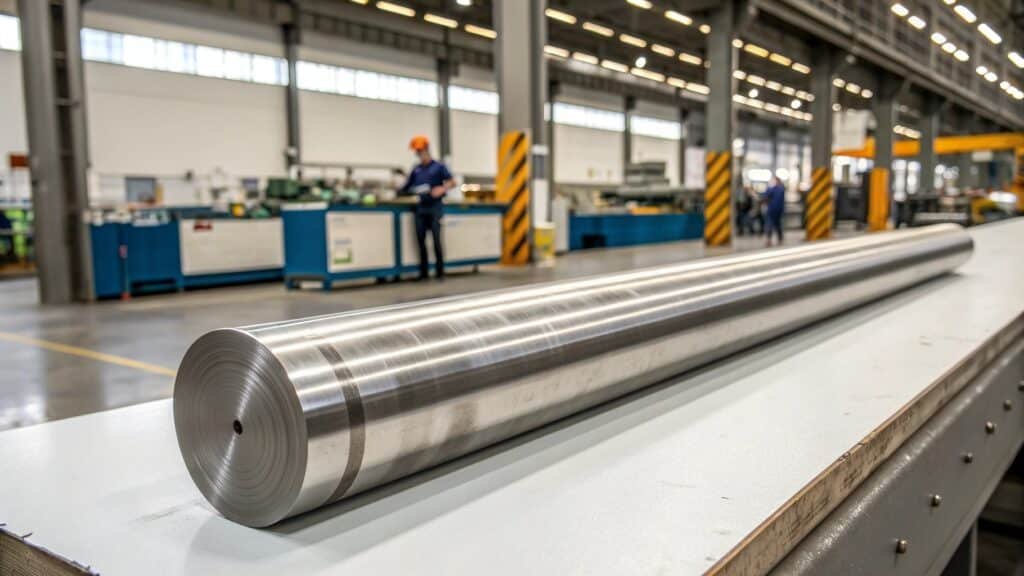
For our clients at SWA Forging, providing aerospace-grade forged aluminum means more than just supplying a material. It means adhering to the stringent specifications, delivering materials with certified mechanical properties, and ensuring consistency and traceability from raw material to finished forged product. The "grade" signifies a commitment to absolute reliability.
What is the best aluminum for aerospace?
Are you trying to determine which aluminum alloy offers the optimal combination of properties for demanding aerospace applications? Selecting the "best" alloy involves balancing multiple critical factors.
While there isn't a single "best" aluminum alloy for all aerospace applications, certain alloys consistently rise to the top due to their superior performance characteristics. The 7xxx series alloys, particularly 7075, are often considered the best choice for primary structural components requiring the highest strength and fatigue resistance. However, alloys like 6061 remain highly valuable for their balance of properties and are used extensively for airframes, structural components, and fittings. 2xxx series alloys also play a significant role, offering excellent strength for highly stressed parts, though often with reduced corrosion resistance. The ultimate choice depends on the specific demands of the component, such as load requirements, stress cycles, environmental exposure, and manufacturing considerations.
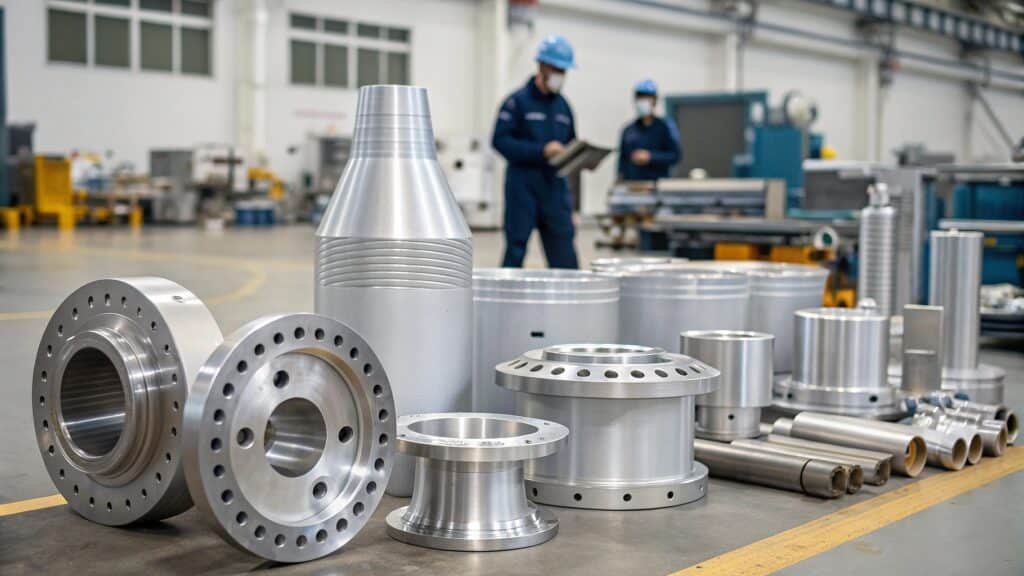
At SWA Forging, we see this interplay firsthand. We often forge 7075-T6 when maximum strength is the absolute priority, such as for critical structural members or landing gear components. For applications where a robust balance of strength, corrosion resistance, and machinability is needed, 6061-T6 is an excellent and widely utilized option. The "best" is truly application-specific.
What is aerospace grade aluminum 7075?
Are you trying to understand the specific properties of the 7075 aluminum alloy3 and why it's a preferred choice for high-performance aerospace components? This alloy is renowned for its exceptional strength.
Aerospace-grade aluminum 7075 is a high-strength aluminum alloy belonging to the 7xxx series, primarily alloyed with zinc, along with magnesium and copper. It is heat-treatable and can achieve some of the highest mechanical properties of all aluminum alloys, making it a top choice for safety-critical aerospace applications. This includes components like aircraft fuselages, wing structures, landing gear, and critical fittings where maximum strength, high fatigue tolerance, and excellent toughness are essential, even at the cost of slightly lower corrosion resistance and weldability compared to other grades.
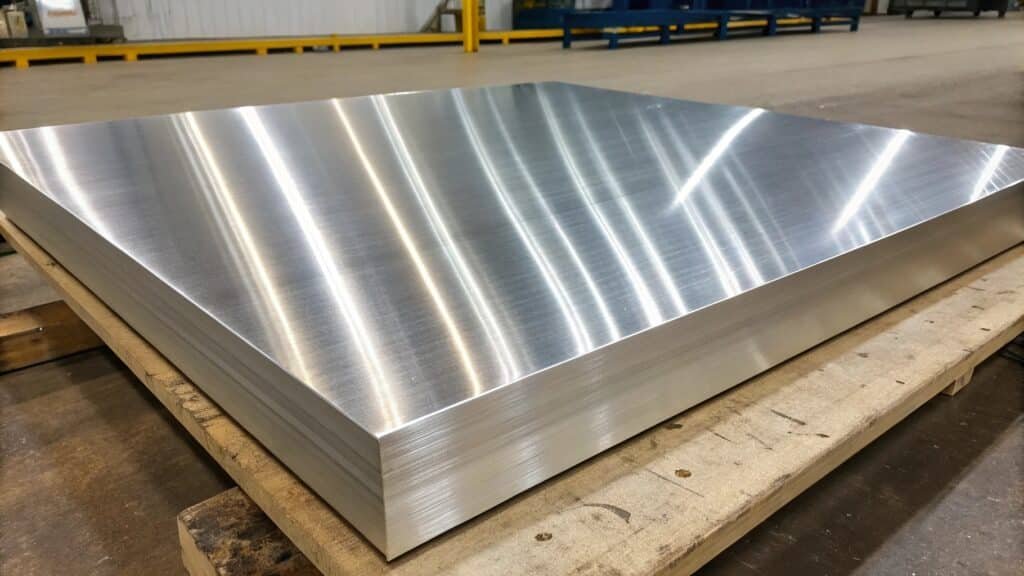
Our work at SWA Forging frequently involves 7075. We forge it to enhance its already impressive properties, creating large-diameter bars and rings that are integral to aircraft structures. The ability of 7075 to withstand extreme forces, especially after our forging process refines its grain structure, makes it a cornerstone material for safety-conscious industries.
Key characteristics of aerospace-grade 7075 include:
- Exceptional Strength: Typically around 540 MPa (78 ksi) tensile strength and 503 MPa (73 ksi) yield strength in the T6 temper.
- High Fatigue Strength: Crucial for aircraft components that endure constant stress cycles.
- Good Machinability: While strong, it can still be machined effectively to create precise parts.
- Lower Corrosion Resistance: Compared to alloys like 5052 or 6061, 7075 can be more susceptible to certain types of corrosion, often requiring protective coatings or specific surface treatments in aerospace applications.
- Limited Weldability: While it can be welded, the weld zone loses significant strength, making it less ideal for welded structures compared to alloys like 5083.
Is 6061 or 7075 aluminum stronger?
Are you deciding between 6061 and 7075 aluminum for a critical application and need to know which alloy offers superior mechanical strength? This comparison is fundamental for high-strength material selection.
7075 aluminum is significantly stronger than 6061 aluminum4. Alloy 7075, a member of the aluminum-zinc series, is renowned for achieving the highest strength among commonly available aluminum alloys, particularly in its heat-treated T6 temper, with typical tensile strengths around 540 MPa (78 ksi). In contrast, 6061 alloy, an aluminum-magnesium-silicon type, offers good to excellent strength, especially in its T6 temper, but typically reaches maximum tensile strengths around 310 MPa (45 ksi). Therefore, for applications demanding the absolute highest forces and fatigue resistance, 7075 is the stronger choice.
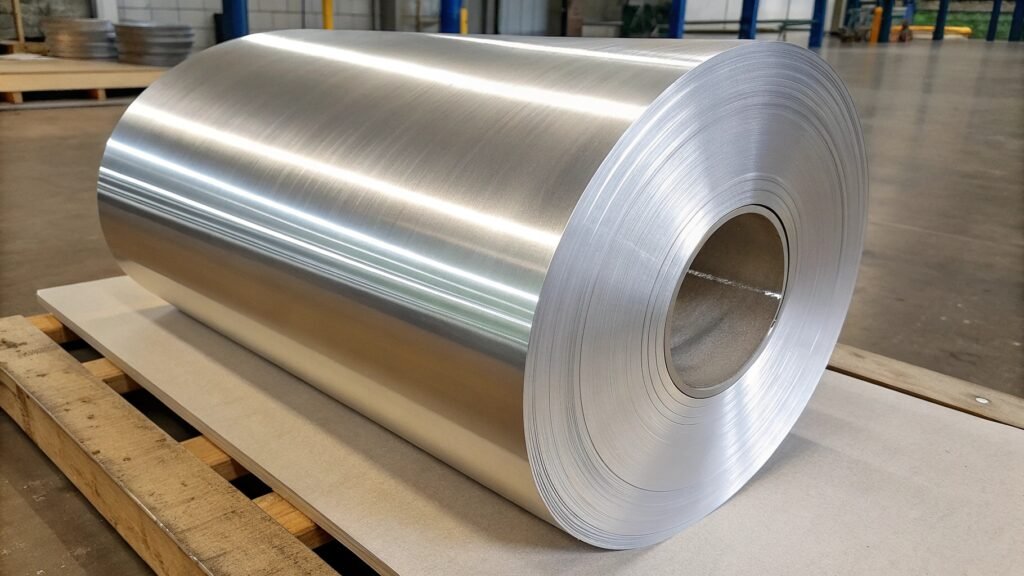
This strength difference is a major reason why 7075 is favored for critical aerospace components where weight savings are paramount, but the material must also withstand extreme loads. At SWA Forging, we often work with both, but when engineers specify the utmost in tensile and yield strength, 7075 is the alloy of choice, even though it might come with different considerations in terms of cost and corrosion protection needs.
Here's a quick summary of their strength comparison:
| Alloy | Typical Temper | Approximate Tensile Strength | Approximate Yield Strength | Primary Alloying Elements |
|---|---|---|---|---|
| 6061 | T6 | 310 MPa (45 ksi) | 276 MPa (40 ksi) | Magnesium, Silicon |
| 7075 | T6 | 540 MPa (78 ksi) | 503 MPa (73 ksi) | Zinc, Magnesium, Copper |
The data clearly shows that 7075 significantly outperforms 6061 in terms of both tensile and yield strength, making it the preferred material for the most demanding structural applications in aerospace and other high-performance sectors.
Conclusion
Aerospace-grade aluminum, particularly alloys like 7075 and 6061, represents the cutting edge of material science for aviation and defense. Understanding their unique properties, such as the unparalleled strength of 7075, is crucial for selecting the right material. SWA Forging leverages advanced forging techniques to enhance these alloys, providing aerospace-grade forged aluminum bars that meet the most stringent requirements for reliability and performance in extreme environments.
-
Learn how corrosion resistance impacts the durability and performance of aerospace materials. ↩
-
Explore various aerospace applications where aluminum alloys play a vital role in performance. ↩
-
Learn about the exceptional properties of 7075 aluminum alloy, a top choice for aerospace applications. ↩
-
Discover the benefits of 6061 aluminum, widely used for its balance of strength and machinability. ↩