When choosing aluminum bars, understanding the manufacturing process – forged versus extruded – is critical. Each method yields distinct properties, impacting performance and application suitability. This article breaks down the differences to help you make informed decisions.
Forged aluminum bars are produced by shaping aluminum using compressive forces, often with powerful presses or hammers, which refines the material's grain structure for superior strength and durability. Extruded aluminum bars are formed by pushing heated aluminum through a die to create a desired cross-section, offering great design flexibility and cost-effectiveness for many applications. Forged aluminum generally offers better mechanical properties, making it ideal for high-stress applications.
At SWA Forging, our expertise lies in the power of forging. We specialize in creating large-diameter forged aluminum rings and bars where the intricate grain structure achieved through forging translates directly into enhanced mechanical properties, crucial for demanding industries like aerospace and defense.
What is the best type of aluminum?
Are you wondering if there's a single "best" aluminum alloy for all purposes, or does suitability depend on the job? The concept of "best" is always relative to the application.
There isn't one single "best" type of aluminum alloy because each alloy is engineered with different combinations of properties to suit specific needs. The "best" aluminum for a particular application depends on requirements such as strength, corrosion resistance, weight, formability, weldability, and cost. For instance, 7075 is often considered the "best" for extreme strength applications like aircraft structures, while 5052 might be the "best" for marine environments due to its superior corrosion resistance, and 6061 offers a well-rounded balance of properties for general structural use. Selection is about matching the material's characteristics to the end-use demands.
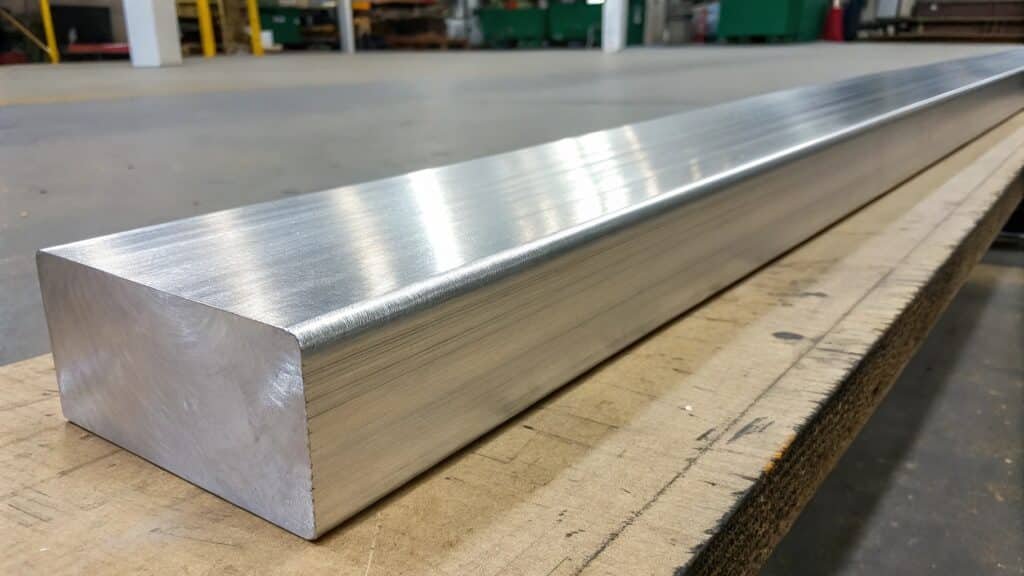
When our clients approach SWA Forging, we don't just offer "aluminum"; we discuss their specific application. For high-stress components, we might recommend 7075. For applications needing good strength and corrosion protection, 6061 is a solid choice. Understanding the demands of the job helps us guide them to the most suitable alloy, making it the "best" for their unique situation.
Is forged aluminum better?
Are you weighing the pros and cons of forged versus other aluminum forms and wondering if forging offers a definitive advantage? The answer often lies in performance.
Generally, forged aluminum is considered superior to other forms of aluminum, especially extruded or cast, when superior strength, toughness, fatigue resistance, and structural integrity are paramount. The forging process aligns the material's grain structure in a way that enhances its mechanical properties and eliminates internal voids that can act as stress concentrators. This results in components that can withstand higher loads and stresses, making them ideal for critical applications in aerospace, defense, automotive, and heavy machinery where reliability under extreme conditions is non-negotiable.
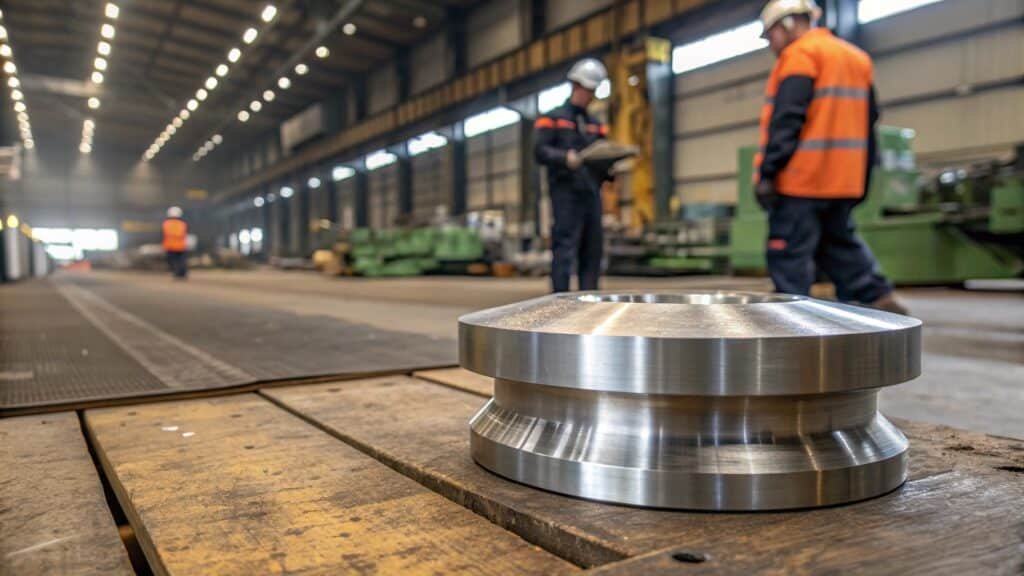
At SWA Forging, this is our core belief and our business. We see every day how forging transforms aluminum alloys1 into incredibly strong, reliable components. The fine, uniform grain structure achieved through our forging processes results in parts that are inherently tougher and more resistant to failure than those made by other methods. For applications where performance can't be compromised, forged aluminum truly is better.
What are the benefits of forged aluminum?
Are you looking to understand the specific advantages that make forged aluminum a preferred choice for high-performance applications? The benefits extend from material properties to component reliability.
The benefits of forged aluminum are significant and directly tied to the unique metallurgical structure created during the forging process. Key benefits include significantly higher strength and toughness, superior fatigue resistance, improved ductility, grain structure refinement, and freedom from internal defects like porosity or voids. This robust mechanical profile means that forged components can be made lighter while still meeting or exceeding the strength requirements of their cast or extruded counterparts, leading to weight savings in critical applications such as aircraft, high-performance vehicles, and heavy machinery.
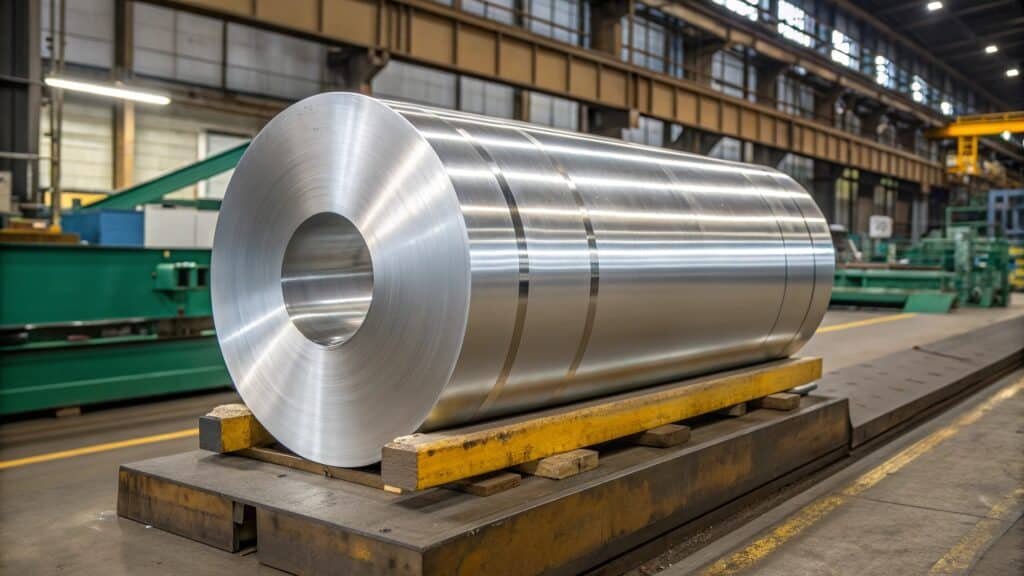
For SWA Forging, these benefits are why we focus on forging. We translate these advantages into tangible value for our clients. For example, using a forged aluminum ring in an aircraft engine might allow for a lighter component that can withstand greater rotational forces and thermal stresses, contributing to both performance and safety. The lack of internal porosity also means a more predictable failure mode, which is critical in safety-sensitive industries.
Here's a breakdown of the primary benefits:
- Enhanced Strength and Toughness: The forging process realigns the aluminum's grain structure, creating continuous grain flow along the contour of the part. This makes the material exceptionally strong and resistant to fracture.
- Superior Fatigue Resistance: The refined grain structure and absence of internal defects mean forged parts can withstand repeated cycles of stress much better than cast or extruded parts, which is critical for components in motion or under dynamic loads.
- Improved Ductility: Forged aluminum can often deform significantly before fracturing, providing better resistance to impact and shock loads.
- Elimination of Internal Defects: Forging forces out any internal porosity or voids that can weaken the material and act as crack initiation sites. This results in a more uniform and reliable material.
- Weight Savings: Due to their enhanced strength, forged components can often be designed to be thinner or smaller than parts made from other aluminum forms, leading to significant weight reduction, a critical factor in aerospace, automotive, and portable equipment.
- Dimensional Stability: Forged parts tend to retain their shape and dimensions under stress and temperature changes.
What is the difference between aluminum forging and extrusion?
Are you trying to clarify the distinct manufacturing processes of forging and extrusion for aluminum bars and understand their resulting differences? These methods shape the material in fundamentally different ways.
The primary difference between aluminum forging and extrusion lies in the forces applied and the resulting material structure. Forging involves shaping aluminum using localized compressive forces (hammering or pressing) that refine the grain structure for maximum strength and toughness, often resulting in the grain flow following the part's contours. Extrusion, on the other hand, involves pushing heated aluminum through a die of a specific cross-section, creating a uniform shape with grain flow typically aligned linearly along the extrusion's length, offering great geometric flexibility but generally lower mechanical properties than forging.
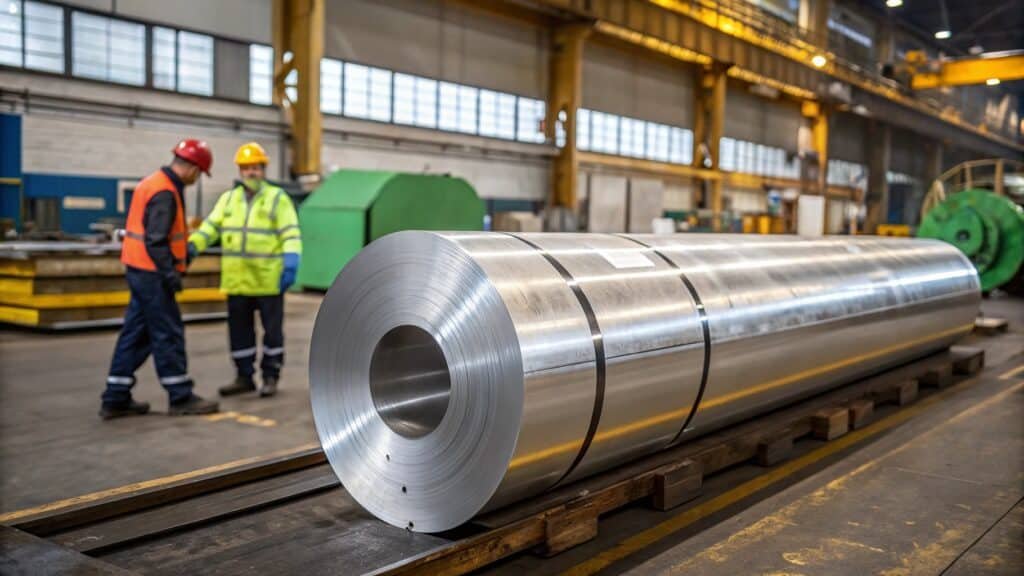
At SWA Forging, we understand that while extrusion is excellent for creating complex, uniform cross-sections efficiently, forging is essential for achieving the ultimate mechanical performance. When a component needs to withstand extreme stress, vibration, or impact – typical in aerospace landing gears, engine components, or high-performance automotive suspension parts – the refined grain structure and inherent strength of forged aluminum are indispensable.
Here's a comparative look at the two processes:
| Feature | Aluminum Forging | Aluminum Extrusion |
|---|---|---|
| Process | Shaping metal using localized compressive forces (heat or cold) | Pushing heated metal through a die to create a uniform cross-section |
| Resulting Structure | Refined, continuous grain flow, aligned with part contours | Linear grain flow along the extrusion's length |
| Mechanical Properties | Generally higher strength, toughness, fatigue resistance | Good strength, but typically lower than forged |
| Defects | Minimizes internal voids and porosity | Can sometimes have internal stresses or surface imperfections |
| Design Flexibility | Limited by die shape and force application; better for simpler shapes or near-net shapes | High flexibility for complex, continuous cross-sections |
| Cost | Can be higher for complex shapes or smaller runs | Often more cost-effective for standard profiles and high volumes |
| Typical Products | Aerospace components, high-stress parts, tools, fittings | Window frames, railings, heat sinks, structural profiles |
| Typical Materials | High-strength alloys (e.g., 7000 series, 6000 series) | A wide range of alloys, including 6000 series |
While extrusion excels in creating intricate, cost-effective shapes with good material properties, forging is the superior method when the ultimate goal is the highest possible mechanical performance and reliability.
Conclusion
The choice between forged and extruded aluminum bars2 hinges on the demands of the application. While extrusion offers design flexibility and cost-effectiveness for many uses, forged aluminum stands out for its superior strength, toughness, and fatigue resistance due to its refined grain structure. SWA Forging specializes in harnessing the benefits of forging to produce high-performance aluminum components essential for the most critical industries.