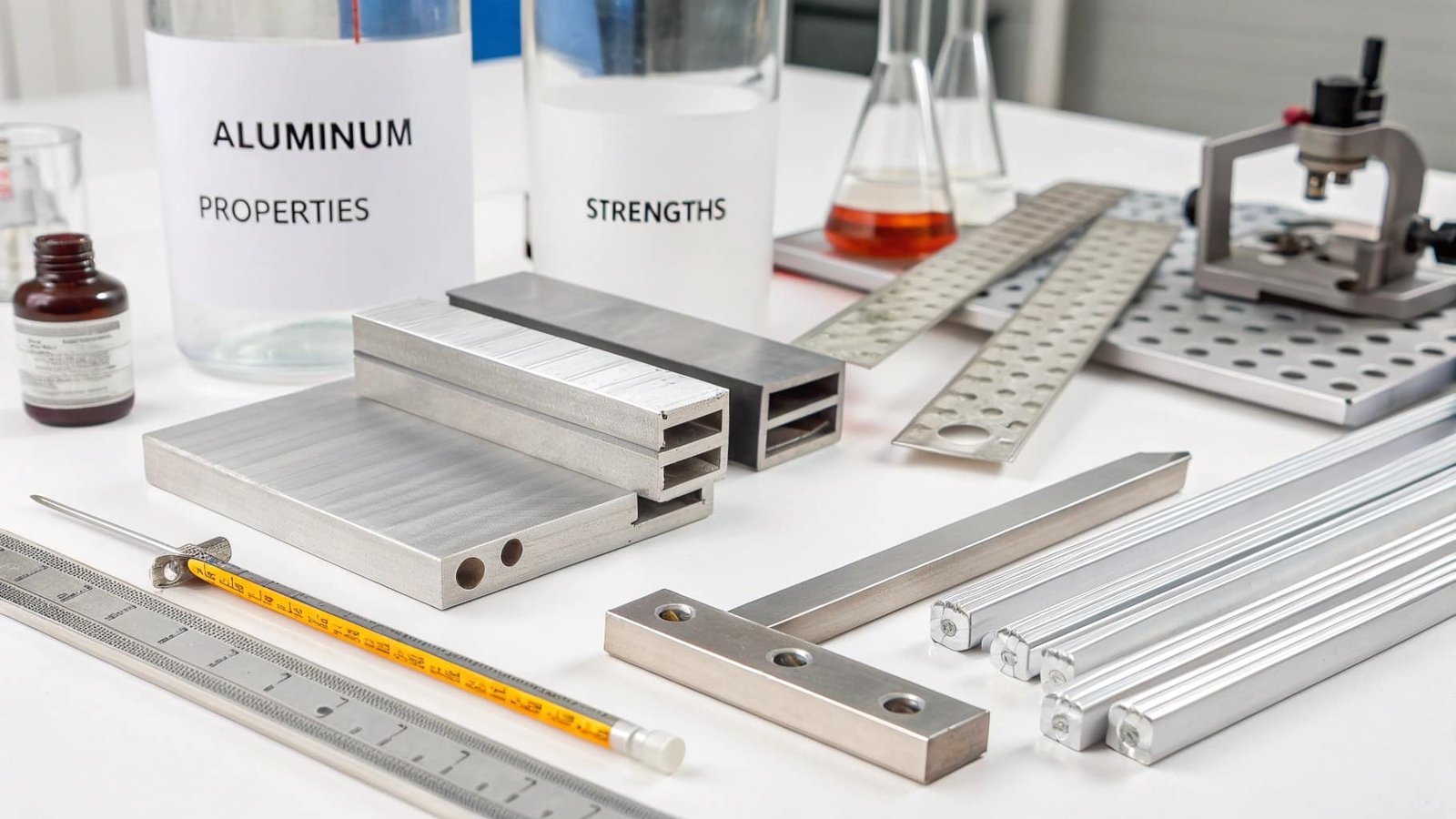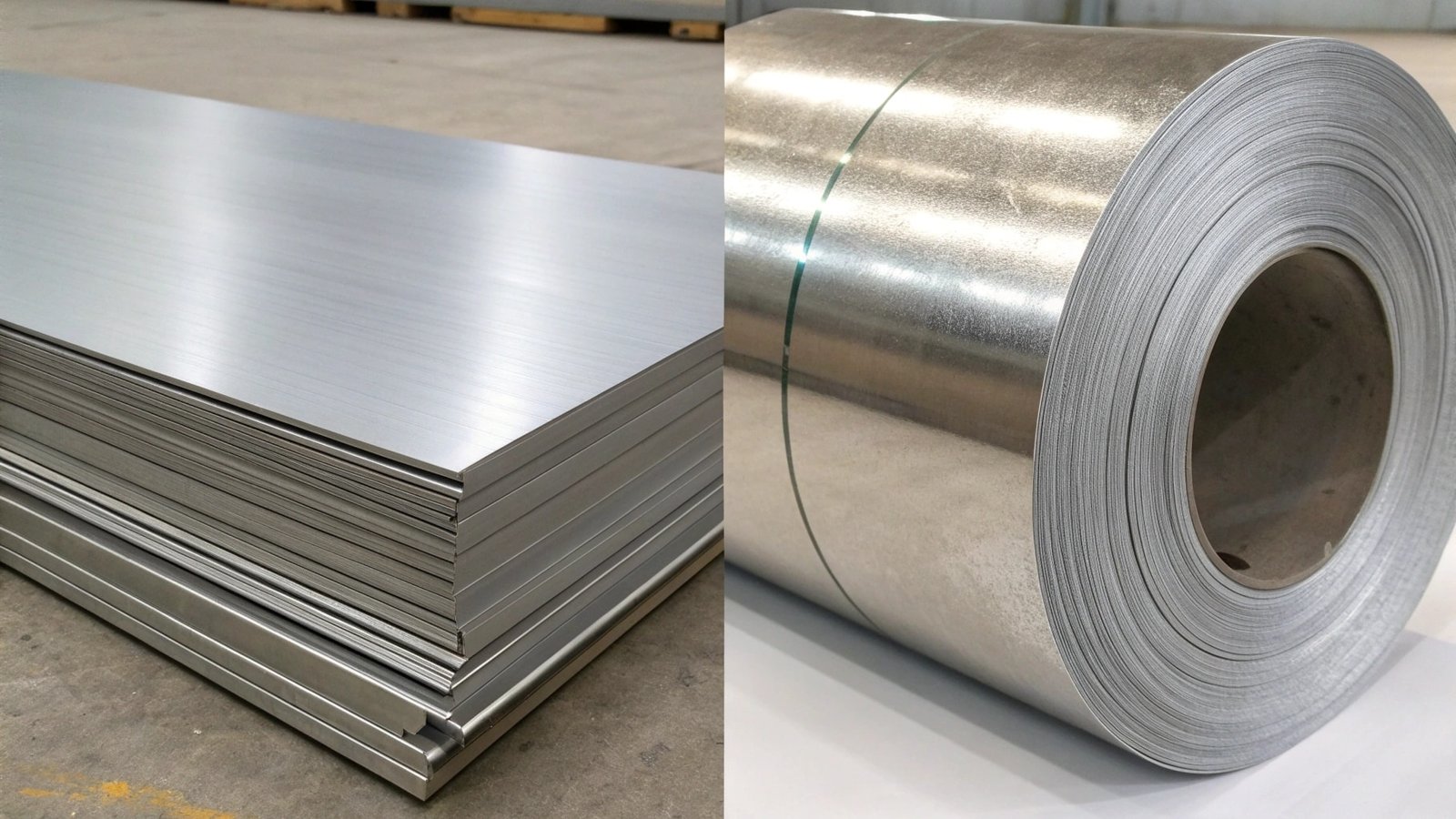
Aluminum alloy 6061 is incredibly common in many industries, and for good reason. Its balanced properties make it a go-to material for a vast range of applications, from everyday objects to critical engineering components. Understanding why it's so popular reveals its significant advantages.
The widespread popularity of 6061 aluminum1 stems from its excellent balance of mechanical properties, corrosion resistance2, weldability, and formability, which makes it highly versatile for numerous applications. Its key advantages include good strength-to-weight ratio, ease of fabrication, and cost-effectiveness. While 6061 is generally stronger and more suitable for structural applications, 6063 offers superior surface finish and extrudability, making it preferable for architectural designs and decorative elements. Choosing between them depends on your specific project needs.
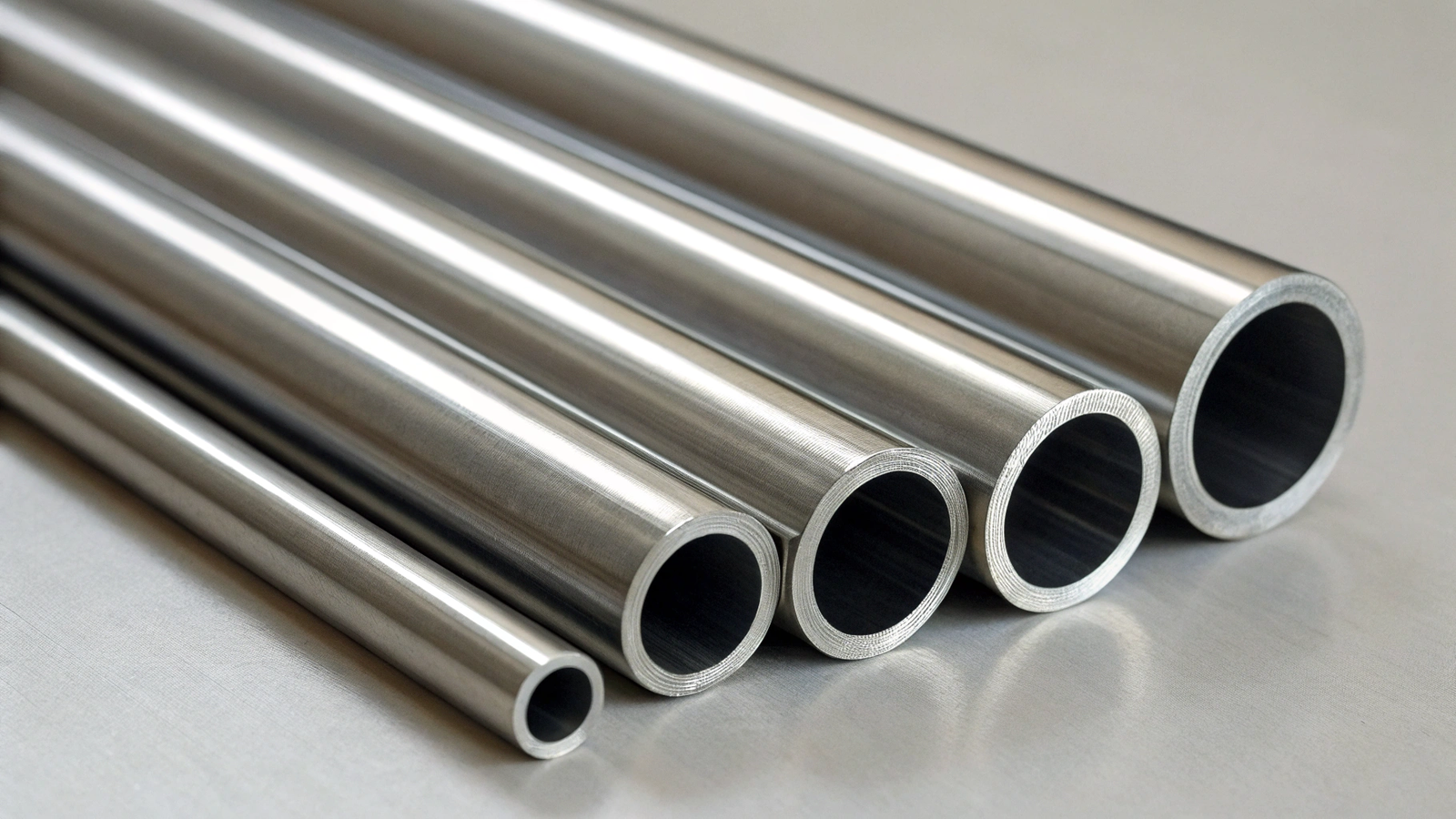
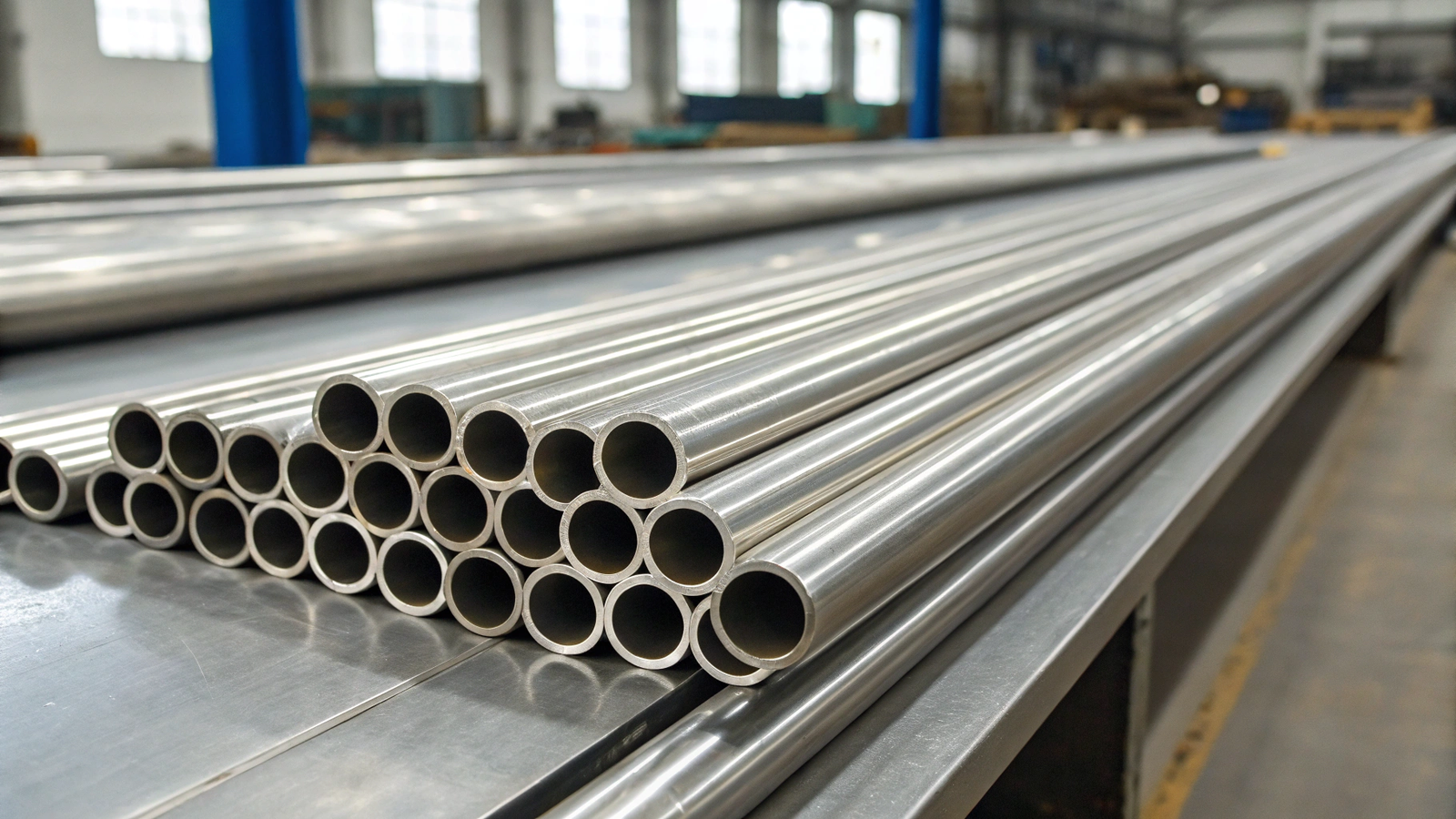
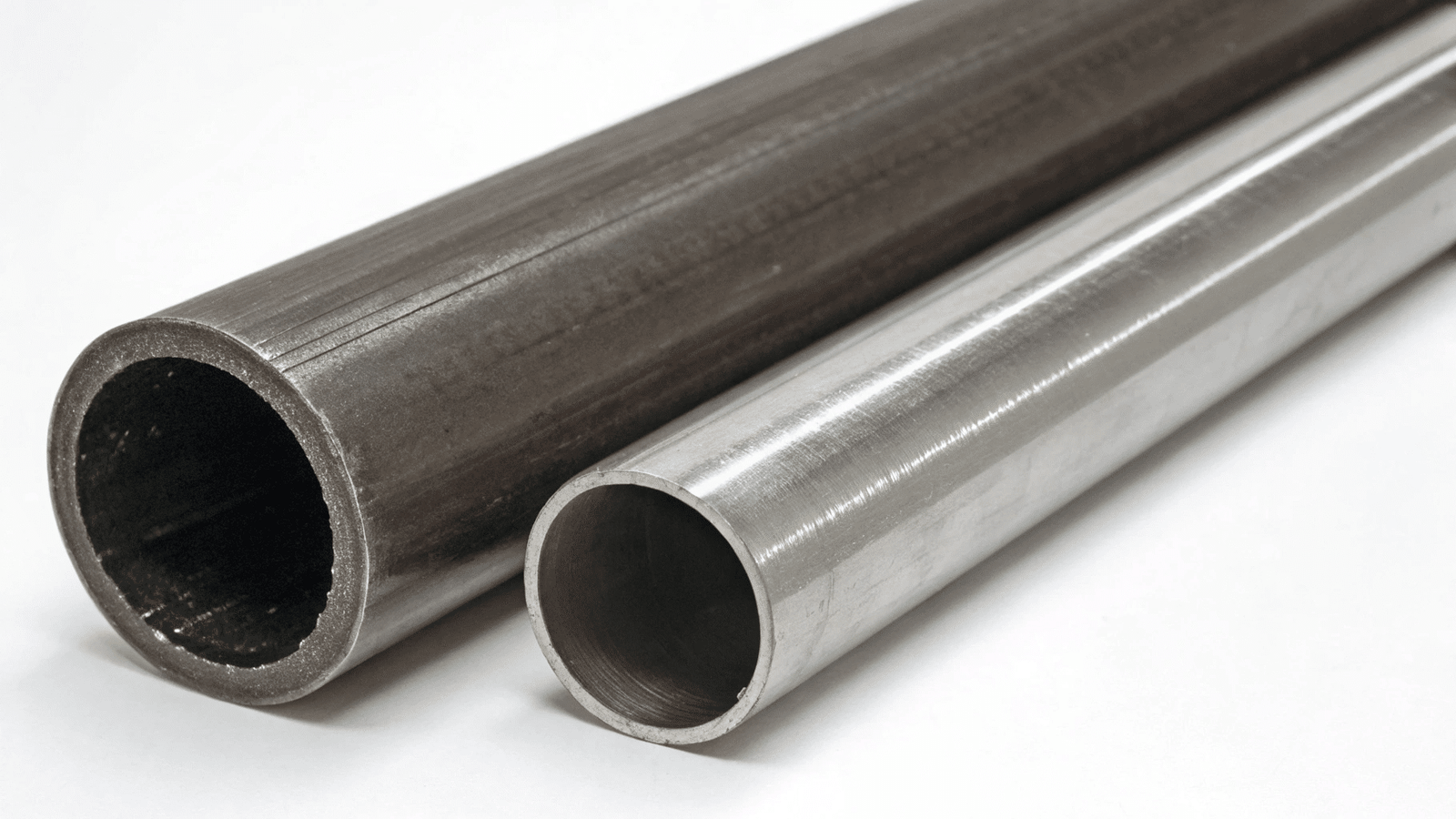
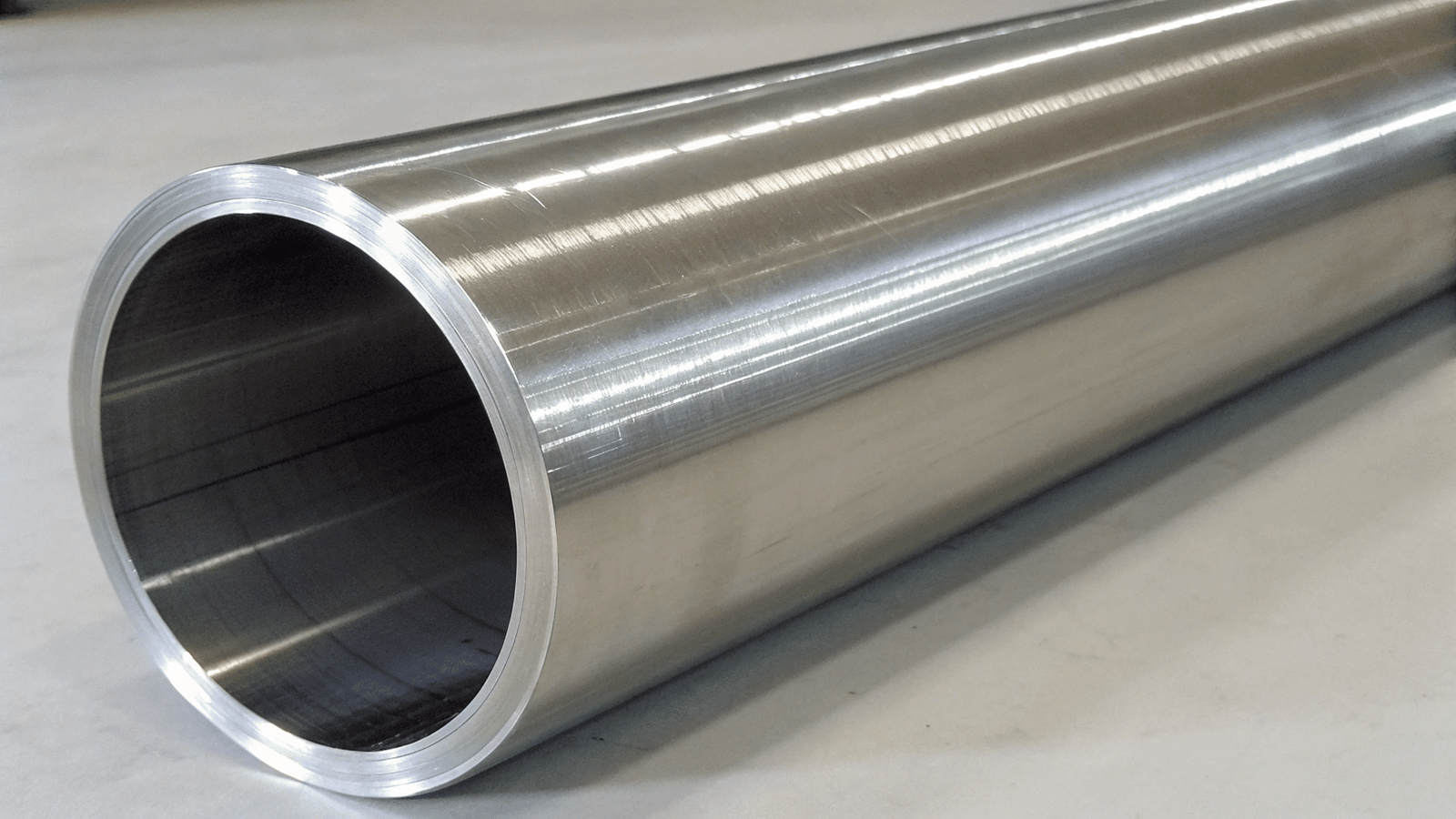
At SWA Forging, we frequently work with 6061 alloy for many of our applications, often enhancing its already impressive properties through our forging processes. While we specialize in forged components, our deep understanding of 6061's attributes allows us to appreciate its role in various fabricated parts, including pipes and tubes, and why it remains a staple in engineered solutions for demanding industries.
Why is 6061 so popular?
Are you curious about the reasons behind the widespread use of 6061 aluminum across so many different industries and products? Its popularity is not by chance but by design and performance.
6061 aluminum is so popular because it offers an exceptional combination of desirable properties at a reasonable cost, making it a highly versatile and dependable material. It provides a good balance of strength and toughness, is highly resistant to corrosion, can be easily welded and machined, and is available in multiple forms, including pipes and tubes. This all-around performance means it can be used for a vast array of applications, from structural components in vehicles and aircraft to frames for bicycles and furniture, without requiring highly specialized fabrication techniques. Its broad applicability and dependable performance make it a go-to choice for engineers and manufacturers worldwide.
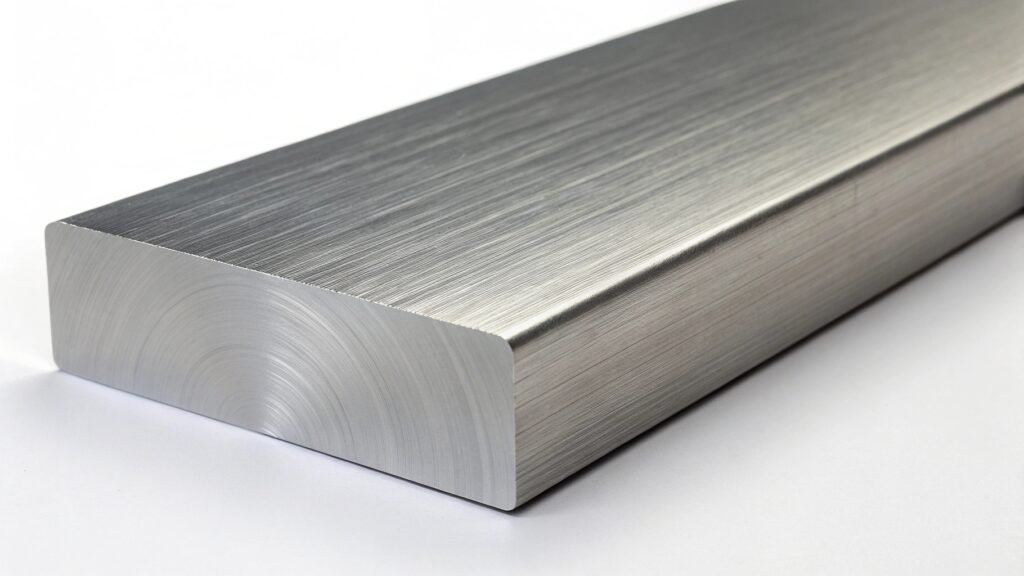
This versatility is something we value at SWA Forging. Even though our focus is on forging, we often use 6061 alloy because it allows us to create robust components that meet diverse client needs. Whether it's a structural part for industrial machinery or a component for a high-performance vehicle, 6061's reliable properties ensure that the final forged part will perform as expected, providing a strong foundation for its integration into larger systems.
What are the advantages of 6061 aluminum?
Are you seeking to understand the specific benefits that make 6061 aluminum a preferred material choice for engineers and designers? Its advantages are numerous and contribute to its widespread adoption.
The main advantages of 6061 aluminum lie in its excellent balance of mechanical properties, making it suitable for a broad range of structural applications. It offers good strength and toughness, is highly resistant to various forms of corrosion, and can be readily welded, brazed, or soldered. Furthermore, it is easily formable and machinable, allowing for complex shapes to be manufactured efficiently. This combination of strength, durability, workability, and corrosion resistance, coupled with its cost-effectiveness, makes 6061 a highly versatile and practical material choice.
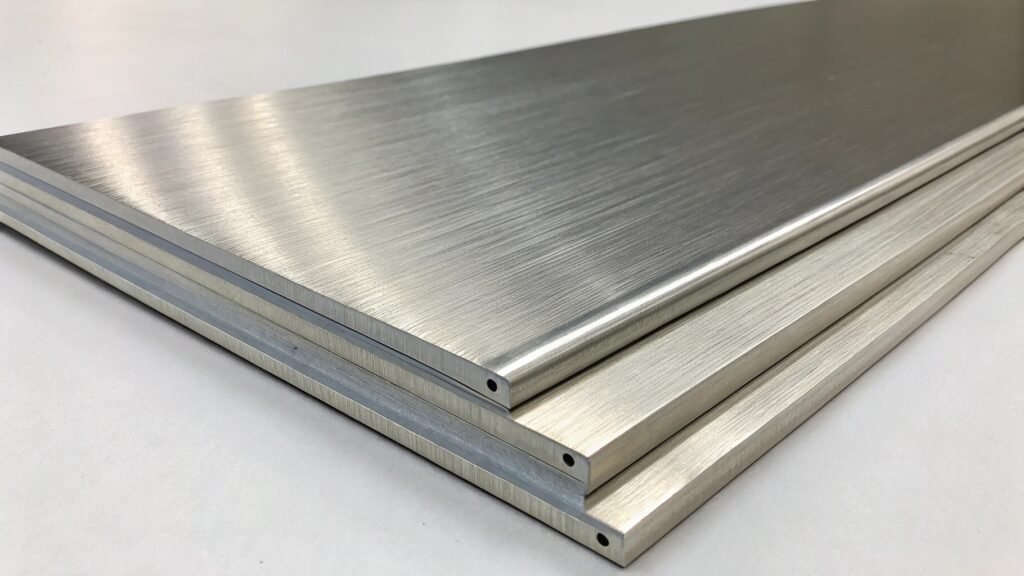
These advantages are precisely why 6061 is such a foundational alloy. At SWA Forging, we often start with 6061 material for our custom projects because we know it can be heat-treated to achieve specific strength levels and that its inherent properties will ensure the integrity and longevity of our forged components. For example, its corrosion resistance is vital for parts exposed to the elements, and its machinability ensures that even complex forged shapes can be finished to precise tolerances.
Key advantages of 6061 Aluminum:
- Versatility: Usable in a wide range of applications.
- Good Strength-to-Weight Ratio: Strong yet lightweight.
- Excellent Corrosion Resistance: Resists rust and degradation.
- Good Weldability: Easy to join using common welding techniques.
- High Machinability: Responds well to cutting and shaping processes.
- Formability: Can be bent, shaped, and worked with relative ease.
- Heat-Treatable: Can be strengthened through heat treatment processes.
- Cost-Effectiveness: Offers excellent value for its performance.
What is 6061 aluminum used for?
Are you wondering about the common products and industries that rely on 6061 aluminum? Its widespread use means it's found in many everyday and specialized items.
6061 aluminum is used in a remarkably wide variety of applications due to its excellent all-around properties, making it suitable for structural components in numerous industries. Common uses include frames for bicycles, motorcycles, and skateboards, as well as structural elements in automobiles, aircraft (though higher-strength alloys are used for critical structural parts), and boats. It is also frequently employed in architectural applications like window frames and door structures, electrical conduit, furniture, and general-purpose piping and tubing for fluid or gas transfer where moderate strength and corrosion resistance are required. Its popularity in hobbyist projects and DIY applications is also significant due to its ease of working.

At SWA Forging, we often supply forged components made from 6061 for many of these sectors. For example, we might produce strong, precisely shaped components for automotive suspension systems or structural parts for industrial automation equipment. This alloy’s reliability means that whether it's a forged part from SWA or a fabricated tube used in a project, the material’s performance is dependable, ensuring the final product meets its engineering requirements and provides long-term durability.
Examples of 6061 Aluminum Uses:
- Transportation: Bicycle frames, motorcycle parts, automotive components (frames, chassis parts), boat hulls and fittings.
- Aerospace: Aircraft components (though higher-strength alloys are often preferred for critical structural elements).
- Construction: Window frames, door frames, architectural extrusions, scaffolding.
- Consumer Goods: Furniture, sporting equipment, camera components, electronic enclosures.
- Industrial: Machine parts, jigs, fixtures, general structural components, pipeline and tubing.
What is better, 6061 or 6063 aluminum?
Are you choosing between 6061 and 6063 aluminum alloys for a project and need to know which is the superior option? The "better" choice depends entirely on the specific demands of your application.
Generally, 6061 aluminum is considered stronger and more versatile for structural applications, while 6063 aluminum is favored for its superior surface finish and excellent extrudability, making it ideal for aesthetic and architectural purposes. In terms of mechanical strength, 6061-T6 typically offers higher tensile and yield strengths compared to 6063-T6. However, 6063 has better corrosion resistance and forms a smoother, more attractive surface finish, which is why it's commonly used for window frames, door frames, and decorative trim where aesthetics are important. For applications requiring higher load-bearing capacity or greater toughness, 6061 is usually the preferred choice, while for visual appeal and ease of producing intricate extruded shapes, 6063 is superior.
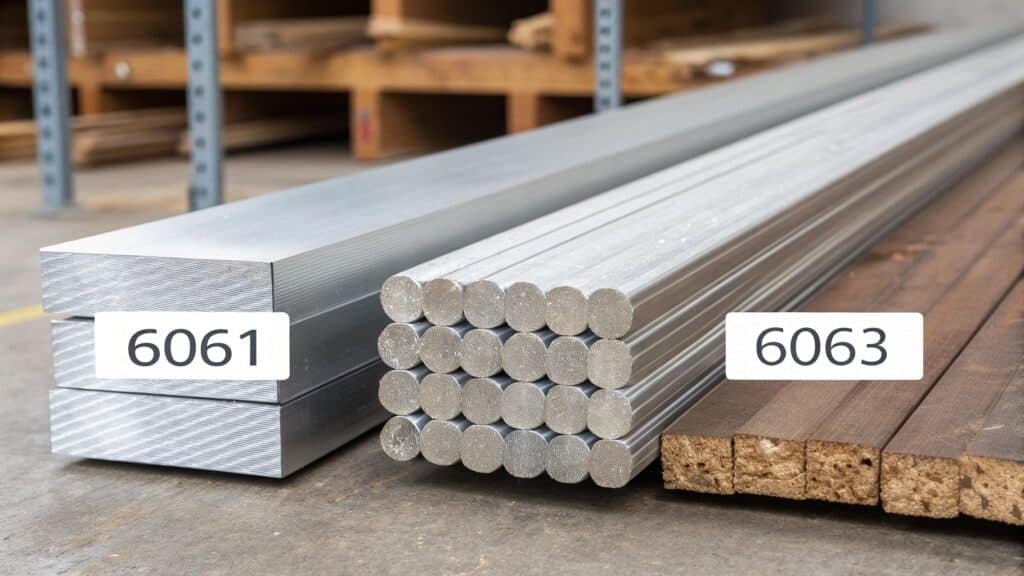
At SWA Forging, we work with both alloys, understanding their distinct strengths. If a client needs a forged component that must have exceptional strength and resistance to stress, we'll often lean towards 6061. However, if the project requires components with excellent surface quality and precise extrusion details, and the strength requirements are less critical, 6063 might be the better fit. The selection is always driven by the application's specific performance and aesthetic needs, ensuring the best material for the job.
Here's a comparison:
| Feature | 6061 Aluminum | 6063 Aluminum |
|---|---|---|
| Strength | Higher (especially in T6 temper) | Moderate |
| Corrosion Resistance | Excellent | Superior |
| Weldability | Good | Good |
| Machinability | Good | Good |
| Extrudability | Good | Excellent (for intricate shapes) |
| Surface Finish | Good | Excellent (preferred for architectural) |
| Typical Applications | Structural components, frames, tubing, automotive | Architectural extrusions, window/door frames, decorative trim |
Conclusion
6061 aluminum is a cornerstone material due to its excellent balance of strength, corrosion resistance, weldability, and formability. Its widespread use in diverse applications, from transportation to construction, highlights its versatility. While 6063 offers superior finishing and extrudability for aesthetic purposes, 6061 remains the preferred choice for applications demanding greater structural integrity and strength.