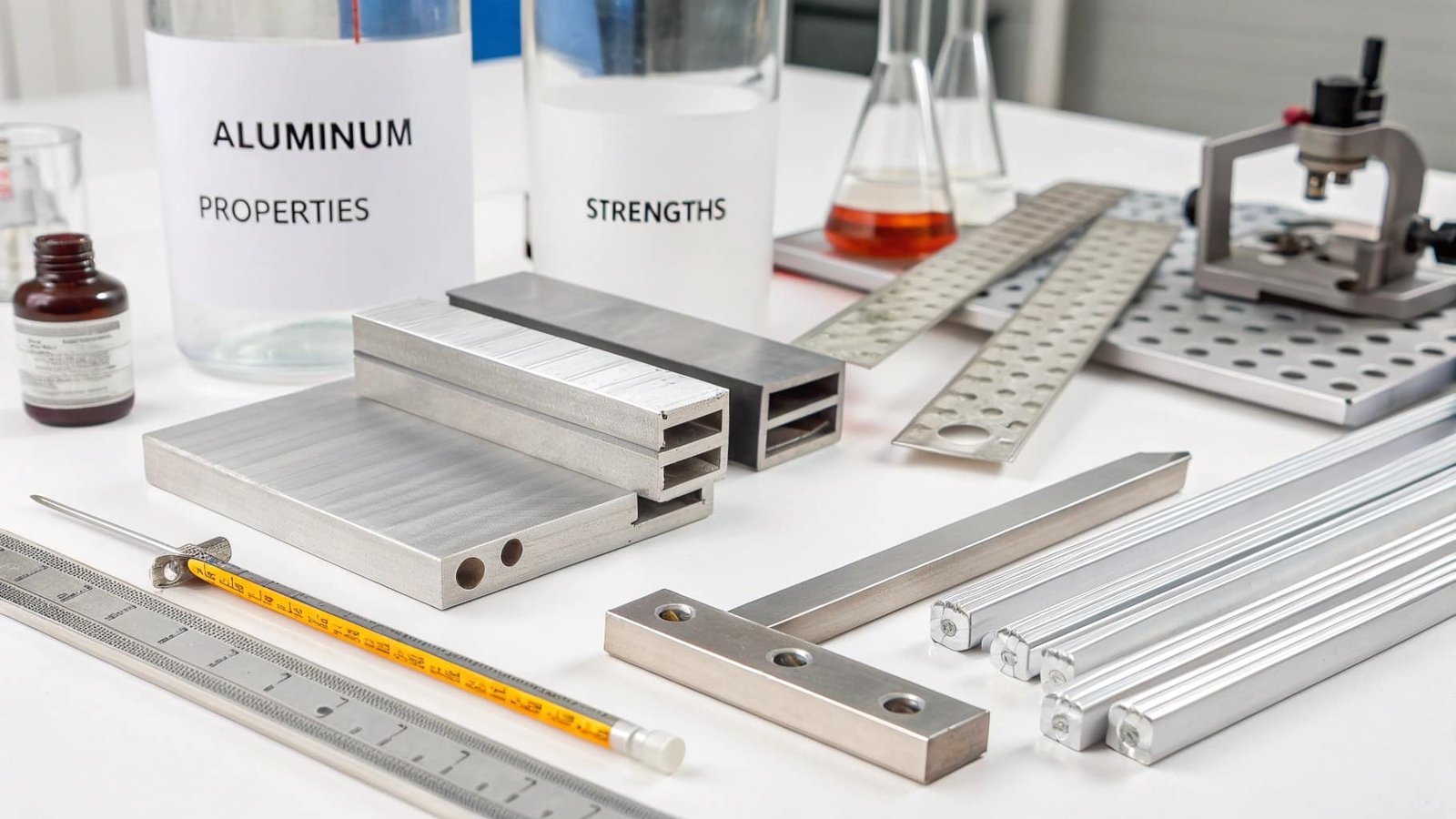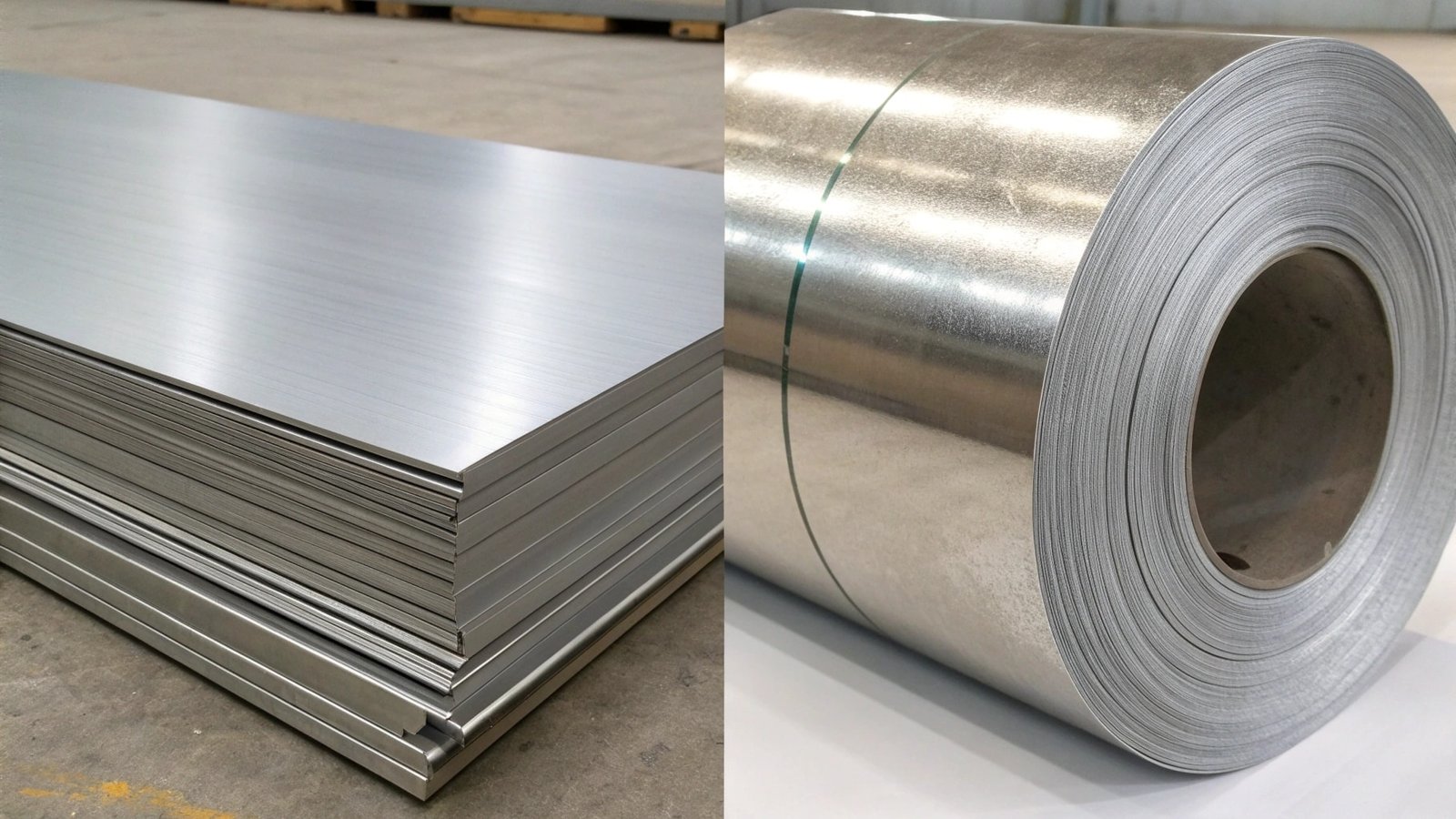
When it comes to aviation, material selection is critical. Aerospace grade aluminum sheet represents the pinnacle of aluminum alloys1, engineered to meet the rigorous demands of flight through exceptional strength, durability, and performance.
Aerospace grade aluminum refers to aluminum alloys specifically developed and certified to meet the stringent requirements of the aerospace industry for applications where safety, weight, and performance are paramount. While alloys like 5052 offer good general properties and corrosion resistance, they are not typically considered "aircraft grade" for primary structural components. Alloys such as 7075 and 6061, especially in specific tempers, are widely recognized as aircraft grade due to their superior strength, fatigue resistance, and suitability for critical structures, with 7075 often considered among the "best" for high-stress airframe parts where strength-to-weight is critical.
At SWA Forging, we understand the exacting standards of the aerospace industry. While our core business is forging, we work with many of the same high-strength alloys that are critical for aircraft components. This deep knowledge allows us to appreciate the precise engineering and material science that goes into every piece of aerospace-grade aluminum, whether it's a sheet on a fuselage or a forged part within an engine.
What is aerospace grade aluminum?
Are you curious about what sets an aluminum alloy apart as "aerospace grade" and what specific properties these materials must possess? It's more than just a label; it signifies a commitment to extreme performance.
Aerospace grade aluminum refers to aluminum alloys that have undergone rigorous testing and certification to meet the exceptionally high standards required for aircraft and spacecraft construction. These alloys offer a superior combination of high strength, low weight, excellent fatigue resistance, and durability to withstand the extreme conditions of flight, including varying temperatures, pressurization, and aerodynamic forces. Common aerospace grades include alloys from the 2xxx (aluminum-copper), 6xxx (aluminum-magnesium-silicon), and 7xxx (aluminum-zinc) series, often supplied in specific tempers (such as T3, T4, T6, T73) to optimize their mechanical properties for critical structural applications like fuselage skins, wing structures, and airframe components.
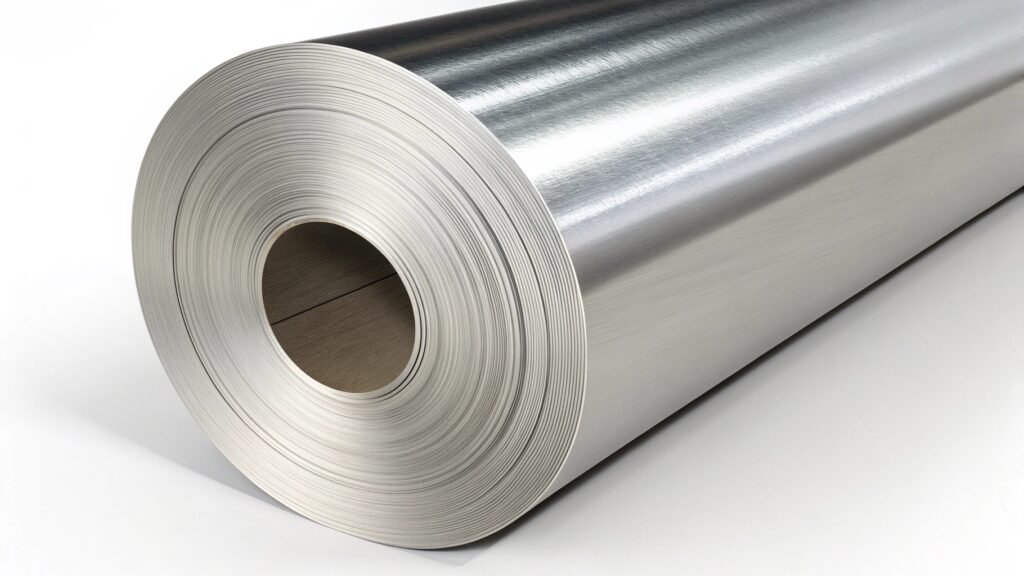
The pursuit of these elevated standards is something we resonate with at SWA Forging. For us, the commitment to quality and precision in our forged components mirrors the demands placed on aerospace-grade materials. Whether it's a forged ring for an aircraft engine or a structural fitting, the underlying principles of ensuring material integrity, precise composition, and reliable performance under extreme stress are fundamental to our operations, much like they are for any aerospace-grade aluminum sheet or component.
Is 5052 aluminum aircraft grade?
Are you wondering if the common and versatile 5052 aluminum alloy meets the demanding specifications for aircraft use? Its properties make it widely used, but not always for primary structural flight parts.
While 5052 aluminum is a strong and highly corrosion-resistant alloy, it is generally not considered "aircraft grade" for primary structural applications in airframes. It is classified as a mid-strength, non-heat-treatable alloy. However, 5052 is frequently used in secondary aircraft applications where its excellent formability, weldability, and corrosion resistance are advantageous, such as in fuel tanks, ducts, inspection covers, and some interior components. For critical structural parts like wings, fuselage sections, or load-bearing components, higher-strength, heat-treatable alloys like 7075 or 6061 are typically specified.
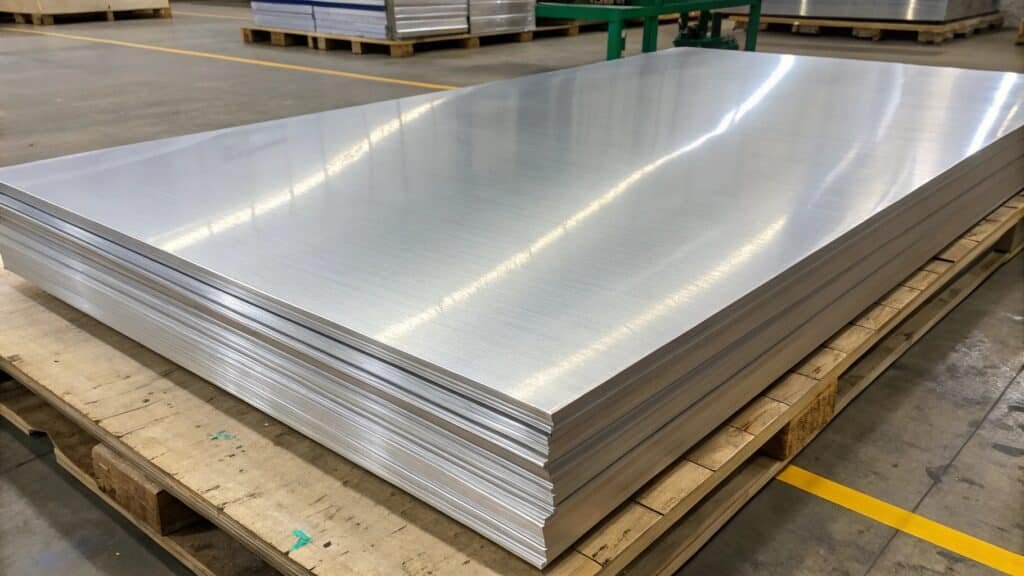
This distinction is important because it highlights how alloy selection is driven by specific performance requirements. At SWA Forging, we understand these nuances. While we may not forge parts directly from 5052 for primary flight structures, we recognize its value in other demanding environments. Our focus is on high-strength alloys for critical components, and we appreciate how materials like 5052 serve specialized roles in complex systems, balancing different performance needs effectively within the aerospace sector.
Is 7075 aluminum aircraft grade?
Are you asking if the exceptionally strong 7075 aluminum2 alloy is suitable and widely used in aircraft construction? Its high performance makes it indispensable for many critical parts.
Yes, 7075 aluminum is very much considered an "aircraft grade" aluminum alloy. It is one of the strongest aluminum alloys available commercially and is widely used in aerospace applications for high-stress components. Its exceptional strength-to-weight ratio and fatigue resistance make it ideal for structural parts of airframes, such as fuselage components, wing structures, landing gear, and critical fittings, where maximizing strength while minimizing weight is essential for flight performance and efficiency. It is often supplied in tempers like T6 or T73, which are optimized for these demanding aerospace requirements.
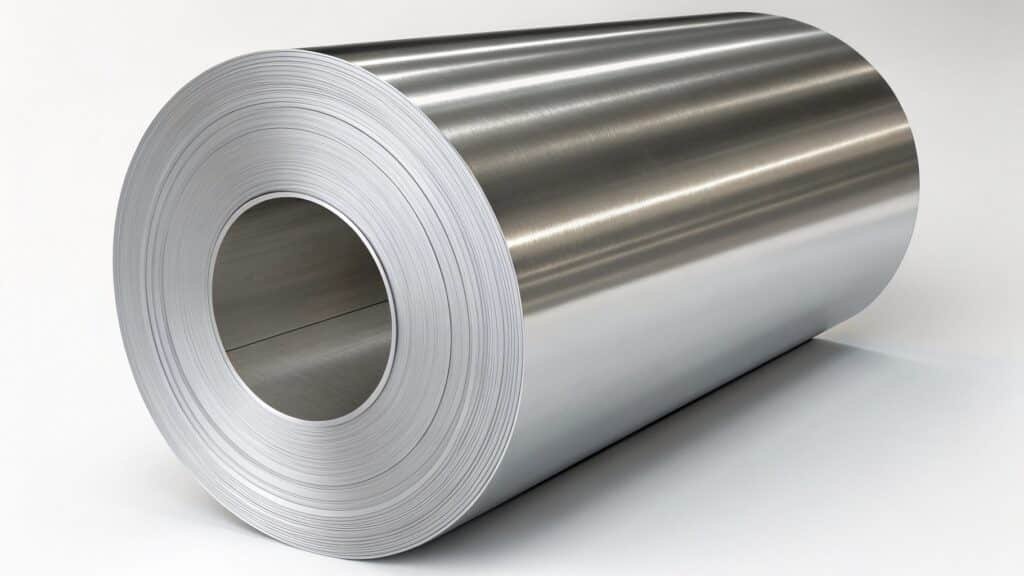
The use of 7075 aligns perfectly with the core principles of SWA Forging. When we work with clients in the aerospace sector, specifying alloys like 7075 for our forged components means we are providing materials that can withstand the immense stresses of flight. Our forging processes further enhance the inherent strength and integrity of these high-performance alloys, ensuring that critical parts meet the extremely high standards required for aviation safety and reliability.
What is the best aluminum for aerospace?
Are you trying to identify the top aluminum alloy for aerospace applications? The "best" often depends on the specific part's function, but certain alloys are industry leaders for critical components.
The "best" aluminum for aerospace applications is typically considered to be alloys from the 7xxx series, particularly 7075 and 7050, due to their extremely high strength, excellent fatigue resistance, and favorable strength-to-weight ratios, which are crucial for airframe structures, wings, and high-stress components. However, the 2xxx series (like 2024) and 6xxx series (like 6061) also play significant roles; 2024 is known for its high strength and toughness, while 6061 offers a good balance of strength, corrosion resistance, and formability for less critical structural parts or secondary components. The optimal choice depends on trade-offs between ultimate strength, fatigue life, corrosion resistance, cost, and ease of fabrication for each specific application.
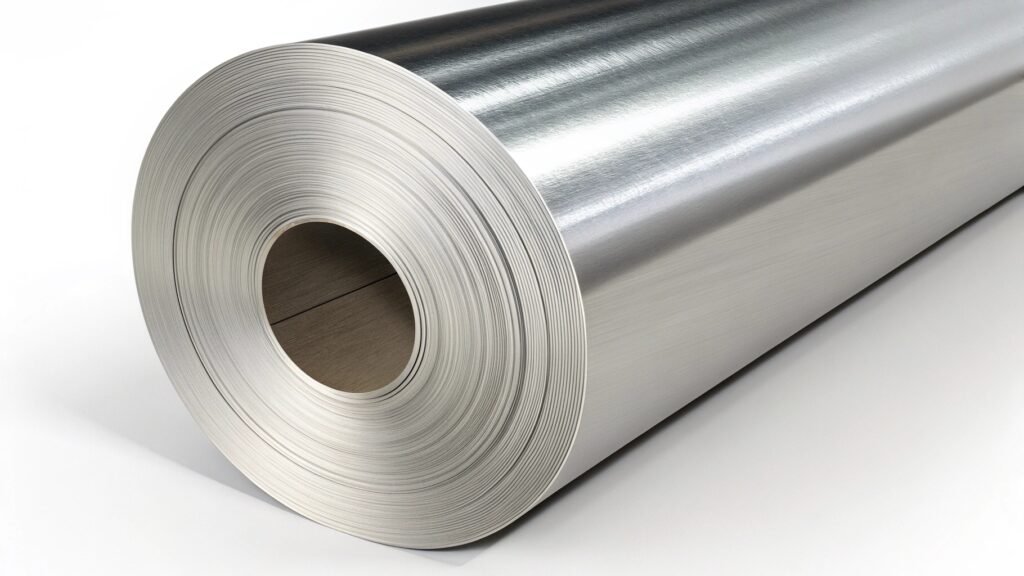
This understanding of material hierarchy is fundamental to our work at SWA Forging. We frequently work with alloys like 7075 and 6061 to forge components for the aerospace industry. When a client specifies a part requiring maximum structural integrity and minimal weight, we utilize the inherent strengths of these premium alloys. Our forging process further refines the material's properties, ensuring that each component meets the rigorous demands of aerospace engineering, whether it's a critical structural fitting or a high-performance engine part.
What are the uses of aluminium bars?
Are you wondering about the common applications for aluminum bars across various industries? Their versatility makes them essential components in many engineered products.
Aluminum bars are used in a wide array of applications due to their excellent strength-to-weight ratio, corrosion resistance, and ease of fabrication. They serve as critical structural components in the aerospace industry, such as aircraft frames and fittings, and are widely used in automotive manufacturing for chassis parts, engine components, and suspension systems. In construction, aluminum bars are utilized for framing, support structures, and decorative elements. They are also essential in the marine industry for boat frames and hardware, and in consumer goods for products like bicycle frames, furniture, and sporting equipment. Additionally, aluminum bars are fundamental in general machining for creating a vast range of custom parts and components that require strength, durability, and light weight.
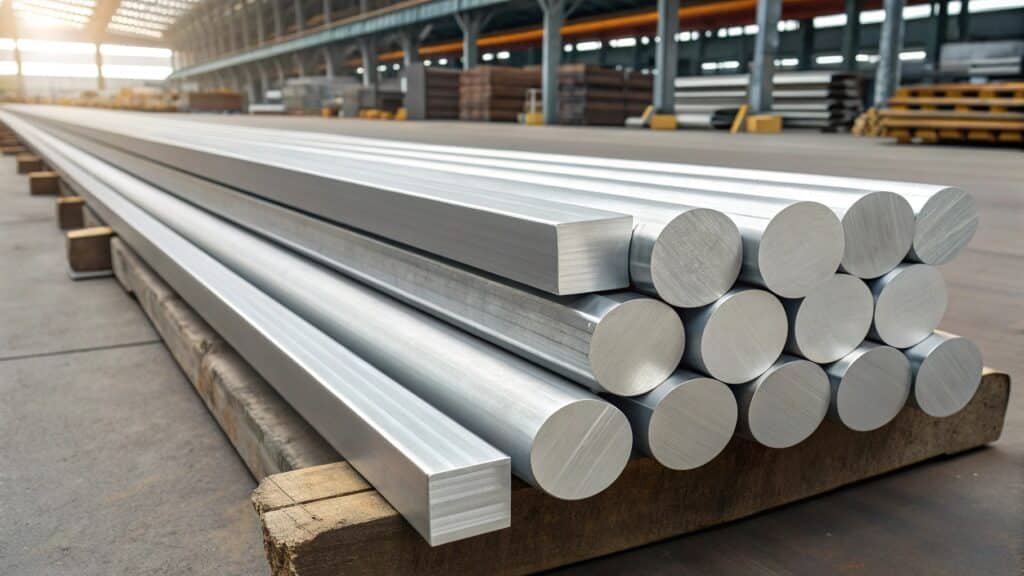
At SWA Forging, aluminum bars are often the starting material for much of our work. Whether we are forging them into complex rings or shaping them into custom components, we depend on their inherent properties. For instance, if we are manufacturing a robust component for heavy machinery, starting with a high-strength aluminum bar, whether it's 6061 or 7075, allows us to achieve the necessary structural integrity and reliability that our clients expect. The fundamental strength and versatility of aluminum bars make them indispensable building blocks for innovation across industries.
Common uses of Aluminum Bars:
- Aerospace: Structural components, fuselage parts, wings.
- Automotive: Chassis, suspension parts, engine components.
- Construction: Structural framing, support beams, decorative facades.
- Marine: Boat frames, railings, hardware.
- General Machining: Custom parts, shafts, fasteners, fittings.
- Consumer Products: Bicycle frames, sporting equipment, furniture.
Conclusion
Aerospace grade aluminum alloys, such as 7075 and certain tempers of 6061, are engineered for peak performance, offering superior strength, fatigue resistance, and weight savings critical for aircraft. While alloys like 5052 are useful in secondary applications, premium grades like 7075 are often considered the best for high-stress primary structures, defining the cutting edge of aviation material science.