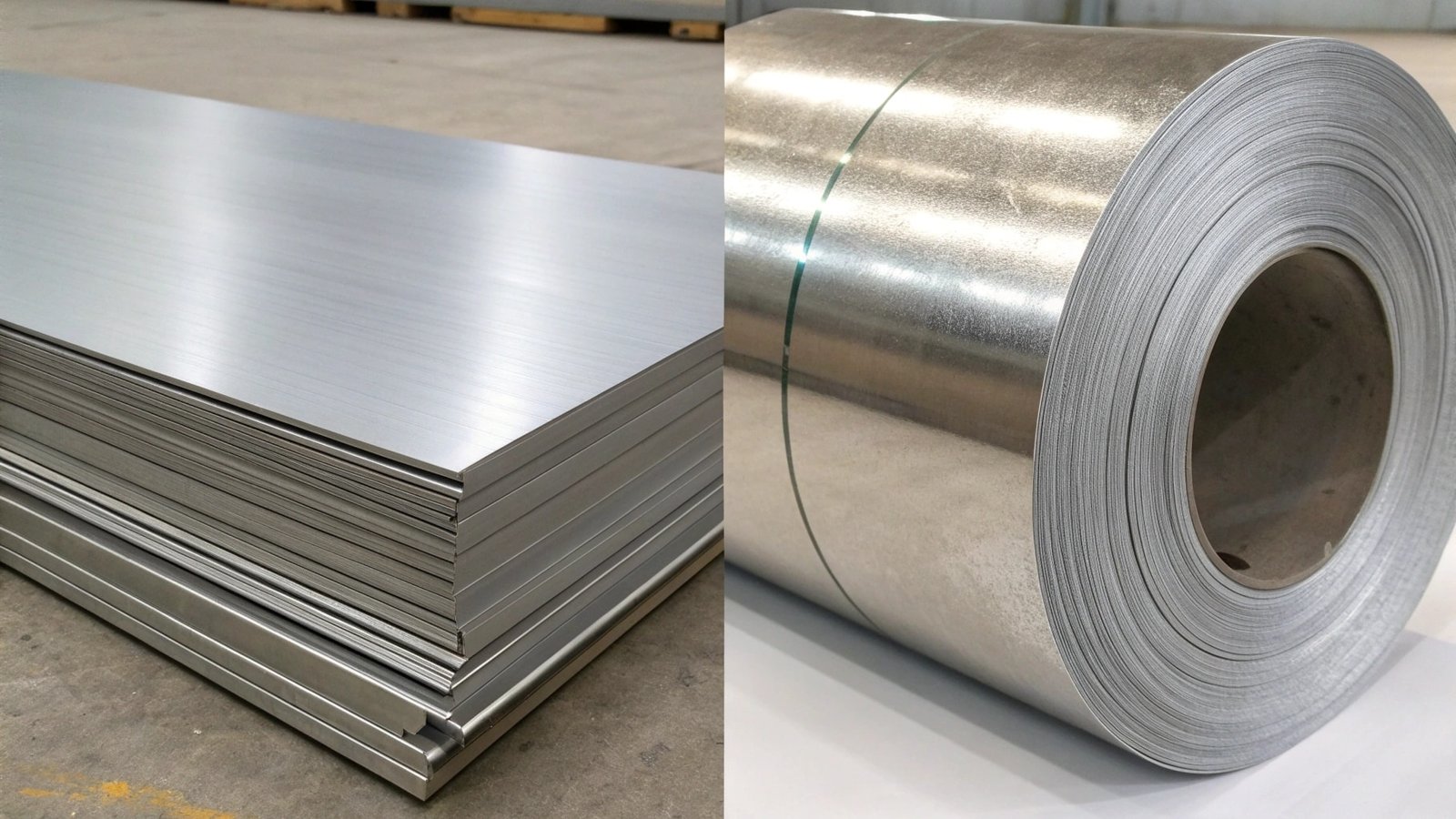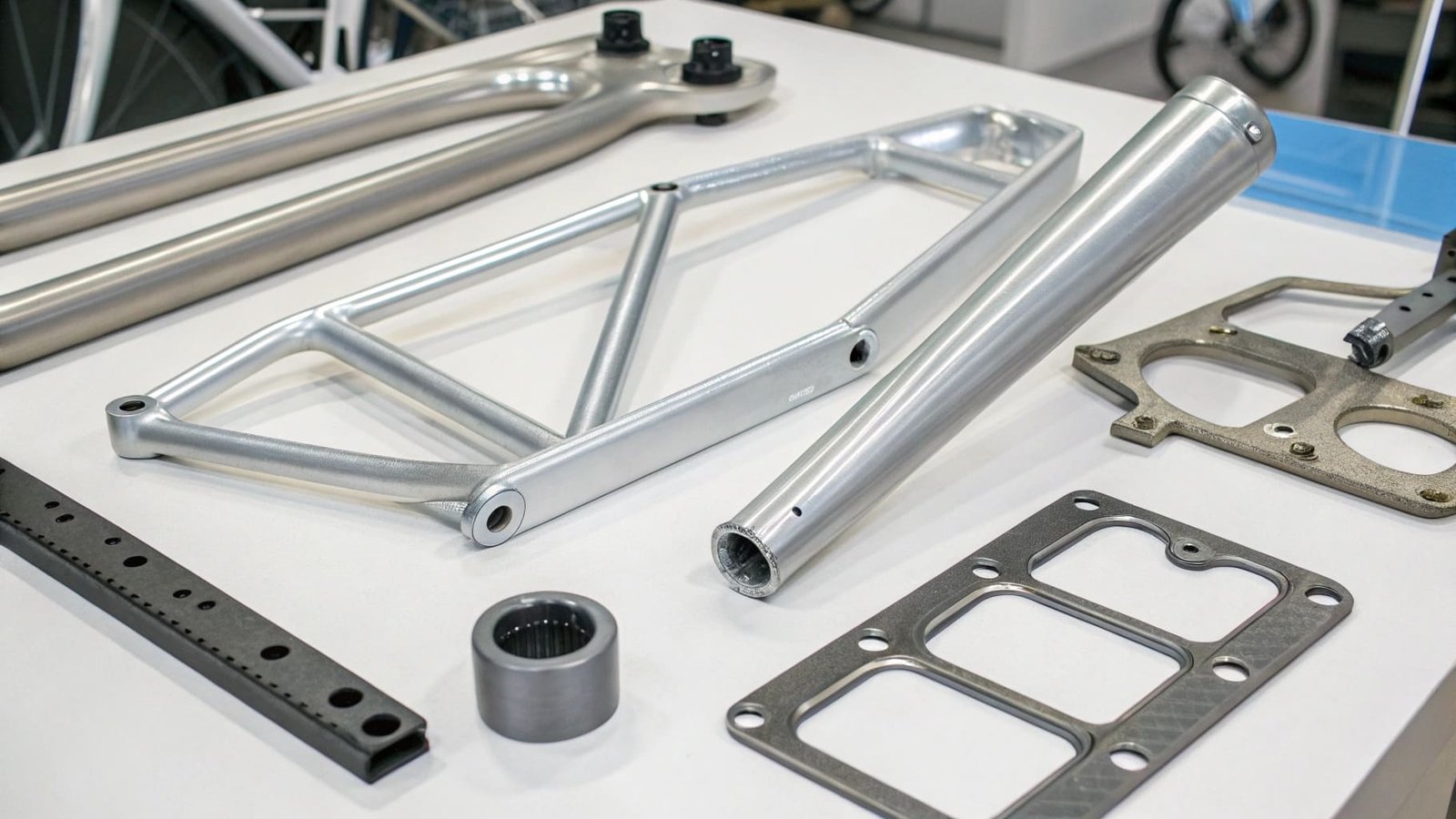
In the aerospace industry, material integrity is not just a goal; it's a non-negotiable requirement. At SWA Forging, our dedication to meeting and exceeding aerospace standards for quality aluminum alloys and certifications is at the core of everything we do, ensuring that the components we produce provide the reliability and performance demanded by flight.
Aerospace grade aluminum alloy refers to specific aluminum alloys rigorously tested and certified to meet the extremely high standards of safety, performance, and durability required for aircraft and spacecraft. The grade of an aluminum forging1 is defined by its specific alloy composition, temper (heat treatment state), and applicable industry standards, like AS9100. A standard aluminum alloy is one that adheres to general industry specifications, often for commercial applications, balancing properties like strength and corrosion resistance2. The Aluminum Association (AA) is the primary organization that has standardized a system for classifying aluminum alloys, using a numbering system (e.g., 1xxx, 2xxx, 7xxx series) and temper designations.
Our state-of-the-art forging processes, coupled with our AS9100 certification, mean we don't just supply aluminum components; we deliver peace of mind. We understand the critical role our forged parts play in aerospace systems, and our commitment to quality assurance is absolute, ensuring every product meets the exacting specifications our clients expect.
What is aerospace grade aluminum alloy?
Are you curious about what truly distinguishes an aluminum alloy as "aerospace grade" and what specific attributes it must possess to earn this title? It's a benchmark for exceptional performance.
Aerospace grade aluminum alloy is a designation for aluminum alloys that have undergone stringent testing and certification to meet the exceptionally high safety, reliability, and performance demands of the aviation, space, and defense industries. These alloys are engineered to offer superior strength-to-weight ratios3, excellent fatigue resistance, reliable performance across a wide temperature range, and often enhanced corrosion resistance. Typically, these fall into the 2xxx, 6xxx, and 7xxx series, processed and heat-treated to specific tempers (like T3, T6, T73) that optimize their mechanical properties for critical structural applications such as airframes, wing components, and engine parts.

The critical nature of these alloys is something we deeply understand at SWA Forging. When we work with aerospace clients, selecting and processing aerospace grade aluminum alloys is our specialty. Our forging expertise ensures that the grain structure is optimized, and the material's inherent high performance is maintained and even enhanced, meeting the rigorous standards that define "grade" for the aerospace sector.
What is the grade of aluminum forging?
Are you trying to understand what defines the "grade" of an aluminum forging, especially when it's intended for demanding applications like those in aerospace? It's a multifaceted description.
The "grade" of an aluminum forging is determined by a combination of three key elements: the specific aluminum alloy used, its temper (which indicates its heat treatment or work-hardened condition), and the relevant industry standards or specifications it conforms to. For instance, a forging might be classified as 7075-T64, indicating the alloy (7075) and its temper (T6, known for high strength). If this forging is for aerospace, it will also need to meet aerospace-specific material specifications and be produced under a quality system like AS9100. Thus, "grade" encompasses not just the base material but also its processed state and adherence to quality protocols.
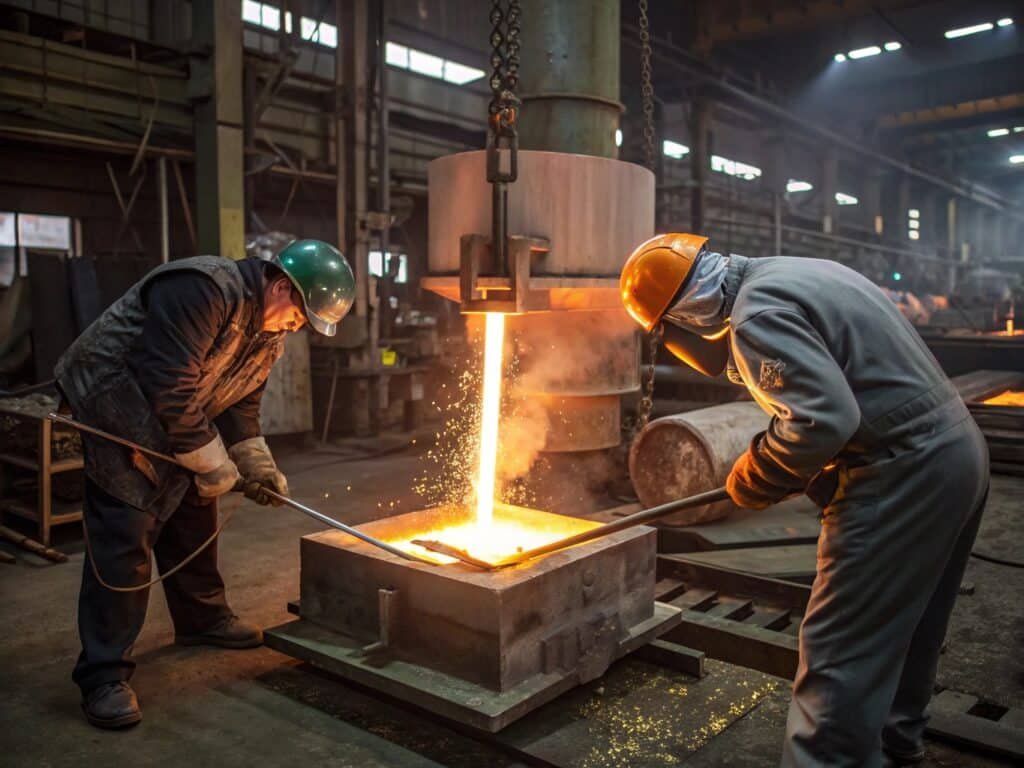
At SWA Forging, we meticulously manage each of these aspects. When we produce an AS9100 certified aluminum forging, we ensure that the chosen alloy, its precise temper, and all manufacturing processes align with the specified grade requirements. This attention to detail is fundamental to delivering components that meet the strict performance and reliability expectations, particularly for severe applications where material integrity is paramount.
What is a standard aluminum alloy?
Are you wondering what distinguishes a "standard" aluminum alloy from more specialized ones, especially in terms of its properties and common uses? It represents a balance of performance and accessibility.
A standard aluminum alloy typically refers to alloys that are widely produced, readily available, and designed for general industrial, commercial, or common manufacturing applications, balancing properties like strength, corrosion resistance, conductivity, and formability. These alloys, classified by The Aluminum Association, are often chosen for their cost-effectiveness and versatility. For example, alloys like 6061, 5052, and 3003 are considered standard and are used in a vast array of products ranging from building materials and consumer goods to moderately stressed industrial components, without necessarily meeting the extreme performance criteria of specialized aerospace or military grades.
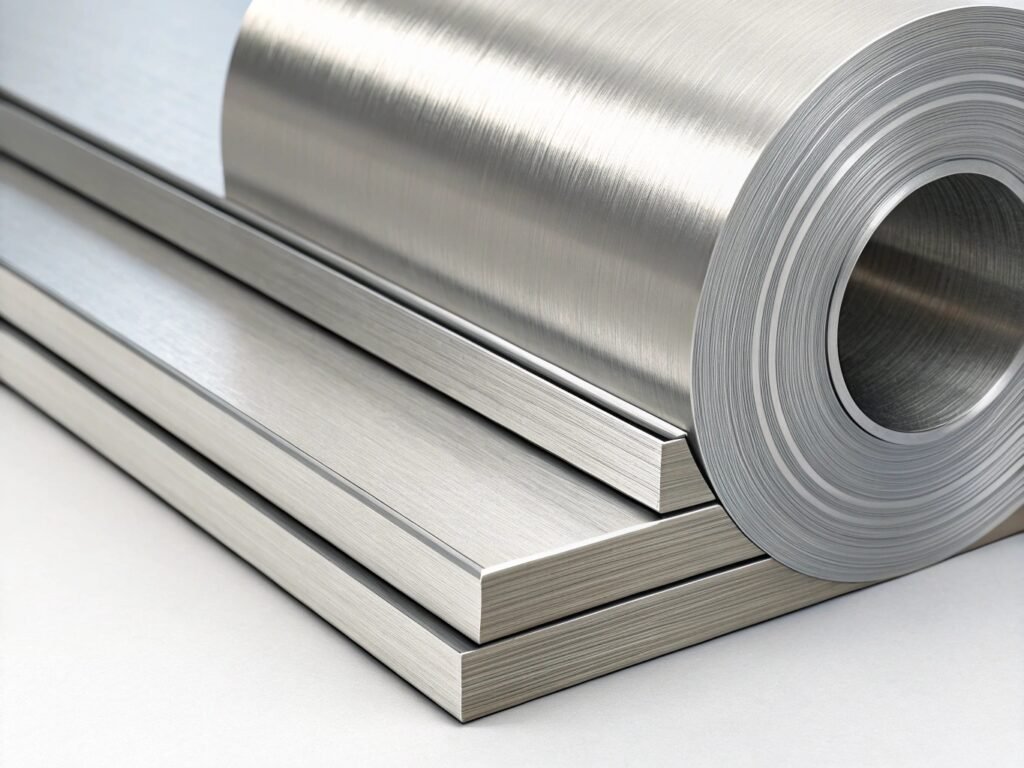
While SWA Forging specializes in high-performance and aerospace-grade alloys, we recognize the importance of standard aluminum alloys in the broader manufacturing landscape. Our deep understanding of aluminum metallurgy allows us to appreciate how different alloys are suited for various applications. Even when we focus on premium alloys for demanding sectors, our foundational knowledge of standard alloys ensures we understand the context of material selection across the entire industry, appreciating their balance of properties, cost, and availability for a wide range of consumer needs.
What organization has standardized a system for classifying aluminum alloys?
Are you curious about the body responsible for the universal system that categorizes and names different aluminum alloys? This standardization is crucial for global trade and clear communication.
The organization that has standardized a system for classifying aluminum alloys is The Aluminum Association (AA). They established a numerical classification system that is widely adopted internationally. This system uses four-digit numbers to designate different alloy series. The first digit indicates the major alloying element group (e.g., 1xxx for pure aluminum, 2xxx for aluminum-copper, 6xxx for aluminum-magnesium-silicon, 7xxx for aluminum-zinc), while the last two digits often identify specific alloys within that series. The system also includes designations for different tempers (heat-treated or work-hardened conditions) to specify the mechanical properties of the alloyed aluminum.
The clear classification system provided by The Aluminum Association is the bedrock upon which our material selection at SWA Forging is built. When we choose an alloy, whether it's a standard grade or a specialized aerospace variant, its AA designation provides a universal language for its composition. This standardization ensures clarity and precision, which is fundamental to our commitment to delivering AS9100 certified quality, guaranteeing that the material specified is the material precisely delivered for every forging.
Conclusion
Meeting aerospace standards requires a deep understanding of quality aluminum alloys and rigorous certification. The Aluminum Association’s classification, coupled with standards like AS9100, ensures that alloys like 7075, chosen for their specific "grade," deliver the critical performance needed for aerospace applications, a commitment SWA Forging upholds with precision.
-
Find out how aluminum forging techniques enhance the performance and reliability of aerospace components. ↩
-
Discover how corrosion resistance plays a vital role in the durability and safety of aerospace materials. ↩
-
Learn why strength-to-weight ratios are critical for aerospace materials and how they influence design and performance. ↩
-
Explore the unique properties of 7075-T6 aluminum alloy, a key material in aerospace engineering. ↩