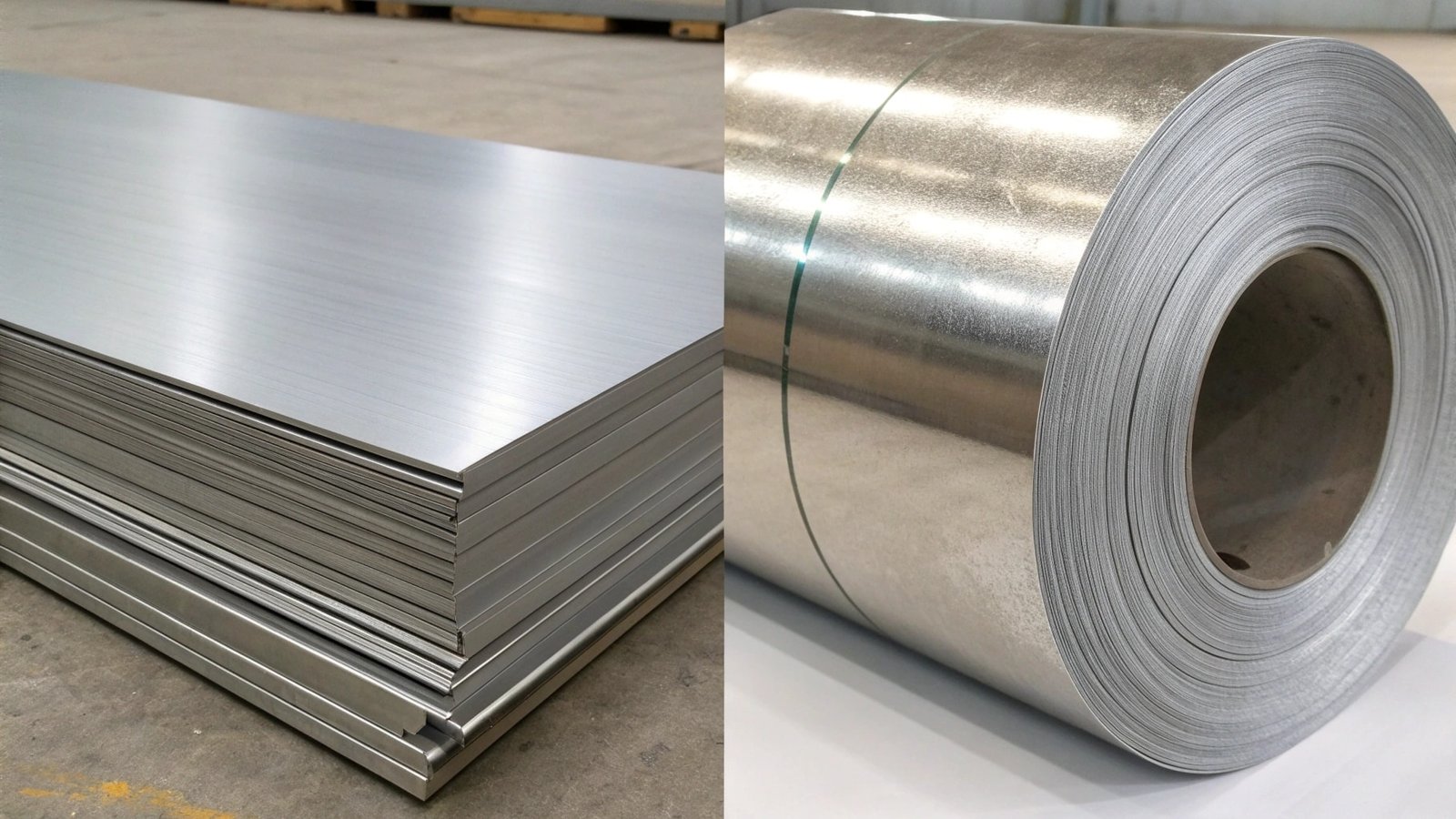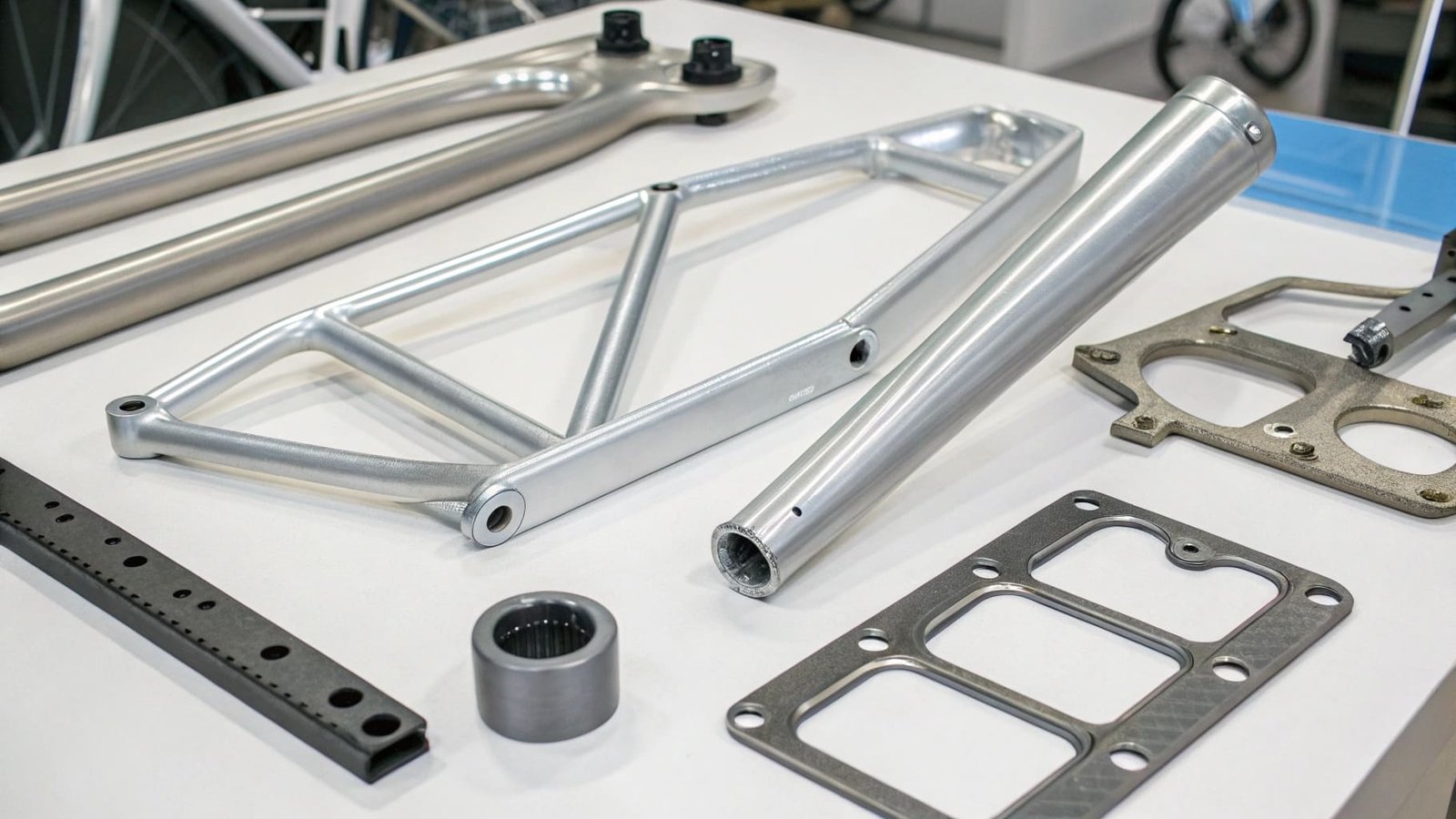
The choice of aluminum alloy in aerospace is critical, balancing performance, weight, and cost. While 5052 is a widely recognized performer for specific applications, at SWA Forging, we emphasize that the form of the material is just as important as the alloy itself, especially for structural integrity in demanding environments.
While 5052 aluminum1 is a strong and corrosion-resistant alloy with applications in aircraft like fuel tanks and interior panels, it is not typically considered "aerospace grade" for primary structural components which demand higher strength. Aerospace-grade aluminum refers to alloys meeting stringent specifications for high-performance applications, often from higher strength series like 2xxx or 7xxx. The best aluminum for aerospace depends heavily on the specific application; for high-strength structural parts2, 7075 or 2024 alloys are often preferred, while 5052 is excellent for its corrosion resistance and formability in less stressed areas.
Our expertise at SWA Forging lies in producing large-diameter forged aluminum components. While 5052 aluminum is an excellent material, our focus on forging often provides superior structural integrity compared to sheet forms of the same alloy, especially for critical parts. We guide our clients to understand that for aerospace, selecting the right alloy is crucial, but so is choosing the optimal form factor, ensuring that we provide the most advantageous material solution for their specific aerospace needs.
Is 5052 aluminum aircraft grade?
Are you wondering if 5052 aluminum, known for its corrosion resistance, is suitable for aircraft and qualifies as "aircraft grade"? Its application is specific.
5052 aluminum is frequently used in aircraft applications, particularly for non-structural components where its excellent corrosion resistance and formability are highly valued. It's commonly found in fuel tanks, fuel lines, fuselage skins, interior panels, and air ducts. However, it is generally not considered "aircraft grade" for primary structural parts that experience high stress, such as wings, critical fuselage sections, or landing gear components. For those high-strength applications, other alloys like 7075 or 2024 are typically specified. So, while used in aircraft, its designation as "aircraft grade" is limited to specific non-critical roles where its unique properties are most beneficial.
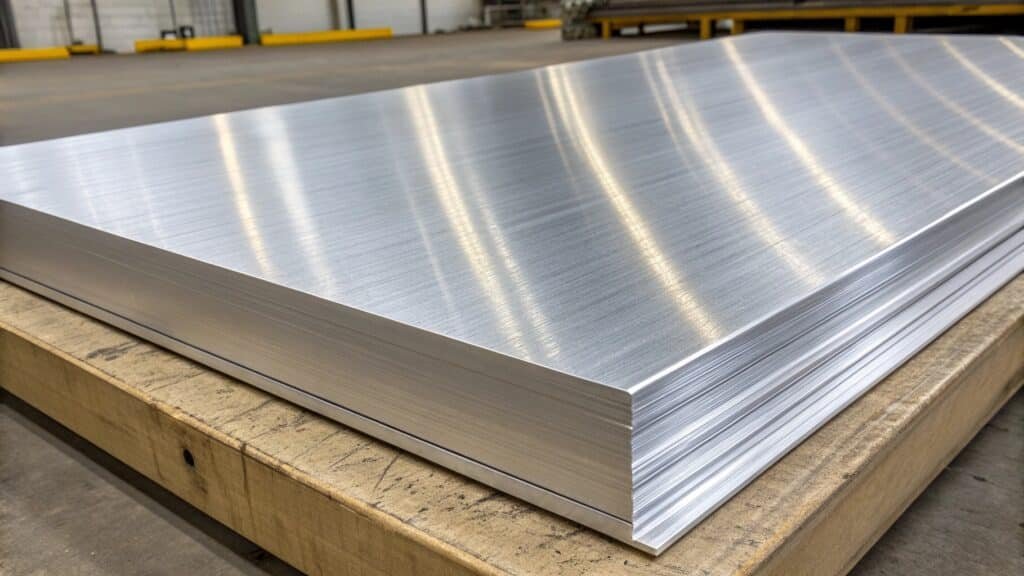
At SWA Forging, we understand the precise requirements for various aluminum alloys3 in aerospace. We can supply 5052 aluminum in forged forms if the application demands it, prioritizing its excellent corrosion resistance and workability. However, for parts requiring higher structural integrity, we often recommend other forged alloys that provide superior strength. Our goal is to ensure our clients select the material best suited for functionality, so for less critical but corrosion-prone areas, 5052 is indeed a strong candidate in aircraft construction.
What is 5052 aluminium used for?
Are you looking for specific examples of where the versatile 5052 aluminum alloy finds its application, especially in demanding industries? It’s chosen for unique properties.
5052 aluminum alloy is widely used for applications where excellent corrosion resistance, good formability, and moderate strength are key requirements. It is particularly valued in marine environments due to its superior resistance to saltwater corrosion. In the aerospace industry, typical uses include aircraft structures like fuel tanks, fuel lines, hydraulic tubing, fuselage skins, cabin interior components, and fairings. Beyond aerospace, it’s common in automotive parts, appliance housings, boat hulls and decks, marine hardware, and architectural applications like railings and flashing. Its weldability is also a significant advantage for manufacturing complex assemblies.
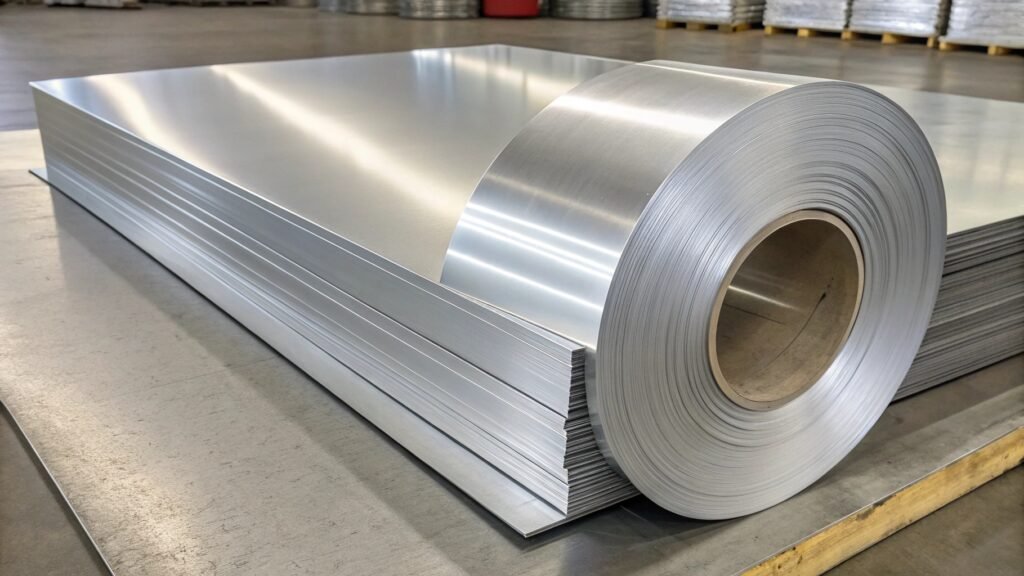
SWA Forging can provide forged components from 5052 aluminum for applications where its unique combination of properties is essential. While we excel in forging higher-strength alloys for structural aerospace parts, we also cater to needs that prioritize corrosion resistance and formability. If your project requires components that must withstand harsh environmental conditions or intricate shaping, our forged 5052 can offer a robust, reliable solution, ensuring longevity and performance even in challenging settings.
What is aerospace-grade aluminum?
Are you trying to understand what sets "aerospace-grade" aluminum apart from other aluminum alloys? It’s a designation of high standards and performance.
Aerospace-grade aluminum refers to aluminum alloys that are specifically manufactured and certified to meet the extremely stringent performance, safety, and reliability requirements of the aerospace industry. These alloys typically exhibit high strength-to-weight ratios, excellent fatigue resistance, and superior corrosion resistance4. They are often part of specific series like 2xxx (with copper), 6xxx (with magnesium and silicon), and 7xxx (with zinc) which are engineered for demanding flight conditions. Aerospace-grade means the material has passed rigorous testing, meets specific material specifications (like AMS - Aerospace Material Specifications), and has a traceable history of its production and properties, ensuring it can withstand the extreme stresses and environments of air and space travel.
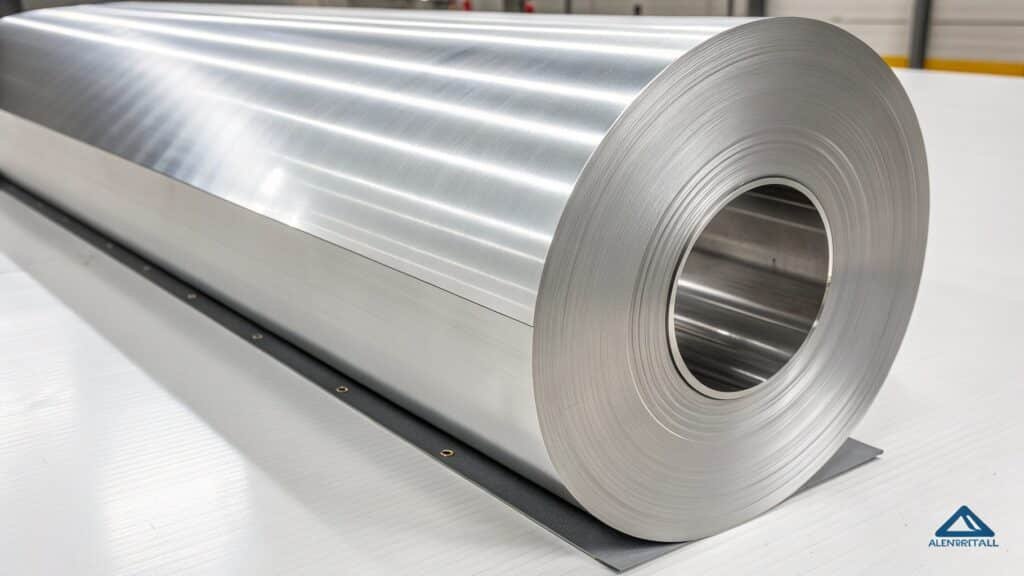
At SWA Forging, our focus is on providing aerospace-grade aluminum alloys in forged forms that deliver exceptional performance. While 5052 has its place, we specialize in alloys like 7075 and others that are universally recognized for their high-strength capabilities, essential for primary aircraft structures. Our forging process is meticulously controlled to optimize the microstructure and mechanical properties of these alloys, ensuring they meet the exacting standards expected of aerospace-grade materials.
What is the best aluminum for aerospace?
Are you seeking to identify the ideal aluminum alloy for the most demanding aerospace applications? The "best" depends on the exact need, but certain alloys stand out for strength.
The "best" aluminum alloy for aerospace depends entirely on the specific application's requirements, such as the need for strength, weight, fatigue resistance, and cost. However, for primary load-bearing structures where high strength and a good strength-to-weight ratio are paramount, series like 7xxx (e.g., 7075, 7050) and intermittently 2xxx (e.g., 2024) are often considered the top choices. 7075, in particular, is widely used for its exceptional strength, comparable to some steels, while being much lighter. For applications where corrosion resistance and formability are more critical than ultimate strength, alloys like 5052 can be the best choice, but typically for non-structural or semi-structural components.
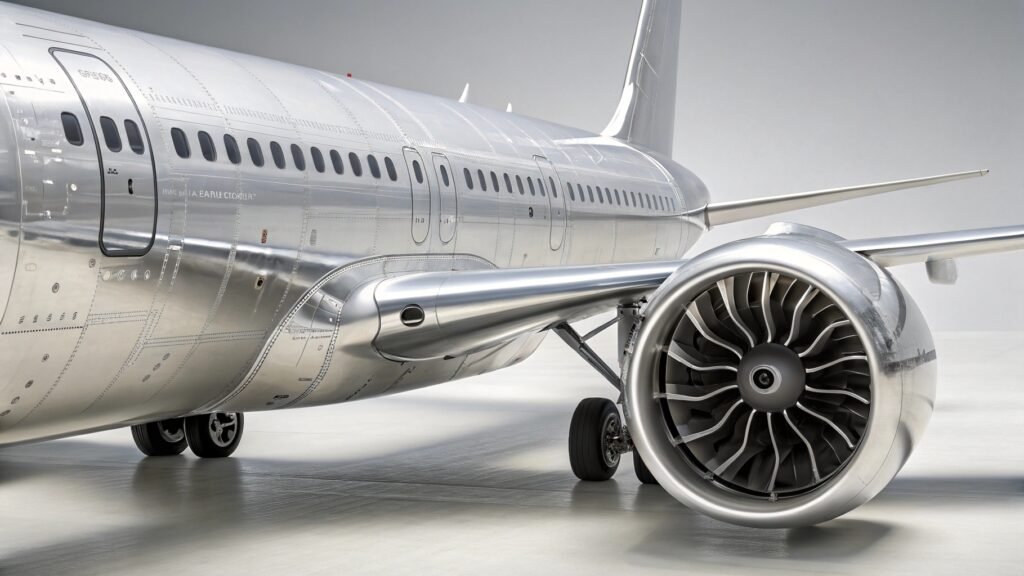
SWA Forging excels in providing forged components from the highest performing aerospace aluminum alloys. While we acknowledge the utility of alloys like 5052 for specific applications, our primary expertise lies in forging materials like 7075. This alloy is a go-to for critical structural applications due to its unparalleled strength. Our forging process ensures that these high-strength alloys achieve their maximum potential, providing our clients with components that are not only lightweight but also possess the ultimate structural integrity needed for the most demanding aerospace projects.
Conclusion
While 5052 aluminum offers excellent corrosion resistance for applications like fuel tanks and interior panels, higher strength alloys like 7075 are often preferred for critical aerospace structures where superior strength is paramount. SWA Forging specializes in these high-performance forged alloys, ensuring optimal material solutions.
-
Explore the unique properties of 5052 aluminum and its specific applications in various industries. ↩
-
Understand the requirements for high-strength structural parts and the materials that meet these needs. ↩
-
Get insights into the various aluminum alloys used in aerospace and their specific applications. ↩
-
Understand the importance of corrosion resistance in choosing aluminum alloys for aerospace applications. ↩