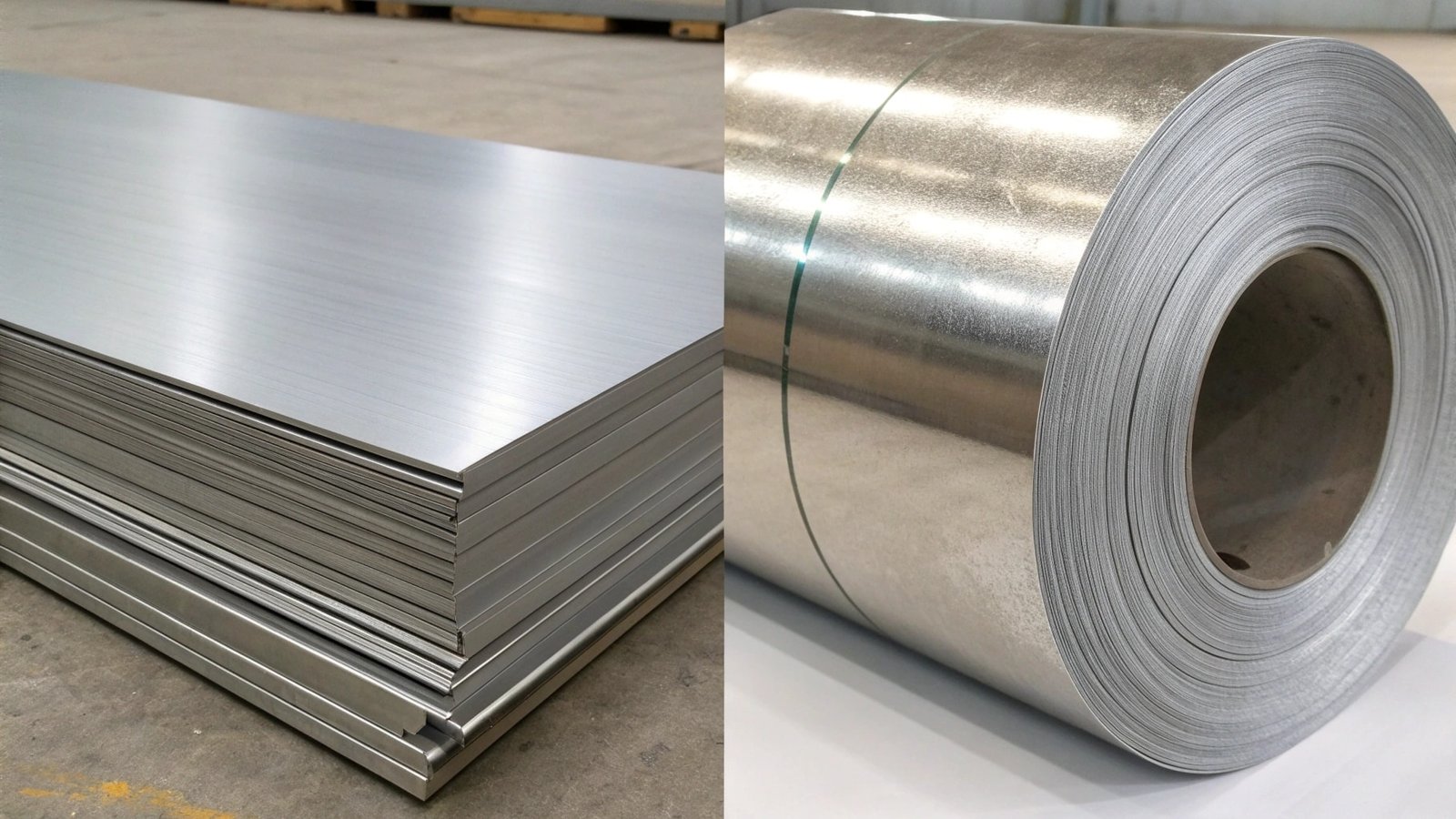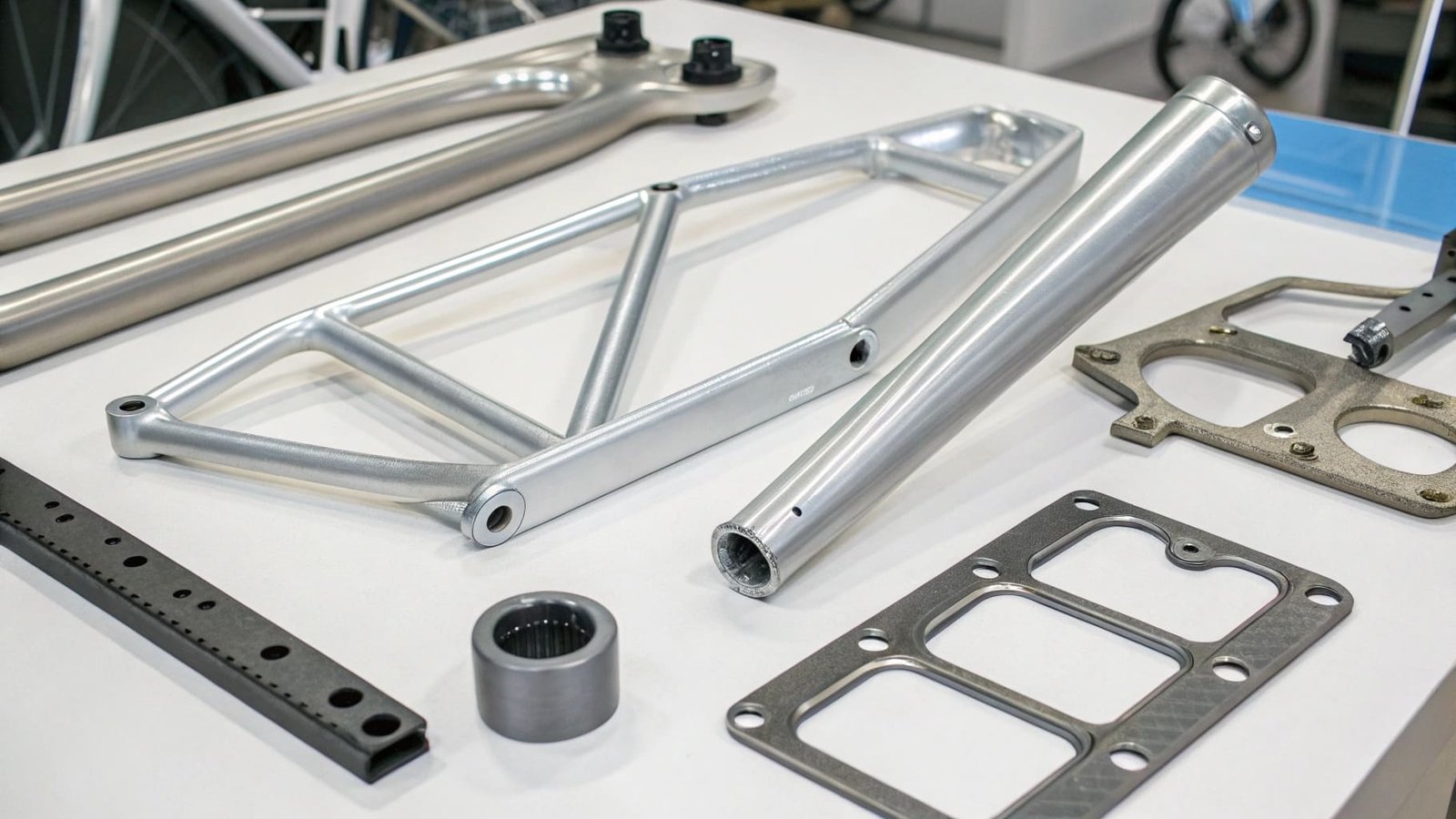
Are you searching for reliable methods to ensure the quality of the aluminum materials you procure for your critical projects? Understanding quality control is essential for material integrity.
Checking the quality of aluminum involves a multi-faceted approach, often starting with understanding the material's specifications and its intended use. Visual inspection for surface defects like cracks, pits, or significant discoloration is a first step. Then, verifying mechanical properties such as tensile strength, yield strength, hardness, and chemical composition through laboratory testing (spectrometry for composition, tensile testing for strength) is crucial. For specific applications, dimensional accuracy and surface finish also need to be confirmed. The four types of quality control commonly discussed are prevention, detection, correction, and appraisal; these are integrated strategies to manage quality. The four general steps in quality control often include planning (defining standards), assurance (implementing processes to meet standards), control (measuring performance against standards), and improvement (making corrections and enhancing processes). When quality controls are applied to completed sheet aluminum products, they typically include checks on dimensions (thickness, width, flatness), surface finish (absence of defects), mechanical properties, chemical composition, and compliance with specific industry standards (e.g., ASTM, EN) and customer specifications through various non-destructive testing (NDT) methods and destructive testing.
At SWA Forging, quality is not just a final check; it's woven into every step of our manufacturing process. As an ISO-certified facility, we employ rigorous quality control measures, from raw material sourcing to final product inspection. We utilize advanced techniques to verify mechanical properties and chemical composition and proudly provide comprehensive product quality certificates for every order, along with readily available third-party certifications like SGS, BV, and TUV, ensuring you receive aluminum materials that meet the highest standards of integrity and performance.
How to check the quality of aluminium?
Are you looking for practical ways to verify the quality of aluminum before or during its use in your projects? A thorough inspection is key.
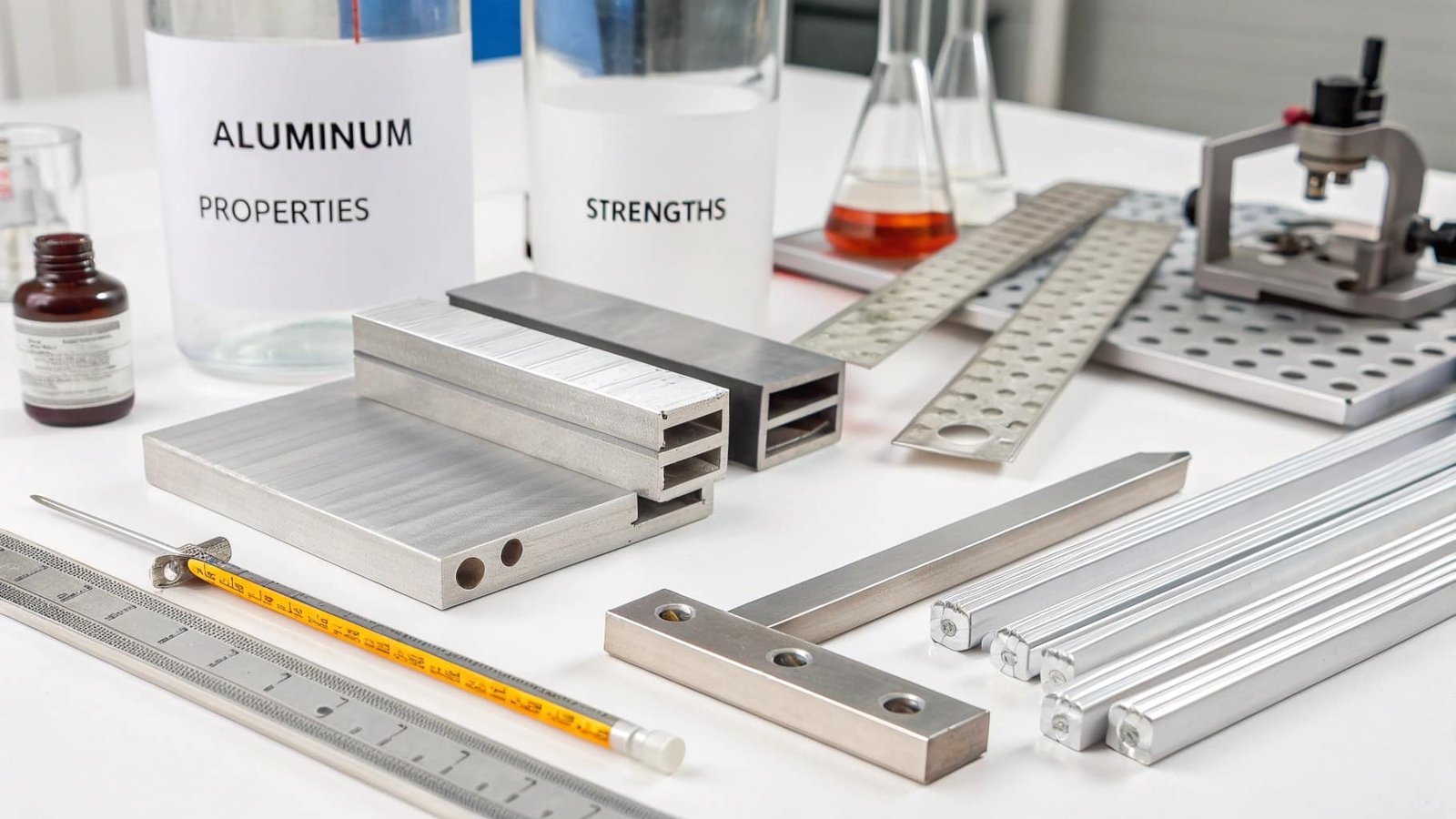
To check the quality of aluminum starting from the material itself, you can employ several methods. Begin with a visual inspection for any surface imperfections such as cracks, deep scratches, pitting, warping, or unusual discoloration which might indicate improper handling or material flaws. Next, verify the alloy and temper specifications against your purchase order or project requirements. This can be done by checking any provided mill certificates or material tags. For more critical applications, dimensional checks using calipers or micrometers are essential to ensure the material meets specified tolerances for diameter, length, or thickness. Hardness testing, such as a Rockwell or Brinell test, can confirm if the material's hardness is within the expected range for its alloy and temper. Lastly, for absolute certainty, especially with specialized alloys or stringent requirements, chemical analysis using techniques like optical emission spectrometry can confirm the exact elemental composition and mechanical testing (tensile, yield, impact) can verify its strength and ductility.
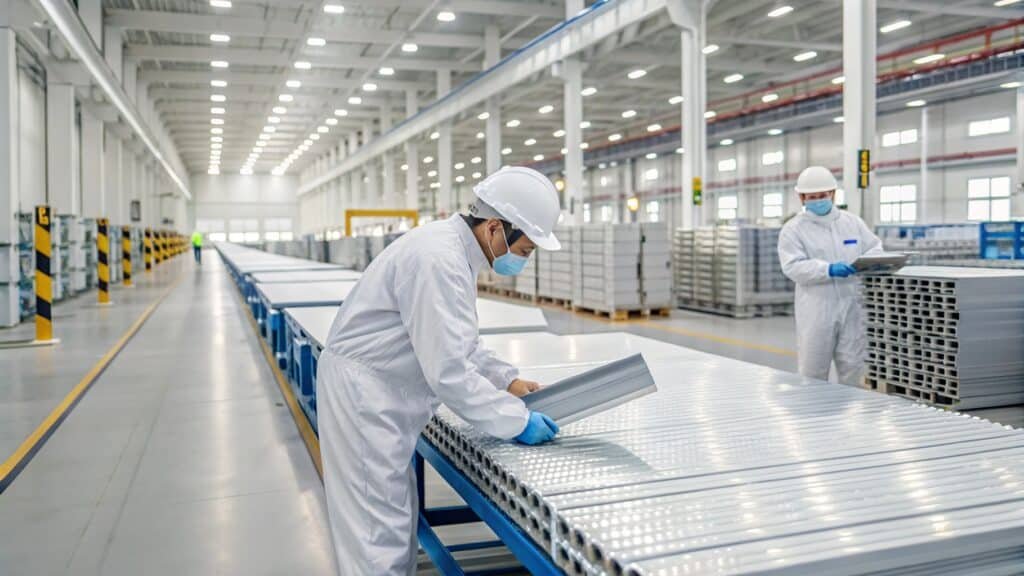
At SWA Forging, we perform these checks and more on all our aluminum products. Our commitment to quality means we meticulously verify every aspect, from the raw material's composition to the final forged product's mechanical properties, ensuring it meets exact specifications. Our comprehensive inspection processes, backed by our ISO certifications, give you the confidence that the SWA Forging aluminum you receive has undergone rigorous quality checks, guaranteeing its integrity and performance for your application.
What are the 4 types of quality control?
Are you trying to understand the different strategic approaches used to manage and ensure product quality? Quality control encompasses various levels of intervention.
**The four common types of quality control strategies applied in manufacturing and business are:
- Prevention: This type focuses on proactively designing processes and products to avoid defects from occurring in the first place. It involves rigorous planning, training, and setting clear standards before production begins. The goal is to build quality in from the start.
- Detection: This type involves identifying defects that have already occurred during or after the production process. It relies on inspection, testing, and auditing at various stages to catch non-conforming products before they reach the customer.
- Correction: Once defects are detected, correction measures are implemented to fix the non-conforming product or process. This can involve rework, repair, or adjusting manufacturing parameters to bring the item back into specification.
- Appraisal: Appraisal quality control involves evaluating the quality of finished products or services through inspection and testing to ensure they meet the defined standards and customer expectations. This is often the final check before shipment.**
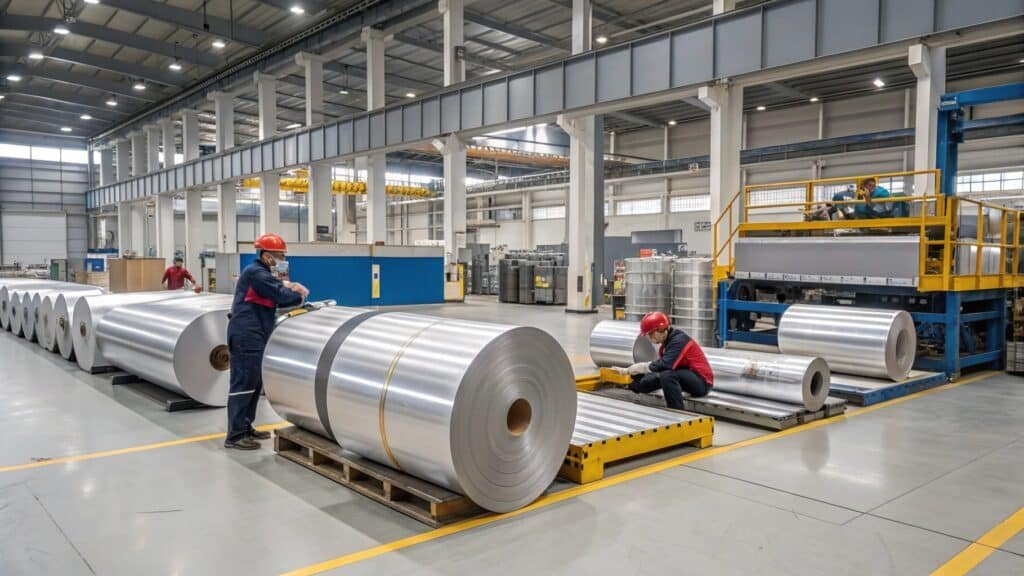
SWA Forging integrates all these quality control types into its operations. We prevent defects through careful process design and material selection, detect issues through in-process inspections, correct any deviations promptly, and appraise the final products comprehensively. Our ISO certifications are a testament to our robust systems that ensure the highest quality in every large-diameter forged aluminum component we deliver.
What are the 4 steps of quality control?
Are you seeking a structured framework for implementing effective quality control measures in a manufacturing environment? A step-by-step approach ensures thoroughness.
**The quality control process generally follows a cyclical or sequential approach to ensure product conformity and continuous improvement. The four fundamental steps often described are:
- Quality Planning: This initial step involves defining quality standards, objectives, and metrics relevant to the product and its intended use. It includes identifying critical quality characteristics, setting tolerance limits, and establishing the procedures and resources needed to achieve these standards.
- Quality Assurance (QA): QA focuses on establishing and maintaining the processes and systems that ensure quality is built into the product throughout its lifecycle. This involves implementing standardized procedures, training personnel, and conducting audits to verify that the planned quality systems are functioning effectively.
- Quality Control (QC): QC involves the ongoing monitoring and measurement of product characteristics against the defined quality standards. This is where inspections, tests, and measurements are performed to identify defects or deviations from specifications.
- Quality Improvement: This final step focuses on analyzing the data collected during QC and using it to make systematic improvements to processes, products, and systems. The goal is to reduce variations, eliminate defects, and enhance overall quality and efficiency over time.**
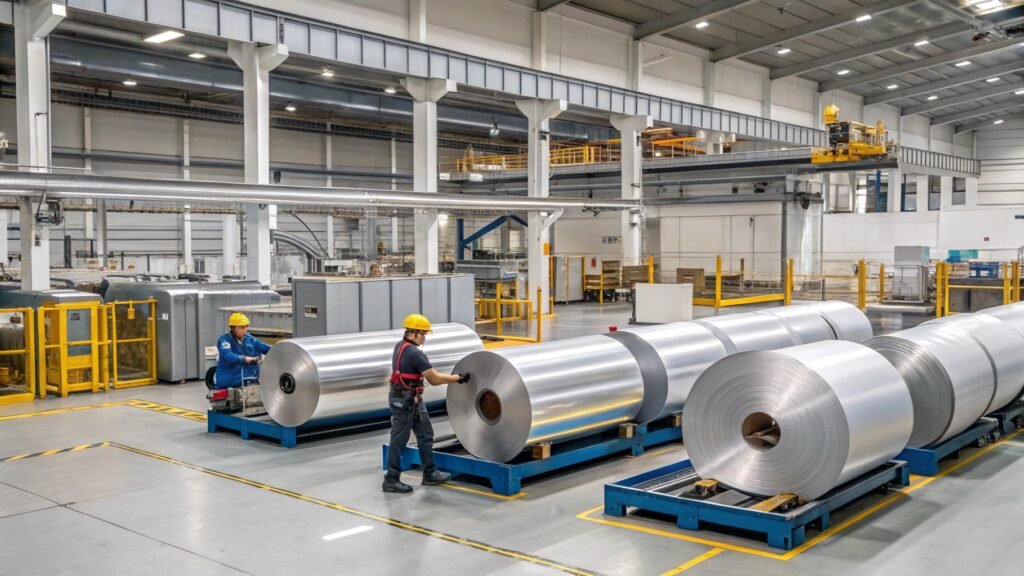
SWA Forging adheres strictly to these quality control steps. Our operations are built upon meticulous quality planning, robust quality assurance systems, precise quality control inspections at every stage of our large-diameter forging process, and a commitment to continuous quality improvement. This integrated approach ensures that every forged aluminum product leaving our facility meets rigorous international standards and your exact specifications.
What quality controls are applied to the completed sheet aluminium product?
Are you interested in the specific checkpoints and tests that ensure the quality of sheet aluminum upon completion? These checks confirm it's ready for use.
For completed sheet aluminum products, several quality controls are routinely applied to ensure they meet required standards and specifications. Dimensional accuracy is checked, including thickness, width, length, and flatness, using precise measuring instruments. Surface quality inspection is critical; this involves visual checks and often enhanced imaging to identify and quantify defects such as scratches, dents, blisters, porosity, or uneven finishes. Mechanical property testing is conducted on sample sheets to verify tensile strength, yield strength, elongation, and hardness, ensuring they conform to the specified alloy and temper. Chemical composition analysis might be performed on representative samples to confirm the precise alloy makeup. Non-destructive testing (NDT) methods, like eddy current testing or ultrasonic testing, can be used to detect internal flaws or surface cracks without damaging the material. Finally, compliance checks ensure the product meets relevant industry standards (e.g., ASTM, EN, aerospace specifications) and any specific customer requirements.
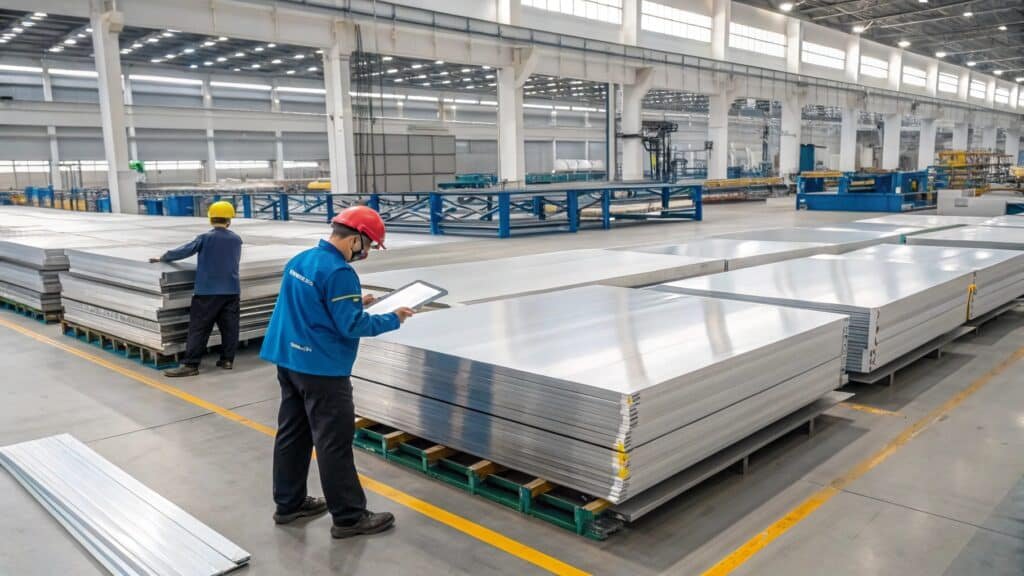
While SWA Forging specializes in large-diameter forged components rather than sheet aluminum, our commitment to stringent quality control is identical. We apply equivalent rigorous checks to our forged rings and discs, including detailed dimensional analysis, comprehensive surface inspections, thorough mechanical property testing, and precise chemical composition verification. Our ISO-certified status and our readiness to provide third-party certifications like SGS, BV, and TUV underscore our unwavering dedication to delivering aluminum materials of the highest caliber for your most critical applications.
Conclusion
Quality control for aluminum involves checks for defects, composition, and properties. SWA Forging ensures top-tier aluminum quality through ISO-certified processes and extensive certifications.