Skip to content
Are you looking to understand aluminum tubing better and choose the right type for your next project? Let's explore the key aspects.
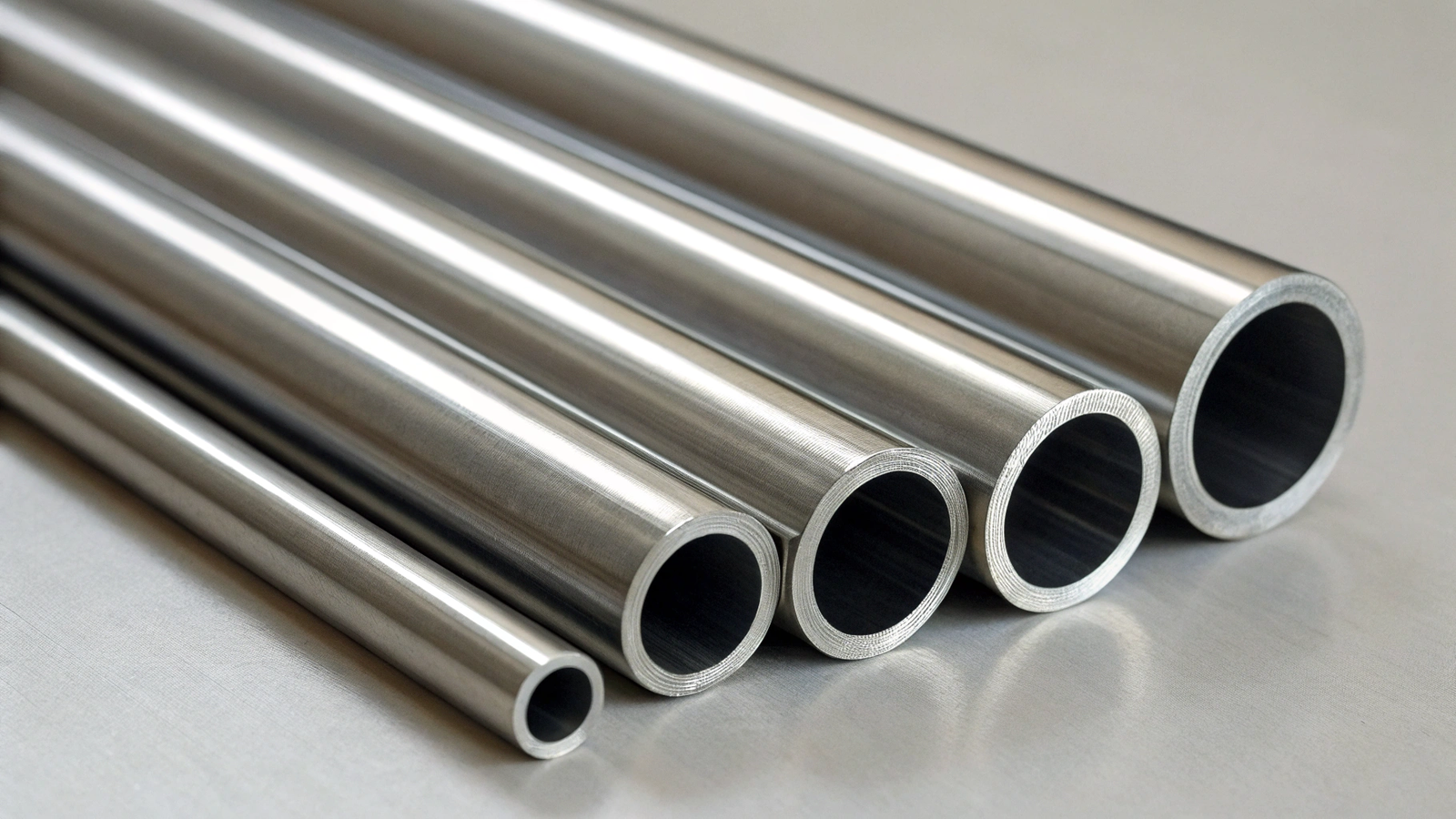
Aluminum tubing1 is a hollow, cylindrical conduit made from aluminum or its alloys, prized for its light weight, resistance to corrosion, and good conductivity. Its strength varies significantly depending on the alloy and whether it's seamless or welded. Alloys like 6061 offer a good balance of strength and workability, making them strong enough for many structural and mechanical applications. While welding aluminum tubing is possible, especially with alloys like 6061, the process requires specific techniques and expertise to maintain structural integrity. 6061 aluminum tubing2, when properly formed and heat-treated, is considered strong for a wide range of uses, including structural components, fluid transfer lines, and general fabrication, but it's not the strongest alloy available if extreme load-bearing capacity is needed.
At SWA Forging, while we don't primarily manufacture standard extruded tubes, our expertise in forging high-strength aluminum alloys like 6061 and 7075 allows us to create components with exceptional structural integrity. If your application demands tubing with superior strength, precise dimensions, or for highly critical structural roles, our forged products can often serve as robust alternatives or provide a foundation for custom tubular solutions where standard tubing might fall short.
What is aluminum tubing?
Are you trying to define what exactly constitutes aluminum tubing and its basic form? It's a fundamental material in many industries, distinguished by its hollow shape.
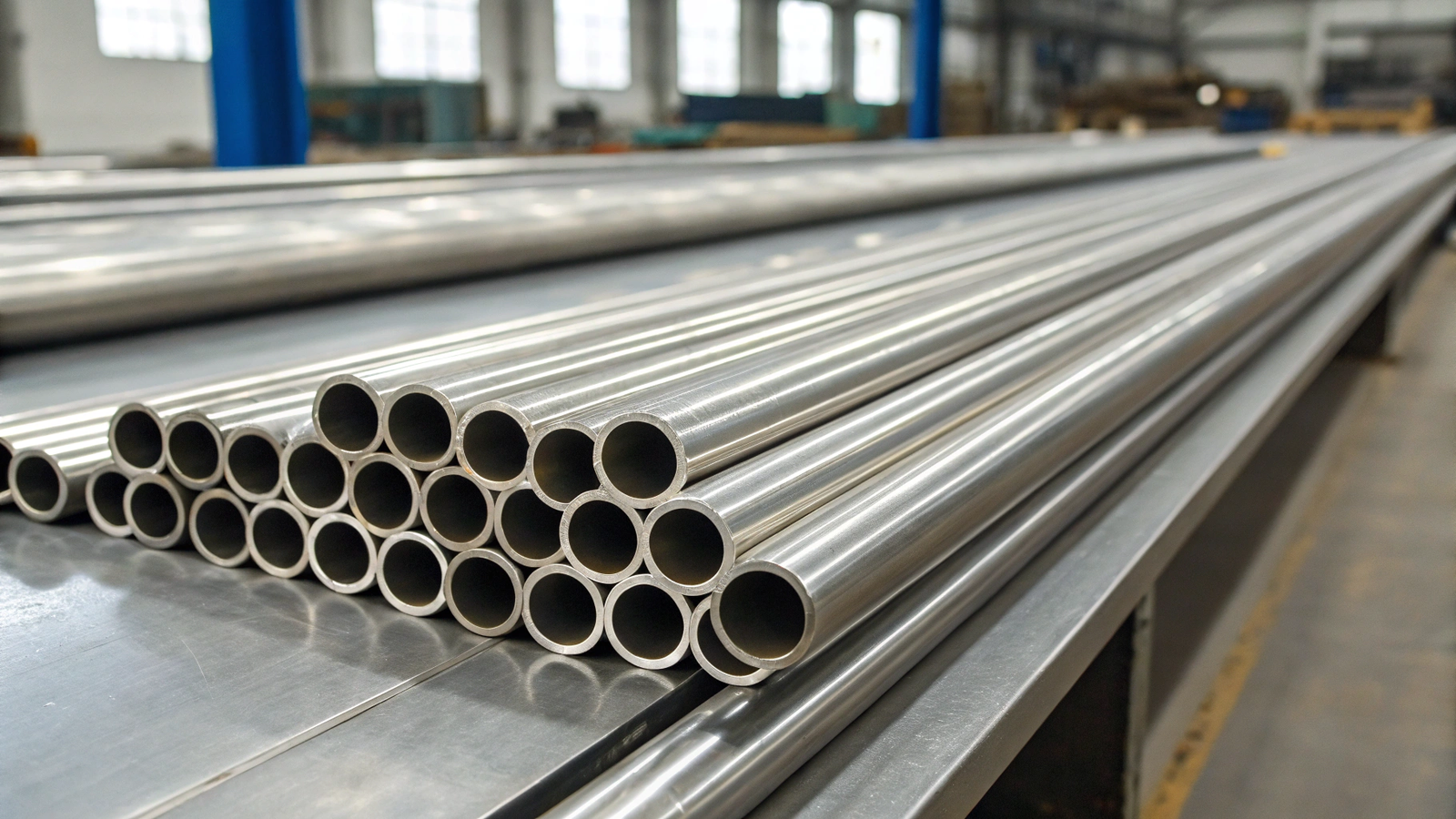
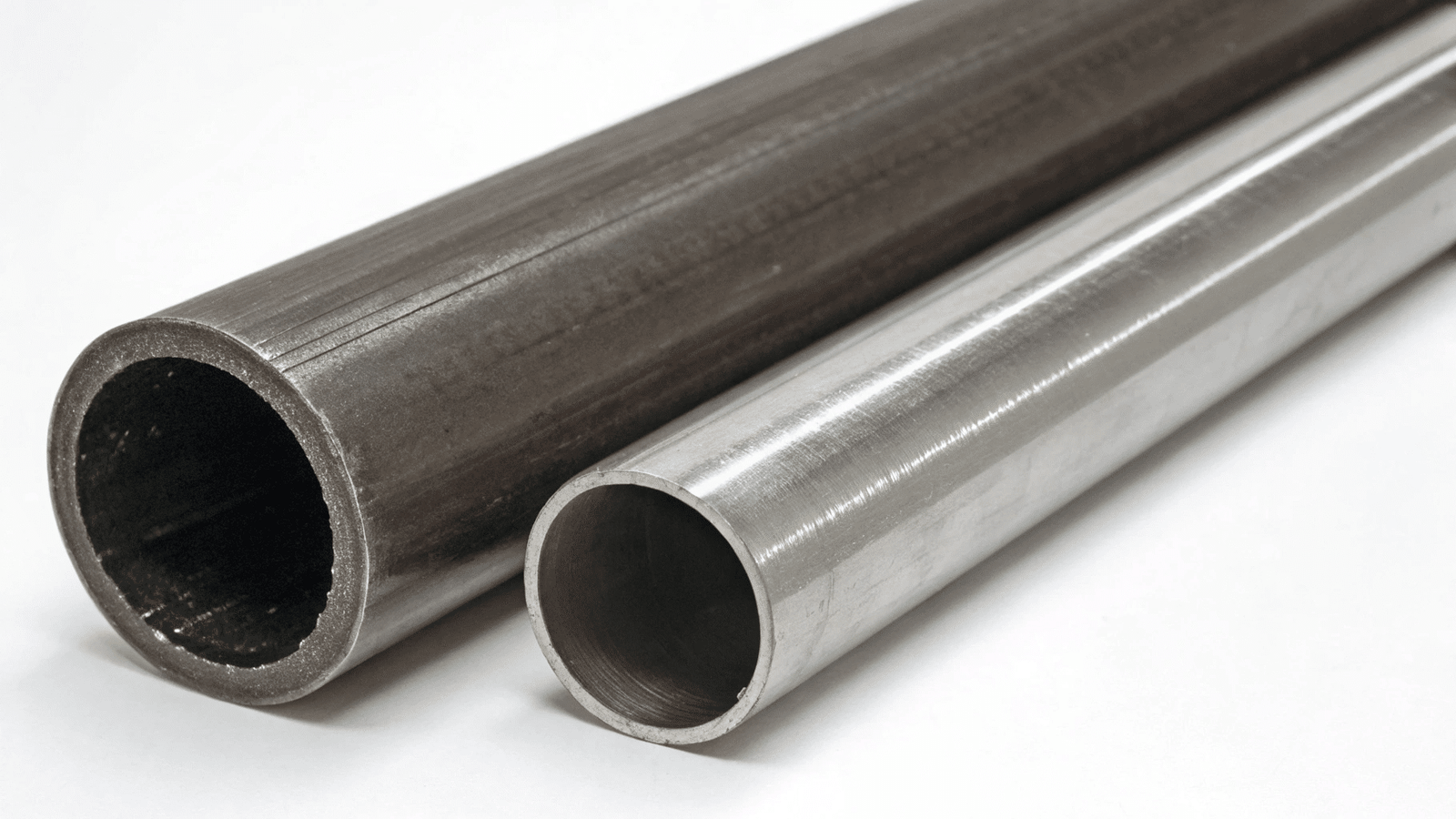
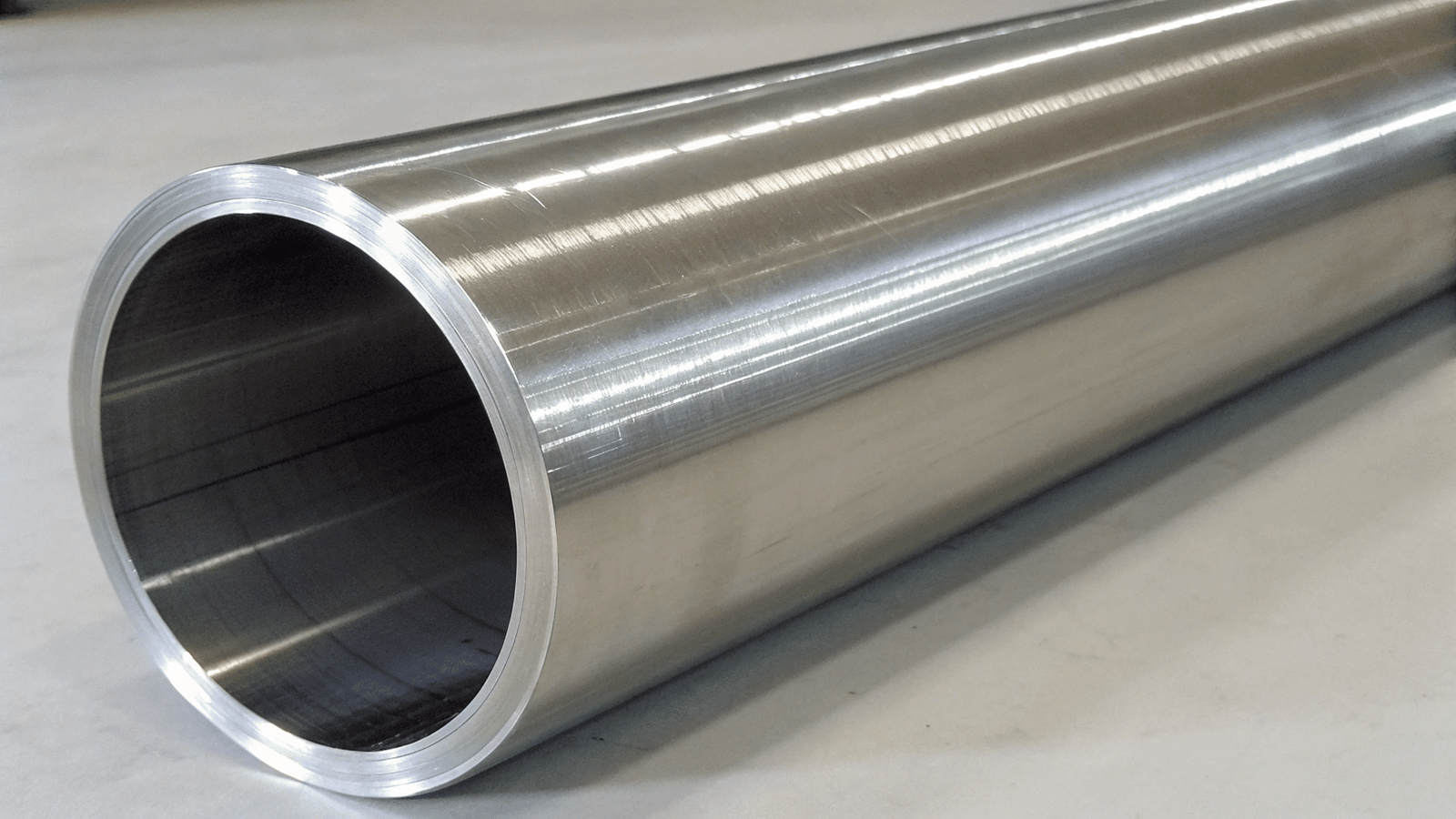
Aluminum tubing is a metal product with a hollow, cylindrical cross-section made from aluminum or one of its alloys. It is manufactured in various forms, including seamless tubes3, which are extruded from a solid billet, and welded tubes, which are made by forming a flat sheet into a cylinder and then welding the seam. Aluminum tubing is favored across numerous industries due to its inherent properties such as light weight, excellent corrosion resistance4, good thermal and electrical conductivity, and formability. These characteristics make it suitable for a vast range of applications, from carrying fluids and gases to serving as structural elements in construction, automotive, and aerospace sectors. The specific alloy and manufacturing method determine its ultimate strength, ductility, and suitability for different environments and load conditions.

SWA Forging understands the crucial role that material properties play in the performance of aluminum components. While we focus on forged products, our deep knowledge of aluminum alloys such as 6061 and 7075 means we appreciate the demands placed on tubular components. For applications requiring exceptionally high strength and dimensional accuracy, such as critical structural elements or high-pressure fluid transfer in demanding environments, our forged solutions can offer superior integrity and performance compared to standard tubing.
Is aluminium tubing strong?
Are you wondering if aluminum tubing can withstand the forces required by your project? Its strength is a key attribute that varies significantly.
Yes, aluminum tubing can be strong, but its strength is not uniform and depends heavily on several factors. The specific aluminum alloy used is the most critical determinant. Alloys are categorized by their strength, with some, like 7075, offering very high tensile and yield strengths, while others, like pure aluminum (1xxx series), are much softer. Heat treatment also plays a significant role; alloys in the hardened tempers (like T6) are considerably stronger than those in annealed states. The manufacturing method also impacts strength, with seamless tubing generally possessing higher integrity and strength than welded tubing, particularly around the weld seam. For many general-purpose applications, such as structural framing or fluid lines, standard aluminum tubing alloys like 6061 are sufficiently strong. However, for highly stressed components, especially in aerospace or high-performance machinery, alloys like 7075 or specialized forged processes are often necessary to achieve the required strength.
- Alloy Composition: Different alloys have inherent strength levels.
- Heat Treatment: Tempers like 'T6' significantly increase strength.
- Manufacturing Process: Seamless tubes typically offer higher strength than welded ones.
- Wall Thickness: Thicker walls naturally contribute to greater load-bearing capacity.

SWA Forging’s expertise lies in maximizing the inherent strength of aluminum alloys through forging. If your project requires tubular components with exceptional load-bearing capabilities, our forged products, including large-diameter rings and discs, can be engineered to provide the highest levels of strength and structural integrity. We understand the demanding environments where standard tubing might fail, and our forged solutions are designed to meet those extreme requirements, offering a level of robustness that is often unmatched by conventional manufacturing methods.
Can you weld aluminium tubing?
Are you planning to join aluminum tubes and need to know if welding is a viable option? Welding is possible but requires careful consideration.
Yes, aluminum tubing can be welded, but the ease and success of welding depend significantly on the specific aluminum alloy. Some alloys are much more weldable than others. For instance, alloys in the 1xxx and 3xxx series are very easy to weld, but they offer low strength. Alloys like 6061 and 5083 have good weldability, making them popular for many structural and utilitarian applications. However, these alloys may experience some loss of strength in the heat-affected zone (HAZ) after welding, and depending on the application, this might need to be compensated for or addressed through post-weld heat treatment. Alloys like 7075, on the other hand, are notoriously difficult to weld and are generally not recommended for welding because the heat from the welding process can significantly degrade their strength, often compromising the integrity of the joint and surrounding material. When welding aluminum tubing, specific techniques like TIG (Tungsten Inert Gas) welding are often preferred for their control and cleanliness, and proper preparation, including thorough cleaning, is crucial for a strong weld.
| Alloy Series | Weldability | Common Uses | Strength |
|---|---|---|---|
| 1xxx, 3xxx | Excellent | Heat exchangers, cookware, general sheet metal work | Low |
| 5xxx, 6xxx | Good to Fair | Marine applications, structural components, fluid lines | Medium |
| 2xxx, 7xxx | Poor to Very Poor | Aerospace, high-stress applications (often forged) | Very High |

SWA Forging focuses on creating components where absolute strength and integrity are paramount, often in applications where welding is either not feasible or detrimental to performance. Our forging processes inherently create monolithic, homogeneous structures without the need for welding, ensuring optimal material properties. For projects demanding the highest strength and reliability, particularly in critical aerospace or industrial machinery parts, our forged solutions bypass the challenges associated with welding, providing a seamless and robust component from the outset.
How strong is 6061 aluminum tubing?
Are you trying to gauge the strength of 6061 aluminum tubing2 for your project and understand its capabilities? It offers a solid balance for many applications.
6061 aluminum tubing is considered to have good to very good strength, especially when it is in its heat-treated condition, typically the T6 temper. In its T6 temper, 6061 aluminum typically exhibits a tensile strength of around 310 MPa (45,000 psi) and a yield strength of approximately 276 MPa (40,000 psi). This level of strength makes it suitable for a wide variety of applications where moderate loads and stresses are involved. It is commonly used for structural components in general fabrication, bicycle frames, automotive parts like fuel lines and chassis components, and architectural elements. While not as strong as higher-strength alloys like 7075, 6061 offers a desirable combination of strength, excellent corrosion resistance, good formability, and weldability, making it a highly versatile and cost-effective choice for many industrial and commercial uses.
| Property | Value (T6 Temper) |
|---|---|
| Tensile Strength | ~310 MPa (~45 ksi) |
| Yield Strength | ~276 MPa (~40 ksi) |
| Modulus of Elasticity | ~68.9 GPa (~10,000 ksi) |

SWA Forging recognizes 6061 as a reliable and versatile alloy. Our expertise allows us to forge components from 6061 (and other alloys) that can surpass the mechanical properties of standard tubing, especially in terms of uniformity and strength under stress. If your application requires components with dimensions or performance characteristics that standard 6061 tubing cannot reliably meet, particularly concerning very high loads or demanding structural integrity, our forged solutions can provide the enhanced capability you need.
Conclusion
Aluminum tubing's strength and weldability vary by alloy and type. 6061 offers a good balance for many uses, while stronger alloys exist for critical needs, where SWA's forging expertise can provide enhanced solutions.
-
Explore the advantages of aluminum tubing, including its lightweight and corrosion-resistant properties, ideal for various applications. ↩
-
Learn about the strength and versatility of 6061 aluminum tubing, a popular choice for structural applications. ↩ ↩
-
Find out how seamless tubes offer superior strength and integrity compared to welded alternatives. ↩
-
Discover the importance of corrosion resistance in aluminum tubing for longevity and durability. ↩