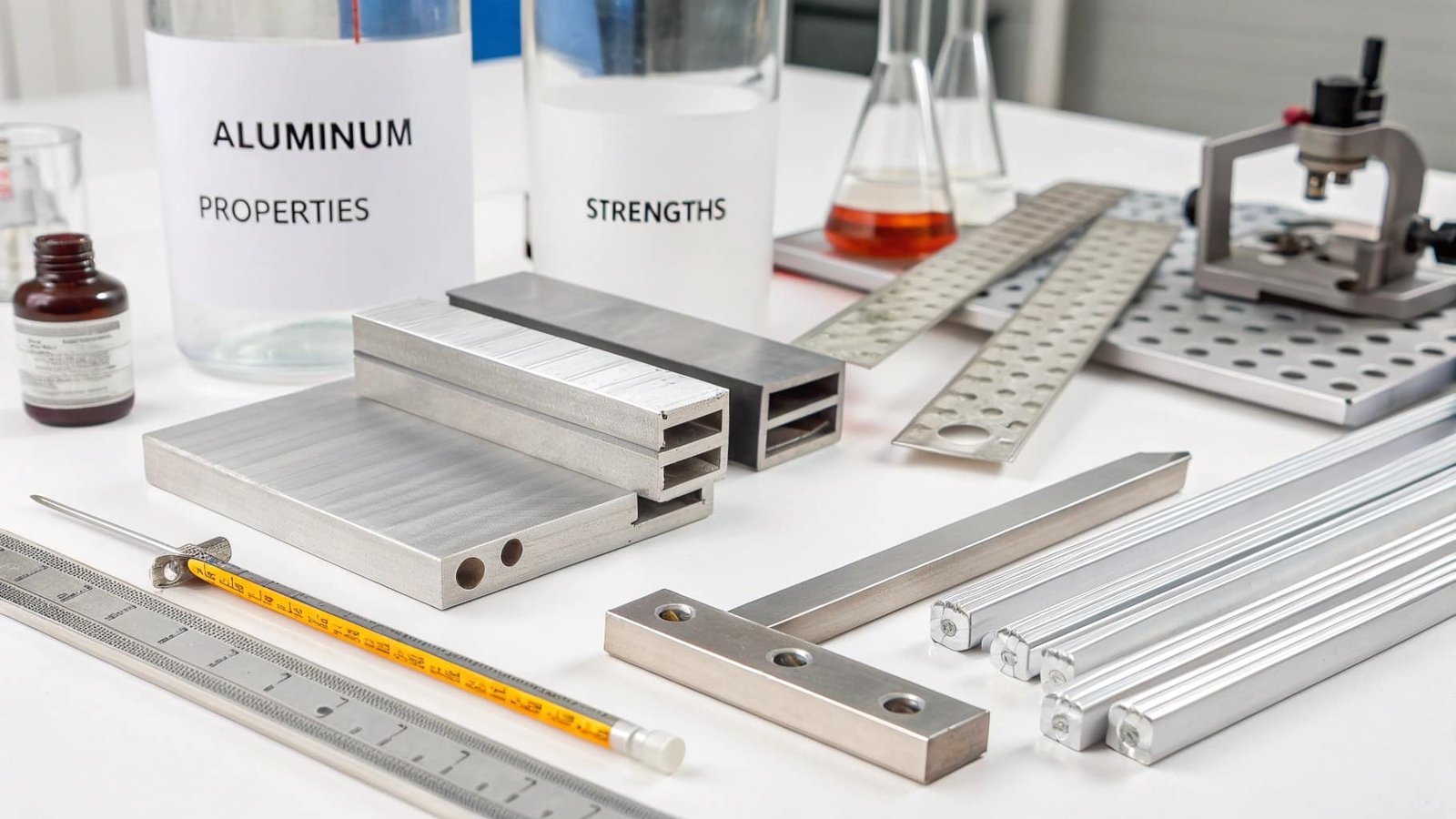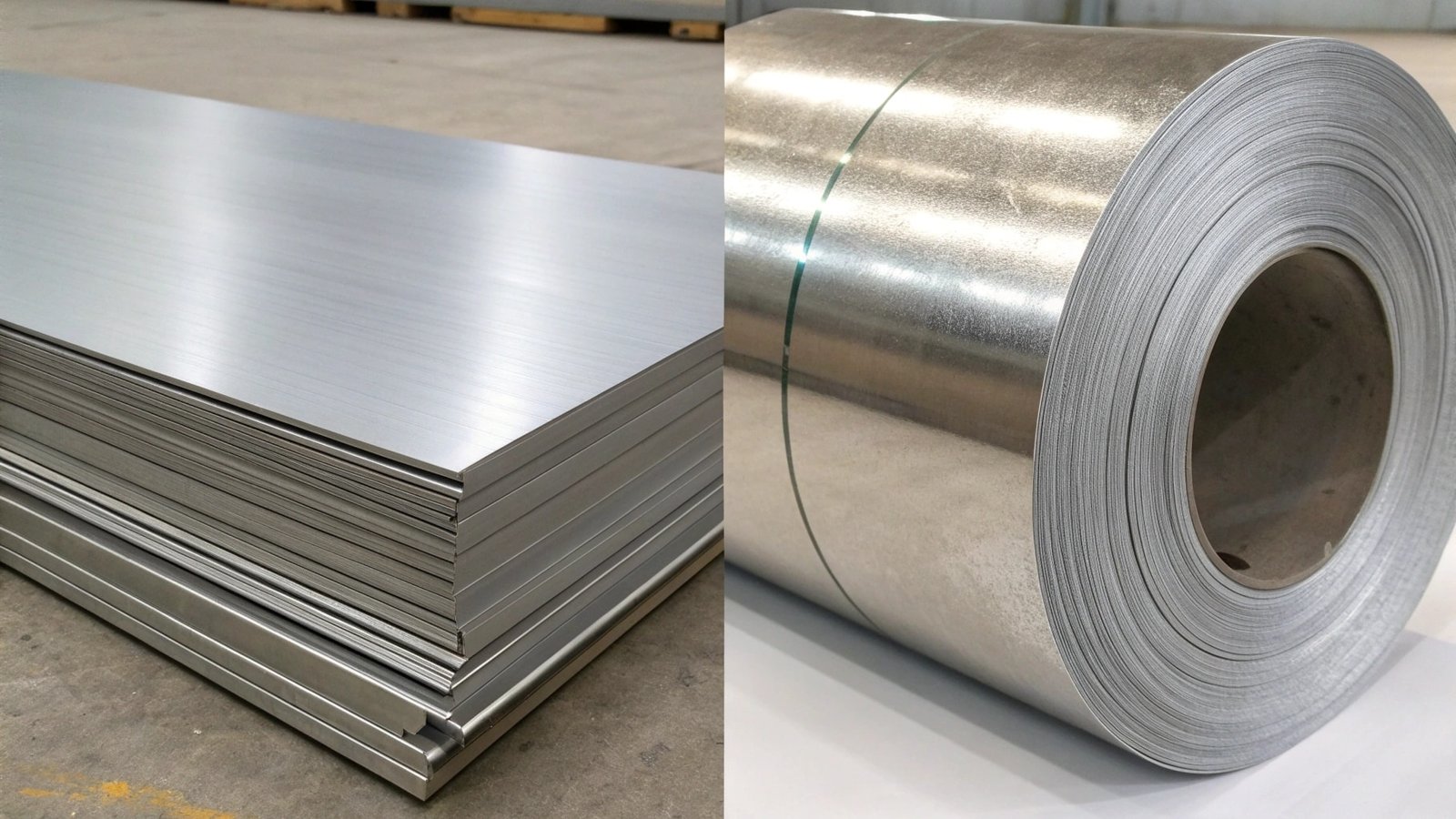
Are you trying to navigate the complex world of aluminum alloy designations and find the perfect material for your project? Understanding these grades is key to unlocking performance.
Aluminum alloys1 are categorized into series based on their primary alloying elements, which dictate their properties and typical uses. The Aluminum Association Designation System uses a four-digit numbering system, with the first digit indicating the major alloying element series. For instance, the 7xxx series alloys are primarily alloyed with zinc and offer the highest strength, making them crucial for high-stress aerospace and military applications. The 6xxx series, containing magnesium and silicon, provides a good balance of strength, formability, and corrosion resistance2, making them highly versatile for structural components in automotive, marine, and construction industries. Choosing the correct alloy grade is essential, as each offers a distinct set of mechanical properties, such as tensile strength, yield strength, hardness, and ductility, along with varying resistance to corrosion and weldability, all of which must align with the demands of the intended application.
At SWA Forging, we understand that simply knowing the alloy grade is only part of the solution. Our specialization lies in providing customized, large-diameter forged aluminum components where the specific application dictates the optimal material and processing. Instead of just listing standard grades, we leverage our expertise to engineer solutions by precisely controlling the mechanical properties through advanced forging techniques and heat treatments. This ensures our clients receive components with exactly the right balance of strength, toughness, and machinability needed for their unique and demanding applications, especially for our specialized forged products.
The Aluminum Association Designation System
Are you looking to understand the system used to classify different aluminum alloys and what it tells you about their composition and properties? This standardized numbering provides a clear framework.
**The Aluminum Association uses a four-digit numbering system to classify wrought aluminum alloys, providing a standardized way to identify and understand their basic composition. The first digit indicates the major alloying element series:
- 1xxx Series: Pure aluminum (99% minimum). Used for applications requiring high corrosion resistance and formability but low strength.
- 2xxx Series: Aluminum-copper alloys. Offer high strength but have lower corrosion resistance and cannot be heat treated to the same extent as other series. Primarily used in aerospace.
- 3xxx Series: Aluminum-manganese alloys. Moderate strength, good workability, and corrosion resistance. Used for cookware and general purpose applications.
- 4xxx Series: Aluminum-silicon alloys. Used as welding filler metals and for their lower melting point, making them good for casting and brazing.
- 5xxx Series: Aluminum-magnesium alloys. Good strength, excellent corrosion resistance (especially in marine applications), and good weldability. Used in marine, automotive, and transport.
- 6xxx Series: Aluminum-magnesium-silicon alloys. Offer a good balance of strength, formability, corrosion resistance, and weldability. Very versatile and widely used.
- 7xxx Series: Aluminum-zinc alloys. Provide the highest strength of all aluminum alloys, often with added magnesium and copper. Primarily used in aerospace and high-stress applications.
- 8xxx Series: Contains other alloying elements. Used for specific applications.
The second, third, and fourth digits provide further specificity about the alloy composition and variations.**
| Series Digit | Primary Alloying Element(s) | General Characteristics |
|---|---|---|
| 1xxx | Pure Aluminum (>= 99%) | Excellent corrosion resistance, formability, low strength |
| 2xxx | Copper | High strength, lower corrosion resistance |
| 3xxx | Manganese | Moderate strength, improved workability |
| 4xxx | Silicon | Low melting point, used in welding and casting |
| 5xxx | Magnesium | High strength, excellent corrosion and weldability |
| 6xxx | Magnesium and Silicon | Good balance of strength, formability, corrosion resistance |
| 7xxx | Zinc | Highest strength, often for critical structural applications |
| 8xxx | Other elements | Specialized properties |
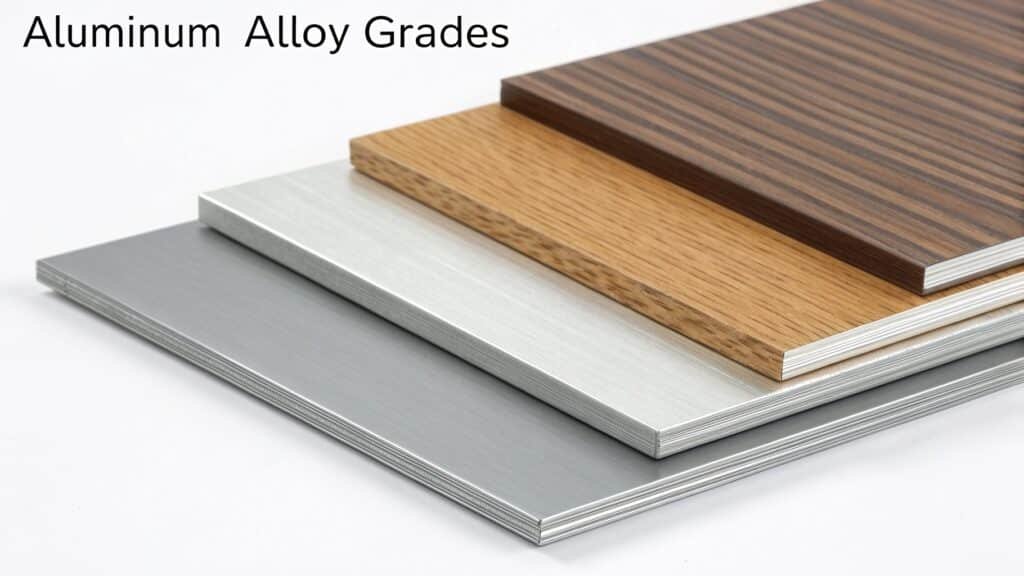
SWA Forging delves deep into the Aluminum Association Designation System to select the optimal alloy for our forged products. While a classification system provides a starting point, our expertise lies in understanding how specific alloys within these series, like those from the 6xxx and 7xxx families, perform when subjected to our controlled forging processes. We engineer components where the precise combination of alloying elements and our manufacturing technique delivers superior mechanical properties, ensuring that each large-diameter forged ring or disc meets the exact specification for its critical application far beyond the general characteristics of the series.
The 7xxx Series: Zinc Alloys (Highest Strength)
Are you looking to understand which aluminum alloys offer the absolute highest strength for the most demanding applications? The 7xxx series is where you'll find them.
The 7xxx series of aluminum alloys are characterized by their primary alloying element being zinc, often in combination with magnesium and copper. This specific combination results in the highest strength achievable in aluminum alloys, with some grades exhibiting tensile strengths comparable to certain steels. These alloys are typically strengthened by heat treatment, specifically through precipitation hardening, which creates a very tough and rigid material. Due to their exceptional strength-to-weight ratio, 7xxx series alloys are invaluable in applications where weight reduction is critical, but performance cannot be compromised. The most common use is in the aerospace industry for airframes, wing structures, and fuselage components. Other applications include high-performance sporting equipment, such as bicycle frames and golf club heads, and some military applications. However, it's important to note that their excellent strength can sometimes come at the cost of reduced corrosion resistance compared to other series, especially in certain tempers or environments, often requiring protective coatings.
| Alloy Series | Primary Alloying Element | Common Alloying Additions | Key Strengths | Primary Applications | Potential Drawbacks |
|---|---|---|---|---|---|
| 7xxx | Zinc (Zn) | Magnesium (Mg), Copper (Cu) | Extremely High Tensile and Yield Strength | Aerospace structures, high-stress parts, sporting goods | Lower corrosion resistance |
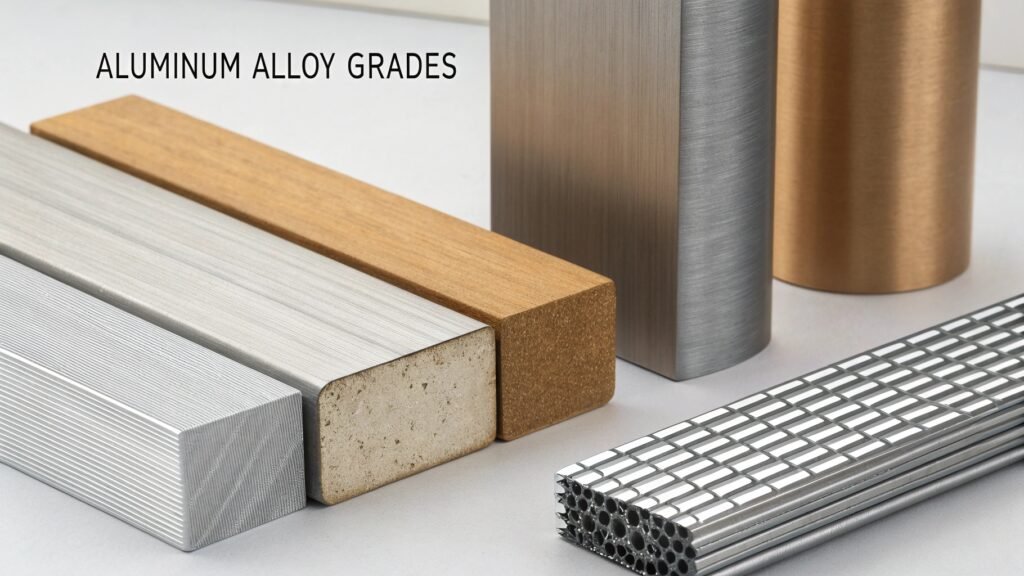
SWA Forging excels in working with the 7xxx series alloys to produce components with the highest mechanical integrity. For applications demanding extreme strength, such as critical aerospace structures or specialized industrial machinery, our forging process significantly enhances the inherent properties of these zinc-based alloys. We provide large-diameter forged rings and discs from 7xxx series materials that offer superior toughness and reliability, ensuring that even under the most extreme loads, these components will perform exceptionally, exceeding the capabilities of standard manufactured parts.
The 6xxx Series: Magnesium & Silicon Alloys (Structural & Versatile)
Are you interested in understanding which aluminum alloys offer a great blend of strength, corrosion resistance, and workability for a wide range of industrial uses? The 6xxx series is the go-to for versatility.
The 6xxx series of aluminum alloys are primarily characterized by the presence of magnesium and silicon as the main alloying elements. This combination provides a highly versatile alloy that offers a very good balance of properties, making it one of the most widely used aluminum alloy series. Alloys in the 6xxx series are known for their moderate to high strength, which can be further increased through heat treatment (precipitation hardening). They also exhibit excellent corrosion resistance, particularly against atmospheric conditions, and good weldability. This series is highly formable, making it suitable for extrusion processes, which allows for the creation of complex shapes like architectural extrusions, window frames, and truck bodies. Common applications include automotive components (frames, body panels), marine structures, construction (window frames, curtain walls), and general industrial equipment. Alloys like 6061 and 6063 are prime examples within this series, each offering slightly different nuances in strength and formability to suit specific design requirements.
| Alloy Series | Primary Alloying Elements | Key Strengths | Primary Applications | Formability/Weldability |
|---|---|---|---|---|
| 6xxx | Magnesium (Mg), Silicon (Si) | Good strength, excellent corrosion resistance, good formability, weldable | Automotive structures, construction, marine, general industrial, cookware manufacturing | Excellent |
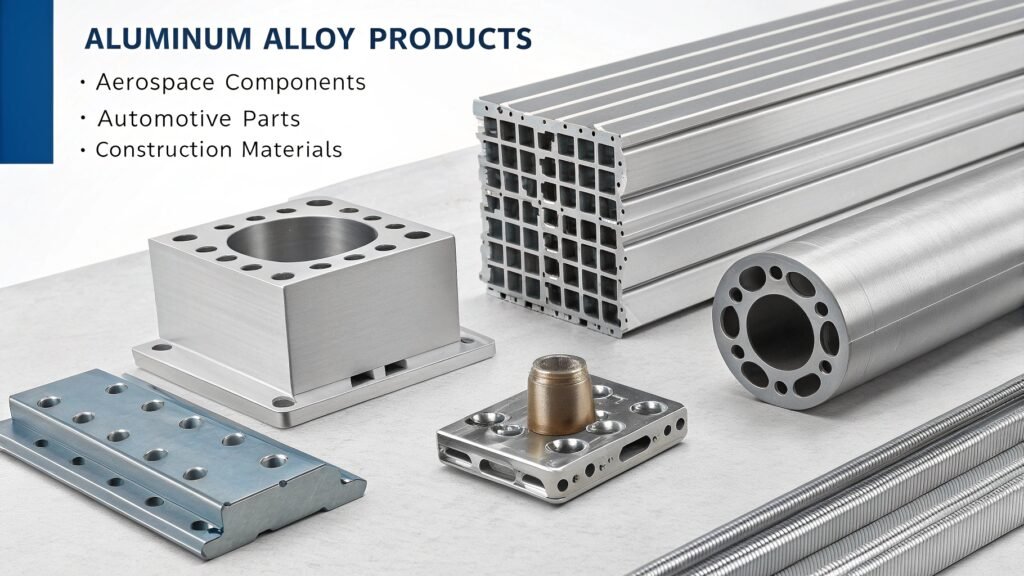
SWA Forging utilizes the strengths of the 6xxx series, particularly 6061, to create robust and reliable components through our forging process. While common in many industries, our specialized forging of large-diameter rings and discs from 6061 alloy enhances its inherent properties, offering improved strength, enhanced dimensional stability, and superior fatigue resistance compared to standard extruded or cast products. This makes our forged 6xxx series components ideal for demanding structural applications where precision and durability are paramount, extending their utility beyond typical uses.
Common Alloys & Applications
Are you looking for a quick reference to popular aluminum alloys and where they are typically used? Understanding these common examples can help clarify alloy selection.
**Beyond the broad series classifications, specific aluminum alloys are recognized for their unique performance characteristics and wide-ranging applications.
- 2024: A high-strength aluminum alloy with copper as the primary alloying element. Known for its excellent fatigue resistance and good strength-to-weight ratio, it’s widely used in aircraft structures, particularly fuselage skins, wing structures, and rivets where high tensile strength and durability are critical.
- 5083: This aluminum-magnesium alloy is highly regarded for its exceptional corrosion resistance, especially in marine environments, and excellent weldability. It's commonly used in shipbuilding, offshore platforms, pressure vessels, truck bodies, and rail cars. Its strength is quite high for a non-heat-treatable alloy.
- 6061: Perhaps the most versatile alloy, 6061 offers a good balance of strength, corrosion resistance, weldability, and formability. It's used extensively in general-purpose applications, including construction, automotive parts, pipelines, frames for bicycles, and structural components in aircraft.
- 7075: One of the strongest aluminum alloys available, primarily due to its zinc content. It offers extremely high tensile and yield strength, making it ideal for highly stressed structural parts in aircraft (like wing spars and fuselage components), military equipment, and high-performance sporting goods.
The choice of alloy is always dictated by the specific requirements of the application, considering factors like strength needs, environmental exposure, fabrication methods, and cost.**
| Common Alloy | Primary Alloying Elements | Key Applications | Notable Properties |
|---|---|---|---|
| 2024 | Copper | Aircraft structures, fuselage skins, aircraft rivets | High strength, excellent fatigue resistance |
| 5083 | Magnesium | Marine applications, shipbuilding, pressure vessels, truck bodies | Excellent corrosion resistance, high strength, weldable |
| 6061 | Magnesium & Silicon | General purpose structure, automotive, construction, bicycles, aircraft components | Versatile, balanced properties, good corrosion resistance |
| 7075 | Zinc | Aircraft structures (wing spars), high-stress parts, military equipment | Highest strength, excellent strength-to-weight ratio |
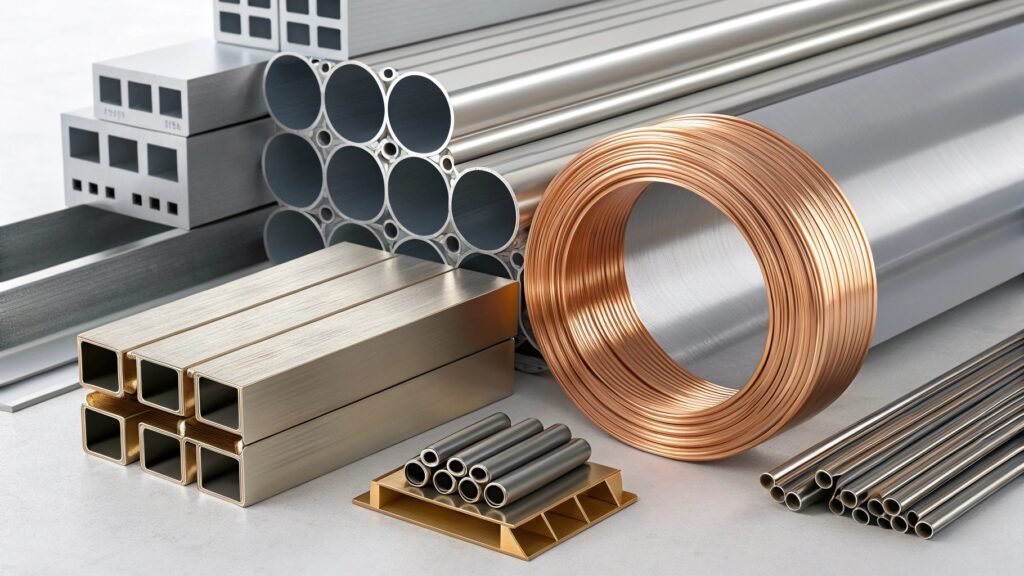
SWA Forging specializes in taking these common alloys and transforming them into superior components through our advanced forging capabilities. Whether it's 6061 for robust structural needs or 7075 for applications demanding the absolute highest strength, our large-diameter forged rings and discs provide a level of precision, consistency, and mechanical performance that surpasses standard manufacturing methods. We tailor our forging and heat treatment processes to unlock the full potential of these alloys for your most critical applications, ensuring optimal performance and reliability.
Conclusion
Understanding aluminum alloy grades—from high-strength 7xxx zinc alloys to versatile 6xxx magnesium-silicon alloys—is crucial. SWA Forging specializes in forging these, delivering custom, high-performance components optimized for your specific use.