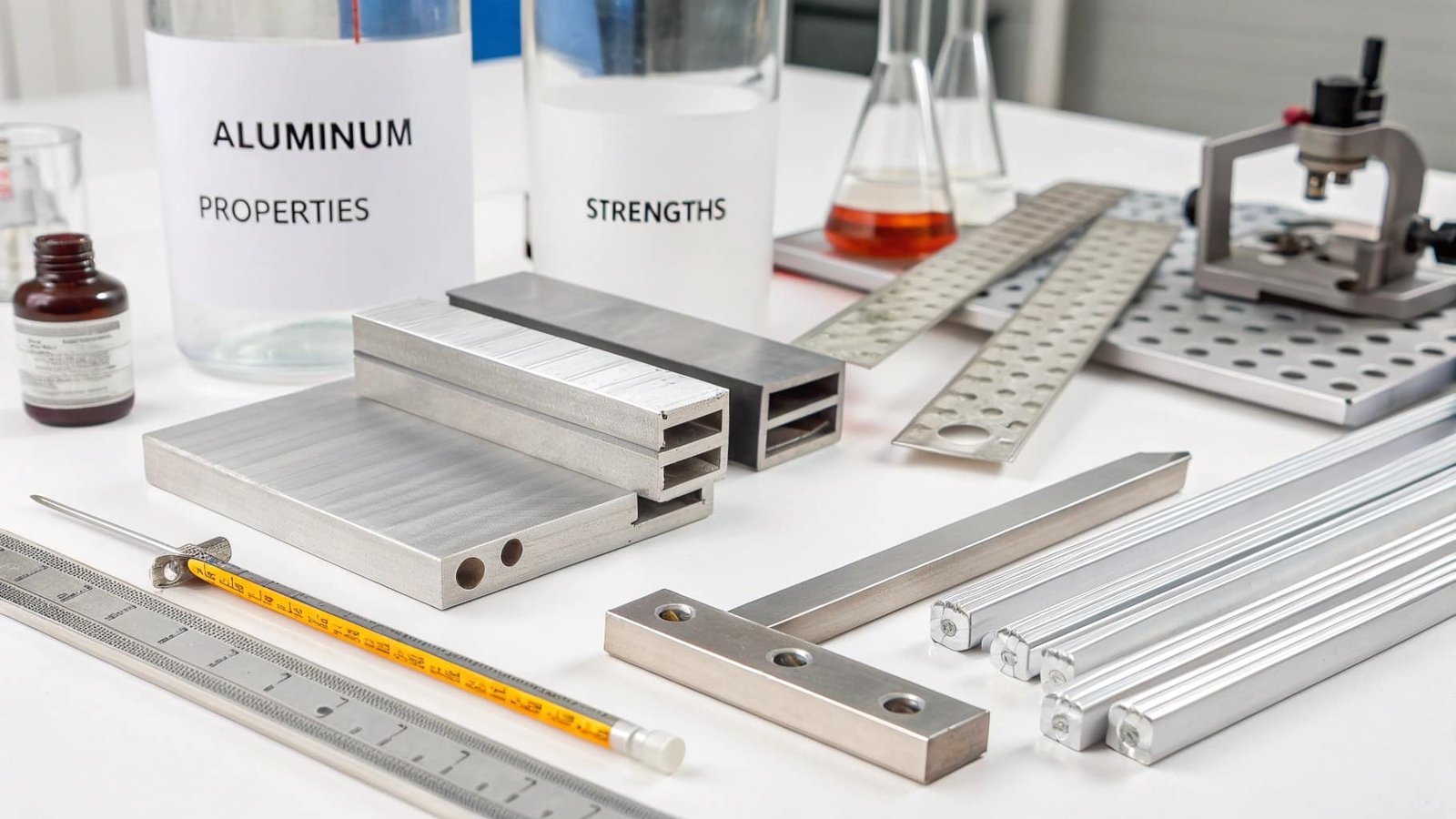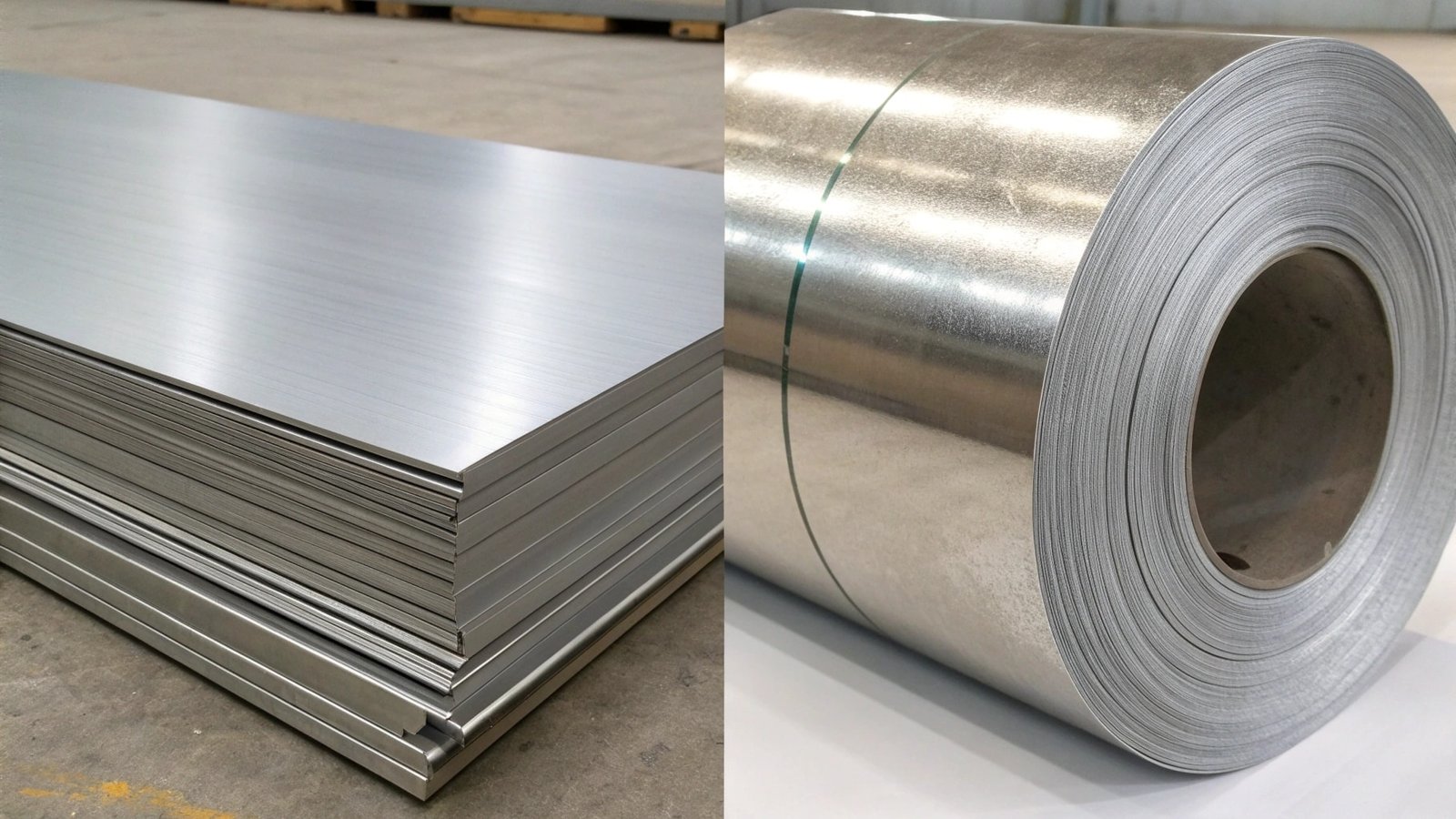
Are you curious about the wide world of aluminum alloys1 and how simple aluminum is transformed into materials that are essential for modern life? The secret is in what they're mixed with.
Aluminum alloys are found in an incredibly diverse range of products, from the critical components of aircraft and high-performance vehicles to everyday items like beverage cans, building materials, and electronic devices. Fundamentally, aluminum alloy is made by mixing pure aluminum with other elements, most commonly metals like copper, magnesium, silicon, zinc, and lithium. These added elements, even in small percentages, dramatically change the properties of the base aluminum. For instance, adding magnesium and silicon strengthens aluminum significantly, while adding copper can increase strength but reduce corrosion resistance. Examples of common aluminum alloys include 6061 (used in structural components, bikes, and cars), 7075 (known for its high strength, used in aircraft parts), and 1100 (nearly pure aluminum, used for its corrosion resistance and formability). While pure aluminum is not stronger than steel, high-strength aluminum alloys, especially when forged or heat-treated, can have a strength-to-weight ratio that surpasses that of many steels, making them ideal for applications where weight is a critical factor. The primary use of aluminum alloy is to enhance the properties of pure aluminum, making it stronger, harder, more heat-resistant, or providing other desirable characteristics for specific applications.
At SWA Forging, we are experts in harnessing the potential of aluminum alloys. We specialize in transforming these high-strength materials into large-diameter forged rings and discs. These components are engineered for demanding industrial applications where exceptional performance, durability, and reliability are not just desired but absolutely paramount for success.
What is aluminum alloy made of?
Are you trying to understand the basic composition of aluminum alloys and the elements that are combined with pure aluminum to create specialized materials? It's all about the mix.
An aluminum alloy is essentially pure aluminum that has been combined with one or more other elements to improve its properties. The pure aluminum serves as the base metal, providing its inherent lightness, good corrosion resistance, and electrical conductivity. The added "alloying elements" are typically metals such as copper (Cu), magnesium (Mg), silicon (Si), zinc (Zn), and manganese (Mn), but can also include lithium (Li), nickel (Ni), and tin (Sn). These elements are deliberately added in specific percentages during the melting and casting process. For example, adding magnesium and silicon creates the very popular 6xxx series alloys, known for their good strength and formability. Adding zinc and copper, in the 7xxx series, results in very high-strength alloys often used in aerospace. Even relatively small amounts of these alloying elements can drastically alter the aluminum's characteristics, making it stronger, harder, more resistant to heat, or easier to work with, depending on the specific combination and heat treatment applied.
| Base Metal | Primary Alloying Elements | Typical Resulting Properties |
|---|---|---|
| Aluminum (Al) | Copper (Cu) | Increased strength, reduced corrosion resistance, improved castability. |
| Magnesium (Mg) | Increased strength, improved corrosion resistance, good weldability. | |
| Silicon (Si) | Improved castability, improved wear resistance, reduced melting point. | |
| Zinc (Zn) | Very high strength achievable (especially with Mg and Cu), reduced corrosion resistance. | |
| Manganese (Mn) | Improved strength and hardness, slight impact on corrosion resistance. |
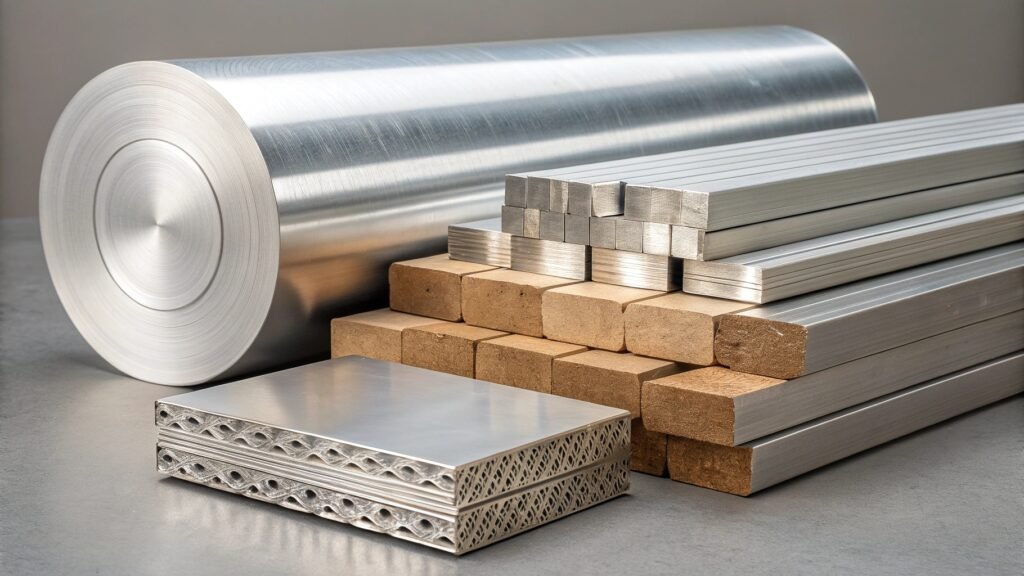
At SWA Forging, our expertise lies in selecting and processing specific aluminum alloys. We understand that the precise mix of alloying elements is critical to achieving the desired mechanical properties in our large-diameter forged rings and discs. By carefully choosing alloys tailored for strength and durability, like those in the 6xxx or 7xxx series, we ensure our products meet the highest performance standards demanded by industrial applications.
What are the examples of aluminum alloys?
Are you looking to identify some of the most common and important aluminum alloys that are used across various industries today? There are several widely recognized types.
Aluminum alloys are categorized into series based on their primary alloying elements, and these series contain numerous specific alloys. The main series and some common examples include: The 1xxx series (e.g., 1100, 1350) are over 99% pure aluminum and are chosen for excellent corrosion resistance and formability. The 2xxx series (e.g., 2014, 2024) are alloyed with copper and are known for very high strength but have reduced corrosion resistance and are difficult to weld. The 3xxx series (e.g., 3003, 3004) contain manganese as the primary alloying element and offer moderate strength with good workability and corrosion resistance, commonly used for cookware and beverage cans. The 4xxx series (e.g., 4043, 4047) have silicon as the main alloying element and are often used as welding filler materials. The 5xxx series (e.g., 5052, 5083) are alloyed with magnesium and provide a good balance of moderate strength, excellent corrosion resistance, and good weldability, making them popular for marine applications. The 6xxx series (e.g., 6061, 6063) are alloyed with magnesium and silicon, are heat-treatable, and offer a good combination of strength, corrosion resistance, and formability, widely used in structural applications. The 7xxx series (e.g., 7075, 7050) are alloyed primarily with zinc and are the strongest aluminum alloys, often used in demanding aerospace2 applications where high strength-to-weight ratio is critical.
| Alloy Series | Primary Alloying Element(s) | Common Examples | Key Characteristics | Typical Applications |
|---|---|---|---|---|
| 1xxx | Pure Al (>99%) | 1100, 1350 | Excellent corrosion resistance, high formability, low strength. | Chemical equipment, foil, electrical conductors. |
| 2xxx | Copper (Cu) | 2014, 2024 | High strength (heat-treatable), poor corrosion resistance, poor weldability. | Aircraft structures, high-strength fasteners. |
| 3xxx | Manganese (Mn) | 3003, 3004 | Moderate strength, good workability, good corrosion resistance. | Cookware, can bodies, brazing sheet. |
| 5xxx | Magnesium (Mg) | 5052, 5083 | Good strength, excellent corrosion resistance, good weldability. | Marine applications, truck bodies, tanks. |
| 6xxx | Magnesium (Mg), Silicon (Si) | 6061, 6063 | Good strength (heat-treatable), excellent corrosion resistance, good formability. | Structural components, building extrusions, automotive parts, bikes. |
| 7xxx | Zinc (Zn) | 7075, 7050 | Very high strength (heat-treatable), reduced corrosion resistance. | Aircraft structures, high-stress components. |
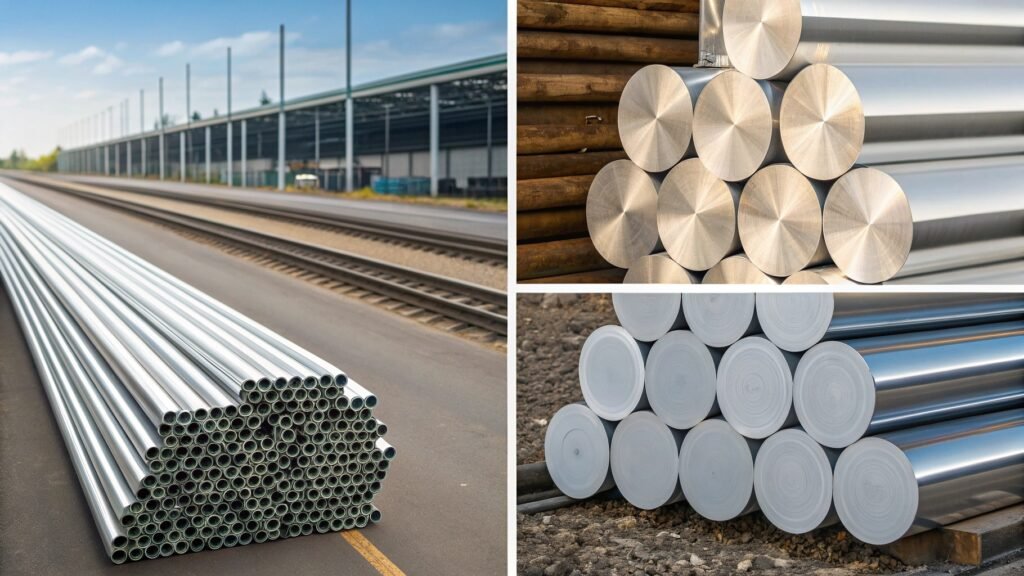
At SWA Forging, we work with several of these essential aluminum alloy series, particularly the 6xxx and 7xxx series, to produce large-diameter forged rings and discs. Our selection of alloys such as 6061 and others known for their strength and durability ensures that the components we deliver are ideally suited for the rigorous demands of industrial and manufacturing applications where superior mechanical performance is critical.
Is Al stronger than steel?
Are you asking if aluminum, especially in its alloyed and processed forms, can match or exceed the strength of steel? The answer needs careful consideration of what "strength" means and how aluminum is modified.
Pure aluminum (Al) is significantly weaker than most steels. However, when aluminum is alloyed and, more importantly, heat-treated or forged, its strength can be dramatically increased. High-strength aluminum alloys, such as those in the 7xxx series (like 7075) that have undergone specific heat treatments (e.g., T6 temper), can achieve tensile strengths that are comparable to, and in some cases even exceed, those of certain types of steel. The key difference often lies in the strength-to-weight ratio. Aluminum alloys typically have about one-third the density of steel. Therefore, even if a specific steel has a higher absolute tensile strength, an aluminum alloy of the same volume might be much lighter and still provide sufficient strength for an application, making it a more attractive option where weight reduction is crucial. So, while steel is generally stronger in terms of absolute tensile strength across the board, specific, advanced aluminum alloys can be stronger than some steels on a pound-for-pound basis (strength-to-weight ratio).
| Material Type | Typical Density (g/cm³) | Typical Ultimate Tensile Strength (MPa) | Strength-to-Weight Ratio (Relative) |
|---|---|---|---|
| Pure Aluminum (1xxx Series) | ~2.7 | 90-200 | Low |
| High-Strength Aluminum Alloys (e.g., 7075-T6) | ~2.8 | 500-570+ | High (can be higher than many steels) |
| Common Steels (e.g., Carbon Steel) | ~7.8 | 400-550+ | Moderate |
| High-Strength Steels (e.g., certain alloys) | ~7.8 | 1000+ | High, but aluminum alloys often have a better ratio due to lower density |
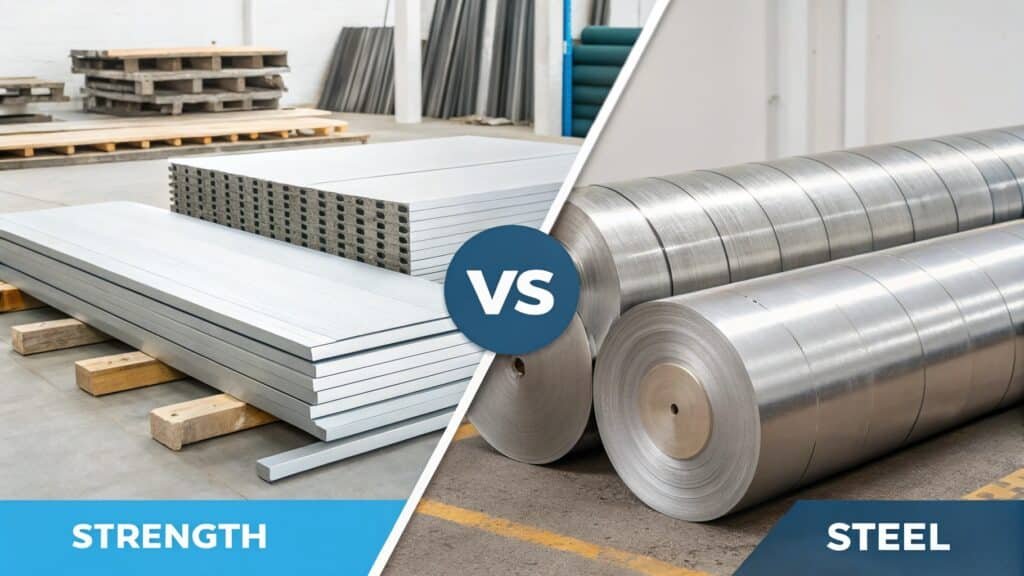
At SWA Forging, we leverage the exceptional strength-to-weight ratio of aluminum alloys. While we don't claim our forged aluminum is absolutely stronger than all steels, we deliver large-diameter rings and discs that offer superior performance for their weight. This means critical industrial applications benefit from lighter components that still possess the high tensile strength and durability required, a direct advantage derived from advanced aluminum alloys and precise forging techniques.
What is the use of aluminium alloy?
Are you wondering about the broad range of applications and purposes for which aluminum alloys are employed across different industries? Their versatility makes them indispensable.
Aluminum alloys are used across virtually every manufacturing sector because they offer a unique combination of properties that pure aluminum alone doesn't possess. Their primary use is to provide materials that are lightweight yet strong, resistant to corrosion, easily formable, and in some cases, have enhanced electrical or thermal conductivity. In the aerospace industry, their lightweight nature is crucial for fuel efficiency and performance. In the automotive sector, they reduce vehicle weight, improving fuel economy and handling. The construction industry uses them for their durability and corrosion resistance in building facades, window frames, and structural elements. In packaging, their inertness and formability make them ideal for food and beverage containers. They are also vital in electronics for heat sinks and casings, in marine applications for their resistance to saltwater, and in consumer goods for everything from cookware to sporting equipment. The ability to tailor their properties through alloying and heat treatment makes them an adaptable solution for a vast array of engineering challenges.
| Industry/Sector | Primary Uses of Aluminum Alloys | Key Beneficial Properties |
|---|---|---|
| Aerospace | Aircraft frames, wings, fuselage components, engine parts (where temperature allows), fasteners. | High strength-to-weight ratio, corrosion resistance, fatigue resistance. |
| Automotive | Engine blocks, wheels, body panels, chassis components, heat exchangers, structural parts. | Lightweighting for fuel efficiency, strength, corrosion resistance, recyclability. |
| Construction | Window and door frames, curtain walls, roofing, structural elements, railings, decorative finishes. | Corrosion resistance, durability, low maintenance, formability, recyclability. |
| Packaging | Beverage cans, food containers, foil for wrapping and cooking, pharmaceutical packaging. | Inertness, formability, barrier properties, recyclability, light weight. |
| Electronics | Heat sinks, casings for devices (laptops, smartphones), electrical connectors, busbars. | Excellent thermal and electrical conductivity (in specific alloys), lightweight, strength. |
| Marine | Boat hulls, decks, superstructures, offshore platform components, offshore equipment. | Excellent corrosion resistance (especially saltwater), strength, low weight. |
| Consumer Goods | Cookware, furniture, appliances, sporting equipment (bikes, sporting goods), lighting fixtures. | Durability, aesthetics, lightweight, corrosion resistance, cost-effectiveness (in some alloys). |

At SWA Forging, our specific use of aluminum alloys is focused on industrial applications where performance and durability are paramount. We shape high-strength aluminum alloys into large-diameter forged rings and discs, creating components that are essential for critical machinery, heavy equipment, and demanding infrastructure projects. Our work ensures that aluminum alloys are utilized to their full potential, providing the robust, reliable solutions that modern industry requires.
Conclusion
Aluminum alloys, made by adding elements to pure aluminum, offer enhanced strength and diverse properties like corrosion resistance, making them vital for aerospace, automotive, construction, and more. While potent, their strength-to-weight ratio is often their biggest advantage over other materials.