Skip to content
Are you curious about the fundamental differences between pure aluminum and the advanced materials used in modern manufacturing? It's a distinction that impacts performance and application.
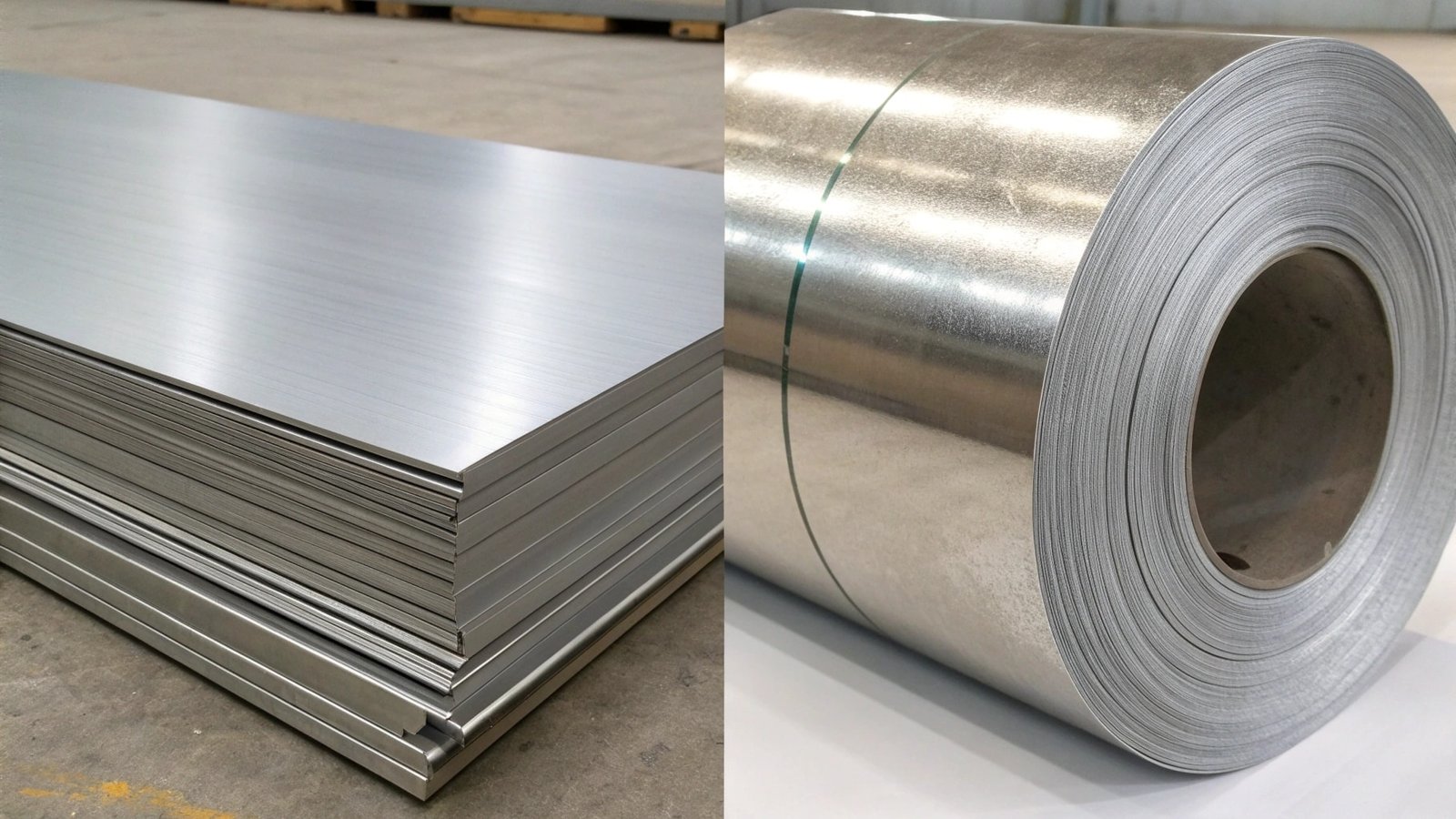
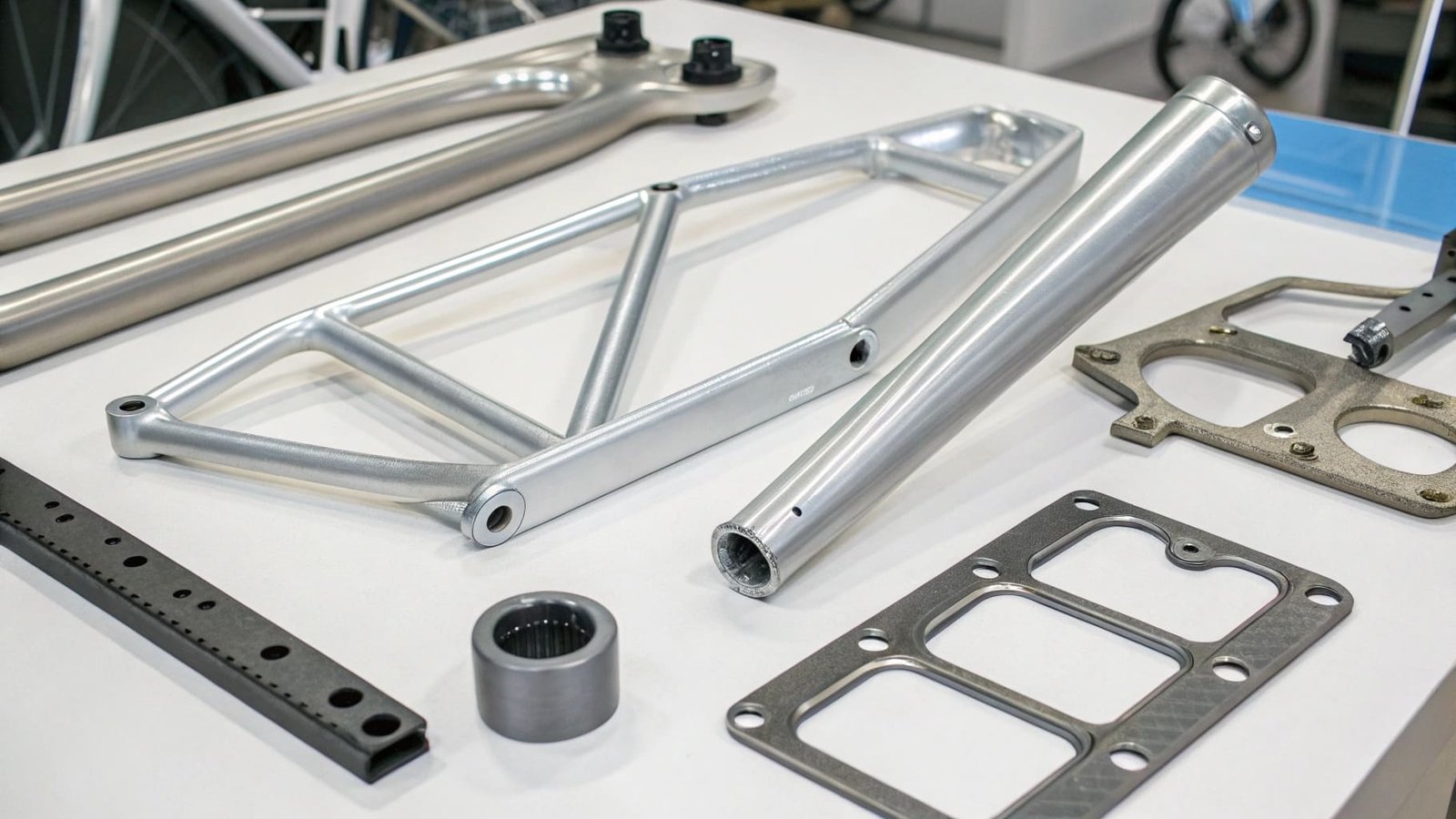
The primary difference lies in their composition: pure aluminum is nearly 100% aluminum, while aluminum alloys1 are combinations of aluminum with other elements. These added elements—like copper, magnesium, silicon, zinc, or manganese—are intentionally introduced to enhance specific properties of the base aluminum, such as strength, hardness, corrosion resistance, or heat treatability. Pure aluminum is relatively soft and easily shaped, making it excellent for electrical conductivity and corrosion resistance but less suitable for structural applications needing high strength. Aluminum alloys leverage these benefits while overcoming weaknesses; for example, adding zinc creates the very strong 7xxx series alloys used in aerospace. The term "aluminium" is the British spelling, while "aluminum" is the American spelling, and they refer to the same element. Aluminum alloys can be broadly categorized into wrought alloys (designed to be formed by mechanical processes like rolling or forging) and cast alloys (designed to be melted and poured into molds). SWA Forging specializes in custom aluminum alloy forgings, transforming raw materials into high-performance components. Our expertise ensures optimized material properties, superior to standard aluminum, for critical applications.
At SWA Forging, we focus on the advanced realm of aluminum alloys. We transform these engineered materials, not just pure aluminum, into high-performance custom forgings. Our specialized knowledge ensures that the material properties of our products are optimized, making them far superior to, and more capable than, standard aluminum for your most demanding critical applications requiring strength and durability.
What is the difference between aluminium and aluminium alloys?
Are you wondering why different aluminum parts have such varied properties, from easily bent foil to extremely strong aircraft components? The key lies in their composition.
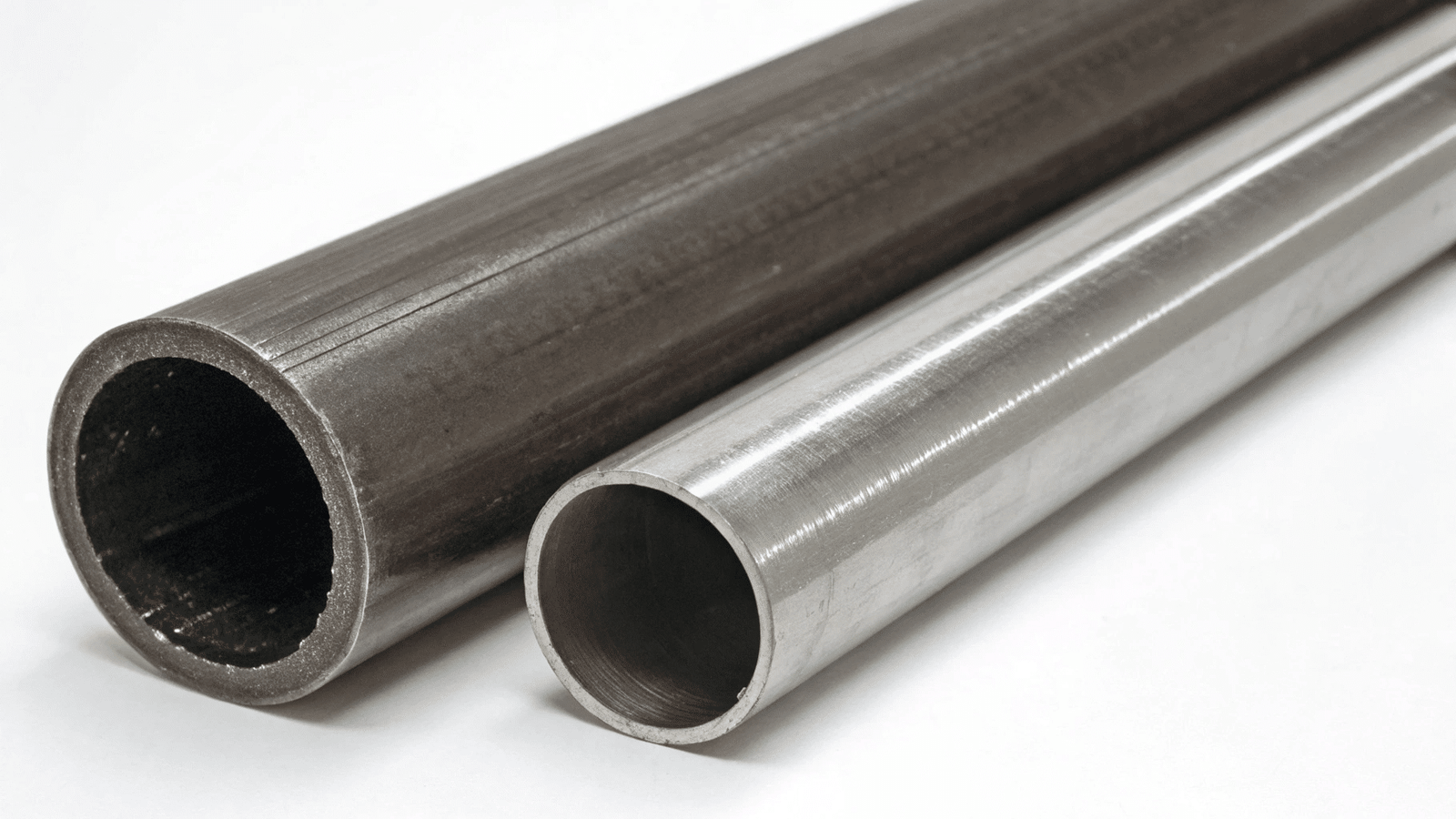
Pure aluminum, often referred to in its 1xxx series, is essentially elemental aluminum with very minimal additions of other elements (typically no more than 1% total). This purity gives it excellent corrosion resistance2 and very high electrical and thermal conductivity. However, pure aluminum is also quite soft and has low mechanical strength, limiting its use in structural applications. Aluminum alloys, on the other hand, are combinations of aluminum with intentionally added alloying elements like copper, magnesium, silicon, zinc, manganese, iron, and nickel. These additions dramatically alter the material's properties. For example, adding magnesium and silicon creates the versatile 6xxx series alloys, known for their good strength and formability. Adding zinc, as in the 7xxx series, results in exceptionally high-strength alloys suitable for aerospace. The specific type and amount of alloying elements determine whether an alloy is stronger, harder, more corrosion-resistant, more heat-treatable, or more ductile than pure aluminum or other alloys.
| Feature | Pure Aluminum (1xxx Series) | Aluminum Alloys (e.g., 6xxx, 7xxx) |
|---|---|---|
| Composition | ~99% Aluminum, minimal other elements | Aluminum plus significant deliberate additions of other elements |
| Mechanical Strength | Low | Moderate to Very High (significantly stronger than pure aluminum) |
| Hardness | Low | Moderate to High |
| Corrosion Resistance | Excellent | Generally Good to Excellent, but can vary with alloy composition |
| Electrical/Thermal Conductivity | Very High | Good, but reduced compared to pure aluminum due to alloying elements |
| Heat Treatability | Not significantly heat treatable for strength | Many alloys are heat treatable to achieve specific properties (e.g., 6xxx, 7xxx) |
| Applications | Electrical wiring, foil, chemical equipment, decorative trim | Aerospace, automotive, construction, marine, high-stress structural parts |

At SWA Forging, our entire focus is on crafting components from aluminum alloys. We understand that pure aluminum, while useful, lacks the strength and resilience for many industrial demands. Our expertise lies in selecting and processing the right aluminum alloy, each engineered with precise additions, to create custom forgings that offer superior performance and durability for your specific applications, transforming basic materials into advanced functional parts.
What are the alloys of aluminium?
When searching for aluminum materials, you'll encounter designations like 6061 or 7075. What do these numbers tell you, and what are the main categories they fall into?
Alloys of aluminum are classified into several main series, indicated by a four-digit numbering system established by the Aluminum Association. This system categorizes alloys based on their primary alloying elements, which significantly dictate their properties. The main series are:
- 1xxx Series: Pure Aluminum (99.00% or more aluminum). Very good corrosion resistance, high conductivity, good formability, but low strength. (Example: 1100)
- 2xxx Series: Aluminum-Copper alloys. High strength, heat-treatable, but generally have poor corrosion resistance and are not readily weldable. Often used in aerospace.
- 3xxx Series: Aluminum-Manganese alloys. Moderate strength, good workability and corrosion resistance. Not heat-treatable. Often used for general purpose sheet metal. (Example: 3003)
- 5xxx Series: Aluminum-Magnesium alloys. Good strength, excellent corrosion resistance (especially in marine environments), and good weldability. Not heat-treatable for strength but can be strengthened by cold working. (Example: 5052, 5083)
- 6xxx Series: Aluminum-Magnesium-Silicon alloys. Medium to high strength, good formability, good corrosion resistance, and are heat-treatable. Very versatile and widely used. (Example: 6061, 6063)
- 7xxx Series: Aluminum-Zinc alloys. The highest strength aluminum alloys, heat-treatable, with good fatigue strength. Often used in aerospace. Corrosion resistance can be a concern, requiring careful alloy selection and protection. (Example: 7075)
There are also specific categories for cast aluminum alloys, which are designed to be melted and poured, and these have their own numbering systems (e.g., A356).
| Series | Primary Alloying Element(s) | Typical Strength | Corrosion Resistance | Weldability/Formability | Common Applications |
|---|---|---|---|---|---|
| 1xxx | None (Pure Al) | Low | Excellent | Excellent | Electrical conductors, foil, chemical industry |
| 2xxx | Copper (Cu) | High | Poor | Poor | Aerospace structures, high-strength fasteners |
| 3xxx | Manganese (Mn) | Moderate | Good | Good | Cookware, general sheet metal products |
| 5xxx | Magnesium (Mg) | Medium to High | Excellent (Marine) | Very Good | Marine structures, truck bodies, tanks |
| 6xxx | Magnesium (Mg), Silicon (Si) | Medium to High | Good | Good | Construction, automotive parts, frames, general structures |
| 7xxx | Zinc (Zn), Magnesium (Mg) | Very High | Fair to Good | Fair | Aerospace, high-performance sporting goods, military equipment |

At SWA Forging, our expertise is deeply rooted in understanding and working with these various aluminum alloy series, particularly the high-performance 6xxx and 7xxx series. We select, process, and forge these alloys to create custom components that precisely match the property requirements—strength, corrosion resistance, and formability—demanded by critical industrial applications, ensuring optimal material performance.
What is the difference between aluminium and aluminum?
Are you occasionally confused by the different spellings of this common metal? The distinction is purely linguistic, not scientific.
The difference between "aluminium" and "aluminum" is simply a matter of spelling convention. "Aluminium" is the spelling used in the United Kingdom, Ireland, Australia, New Zealand, and other Commonwealth countries, reflecting the original name given to the element by its discoverer, Sir Humphry Davy, who named it "alumium" and later modified it to "aluminium." "Aluminum" is the spelling predominantly used in the United States and Canada. This change in spelling in the US is attributed to lexicographer Noah Webster, who aimed to simplify spellings. Despite the different spellings, both "aluminium" and "aluminum" refer to the same chemical element, with atomic number 13, a lightweight, silvery-white, post-transition metal renowned for its low density, high conductivity, and excellent corrosion resistance.
| Spelling | Geographical Origin/Usage | Historical Context |
|---|---|---|
| Aluminium | United Kingdom, Commonwealth countries | Reflects the original nomenclature proposed by Sir Humphry Davy, aiming for consistency with other "-ium" named elements like sodium and potassium. |
| Aluminum | United States, Canada | A simplified spelling popularized by Noah Webster, who sought to regularize American English spelling and often dropped the "-ium" ending from Latinate words. |
| Both | Refer to the same chemical element | The element itself, atomic number 13, with its characteristic properties (lightweight, malleable, ductile, good conductor of heat and electricity, forms a protective oxide layer). |

At SWA Forging, whether we're discussing our raw aluminum stock or our finished aluminum alloy forgings, the material itself is always the same element. We ensure that regardless of the spelling convention our clients prefer, the quality and performance of our high-integrity forged components made from advanced aluminum alloys consistently meet the highest international standards for this remarkable metal.
What are the two types of aluminum alloys?
When discussing aluminum alloys, how are they broadly classified based on their manufacturing process and intended use? The answer usually falls into two primary categories.
Aluminum alloys are most commonly divided into two major categories based on how they are processed to achieve their final form and properties: wrought alloys and cast alloys. Wrought aluminum alloys are those that are shaped by mechanical working, such as rolling, extrusion, drawing, or forging, at temperatures below their melting point. This process refines the grain structure and enhances mechanical properties, making them generally stronger and tougher than cast alloys. They are often designated by a four-digit series (1xxx-7xxx). Cast aluminum alloys, on the other hand, are designed to be melted and then poured into molds to achieve their desired shape. They typically contain higher amounts of alloying elements, particularly silicon, to improve fluidity and reduce shrinkage during solidification. Cast alloys are often used for complex shapes that would be difficult or impossible to achieve through wrought processes, though they may have lower ductility and toughness compared to their wrought counterparts. While excellent for specific applications, cast parts can sometimes have porosity issues that limit their suitability for very high-stress, fatigue-critical components.
| Category | Description | Primary Manufacturing Process | Typical Properties | Common Series/Designations | Examples of Use |
|---|---|---|---|---|---|
| Wrought Alloys | Shaped by mechanical working (rolling, extrusion, forging, drawing) below melting point. | Forging, Rolling, Extrusion, Drawing | Generally higher strength, better ductility and toughness, refined grain structure. | 1xxx, 2xxx, 3xxx, 5xxx, 6xxx, 7xxx series | Aircraft structures, automotive components, construction beams, pipes, frames, plates, bars. |
| Cast Alloys | Shaped by melting and pouring into molds. | Casting (e.g., Sand Casting, Die Casting, Investment Casting) | Suitable for complex shapes, can contain higher alloy content, generally lower ductility and toughness, potential for porosity. | First digit is usually '1' or '4' (e.g., 1xx.x for aluminum, 4xx.x for Al-Si based). | Engine blocks, cylinder heads, impellers, pump housings, decorative items, intricate machine parts. |

At SWA Forging, we exclusively work with wrought aluminum alloys. Our expertise lies in the forging process, a highly controlled method of mechanical working that allows us to create large-diameter rings and discs with exceptional strength, integrity, and precise material properties. This focus on wrought alloys enables us to produce high-performance components that significantly outperform many cast alternatives in demanding industrial environments.
Conclusion
Aluminum alloys are engineered materials that enhance pure aluminum's properties, classified by their alloying elements (1xxx-7xxx series) and processing type (wrought vs. cast), offering specialized performance for diverse applications.