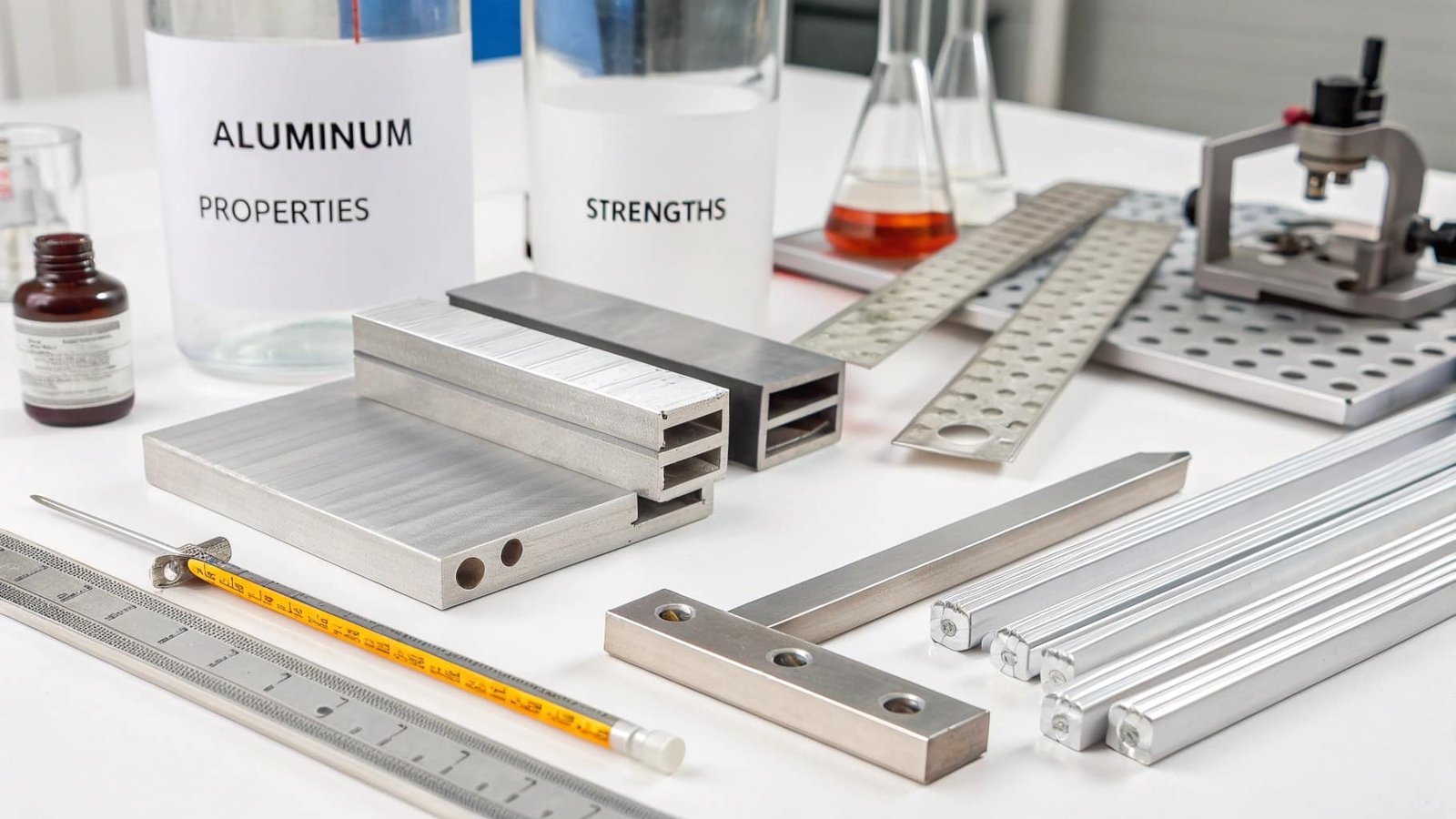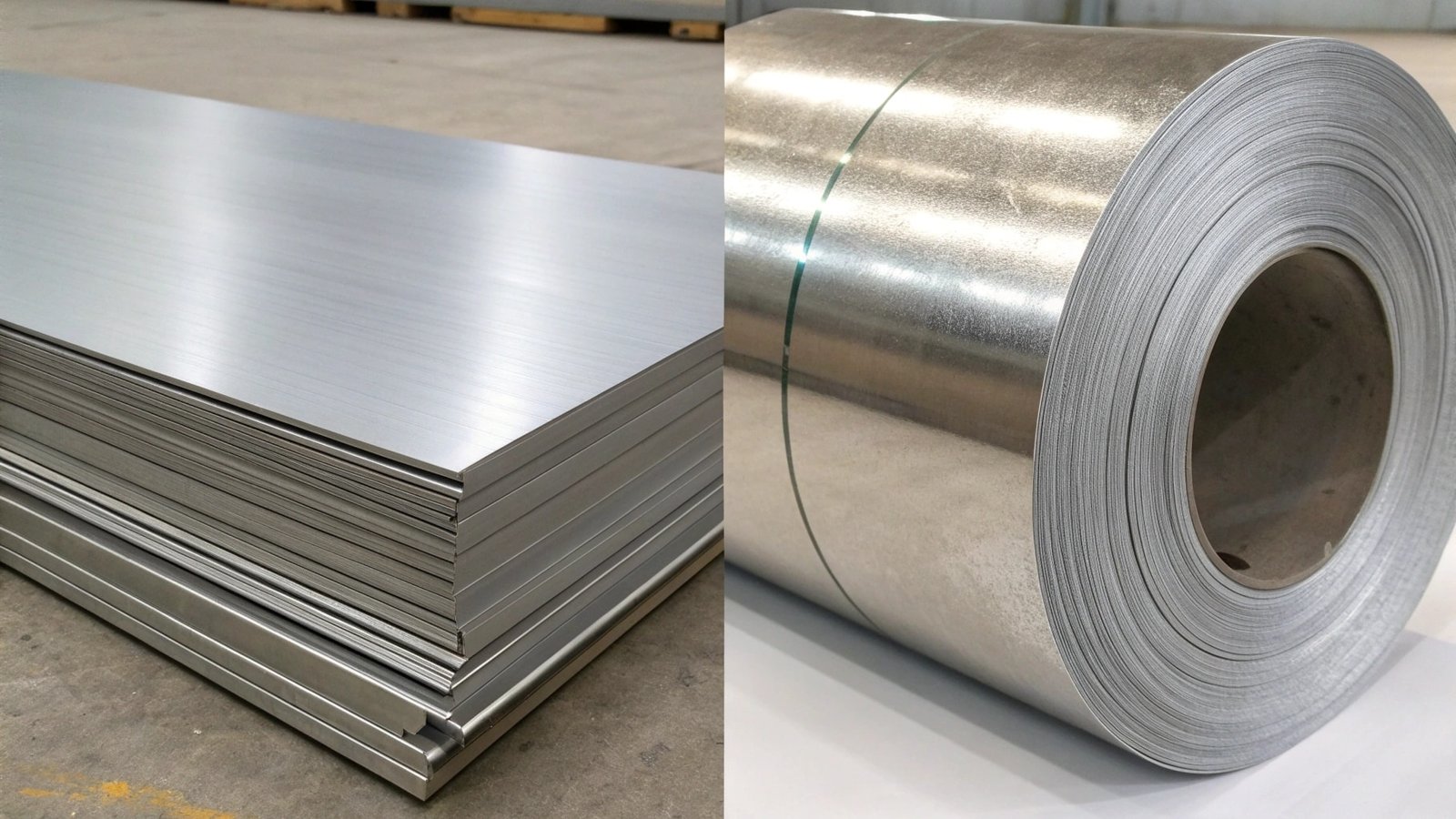
Aerospace1 demands lightweight yet incredibly strong materials. Aluminum alloys are a cornerstone of modern aircraft construction.
Aluminum is used extensively in aerospace due to its exceptional strength-to-weight ratio2, corrosion resistance3, and relatively low cost compared to other high-performance metals. Components ranging from aircraft fuselages, wings, internal structures, and engine parts are commonly made from aluminum alloys. While 6061 aluminum is a versatile alloy used in many industries, it is not typically considered "aerospace grade" for primary structural components in modern commercial or military aircraft where higher-strength alloys are mandated. Instead, alloys like 2024, 7075, and 7050, which offer superior strength and fatigue resistance, are more commonly used for critical aerospace applications; however, 6061 might be found in less critical areas like interior fittings or some secondary structures. Aerospace-grade aluminum is considered "good" because it is engineered to meet extremely stringent standards for performance, reliability, and safety, often involving detailed chemical compositions, mechanical property requirements, and rigorous testing. NASA, like other major aerospace organizations, extensively uses aluminum alloys in spacecraft and rocket construction due to its favorable properties, making it indispensable for achieving both performance and economic feasibility in space exploration.
At SWA Forging, we understand the critical nature of aerospace applications. We craft aerospace-grade aluminum alloy forged components that deliver superior strength-to-weight ratios and exceptionally tight tolerances, meeting the most stringent industry demands. Our focus is on delivering the precise material properties required for the safety and performance of aircraft and spacecraft.
What is aluminum used for in aerospace?
The demand for lighter, stronger, and more fuel-efficient aircraft has made aluminum a material of choice. Where specifically is aluminum found in an aircraft or spacecraft?
Aluminum alloys4 play a vital role throughout aerospace structures, contributing to both airframes and spacecraft. For aircraft, large sections of the fuselage, wing skins, spars, and ribs are frequently constructed from aluminum. These components require materials that are both strong enough to withstand aerodynamic forces and light enough to reduce fuel consumption. Internal structures, such as bulkheads, seat tracks, and mounting brackets, also utilize aluminum for its strength and ease of fabrication. In engines, while high-temperature components might use specialized alloys or titanium, aluminum alloys can be found in sections requiring less extreme heat resistance. For spacecraft, aluminum alloys are essential for rocket bodies, propellant tanks, satellite structures, and a wide array of internal components. Its low density is particularly advantageous in space applications where every kilogram reduces launch costs. The consistent properties and reliability of specialized aerospace aluminum alloys allow for predictable performance under extreme conditions.
| Aircraft/Spacecraft Component | Primary Aluminum Alloy Series Used (Examples) | Key Property Requirements |
|---|---|---|
| Fuselage Construction | 2000 Series (e.g., 2024), 7000 Series (e.g., 7075, 7050) | High strength-to-weight ratio, fatigue resistance, formability for curvature, fracture toughness. |
| Wing Structures (Skins, Spars, Ribs) | 2000 Series, 7000 Series | Exceptional strength for aerodynamic loads, high fatigue resistance for repeated stress cycles, stiffness. |
| Internal Structures (Bulkheads, Brackets) | 6000 Series (e.g., 6061), 2000 Series | Good strength, ease of fabrication and assembly, corrosion resistance, moderate cost. |
| Engine Components (Non-heated) | 6000 Series, 7000 Series | Good strength and stiffness, resistance to moderate temperatures, machinability. |
| Rocket Bodies & Fuel Tanks | 2000 Series, 7000 Series | Extreme strength-to-weight ratio, low-temperature toughness, resistance to internal pressure and external loads. |
| Satellite Structures | 6000 Series, 7000 Series | Lightweight, rigidity, dimensionally stable, good thermal properties, corrosion resistance (for launch and space environment). |
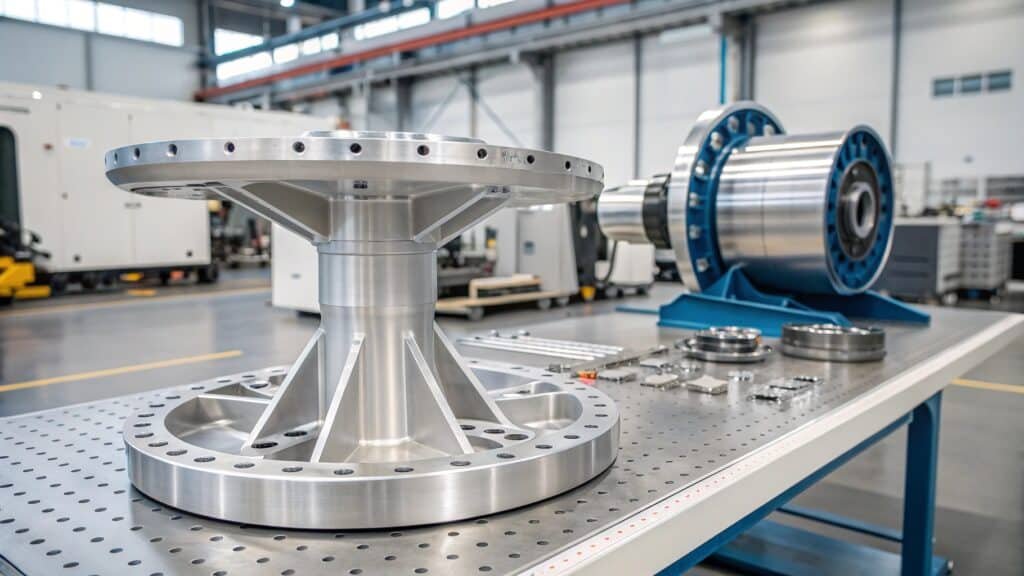
At SWA Forging, our expertise lies in producing custom-forged components for specialized applications, including those within the aerospace sector. We ensure that our large-diameter forged rings and discs, when specified for aerospace, meet the stringent strength, precision, and specific alloy requirements that are so critical for airworthiness and space mission success.
Is 6061 aluminum aerospace grade?
The term "aerospace grade" implies a higher standard. Does the widely used 6061 aluminum alloy meet these elevated requirements?
Generally, 6061 aluminum5 is not considered "aerospace grade" for primary structural components in modern commercial or military aircraft and spacecraft. While 6061 is a strong, versatile, and widely used alloy in many industries, including general aviation for secondary structures or interior fittings, alloys with higher strength and fatigue resistance are typically required for critical applications such as aircraft skins, wings, fuselages, and major structural elements under high stress. Aerospace-grade applications commonly utilize alloys from the 2000 series (e.g., 2024) and the 7000 series (e.g., 7075, 7050), which offer significantly higher tensile strength, yield strength, and fatigue life. These specialized alloys are engineered and certified to withstand the extreme demands and safety standards of the aerospace industry. Therefore, while 6061 can be found in aerospace—often in less critical roles—it generally does not meet the stringent material specifications for primary flight structures.
| Alloy Comparison | 6061 Aluminum | Primary Aerospace Alloys (e.g., 7075, 2024) |
|---|---|---|
| Primary Use Cases | General engineering, construction, automotive parts, bicycle frames, secondary aircraft structures, interior fittings. | Primary aircraft structures (fuselage skins, wings, spars), high-stress components in aircraft and spacecraft, critical structural elements. |
| Strength (Tensile/Yield) | Moderate to high, especially in T6 temper (~310 MPa UT). | Significantly higher, especially in specific tempers (~570+ MPa UT for 7075-T6, ~495 MPa UT for 2024-T3). |
| Fatigue Resistance | Good for its strength class. | Superior fatigue resistance, crucial for components subjected to repeated stress cycles during flight. |
| Corrosion Resistance | Excellent. | Fair to Good; generally lower than 6061, often requiring protective coatings or more careful maintenance. |
| Weldability/Formability | Good weldability and formability. | More challenging weldability (especially 7075, which is often not welded in critical areas) and moderate formability. |
| "Aerospace Grade" Status | Generally not considered for primary structural applications due to strength limitations compared to specialized alloys. Acceptable for secondary or non-critical components. | Widely considered "aerospace grade" due to meeting rigorous requirements for strength, fatigue life, and fracture toughness necessary for safety-critical flight components. |
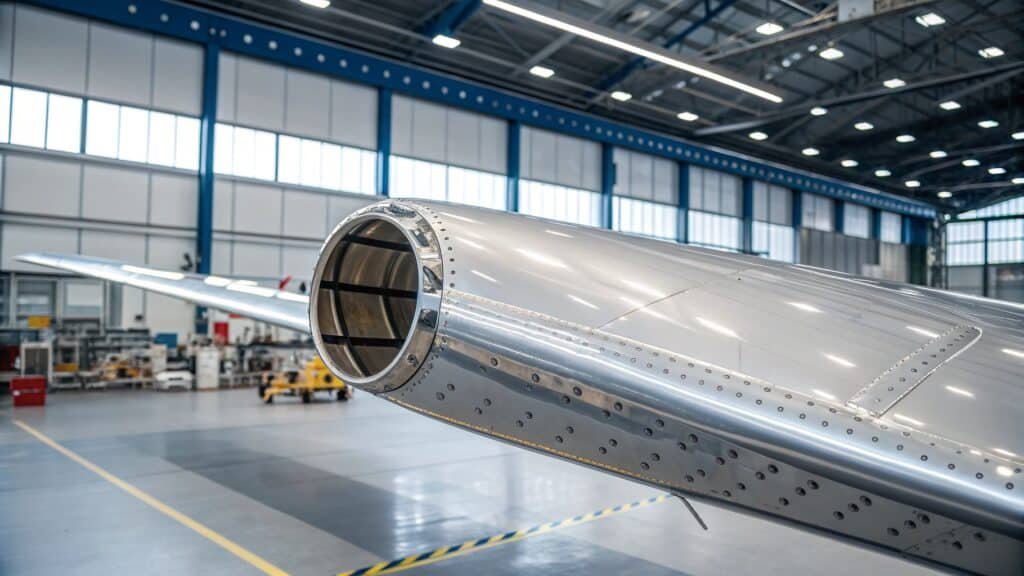
While 6061 may not be the alloy of choice for critical flight structures, SWA Forging understands the nuances of material selection in aerospace. We forge components from alloys that are considered aerospace grade, focusing on those that offer enhanced strength-to-weight characteristics and meet ISO and other relevant quality standards, ensuring our products contribute to the safety and performance of demanding aerospace applications.
Is aerospace grade aluminum good?
The term "aerospace grade" is often used to denote superior quality. What are the specific characteristics that make an aluminum alloy "aerospace grade," and why is it considered so good?
Aerospace grade aluminum is considered "good" because it is specifically engineered and rigorously tested to meet extremely high standards for performance, reliability, and safety, which are paramount in aviation and space exploration. These materials are typically selected for their exceptional strength-to-weight ratio, high fatigue resistance, fracture toughness, and predictable behavior under extreme conditions (temperature variations, stress cycles, corrosive environments). Unlike general-purpose alloys, aerospace grades often have tighter chemical composition controls and undergo more stringent mechanical property testing, including tests for tensile strength, yield strength, elongation, hardness, and fatigue life. Alloys like 7075, 2024, and 7050 are prime examples of aerospace grades due to their superior performance characteristics. This high level of quality and performance ensures that aircraft and spacecraft can operate safely and efficiently, often with significant weight savings compared to using less specialized materials.
| Quality Metric | General Purpose Aluminum Alloys | Aerospace Grade Aluminum Alloys | Significance for Aerospace |
|---|---|---|---|
| Strength | Moderate to good | Very High (superior tensile, yield, and fatigue strength). | Enables lighter designs, higher payloads, enhanced structural integrity under flight loads. |
| Weight | Good strength-to-weight ratio | Exceptional strength-to-weight ratio. | Crucial for fuel efficiency and performance. Every kilogram saved translates to significant operational benefits. |
| Fatigue Resistance | Adequate for many general applications | Excellent; critical for components enduring repeated stress cycles during flight. | Prevents structural failure over the lifespan of the aircraft/spacecraft. |
| Fracture Toughness | Good | High; ability to resist crack propagation. | Enhances safety by ensuring that minor flaws do not lead to catastrophic failure. |
| Corrosion Resistance | Generally excellent | Fair to Good (may require protective coatings); performance optimized for strength. | Performance may be slightly compromised in favor of strength, requiring specific maintenance and protection strategies. |
| Processing Controls | Standard industry controls | Extremely strict controls on composition, heat treatment, forming, and testing. | Ensures predictable and reliable performance under extreme operating conditions. |
| Certification | Basic industry standards | Rigorous certification (e.g., AMS, MIL-SPEC, FAA approvals) for traceability and compliance. | Guarantees material meets safety-critical performance parameters. |
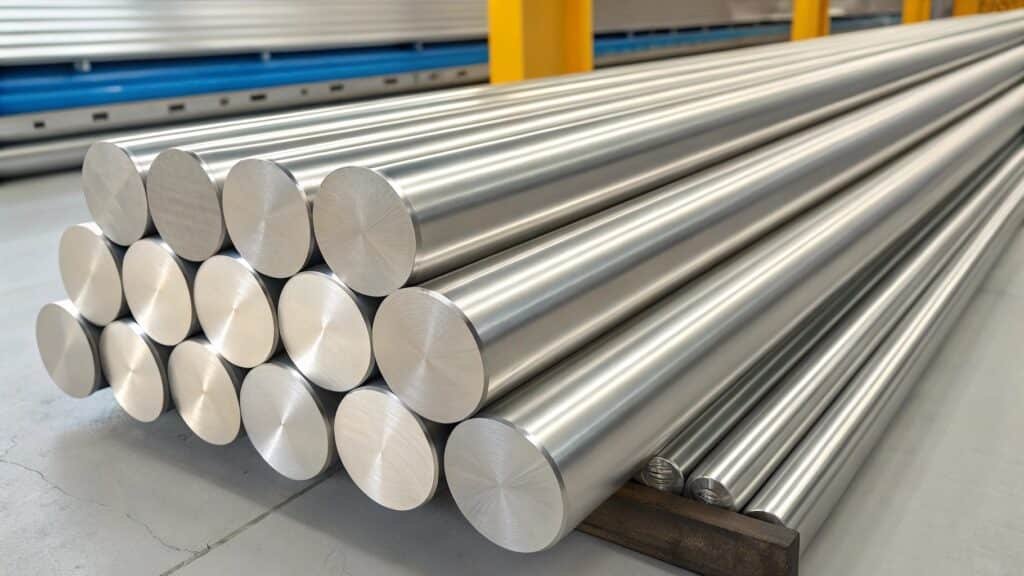
At SWA Forging, our commitment to quality means our forged components are manufactured to meet the exacting standards required by demanding industries, including aerospace. We leverage precise control over material specifications and forging processes to achieve superior mechanical properties, offering our clients the "good" performance and reliability needed for critical applications, even if the alloy isn't labeled universally as "aerospace grade" but rather engineered to specific high-performance metrics.
Does NASA use aluminum?
Space exploration pushes the boundaries of material science, requiring materials that can perform reliably under extreme conditions. Does NASA rely on aluminum for its missions?
Yes, NASA absolutely uses aluminum extensively in its spacecraft and rocket programs. Aluminum alloys are indispensable components in space exploration due to their excellent balance of properties, particularly their high strength-to-weight ratio and relatively lower cost compared to other high-performance metals like titanium or specialized composites. Aluminum alloys are used in the construction of rocket bodies, including large structures like fuel tanks, interstage structures, and engine components. For spacecraft, aluminum is found in structural frames, instrument housings, satellite bodies, and various internal systems. Its ability to be formed into complex shapes, its good corrosion resistance (important for manufacturing and launch conditions), and its well-understood properties make it a versatile material for decades of space missions. While advanced composites are increasingly used for specific components where extreme weight savings are paramount, aluminum remains a foundational material in NASA's engineering toolkit for its proven reliability and cost-effectiveness.
| Application Area | Common NASA Uses of Aluminum Alloys | Key Benefits Provided by Aluminum |
|---|---|---|
| Rocket Propulsion Systems | Fuel Tanks: Large, lightweight tanks for cryogenic fuels (liquid hydrogen, liquid oxygen). Engine Components: Housings and some structural parts not exposed to extreme combustion temperatures. Interstage Structures: Connecting different stages of a multi-stage rocket. | High Strength-to-Weight Ratio: Crucial for reducing launch mass, improving payload capacity, and lowering fuel requirements. Low-Temperature Toughness: Essential for handling cryogenic fuels. Cost-Effectiveness: Makes large-scale structures more economical. |
| Spacecraft Structures | Spacecraft Bus/Frame: The main structural backbone of satellites and probes. Satellite Antennas & Solar Panel Mounts: Lightweight supports for critical systems. Instrument Housings: Protecting sensitive scientific equipment. Thermal Control Systems: Using its conductivity properties. | Lightweight Construction: Reduces launch mass significantly. Dimensional Stability: Maintains precise configurations for scientific instruments and pointing systems. Good Thermal Conductivity: Aids in managing internal temperatures. Machinability: Allows for complex, custom component designs. |
| Habitation Modules | Interior Structures: Framing, partition walls, attachment points for equipment within crewed spacecraft or space stations. | Ease of Fabrication: Allows for modular construction and customization. Fire Safety: Certain aluminum alloys have good fire resistance. Corrosion Resistance: Important for long-term storage and reusability. |
| Ground Support Equipment | Structures used for assembling, transporting, and integrating rockets and spacecraft on the launchpad. | Durability and Strength: Can withstand heavy loads and environmental exposure. Ease of Manufacturing: Allows for rapid production of necessary support structures. |
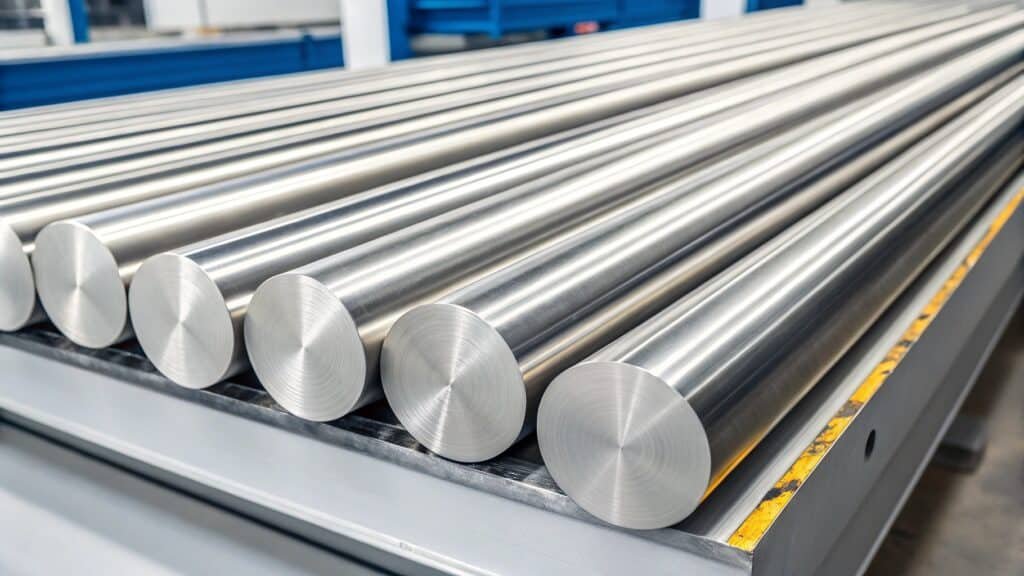
While SWA Forging does not directly supply NASA, we understand the critical importance of material integrity and mechanical performance in such high-stakes applications. We apply the same principles of precision forging and rigorous material specification to our aerospace-focused components, ensuring they possess the strength-to-weight characteristics and dimensional accuracy that aerospace engineers demand for their most critical designs, utilizing alloys that meet stringent requirements.
Conclusion
Aluminum is vital in aerospace for its strength-to-weight ratio; while 6061 is versatile, alloys like 7075 are aerospace grade, offering superior performance, and NASA extensively uses aluminum for its reliability, all areas SWA Forging excels in with specialized forged components.
-
Understanding aerospace materials is crucial for innovations in aviation and space exploration. ↩
-
Learn how this ratio impacts fuel efficiency and overall aircraft design. ↩
-
Discover the importance of corrosion resistance in ensuring aircraft longevity. ↩
-
Explore how aluminum alloys enhance aircraft performance and safety. ↩
-
Find out why 6061 aluminum is widely used, despite not being aerospace grade. ↩