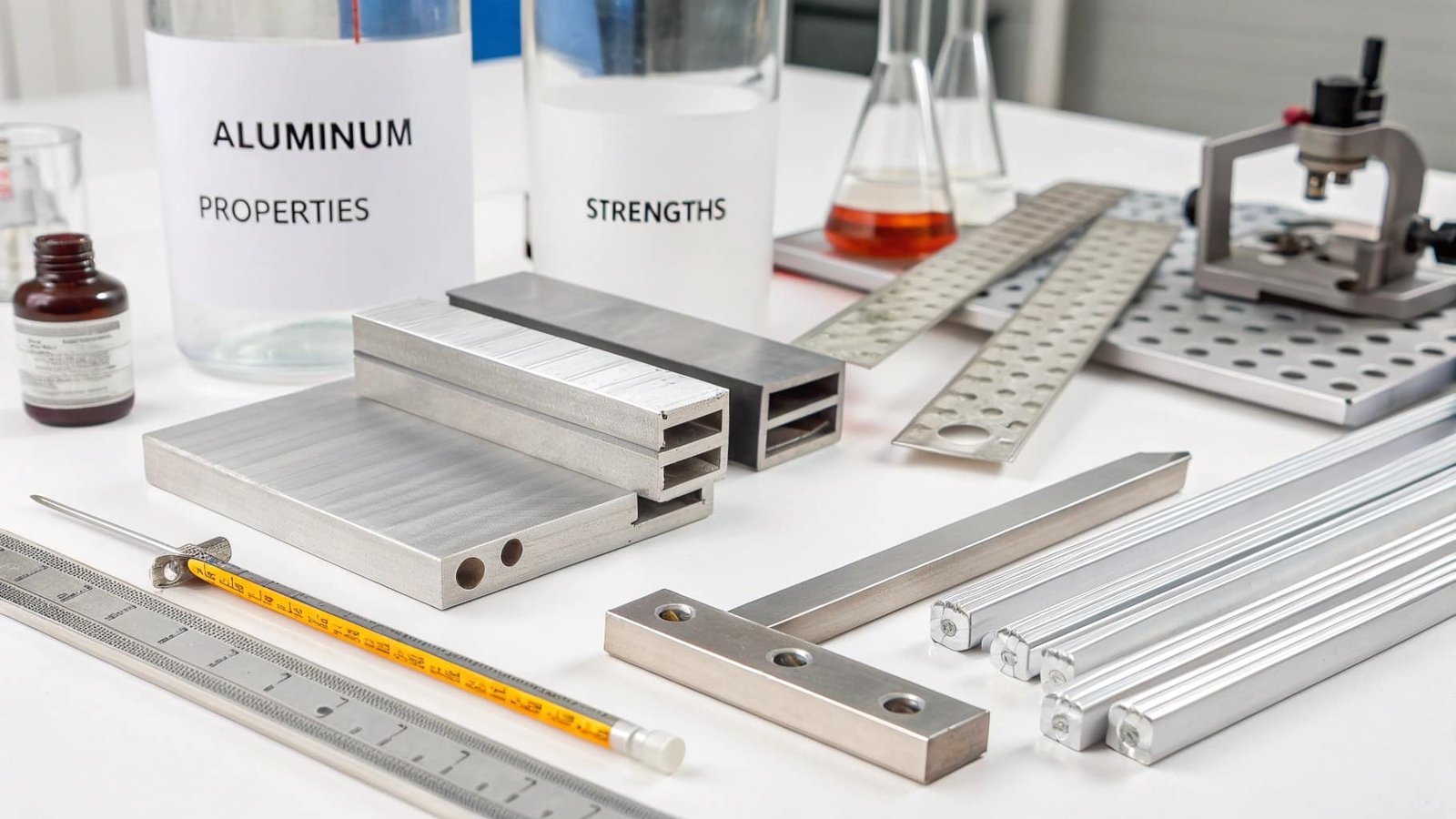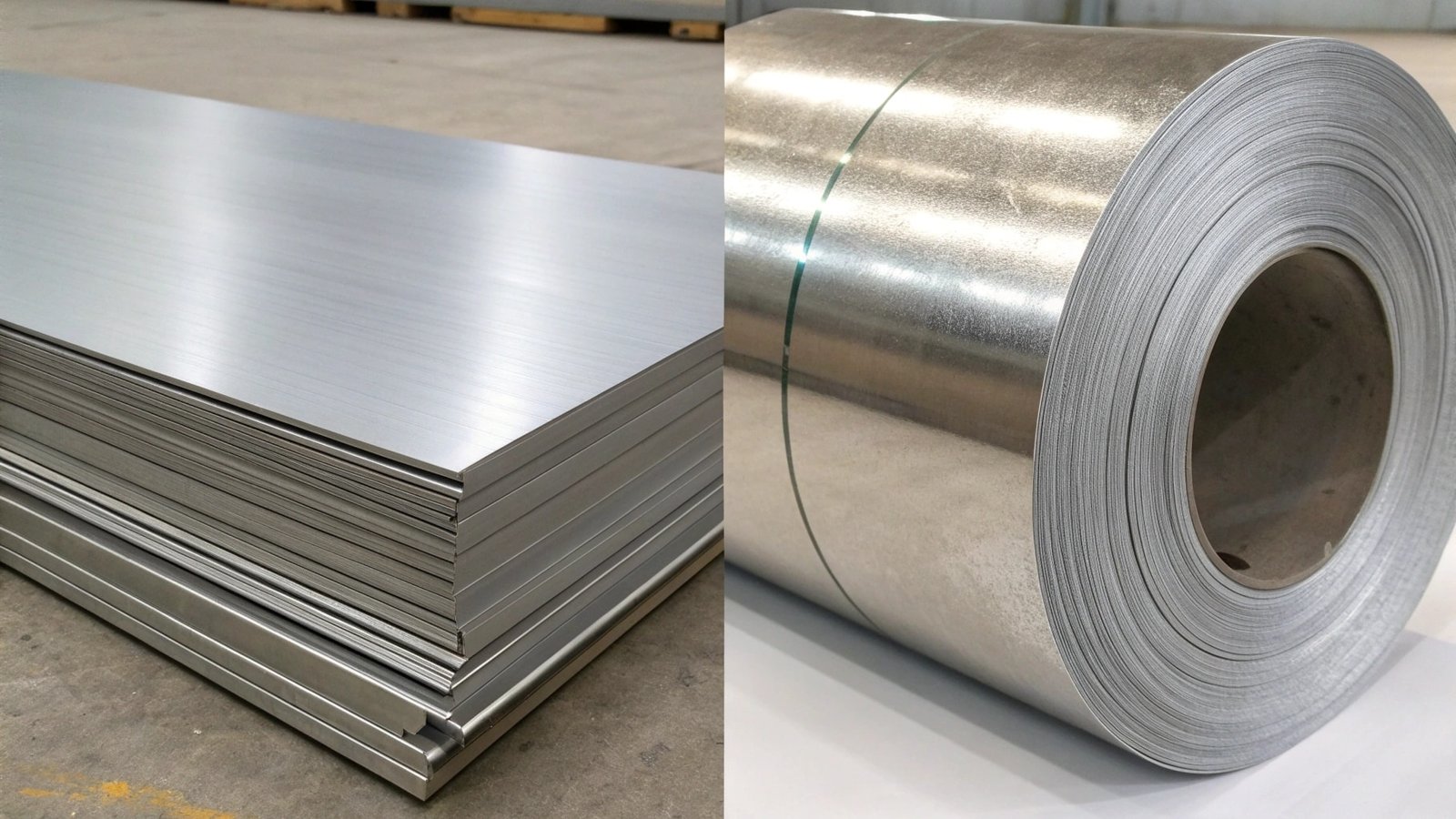
You think of aluminum for packaging and kitchen foil. This common view overlooks its real strength, causing engineers to miss lightweight, durable solutions for critical structural parts.
Aluminum's primary industrial use is for high-performance structural applications where its strength-to-weight ratio1 is critical. This includes aerospace frames, automotive components, marine structures, and industrial machinery parts that demand certified reliability and performance.
Most people see aluminum for what it contains, like cans and foil. At SWA Forging, our clients value it for what it withstands. The potential is in the metal, but the guarantee is in the process. I've spent over a decade showing customers that the spec sheet for an alloy is just a starting point. A trader supplying parts for a high-speed train doesn't just need "aluminum"; they need a guarantee that the material has a uniform internal structure, free of the defects found in casting. We provide that by forging this potential into certified structural parts for the world's most demanding industries. This process proves that how a metal is made truly defines its ultimate use.
What Are 5 High-Performance Uses of Aluminum?
You know aluminum is versatile, but "cans and foil" doesn't help you specify materials. You need to understand its true high-strength applications to make informed engineering decisions.
Five key high-performance uses are: 1. Aerospace structural components like fuselage frames. 2. Automotive chassis and suspension parts. 3. Marine superstructures and hulls. 4. High-pressure industrial machinery rings. 5. Precision-machined robotics and automation equipment.
These applications share a common need: maximum performance with minimum weight. The general public rarely sees aluminum in these roles, but this is where the metal truly shines. Forged aluminum is not the same material used for consumer goods; it's an engineered solution. For instance, in aerospace, every gram saved on weight translates to fuel savings and increased payload. In automotive, lighter components improve handling and efficiency. For our clients in the machinery sector, a forged ring for a high-speed press must withstand immense, cyclical forces without failing. In each case, it's the combination of a specific high-strength alloy and the forging process that makes it possible. The forging aligns the grain structure, creating a toughness and fatigue resistance that other forms of aluminum simply cannot match.
Where Forged Aluminum Excels
| Industry | Application | Key Property Leveraged | Why Forging is Critical |
|---|---|---|---|
| Aerospace | Fuselage Rings, Landing Gear | Strength-to-Weight Ratio | Guarantees fatigue resistance and flaw-free structure. |
| Automotive | Suspension Arms, Wheels | Lightweight Strength | Improves vehicle dynamics and durability. |
| Marine | Ship Superstructures, Davit Rings | Corrosion Resistance | Creates a non-porous surface that resists saltwater. |
| Industrial | Hydraulic Press Rings, Gear Blanks | Strength & Hardness | Withstands extreme pressure and wear. |
| Automation | Robotic Arms, Actuator Housings | Stiffness & Dimensional Stability | Ensures precision movement and long-term reliability. |
What Is the Most Commonly Used Aluminum for Structural Parts?
With hundreds of alloys available, choosing one feels overwhelming. Selecting the wrong "common" alloy for a structural part can lead to unexpected failure, wasting time and money.
While some alloys are common for sheet metal, the most widely used aluminum for structural and machined applications is 6061. Its excellent balance of strength, corrosion resistance, weldability, and cost-effectiveness makes it the industry's versatile workhorse.
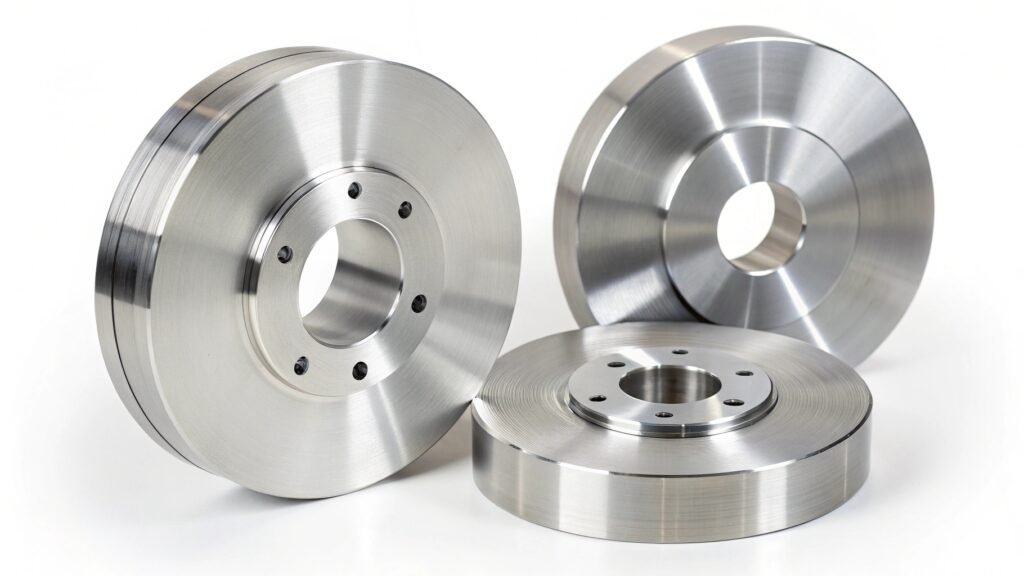
When a machining client asks for a recommendation for a general-purpose structural part, my answer is almost always 6061. It's the Swiss Army knife of aluminum alloys. In its T6 condition, it offers good strength that is more than sufficient for a huge range of applications, from machine frames to vehicle components. Just as importantly, it's easy to machine, which our customers love because it reduces tool wear and production time. It also has very good corrosion resistance2, so it holds up well in most industrial environments without needing extra coatings. This combination of properties makes it an incredibly safe and cost-effective choice. It provides a reliable baseline of performance that engineers can design around with confidence, knowing there won't be any unpleasant surprises down the line. It's the starting point for countless industrial projects.
Where Is High-Strength Aluminum Most Used?
You understand aluminum is used in key industries, but you need to pinpoint where it provides the biggest competitive advantage. Knowing this helps you identify opportunities in your market.
High-strength aluminum is most used in the transportation and aerospace sectors. These industries rely on its superior strength-to-weight ratio to reduce fuel consumption, increase payload capacity, and improve performance, from commercial aircraft to high-performance vehicles.
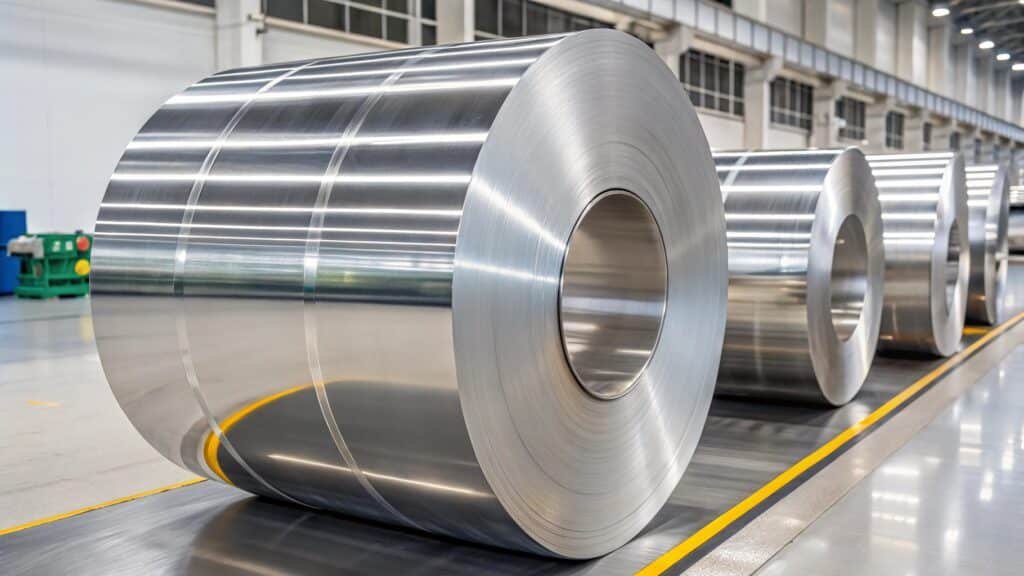
The biggest driver for high-strength aluminum is the constant push for efficiency. In aerospace, an airplane is essentially a flying structure that must support itself, its passengers, and its cargo against incredible forces while being as light as possible. Alloys like 7075-T6, with strength rivaling steel, are the backbone of modern aircraft for this very reason. The same principle applies to everything from high-speed trains to electric vehicles. Reducing the weight of the vehicle body and chassis directly translates to longer range and better performance. This is why our forged aluminum rings and discs are so critical. A cast part might be lighter than steel, but a forged part is lighter and stronger, with a certified internal quality that guarantees it will withstand the stresses of flight, high-speed travel, and demanding road conditions.
Conclusion
The true use of aluminum isn't in what it contains, but in what it withstands. We forge this potential into certified structural parts, proving the process defines its ultimate use.