You see alloy numbers like 6061 or 7075 but are not sure what they mean. Choosing the wrong one can lead to part failure, wasted money, and project delays.
Choosing the right alloy means matching its properties—like strength, corrosion resistance1, and machinability—to your application's specific needs. The alloy series number (e.g., 6xxx, 7xxx) is your starting point, indicating the primary alloying elements and general characteristics.
An aluminum alloy is not a static material but a variable solution. The alloy number on a spec sheet, like 6061, defines a range of possibilities for strength and durability. It tells you what ingredients are in the mix. But just like a recipe, the final result depends on how you cook it. Our forging process is the critical step that specifies the exact performance. We take that chemical potential and, through immense pressure and precise heat, lock in the final properties. This process turns the possibility of a strong part into your guarantee. It is how we ensure the material will perform exactly as you need it to.
What Is the Difference Between Pure Al and an Al Alloy?
You hear "aluminum" and "aluminum alloy" used interchangeably. This confusion can lead to specifying the wrong material for a critical job, causing unexpected performance issues.
Pure aluminum (Al) is a single element. An aluminum alloy is a mixture of aluminum with other elements, like copper or zinc, to enhance properties like strength and hardness far beyond what pure aluminum can offer.
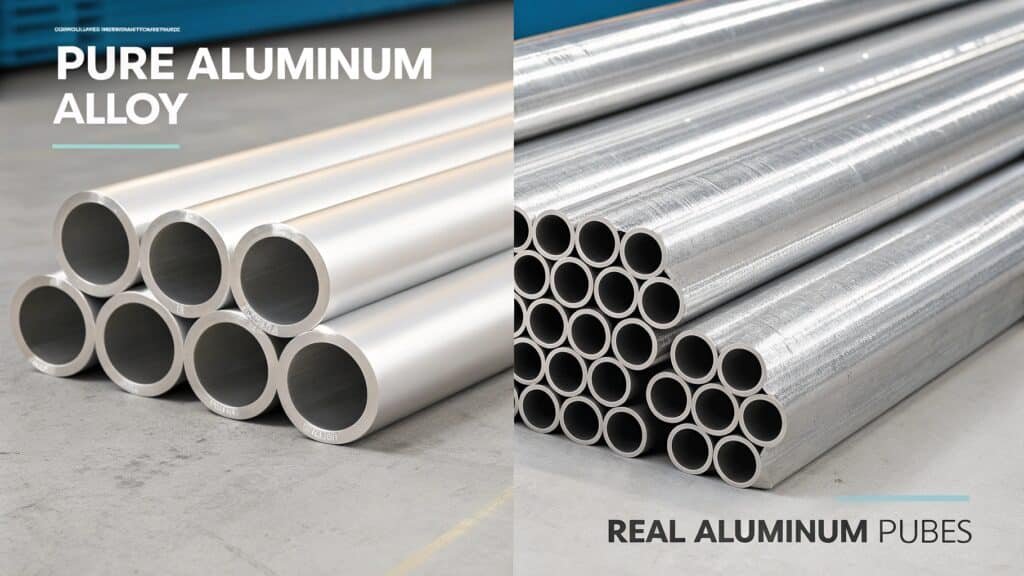
The difference is simple but very important. Pure aluminum (Al) is a soft, ductile metal with good corrosion resistance. It is great for things like foil or electrical wiring, but it's not strong enough for structural applications. To make it stronger, we add other elements. This new mixture is called an alloy. Think of it like adding salt to water. The water is still the main ingredient, but its properties have changed. In aluminum alloys, we add small, controlled amounts of elements like copper, magnesium, silicon, or zinc. These elements integrate into the aluminum's crystal structure and make it much stronger and harder. As a manufacturer of high-strength forged rings and discs, we work exclusively with aluminum alloys. Pure aluminum simply could not provide the mechanical performance our clients in the automotive, aerospace, and machinery industries demand. The "alloying" part is what turns a soft metal into a high-performance engineering material.
Is Aluminum Alloy Good Quality?
You need a high-quality material for your project. You hear that steel is strong, so you wonder if an aluminum alloy is a good enough alternative for your demanding application.
Yes, aluminum alloys are exceptionally high-quality materials, often with a better strength-to-weight ratio than steel. The quality depends on choosing the correct alloy and manufacturing process, like forging, which optimizes its properties for superior performance.
This is a question I hear a lot from clients who are used to working with steel. They associate "quality" and "strength" with weight. But in modern engineering, the best material is often the lightest one that can do the job safely. This is where aluminum alloys excel. Certain high-strength aluminum alloys2, like those in the 7xxx series, can have a tensile strength comparable to some mild steels but at only one-third of the weight. This is a huge advantage in aerospace and automotive applications, where weight reduction is critical for fuel efficiency and performance. But the quality isn't just in the alloy itself. The manufacturing process is just as important. A cast aluminum part can have hidden defects. A forged aluminum part, however, has a refined grain structure that makes it incredibly strong and reliable. The quality comes from this combination: the right alloy chemistry plus the right manufacturing process.
How Do You Identify the Right Alloy of Aluminum?
You see a long list of aluminum alloys like 2024, 6061, 7075. You need to choose one, but the numbers seem random, and you don't know where to start.
You can identify the right alloy by understanding the four-digit numbering system. The first digit indicates the main alloying element, which tells you the alloy's primary characteristics, such as strength, weldability, or corrosion resistance.
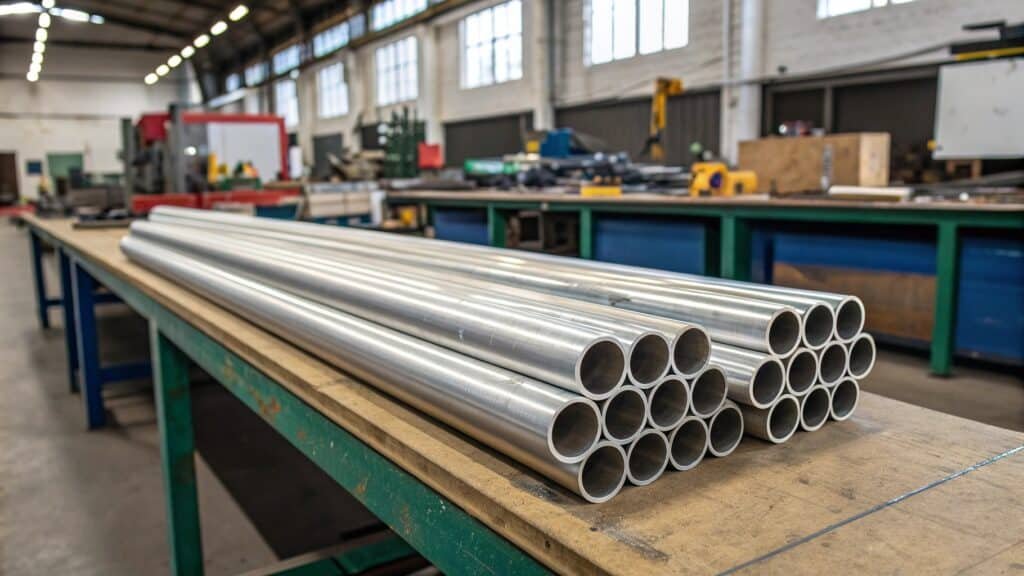
The numbering system is the key to decoding aluminum alloys. It’s actually very logical. Here is a simple breakdown of the main series we work with for forging applications:
The Aluminum Alloy Series
| Series | Main Alloying Element(s) | Primary Characteristics |
|---|---|---|
| 2xxx | Copper (Cu) | High strength, good machinability. Lower corrosion resistance. |
| 5xxx | Magnesium (Mg) | Excellent corrosion resistance, good weldability. Moderate strength. |
| 6xxx | Magnesium (Mg) & Silicon (Si) | Good all-around. Good strength, corrosion resistance, and machinability. |
| 7xxx | Zinc (Zn) | Highest strength. Used in high-stress applications like aircraft structures. |
For example, when a client needs a part for a marine environment, we might start by suggesting a 5xxx series alloy because of its excellent corrosion resistance. If a client needs a high-strength structural component for a machine, we would look at the 6xxx or 7xxx series. As a forging specialist, we guide our customers through this selection process. We discuss their application to help them find the perfect balance of properties.
How Does Forging Guarantee an Alloy's Performance?
You have selected an alloy like 7075 for its high strength. But how do you ensure the final part you receive actually delivers the maximum strength promised on the datasheet?
Forging guarantees performance by refining the alloy's internal grain structure. The immense pressure eliminates voids, creates a strong grain flow, and locks in the material's potential, turning a standard alloy into a high-performance, reliable component.
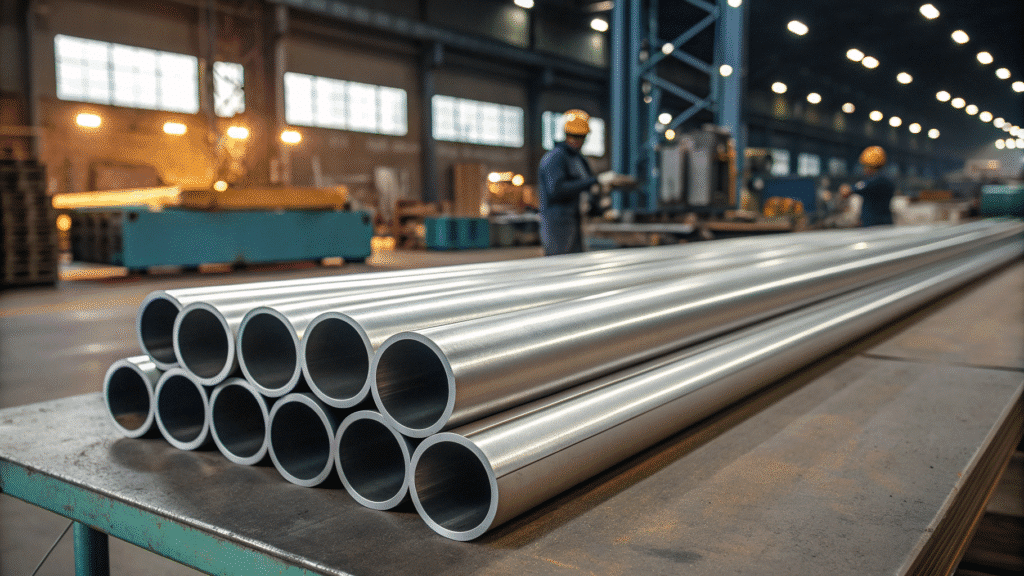
This is where our expertise at SWA Forging comes in. An alloy number only tells you the ingredients. Forging is the process that turns those ingredients into a high-performance meal. When we forge an aluminum alloy3, we are doing two critical things. First, the intense pressure closes any microscopic voids that might exist in the raw billet, making the material fully dense and much stronger. Second, and most importantly, we control the way the metal flows in the die. This creates a continuous grain structure that follows the shape of the part. Think of it like the grain in a piece of wood. A part with continuous grain flow is much stronger than one where the grain has been cut through. This is why a forged part has superior fatigue resistance and impact toughness compared to a part simply machined from a block of metal. It's how we turn the chemical potential of an alloy into a guaranteed mechanical performance for your application.
Conclusion
Choosing the right alloy starts with understanding your needs. The alloy number defines the material's potential, but our forging process guarantees its final performance, delivering a reliable, high-strength part.