You know aluminum is a modern, useful metal. But when you look at a data sheet, the long list of properties is confusing, making it hard to choose the right material.
Aluminum's key physical properties—being lightweight, corrosion-resistant1, highly conductive, and ductile—make it incredibly versatile. Forging enhances these properties, creating high-strength parts for industries from aerospace to automotive.
I've learned that understanding aluminum starts with its raw potential. The physical properties listed on a spec sheet, like its low density, are the starting point. They are the natural advantages of the element. But our job at SWA Forging is to engineer that potential. We use the forging process to transform that inherent lightness into the specific mechanical strength and fatigue resistance that your application demands. We don't just sell a material; we deliver a precisely engineered performance guarantee based on these fundamental properties.
What Are the 5 Main Physical Properties You Need to Know?
You see a long list of technical data for an aluminum alloy. It is overwhelming, and you are not sure which properties actually matter for your project's success.
Focus on the five main properties: low density (lightweight), high strength-to-weight ratio, excellent corrosion resistance, high thermal and electrical conductivity, and ductility. These determine how the material will perform in the real world.
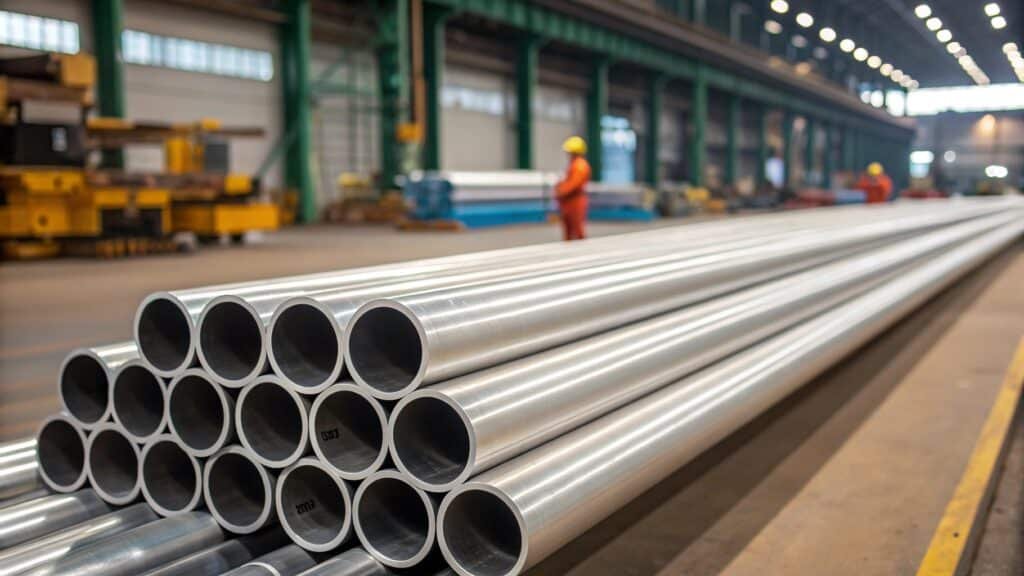
Over the years, I've found that breaking it down to the essentials is the best way to help our clients. While there are many properties, these five are the ones that have the biggest impact on performance and cost. For a trader, low density means lower shipping weights. For a machining company, a high strength-to-weight ratio2 means you can create strong parts that are not bulky or heavy. Understanding these core features is the first step in selecting the right material. Each property offers a distinct advantage, and by alloying and forging, we can fine-tune the balance between them to meet your exact specifications. It’s about turning these natural gifts into a practical, reliable solution.
The Five Core Properties Explained
| Property | Description | Practical Benefit for You |
|---|---|---|
| 1. Low Density | Aluminum's density is about 2.7 g/cm³, roughly one-third that of steel. | Lighter parts, lower transportation costs, and easier handling. |
| 2. Strength-to-Weight Ratio | High-strength aluminum alloys can be as strong as steel but are much lighter. | Ideal for automotive and aerospace to improve fuel efficiency. |
| 3. Corrosion Resistance | A natural, protective oxide layer forms on the surface, preventing rust. | Long service life, especially in marine or chemical environments. |
| 4. High Conductivity | It is an excellent conductor of both heat and electricity. | Used in heat exchangers, engine parts, and electrical components. |
| 5. Ductility | It can be easily drawn, shaped, and formed without breaking. This property is crucial for forging. | Allows for the creation of complex shapes like our forged rings and discs. |
How Do an Alloy's Properties Differ from Pure Aluminum's?
You hear "pure aluminum" and "aluminum alloy3" used together. You might think they are the same, leading to confusion when specifying a material for a high-strength application.
Pure aluminum is soft and has moderate strength. An aluminum alloy mixes aluminum with other elements, like copper or zinc, to dramatically increase mechanical properties like strength and hardness, making it suitable for structural use.
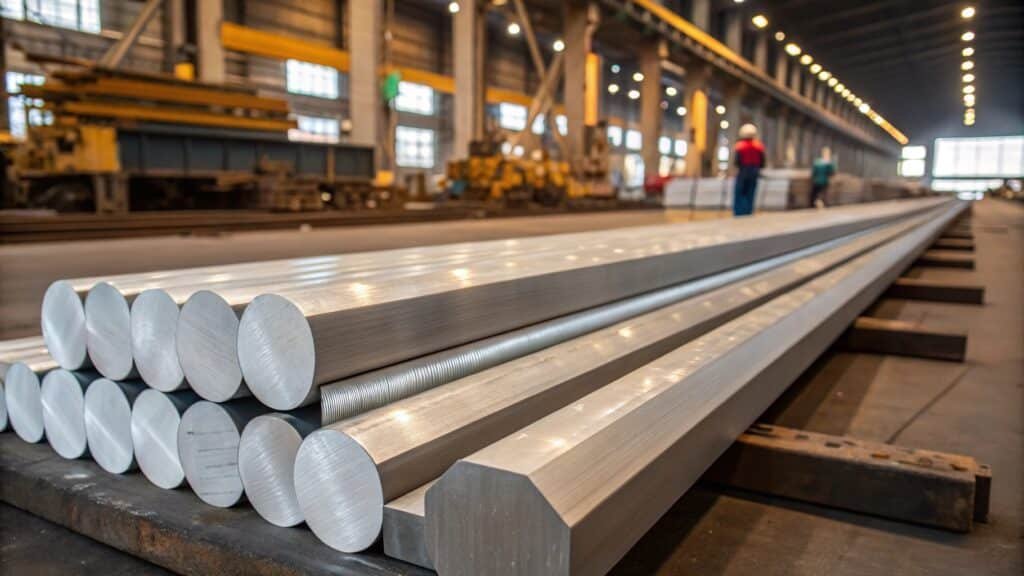
This is one of the most important distinctions to understand. Think of pure aluminum as the raw ingredient. It is very useful for its corrosion resistance and conductivity, which is why we use it for things like kitchen foil or electrical wiring. But if you tried to make a structural part for a car from pure aluminum, it would bend and fail easily. It is simply too soft. To create the high-performance materials we supply, we create alloys. By adding just a small percentage of other elements—magnesium for corrosion resistance, or zinc and copper for extreme strength—we transform the metal. The fundamental physical properties remain, but the mechanical properties, like tensile strength, are magnified. At SWA Forging, we work with these advanced alloys to deliver the performance our industrial clients need. We start with the best ingredients to create the strongest final product.
What Are the Properties of a Piece of Aluminum Foil?
You use aluminum foil in your kitchen every day. You wonder how the properties of this simple product relate to the high-strength aluminum used in industrial machinery.
Aluminum foil showcases four key properties: high ductility (it's easily crumpled), low density (it's very light), thermal conductivity (it heats up fast), and its protective oxide layer (it doesn't rust).
It might seem strange, but that roll of kitchen foil is a perfect example of aluminum's core physical properties in action. It is made from nearly pure aluminum, so it highlights the metal in its natural state.
First, its ductility. The fact that it can be rolled into an incredibly thin sheet without tearing is a direct result of this property. It is also why we can forge aluminum into complex ring shapes. Second, its low density. A whole roll is very light. Third, its thermal conductivity. It gets hot almost instantly, which is why it's used for cooking. We use this same property in forged aluminum engine pistons to help manage heat. Finally, its corrosion resistance. Foil doesn't rust, even when it gets wet. This is because of the transparent oxide layer that naturally protects it. The foil is a simple product, but it is a great reminder of the amazing raw material we get to work with every day.
How Does Forging Enhance These Physical Properties?
You have chosen an aluminum alloy with good base properties. But how do you guarantee the final part will be strong and reliable enough to withstand real-world stress and fatigue?
Forging enhances aluminum's properties by refining its microstructure. The process eliminates porosity and creates a continuous grain flow that follows the part's shape, dramatically increasing its mechanical strength, durability, and fatigue resistance.
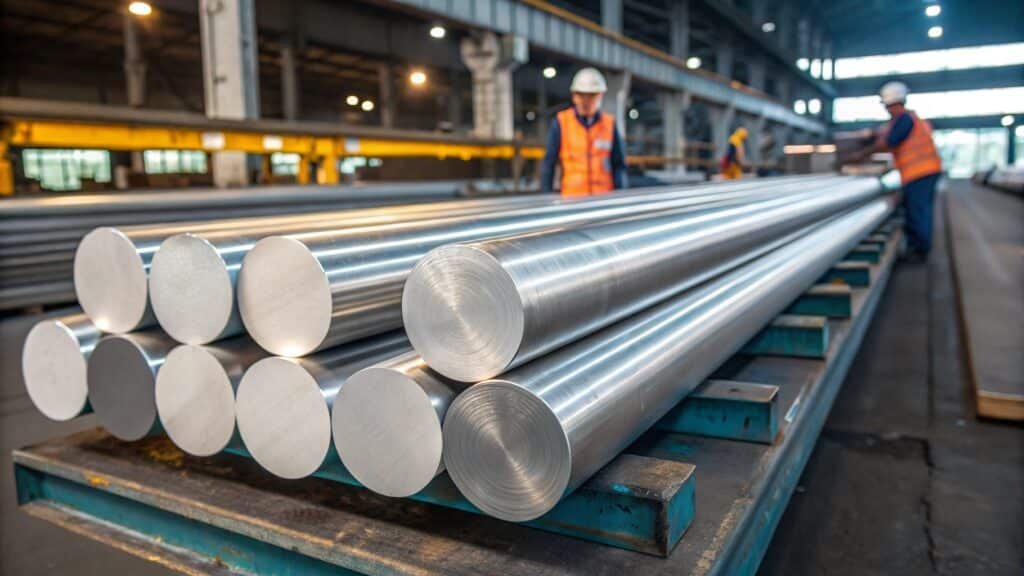
This is the final, critical step. A good alloy choice is just the beginning. The forging process is what unlocks the material's full potential. When we apply immense pressure to a heated aluminum billet, we are fundamentally changing it on a microscopic level. Any tiny voids or inconsistencies in the raw material are pressed out, making the part completely solid and dense. More importantly, we control how the metal flows within the die. This aligns the internal grain structure along the lines of stress the part will experience in service. A machined part cuts right through the grain structure, creating weak points. A forged part has a continuous, unbroken grain flow, like the fibers in a rope. This is why our forged rings and discs have a structural integrity that cast or machined parts can never match. It transforms a good material into a superior component.
Conclusion
Aluminum's raw physical properties are its potential. Our forging4 process engineers this potential, transforming inherent lightness into the specific mechanical strength and fatigue resistance your application demands.
-
Learn how corrosion resistance extends the lifespan of aluminum products in challenging environments. ↩
-
Discover how this ratio impacts efficiency and performance in aerospace engineering. ↩
-
Understanding these differences is key to selecting the right material for your needs. ↩
-
Explore how forging enhances aluminum's properties for superior performance. ↩