Skip to content
From the moment you wake up to the end of your day, you are constantly interacting with aluminum. While its most famous application might be the humble beverage can, this silvery-white metal's unique combination of properties—lightweight, strong, corrosion-resistant, and recyclable—has made it an indispensable cornerstone of modern industry. Let's explore the key sectors where aluminum isn't just an option; it's the material of choice.
1. Transportation and Aerospace
This is where aluminum's star quality—its high strength-to-weight ratio—shines brightest. In any moving vehicle, less weight means less energy is needed to create motion, leading to greater fuel efficiency and performance.
- Aerospace: From the Wright brothers' first engine to modern jumbo jets and spacecraft, aluminum alloys form the backbone of the industry. They are used for fuselages, wings, and structural components because they provide the necessary strength to withstand the stresses of flight at a fraction of the weight of steel.
- Automotive: Car manufacturers use aluminum for body panels, engine blocks, wheels, and chassis components to reduce vehicle weight. This directly improves fuel economy in gasoline cars and, crucially, extends the range of electric vehicles (EVs).
- Rail and Marine: High-speed trains and modern ships also use aluminum extensively to reduce mass, save fuel, and increase payload capacity.
2. Packaging and Containers
Aluminum is the perfect material for protecting and preserving goods, especially food and beverages. Its key properties for this industry are its impermeability, non-toxicity, and light weight.
- Beverage Cans: The iconic aluminum can is lightweight, cools quickly, and provides a complete barrier to light and oxygen, preserving the flavor and carbonation of the drink inside.
- Aluminum Foil and Food Trays: From kitchen foil to take-out containers, aluminum provides a safe, non-toxic barrier that protects food from contaminants and is excellent for cooking and reheating.
- Pharmaceuticals: The "blister packs" that hold pills are often made with a thin layer of aluminum foil because it provides a perfect seal against moisture and air, ensuring the medicine remains sterile and effective.
3. Building and Construction
In architecture and construction, aluminum is valued for its durability, corrosion resistance, and design flexibility. It requires virtually no maintenance and can be easily formed into complex shapes.
- Window and Door Frames: Aluminum frames are strong, durable, and weather-resistant, and they won't warp or rot over time.
- Facades and Curtain Walls: Modern skyscrapers often feature sleek exteriors made of aluminum panels or glass held in aluminum frames (curtain walls). The material is light enough to be easily installed on tall structures and can be finished in a variety of colors.
- Roofing, Gutters, and Siding: Thanks to its excellent resistance to rust and corrosion, aluminum is an ideal, long-lasting material for protecting buildings from the elements.
4. Electrical and Power Transmission
While copper is a slightly better electrical conductor by volume, aluminum dominates the market for large-scale power transmission. The reason comes down to a combination of conductivity and density.
- Overhead Power Lines: An aluminum cable has about 60% of the conductivity of a copper cable of the same size, but it weighs only 30% as much. This means for the same electrical resistance, an aluminum wire is about half the weight of a copper one. This significantly reduces the need for support towers, drastically lowering infrastructure costs for national power grids.
- Busbars and Electrical Components: Aluminum is also used in switchgears, transformers, and other components where its light weight and good conductivity are advantageous.
5. Consumer Electronics
Walk into any electronics store, and you'll be surrounded by aluminum. Its use in gadgets is driven by a desire for products that are light, durable, look and feel premium, and can effectively manage heat.
- Laptops, Tablets, and Smartphones: High-end electronics frequently use machined aluminum for their bodies. This provides a strong, protective shell that feels premium to the touch and helps dissipate heat from internal components.
- Heat Sinks: Aluminum's excellent thermal conductivity makes it the perfect material for heat sinks, which draw heat away from processors (CPUs and GPUs) to keep them from overheating.
- Televisions and Monitors: The slim bezels and stands of modern displays are often made of aluminum for a combination of strength and sleek aesthetics.
6. Household and Consumer Goods
Aluminum's versatility makes it a popular choice for a wide array of everyday items where light weight, strength, and resistance to rust are desirable.
- Cookware: Aluminum pots and pans are popular because they are lightweight and conduct heat evenly, preventing "hot spots" that can burn food.
- Furniture: Both indoor and outdoor furniture often features aluminum frames because they are strong, lightweight, and won't rust when exposed to rain.
- Sporting Equipment: High-performance bicycle frames, baseball bats, and lacrosse sticks are made from aluminum alloys to provide maximum strength with minimum weight, enhancing athlete performance.
7. Machinery and Equipment
In industrial settings, aluminum is used to create machinery and equipment that is both robust and efficient. Its ease of fabrication (machinability) is a major advantage.
- Robotics and Automation: Aluminum components are used in robotic arms and automated factory equipment where low weight allows for faster, more precise movements and lower energy consumption.
- Tools and Ladders: The combination of strength and lightness makes aluminum ideal for portable tools, ladders, and scaffolding.
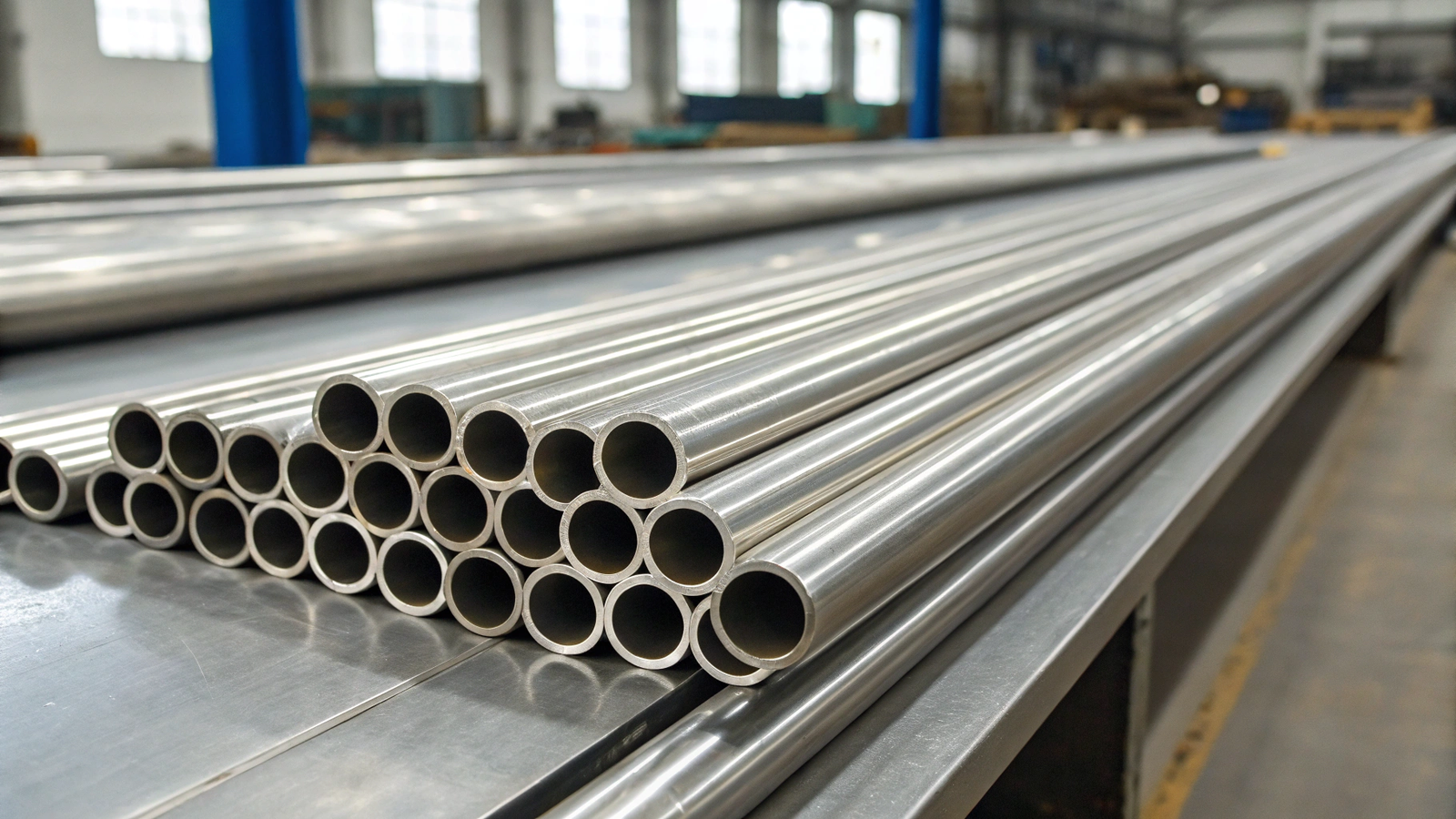
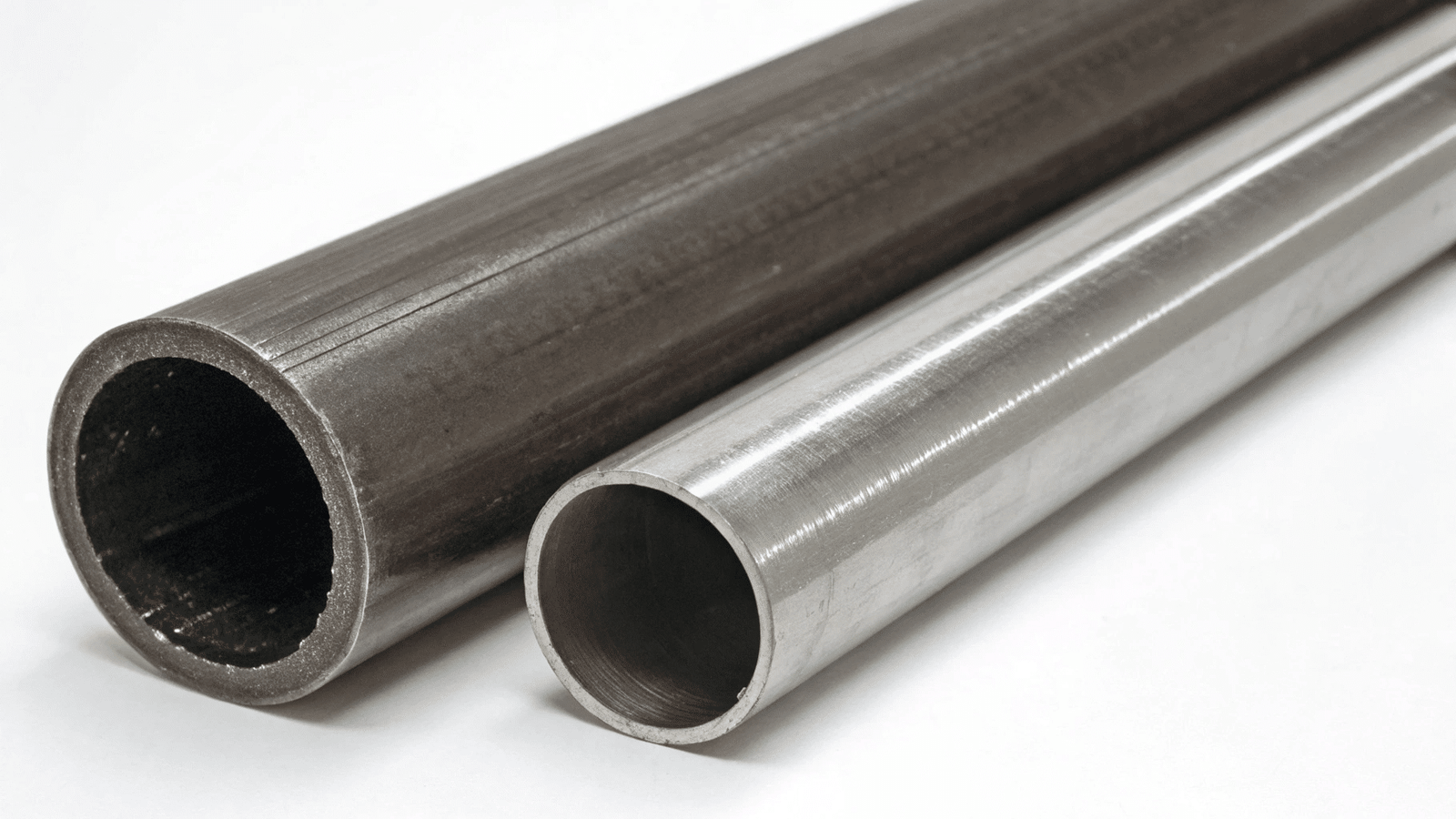
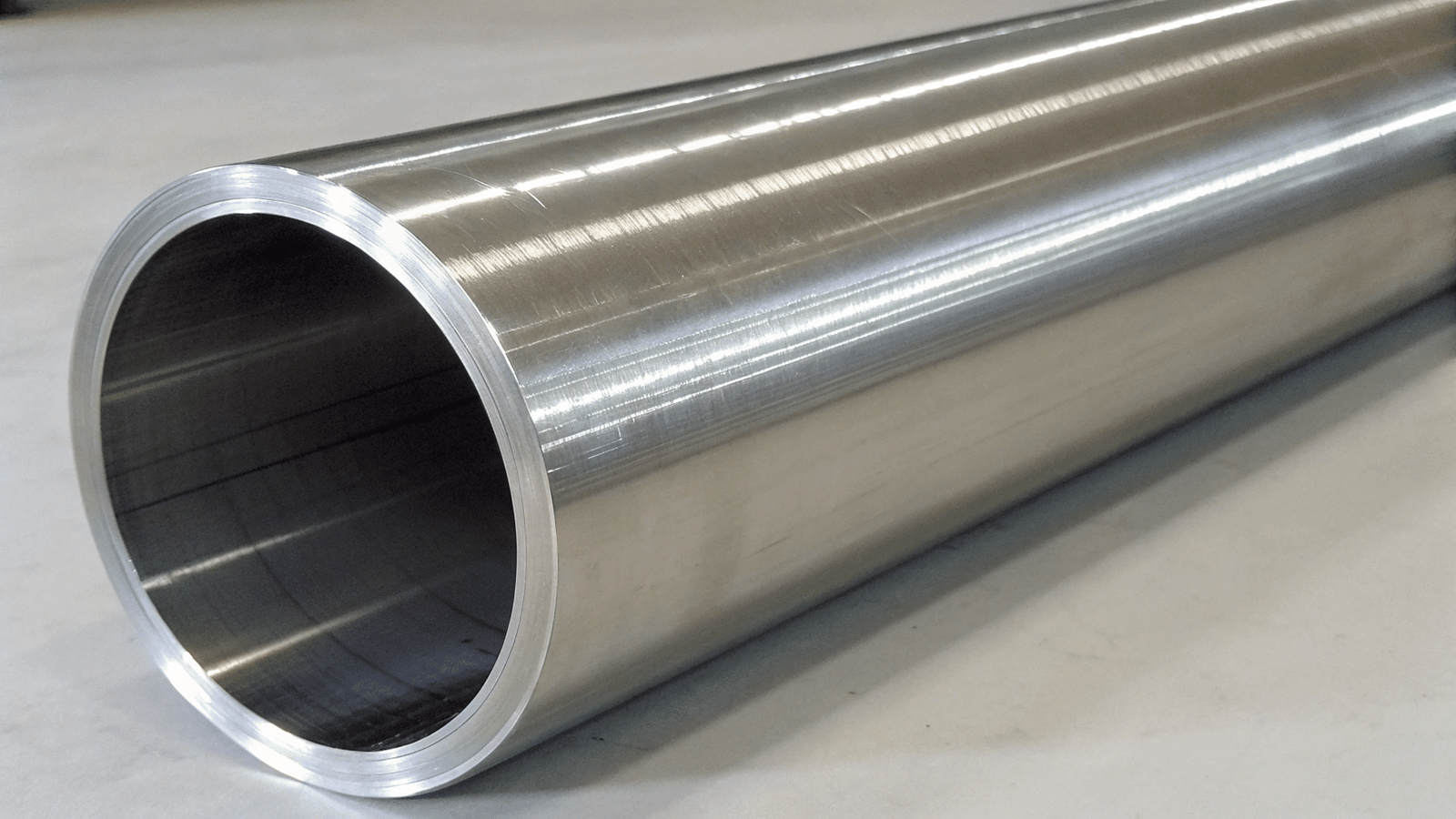
- Pressure Vessels and Pipes: In many chemical and industrial processes, aluminum is used for pipes and containers because it resists corrosion from many chemicals.
From soaring in the sky to keeping food fresh on the shelf, aluminum's incredible range of uses demonstrates why it is one of the most important and versatile engineering materials of our time.