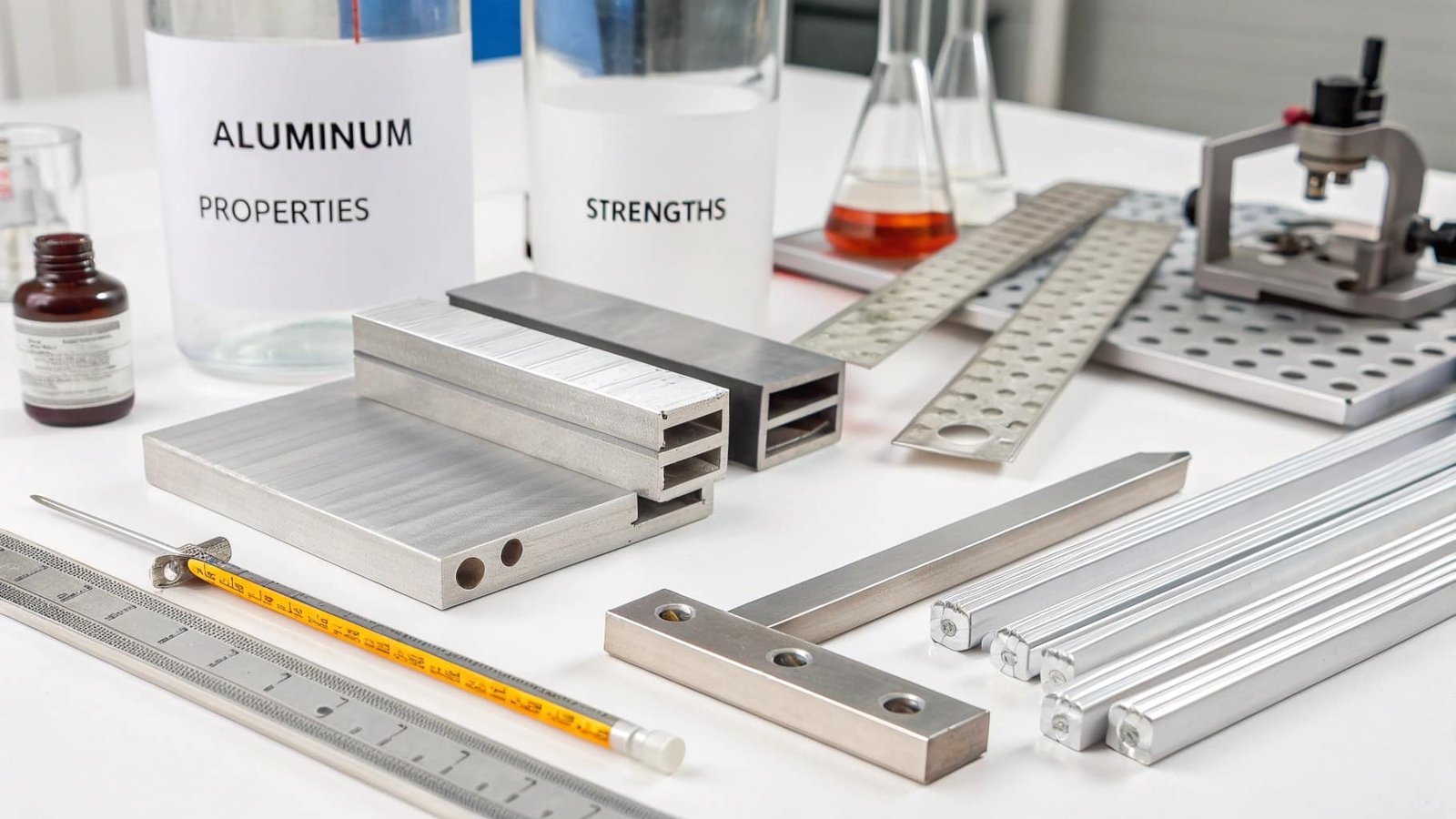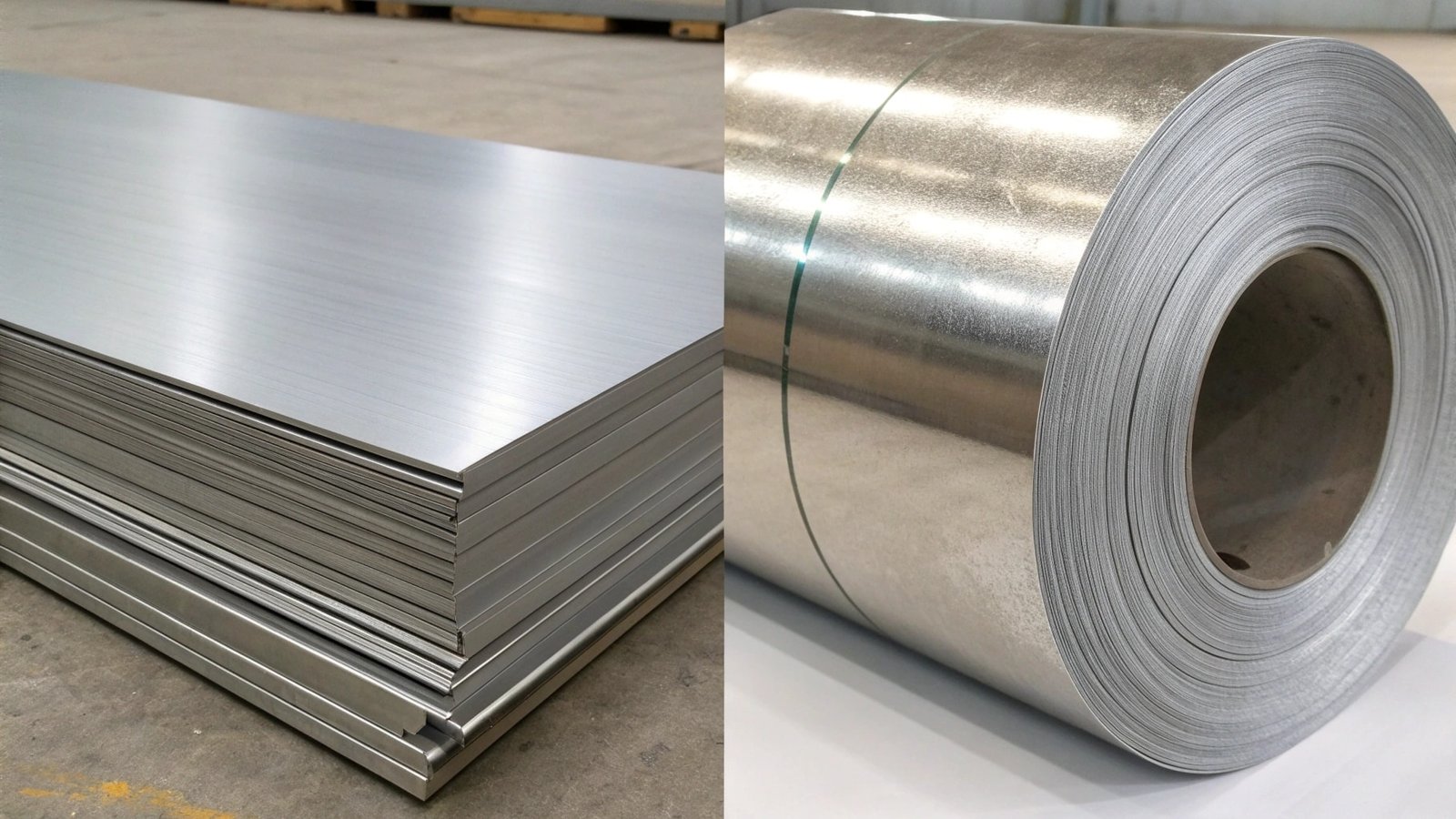
You're facing a long list of aluminum grades, and the numbers all blur together. Choosing the wrong one means your project could fail, wasting time and money.
Focus on the two main classes: Heat-Treatable alloys like 60611 and 70752 are forged for maximum strength. Non-Heat-Treatable alloys like 50833 are chosen for their superior toughness and corrosion resistance. This single choice defines everything.
I talk to engineers and buyers every day who are lost in the details of aluminum grades. They ask about small differences in chemical composition, but they're missing the big picture. You can disregard the long list of grades. There are only two classes that truly matter: Heat-Treatable alloys and Non-Heat-Treatable alloys. The first group is what we forge to create parts with incredible strength, like for the aerospace industry. The second group is valued for toughness and its ability to resist corrosion, perfect for marine applications. Your choice between these two classes defines the entire manufacturing path and the final performance outcome of your component.
What Are the Different Grades of Aluminum?
You see a long list of numbers like 6061, 7075, and 5052. They seem random and complex, making it hard to feel confident in your selection.
These grades are organized into two fundamental families. Heat-treatable alloys (like the 2xxx, 6xxx, and 7xxx series) get their strength from a heating process. Non-heat-treatable alloys (like the 5xxx series) get strong through work hardening.
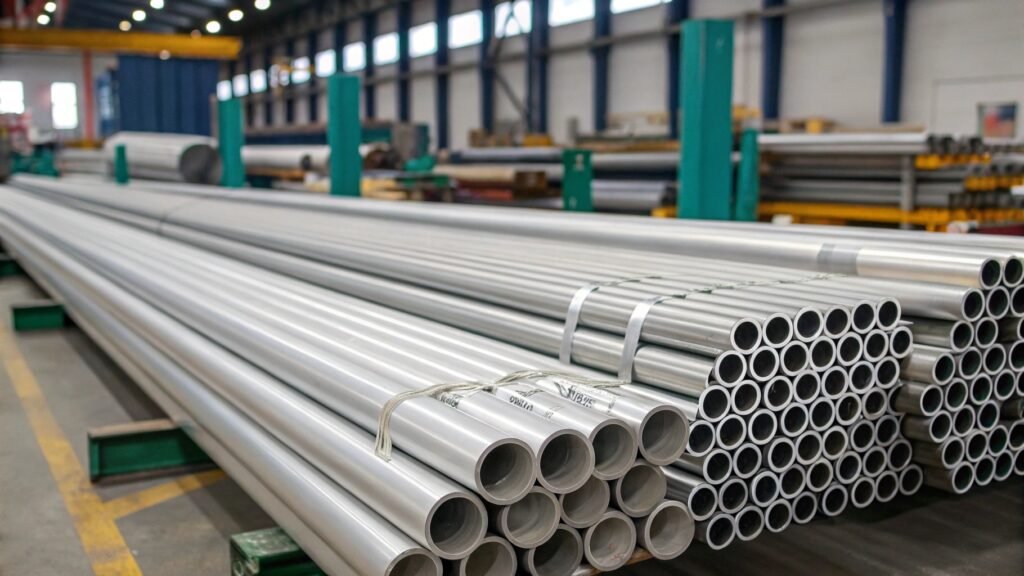
This is the most important concept to understand. The entire aluminum alloy system is built on this division. How an alloy achieves its final strength determines everything about how it can be processed and what it can be used for. At SWA Forging, we primarily work with the heat-treatable alloys. Why? Because the forging process, combined with a precise heat treatment cycle, allows us to unlock the maximum potential strength and performance from the material. We take a good material and make it exceptional. Non-heat-treatable alloys are fantastic for things like boat hulls and tanks where you need formability and corrosion resistance, but their strength ceiling is much lower. Understanding which family you need is the first and most critical step in engineering a successful part.
The Two Fundamental Classes
| Class | How It Gains Strength | Common Series | Key Characteristics |
|---|---|---|---|
| Heat-Treatable | Thermal Treatment (Quenching & Aging) | 2xxx, 6xxx, 7xxx | High to very high strength, machinable. |
| Non-Heat-Treatable | Work Hardening (Strain Hardening) | 1xxx, 3xxx, 5xxx | Excellent corrosion resistance, weldable. |
Is 6061 or 7075 Aluminum Stronger?
You need a high-strength part for a critical application. Choosing between the popular 6061 and 7075 grades is vital, as the wrong decision could compromise safety and performance.
7075 aluminum is significantly stronger than 6061. In the common T6 temper, 7075 has an ultimate tensile strength that can be nearly double that of 6061-T6, making it the premier choice for high-stress applications.
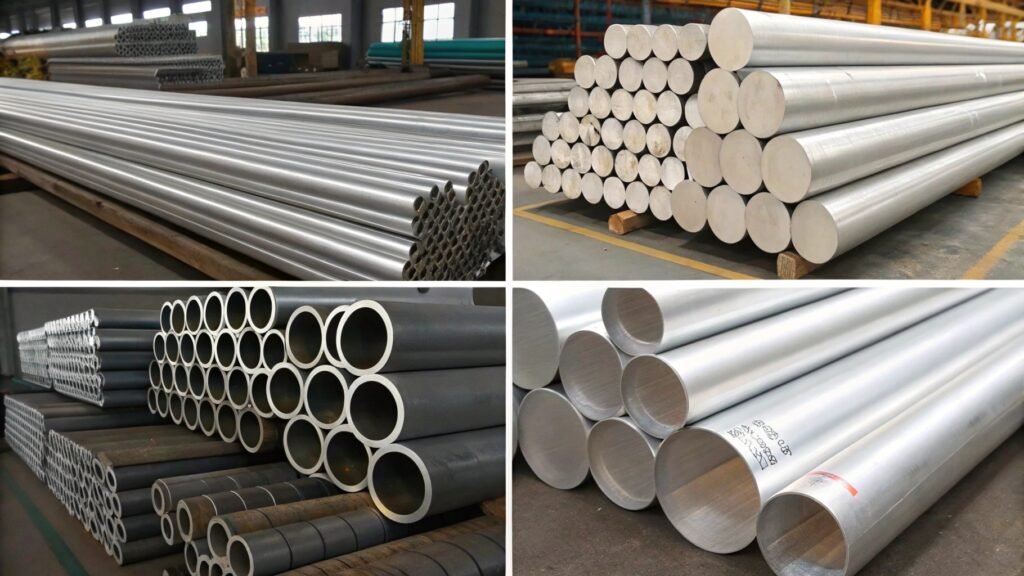
This is a question of performance versus versatility. Both 6061 and 7075 are in the heat-treatable family, but they are not equals. Think of 6061 as the reliable, all-around workhorse. It offers good strength, excellent corrosion resistance4, and is relatively easy to work with. It's perfect for a huge range of industrial applications. 7075, however, is the high-performance specialist. Its primary alloying element is zinc, which allows it to achieve strength levels comparable to some steels, but at a fraction of the weight. This is why it's a cornerstone material in the aerospace industry for parts like wing spars and structural frames. When a client brings me a design where failure is not an option and maximum strength-to-weight is the goal, we always start the conversation with a forged 7075 component.
Is 5052 Aluminum Stronger Than 6061?
You are comparing two very common aluminum grades, 5052 and 6061. You might assume the higher number means higher strength, but this can be a costly mistake.
No. In nearly all common forms, heat-treated 6061-T6 is significantly stronger than any temper of 5052. 5052 is a non-heat-treatable alloy valued for its formability and corrosion resistance, not its high strength.
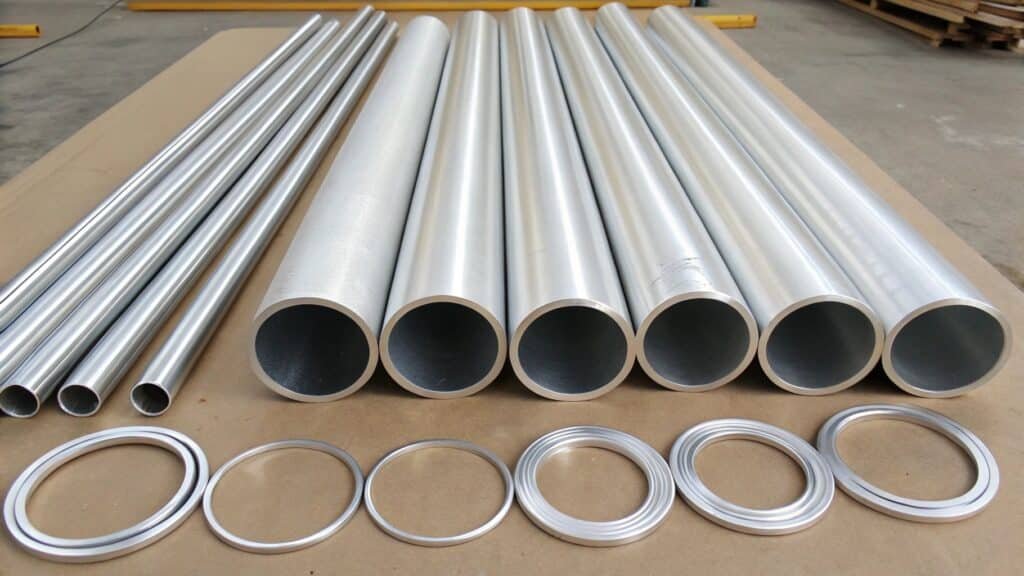
This question perfectly illustrates why understanding the two classes of aluminum is so critical. You are comparing an apple to an orange. 5052 is in the non-heat-treatable family. Its strength comes from work hardening (the "-H" tempers like H32). It's a fantastic material for bending into complex shapes for boat hulls or electronic enclosures, and it has excellent corrosion resistance in saltwater. 6061 is a heat-treatable alloy. Its strength comes from the "-T" tempers, like T6. A standard 6061-T6 part has about twice the yield strength of a standard 5052-H32 part. Trying to substitute one for the other would be catastrophic. If your design requires the structural integrity of 6061, using 5052 would lead to immediate failure under load. They are engineered for completely different jobs.
Which Grade of Aluminium is Best?
You want to make the right choice for your project. With so many options, you are looking for a simple answer: which single grade of aluminum is the best?
There is no single "best" grade. The best grade is the one that is correctly matched to your specific application's requirements for strength, corrosion resistance, machinability, and budget. It is a balance of properties.
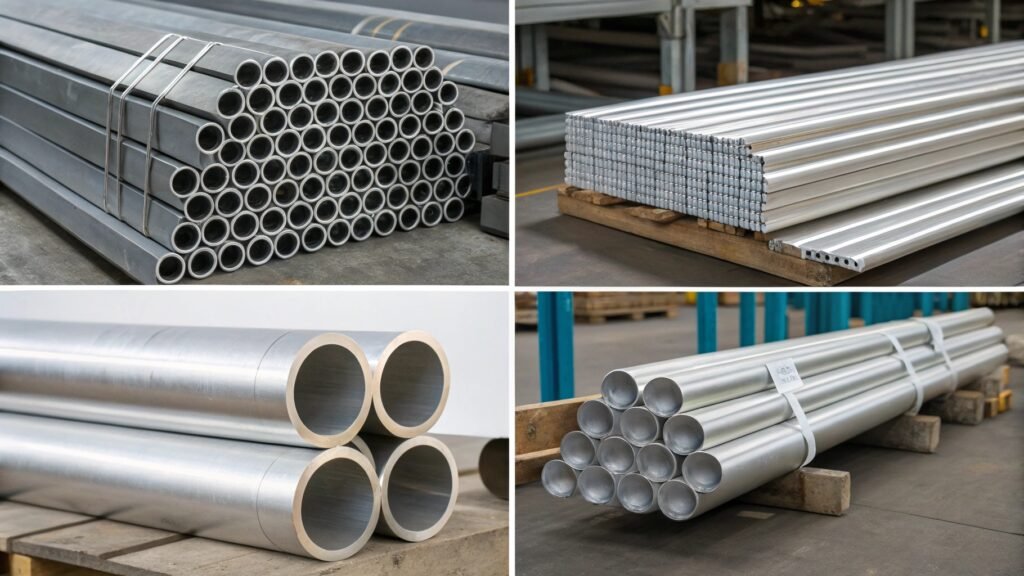
This is the question I help my clients answer every day. The answer is never a number; it’s a conversation about the application. The "best" grade for a lightweight, high-stress aircraft landing gear component is a forged 7075. The "best" grade for a complex industrial machine part that needs a good balance of strength and cost is a forged 6061. The "best" grade for a valve body used in a saltwater environment is a forged 5083 because of its superior corrosion resistance. Asking which grade is best is like asking which tool in a toolbox is best. The answer depends entirely on the job you need to do. My role is to use our decade of forging expertise to help you select the ideal tool, ensuring you get the performance you need without paying for properties you don't.
Conclusion
Forget the long list of grades. The best choice comes from understanding the two core classes—heat-treatable and non-heat-treatable—and matching them to your specific application needs.
-
Discover the characteristics of 6061 aluminum and why it's a popular choice for many industrial applications. ↩
-
Find out why 7075 aluminum is favored for high-stress applications and its advantages over other grades. ↩
-
Explore the benefits of 5083 aluminum, especially its corrosion resistance and toughness for marine applications. ↩
-
Understand the importance of corrosion resistance in aluminum alloys and how it affects material selection. ↩