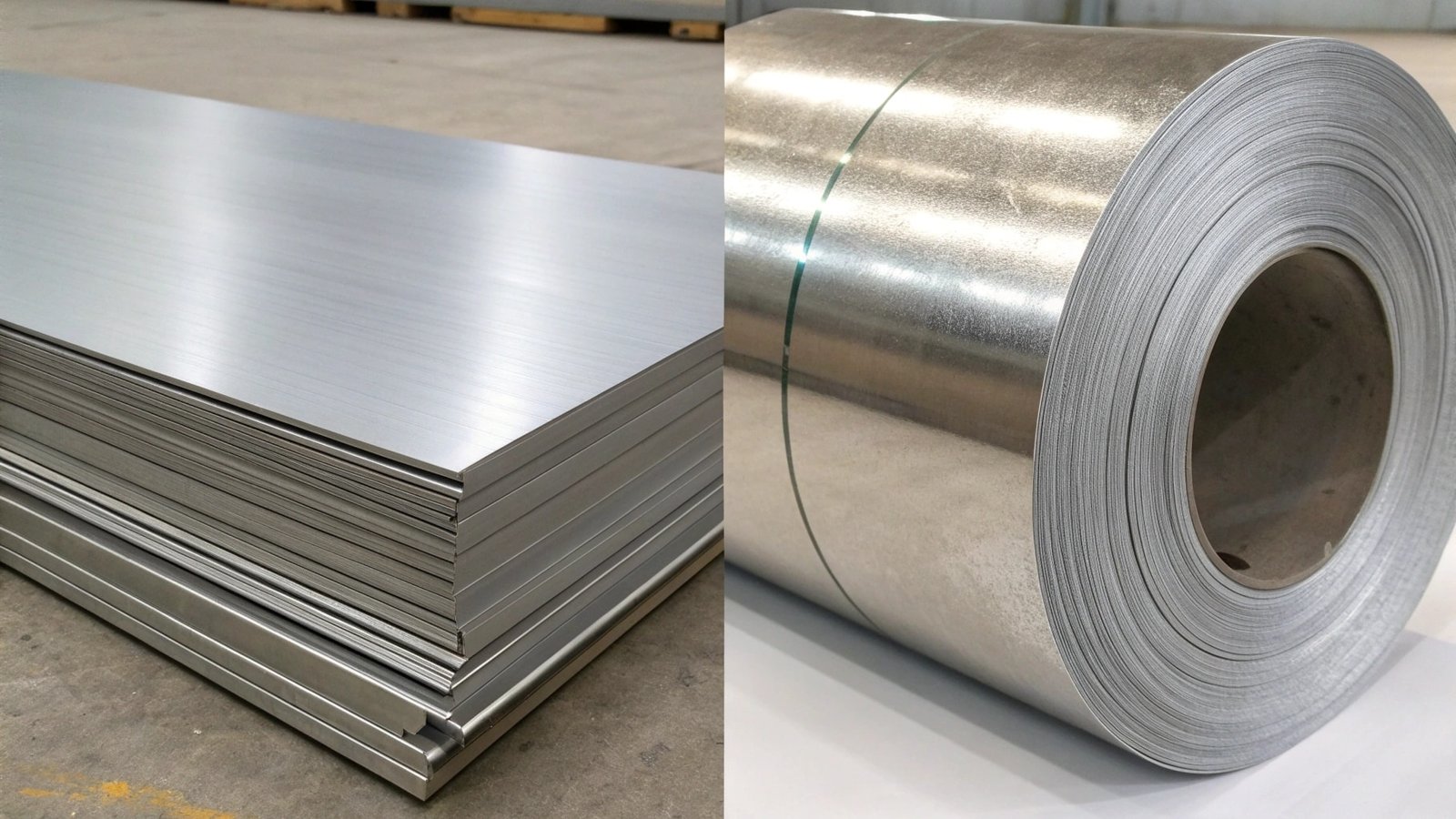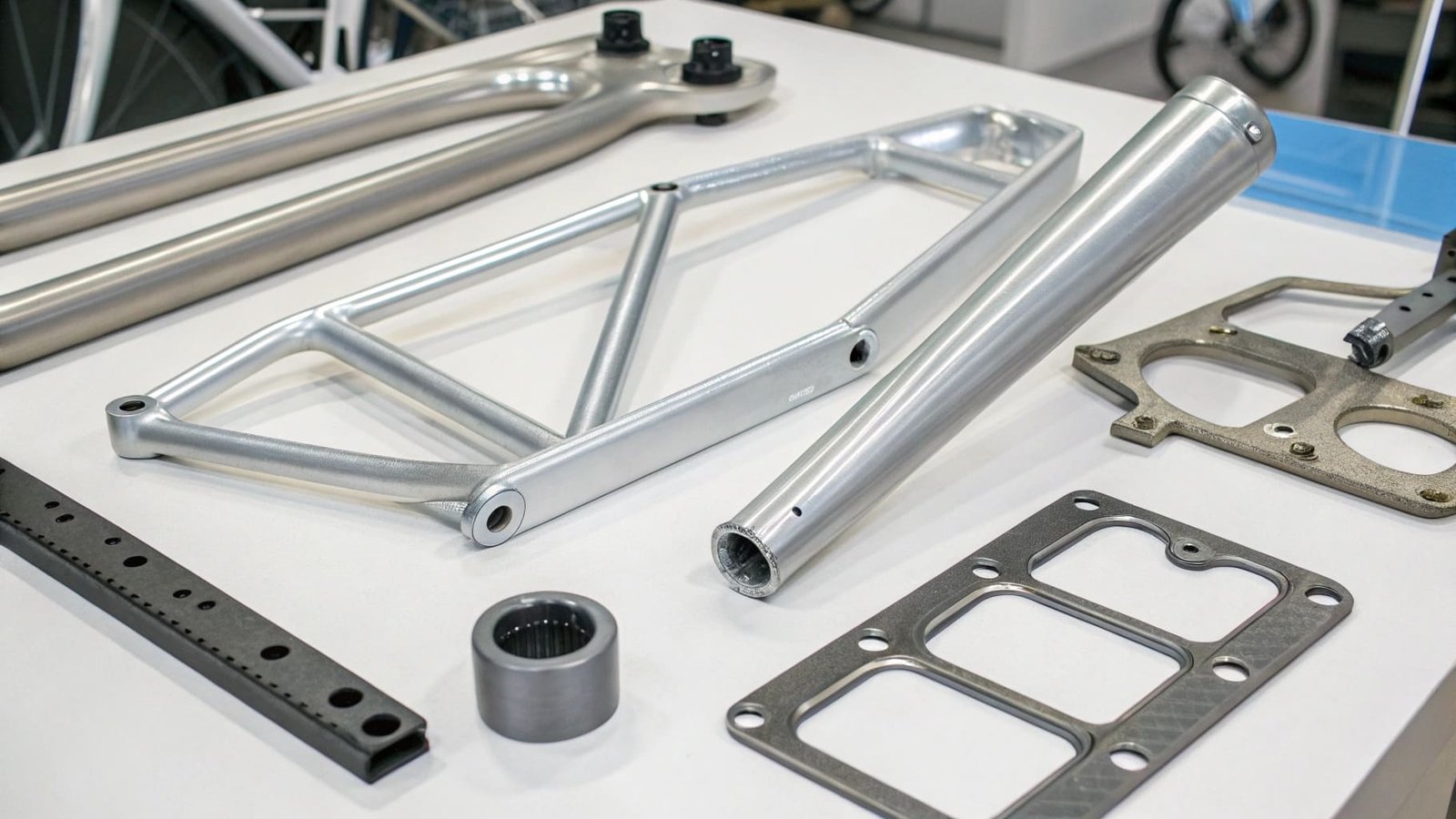
You select an alloy grade like 70751 for its documented strength. But raw material can be inconsistent, creating unacceptable risks for your critical components and your reputation.
We believe an alloy grade is a performance blueprint, not a finished material. Our precision forging process executes that blueprint, building a refined microstructure that guarantees the strength and fatigue life the raw material only promises on paper.
I handle technical inquiries every day, and they often start with a question about a specific alloy grade. But I have to stop them right there. An alloy is not a material; it's a performance blueprint. The grade—6061, 7075—is just the code on paper. Anyone can buy a billet of 7075 aluminum. The real question is, how do you unlock the full potential written in that code? Our forging process executes that code. We take that raw billet and, through immense pressure and controlled heat, we build a microstructure with the strength and fatigue life that the raw material can only promise. We don't just supply a material; we deliver a guarantee.
What Are the Different Alloys of Aluminum?
You see a long list of four-digit codes for aluminum. This complexity makes it difficult to understand what they mean and how to choose the right one for your needs.
Aluminum alloys are created by mixing pure aluminum with other elements like copper, magnesium, or zinc. These additions create specific "series" or families of alloys, each with a unique set of properties for strength, corrosion resistance, or workability.
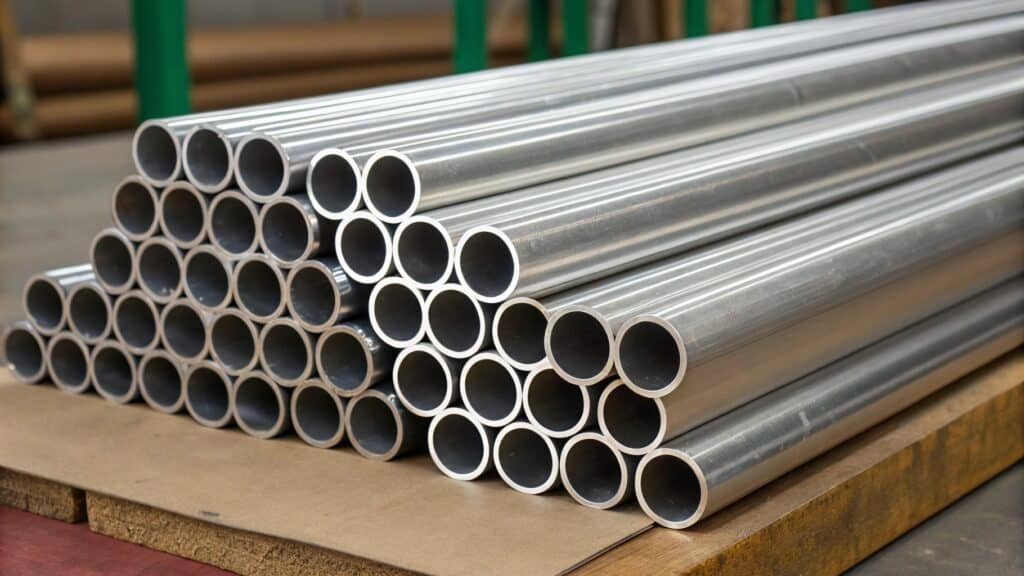
The concept is simple. Pure aluminum is soft and not very strong. To create the high-performance materials our customers need, we use alloys. Think of it like a recipe. By adding a little bit of copper, you create a 2xxx series alloy known for high strength. Add magnesium, and you get a 5xxx series alloy with excellent corrosion resistance. Each "recipe" is designed to produce a specific outcome. At SWA Forging, we specialize in the high-strength, heat-treatable alloys from the 2xxx, 6xxx, and 7xxx series. This is because these are the "blueprints" that have the most potential. Our forging process can then take these advanced recipes and build them into components with a level of performance that is simply impossible to achieve with the raw material alone.
Major Aluminum Alloy Families (Series)
| Series | Primary Alloying Element | Key Characteristic |
|---|---|---|
| 2xxx | Copper (Cu) | High strength, heat-treatable (aerospace). |
| 5xxx | Magnesium (Mg) | Excellent corrosion resistance, non-heat-treatable. |
| 6xxx | Magnesium & Silicon (Mg+Si) | Good strength and versatility, heat-treatable. |
| 7xxx | Zinc (Zn) | Very high strength, heat-treatable (aerospace). |
What Is the Difference Between 6061 and 5052 Aluminum?
You need to choose between two common alloys, 6061 and 5052. They seem similar, but choosing the wrong one for a structural application can lead to immediate failure.
The main difference is how they gain strength. 6061 is a heat-treatable alloy, ideal for strong, forged structural parts. 50522 is a non-heat-treatable alloy, valued for its formability and corrosion resistance3 in sheet applications.
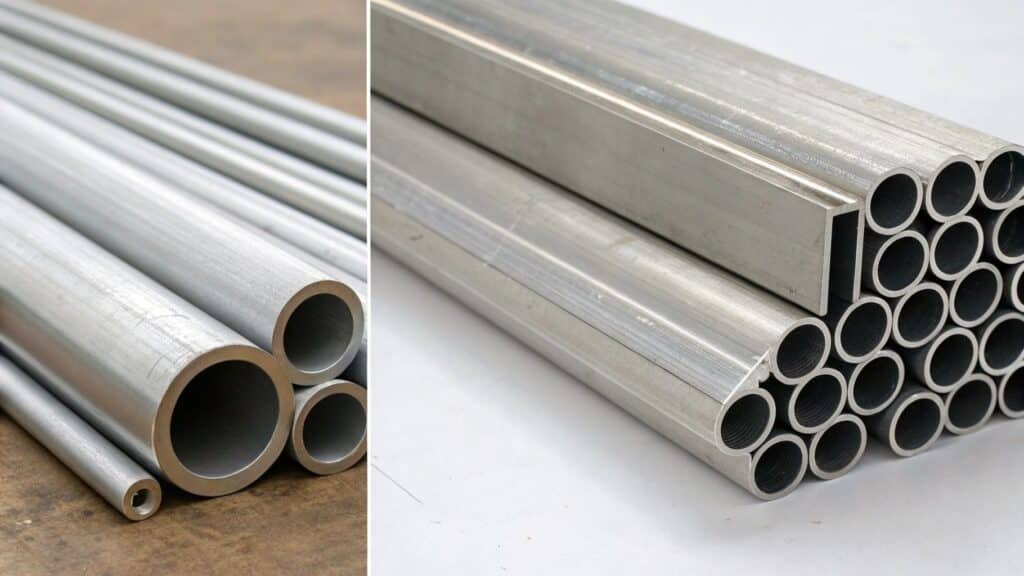
This is one of the most important distinctions in the world of aluminum. It's about two different families of materials designed for completely different jobs. 5052 is part of the 5xxx series, which gets its strength from work-hardening. It's excellent for bending and forming, and it holds up incredibly well in saltwater, which is why you see it used for boat hulls and tanks. 6061 is in the 6xxx series, a heat-treatable family. Its strength potential is unlocked through a specific thermal cycle after forging. A forged and heat-treated 6061-T6 part is roughly twice as strong as a standard 5052-H32 part. For my customers who need reliable, load-bearing components for industrial machinery or automotive applications, forged 6061 is the clear choice. Using 5052 in its place would be a dangerous mistake.
What Are Some Common Examples of Aluminum Alloys?
You hear names like "aircraft aluminum" or "marine grade" thrown around. These general terms can be confusing and don't help you specify the exact material you actually need.
Common examples include 6061, the versatile workhorse for structural parts; 7075, the high-strength choice for aerospace; 5052, a popular marine-grade alloy; and 2024, another high-strength aerospace alloy.
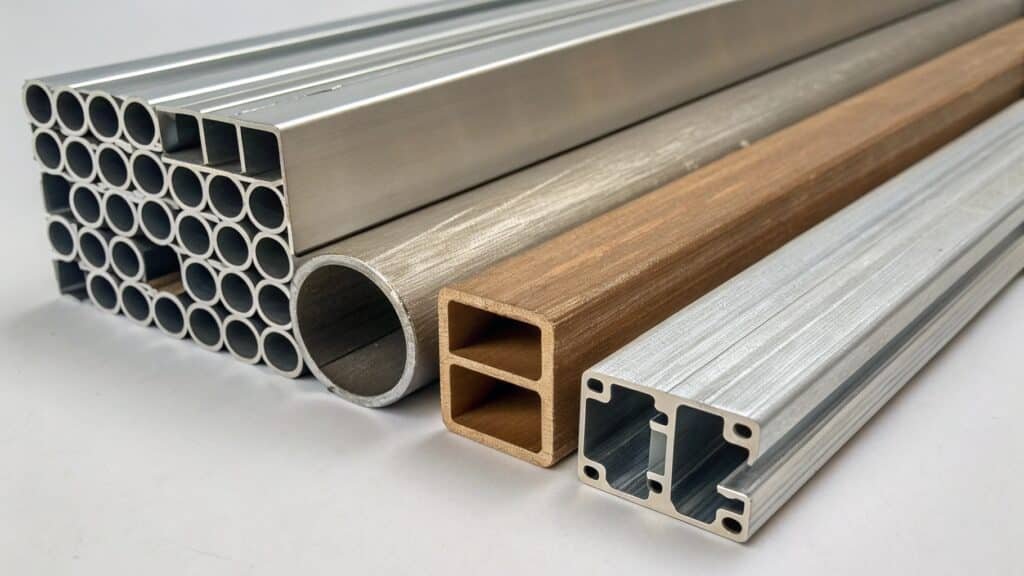
Let's put some specific names to the families we discussed. When people talk about "aircraft aluminum," they are often referring to 7075 or 20244. These are the high-performance blueprints we execute for aerospace clients who need maximum strength-to-weight. When you hear "marine grade," that's usually an alloy from the 5xxx series, like 5052 or 5083, chosen for their ability to resist corrosion in saltwater. The most common, versatile alloy we work with is 6061. It's the perfect balance of good strength, good corrosion resistance, and excellent response to the forging process. It's the go-to blueprint for a huge range of industrial components, from automotive suspension parts to hydraulic valve bodies. Understanding these key examples helps you start to see which blueprint is right for your project before we even begin the forging process.
What Is the Most Common Aluminum Alloy?
You need a reliable, cost-effective material for your project. With so many options, you want to know which alloy is the most trusted and widely used across industries.
6061 is arguably the most common and versatile aluminum alloy in use today. Its excellent balance of strength, corrosion resistance, machinability, and weldability makes it a preferred choice for a vast range of structural applications.
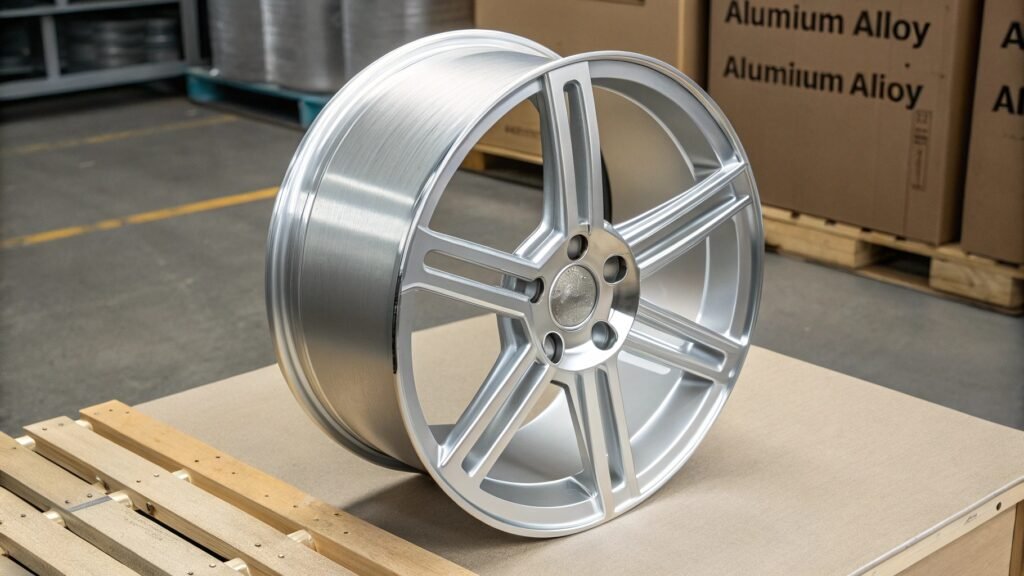
Without a doubt, 6061 is the king. It's the material I see specified more than any other, and for good reason. It hits the sweet spot for so many applications. It's strong enough for demanding structural parts, especially after we forge and heat-treat it to the T6 temper. It has great corrosion resistance, so it holds up well in most environments without expensive coatings. It’s also fantastic to machine, which is a major concern for our customers who are turning our forged blanks into finished components. Because it is so widely used, it is readily available and cost-effective. It's the reliable foundation of the aluminum world. While we love the challenge of forging high-strength 7075, we produce thousands of tons of 6061 components because it provides the perfect performance blueprint for the majority of industrial needs.
Conclusion
An alloy grade is just a promise on paper. At SWA Forging, we execute that promise, turning a performance blueprint into a component with guaranteed strength and a lifetime of reliability.
-
Explore the unique properties of 7075 aluminum, a high-strength alloy ideal for aerospace applications. ↩
-
Discover the formability and corrosion resistance of 5052, ideal for marine environments. ↩
-
Understand the critical role of corrosion resistance in extending the life of aluminum components. ↩
-
Explore the applications of 2024 aluminum, another high-strength option for aerospace. ↩