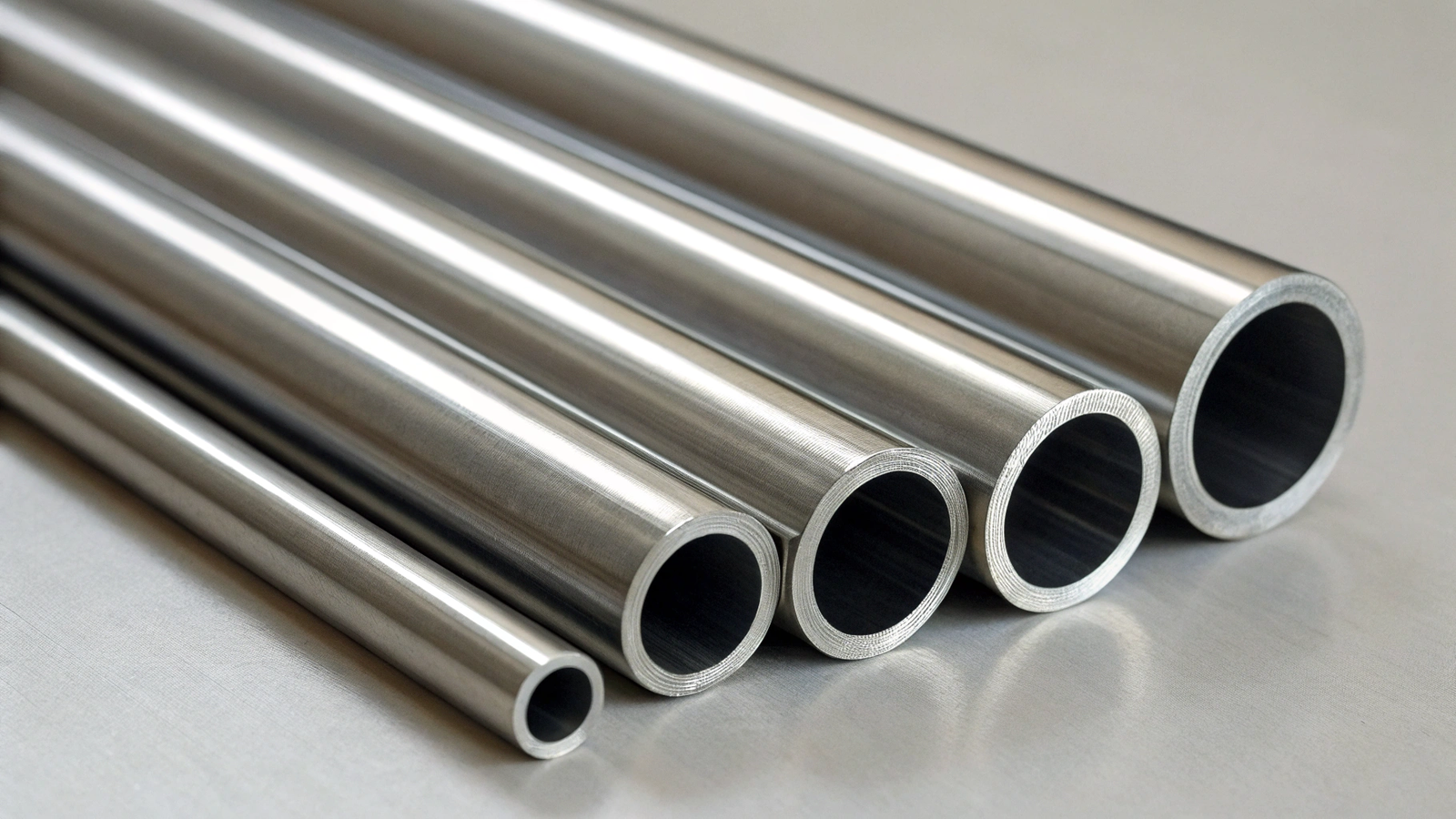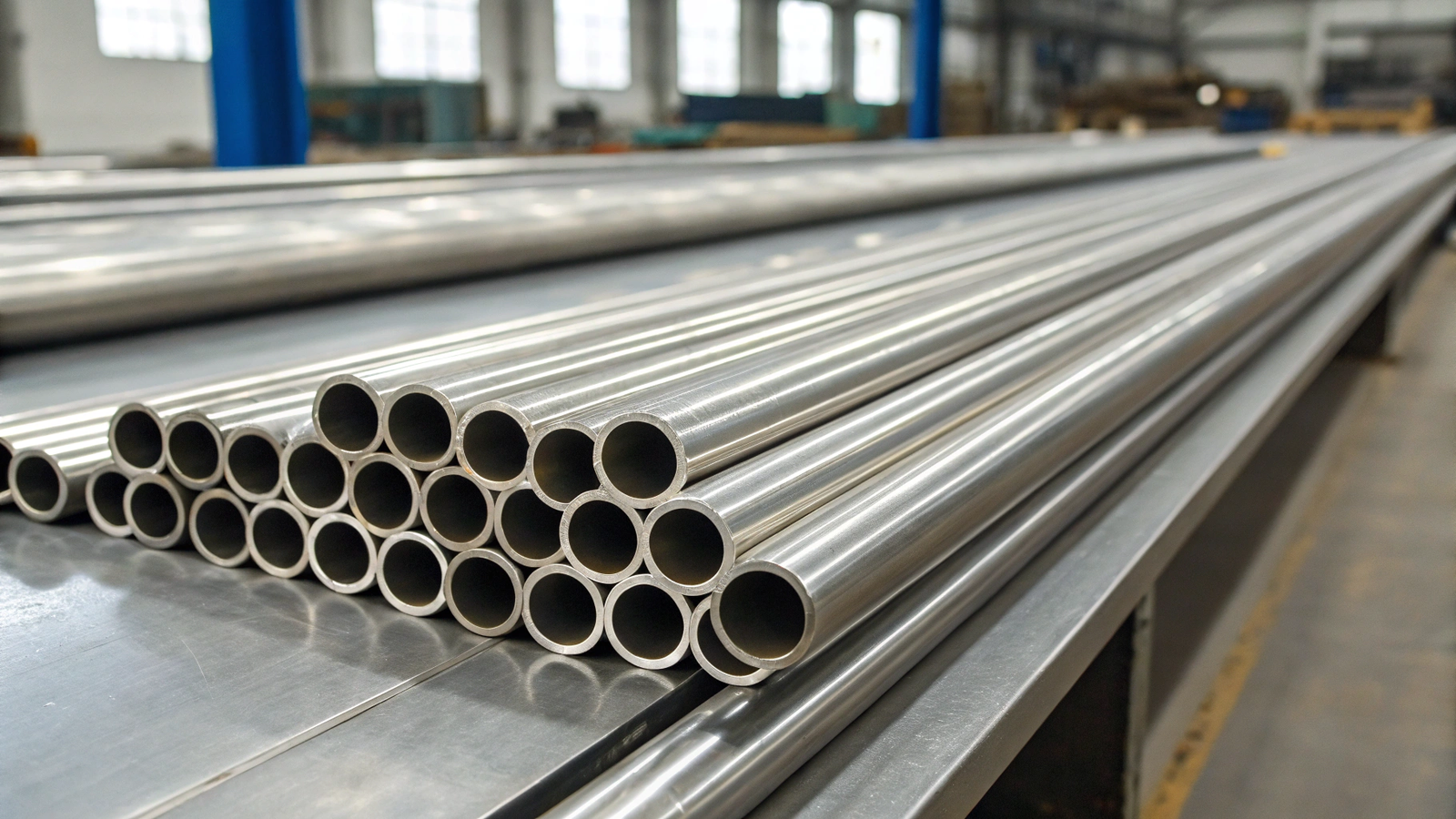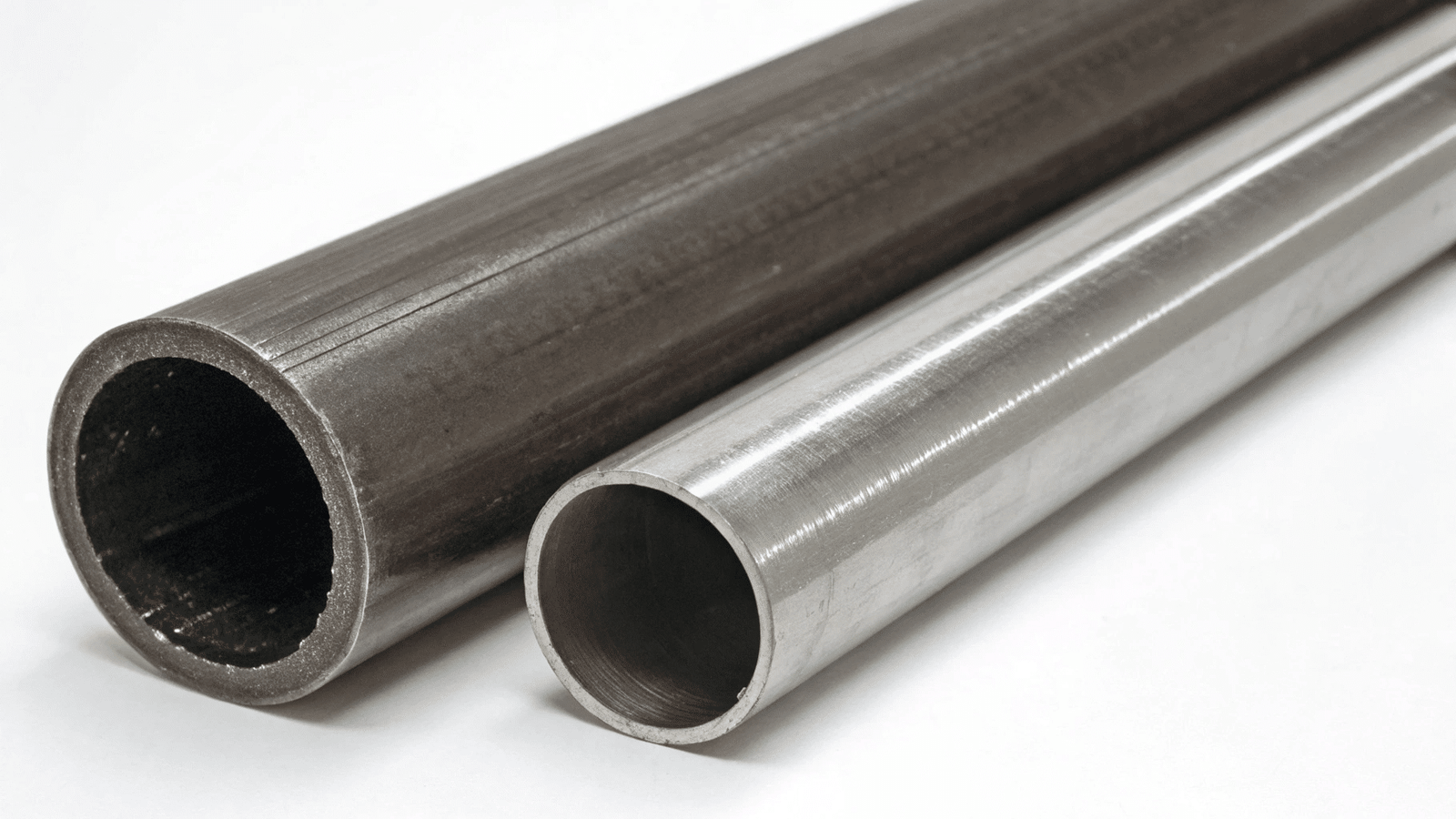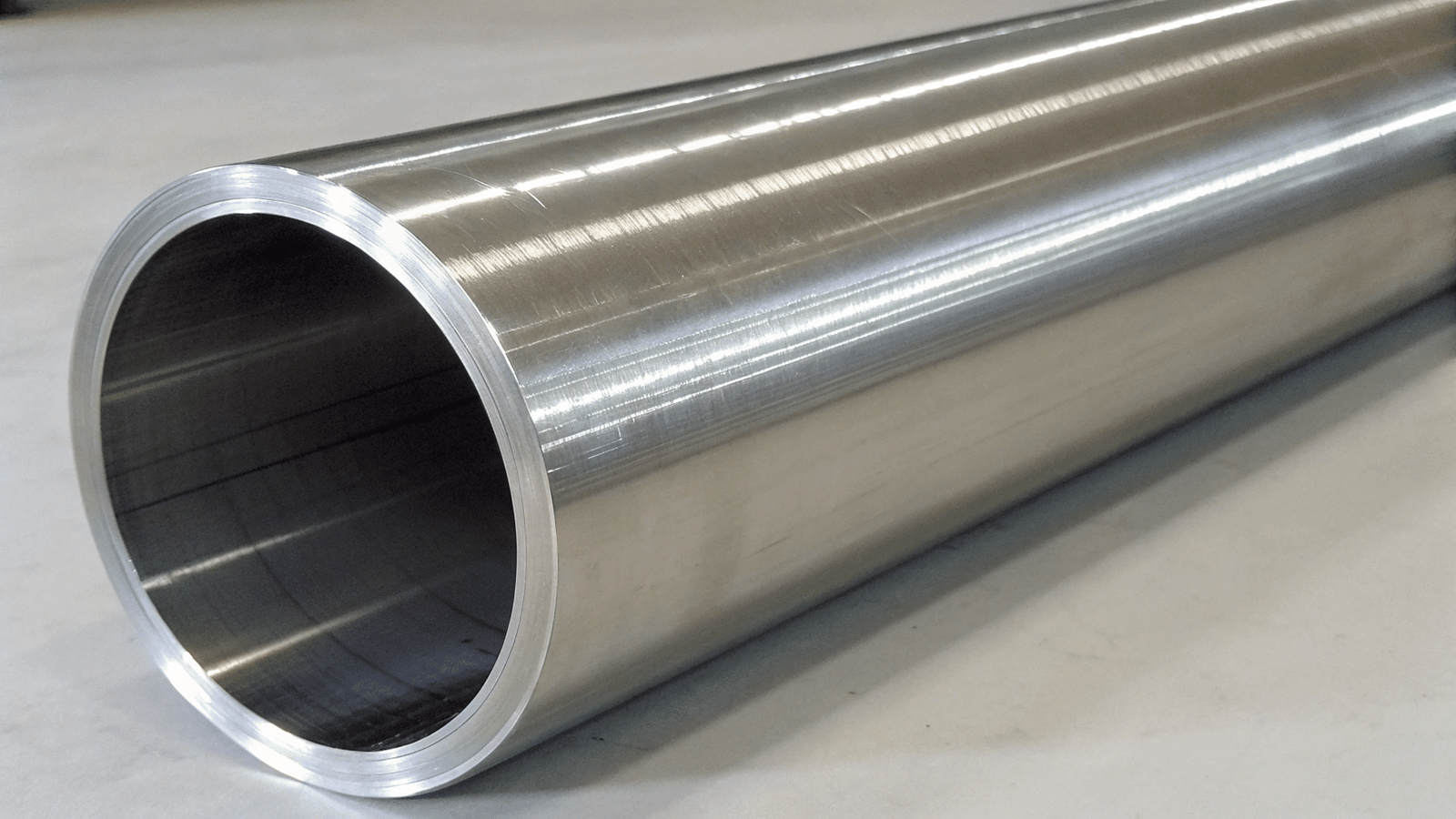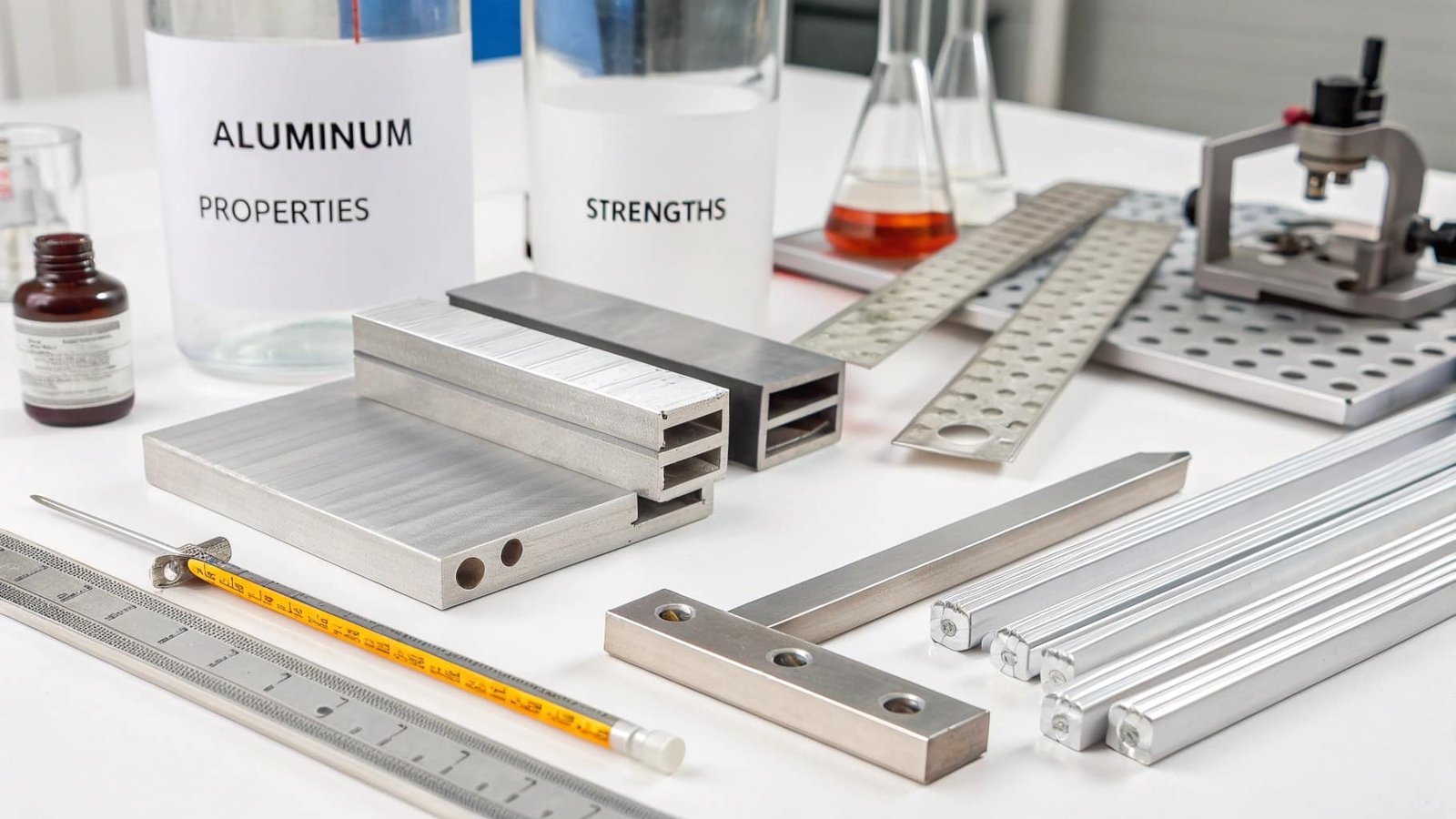
You rely on aluminum tubing1 for its light weight and availability. But you secretly worry about its true strength and whether it will crack during fabrication or fail under stress in a critical application.
You maximize tubing performance through correct handling, like proper bending and joining techniques. But for ultimate, critical performance, the best tip is to bypass tubing and machine your component from a solid forged ring or disc to guarantee superior structural integrity.
At SWA Forging, I've seen countless engineers and machinists push aluminum tubing to its limits. They have to deal with complex bending rules, tricky welding, and reinforcement strategies. My best tip is always the same: for critical performance, bypass tubing. Machine your component from a forged ring to achieve the continuous grain structure and ultimate integrity that extruded forms lack. Let's look at the common tubing challenges and why a forging is often the better answer.
How Can You Strengthen Aluminum Tubing?
You have a design that uses aluminum tubing, but you're concerned it won't be strong enough. This forces you to add clumsy reinforcements that increase weight and manufacturing time.
The most common ways to strengthen aluminum tubing are through heat treatment (like T6 tempering), or by adding mechanical reinforcements such as gussets or internal sleeves. However, these methods add extra steps and costs, and they don't solve the core issue of the tube's linear grain structure.
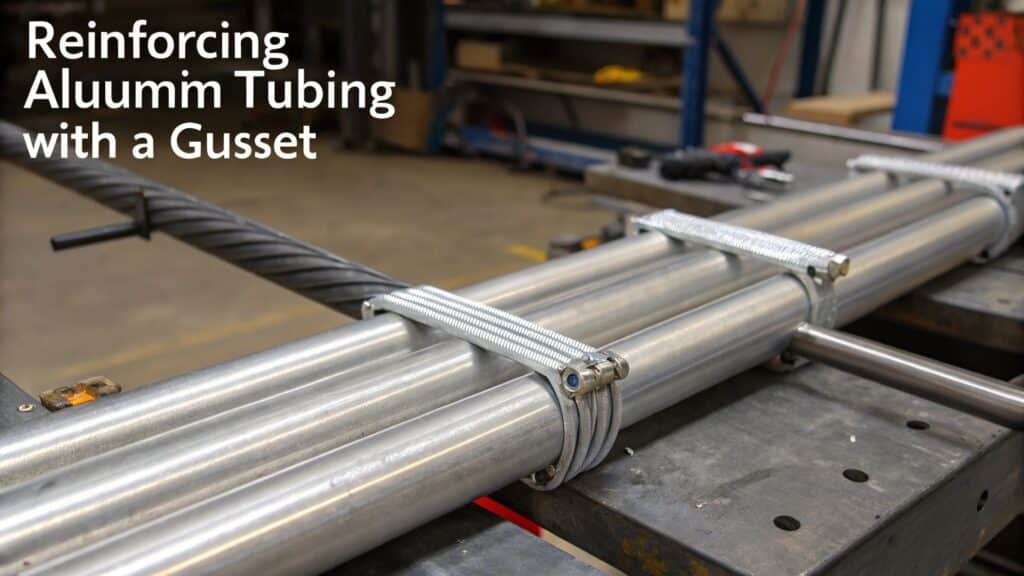
Strengthening a tube is essentially a workaround for its inherent limitations. Heat treating can increase the alloy's hardness, but it can also make it more brittle and prone to cracking during fabrication. Welding on gussets adds strength at a specific joint, but it also creates a Heat Affected Zone (HAZ) that weakens the parent material around the weld. You end up chasing weak points around the structure. The alternative is to start with a stronger foundation. A forged blank has a grain structure that is refined and non-linear. This provides superior strength in all directions from the very beginning. You're not fixing a weak shape; you're starting with a superior one.
Strengthening Methods: A Comparison
| Method | How It Works | The Hidden Compromise |
|---|---|---|
| Heat Treatment | Alters the alloy's molecular structure to increase hardness and tensile strength. | Can make the tube brittle. Does not change the weak, linear grain flow. |
| Gussets/Bracing | Welds or bolts on extra material to support joints and resist bending forces. | Adds weight, complexity, and creates Heat Affected Zones (HAZ) that weaken the tube. |
| Internal Sleeves | Inserts a smaller tube inside the main tube to create a thicker, stronger wall. | Significantly increases weight and cost. Can trap moisture, leading to corrosion. |
| Start with a Forging | The forging process creates a dense, continuous grain structure from the start. | No compromise. The inherent strength is built into the material's foundation. |
Is It Better to Bend Aluminum Cold or Hot?
You need to bend a tube without it cracking or collapsing. Choosing the wrong method can lead to wasted material, ruined parts, and significant delays for your project.
For most common heat-treated alloys like 6061-T6, it is far better to bend aluminum cold. Applying heat can destroy the temper and significantly weaken the material. Hot bending should only be used for specific soft alloys or for very tight radii by experts who can re-heat-treat the part afterward.
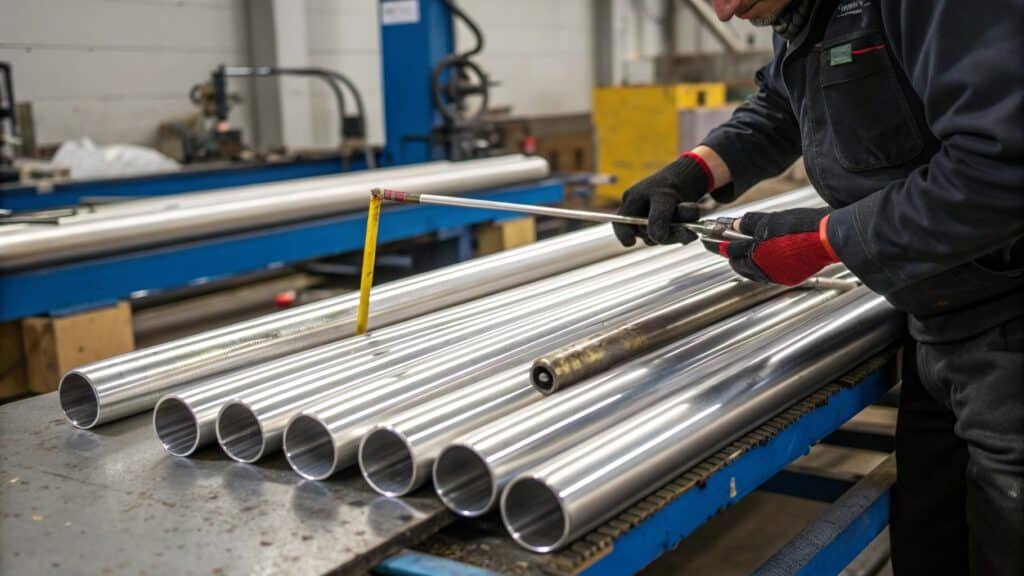
The "rule for bending" is a critical tip here. It dictates the minimum bend radius for an alloy and temper to avoid cracking. For example, a common rule is a bend radius of 6 to 8 times the tube's diameter. Bending it any tighter during a cold bend will cause the outer wall to stretch and crack. You might think heat is the answer to achieve a tighter bend, but it's a trap. Heating a T6-tempered tube above about 200°C will begin to anneal it, turning your strong T6 into soft T4 or even softer T0 temper. You lose the strength you paid for. Instead of navigating this complexity, consider the application. If you need a strong, tightly curved component, don't bend a tube. Machine it from a solid forged disc. This eliminates the risk of cracking, preserves 100% of the material's strength, and gives you a perfect component every time.
What is the Best Way to Connect Aluminum Tubing?
You need to join two pieces of tubing to create a frame or structure. A poor connection is a guaranteed point of failure, risking the integrity of the entire assembly.
The best connection method depends on the application. TIG welding provides a strong, permanent bond but requires high skill and damages the material's temper. Mechanical fasteners are easier and don't use heat, but they can be bulkier and may loosen over time.
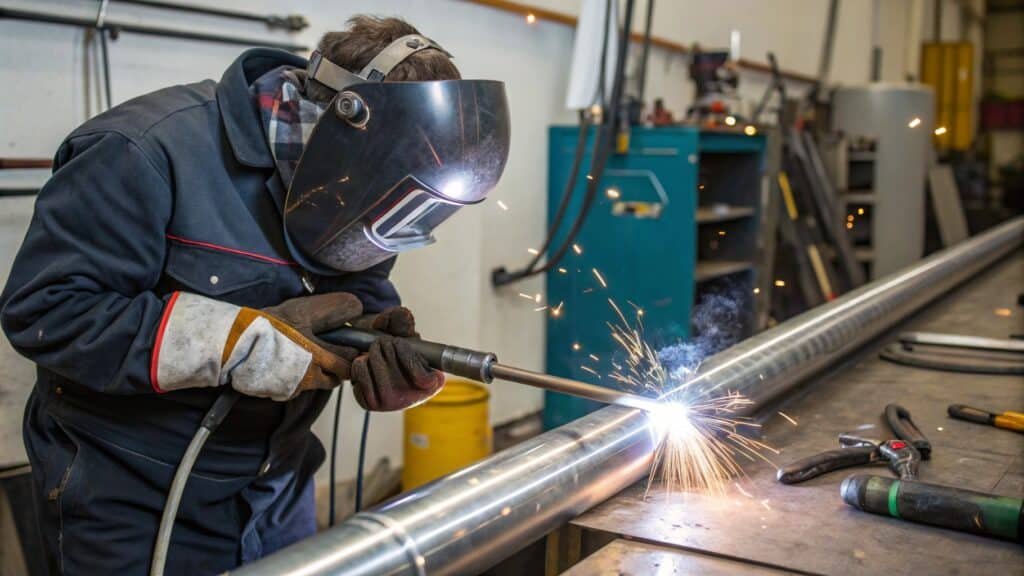
This is a classic engineering trade-off. TIG welding is often seen as the "best" way because it creates a seamless look. However, the intense heat creates a large Heat Affected Zone (HAZ) where the aluminum alloy loses its temper and becomes much weaker. A welded 6061-T6 frame can be 30-40% weaker around the joints unless the entire frame is heat-treated again, which is often impractical. Mechanical connectors like clamps, rivets, or specialty couplers avoid heat damage entirely and are very reliable, but they add weight and complexity. Once again, the ultimate tip is to avoid the problem. Instead of joining multiple straight tubes to make a shape, can you machine the entire shape from one solid piece of forged aluminum? A single component has no joints, no weak points, and perfect structural integrity.
Conclusion
The best tip for aluminum tubing is to know its limits. For everyday applications, proper technique is key. For critical performance, the solution is to bypass tubing and machine your component from a superior forged blank.
-
Explore the benefits of aluminum tubing, including its lightweight nature and versatility in various engineering projects. ↩