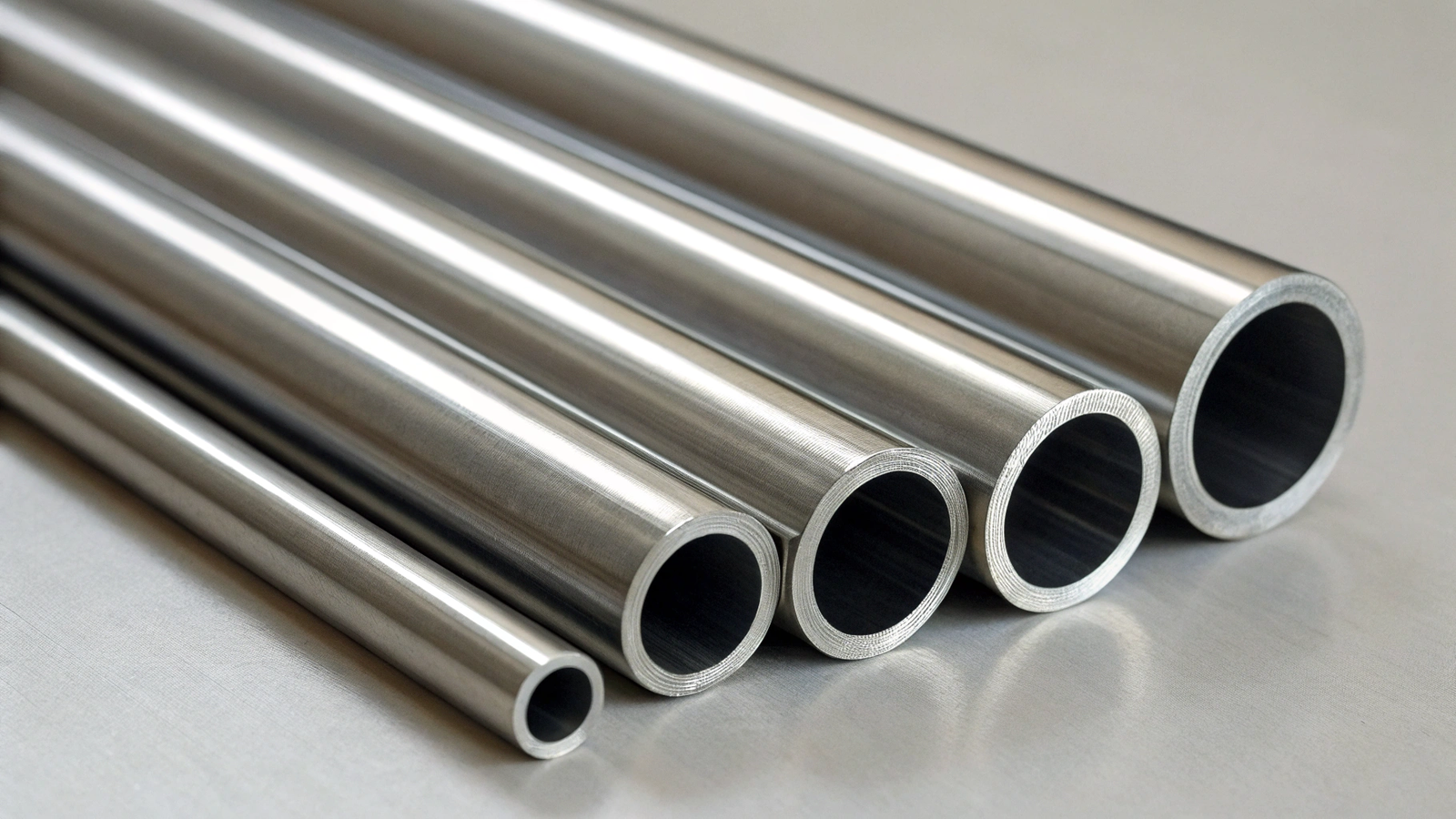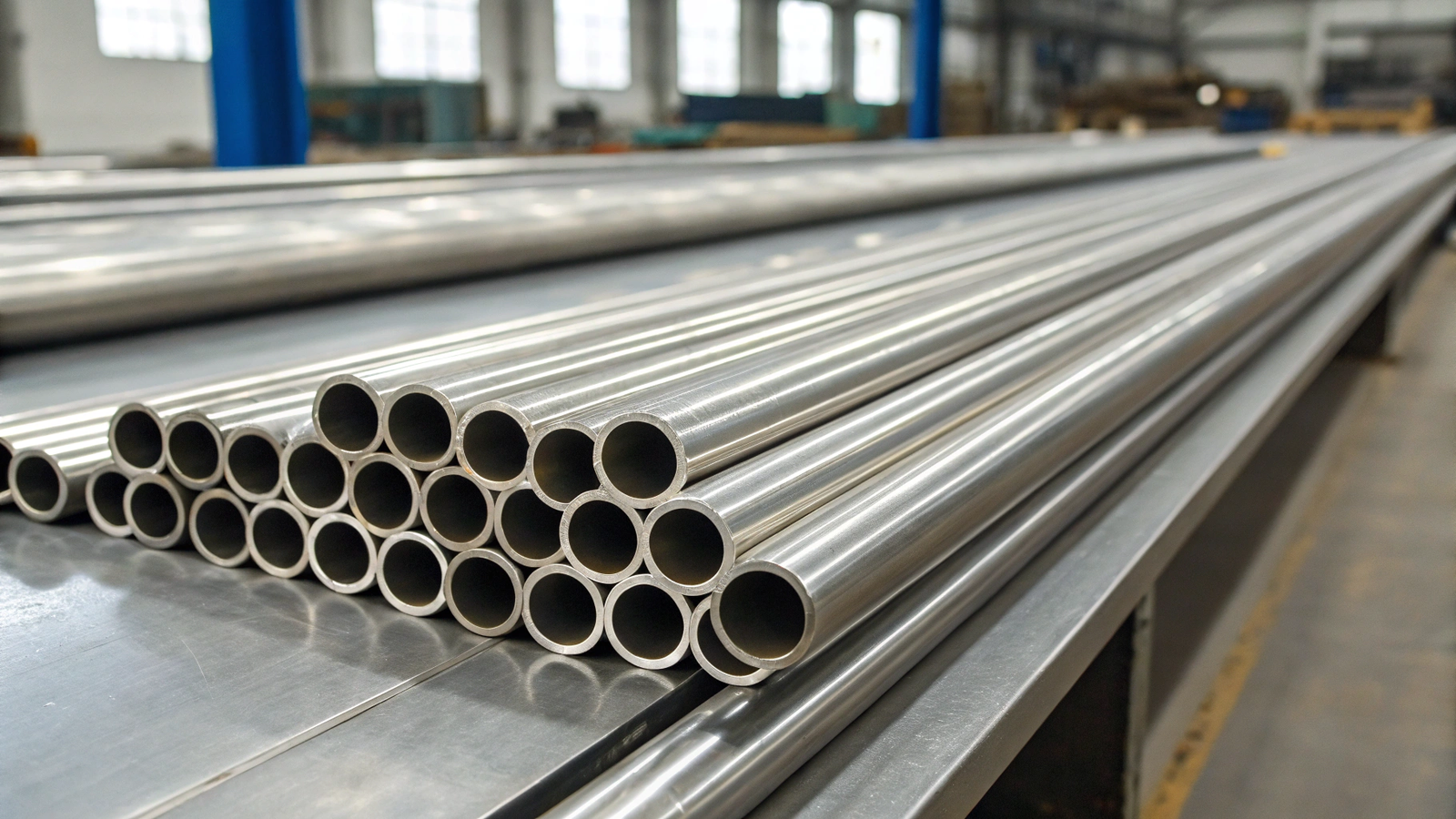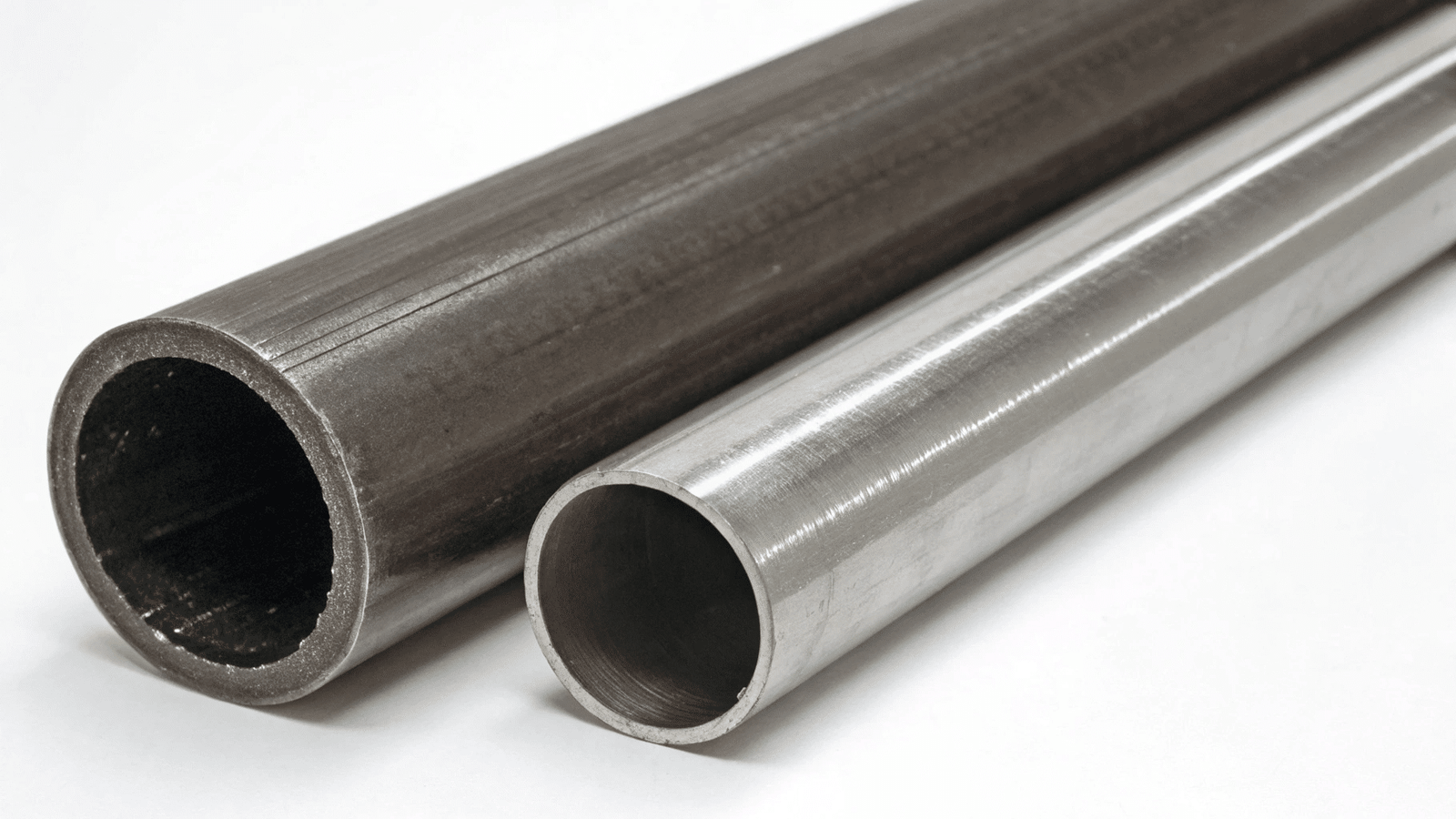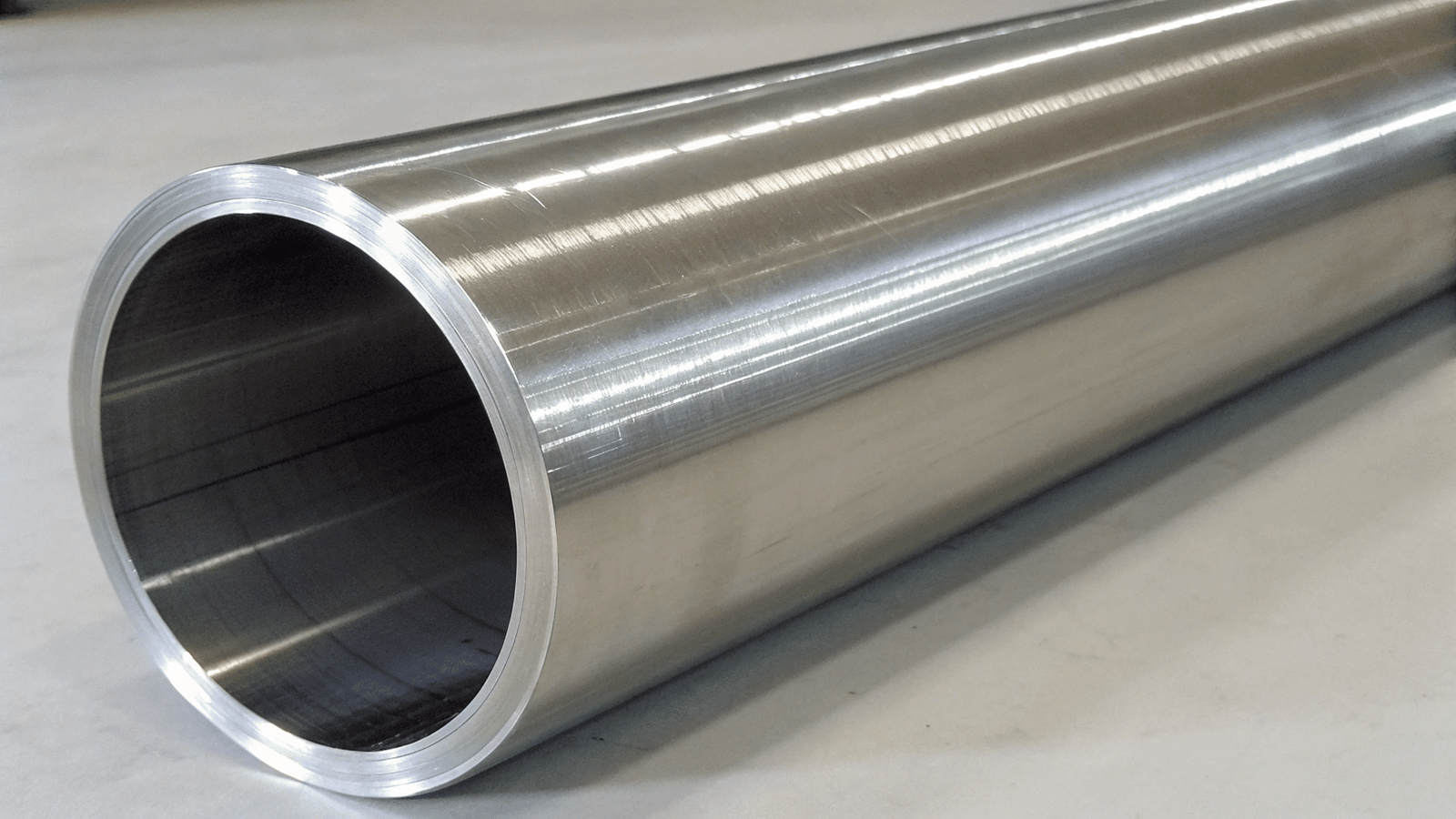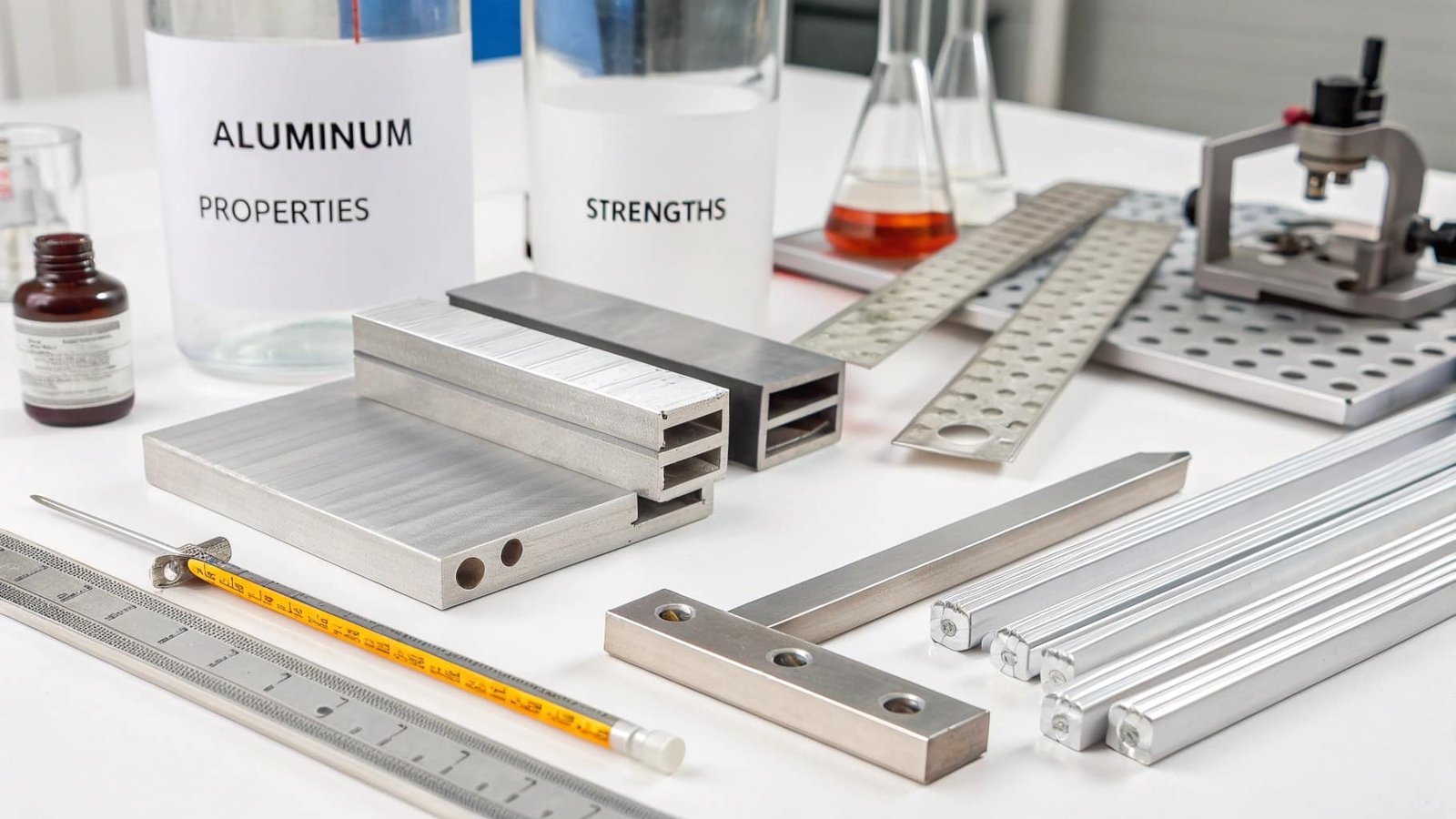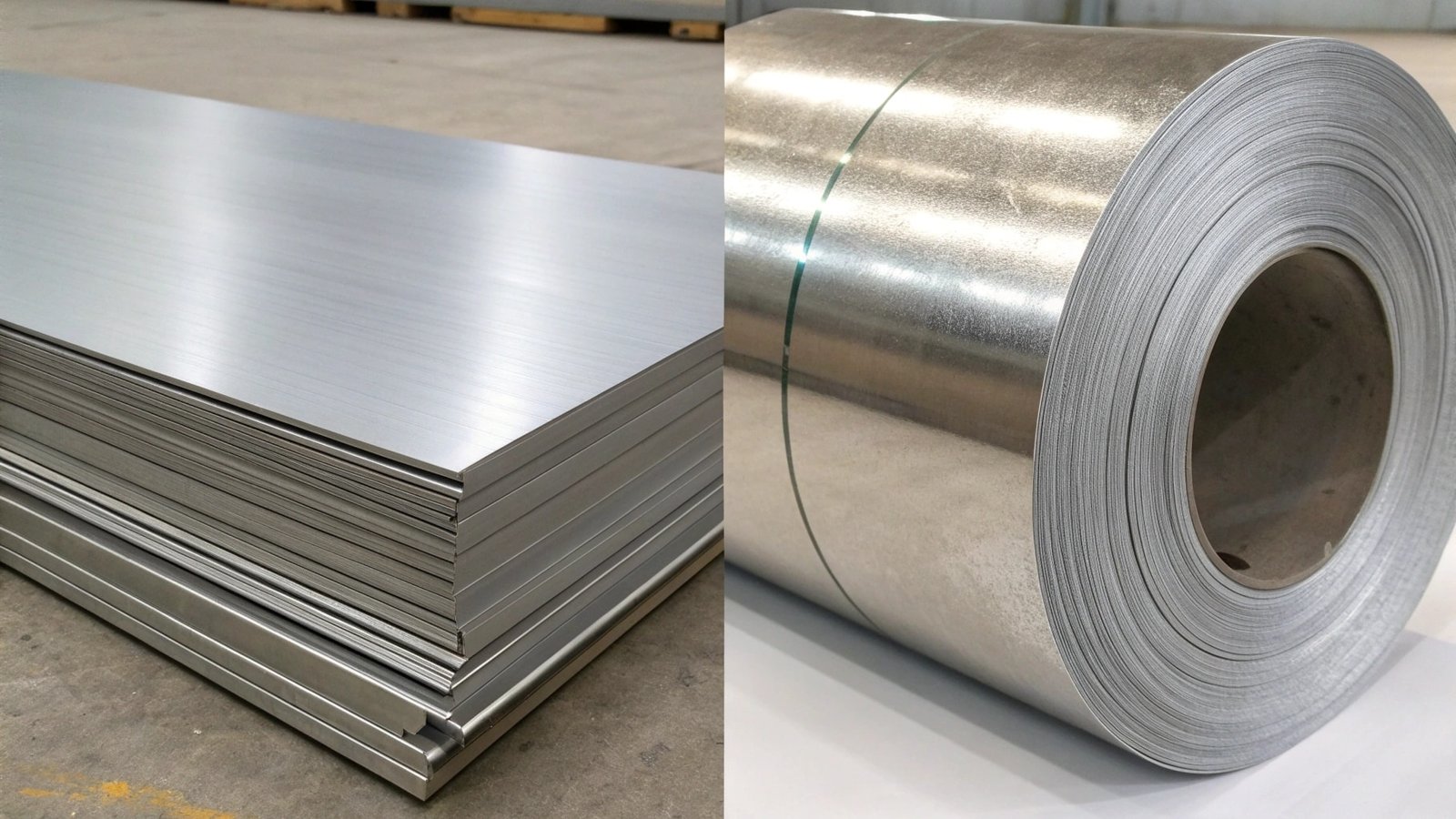
You buy expensive, high-strength tubing1 to machine critical parts like rings or flanges. Yet, you still face unexpected failures, forcing you to use more material than necessary, which erodes your profits.
Tubing's strength is unidirectional, like wood grain. Machining a ring from it creates a built-in weak point by cutting across this grain. Our forgings align the grain to the part's shape, ensuring strength is exactly where you need it.
I once visited a new client, a high-precision machining shop. They showed me a bin of failed parts – beautifully machined flanges that had cracked in service. They had used top-grade 6061-T6 seamless tubing2, and they couldn't understand the problem. I took one of the failed parts and sketched the grain flow of the original tube right on it. They immediately saw the issue: the crack had formed exactly where the machine tool had cut across the material's natural strength axis. I explained that they were fighting the material. We switched them to our custom-forged ring blanks. Because our process shapes the grain to follow the contour of the flange, there were no more weak points. Their failure rate dropped to zero.
Is Forged Aluminum Really Better?
You see different forms of aluminum like cast and extruded, and you might assume they are interchangeable. This assumption can lead to choosing a cheaper but weaker material that fails under stress.
Yes, forged aluminum is fundamentally better for any application where strength and reliability are critical. The forging process refines the grain structure and eliminates internal defects, creating a component with superior strength, ductility, and fatigue life.
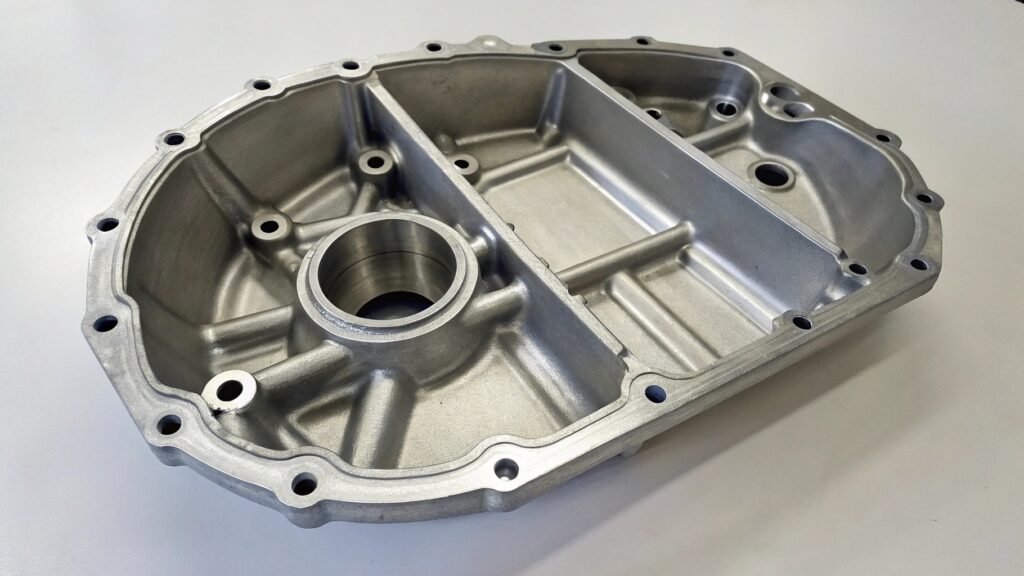
To understand why forging is better, you have to think about what's happening inside the metal. When aluminum is cast, it's like pouring water into an ice tray; the material solidifies with a random, often porous, crystalline structure. When it's extruded, it's pushed through a die, which gives it strength in one direction but doesn't fix all the internal inconsistencies. Forging is completely different. We use immense pressure to shape the metal. This pressure forces the internal grains of the aluminum to align and refine, creating a dense, interlocking structure. It squeezes out any microscopic voids or weak spots. This refined grain flow is the source of forging's superior properties. The resulting part is not just strong, but its strength is predictable and uniform. For our machining clients, this means fewer tool breakages and more consistent results. For traders, it means offering a product that carries a real guarantee of quality.
Material Process Comparison
| Property | Cast Aluminum | Extruded Aluminum | Forged Aluminum (SWA Forging) |
|---|---|---|---|
| Internal Structure | Porous, Coarse Grain | Directional Grain | Dense, Refined Grain Flow |
| Strength | Low | Good (Directional) | Excellent (Multi-Directional) |
| Reliability | Low | Moderate | Highest Possible |
| Fatigue Life | Poor | Good | Excellent |
What Is the Best Aluminum Alloy for Forging?
You need to select an alloy for a new forged part. Choosing the wrong one could mean it forges poorly, lacks the required strength, or fails due to corrosion in its final environment.
There is no single "best" alloy, as the choice depends entirely on the application. However, alloys in the 6000, 7000, and 2000 series are excellent for forging. 6061 is the most versatile and popular choice.
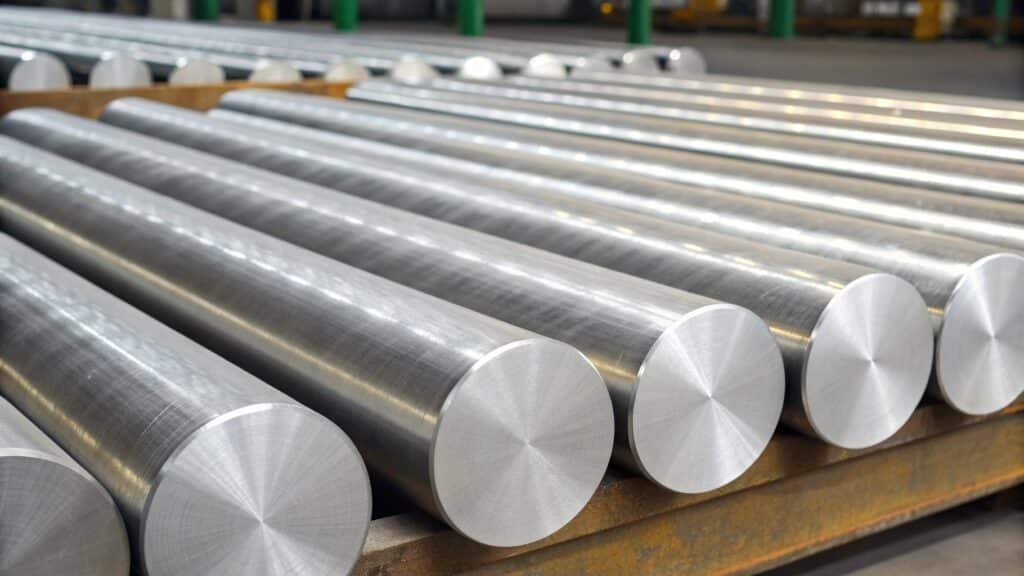
Choosing the right alloy is a critical step, and it's where our technical expertise adds huge value for our clients. We start by asking about the part's final use. For about 80% of the industrial and machining applications we serve, 6061 aluminum is the perfect solution. It forges beautifully and, after heat treatment, offers a fantastic combination of high strength, light weight, and excellent corrosion resistance. This makes it the ideal workhorse. For applications needing the absolute highest strength-to-weight ratio, like in the aerospace industry, we might recommend a 7000 series alloy like 7075. It's more challenging to work with and has lower corrosion resistance, but its peak strength is unmatched. For parts that will experience constant vibration or flexing, a 2000 series alloy like 2024 might be the "best" due to its superior fatigue resistance. At SWA Forging, we see our role as more than just a manufacturer; we are partners who help you select the optimal material for performance and cost-effectiveness.
What Is the Real Difference Between Forged and Cast Aluminum?
You need a part with a complex shape, and casting seems like a cheap and easy option. This focus on initial cost ignores the huge performance gap and hidden risks associated with cast components.
Forging shapes a solid billet of metal under immense pressure, refining its grain structure. Casting pours molten metal into a mold, which creates a weaker, more brittle structure prone to internal defects like porosity.
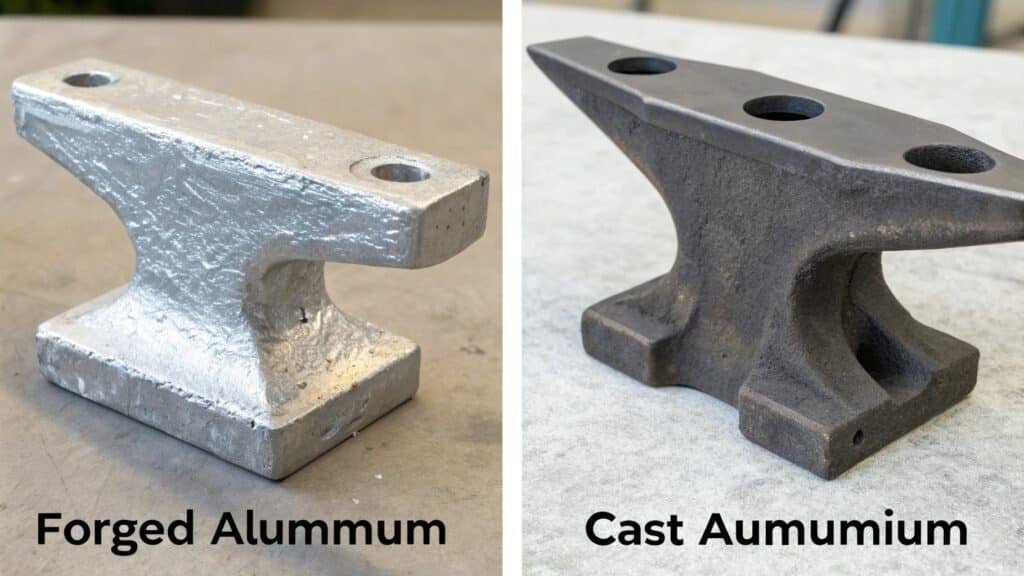
The difference is like comparing a solid oak beam to one made of compressed sawdust. Both might look the same from the outside, but their internal integrity is worlds apart. The casting process is simple: melt metal and pour it into a shape. But as the liquid metal cools, tiny air bubbles can get trapped, creating pockets of weakness called porosity. The cooling process also creates a random, coarse grain structure, which is inherently brittle. A forged part, however, starts as a solid piece of high-quality aluminum billet. We use thousands of tons of pressure to force it into the desired shape. This process physically crushes any voids and aligns the metal's grain structure to flow with the part's contours. This results in a dense, strong, and ductile component. A cast part might snap under sudden impact; a forged part will deform but is far less likely to break. For any part that bears a load or is critical for safety, there is no substitute for the reliability of forging.
What Is the Strongest Aluminum Tubing?
You are sourcing tubing for a high-pressure or high-stress application. You need to know which product offers the absolute maximum strength to ensure safety and prevent catastrophic failure.
The "strongest" tubing isn't just about the alloy; it's about the manufacturing process. A drawn seamless tube made from a forged hollow billet in a high-strength alloy like 7075-T6 will offer the highest possible burst strength and fatigue life.
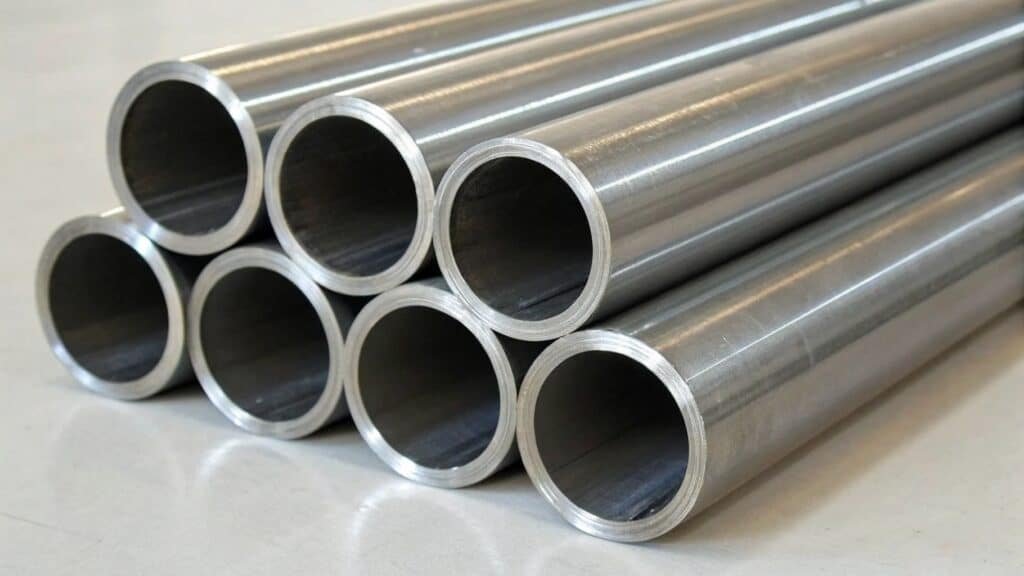
This question goes to the heart of our specialized capabilities. Many people think strength comes only from the alloy name, for example, 7075 is stronger than 6061. While true, that's only half the story. The ultimate strength of a tube depends on its internal integrity. Standard extruded tubing can have inconsistencies and a grain structure that is not optimized for pressure containment. To create the strongest possible tube, you must start with the best possible material blank. At SWA Forging, we produce forged hollow billets. We forge a solid billet over a mandrel, creating a seamless hollow with a perfectly refined and concentric grain structure. This forged hollow is then used as the starting stock for the drawing process. This "forged-then-drawn" method creates a tube with unparalleled metallurgical soundness. It has a higher burst strength and is far more resistant to fatigue cracking than a tube made by extrusion alone. You are not just buying a strong alloy; you are buying a superior manufacturing process.
Conclusion
Don't machine away your material's strength. Choose components forged by SWA, where we align the grain to your part's shape, guaranteeing structural integrity and predictable performance where you need it most.