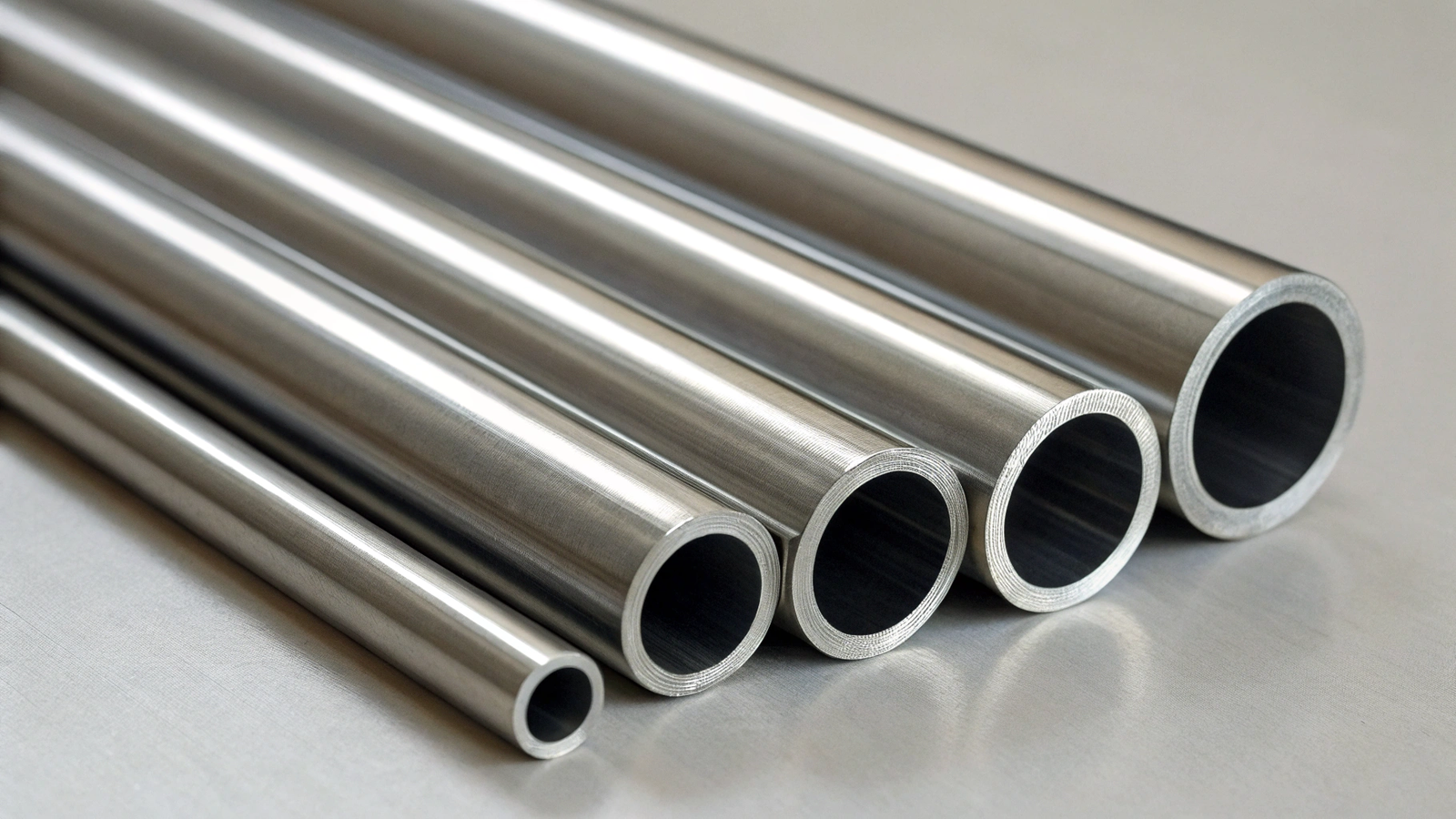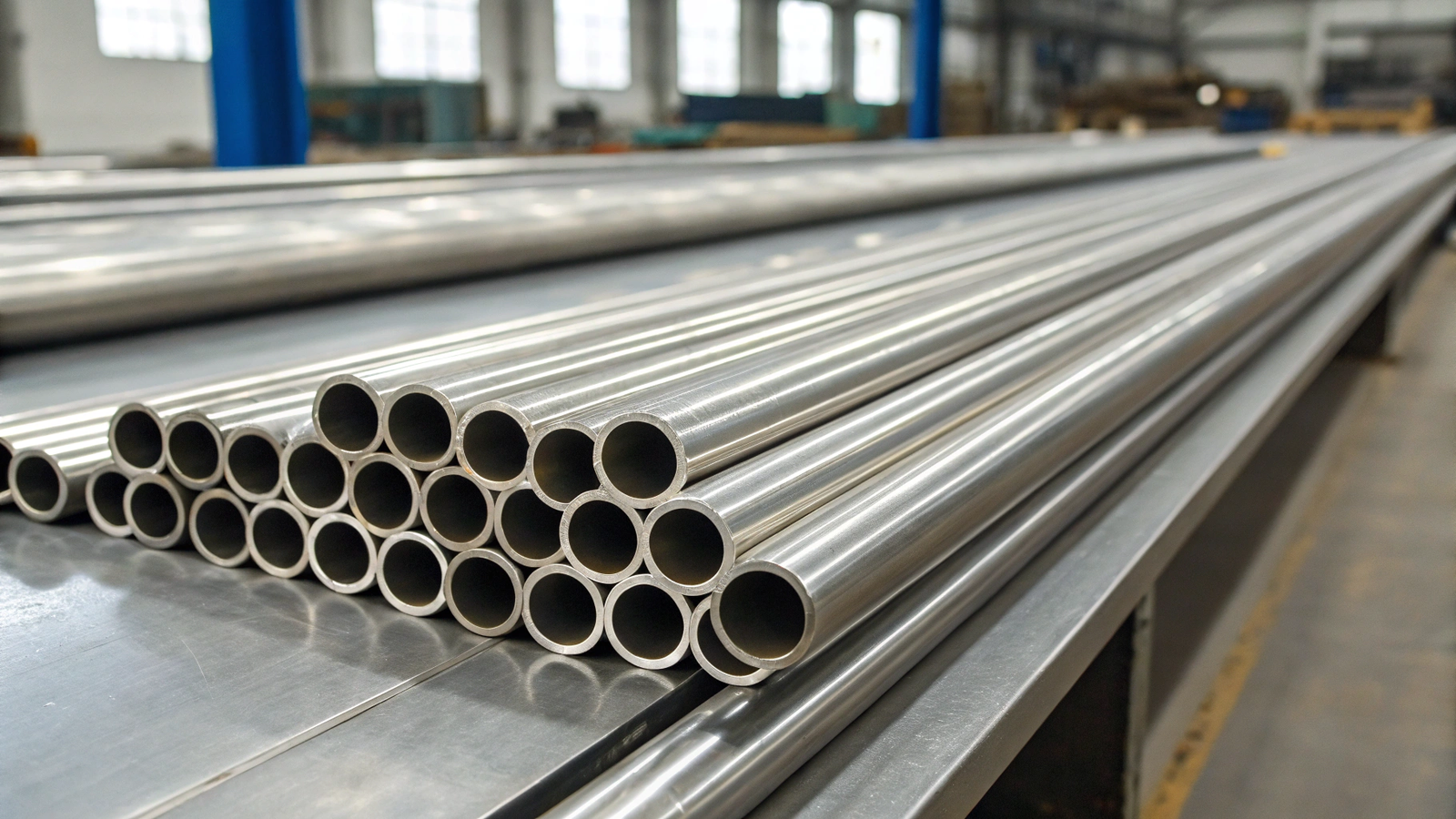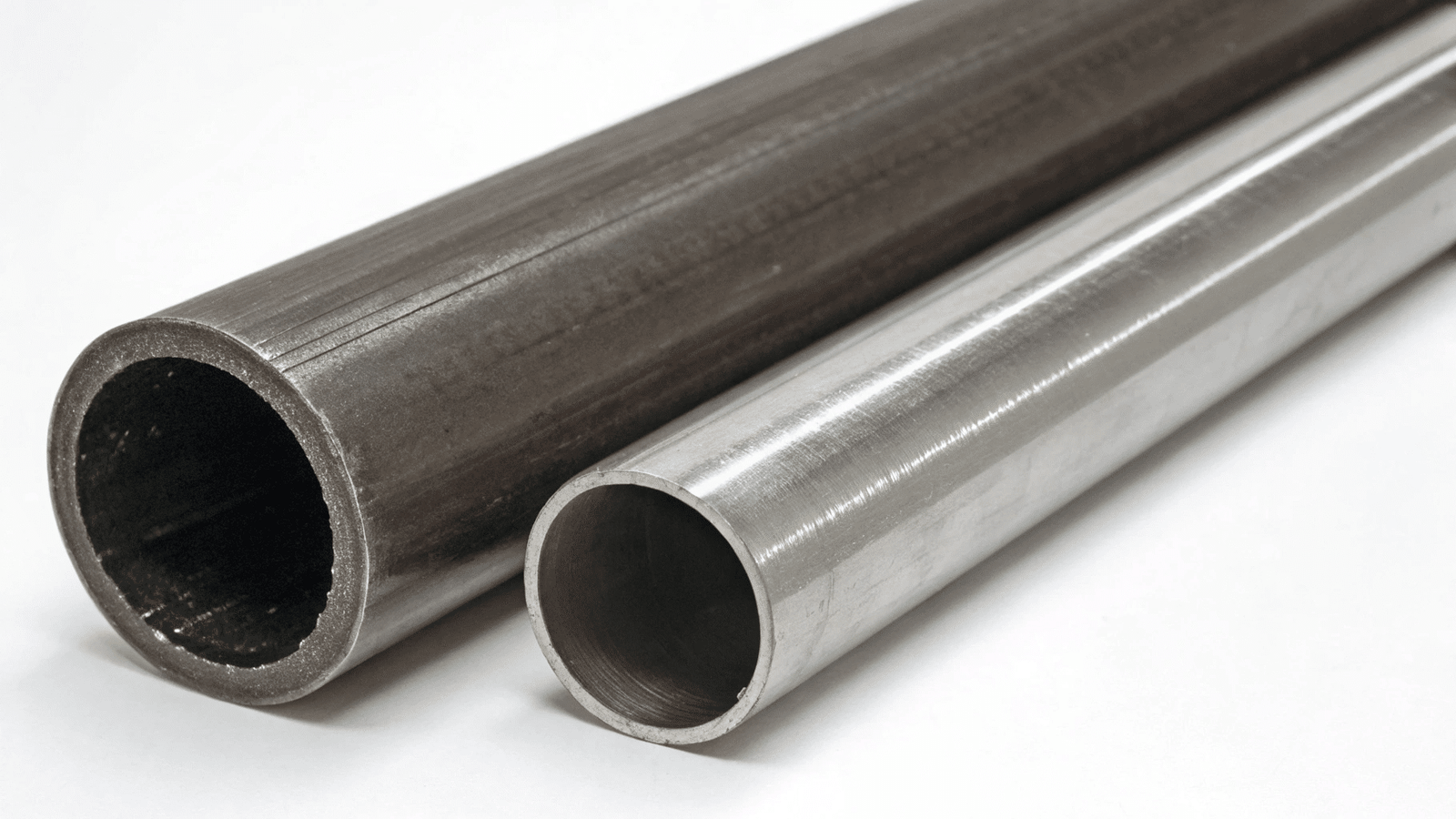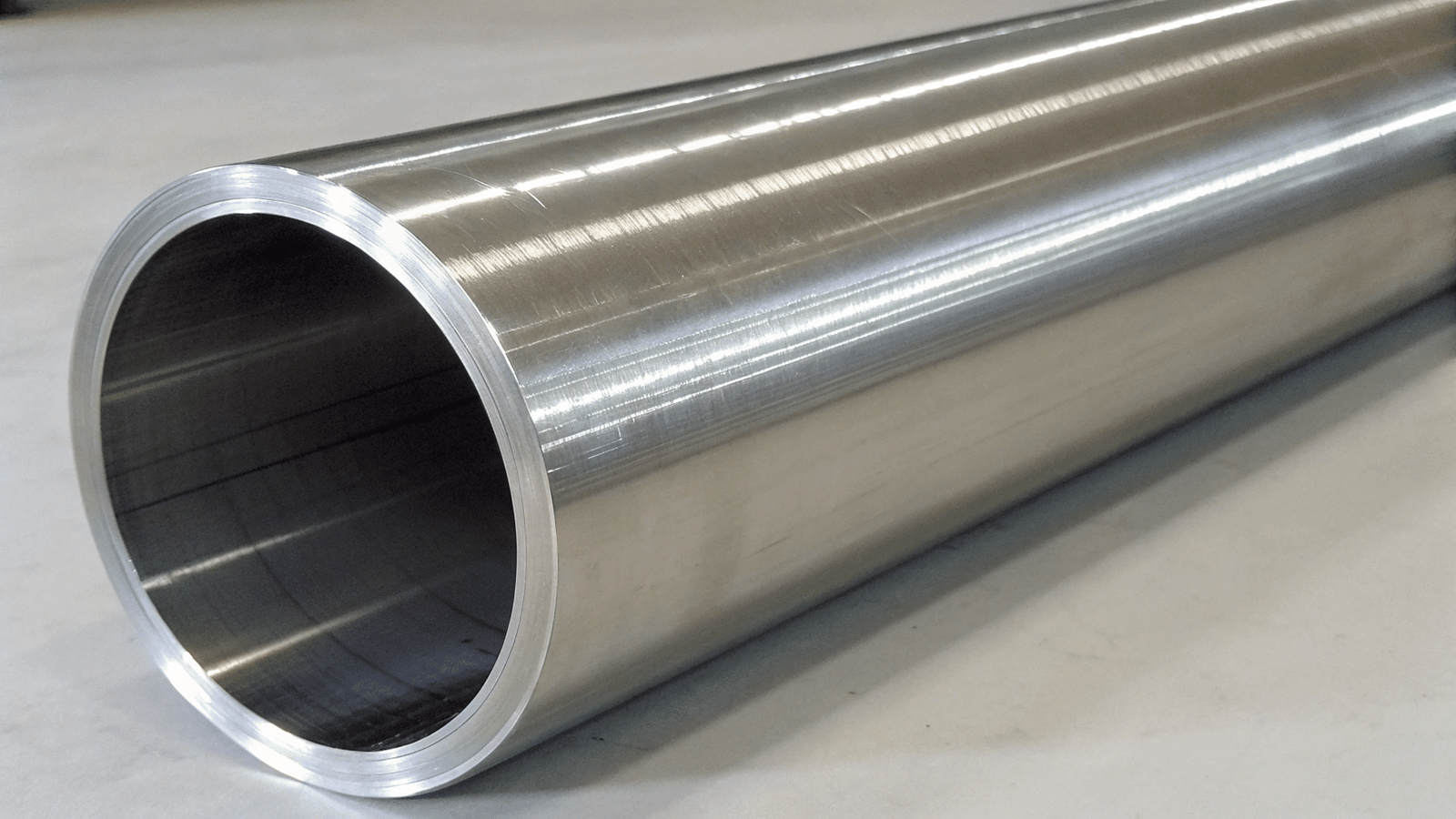
You need a hollow aluminum form for your machined parts and grab Schedule 40 pipe. But when subjected to real-world stress, these parts fail, revealing hidden flaws and costing you money.
A pipe is for conveyance; a forged hollow is for components. Our process eliminates the porosity and linear grain weakness of extruded pipe, ensuring your machined part's integrity from its core.
I once worked with a client in the heavy equipment industry who was manufacturing hydraulic cylinder bodies. They thought they could save costs by machining them from large-diameter, thick-walled 6061-T61 extruded pipe. During high-pressure testing, they experienced weeping leaks and even catastrophic failures. The extrusion process had left microscopic porosity and a strictly linear grain structure, which were weak points under hoop stress. We replaced their extruded pipe with our custom-forged hollows. The forging process created a dense, flawless material with a grain structure oriented to handle pressure from all directions. The failures stopped immediately, and they secured a reputation for reliability. They learned that a starting material designed for components is not an expense, it's an investment.
Can schedule 40 pipe be aluminum?
You are looking for a lightweight alternative to steel pipe. But you are unsure if aluminum is even available in standard pipe schedules like Schedule 40.
Yes, Schedule 40 pipe is commonly made from aluminum, typically in alloys like 6061 or 6063. It provides a lightweight, corrosion-resistant option for various structural and fluid conveyance applications.
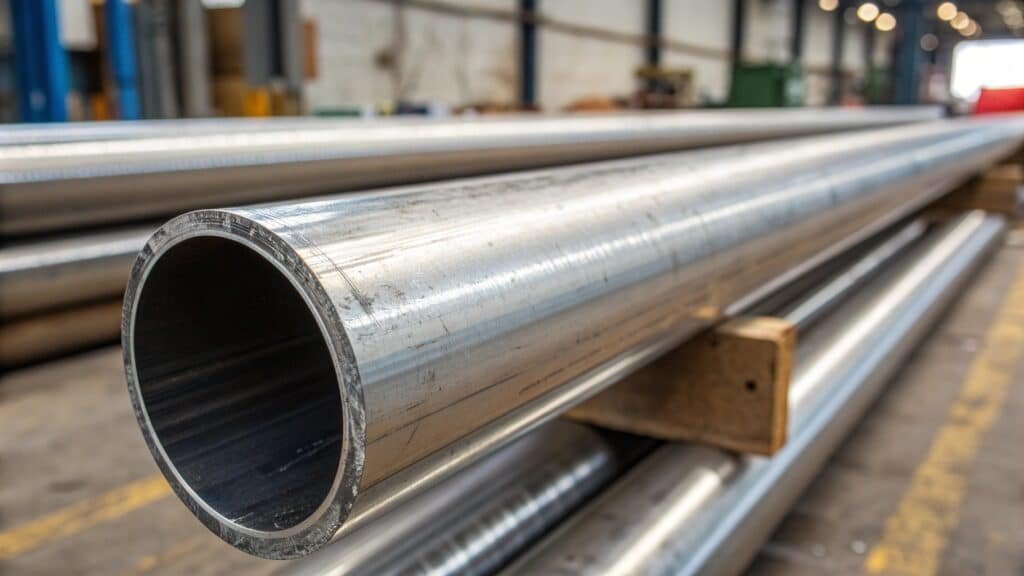
It is a common misconception that pipe schedules only apply to steel. The "Schedule" number, like Schedule 40, refers to a standardized wall thickness for a given pipe diameter, regardless of the material. Aluminum is an excellent choice for these standards when its specific properties are needed. Alloys like 6061-T6 are often used for structural applications like handrails or frameworks because of their good strength. Alloy 6063 is also common due to its excellent surface finish and corrosion resistance2, making it great for architectural uses. However, it is critical to remember what these pipes are designed for: structural frameworks and fluid transport. The extrusion process used to make them is efficient for this purpose but is not optimized for creating a solid, uniform internal structure needed for high-pressure or high-stress machined components.
What sizes does Schedule 40 pipe come in?
You need a specific pipe size for your project, but the sizing standards are confusing. Ordering based on the name alone can result in receiving the wrong dimensions.
Schedule 40 pipe sizes are standardized by a Nominal Pipe Size (NPS), which goes from 1/8" up to 36". For sizes up to 12", the NPS is not the actual diameter.
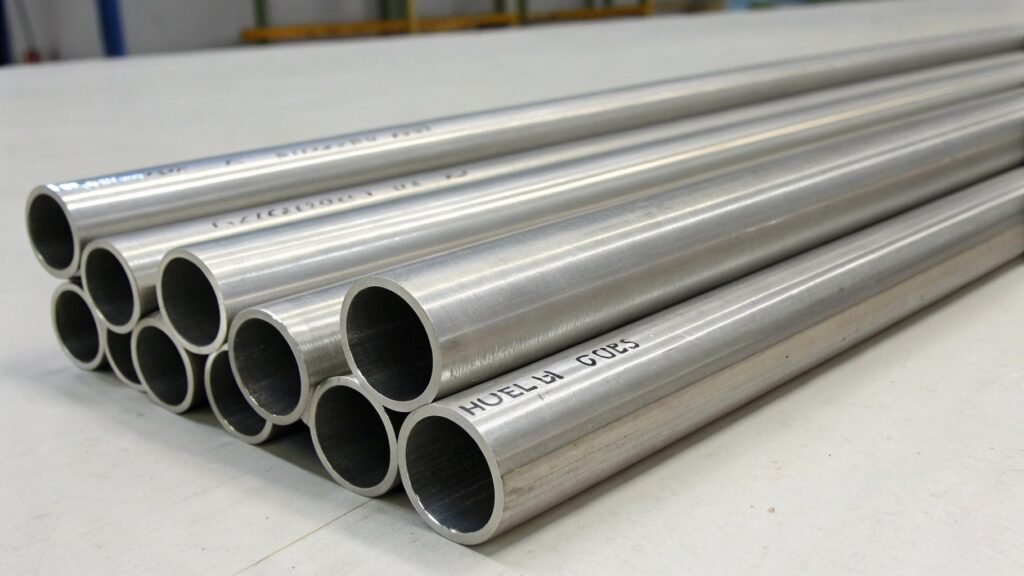
Navigating pipe sizes can be tricky. The key is to understand that the Nominal Pipe Size (NPS) is just a name, not a direct measurement for smaller pipes. For every NPS, the Outside Diameter (OD) is a fixed standard. The "Schedule" number then defines the wall thickness. As the schedule number increases, the wall gets thicker, and the inside diameter gets smaller. For example, a 2-inch NPS Schedule 40 pipe has an actual outside diameter of 2.375 inches. This standardization is perfect for its intended purpose—creating interchangeable systems for plumbing and construction. But for a machining company, this is restrictive. You are limited to standard sizes. At SWA Forging, we create custom-diameter forged rings and hollows tailored to your exact specifications, minimizing your material waste and machining time.
Common Schedule 40 Pipe Sizes (Aluminum)
| Nominal Pipe Size (NPS) | Actual Outside Diameter (in) | Wall Thickness (in) |
|---|---|---|
| 2" | 2.375 | 0.154 |
| 4" | 4.500 | 0.237 |
| 6" | 6.625 | 0.280 |
| 8" | 8.625 | 0.322 |
Which aluminum is stronger, 6061 or 6063?
You're choosing between 6061 and 6063 for your application. Making the wrong choice means you could either pay for strength you don't need or design a part that will fail.
6061-T6 aluminum is significantly stronger than any temper of 6063. 6063 is primarily valued for its excellent extrudability and superior surface finish, making it ideal for architectural applications.
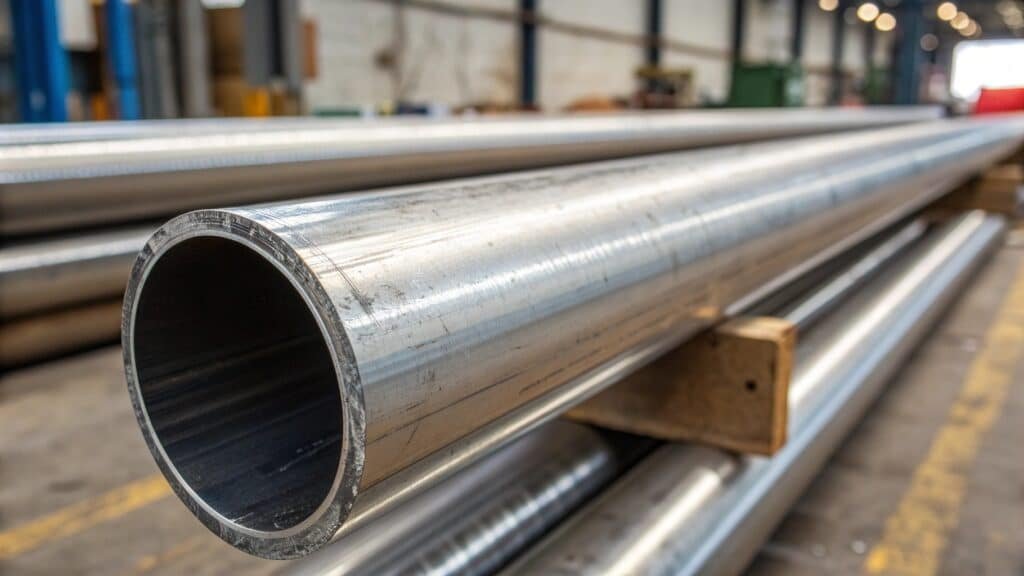
This choice comes down to function versus form. 6061 is the workhorse alloy for structural applications. After heat treatment3 to a T6 temper, it has a tensile strength of around 45,000 psi (310 MPa), making it strong enough for load-bearing frames, machine parts, and structural pipe. 6063, often called "architectural aluminum," has about half the strength of 6061-T6. Its real advantage is that it is easier to extrude into complex shapes and it provides a much smoother and more aesthetically pleasing surface finish. You will find it used for window frames, door frames, and decorative trim. If your part needs to bear a significant load, 6061-T6 is the clear choice. If the appearance is the most critical factor and the structural demands are low, 6063 is the right pick. For high-integrity machined components, we always start with a high-strength alloy like 6061 and enhance it through forging.
Is 5052 or 6061 aluminum stronger?
You are deciding between 5052 and 6061 for your part. Choosing incorrectly could mean sacrificing necessary strength or missing out on key properties like corrosion resistance.
When heat-treated to a T6 temper, 6061 is substantially stronger than 5052. However, 5052 offers superior corrosion resistance, especially in saltwater, and has better formability for bending applications.
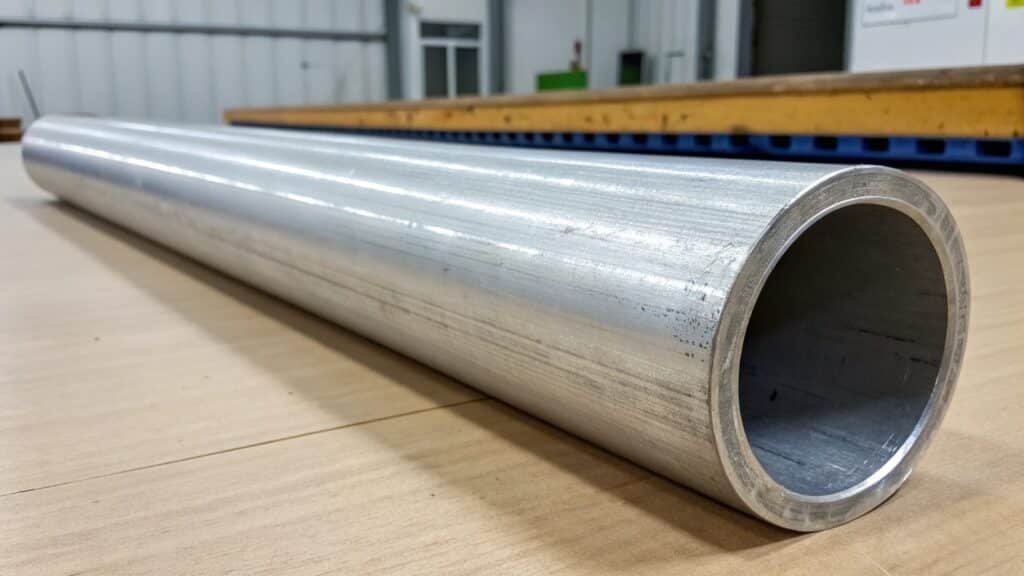
This is another classic trade-off between different alloy families. 6061 is a heat-treatable alloy, meaning its strength can be significantly increased through a T6 heat treatment process. This makes it ideal for structural parts made from forgings, plates, and extrusions. 5052, on the other hand, is a non-heat-treatable alloy that gets its strength from work-hardening. Even in its strongest state, it doesn't match the tensile strength of 6061-T6. The superpower of 5052 is its excellent resistance to corrosion, particularly in marine or chemical environments where 6061 can be susceptible to attack. It is also much easier to bend and form without cracking. So, the choice is clear: for a strong, load-bearing machined part, a 6061 forging is the superior option. For a formed part that will live in a harsh, corrosive environment, 5052 is the specialist you need.
Conclusion
Stop treating standard pipe as a starting point for critical components. Choose SWA Forging to engineer a custom, defect-free hollow that guarantees the integrity and performance of your final part.
-
Learn about the strength and applications of 6061-T6 aluminum, a popular choice for structural components. ↩
-
Understand the mechanisms behind aluminum's corrosion resistance and its benefits in harsh environments. ↩
-
Learn about the heat treatment process and its impact on the properties of aluminum alloys. ↩