You choose a corrosion-resistant alloy, but your components still fail prematurely in saltwater or chemical settings. This causes costly shutdowns, damages your reputation, and puts projects behind schedule.
True environmental resistance comes from combining a marine-grade alloy with forging. Forging creates a dense, uniform grain structure that eliminates weak points, making corrosion resistance a deep, structural property, not just a surface-level defense.
We once worked with a machining company in the UAE that supplied parts for desalination plants. They were using components machined from 6061-T61 extruded plates, which is generally a good, corrosion-resistant alloy. However, their parts were failing within a year due to severe pitting corrosion from the high-salinity brine. The problem was that the extrusion process can leave behind microscopic inconsistencies in the grain structure, which become starting points for corrosion. We switched them to forged rings made from 5083 alloy2, a true marine-grade material. Our forging process gave the rings a perfectly uniform, non-porous structure. After five years in service, the forged parts show virtually no signs of degradation. This taught our client that for true hostility, the alloy and the process must work together.
What environmental factors actually attack aluminum alloys?
You know "corrosion" is the enemy, but this general term doesn't help you. You need to know the specific threats in your environment so you can choose the right defense.
The main environmental threats to aluminum are high salinity (saltwater), extreme pH levels from industrial chemicals, and galvanic corrosion, which occurs when aluminum touches a dissimilar metal like stainless steel in an electrolyte.
Aluminum's natural defense is a thin, tough layer of aluminum oxide that forms instantly in the air. This layer is very effective, but it has weaknesses. Understanding these weaknesses is key to preventing failure.
- Chloride Attack: This is the primary issue in marine or coastal environments, common in the Middle East. Chloride ions in salt are aggressive and can break down the protective oxide layer in localized spots, leading to deep, narrow holes called pits. This pitting corrosion can cause a part to fail even with very little overall material loss.
- Extreme pH: The oxide layer is most stable in a pH range of about 4.5 to 8.5. If the environment is too acidic (like from industrial cleaning fluids) or too alkaline (like from certain concretes or chemicals), the oxide layer will dissolve, leaving the raw aluminum exposed to rapid attack.
- Galvanic Corrosion: This is an electrochemical reaction. When aluminum is in electrical contact with a more noble metal (like copper or stainless steel) in the presence of an electrolyte (like saltwater), the aluminum becomes the "anode" and corrodes very quickly to protect the other metal.
Does a hostile environment reduce an alloy's yield strength?
You select a material based on its certified yield strength from the spec sheet. But you worry that after months in a corrosive environment, the part will be weaker and the original number will be meaningless.
Yes, corrosion directly and dramatically reduces a part's effective strength. Pitting and stress corrosion cracking create sharp defects that multiply stress, causing the component to fail at loads far below its original design strength.
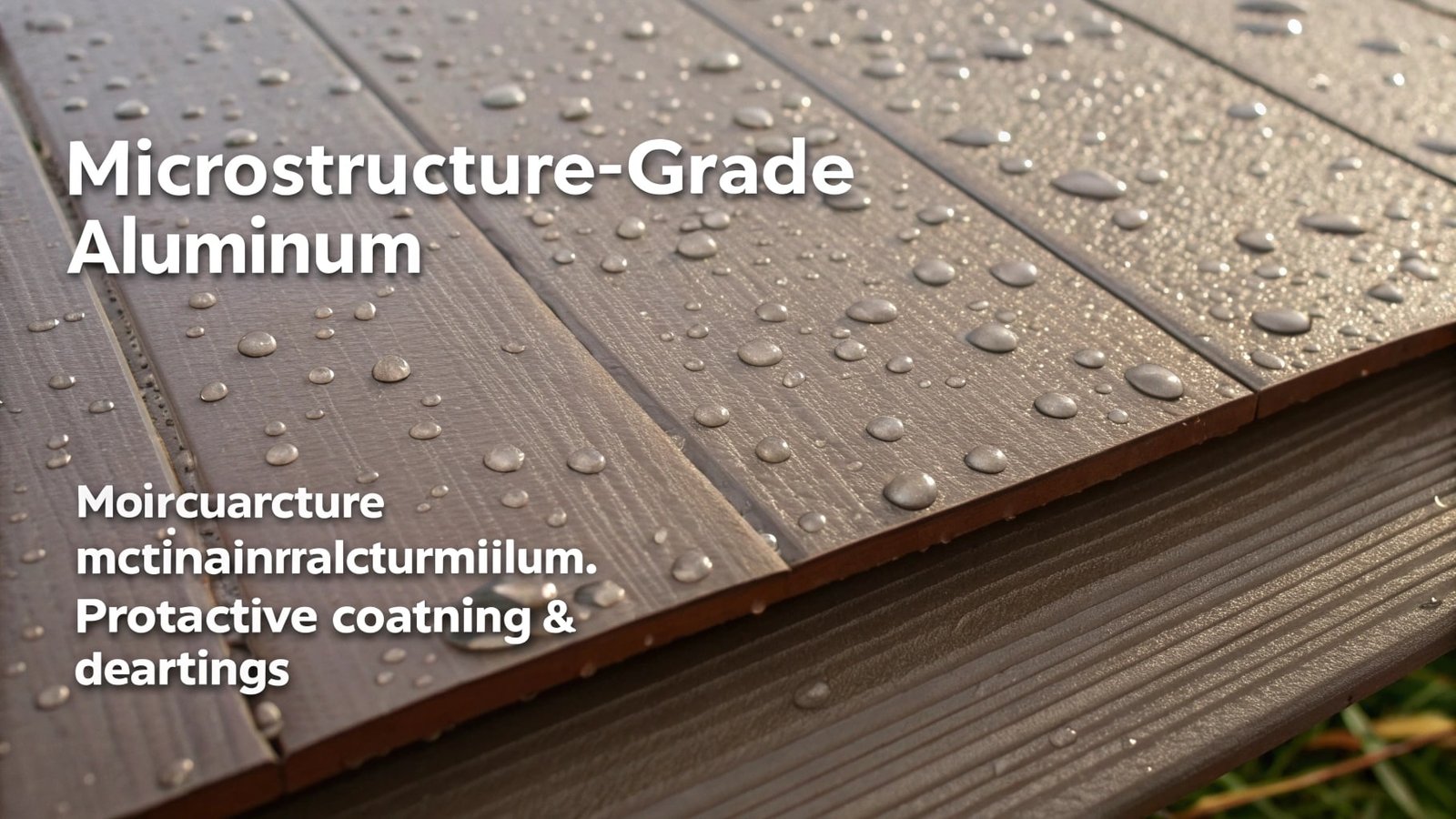
Think of trying to tear a piece of paper. It is difficult to pull it apart with your bare hands. But if you make a tiny nick in the edge first, it tears with almost no effort. A corrosion pit acts exactly like that tiny nick. This phenomenon is called stress concentration. A smooth, uniform part distributes stress evenly across its surface. But a single, sharp pit from corrosion forces all the stress to concentrate at its tip. This can multiply the local stress by 10 times or more. This means a part that was designed to handle 200 MPa might now fail at only 20 MPa if a corrosion pit forms in a high-stress area. This is why preventing even minor corrosion is critical for structural integrity. A forged, non-porous surface gives corrosion no place to start, preserving the material's full, certified yield strength for the life of the part.
How does the right alloy defeat its environment?
You need a part to survive in saltwater or a chemical plant. You know you need a specific alloy, but you want to understand what makes one alloy perform so much better than another.
Alloys like the 5xxx series (e.g., 5083, 5052) are designed for hostile environments. Their main alloying element, magnesium, creates a very stable and resilient oxide layer that is highly resistant to saltwater and industrial chemicals.
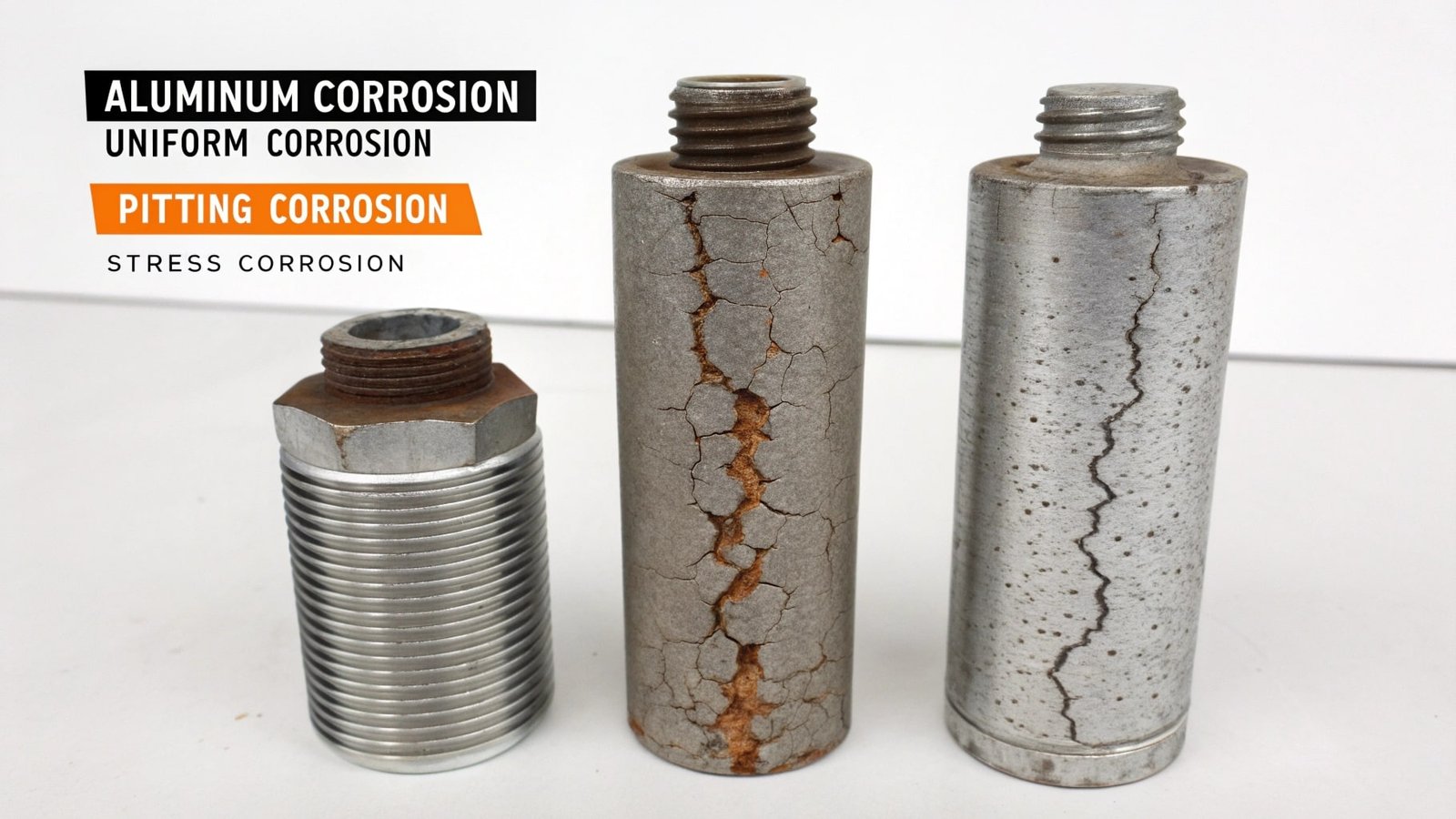
The magic is in the chemistry. Different alloying elements give aluminum different properties. For corrosion resistance, magnesium is the hero.
- The 5xxx Series (Al-Mg): These are known as marine-grade alloys for a reason. Adding magnesium creates a tough, continuous microstructure that is exceptionally good at resisting attack from saltwater. Alloys like 5083 are the gold standard for shipbuilding, offshore platforms, and chemical tankers. They do not have the ultra-high strength of the 7xxx series, but their environmental durability is unmatched.
- The 6xxx Series (Al-Mg-Si): An alloy like 6061 has good, general-purpose corrosion resistance and is much stronger than most 5xxx alloys. However, it is more susceptible to specific types of corrosion in harsh marine environments compared to 5083.
- The 7xxx Series (Al-Zn): These are the strongest alloys, but they are generally more prone to stress corrosion cracking (SCC) in corrosive environments, requiring special tempers (like T73) to improve their resistance.
When a customer comes to us for a part that will live in the sea, we immediately recommend a forged 5xxx series alloy. We match the material's innate chemical resistance with the structural integrity of forging to create a truly bulletproof solution.
What is the effect of annealing on corrosion resistance?
You see "annealed" (T0 or O temper) as an option for alloys. You know it makes the metal soft for forming, but you need to know how this impacts its ability to fight corrosion.
Annealing makes an aluminum alloy softer and more workable, but it generally reduces its resistance to certain types of corrosion, particularly intergranular corrosion, compared to a properly heat-treated or strain-hardened temper.
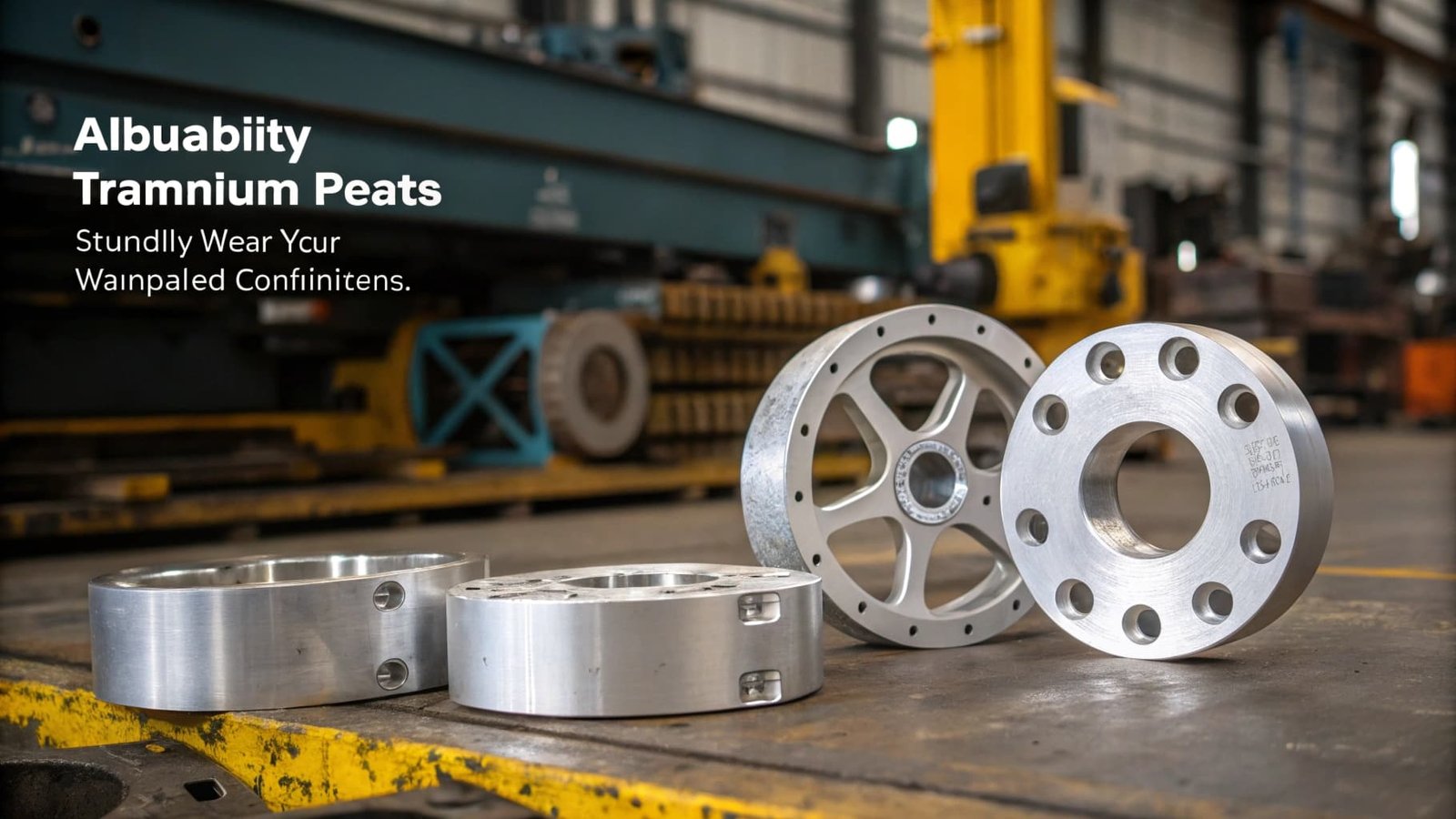
Annealing is a heat treatment process where the metal is heated and then slowly cooled. This relieves internal stresses and creates a soft, ductile material. While this is great for forming complex shapes, it can have negative side effects on performance.
Annealing's Effect on Microstructure
- Grain Growth: The annealing process causes the microscopic grains within the metal to grow larger. In many alloys, this can make the grain boundaries more susceptible to chemical attack, a process called intergranular corrosion.
- Precipitate Changes: In heat-treatable alloys (like 6xxx and 7xxx series), annealing changes how the strengthening elements are distributed. This can create a microstructure that is less uniform and more vulnerable to corrosion than a fully heat-treated T6 temper.
For alloys in the 5xxx series, which get their strength from strain-hardening (not heat treatment), the situation is a bit different. They are often used in a strain-hardened "H" temper (like H116 or H321), which is specifically designed for maximum corrosion resistance in marine applications. The annealed (O) temper is the weakest and generally least corrosion-resistant state for these alloys as well. For any critical application in a hostile environment, the annealed state is almost never the right choice for the final product.
Conclusion
Don't just choose an alloy; choose a certified process. Forging marine-grade aluminum provides a structurally sound defense against corrosion, ensuring your components achieve a lifetime of performance in the harshest environments.