You specified a high-strength aluminum alloy for a critical part, but it still failed under load. This unexpected failure wastes your time, costs you money, and puts your reputation at risk.
The most critical mechanical demand is often directional strength. Forged parts allow us to align the metal's internal grain flow with the path of stress, creating targeted strength that standard plate or bar simply cannot offer.
I'll never forget a machining client who was making a large, hook-shaped lifting component from a thick 7075-T651 plate. The material certificate showed fantastic tensile strength, well above the requirement. But when they load-tested the finished part, it snapped at the curve of the hook at a much lower force than expected. The problem wasn't the alloy's strength; it was the direction of that strength. In a rolled plate, the grain flow is longitudinal, like a bundle of sticks lying flat. When they machined the hook shape, the stress at the curve pulled across the grain, which is its weakest direction. We replaced the part with a custom open-die forged blank where we deliberately shaped the part to ensure the grain flow followed the curve of the hook. The new part easily exceeded the load requirement. That day, we all learned that you aren't just buying strength; you are buying strength where it matters most.
What are the core mechanical properties of an aluminum alloy?
You see terms like tensile strength, yield strength, and elongation on a spec sheet. But choosing a material based on the wrong property can lead to unexpected and costly part failure.
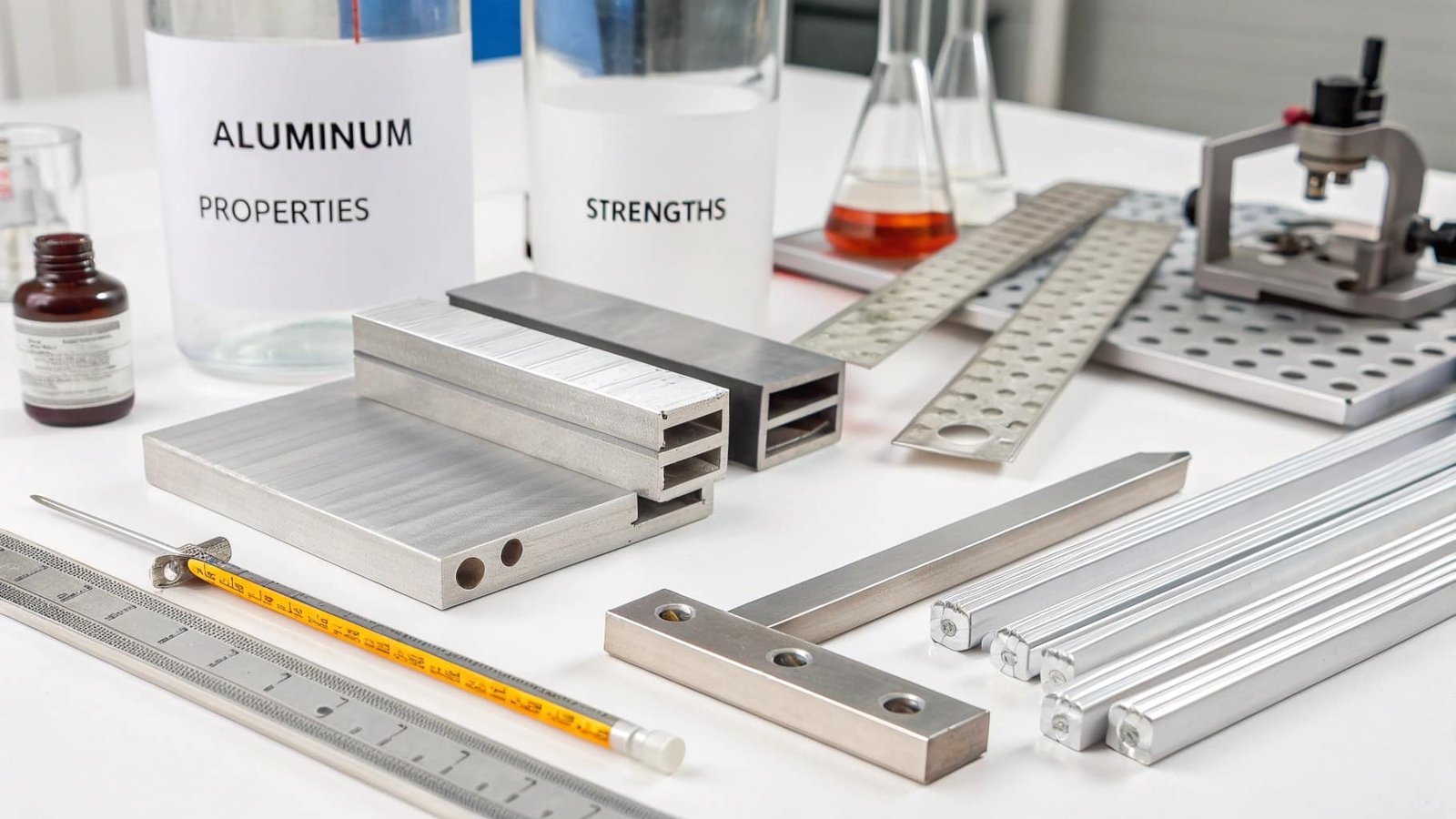
The three key mechanical properties are tensile strength (the ultimate breaking point), yield strength (the point of permanent bending), and elongation (a measure of how much it can stretch, or its ductility).
Understanding these core concepts is essential for both traders and machinists. It ensures you are speaking the same language as your engineers and customers and selecting the right material for the job. While there are many properties, these three form the foundation of a material's performance.
| Property | What It Is | Why It Matters |
|---|---|---|
| Yield Strength | The maximum stress a material can take before it permanently deforms. | This is often the most critical number for designers. Parts must operate below this limit. |
| Tensile Strength | The maximum stress a material can withstand before it snaps or breaks. | This tells you the ultimate failure point of the material. It's an important safety metric. |
| Elongation | How much a material can stretch or deform before it breaks, expressed as a percentage. | This indicates ductility. A higher elongation means the material will bend before it breaks, rather than shattering. |
For a machinist, yield strength dictates the design limits. For a trader, tensile strength is often the headline number on a specification. Knowing the difference is key to providing real value.
What are the main advantages of using an aluminum alloy?
Pure aluminum is soft, weak, and not useful for most serious industrial jobs. Using the wrong material can make your product too heavy, weak, or cause it to corrode almost instantly.
The main advantages of aluminum alloys are an incredible strength-to-weight ratio, excellent corrosion resistance, high conductivity, and workability. Alloying is what transforms soft aluminum into a high-performance engineering material.

When we add other elements to pure aluminum, we create an alloy. This is a metallurgical process, not just a simple mix. Elements like zinc, magnesium, copper, and silicon dissolve into the aluminum to create a new material with vastly superior properties. This is why we use aluminum alloys, not pure aluminum.
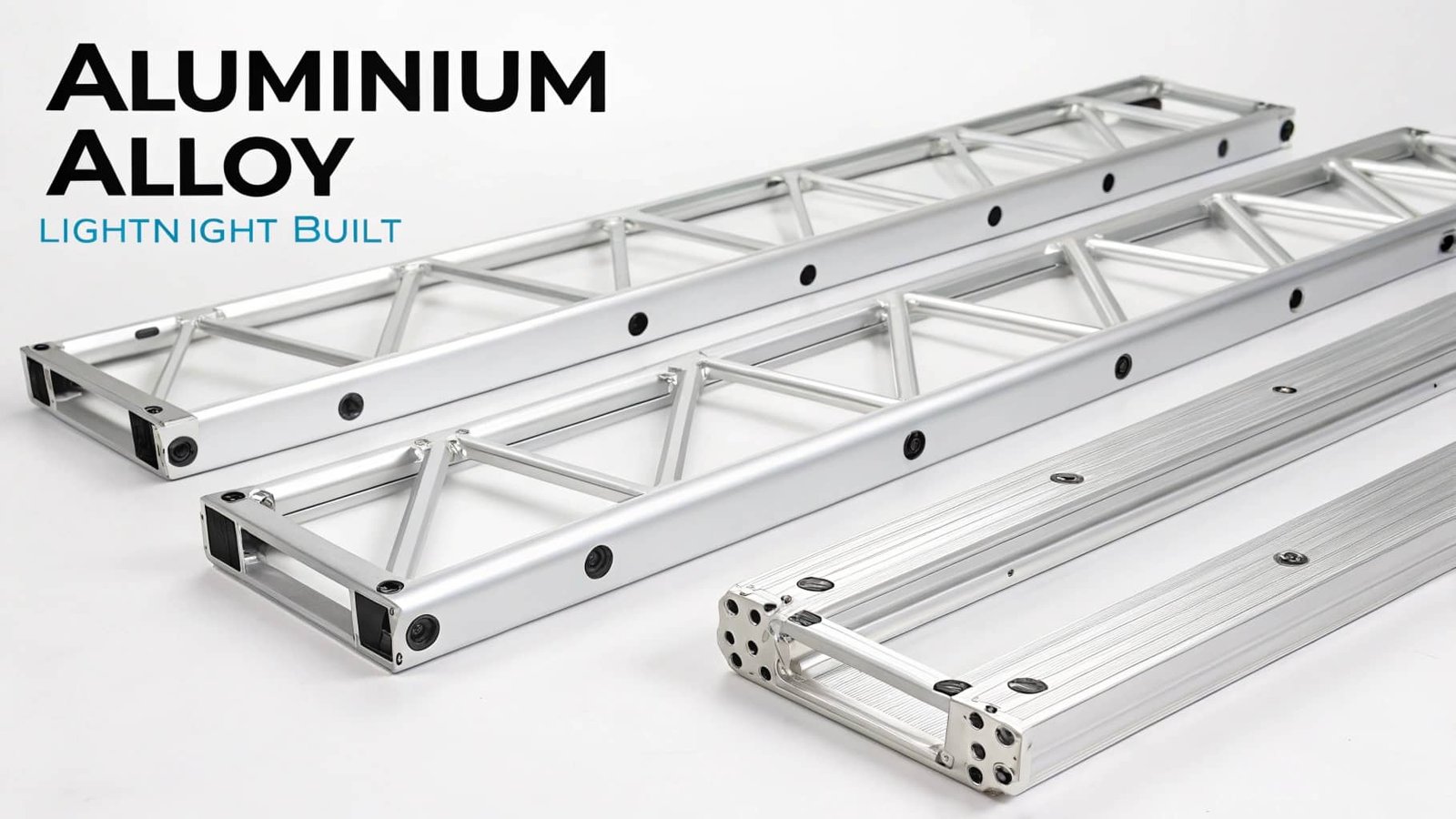
- Strength-to-Weight Ratio: This is the star of the show. Aluminum alloys can provide the strength of steel at roughly one-third of the weight. This is why they are essential in aerospace and automotive industries, where weight savings equals fuel savings and better performance.
- Corrosion Resistance: Aluminum naturally forms a tough, protective oxide layer on its surface. By adding elements like magnesium (as in the 5xxx series), we can enhance this property, making alloys that are perfect for marine environments.
- Workability and Machinability: Aluminum alloys are easy to form. They can be forged into complex shapes, machined at high speeds, and extruded into intricate profiles. This saves time and money during manufacturing, a direct benefit for our machining clients.
- Conductivity: Aluminum is a great conductor of both heat and electricity, making it a go-to material for things like electrical bus bars and heat sinks.
How does forging create superior directional strength?
Your part is made from a high-strength plate, but it fails under load along a specific line. You are confused because the material certificate showed excellent properties, and now you cannot trust the material.
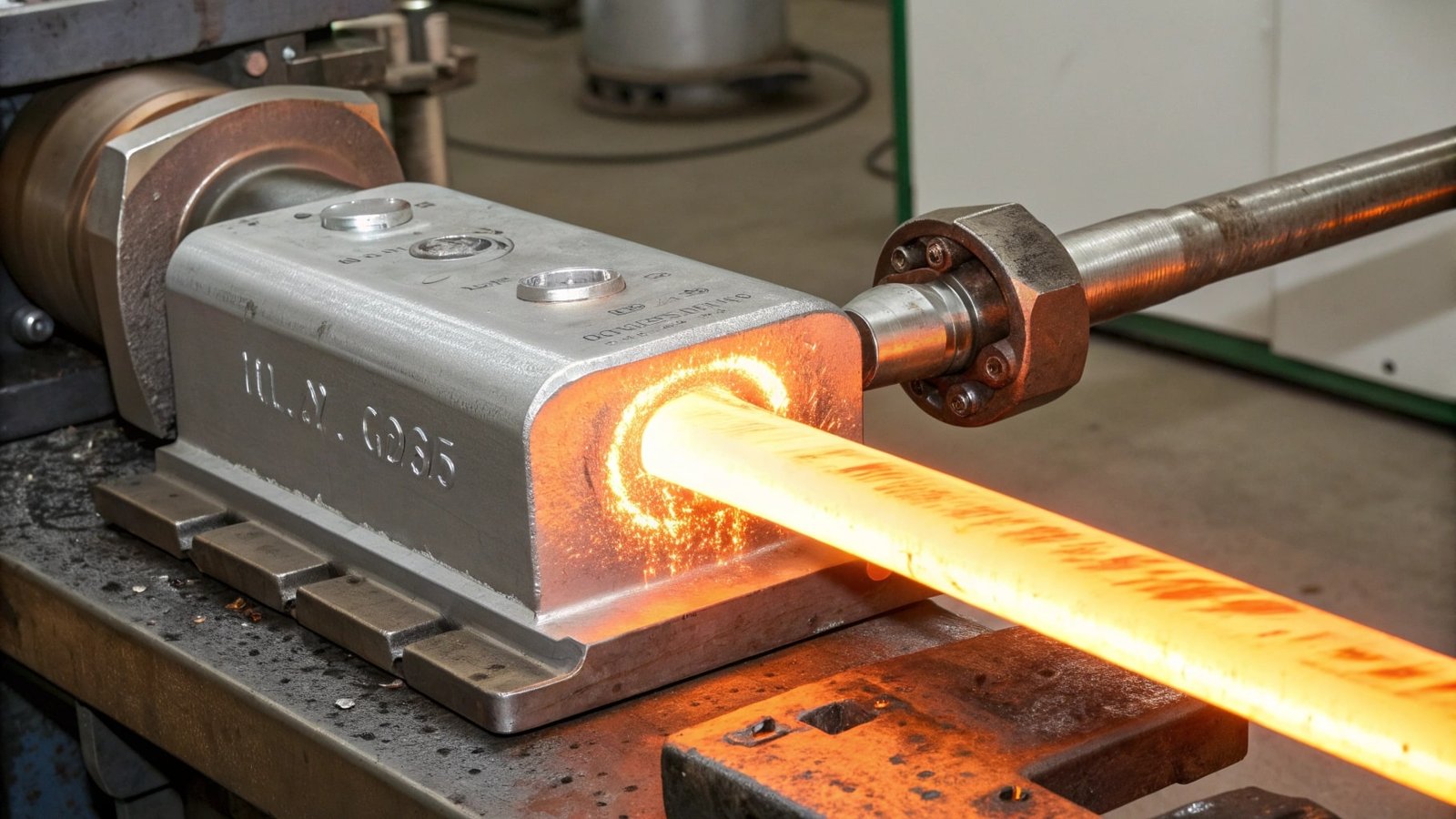
Forging aligns the internal grain structure of the aluminum with the shape of the part. This creates targeted, directional strength (anisotropy), making the part much stronger along the primary load path compared to standard plate material.
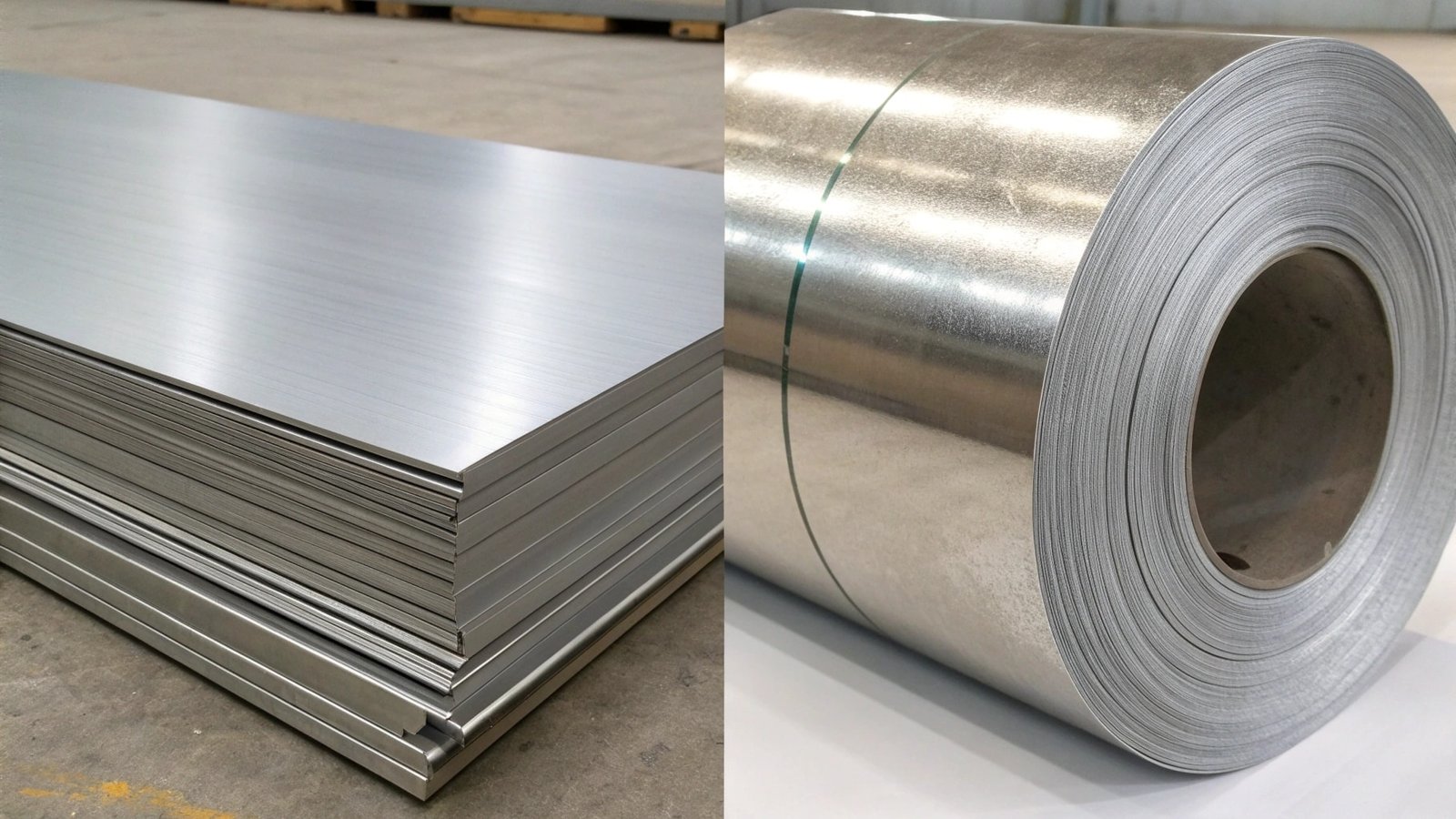
Think of a standard aluminum plate like a block of wood made from compressed sawdust—it has the same strength in every direction (isotropic). Now, think of a forged part like a solid piece of wood with a clear grain. It is incredibly strong along the grain but much weaker if you try to split it across the grain. Forging allows us to control the direction of that "grain."
| Feature | Standard Plate / Extrusion | Forged Component |
|---|---|---|
| Grain Flow | Uniform or unidirectional (longitudinal) | Aligned to follow the part's contour |
| Strength | Isotropic (same strength in most directions) | Anisotropic (highest strength along the grain flow) |
| Performance | General-purpose, not optimized for load path | Optimized for the specific stresses on the part |
| Reliability | Hidden internal defects can be a risk | Flawless internal structure, high fatigue life |
When we forge a part, we are not just shaping it; we are arranging its internal structure to perfectly counter the forces it will experience in service. This is why for critical, high-stress components, forging is not just an option—it is a fundamental engineering requirement. It provides a level of performance and reliability that other processes simply cannot match.
Conclusion
To meet your mechanical demands, look beyond basic strength values. Consider the directional strength that forging provides, aligning the alloy's grain flow with the load path for unmatched, targeted performance.