You need a more rigid aluminum part, so you spec a stronger, more expensive alloy like 70751. The part arrives, and it still flexes under load. Now you've wasted money and are back to square one.
Stiffness is aluminum's unchangeable birthright, nearly identical across all alloys. You cannot make the material stiffer; you must make the part stiffer. The expert's tool isn't metallurgy, but geometry—increasing a part's depth is infinitely more effective than changing its alloy.
I'll never forget a call from a machining client working on a large robotic arm. The arm was flexing too much at full extension, causing precision errors. They had made it from 6061-T6 and wanted to remake it from 7075-T6, assuming the higher strength would solve the problem. I had to stop them. I explained that both alloys have virtually the same Young's Modulus, which is the technical measure for stiffness. The 7075 part would be stronger—it could take more force before it bent permanently or broke—but it would flex just as much as the 6061 part under the same load. Instead, I suggested they stick with the cost-effective 6061 forged block but machine it differently. By making the arm's cross-section deeper, more like an I-beam, they could dramatically increase its geometric stiffness. They redesigned the part, and the new arm was perfectly rigid. It saved them a fortune and taught them a valuable lesson: stiffness comes from shape, not just strength.
How do you actually make an aluminum part stiffer?
Your aluminum part is flexing too much under load. You now know you can't just switch to a "stiffer" alloy because it doesn't exist. So what is the practical solution?
The most effective way to increase stiffness is by changing the part's cross-sectional shape. Adding depth, ribs, or using hollow profiles like I-beams dramatically increases rigidity, often without adding significant weight or cost.
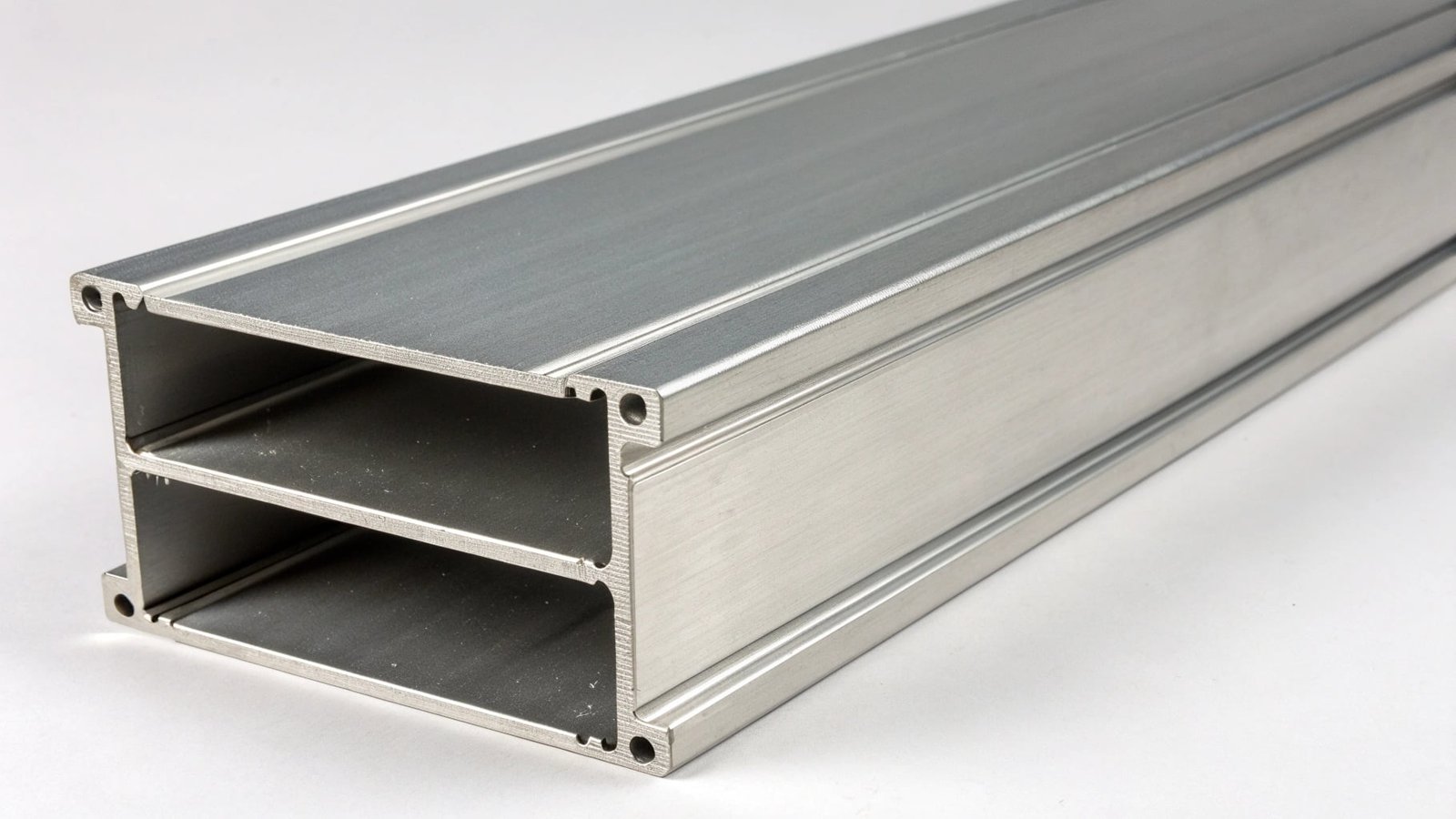
This is where engineering design trumps material science. A material's inherent stiffness is defined by its Modulus of Elasticity. For nearly all aluminum alloys2, this number is around 70 GPa. It's a constant. What is not constant is a part's geometric stiffness, defined by its "Moment of Inertia." This property is all about the shape of the part's cross-section. The further you can move material away from the center axis of bending, the stiffer it becomes. Doubling the thickness of a flat bar makes it eight times stiffer. Changing it to an I-beam shape can make it ten times stiffer with the same amount of material. At SWA Forging, our role is to provide a perfectly uniform, high-integrity forged block. This gives our machining clients the ideal, defect-free foundation to confidently machine these smart, stiffening features into their final components.
The Power of Geometry
| Part Shape (Same Weight/Material) | Relative Stiffness | Why It Works |
|---|---|---|
| Solid Square Bar (20x20mm) | 1x (Baseline) | Standard, inefficient use of material for stiffness. |
| Solid Flat Bar (10x40mm, on edge) | 4x | Doubling the depth in the direction of the force quadruples the stiffness. |
| Hollow Square Tube (40x40mm) | ~10x | Pushes material far from the center, creating immense rigidity for little weight. |
| I-Beam Profile | ~15x | The ultimate shape for one-directional stiffness, maximizing the Moment of Inertia. |
If not stiffness, how do you make aluminum harder?
You are correctly separating stiffness (resistance to bending) from hardness (resistance to scratching and denting). You need a part that resists surface wear, so how do you achieve that?
Hardness, unlike stiffness, is completely dependent on the alloy and its temper. You make aluminum harder through two main processes: heat treatment for alloys like 6061 and 7075, or strain hardening for alloys like 5052.
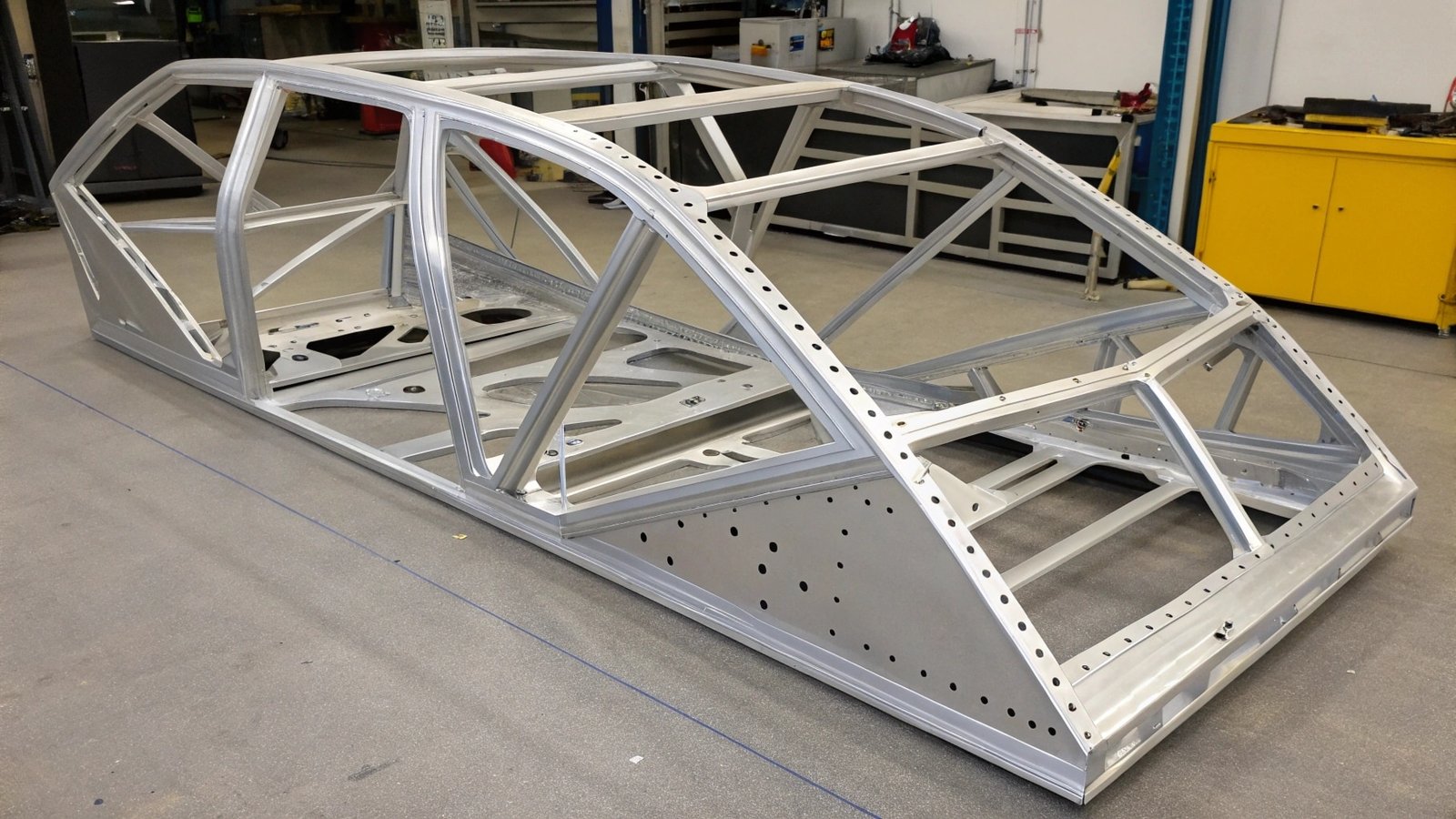
This is where choosing the right alloy is critical. The two methods work on different families of aluminum.
- Heat Treatment (T-Tempers): This is for the 2xxx, 6xxx, and 7xxx series alloys. We take the forged aluminum, heat it to a specific temperature to dissolve the alloying elements, rapidly cool (quench) it to lock them in place, and then age it (naturally or in an oven). This process creates a crystal structure that is very hard and strong. This is how our 6061-T6 and 7075-T6 forged rings and discs get their impressive hardness.
- Strain Hardening (H-Tempers): This is for the non-heat-treatable 1xxx, 3xxx, and 5xxx series alloys. Hardness is achieved by physically working the metal—rolling, stretching, or drawing it while it's cold. This mechanical process makes the material harder and stronger. You can't take a finished part made of 5052 and heat it to make it harder; in fact, heating it will make it softer (annealing).
Our expertise at SWA Forging is in the first category. We provide forged and heat-treated products with certified hardness and strength.
Can you work harden aluminum after it's been machined?
You have a finished part made from a soft aluminum. You wonder if you can perform a process like shot-peening or rolling to increase the surface hardness and improve its performance.
Yes, you can work harden the surface of an aluminum part through processes like shot-peening or roller burnishing. However, this only creates a thin, hard "skin" and does not change the core properties of the material.
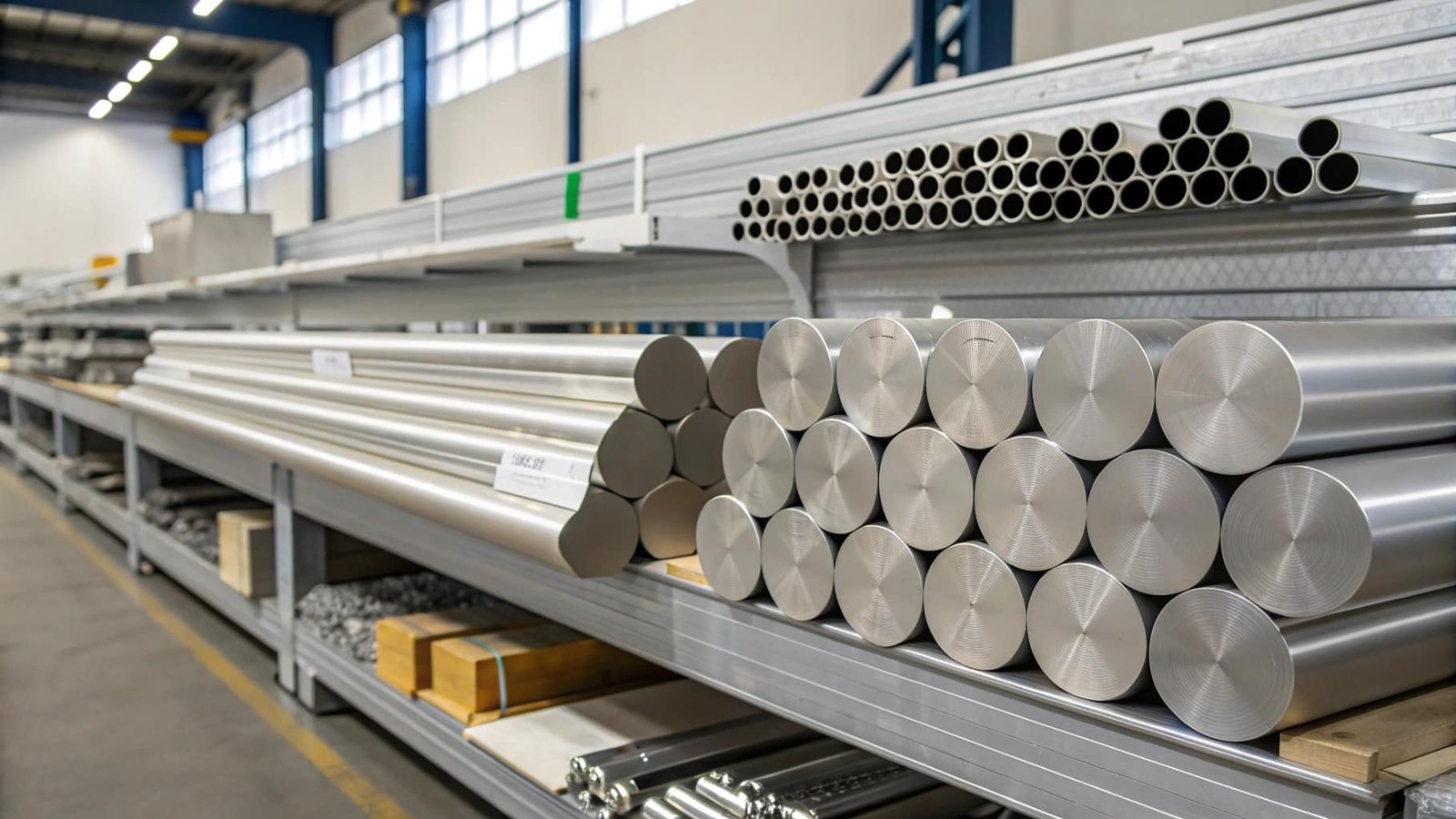
This is an important distinction to make. When we talk about strain-hardened alloys like 5052-H32, the entire material has been work-hardened at the mill. The hardness is consistent all the way through the sheet or plate. Post-machining surface treatments are different.
- Shot Peening: This process involves blasting the surface with small beads. Each impact acts like a tiny hammer blow, creating a compressed, work-hardened layer. It's excellent for improving fatigue life but provides only minor resistance to scratching.
- Roller Burnishing: This involves pressing a hard, polished roller against the surface, which plastically deforms and hardens a thin layer. It creates a very smooth and hard surface, ideal for bearing surfaces.
While these are useful techniques for specific applications, they are not a substitute for choosing the correct base alloy with the right through-hardness. For a part that needs to be structurally hard, you must start with a properly heat-treated alloy like 6061-T63, forged to ensure it has no internal defects. The hardness is built into the core of the material, not just applied to the surface.
Conclusion
Stiffness is a function of geometry, not material. To make a part stiffer, you must improve its shape. Hardness and strength, however, are achieved by choosing the right alloy and temper.