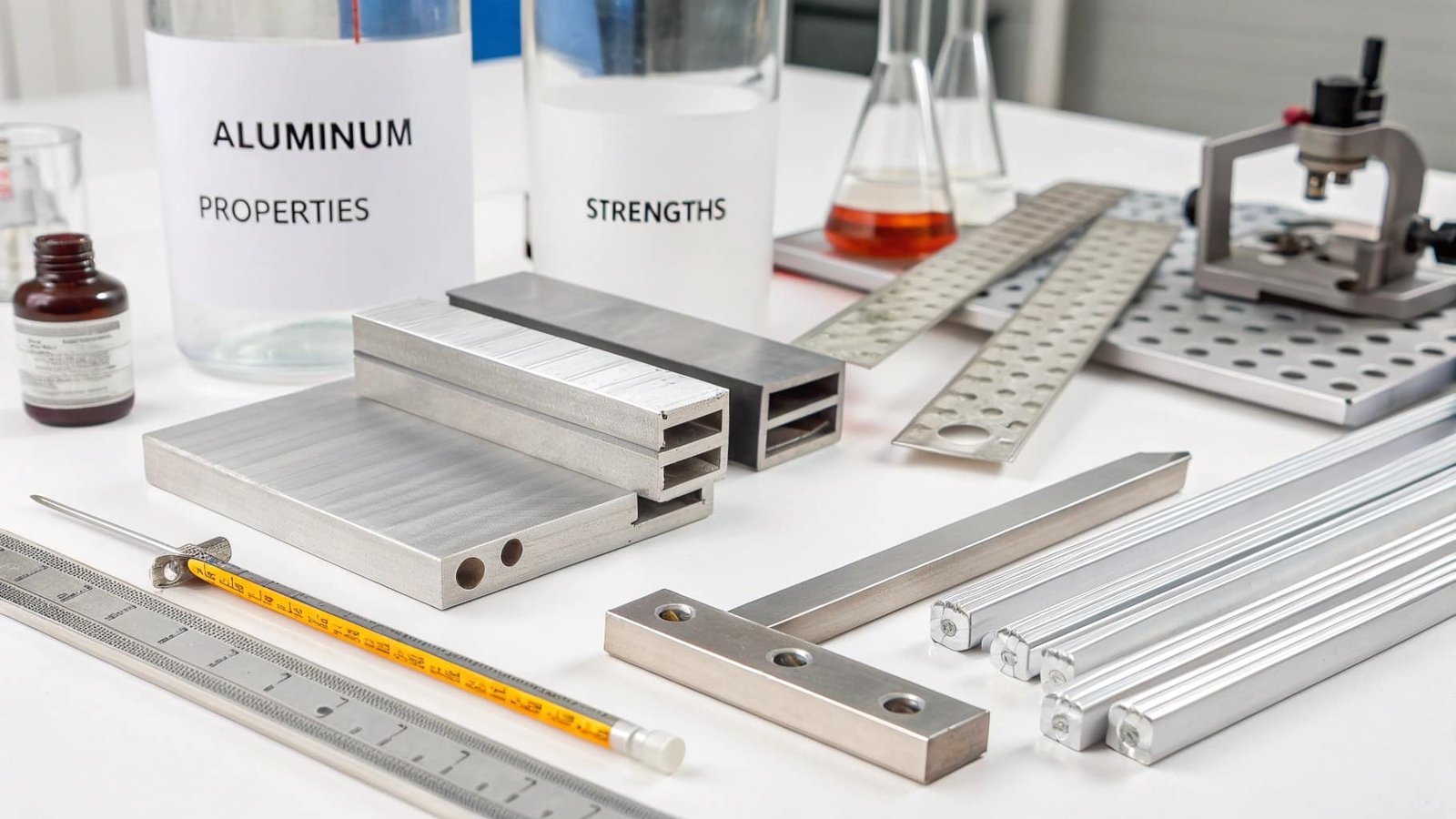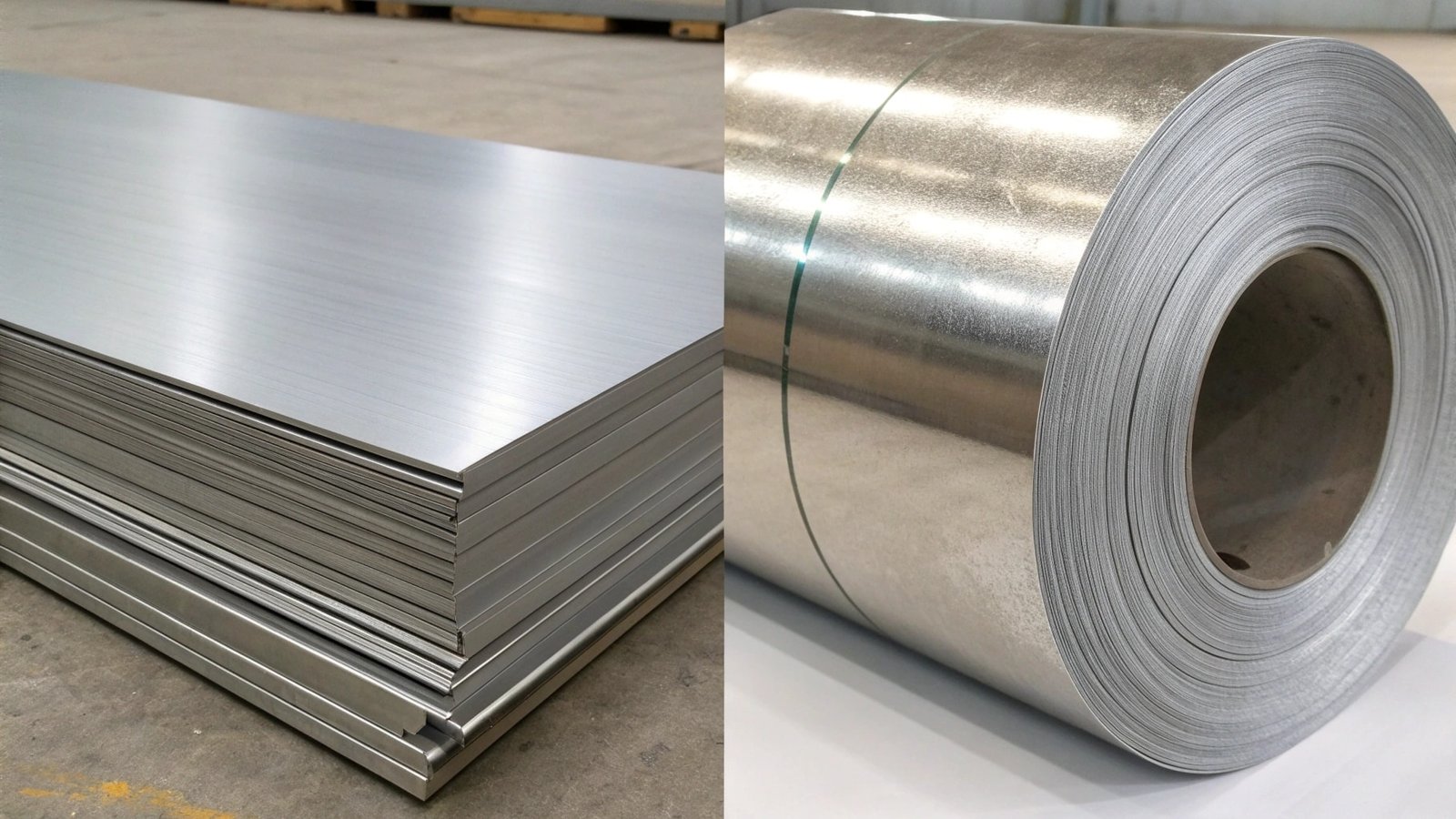
Aluminum often gets a bad reputation for being weak. But is that really true? Understanding aluminum's strength can help you make better choices for your projects.
Aluminum can be surprisingly strong, especially when alloyed and forged. Many aluminum alloys actually outperform steel when comparing the strength-to-weight ratio.
Aluminum's strength might not be what you expect. Many think of aluminum as weak. But this perception can change when you consider its applications and how it's processed.
How Easily Does Aluminum Break?
When we think about breaking strength, we often wonder how easily a material will fail. Aluminum is softer in its pure form, which can lead to concerns about breakage. However, when it is alloyed and forged, aluminum's resilience improves significantly. The question to ponder is not just about breakage but about how it performs under specific conditions.
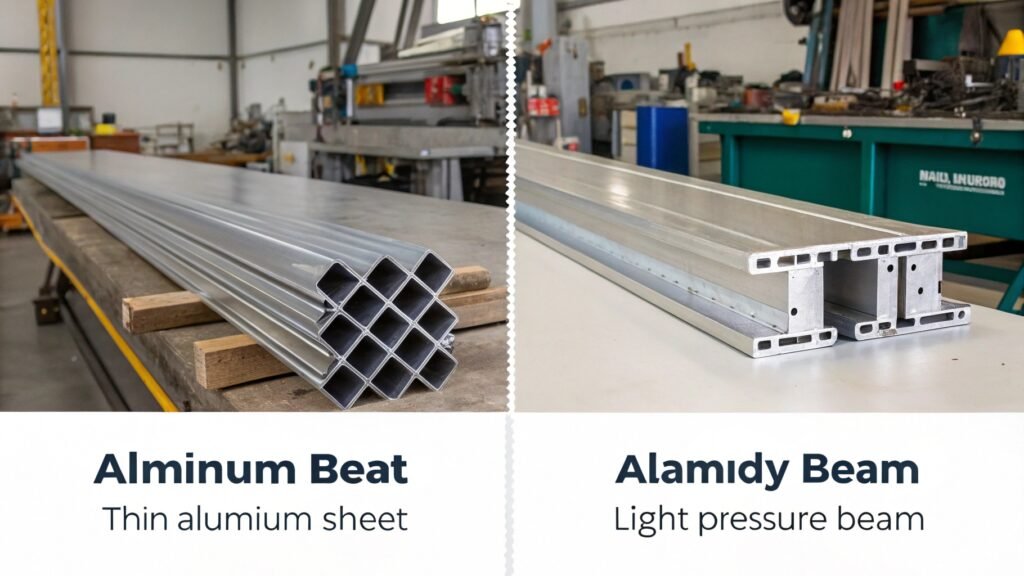
Aluminum can break under certain stresses, but modern alloys and manufacturing techniques enhance its durability and toughness greatly.
Understanding the factors that affect aluminum's breakage can help. When we examine the properties of different aluminum alloys, we see a variety of outcomes. Each alloy offers unique strengths and weaknesses, depending on its composition and how it is processed. For example, the addition of elements like magnesium and silicon can improve strength while maintaining workability.
Here's a quick overview of the factors affecting aluminum breakage:
| Alloy Type | Yield Strength (MPa) | Applications |
|---|---|---|
| Pure Aluminum | 70 | Electrical conductors |
| 6061 | 240 | Construction, automotive parts |
| 7075 | 570 | Aerospace components |
This table highlights how different aluminum alloys1 can perform. The right choice depends on what you need it for.
Is Aluminum as Strong as Steel?
The age-old debate continues: Is aluminum as strong as steel? The answer is nuanced. Aluminum itself is not as strong as steel. However, when comparing equal weights, aluminum can hold its own very well. This leads us to a more relevant question: how strong do you need it to be?
In terms of strength-to-weight ratio, aluminum often surpasses steel. This makes it a popular choice in industries where reducing weight is crucial, like aerospace.
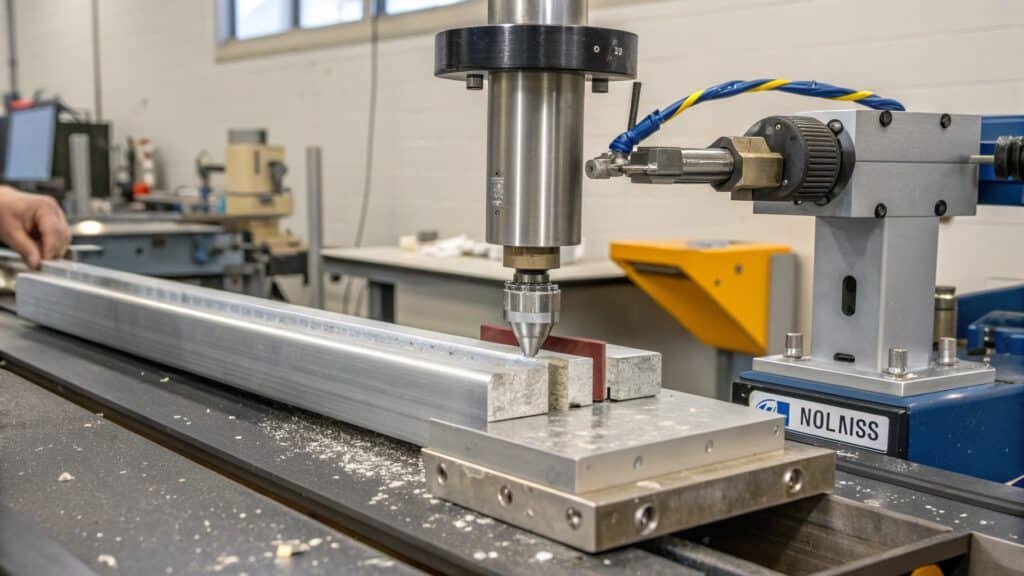
When we consider the applications, the question shifts. For structural integrity, high-strength aluminum2 alloys can be engineered to meet specific requirements. In my experience, the right aluminum solution can deliver results similar to steel but at a lower weight. This can lead to cost savings in shipping and installation without compromising strength.
Here's a comparison of strength between aluminum and steel:
| Material | Yield Strength (MPa) | Weight (kg/m³) | Strength-to-Weight Ratio |
|---|---|---|---|
| Aluminum 6061 | 240 | 2700 | 0.088 |
| Steel | 250 | 7850 | 0.032 |
This shows that aluminum can be a more efficient choice in certain applications.
How Much Weight Can Aluminum Hold?
Determining how much weight aluminum can hold depends on several factors. These include the alloy type, the shape of the component, and how it is used. Many applications utilize aluminum for its lightweight properties without sacrificing strength.
Generally, aluminum can support substantial weights, especially when properly designed. Its ability to hold weight is one of the reasons it is widely used in construction and manufacturing.
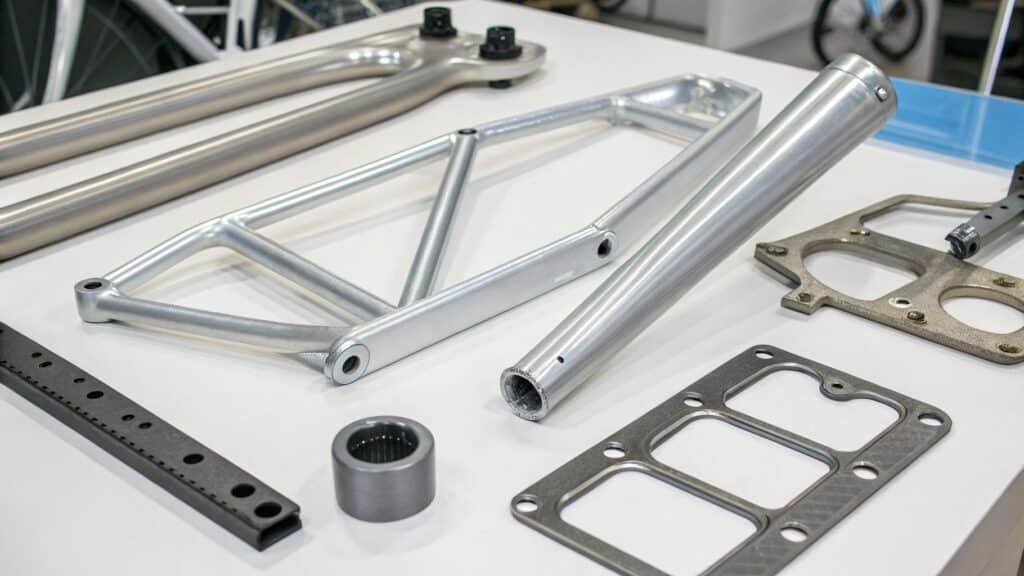
To get a clearer picture, we can look at specific applications. For instance, in construction, aluminum beams and trusses are often used for their ability to support large loads. In my work with aluminum, I have seen how well it performs under load-bearing conditions.
Here’s an overview of typical load-bearing capacities for aluminum:
| Component Type | Load Capacity (kg) | Application |
|---|---|---|
| Aluminum Beam | 500 | Structural support |
| Aluminum Truss | 800 | Roof frameworks |
| Aluminum Plate | 300 | Machinery bases |
These numbers can help in understanding what aluminum can do.
Is Aluminum Strong or Weak?
The perception of aluminum as weak is misleading. The real question is how strong do you need it to be? Aluminum can be incredibly strong when alloyed and forged correctly.
It's essential to focus on engineered performance rather than just raw material strength. Properly processed aluminum can meet and exceed many strength requirements.
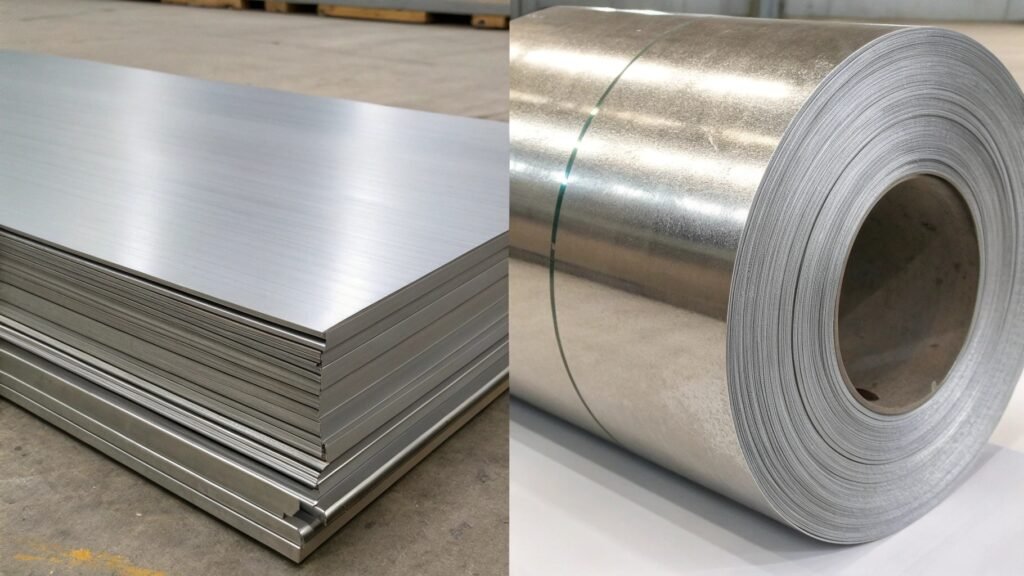
In my experience, the versatility of aluminum shines when you consider its applications in various industries. For example, in the aerospace sector, aluminum is preferred for its high strength-to-weight ratio3, allowing for efficient design without compromising safety and performance.
To summarize, the strength of aluminum is far from fixed. It varies based on how it is processed and applied. This adaptability is why we focus on customized solutions at SWA Forging. We tailor our aluminum alloys to meet your specific needs, ensuring you get the performance you require.
Conclusion
Aluminum's strength depends on many factors. It can be incredibly strong when engineered correctly, often surpassing expectations in real-world applications.
-
Exploring various aluminum alloys can help you choose the right one for your specific project needs. ↩
-
High-strength aluminum alloys have unique applications that can benefit various industries. ↩
-
Understanding the strength-to-weight ratio is crucial for selecting materials in engineering and design. ↩