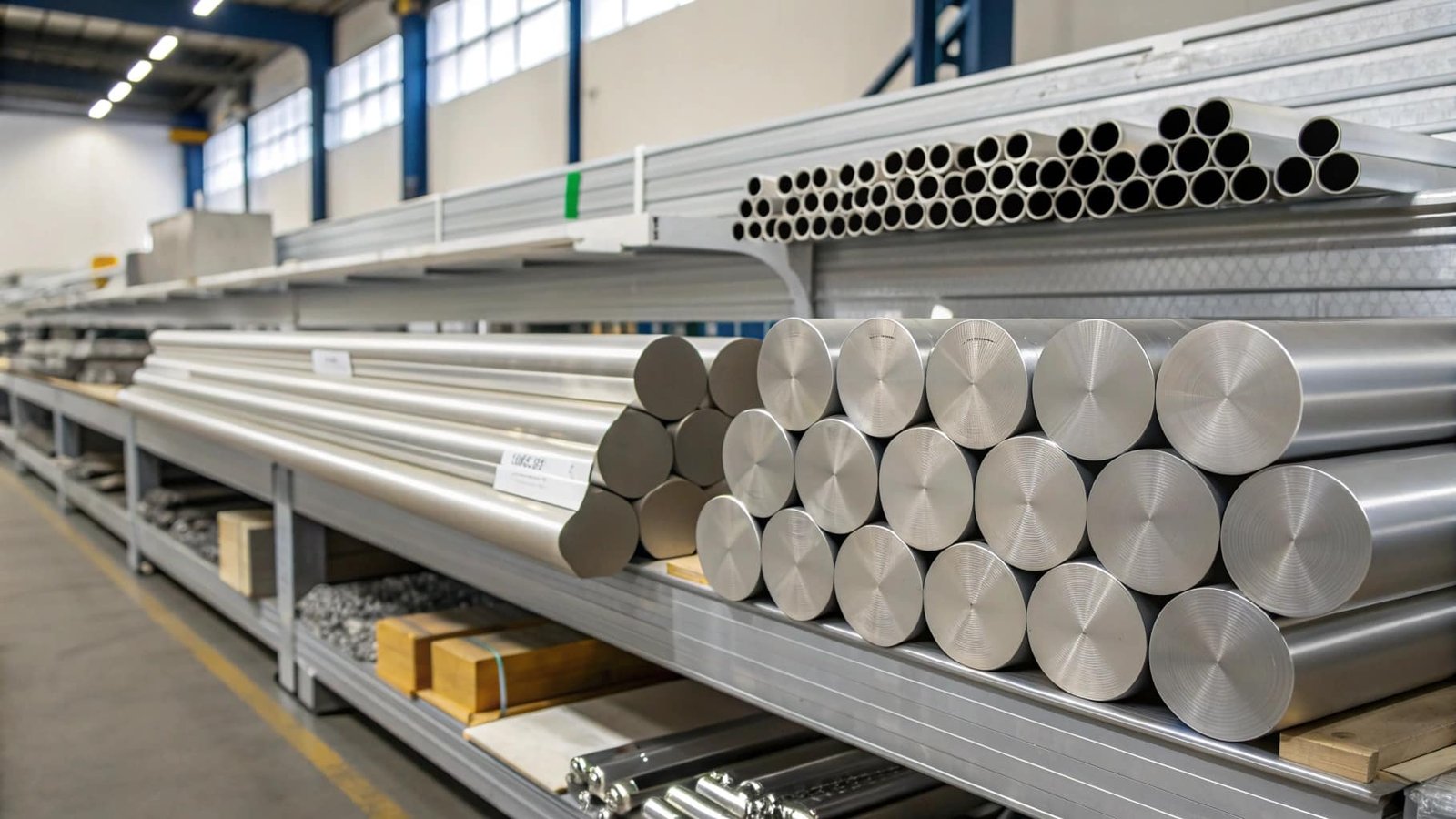
Are you looking to understand the specific demands of aluminum alloys1 in the aerospace industry and which ones meet these stringent requirements? Let's explore the materials that help aircraft take flight.
The aerospace industry relies on a select group of aluminum alloys known for their exceptional strength-to-weight ratio, fatigue resistance, and durability. Alloys like 2024, 7075, and 6061 are frequently used, each with specific applications. While 6061 is widely used in general aviation and less critical structural components due to its good balance of properties and formability, higher-strength alloys like 7075 and 2024 are preferred for primary structures such as wing skins, fuselage frames, and engine components where maximum performance under extreme stress is essential. The term "aerospace-grade aluminum" refers to specific alloys that meet rigorous industry standards for composition, mechanical properties, and defect control, ensuring reliability and safety in demanding flight conditions. While common alloys like 6061 are used, alloys specifically developed or selected for aerospace applications often possess superior performance characteristics and tighter quality controls.
At SWA Forging, we specialize in providing critical components for the aerospace sector, focusing on what truly matters: superior strength, reliability, and precise engineering. Our expertise lies in forging large-diameter rings and discs from high-performance aerospace alloys like 7075 and 2024. These forged components offer unparalleled strength-to-weight ratio2s, exceptional fatigue resistance, and dimensional stability, making them ideal for the most demanding applications where standard aluminum tubing or extrusions might not suffice. We understand that in aerospace, every detail counts, and our forged solutions are designed to meet those exact, rigorous specifications.
Which aluminium alloy is used in aerospace?
Are you curious about the specific aluminum alloys that form the backbone of aircraft structures and components? A few key alloys stand out for their performance.
**Several aluminum alloys are extensively used in aerospace, each chosen for its unique combination of properties tailored to specific applications. Among the most common are:
- 2xxx Series Alloys (e.g., 2024): Known for high strength and good fatigue resistance, these copper-bearing alloys are excellent for aircraft structures like fuselage skins and wing components that undergo significant stress.
- 6xxx Series Alloys (e.g., 60613): Offers a good balance of strength, corrosion resistance4, and weldability, making it suitable for less critical structural parts, window frames, and masts in aircraft and general aviation.
- 7xxx Series Alloys (e.g., 70755): These are among the strongest aluminum alloys available. Their high tensile strength makes them ideal for highly stressed airframe structures, such as structural beams, spars, and longerons, particularly where weight savings are critical.
- 5xxx Series Alloys (e.g., 5083): Valued for their high strength, excellent corrosion resistance (especially in marine environments), and good weldability, they are often used for fuel tanks and fuselage components.
The choice of alloy depends heavily on the specific performance requirements, such as the need for ultimate strength, fatigue life, corrosion resistance, and ease of fabrication.**
| Alloy Series | Primary Alloying Element | Key Aerospace Applications | Characteristic Strength | Fatigue Resistance | Corrosion Resistance |
|---|---|---|---|---|---|
| 2xxx | Copper (Cu) | Fuselage skins, wing structures, structural components | Very High | Excellent | Moderate |
| 6xxx | Magnesium (Mg), Silicon (Si) | Semi-structural parts, window frames, general aviation | Good | Good | Excellent |
| 7xxx | Zinc (Zn), Magnesium (Mg) | High-stress airframe parts, wing spars, structural beams | Extremely High | Very Good | Moderate to Poor |
| 5xxx | Magnesium (Mg) | Fuel tanks, fuselage components, marine applications | High | Good | Excellent |
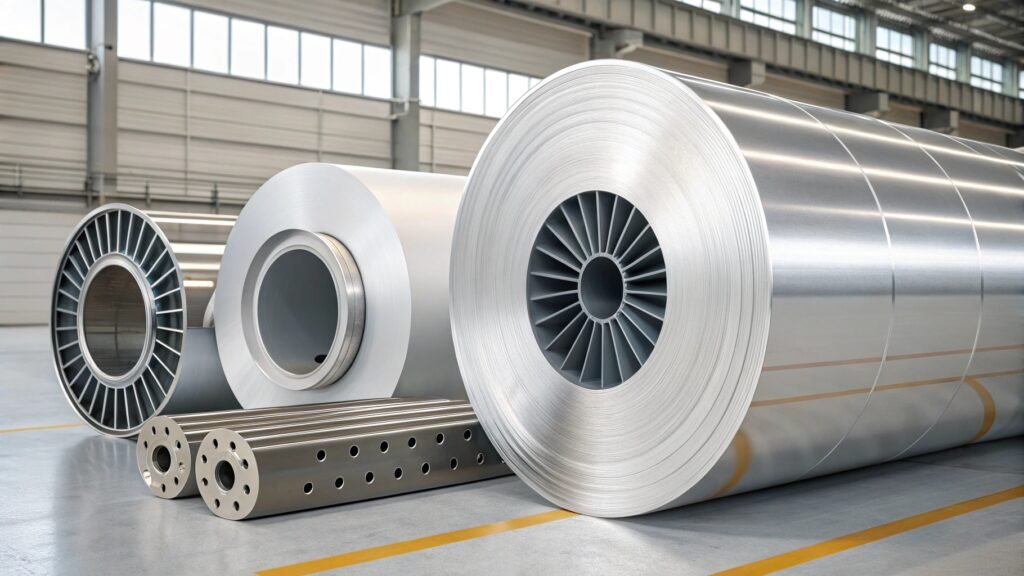
SWA Forging understands the critical role that precise material selection plays in aerospace. We specialize in forging high-strength alloys like 7075 and 2024, which are vital for critical aircraft components. Our forged products provide superior strength-to-weight ratios and fatigue life, often exceeding the capabilities of standard extruded or sheet materials for applications like structural framing, engine mounts, and landing gear components that demand the utmost in performance and reliability.
Is 6061 used in aerospace?
Are you wondering if the widely used 6061 aluminum alloy finds its place in the demanding world of aerospace applications? It does, but with specific roles.
Yes, 6061 aluminum is used in aerospace, though typically not for highly stressed primary structural components where maximum strength is paramount. Its excellent corrosion resistance, good formability, and excellent weldability make it a versatile choice for less critical applications. You will commonly find 6061 aluminum used in general aviation aircraft for components like fuselage structures, window frames, wing struts, landing gear components, and even some interior fittings. It's also utilized in associated aerospace equipment and ground support structures. While alloys like 7075 and 2024 offer significantly higher tensile and yield strengths essential for critical airframe parts, 6061 provides a pragmatic balance of properties and cost-effectiveness, especially where extreme load-bearing is not the primary concern. Its ease of fabrication and repair also contribute to its utility in certain aerospace segments.
- General Aviation Structures: Frames, internal supports.
- Window Frames and Seals: Due to corrosion resistance.
- Mast and Antenna Mounts: Lightweight and durable for external fittings.
- Aerospace Equipment: Ground support, smaller non-structural parts.
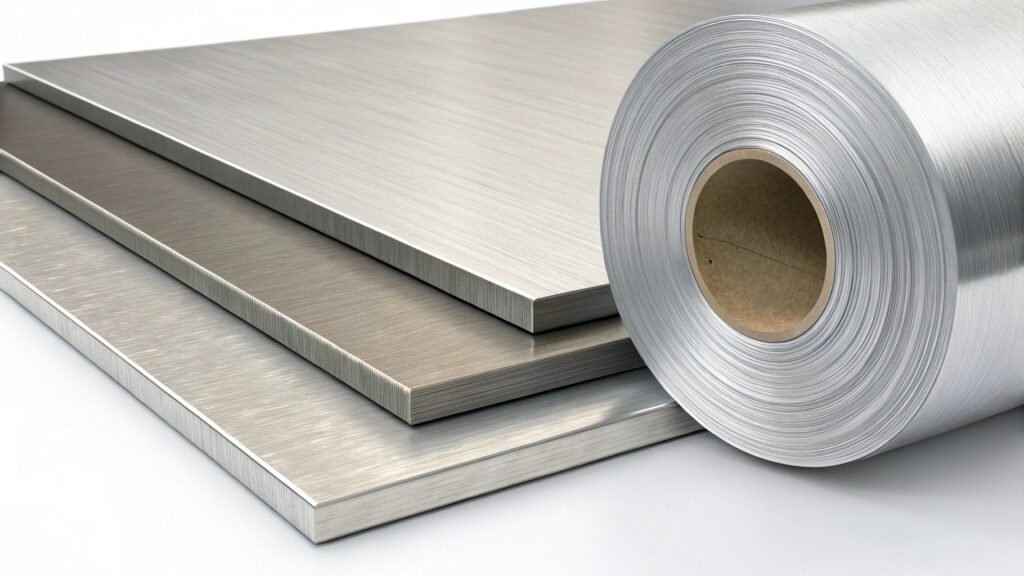
SWA Forging acknowledges the utility of 6061 aluminum in various industries, including aerospace. However, for applications demanding the highest performance in terms of ultimate strength, fatigue resistance, and structural integrity, we focus on higher-strength alloys. Our expertise in forging large components from alloys like 7075 allows us to provide critical structural elements for aerospace that deliver superior load-bearing capability and reliability, ensuring safety and performance where it matters most.
What aluminum alloy is used in space?
Are you curious about the materials that build spacecraft and their components? The demands of space travel call for specialized, high-performance aluminum alloys.
The aluminum alloys used in space applications are similar to those used in aerospace, with a strong emphasis on high strength-to-weight ratios, durability, and resistance to extreme conditions. High-strength alloys from the 7xxx series, particularly 7075 and 7050, are widely utilized for their exceptional strength, which allows for lighter spacecraft structures. Alloys from the 2xxx series, like 2219 (used in Apollo fuel tanks), are also employed for their high strength and temperature resistance. The 6xxx series, such as 6061, finds use in less critical structural components, internal fittings, and satellite booms where its balance of properties is sufficient. Importantly, for space, the quality control for these alloys is exceptionally stringent, minimizing defects and ensuring consistent performance under vacuum, thermal cycling, and radiation. The specific alloy is chosen based on the component's function, the environmental stresses it will endure, and the critical need to minimize launch weight while maximizing structural integrity.
Key Alloys for Space:
- 7075, 7050 (7xxx Series): For primary structures, bulkheads, and high-stress components.
- 2219, 2024 (2xxx Series): For cryogenic tanks, fuselage sections, and strong structural elements.
- 6061 (6xxx Series): For secondary structures, mounting brackets, and interior support systems.
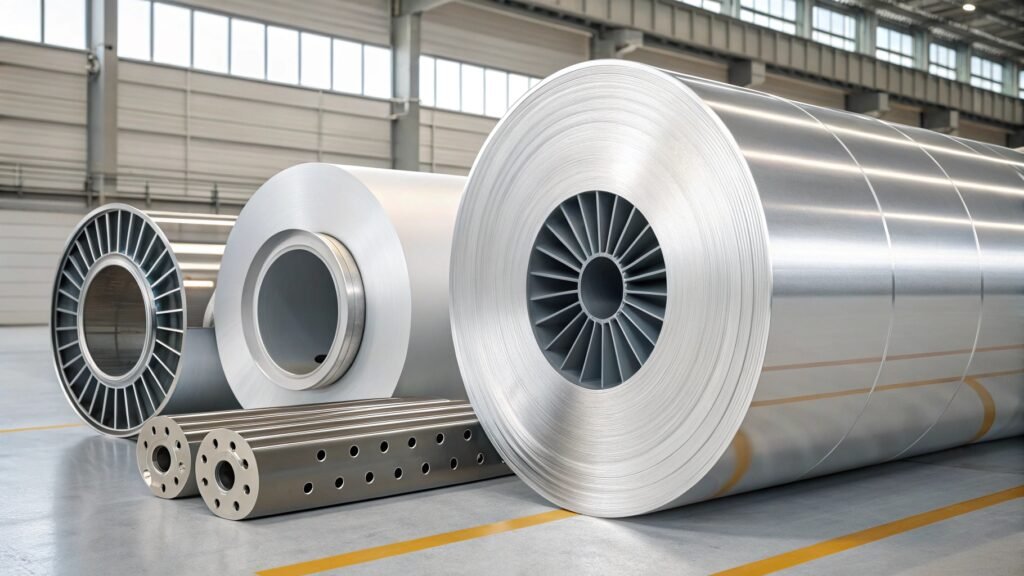
SWA Forging understands the extreme demands of space applications. Our capabilities in forging high-strength alloys like 7075 are crucial for creating components that can withstand the rigors of launch and operation in space. Our large-diameter forged rings and discs can form the basis for robust structural elements, pressure vessels, or critical mounting hardware where unparalleled strength, material integrity, and weight efficiency are paramount, ensuring the success of space missions entrusted with these high-performance components.
What is the difference between aluminum and aerospace-grade aluminum?
Are you wondering if "aerospace-grade aluminum" is fundamentally different from regular aluminum? The distinction lies in performance, control, and application.
The primary difference between general aluminum and "aerospace-grade aluminum" lies in the specific alloy composition, the level of material control, and the intended application. While both are aluminum, aerospace-grade aluminum refers to alloys that have been specifically selected and manufactured to meet the extremely high performance and reliability standards required by the aviation and space industries. This means aerospace alloys typically possess superior strength-to-weight ratios, enhanced fatigue resistance, and greater durability under extreme conditions like temperature fluctuations and high stress. Furthermore, the production of aerospace-grade aluminum involves much more stringent quality control measures. This includes tighter tolerances on chemical composition, rigorous inspection for defects (such as inclusions or voids), and precise heat treatments to ensure consistent and predictable mechanical properties. While a common alloy like 6061 might be used in some aerospace applications, true aerospace-grade aluminum often refers to specialized alloys like 7075, 2024, or 5083, processed under strict quality assurance protocols to guarantee their performance in critical flight and space systems.
| Feature | General Aluminum | Aerospace-Grade Aluminum |
|---|---|---|
| Alloy Selection | Wide range, general purpose | Highly specific, high-performance alloys (e.g., 7075, 2024) |
| Strength | Varies, often moderate | Extremely high tensile and yield strength |
| Fatigue Resistance | Moderate | Superior resistance to cyclic stress |
| Quality Control | Standard industrial requirements | Rigorous, strict standards for composition and defects |
| Cost | Generally lower | Significantly higher due to specialization and quality control |
| Applications | General manufacturing, consumer goods | Aircraft, spacecraft, critical structural components |
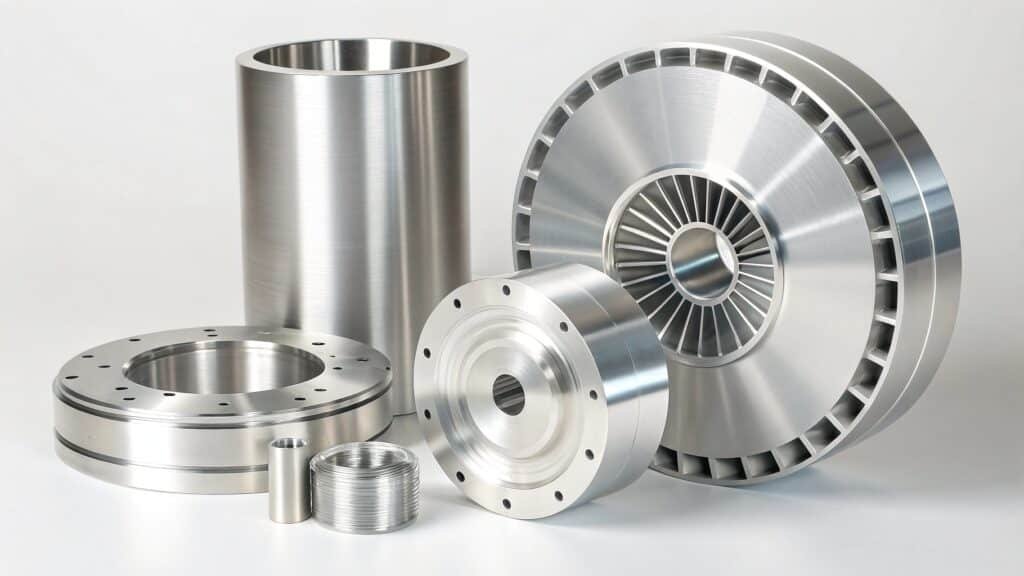
SWA Forging understands the critical demands of aerospace and space applications. We don't just work with aluminum; we work with the highest performing alloys, like 7075, and apply precision forging techniques to create components that meet and exceed aerospace-grade standards. Our large-diameter forged rings and discs offer superior material integrity, strength-to-weight ratios, and dimensional stability compared to most standard aluminum products, positioning us as a key supplier for your most critical aerospace projects.
Conclusion
Aerospace aluminum alloys, like 7075 and 2024, offer superior strength and durability. While 6061 has uses, specialized alloys and stringent controls define aerospace-grade aluminum, areas where SWA's forging expertise excels.
-
Explore the best aluminum alloys that meet aerospace standards for strength and durability. ↩
-
Learn why the strength-to-weight ratio is crucial for aerospace design and performance. ↩
-
Understand the versatile uses of 6061 aluminum in less critical aerospace applications. ↩
-
Discover how corrosion resistance enhances the durability of aerospace components. ↩
-
Find out why 7075 is a top choice for high-stress aerospace components. ↩