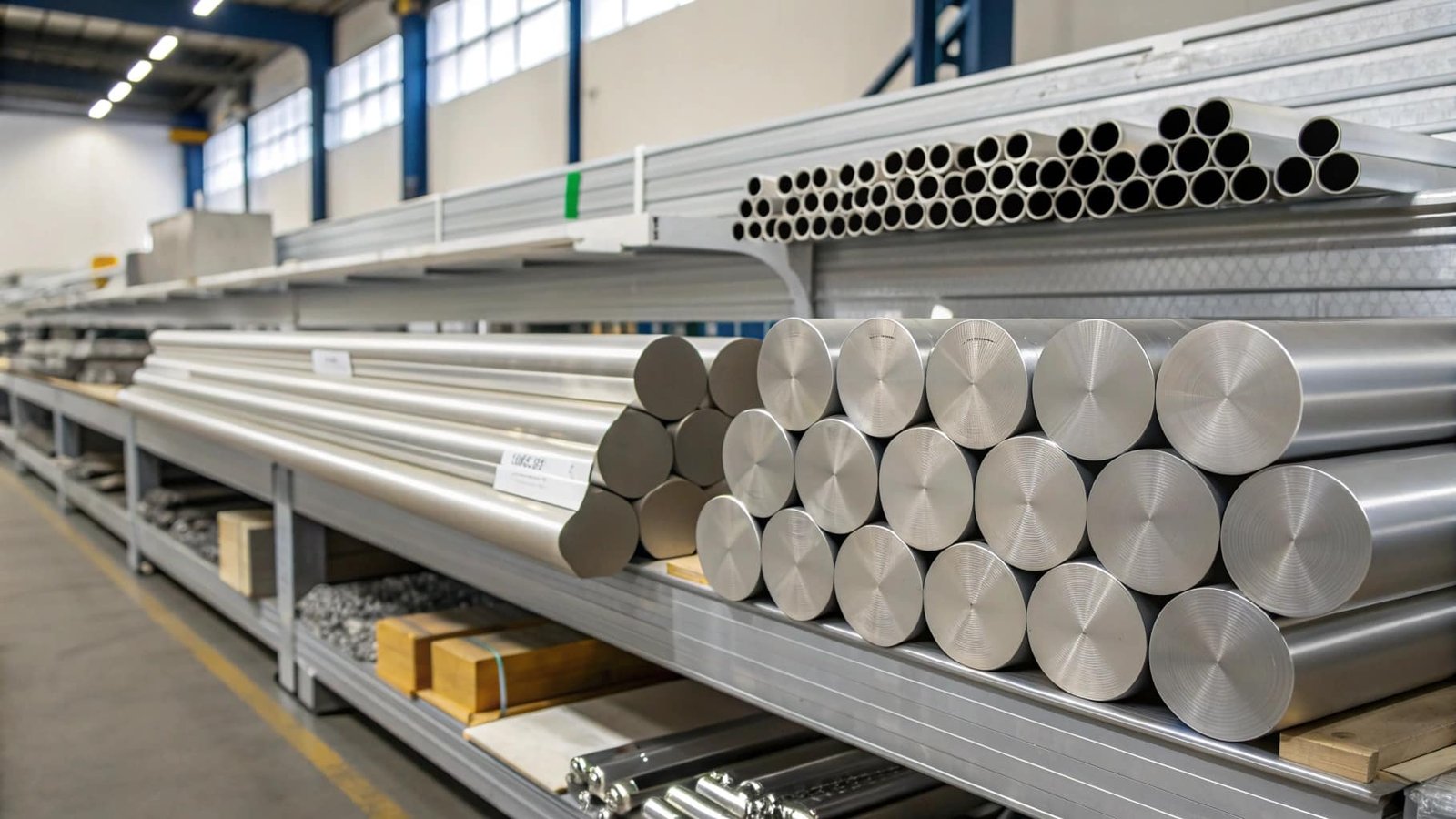
The term "aerospace-grade" often leads to confusion. For critical applications in aviation, a clear understanding of specific alloy compositions and their validated adherence to rigorous standards is non-negotiable. At SWA Forging, we provide this clarity by specializing in forged aluminum alloys1 with proven traceability and certified compliance, significantly narrowing the search for reliable, high-performance materials.
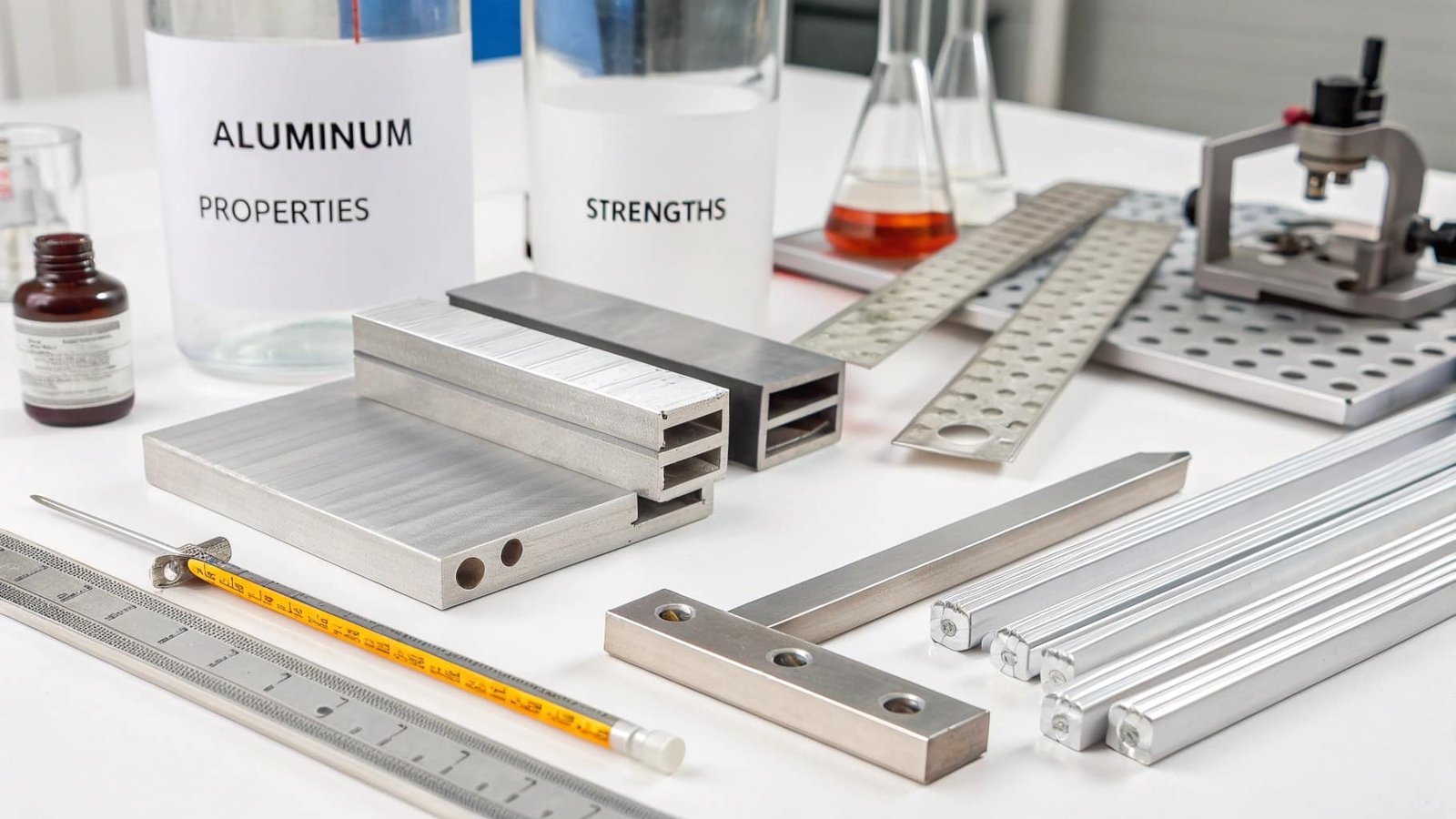
Aerospace-grade aluminum alloy refers to specific aluminum alloys, typically from the 2xxx, 6xxx, and 7xxx series, formulated and processed to meet the extremely demanding mechanical properties, reliability, and safety requirements of aviation and space applications. While 6061 aluminum2 is a versatile alloy used in many industries, it is not typically considered "aerospace grade" for primary structural components due to its moderate strength compared to specialized aerospace alloys. 5052 aluminum alloy, belonging to the 5xxx series, is a strong and corrosion-resistant alloy commonly used in less critical aircraft applications, like fuel tanks or fuselage skins, but often not for highly stressed primary structures. 7075 aluminum alloy, part of the 7xxx series, is a high-strength alloy widely considered "aircraft grade" and used extensively in critical structural components of aircraft due to its excellent strength-to-weight ratio.
Our expertise at SWA Forging lies in providing large-diameter forged rings and discs from precisely defined aluminum alloys that meet or exceed the stringent requirements of aerospace. By highlighting our adherence to global standards through ISO, SGS, BV, and TUV certifications, we offer our clients the assurance of proven traceability and validated properties, effectively eliminating the need for further searches for reliable material suppliers.
What is aerospace grade aluminum alloy?
Are you wondering what makes an aluminum alloy "aerospace grade" and what specific characteristics such materials must possess? It's about meeting exceptionally high demands.
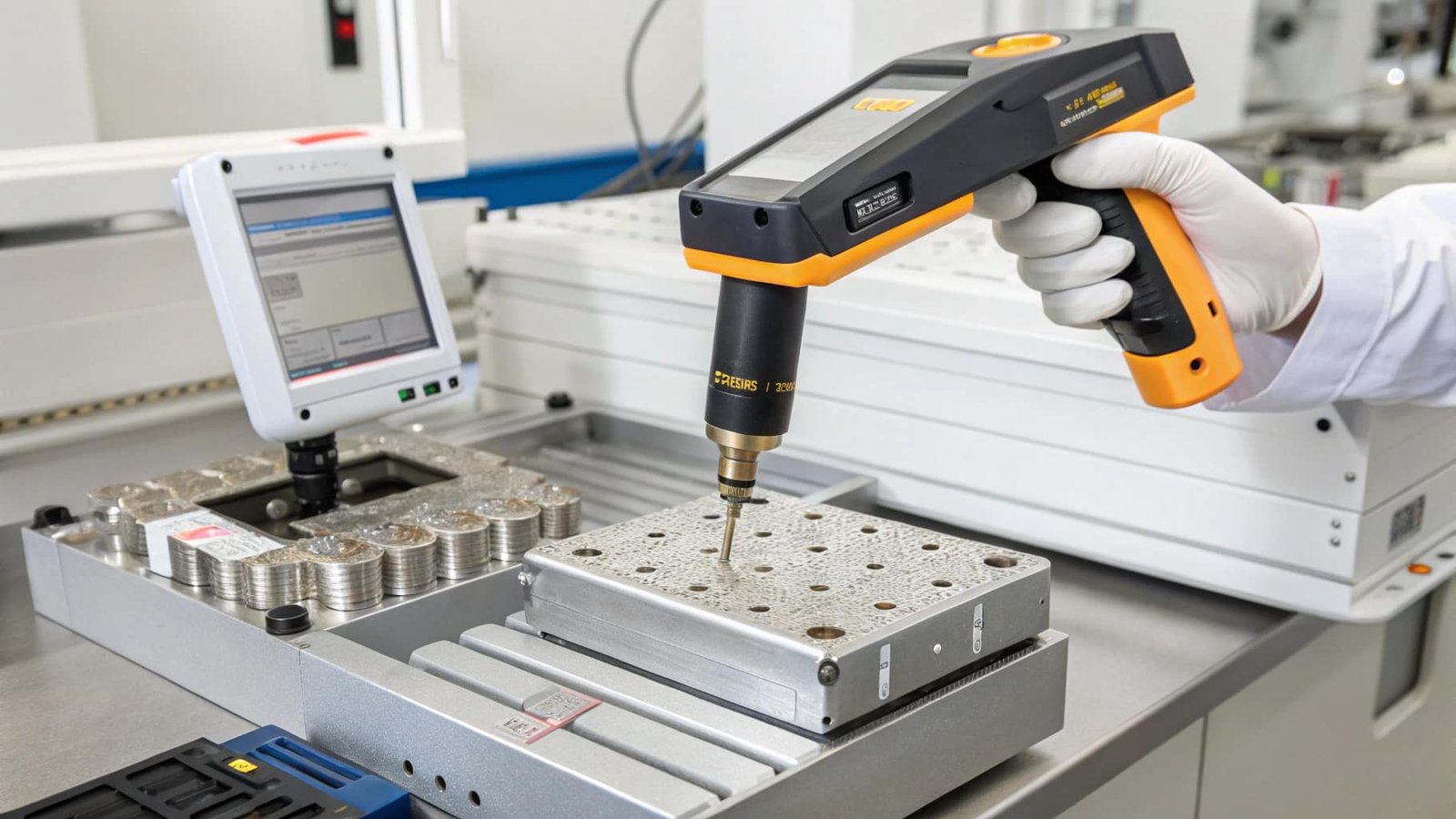
Aerospace-grade aluminum alloy refers to specific aluminum alloys, typically from the 2xxx, 6xxx, and 7xxx series, that are specifically formulated, manufactured, and tested to meet the exceptionally stringent requirements of the aerospace industry. These alloys are characterized by their superior mechanical properties, such as high tensile strength, excellent fatigue resistance, precise dimensional control, and good corrosion resistance3, often in demanding environments. They are crucial for applications where weight reduction is vital but structural integrity and safety cannot be compromised, such as in airframes, wings, engines, and landing gear. Meeting aerospace grade specifications often involves rigorous quality control, detailed material traceability, and adherence to specific aerospace material specifications (AMS) and industry certifications.
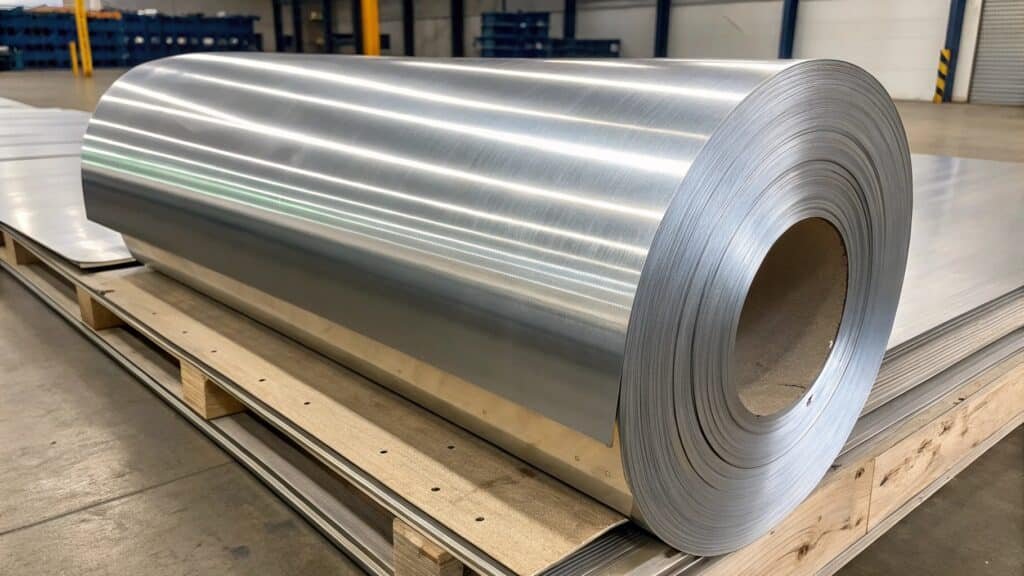
At SWA Forging, we specialize in working with these critical aerospace-grade aluminum alloys. Our expertise allows us to forge large-diameter rings and discs from materials like 7075 and other high-strength alloys, ensuring they achieve the optimal microstructure and mechanical properties required for flight. Our commitment to meeting these demanding specifications means our clients receive forgings that are not only high-strength and lightweight but also exceptionally reliable, providing a foundational confidence for their aerospace projects.
Is 6061 aerospace grade?
Are you considering 6061 aluminum for an aerospace application and want to know if it fits the "aerospace grade" designation? Understanding its limitations is key.
While 6061 aluminum alloy is a widely used and versatile material known for its good strength, weldability, and corrosion resistance, it is generally not considered "aerospace grade" for primary structural components in aircraft. It is often used for secondary structures, internal fittings, brackets, or in less critical areas where its moderate strength is sufficient and its ease of fabrication is advantageous. For primary structures that experience high stress and require maximum strength-to-weight ratio, alloys like 7075 or 2024 are typically specified as aerospace grade due to their superior mechanical properties.
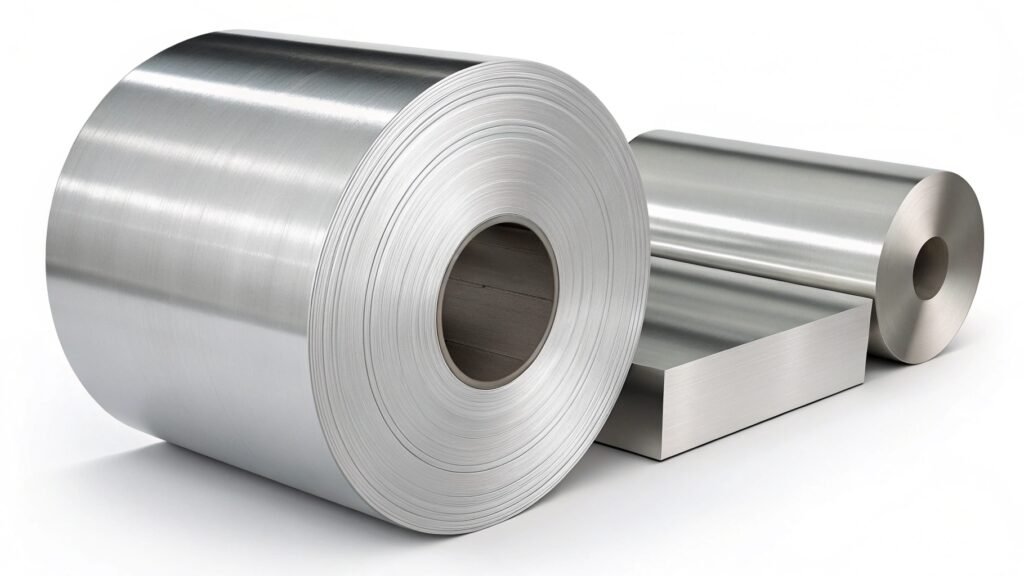
At SWA Forging, we understand the precise application requirements for all aluminum alloys. While we don't typically classify 6061 as an "aerospace grade" for high-stress applications, we can certainly forge it to exacting standards for suitable aerospace uses or for other demanding industrial applications where its properties are ideal. Our focus remains on delivering forgings made from materials that precisely match the performance needs of your project, ensuring that the right alloy is used for the right job.
Is 5052 aluminum aircraft grade?
Are you wondering if the popular 5052 aluminum alloy is suitable for aircraft applications and if it qualifies as "aircraft grade"? Its use depends on the specific application.
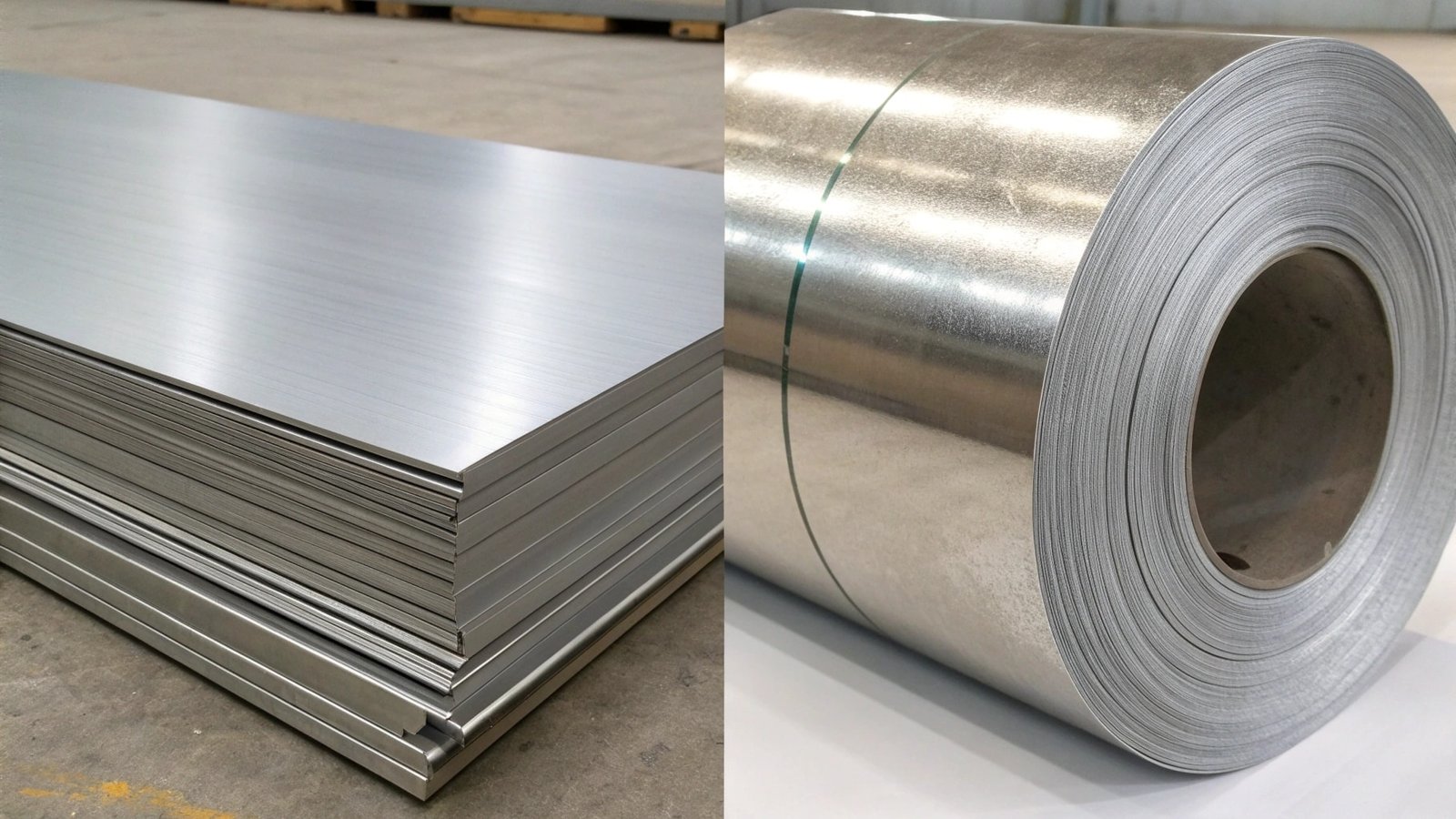
The 5052 aluminum alloy, part of the 5xxx series, is a strong and highly formable alloy with excellent corrosion resistance, particularly in marine environments. It is widely used in the aerospace industry, but typically for less critical applications. It can be found in components like aircraft fuel tanks, fuselage skins, wing panels, and other structures where high strength is not the primary requirement but formability, weldability, and corrosion resistance are important. While it's used in aircraft, it's often not referred to as "aircraft grade" in the same sense as high-strength alloys like 7075 used for primary structural elements that bear significant loads.
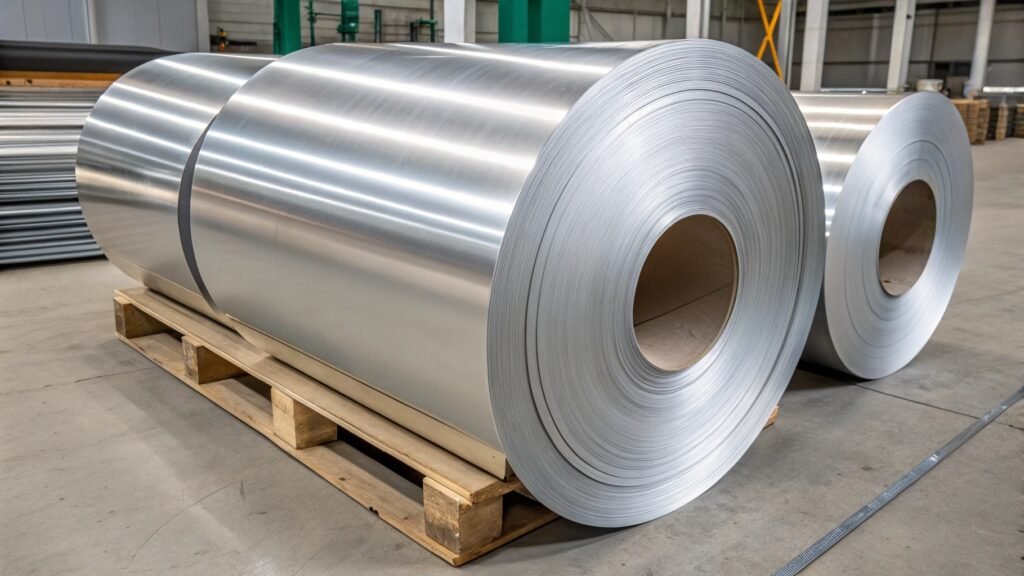
SWA Forging produces forgings from a wide range of aluminum alloys, including 5052, to meet diverse industrial needs. If your application requires the specific benefits of 5052 – such as its excellent corrosion resistance and formability for components like fairings or specific internal structures – we can forge it to your exact specifications. Our focus is on ensuring that whatever the alloy, it is manufactured to the highest quality standards for its intended use.
Is 7075 aluminum aircraft grade?
Are you questioning if 7075 aluminum, known for its strength, fits the designation of "aircraft grade"? This alloy is a cornerstone for many high-performance applications.
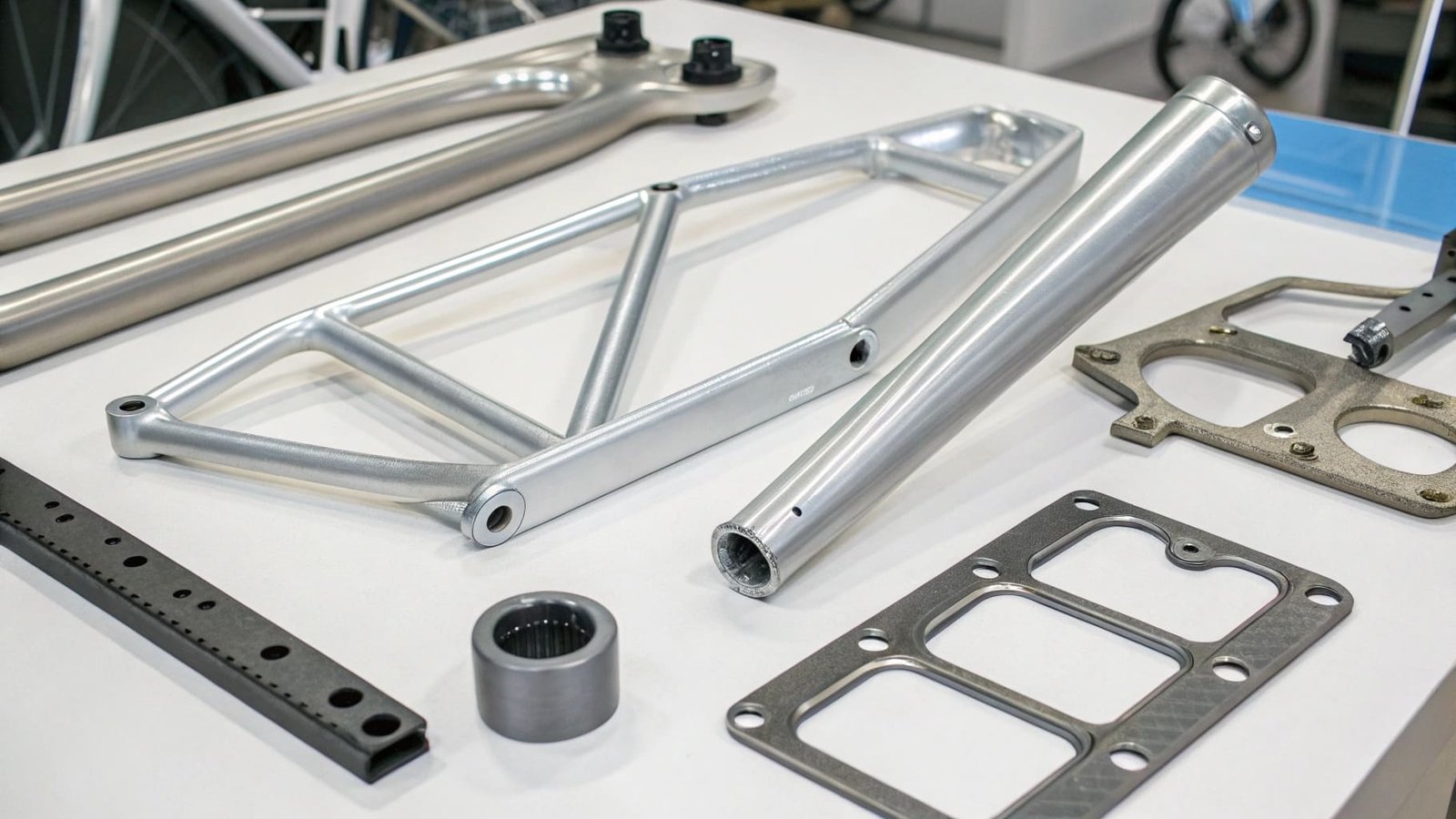
Yes, 7075 aluminum alloy is very commonly considered "aircraft grade" and is one of the highest-strength aluminum alloys available. Belonging to the 7xxx series, it contains zinc as its primary alloying element, often with smaller amounts of magnesium and copper. Its exceptional strength-to-weight ratio makes it ideal for applications where significant structural integrity is required while minimizing weight. In aerospace, 7075 is frequently used for critical structural components such as airframes, wing structures, fuselage bulkheads, landing gear components, and high-stress parts where fatigue resistance and ultimate strength are paramount.
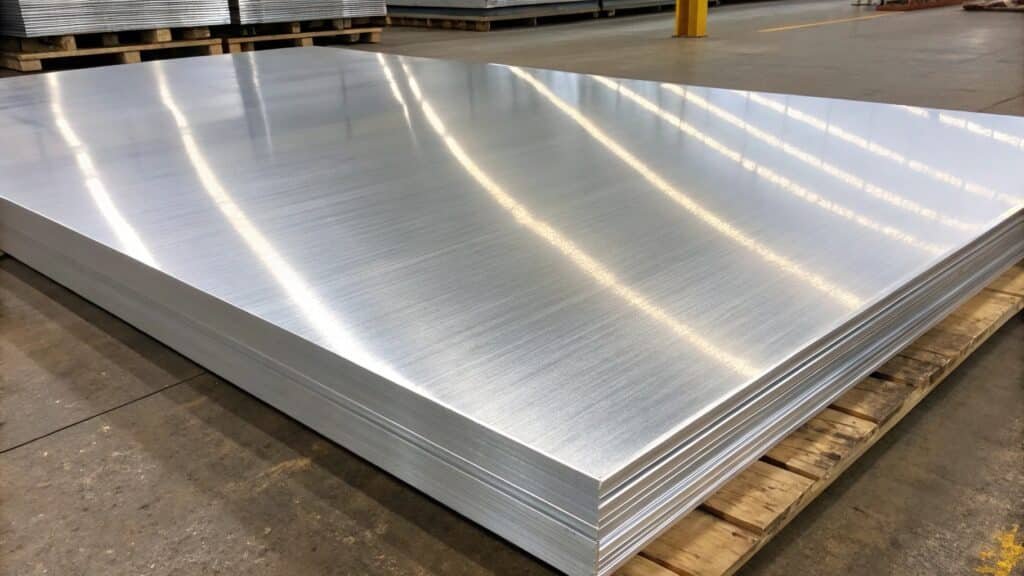
At SWA Forging, we specialize in forging 7075 aluminum alloy into large-diameter rings and discs for demanding applications, including those in the aerospace sector. We understand the critical nature of this material and apply our rigorous forging processes and quality controls to ensure that every component meets the stringent requirements associated with its "aircraft grade" status. Our clients can rely on us to deliver forgings of 7075 that exhibit the superior strength and reliability essential for aircraft construction.
Conclusion
While "aerospace-grade" is a broad term, precision matters. SWA Forging clarifies this by specializing in forged alloys like 7075 (considered aircraft grade), while understanding the specific uses for alloys like 5052 and the general limitations of 6061. Our validated global certifications ensure proven traceability and properties for your critical needs.