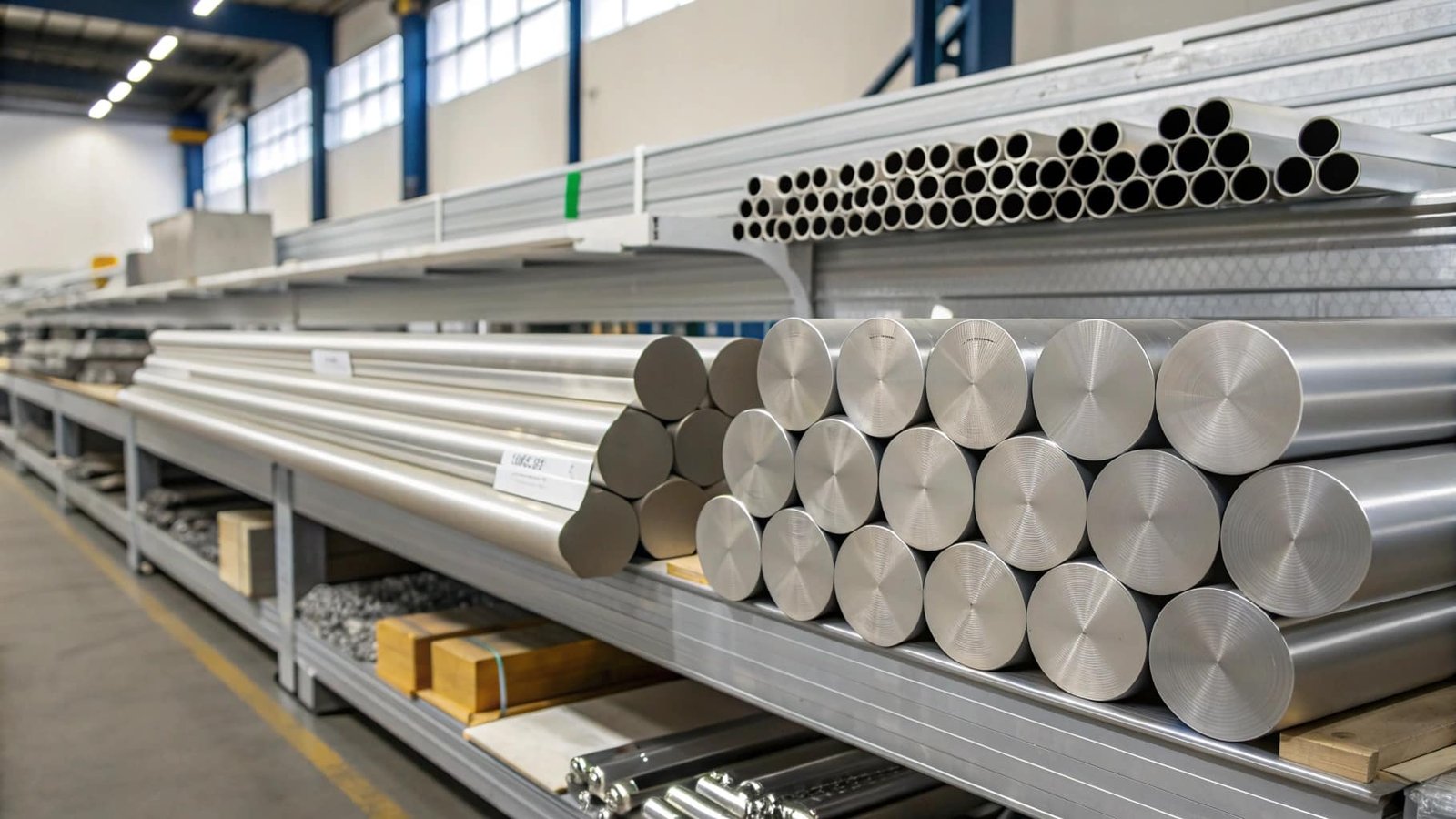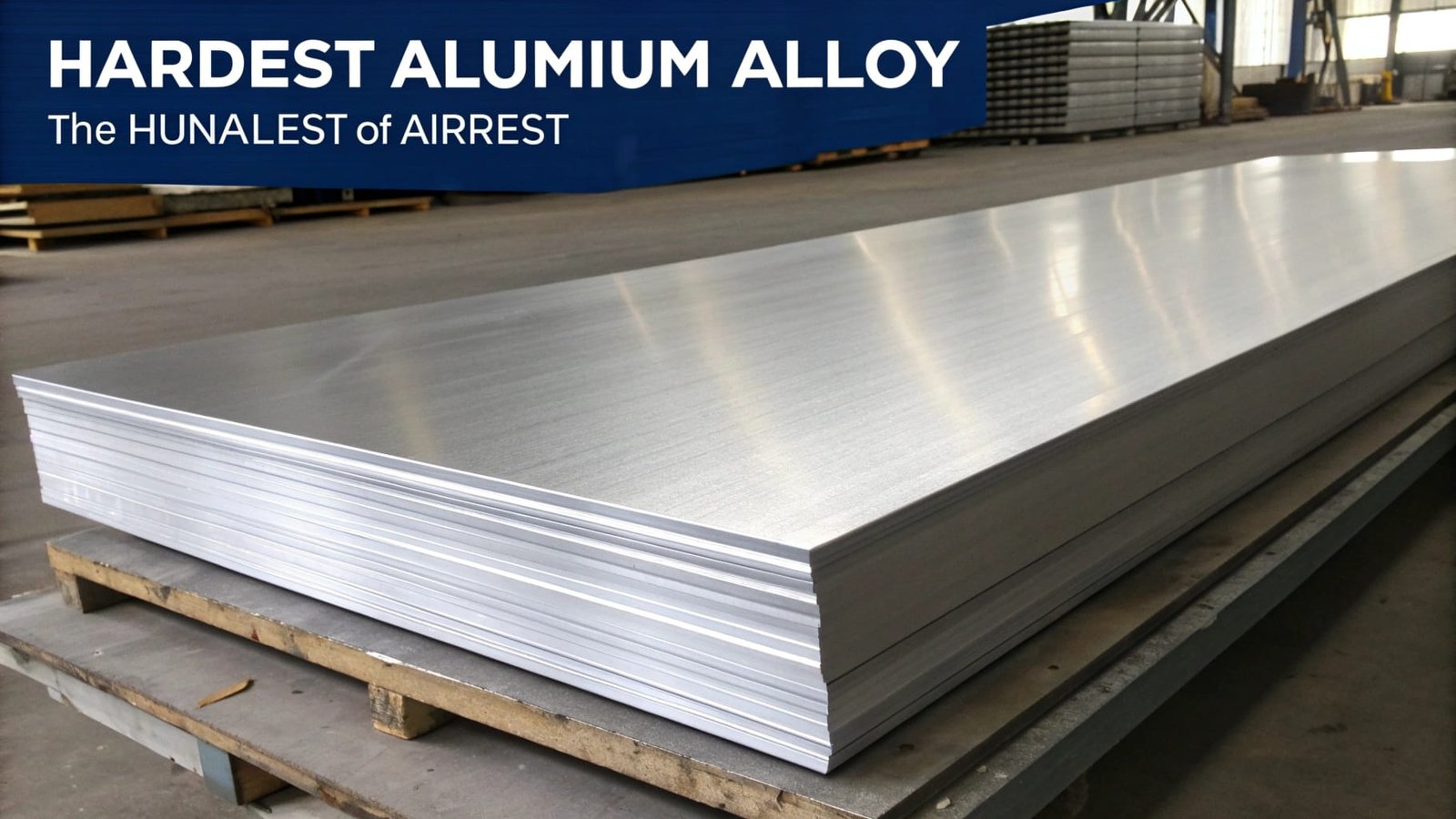
Material quality control in the aerospace industry is not merely a procedural step; it's a fundamental pillar that ensures the safety, reliability, and performance of every aircraft. From the raw aluminum sheeting to critical forged components, stringent quality checks are absolutely essential.
Aerospace quality control involves a comprehensive system of inspections, tests, and procedures implemented throughout the material lifecycle to guarantee they meet extremely high safety and performance standards. The four main types of quality control are defect prevention, defect detection, defect correction, and quality assurance. For aerospace, the primary quality management system standard is AS9100, which is based on ISO 9001 but includes more rigorous requirements specific to the aviation, space, and defense industries. The four fundamental steps in quality control are establishing standards, inspecting for deviations, analyzing deviations, and taking corrective actions1 to prevent recurrences.
At SWA Forging, we implement robust quality control measures that align with these principles, especially when working with critical materials like aerospace-grade aluminum alloys. Our commitment to rigorous inspection and quality assurance ensures that every forged product we deliver meets or exceeds the demanding specifications required by our clients in the aerospace sector, mirroring the strict adherence to quality that the industry demands.
What is aerospace quality control?
Are you wondering exactly what aerospace quality control entails and why it is so exceptionally important in this industry? It's a multifaceted approach to ensuring that every component performs perfectly.
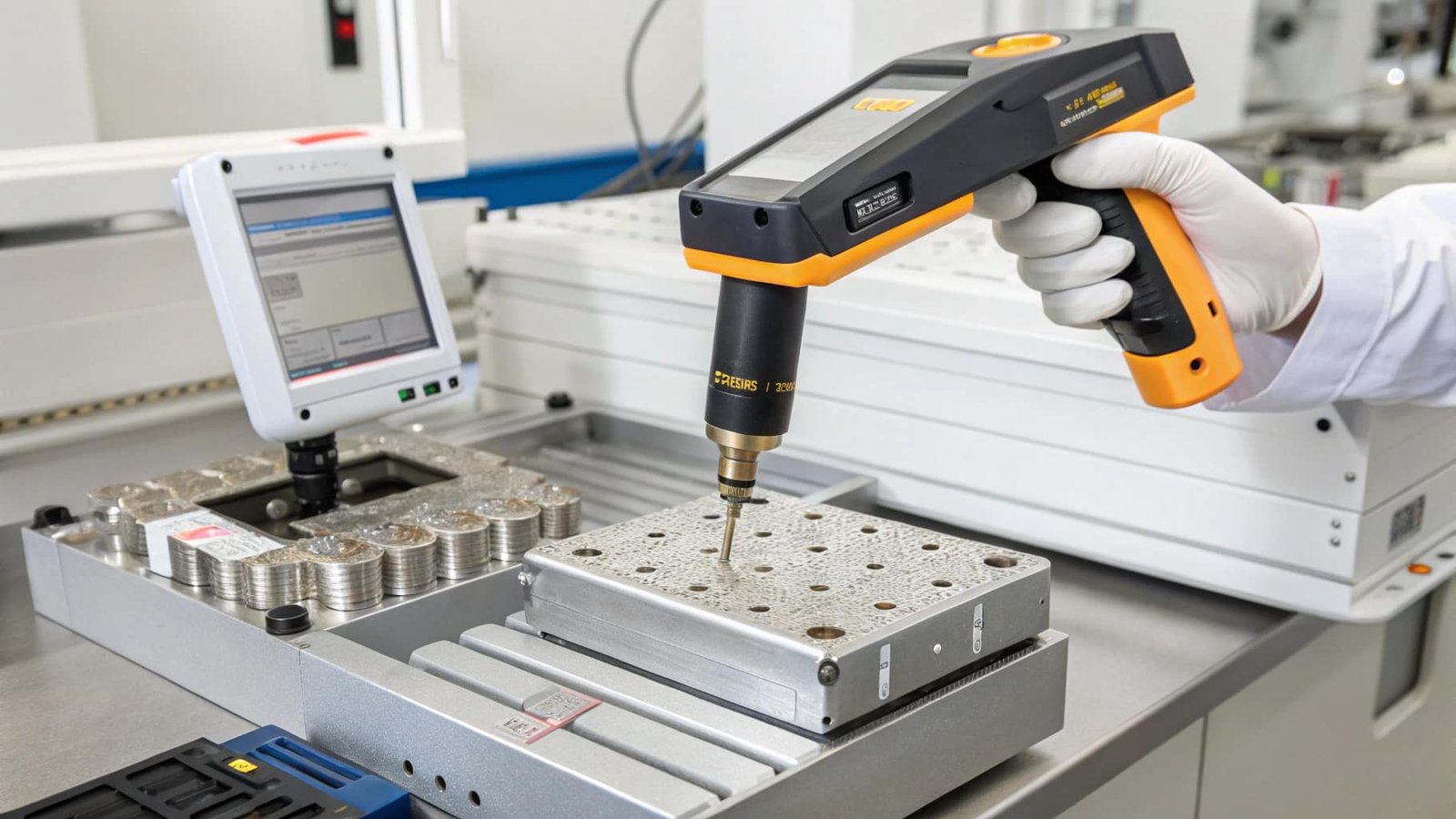
Aerospace quality control is a highly rigorous and systematic process designed to ensure that all materials, components, and systems used in aircraft and spacecraft meet the highest possible standards of safety, reliability, and performance. It encompasses every stage from material procurement and manufacturing to final assembly and testing. This involves strict adherence to industry-specific standards, extensive documentation, traceability of all parts, and regular audits. The ultimate goal is to prevent defects that could lead to catastrophic failure, safeguard human lives, and ensure the integrity of flight missions.
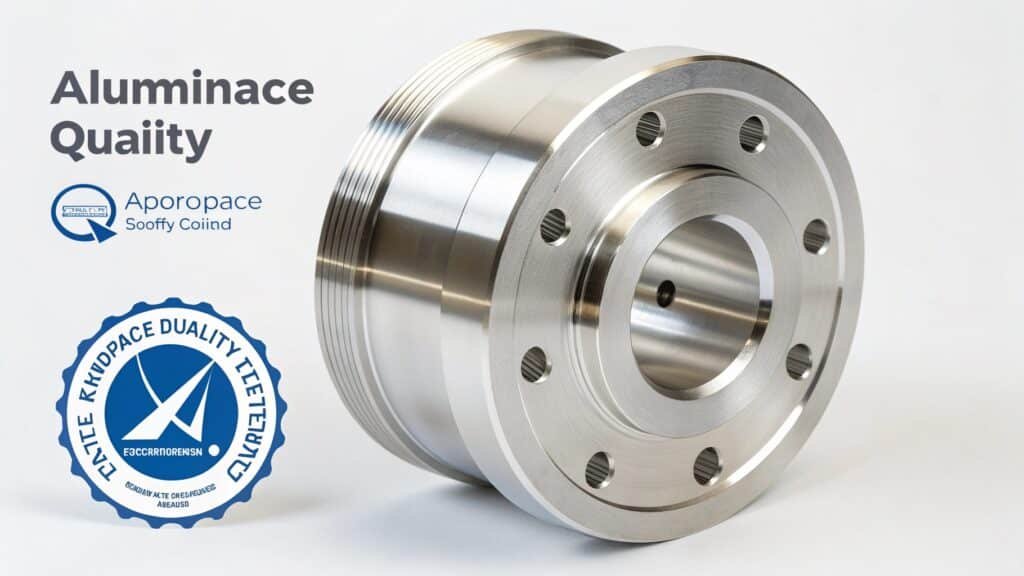
This dedication to absolute precision in quality control is something we practice daily at SWA Forging. When we produce forgings for aerospace applications, we understand that each step, from material selection to the final inspection, must be executed with utmost care. Our quality assurance processes, including thorough material testing and precise dimensional checks, are designed to meet the stringent requirements of aerospace clients, paralleling the comprehensive nature of aerospace quality control itself.
What are the 4 types of quality control?
Are you interested in understanding the core strategies that make up the framework of quality control? Knowing these types helps grasp how quality is managed effectively.
The four generally recognized types of quality control are defect prevention, defect detection, defect correction, and quality assurance. Defect prevention focuses on designing processes and products to avoid issues from the start. Defect detection involves identifying flaws or non-conformances after they occur, often through inspection. Defect correction addresses issues that have been detected to ensure the product meets specifications, which might involve repair or rework. Quality assurance, on the other hand, is a broader system of management practices designed to ensure that quality standards are met, building confidence that the processes are effective and reliable, and it underpins the other three.
These four types form the backbone of our quality management system at SWA Forging, especially for our aerospace clients. We emphasize defect prevention through careful process design and material selection. Our thorough inspection processes handle defect detection, and we have robust procedures for defect correction. Crucially, our quality assurance framework, including certifications like ISO 9001, provides the overarching confidence that our forge products consistently meet aerospace standards, demonstrating our commitment to all facets of quality control.
What is the ISO for aerospace quality?
Are you asking about the specific international standard that governs quality management systems within the aerospace industry? This standard sets the benchmark for excellence.
The primary international standard for aerospace quality management systems is AS9100. This standard is developed by the International Aerospace Quality Group (IAQG) and is essentially an enhancement of the ISO 9001 standard, incorporating additional requirements that are specific to the aviation, space, and defense industries. It addresses critical areas such as risk management, product safety, regulatory compliance, supply chain management, and configurability, ensuring a higher level of assurance for the demanding aerospace sector. While it builds upon ISO 9001, AS9100 is the specific certification sought by companies supplying to the aerospace market.
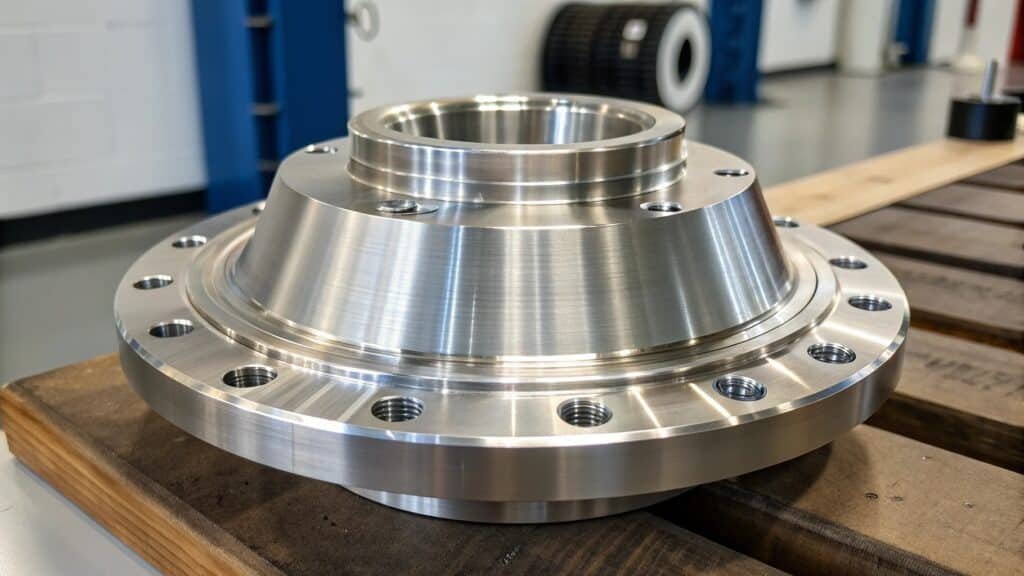
At SWA Forging, adhering to such rigorous standards is paramount, which is why we hold certifications like ISO 9001. While AS9100 is the direct standard for aerospace, our ISO 9001 certification demonstrates our foundational commitment to quality management systems that are robust enough to satisfy the stringent needs of high-demand industries, including aerospace. We continuously strive to meet and exceed the quality expectations that standards like AS9100 represent, ensuring our forged products are of the highest caliber.
What are the 4 steps of quality control?
Are you interested in learning the fundamental sequential steps involved in implementing effective quality control measures? Understanding this process provides clarity on how quality is managed.
The four fundamental steps of quality control typically involve: 1. Establishing quality standards: Defining clear, measurable criteria for what constitutes acceptable product or service quality. 2. Inspecting for deviations: Measuring actual product performance or characteristics against these established standards to identify any differences or defects. 3. Analyzing deviations: Investigating the root causes of any identified deviations or defects to understand why they occurred. 4. Taking corrective action: Implementing measures to correct the identified deviations and, more importantly, developing and implementing preventative actions to stop these issues from happening again in the future, thereby improving the overall process.
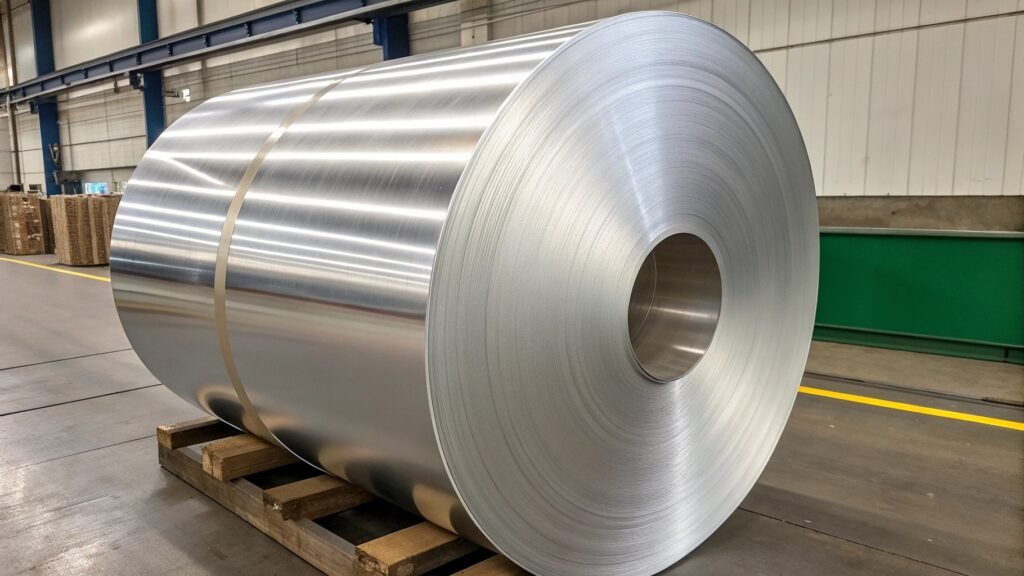
These four steps are deeply embedded in SWA Forging's operational philosophy. We meticulously establish clear standards for our forged components, which are then rigorously inspected. Our dedicated quality team analyzes any deviations to pinpoint their origins. Most importantly, we focus on implementing corrective and preventative actions to continuously improve our processes. This systematic approach ensures that the forged materials we provide, especially for critical applications, meet the highest quality benchmarks required by industries like aerospace.
Conclusion
Aerospace quality control is a vital, multi-step process focused on preventing, identifying, and rectifying defects to ensure the utmost safety and reliability. Standards like AS9100, built upon ISO 9001, guide these efforts, ensuring that materials and components meet the extreme demands of aviation through rigorous inspection, analysis, and corrective action.
-
Discover how corrective actions are implemented to address quality issues and prevent recurrence. ↩