Are you wondering about the basic classification of aluminum1 – is it a metal, or something else entirely? Let's clarify its fundamental nature.
Yes, aluminum is unequivocally a metal. It possesses all the characteristic properties that define a metallic element: it is a solid at room temperature (except for mercury), it is lustrous (shiny), a good conductor of heat and electricity, malleable (can be hammered into thin sheets), and ductile (can be drawn into wires). Aluminum is also known for its relatively low density and its excellent corrosion resistance, forming a protective oxide layer on its surface. It resides in Group 13 of the periodic table, underscoring its elemental metallic nature. When we talk about aluminum alloys2, we are referring to mixtures where aluminum is the primary component, combined with other elements to enhance its properties, but the base material itself remains a metal.
At SWA Forging, we build upon aluminum's inherent metallic properties. We specialize in transforming this versatile metal into high-strength, large-diameter forged components. Our advanced forging processes leverage aluminum's malleability and formability to create precisely shaped rings and discs. The resulting products offer superior performance, exceptional reliability, and the characteristic durability that only a well-engineered metallic component can provide, meeting the rigorous demands of critical industrial applications.
Is aluminum a metal or non-metal?
Are you attempting to categorize aluminum within the fundamental classifications of elements, wondering if it leans towards metallic or non-metallic characteristics? The answer is clear.
Aluminum is definitively a metal. It exhibits all the key physical and chemical properties that classify an element as metallic. These include its high electrical and thermal conductivity, its malleability and ductility, its lustrous appearance when polished, and its tendency to readily form positive ions (cations) in chemical reactions. Non-metals, in contrast, are typically poor conductors of heat and electricity, are brittle in their solid form, and do not possess a lustrous sheen. Aluminum’s position in the periodic table, its atomic structure, and its behavior in chemical compounds all confirm its status as a metal. While it does possess some properties that are less common in highly reactive metals, such as forming a protective oxide layer, these are characteristic of certain metallic elements and do not change its fundamental classification.
| Property | Aluminum (Metal) | Typical Non-Metal (e.g., Sulfur) |
|---|---|---|
| Electrical Conductivity | High | Low |
| Thermal Conductivity | High | Low |
| Malleability | High | Brittle |
| Ductility | High | Brittle |
| Luster | Lustrous | Dull |
| Oxide Formation | Amphoteric (forms oxide) | Acidic (forms oxides) |
| Position in Periodic Table | Left/Center (Metals) | Right (Non-metals) |
SWA Forging works with aluminum precisely because it is a metal with exceptional properties. We know that its metallic nature allows it to be forged into strong, durable shapes. Our large-diameter components benefit from aluminum's excellent thermal conductivity and electrical resistance, and its inherent strength when alloyed and forged. By understanding and utilizing aluminum's metallic characteristics, we engineer products that provide reliable performance in demanding industrial settings, ensuring that the fundamental metallic nature of the material delivers tangible benefits.
Is aluminum 100% metal?
Are you curious if pure aluminum, as an element, is entirely comprised of metallic atoms of aluminum, or if it contains impurities that might alter its classification? The concept of "pure" is key here.
Yes, when we refer to "aluminum" as an element, it is 100% metallic in its fundamental atomic structure. Aluminum (symbol Al, atomic number 13) is a chemical element, meaning it is composed solely of atoms with 13 protons in their nucleus. In its elemental form, aluminum atoms exhibit metallic bonding, forming a metallic crystal lattice. Therefore, pure aluminum is indeed 100% metal. However, in practical applications, pure aluminum is rarely used because it is relatively soft. What we commonly refer to as "aluminum" in industrial contexts are typically aluminum alloys. These are mixtures where aluminum is the primary ingredient, combined with other metallic or non-metallic elements to improve properties like strength, hardness, or corrosion resistance3. But the base material, and the vast majority of the composition, is the metallic element aluminum.
| Term | Composition | Primary Nature |
|---|---|---|
| Pure Aluminum | 99.0% - 99.9% Aluminum (Al) atoms | Metal |
| Aluminum Alloys | Aluminum + other elements (e.g., Si, Mg, Cu) | Primarily Metal |
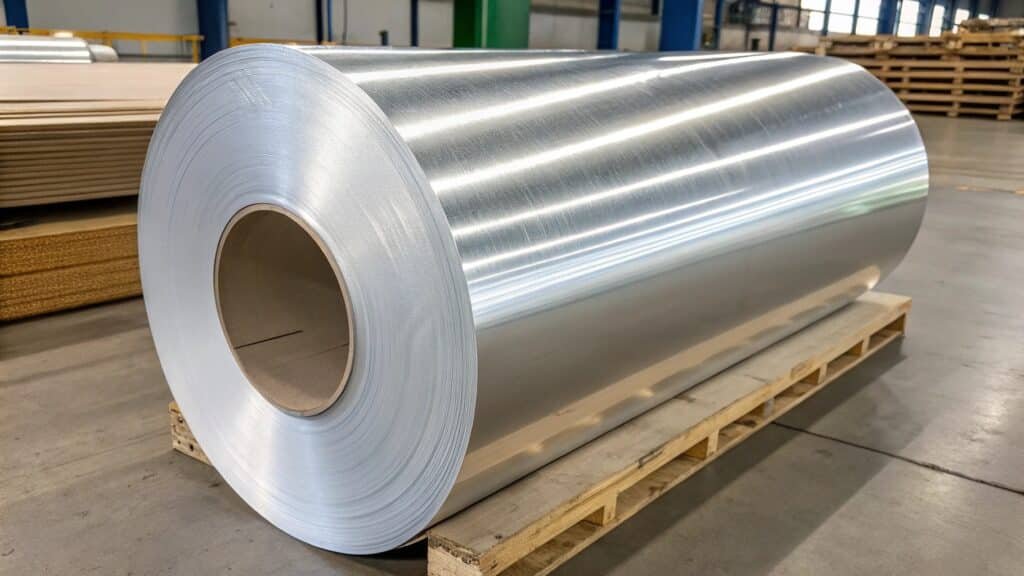
At SWA Forging, we work predominantly with aluminum alloys to achieve optimal material performance. While these are technically mixtures, they are overwhelmingly composed of the metallic element aluminum. The other elements are added to enhance specific mechanical properties for our forged components. The fundamental metallic nature of aluminum is what allows it to be forged into strong, durable, and versatile large-diameter rings and discs, providing the performance our clients expect from high-quality metallic materials.
Is aluminium an alloy or metal?
Are you finding confusion in the terms "aluminum" and "aluminum alloy," and want to precisely understand their relationship? One is the base, the other is a modification.
Aluminum itself, as a chemical element found on the periodic table, is a metal. An aluminum alloy, on the other hand, is a mixture where aluminum is the predominant component, combined with one or more other elements. These added elements are typically metals themselves, but can also include non-metals, and they are specifically chosen to improve the aluminum's properties, such as its strength, hardness, or workability. For example, 6061 aluminum alloy is primarily aluminum but also contains significant amounts of magnesium and silicon. So, aluminum is the metal, and an aluminum alloy is a metal mixed with other substances to create a material with enhanced characteristics. It's important to distinguish between the pure element and its engineered mixtures.
| Term | Definition | Primary Nature |
|---|---|---|
| Aluminum (Al) | A chemical element; a pure metal | Metal |
| Aluminum Alloy | A mixture with aluminum as the main ingredient | Primarily Metal |
| Alloying Elements | Other elements added to aluminum (e.g., Mg, Si, Cu) | Various |
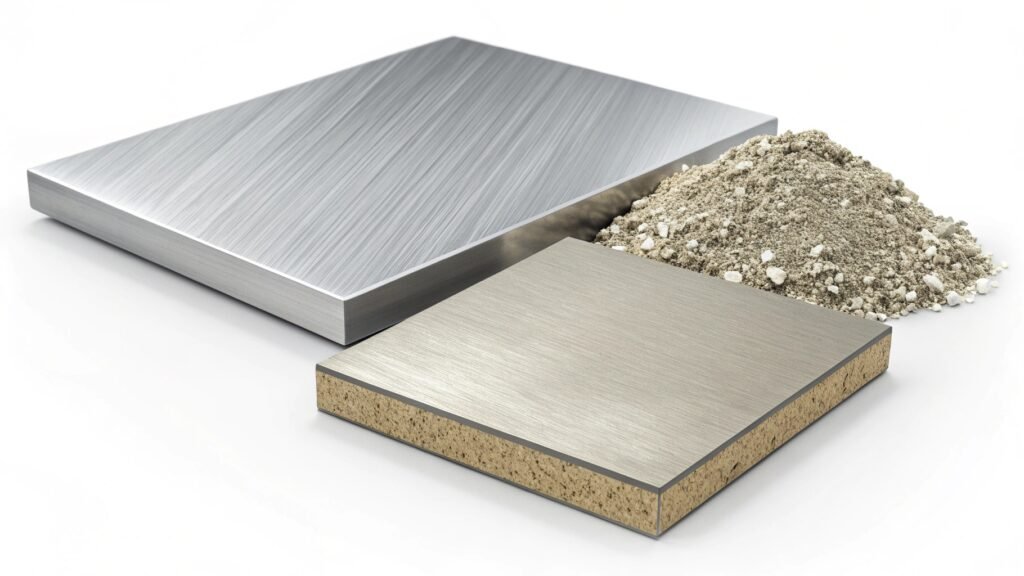
SWA Forging specializes in creating large-diameter forged components from aluminum alloys. We select specific alloys based on the performance requirements of your application, knowing that these mixtures provide enhanced properties like strength and durability beyond what pure aluminum can offer. While we work with alloys, we understand that the foundation of these advanced materials is the versatile metal, aluminum itself, precisely manipulated through forging to achieve superior functional performance.
Does aluminium count as a metal?
Are you seeking final confirmation on whether aluminum falls into the category of metals, or if there are any nuances that might place it elsewhere? The universal classification is quite firm.
Yes, aluminum absolutely counts as a metal. It is classified as a post-transition metal in the periodic table, belonging to the Group 13 elements. Its atomic structure and properties align perfectly with the definition of a metal. Aluminum exhibits high electrical and thermal conductivity, is malleable and ductile, possesses a shiny metallic luster, and readily forms positive ions. These are all hallmark characteristics of metals. While it's also known for its lightness and its formation of a protective oxide layer (which is common among some reactive metals), these unique attributes do not negate its metallic classification. Therefore, without question, aluminum is considered a metal, both in its pure elemental form and as the primary component in aluminum alloys.
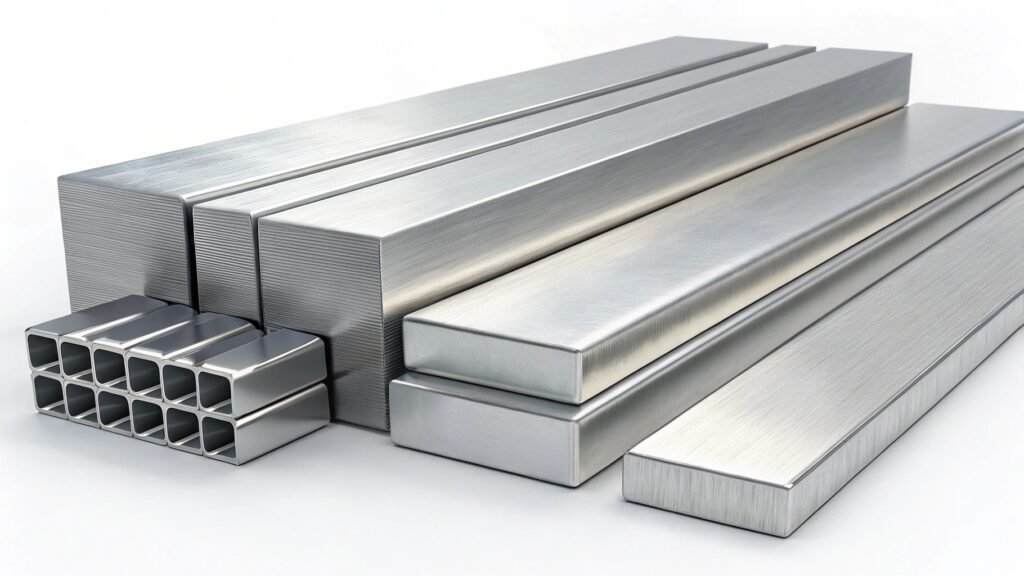
At SWA Forging, we leverage aluminum’s status as a highly beneficial metal. Its metallic malleability allows us to precisely forge it into large-diameter rings and discs. The resulting components benefit from aluminum's excellent strength-to-weight ratio and conductivity, amplified by our specialized forging processes. We engineer these powerful metallic structures for critical applications, ensuring that the intrinsic properties of aluminum as a metal deliver superior performance and lasting reliability for all our clients.
Conclusion
Aluminum is fundamentally a metal, possessing all characteristic metallic properties. While alloys enhance its traits, the base element is unequivocally metallic, making it ideal for high-performance forged components.