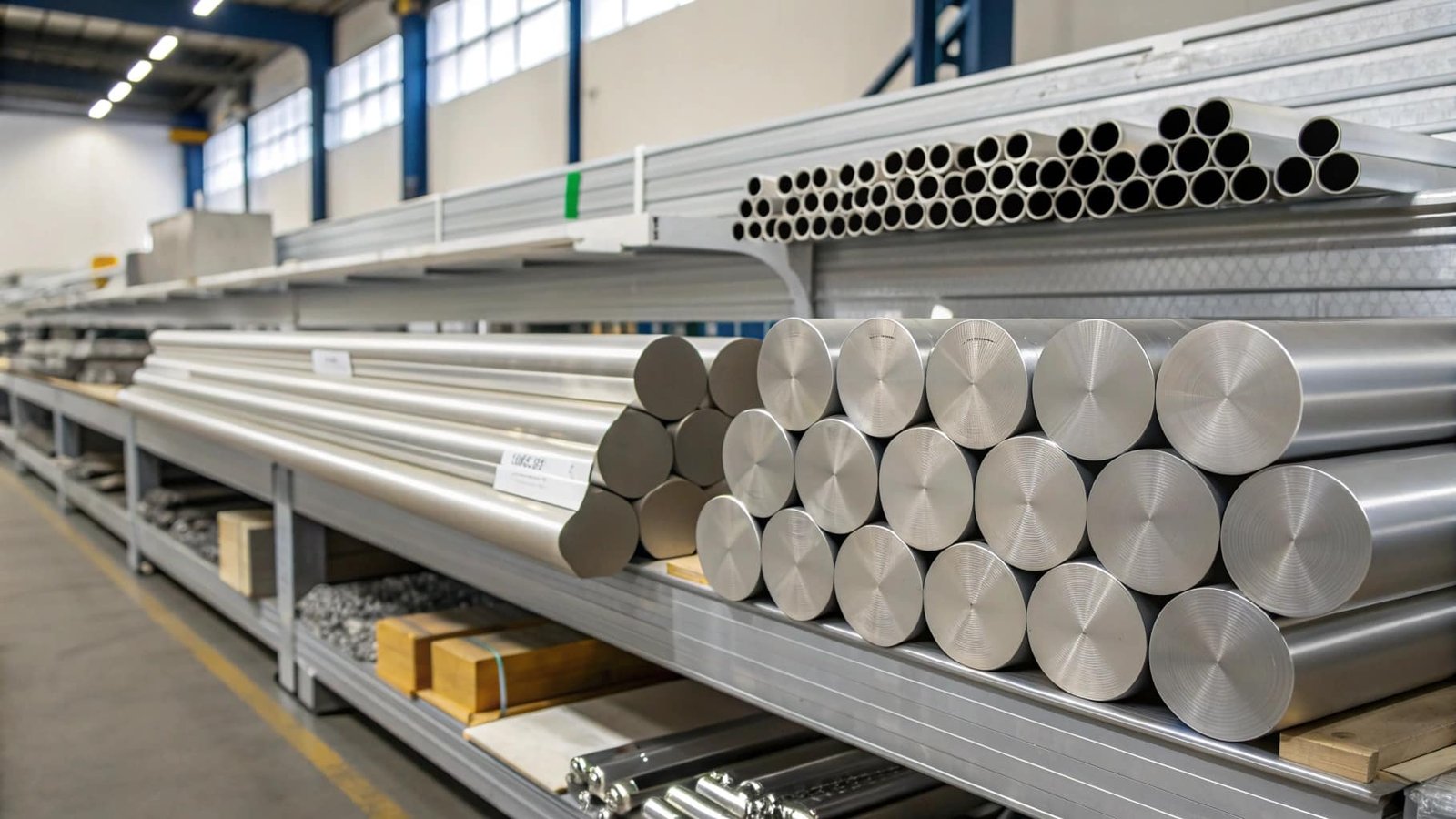
Are you curious about how aluminum alloys gain their impressive strength, and how they compare to pure aluminum in demanding applications? Let's explore the power of specialized combinations.
Aluminum alloys achieve their remarkable strength through the addition of specific alloying elements. While pure aluminum is relatively soft and weak, incorporating elements like copper, magnesium, silicon, zinc, and manganese significantly enhances its mechanical properties, including tensile strength, yield strength, and hardness. These alloying elements interfere with the movement of dislocations within the aluminum crystal lattice, making it more difficult for the material to deform. Different combinations and percentages of these elements result in distinct alloy series (e.g., 2xxx, 6xxx, 7xxx), each offering a unique balance of strength, toughness, weight, and other properties tailored for specific applications, making them indispensable for many industries.
At SWA Forging, we specialize in leveraging these alloying principles to create high-performance, large-diameter forged aluminum components. Our expertise lies in precisely controlling the alloy composition and meticulously optimizing the grain structure through our advanced forging process. This allows us to engineer components with exceptional, predictable strength and superior mechanical properties. For applications demanding reliability under high stress, our forged parts consistently outperform standard cast or extruded forms, delivering the robust performance critical for your most challenging projects.
What is the strength of aluminum alloys?
Are you looking for a general understanding of how strong aluminum alloys are, and how their strength stacks up for various engineering needs? Aluminum alloys offer a wide range of impressive strengths.
Aluminum alloys exhibit a broad spectrum of strengths, making them suitable for an extensive array of applications, from everyday consumer goods to high-performance aerospace components. Their tensile strength can range from around 70 MPa (MegaPascals) for very pure alloys to upwards of 500-600 MPa for high-strength alloys like those in the 7xxx series. The specific strength (strength-to-weight ratio) of aluminum alloys is particularly noteworthy; they are significantly lighter than steel yet can offer comparable or even superior strength in many applications. This ability to provide high strength with reduced weight is a primary reason for their widespread adoption in aerospace, automotive, and high-performance sporting equipment. The strength is heavily influenced by the specific alloying elements and the heat treatment or work hardening applied to the alloy.
| Aluminum Alloy Series | Typical Tensile Strength Range (MPa) | Primary Strength-Enhancing Elements | Common Applications |
|---|---|---|---|
| 1xxx (Pure) | 70-130 | Minimal | Foil, reflectors, low-stress applications |
| 3xxx (e.g., 3003) | 110-250 | Manganese | Cookware, automotive panels, general sheet metal |
| 5xxx (e.g., 5052) | 180-350 | Magnesium | Marine, tanks, moderate-strength structures |
| 6xxx (e.g., 6061) | 240-310 | Magnesium, Silicon | Automotive, aerospace, construction, bicycles |
| 7xxx (e.g., 7075) | 480-570+ | Zinc, Magnesium, Copper | Aerospace structures, high-stress applications |
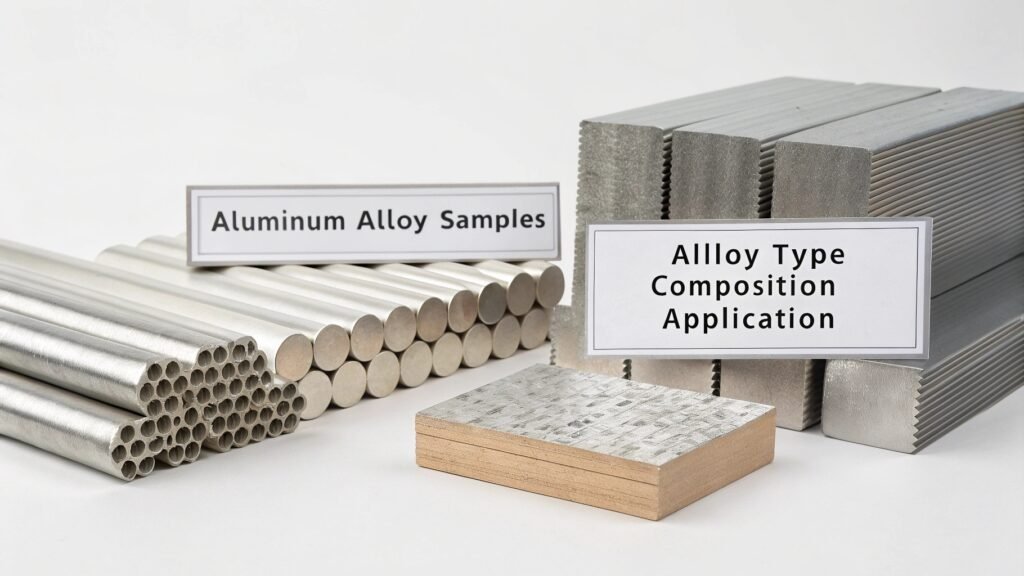
SWA Forging utilizes the strength benefits of aluminum alloys to produce robust, large-diameter forged components. We understand that predictable and high strength is non-negotiable for many critical applications. Our forging process refines the grain structure, leading to enhanced mechanical properties beyond what standard manufacturing methods can achieve. This means our components offer exceptional strength and reliability, even in the most demanding environments where high performance and structural integrity are paramount.
Which is more strong, aluminium or alloy?
Are you wondering if the base metal, aluminum, or its modified forms, aluminum alloys, are stronger? The answer clearly favors the modified versions for most engineering uses.
An aluminum alloy is almost always significantly stronger than pure aluminum. Pure aluminum, also known as 1xxx series aluminum, is relatively soft and weak, with a typical tensile strength ranging from around 70 to 130 MPa. Its primary advantage is excellent corrosion resistance1 and electrical conductivity, not strength. When alloying elements like copper, magnesium, silicon, zinc, or manganese are added, they disrupt the regular atomic structure of aluminum. This disruption makes it much harder for the material to deform under stress, leading to a substantial increase in tensile strength, yield strength, and hardness. For example, a common alloy like 6061-T6 can have a tensile strength of around 310 MPa, and high-strength alloys like 7075-T6 can exceed 500-600 MPa. Therefore, for almost all structural and load-bearing applications, aluminum alloys are chosen over pure aluminum due to their vastly superior strength.
| Material | Typical Tensile Strength (MPa) | Primary Advantage |
|---|---|---|
| Pure Aluminum (1xxx) | 70 - 130 | Corrosion Resistance, Ductility |
| 6061 Alloy (T6) | ~310 | Balanced Strength & Formability |
| 7075 Alloy (T6) | ~540 | High Strength |
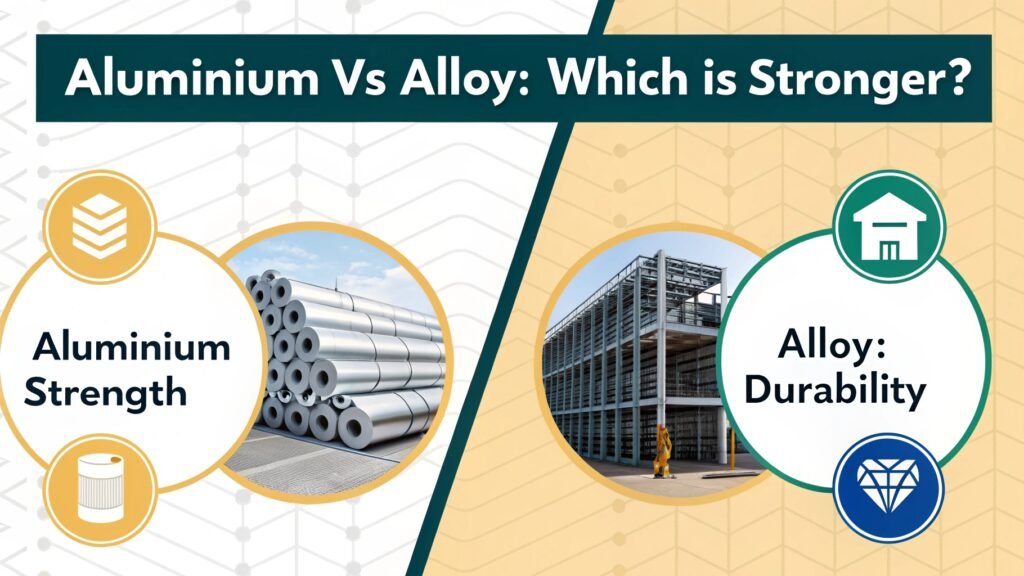
SWA Forging leverages the inherent strength advantage of aluminum alloys2 to engineer high-performance, large-diameter components. We understand that for critical applications, strength is a key performance indicator. Our expertise in forging allows us to take carefully selected aluminum alloys and further enhance their mechanical properties by optimizing the grain structure. This means our forged products deliver exceptional strength and reliability, exceeding the capabilities of standard materials and providing a solid foundation for your most demanding designs.
What is the strength of 6061 aluminum alloy?
Are you looking for specific strength data for the widely used 6061 aluminum alloy, particularly in its common heat-treated condition? This alloy offers a good balance of strength and usability.
The strength of 6061 aluminum alloy3, particularly in its most common heat-treated temper, T6, is quite substantial and provides a good balance for many engineering applications. In the T6 condition, the typical tensile strength of 6061 aluminum alloy ranges from approximately 290 to 310 MPa (42,000 to 45,000 psi). Its yield strength, which is the stress at which the material begins to deform permanently, is generally around 270 to 280 MPa (39,000 to 40,600 psi). These properties make 6061-T6 a versatile material suitable for a wide range of structural applications, including aircraft components, automotive parts, bridges, and architectural structures. It's important to note that other tempers of 6061 will have different strength values; for example, the annealed (O) temper is much weaker but more formable.
- Tensile Strength (T6 temper): ~290-310 MPa
- Yield Strength (T6 temper): ~270-280 MPa
- Hardness (approx. Rockwell B): ~60-70
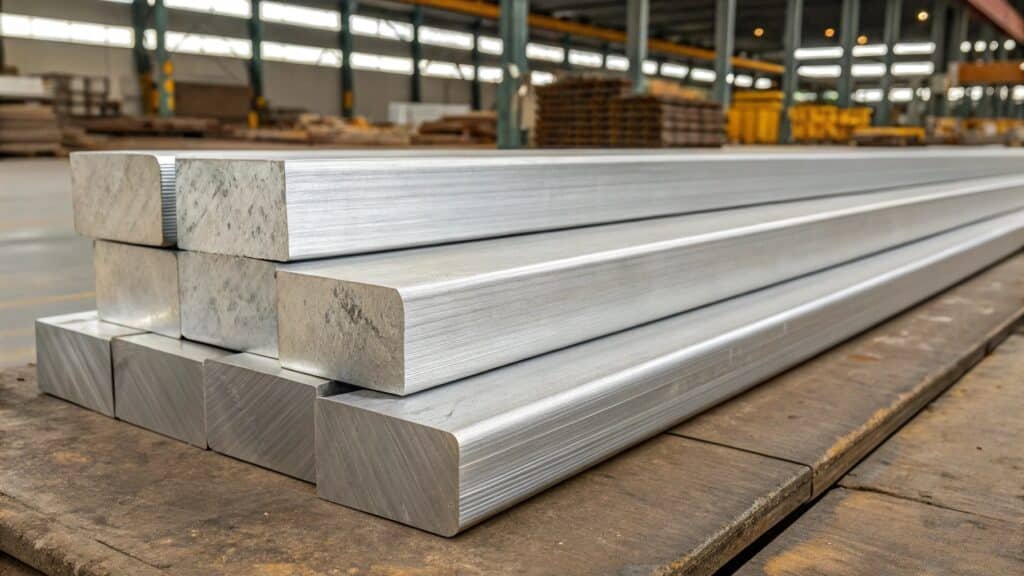
SWA Forging frequently works with 6061 aluminum alloy to produce our large-diameter forged components. We understand its reliable strength characteristics and how to optimize them through our forging process. By precisely controlling the grain structure and material flow during forging, we can ensure that our 6061 components achieve their maximum potential strength and integrity, often surpassing the mechanical properties found in standard extruded or cast forms, giving you confidence in their performance under stress.
Which is stronger, 6061 or 7075 aluminum?
Are you trying to determine which of these two popular aluminum alloys offers higher mechanical strength, a common point of consideration for engineers? One alloy clearly leads in raw power.
Generally, 7075 aluminum alloy4 is significantly stronger than 6061 aluminum alloy. In their most common hardened tempers, such as T6, 7075 aluminum typically boasts a tensile strength in the range of 480-570 MPa (70,000-83,000 psi) or even higher, while 6061-T6 has a tensile strength of around 290-310 MPa (42,000-45,000 psi). This means 7075 is roughly 50-80% stronger in terms of tensile strength than 6061. This higher strength comes from its primary alloying element, zinc, combined with magnesium and copper. Because of its superior strength, 7075 aluminum is often used in applications where weight reduction and high load-bearing capacity are critical, such as in aircraft structures and high-performance sporting equipment. However, 6061 offers a better combination of strength, corrosion resistance, formability, and weldability for more general-purpose applications.
| Feature | 6061-T6 Aluminum | 7075-T6 Aluminum |
|---|---|---|
| Typical Tensile Strength (MPa) | ~310 | ~540+ |
| Typical Yield Strength (MPa) | ~280 | ~490+ |
| Primary Alloying Elements | Mg, Si | Zn, Mg, Cu |
| Relative Strength | Good | Excellent |
| Corrosion Resistance | Very Good | Good |
| Weldability | Good | Fair |
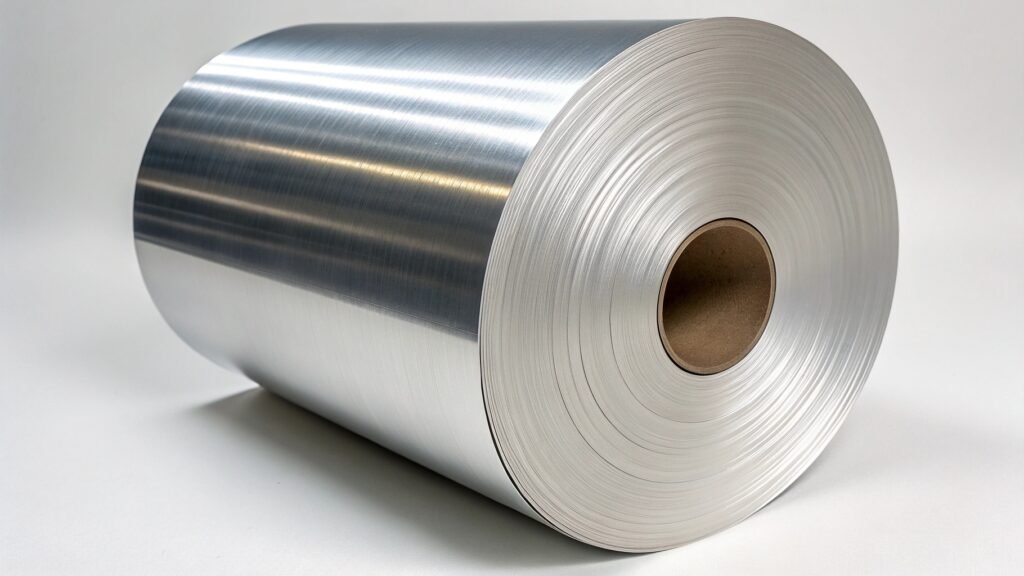
SWA Forging has the expertise to work with both 6061 and the higher-strength 7075 alloys to produce large-diameter forged components. We understand that the choice between them is often dictated by the specific strength requirements of your application. Our precise forging techniques ensure that whichever alloy you choose, its inherent strength is maximized and optimized within the large component. This results in superior structural integrity and reliability for your high-stress applications, regardless of whether you need the balanced performance of 6061 or the ultimate strength of 7075.
Conclusion
Aluminum alloys gain significant strength from alloying elements, far surpassing pure aluminum. While 6061 offers good balanced strength, 7075 provides superior tensile strength, making them ideal for demanding applications.
-
Learn about corrosion resistance to ensure longevity in applications. ↩
-
Understanding aluminum alloys is crucial for selecting materials in engineering applications. ↩
-
Get detailed insights into the widely used 6061 alloy for various applications. ↩
-
Explore the advantages of 7075 for high-performance applications. ↩