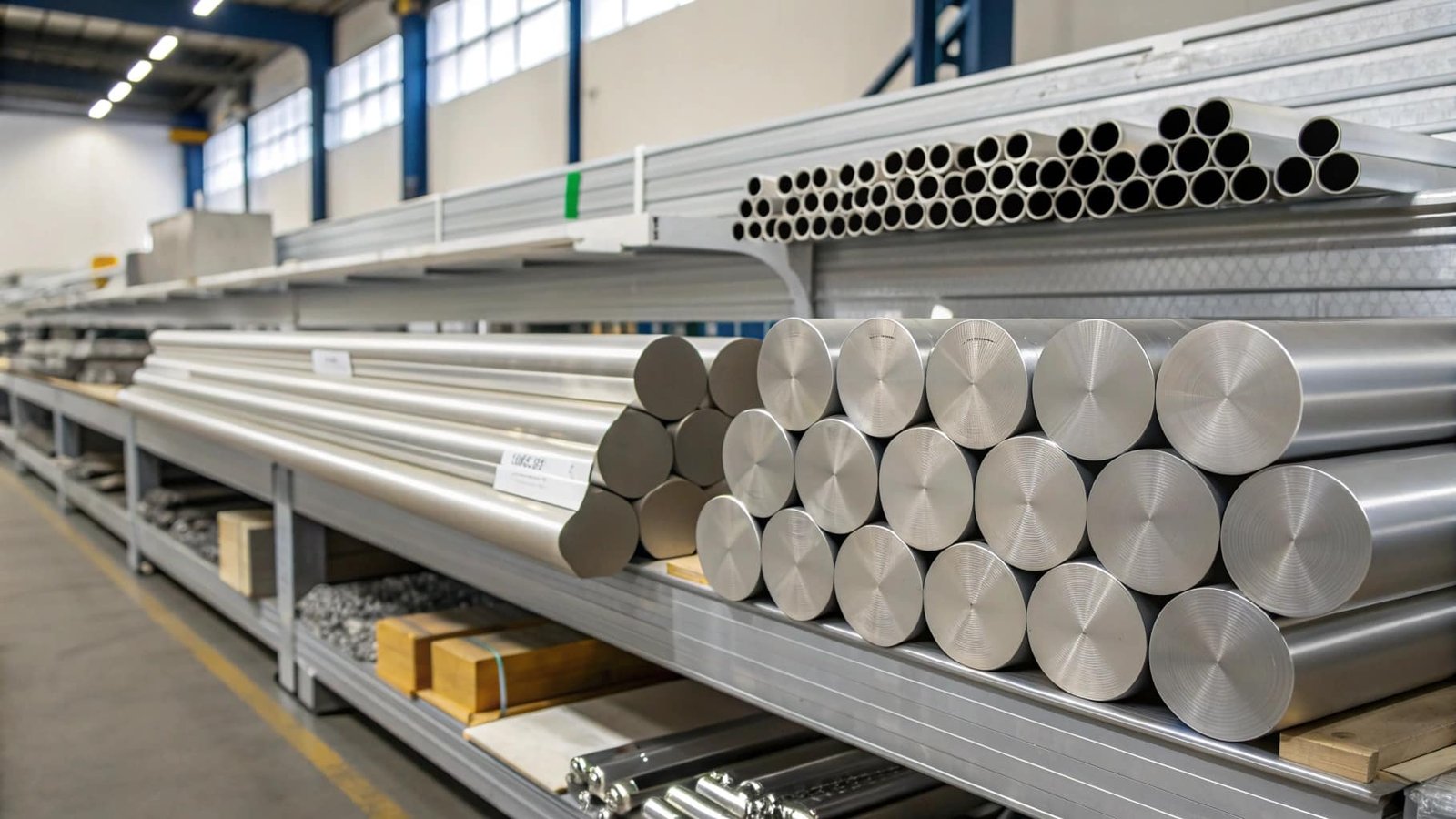
Are you wondering about the environmental impact of aluminum alloys, and whether their use contributes to sustainability? Aluminum’s recycling story is truly remarkable.
Yes, aluminum alloys are highly recyclable, and their ability to be repeatedly recycled without significant loss of quality is one of their most significant environmental benefits. When aluminum is recycled, it requires up to 95% less energy compared to producing it from raw bauxite ore. This substantial energy saving translates directly into reduced greenhouse gas emissions and a smaller environmental footprint. The process of recycling aluminum also conserves natural resources and minimizes the need for mining, which can have considerable ecological impacts. Unlike many other materials that degrade with each recycling cycle, aluminum can be melted down and reformed into new products an almost infinite number of times, making it a cornerstone of closed-loop manufacturing and the circular economy.
At SWA Forging, we understand the profound importance of recyclability. While our primary focus is on creating incredibly durable, large-diameter forged aluminum components designed for longevity, we also recognize the inherent sustainability woven into aluminum itself. Our advanced forging processes are designed to be as efficient as possible, minimizing material waste. Furthermore, the extended lifespan of our high-quality forged products means they remain in use for a very long time, reducing the need for frequent replacements and further contributing to a more eco-conscious approach to material consumption.
Is aluminum actually infinitely recyclable?
Are you curious if the claims of "infinite recyclability" for aluminum hold true in practice, and what this means for its environmental credentials? The answer is a resounding yes, with a crucial caveat.
Aluminum is indeed considered infinitely recyclable because its fundamental properties do not degrade significantly through the recycling process. When aluminum is melted down and reprocessed, it retains its structural integrity and quality, allowing it to be used repeatedly in high-quality applications. This is in stark contrast to materials like plastics, which often lose strength and can only be recycled a limited number of times before their quality diminishes. The energy savings associated with recycling aluminum are immense, up to 95% less energy compared to primary production. This makes recycling not only environmentally beneficial but also economically sensible. The only caveat to true "infinite" recycling is the practical aspect of collection and sorting, and the occasional need for virgin aluminum to compensate for material losses during processing or if the recycled aluminum does not meet very specific purity requirements for high-end applications.
| Recycling Metric | Virgin Aluminum Production | Recycled Aluminum |
|---|---|---|
| Energy Use | High | Very Low (up to 95% less) |
| Greenhouse Gas Emissions | High | Very Low |
| Resource Depletion | Significant | Minimal |
| Material Quality | N/A | Retained |
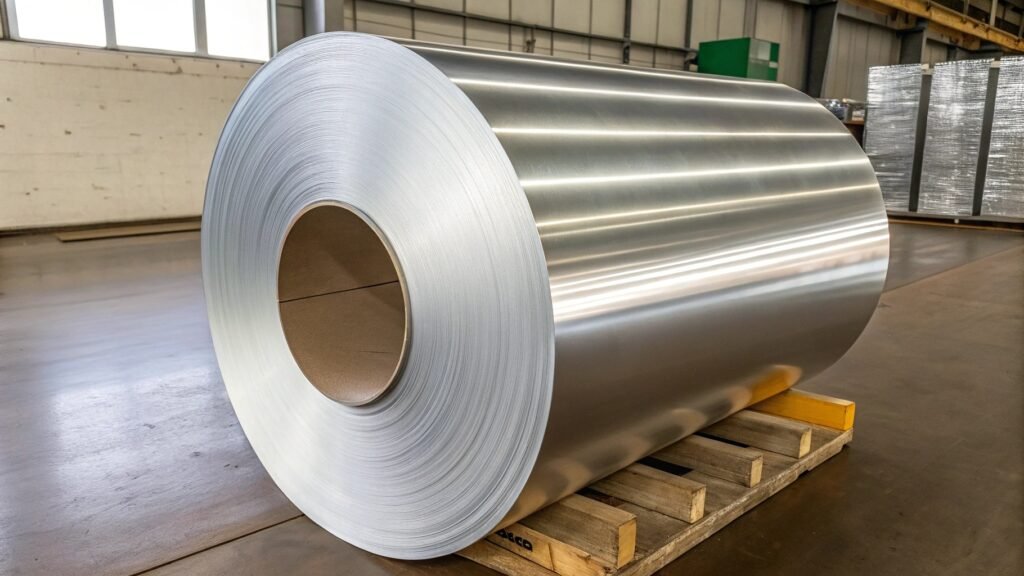
SWA Forging is proud to contribute to this cycle of sustainability. By manufacturing durable, long-lasting forged aluminum components, we ensure that our products have an extended service life. This longevity inherently reduces the demand for new production. Furthermore, the aluminum we use is sourced responsibly, with the understanding that it can be reintegrated into the material stream at the end of its long life, reaffirming aluminum's exceptional role in a circular economy and reducing the overall environmental burden associated with industrial manufacturing.
How much of an aluminum can is recycled?
Are you wondering about the actual success rate of recycling aluminum cans, a familiar everyday item that plays a big role in aluminum's recyclability story? The numbers are encouraging.
Aluminum cans have one of the highest recycling rates among consumer packaging materials, particularly in developed countries. In the United States, figures often hover around 50% or higher for aluminum can recycling. Globally, the rates can vary significantly by region, but the overall trend is positive. For instance, in Europe, recycling rates for aluminum beverage cans have consistently been in the high 70s and even low 80s percent. This high rate is driven by several factors: the significant economic value of recycled aluminum, the energy savings achieved through recycling, and increasing public awareness and participation in recycling programs. The ease with which aluminum cans can be collected, sorted, and processed into new products also contributes to their high recycling success.
| Region | Approximate Aluminum Can Recycling Rate |
|---|---|
| United States | ~50%+ |
| European Union | ~75-85% |
| Global Average | Varies, but generally strong |
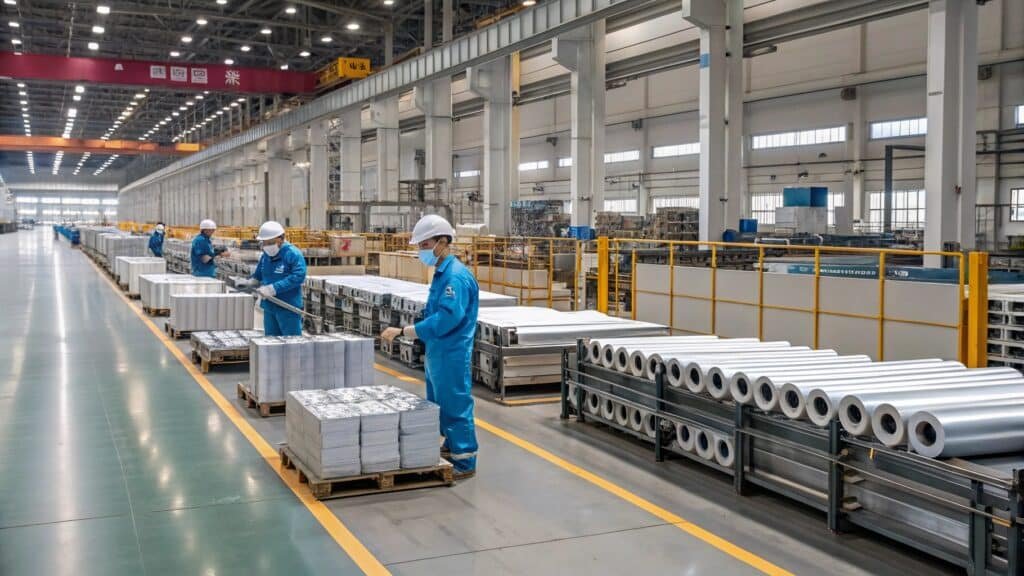
While our work at SWA Forging involves large industrial components rather than beverage cans, the exceptional recyclability of the aluminum we use is a foundational principle. The very aluminum that forms our robust rings and discs can be endlessly recycled. Our commitment to producing high-quality, durable components means they will serve their purpose for a very long time, delaying their eventual entry back into the recycling stream. This aligns perfectly with the sustainable ethos that aluminum represents, emphasizing longevity and responsible material use in all scales of application.
Does aluminium lose quality when recycled?
Are you concerned that recycling aluminum compromises its performance, making it less suitable for demanding tasks? Rest assured, aluminum's quality is remarkably preserved.
No, aluminum does not significantly lose quality when it is recycled. This is a key differentiator for aluminum compared to many other materials. The process of melting and recasting aluminum alloys1 allows them to retain their essential physical and mechanical properties. While small amounts of the original alloying elements might be lost or require precise re-alloying, the core strength, conductivity, and other desirable attributes are largely preserved. This allows recycled aluminum to be used in applications with equivalent or even higher specifications than the original product. This inherent ability to maintain quality through countless recycling cycles is why aluminum is often referred to as "infinitely recyclable" and is a fundamental aspect of a circular economy. The energy saved in recycling is immense, up to 95% compared to primary production, making it an environmentally superior choice without sacrificing performance.
| Property | Recycled Aluminum (Virgin Equivalent) | Notes |
|---|---|---|
| Tensile Strength | Largely maintained | Minor adjustments may be needed |
| Yield Strength | Largely maintained | Depends on precise alloy composition |
| Electrical Conductivity | Minimized loss, very high | Still excellent for electrical applications |
| Density | Unchanged | |
| Corrosion Resistance | Slightly dependent on re-alloying | Generally very good to excellent |
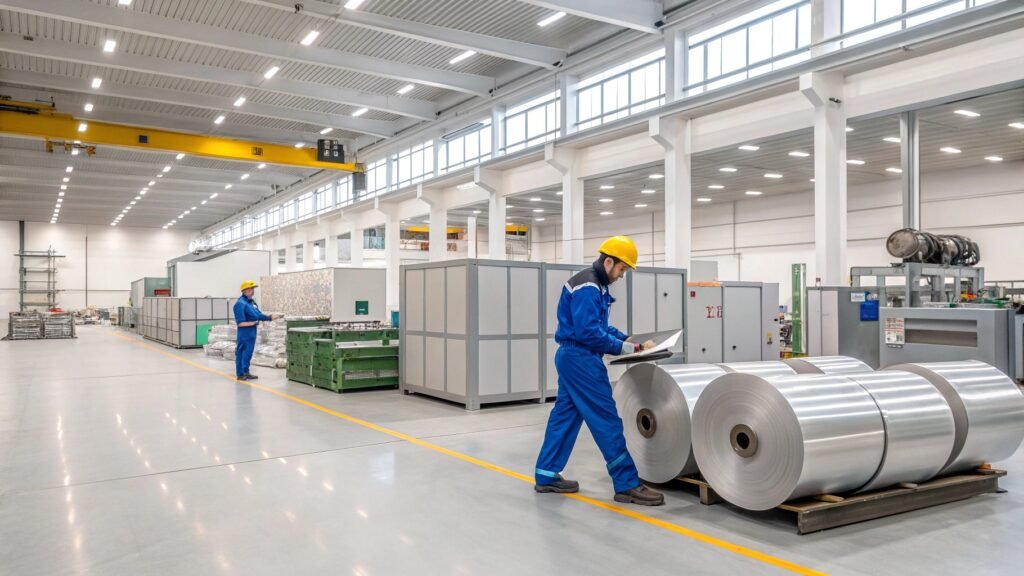
At SWA Forging, this principle of quality retention is vital. We produce large-diameter forged aluminum components that are engineered for exceptional durability and performance in challenging industrial environments. The aluminum we use, and the products we create, are designed to last. When these components eventually reach the end of their very long service life, they can be melted down and reformulated into new high-quality aluminum products, including similar forged components, without compromising the stringent performance standards required by industries. This embodies our commitment to sustainability through both durable manufacturing and the inherent recyclability of our materials.
Conclusion
Aluminum alloys are infinitely recyclable, preserving their quality and saving significant energy. This makes their use, especially in durable forged components, a responsible and sustainable choice for the future.
-
Explore the environmental advantages of aluminum alloys, including their recyclability and energy savings. ↩