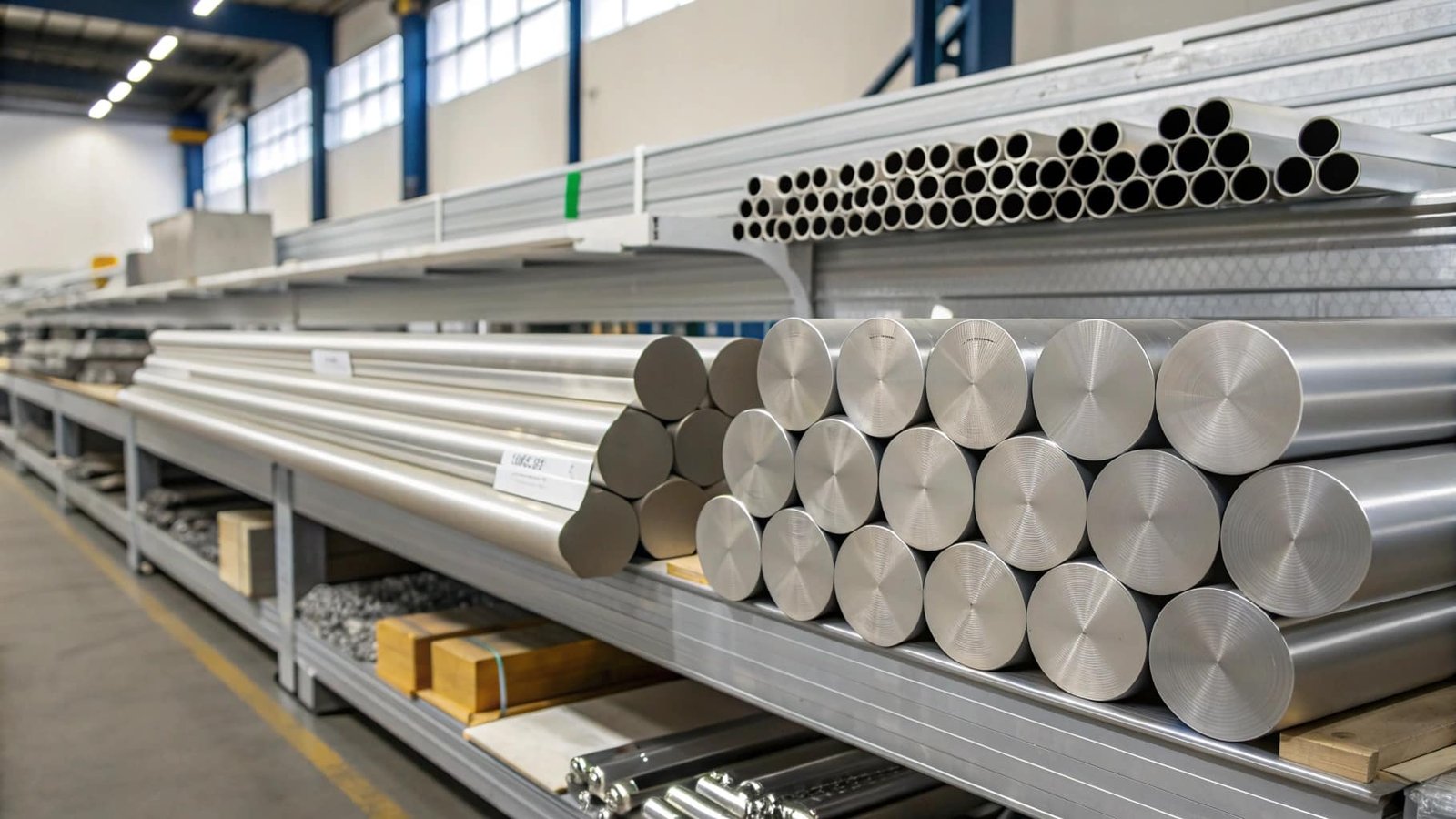
Are you looking to understand what makes aluminum alloys so crucial for modern industries and what advantages they really offer? Let’s explore the fundamental strengths of these versatile materials.
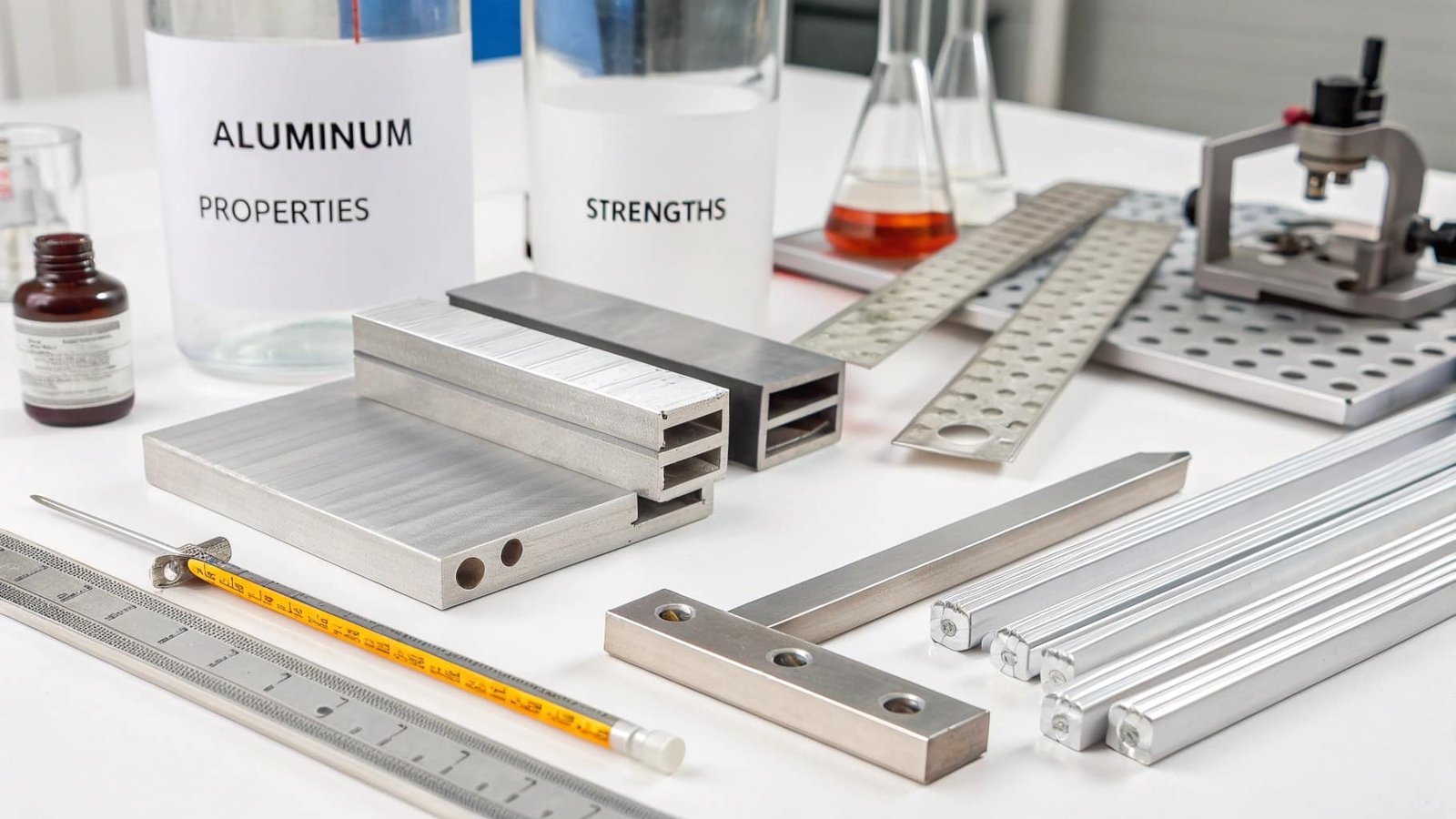
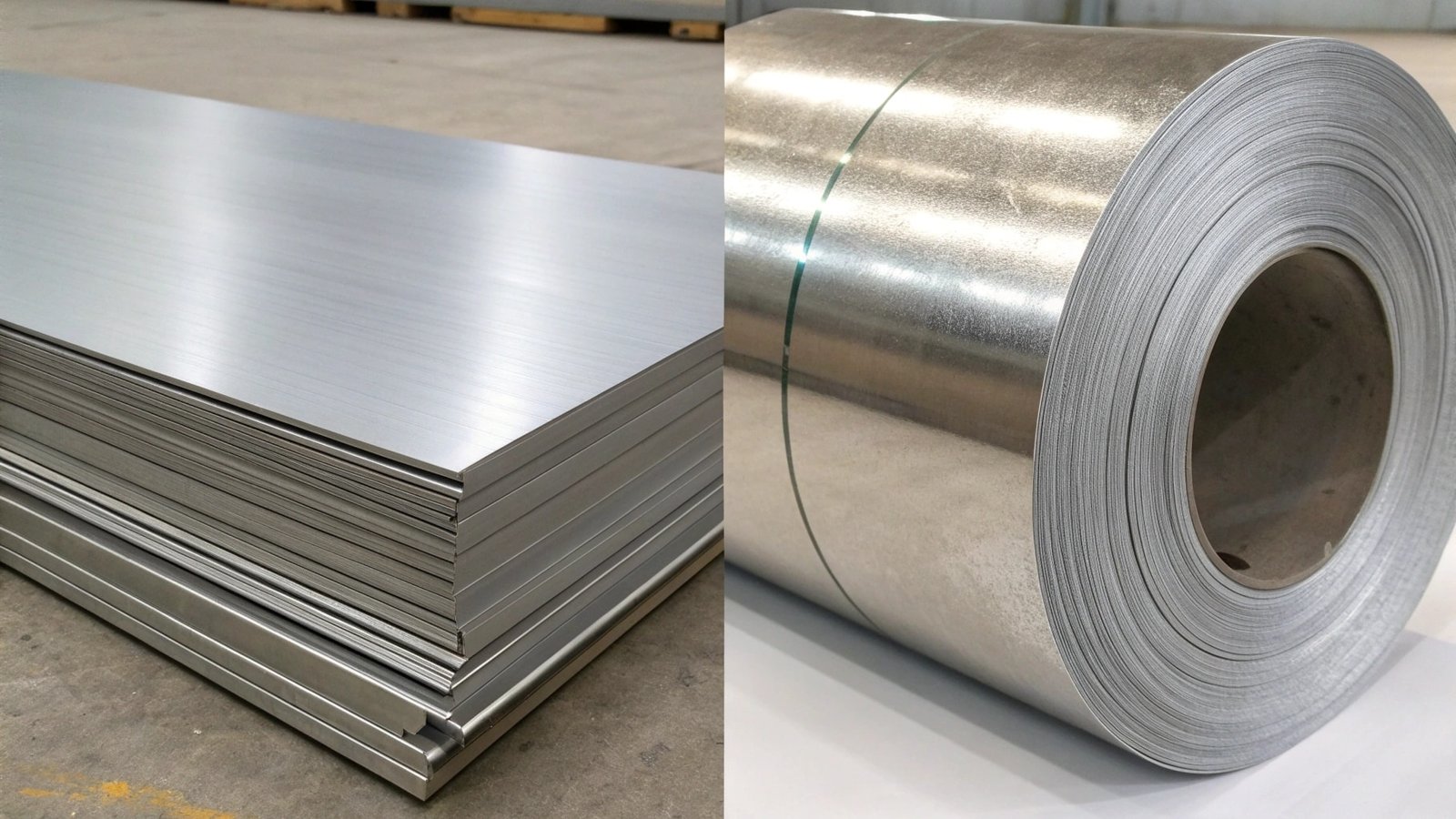
Aluminum alloys offer a compelling combination of benefits that make them indispensable across various industries. Their defining characteristic is their light weight, which significantly reduces material usage and energy consumption in transportation and construction. Aluminum also boasts excellent corrosion resistance, making it durable in harsh environments without the need for extensive protective coatings. Furthermore, aluminum alloys are highly conductive thermally and electrically, useful for heat exchangers and electrical components. Their formability allows them to be shaped into complex parts, and many alloys can be strengthened significantly through heat treatment or alloying to meet specific mechanical demands. These core benefits, especially when enhanced through advanced manufacturing like forging, provide a powerful advantage for product design and performance.
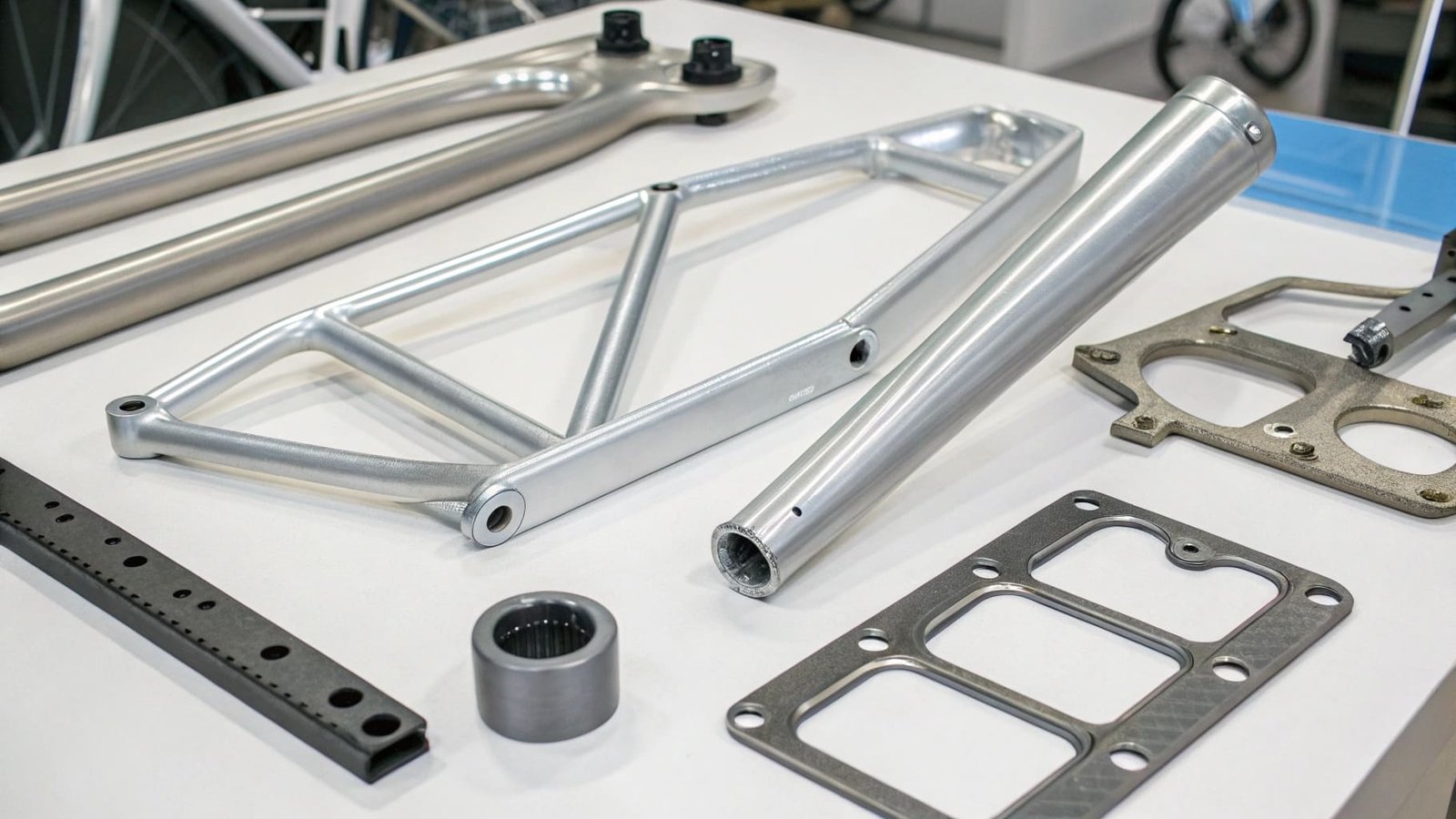
At SWA Forging, we understand that the benefits of aluminum alloys are not uniform. While lightweight and corrosion resistance are standard advantages, our expertise lies in unlocking the true potential of aluminum through forging. Our large-diameter forged rings and discs, crafted from high-strength alloys, offer unprecedented mechanical properties, exceptional dimensional accuracy, and tailored customization. These advanced forged solutions provide a significant competitive edge for industries requiring components that can withstand extreme conditions, demanding loads, and precise operational parameters, going far beyond the capabilities of standard aluminum.
What are the benefits of aluminum alloy?
Are you trying to pinpoint the key advantages that make aluminum alloys a preferred choice for so many applications? Understanding these benefits is crucial for making informed material selections.
Aluminum alloys offer a wide array of benefits that make them highly sought after in modern manufacturing and construction. Primarily, they are extremely lightweight, with a density roughly one-third that of steel, which leads to significant reductions in energy consumption for moving parts and structures. They also possess outstanding corrosion resistance1, particularly due to the natural formation of a protective oxide layer on their surface, making them ideal for outdoor use or in corrosive environments. Aluminum alloys conduct heat very effectively, roughly three times better than steel, making them excellent for heat exchangers and cookware. They are also good electrical conductors. Furthermore, aluminum is highly formable and can be easily cast, machined, extruded, or rolled into complex shapes. Many alloys can be significantly strengthened through heat treatment and alloying, allowing them to meet demanding mechanical requirements without adding excessive weight. Their recyclability is another major benefit, offering environmental and economic advantages.
| Benefit | Description | Impact on Industry |
|---|---|---|
| Lightweight | Low density (approx. 1/3 of steel). | Reduced energy consumption, easier handling, improved performance in transport. |
| Corrosion Resistance | Forms a protective oxide layer. | Long product life, reduced maintenance, suitable for harsh environments. |
| High Thermal Conduct. | Efficient heat transfer. | Ideal for heat sinks, radiators, cookware. |
| Good Electrical Cond. | Efficient electricity flow. | Used in power lines, electrical components. |
| Formability | Easy to shape (cast, machine, extrude, roll). | Enables complex designs and efficient manufacturing. |
| Strength (Alloyed) | Can be strengthened via alloying and heat treatment. | Suitable for structural applications. |
| Recyclability | High recycling rate, energy-efficient process. | Environmental sustainability, reduced raw material costs. |
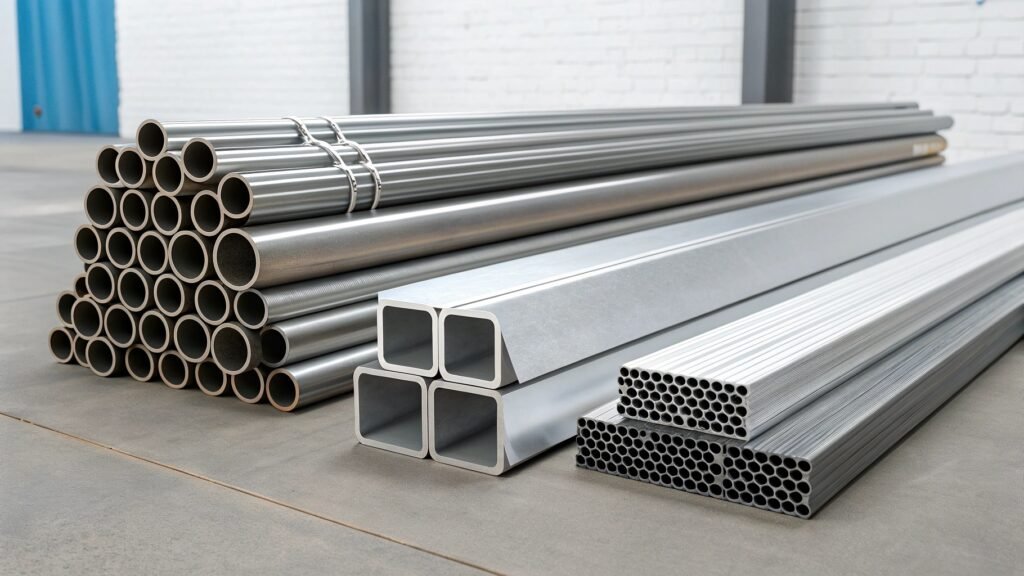
SWA Forging leverages these inherent benefits of aluminum but elevates them through our advanced forging processes. While standard aluminum offers good properties, our large-diameter forged rings and discs are engineered from high-strength alloys to provide superior mechanical performance, unmatched consistency, and greater durability for the most critical applications, ensuring your projects benefit not just from aluminum's general advantages, but from the enhanced capabilities only expert forging can provide.
What is the importance of aluminium in industry?
Are you trying to understand the broad impact aluminum has across various industrial sectors and why it's considered so significant? Its unique properties make it a cornerstone material.
Aluminum is of paramount importance to modern industry due to its remarkable blend of properties that address key manufacturing and design challenges. Its lightweight nature is crucial for industries like automotive and aerospace2, where reducing mass directly translates to improved fuel efficiency and performance. The excellent corrosion resistance ensures the longevity and reliability of products in diverse environments, from infrastructure to marine applications. Its high thermal conductivity makes it indispensable for heat management in electronics and industrial processes. Furthermore, aluminum's ease of fabrication allows for intricate designs and cost-effective production methods. Its strength, especially in alloyed and heat-treated forms, enables it to be used in demanding structural applications. Importantly, aluminum is highly recyclable, contributing to sustainability goals and resource efficiency. These combined advantages make aluminum a foundational material enabling innovation, efficiency, and durability across nearly every industrial sector.
- Transportation: Fuel efficiency in vehicles due to lower weight.
- Construction: Durable and lightweight building components, facades.
- Electronics: Efficient heat dissipation in devices.
- Packaging: Protection for food and beverages, lighter shipping.
- Renewable Energy: Components for solar panels and wind turbines.
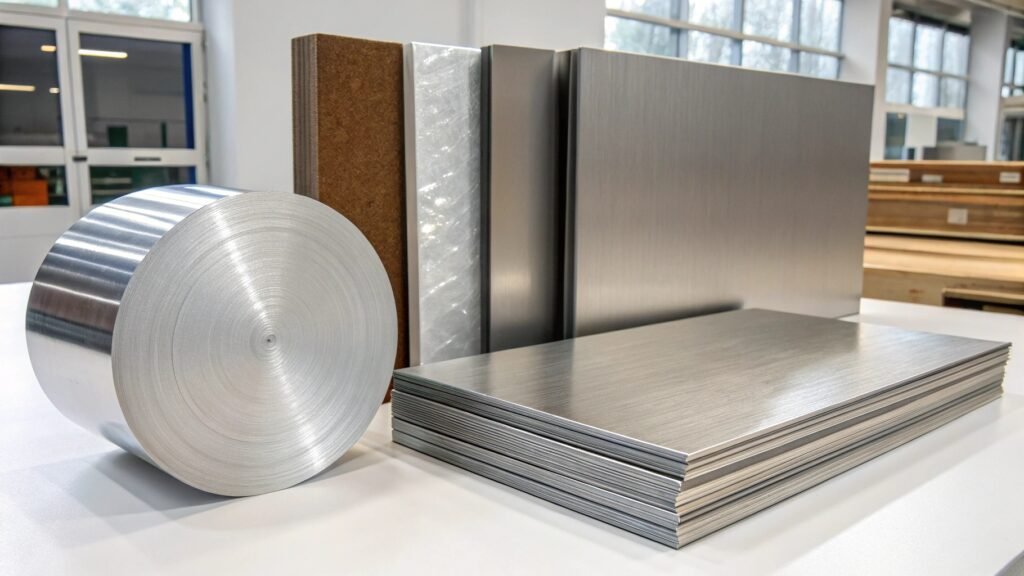
SWA Forging recognizes the broad industrial importance of aluminum and focuses on enhancing its capabilities for the most demanding sectors. Our expertise in forging large-diameter aluminum alloy components pushes the boundaries of what's possible, offering enhanced strength, precision, and tailored performance for critical applications in aerospace, heavy machinery, and defense, where standard aluminum materials may not meet the rigorous requirements.
What is aluminum alloy?
Are you trying to grasp the fundamental definition of an aluminum alloy and how it differs from pure aluminum? It’s all about combining metals for improved properties.
An aluminum alloy is a material formed by combining aluminum with one or more other metallic (or non-metallic) elements. Pure aluminum is relatively soft and not very strong, which limits its use in many structural applications. By adding other elements – such as copper, magnesium, silicon, zinc, or manganese – the properties of aluminum can be significantly modified and improved. The goal of creating an alloy is to enhance specific characteristics like strength, hardness, ductility, corrosion resistance, weldability, or formability, often achieving a better balance of these properties than pure aluminum can offer. For example, adding magnesium and silicon creates alloys like 6061, known for its good strength and corrosion resistance, while adding zinc creates alloys like 7075, which offers very high strength. The specific elements added and their proportions determine the final properties of the alloy, tailoring it for different industrial needs.
| Base Metal | Added Elements | Typical Alloys | Key Enhanced Properties |
|---|---|---|---|
| Aluminum | Copper (Cu), Magnesium (Mg), Silicon (Si), Zinc (Zn) | 2xxx, 6xxx, 7xxx | Strength, hardness, specific levels of formability/weldability |
| Aluminum | Manganese (Mn) | 3xxx | Improved strength over pure aluminum, good workability |
| Aluminum | Magnesium (Mg) | 5xxx | High strength, excellent corrosion resistance, good weldability |
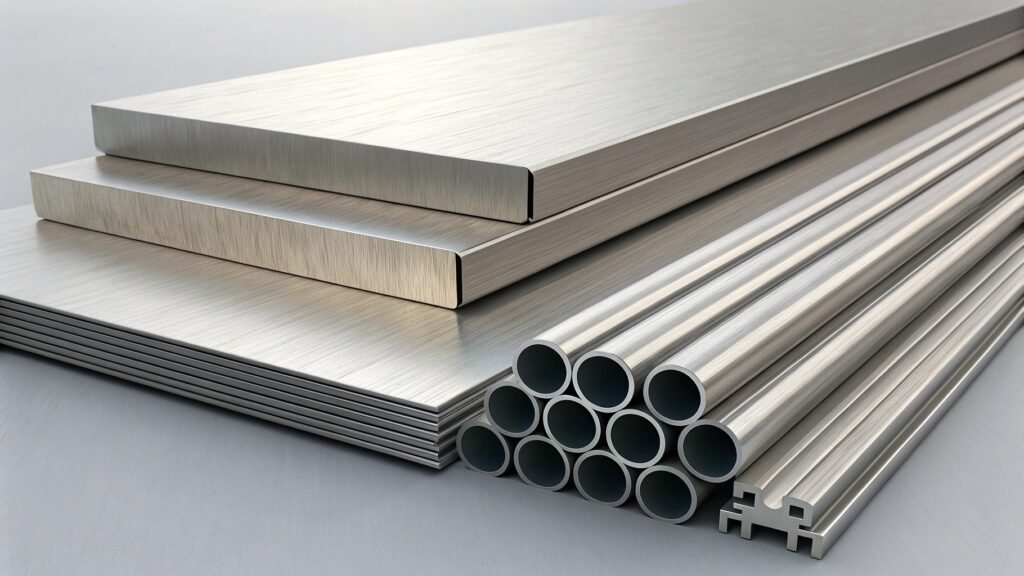
SWA Forging specializes in creating precisely engineered aluminum alloys, particularly through our advanced forging techniques. We understand that not all alloys are created equal, and the right combination of elements, processed correctly, yields superior performance. Our large-diameter forged rings and discs are made from selected high-strength alloys, carefully heat-treated to deliver exceptional mechanical properties critical for demanding applications where standard aluminum alloys might fail.
What is the role of aluminium in modern construction?
Are you looking to understand how aluminum plays a vital role in shaping the buildings and infrastructure of today? It offers unique advantages for architectural and structural applications.
Aluminum plays a significant and growing role in modern construction due to its inherent properties that enhance both aesthetic appeal and functional performance. Its light weight is a major advantage, reducing the load on building structures and making installation easier and faster, which can lower construction costs and timelines. Aluminum's exceptional corrosion resistance ensures durability in various weather conditions and environments, leading to longer building lifespans and reduced maintenance needs compared to materials like steel or iron, which can rust. Its formability allows architects and designers to create a wide range of complex and attractive shapes, from sleek window frames and curtain walls to decorative facades and rooftop elements. Furthermore, aluminum is highly recyclable, aligning with the growing demand for sustainable building practices. Its thermal properties also contribute to energy efficiency when used in insulated window systems. Essentially, aluminum provides a durable, lightweight, versatile, and sustainable material solution for both structural and aesthetic aspects of modern construction.
- Facades and Cladding: Lightweight, corrosion-resistant, and aesthetically versatile.
- Window and Door Frames: Durable, weather-resistant, and allow for slim profiles.
- Roofing Systems: Lightweight, seamless, and resistant to elements.
- Structural Components: In some specialized applications, offering a high strength-to-weight ratio.
- Interior Design: Staircases, railings, and decorative elements.
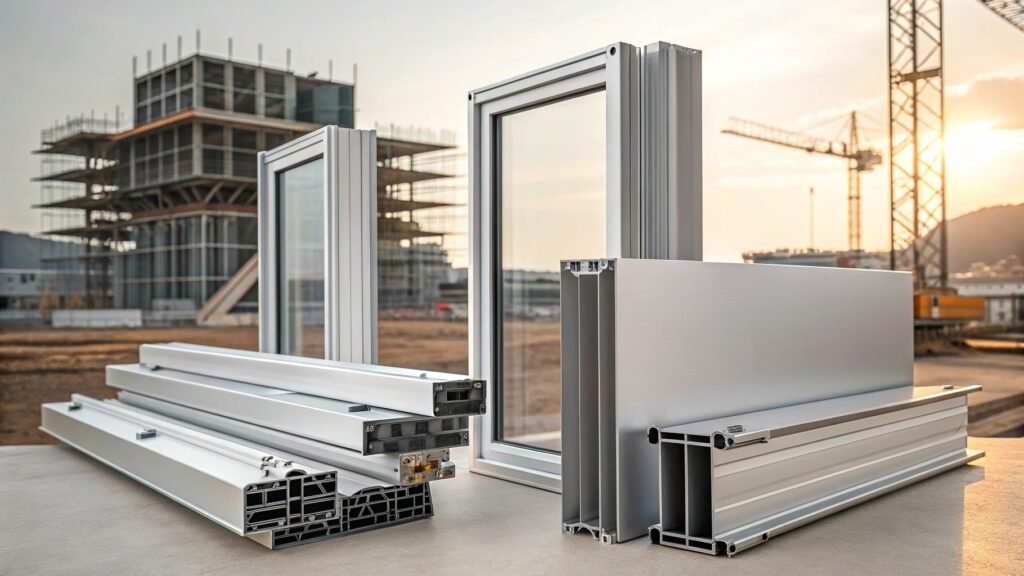
SWA Forging brings an advanced perspective to aluminum's role in construction, particularly for projects that demand extreme durability and structural integrity. While standard aluminum alloys are common, our capability to forge large-diameter components from high-strength alloys like 6061 and 7075 allows us to create critical structural elements, specialized couplings, or heavy-duty supports that offer superior load-bearing capacity and longevity, especially for demanding infrastructure or specialized building projects where standard materials might fall short.
Conclusion
Aluminum alloys offer light weight, corrosion resistance, and formability, crucial for industries from aerospace to construction. For enhanced performance, SWA Forging provides custom-made, high-strength forged aluminum components.