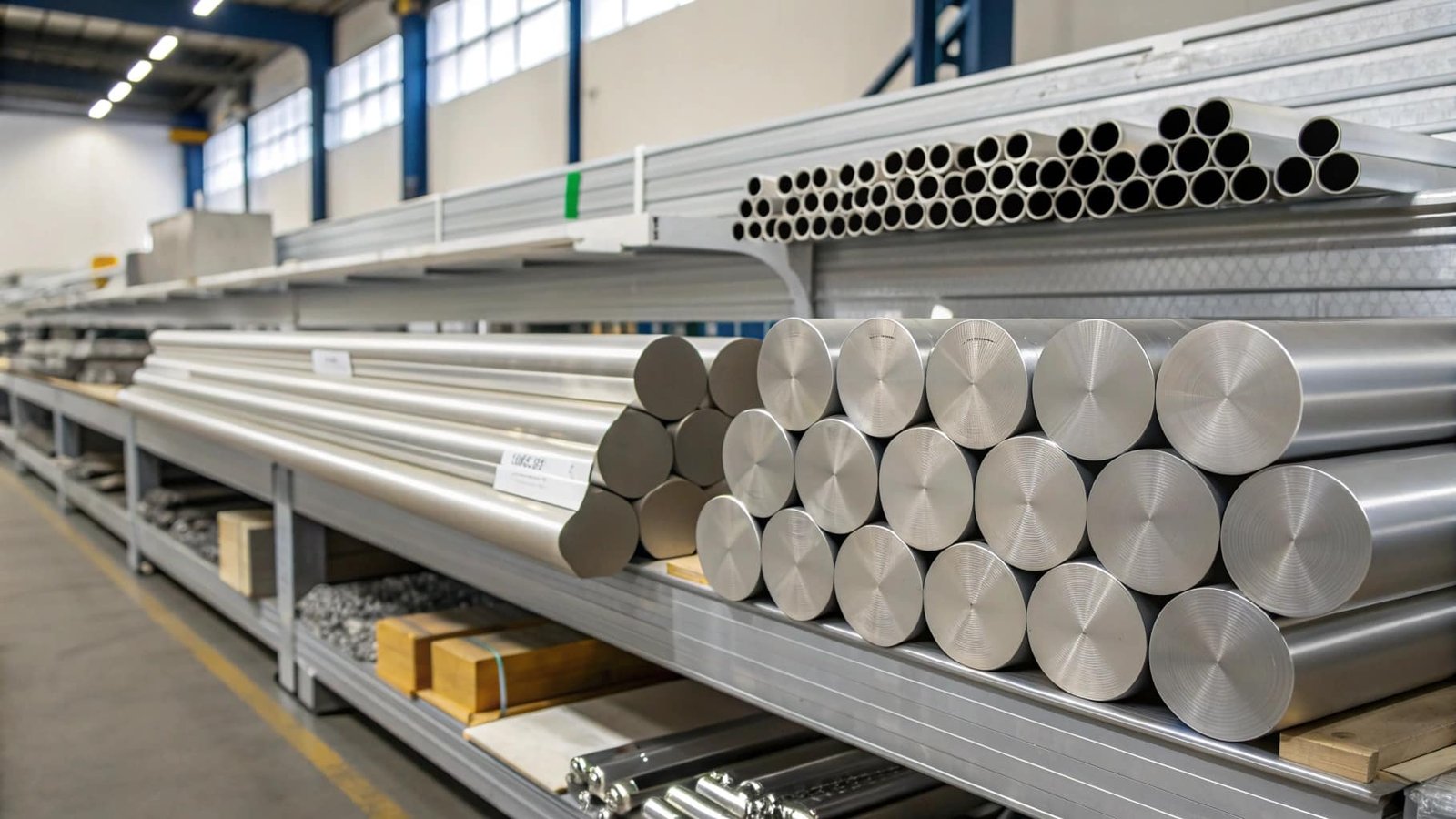
Are you curious about the vast array of applications for aluminum alloys and what makes them suitable for so many different products? Let's explore the practical uses of this versatile material.
Aluminum alloys are utilized across an incredibly wide spectrum of industries due to their advantageous properties, including light weight, excellent corrosion resistance1, high strength-to-weight ratio, and good conductivity. In the transportation sector, they are essential for reducing vehicle weight in cars, trucks, and aircraft, leading to improved fuel efficiency and performance. The construction industry benefits from aluminum's durability and aesthetics for window frames, doors, roofing, and structural elements. In electronics, their thermal conductivity makes them ideal for heat sinks and enclosures. Packaging industries rely on aluminum for its protective qualities in cans and foils. Furthermore, specialty aluminum alloys2 are critical for high-performance applications in aerospace and defense, where extreme strength and reliability are non-negotiable. Their recyclability also makes them a sustainable choice for many consumer goods.
SWA Forging understands that the everyday uses of aluminum alloys are just the tip of the iceberg. While many applications benefit from aluminum's general properties, our focus is on the critical and high-performance sectors where our expertise in large-diameter forged aluminum components truly shines. We provide customized solutions for industries like aerospace, heavy machinery, and defense, where the unique structural integrity, superior strength, and precise uniformity of forged aluminum rings and discs are essential for applications that cannot afford to compromise on reliability or performance.
What are the uses of aluminum alloy?
Are you looking for a comprehensive overview of where aluminum alloys are used and why they are the material of choice in so many fields? Their versatility makes them indispensable.
**Aluminum alloys find extensive use across numerous industries due to their beneficial combination of properties like lightness, strength, corrosion resistance, and conductivity.
- Transportation: Widely used in automotive (body panels, engine parts, chassis), aerospace (fuselage, wings, engine components), and rail (car bodies, structural elements) to reduce weight and improve fuel efficiency.
- Construction: Essential for architectural applications such as window and door frames, curtain walls, roofing, gutters, and structural components in bridges and buildings due to their durability, corrosion resistance, and aesthetic appeal.
- Packaging: Aluminum foil and cans are common for food and beverage packaging, offering protection, light weight, and recyclability.
- Electrical Applications: Used in power transmission lines (though less so than copper for conductors), busbars, and heat sinks due to their good electrical and thermal conductivity.
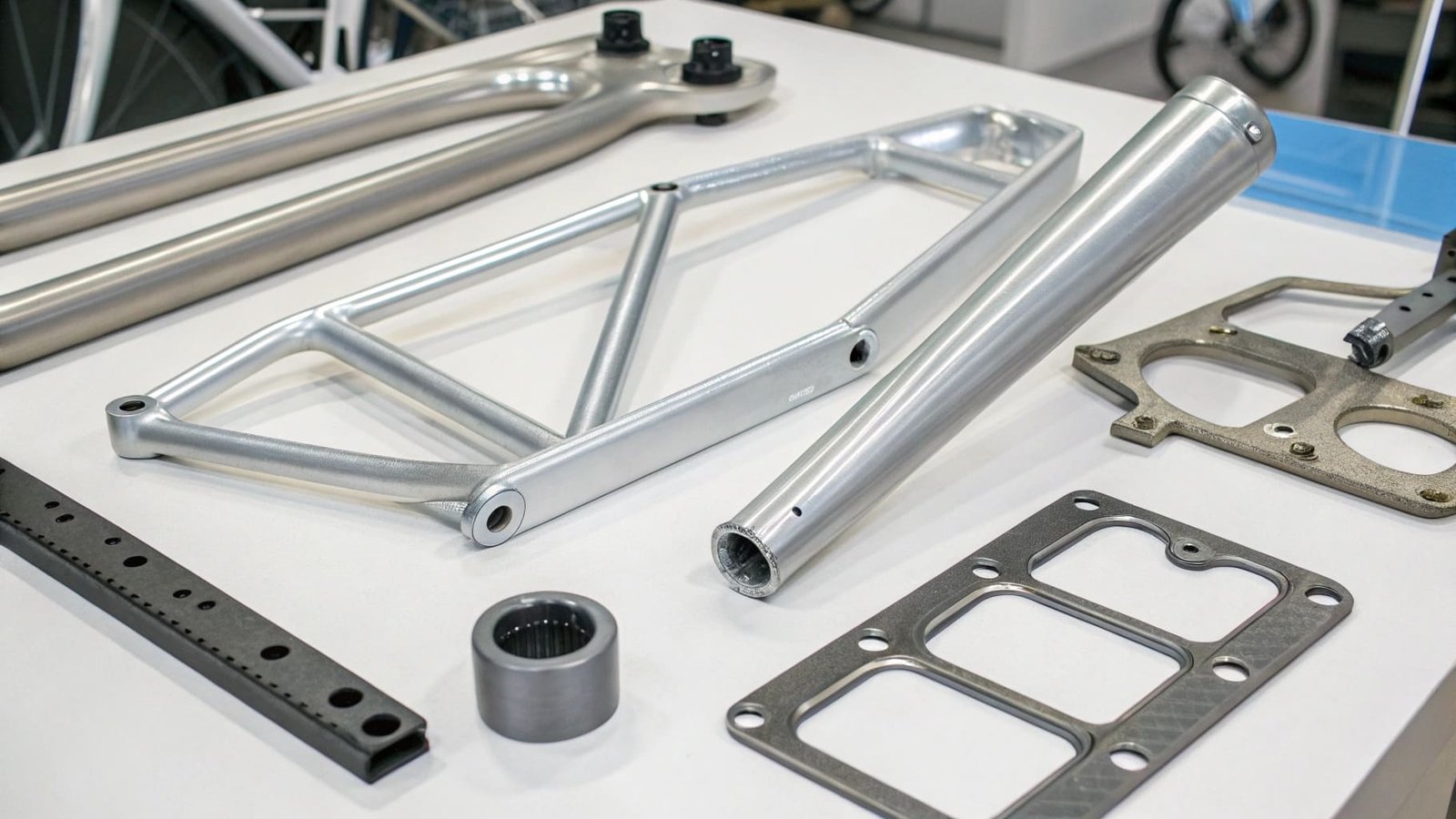
- Consumer Goods: Found in cookware, furniture, sporting equipment (like bicycles and athletic gear), and electronics casings.
- Industrial Machinery: Used for machine parts, frames, and fluid systems where strength and corrosion resistance are needed.**
| Industry Sector | Key Products/Applications | Primary Benefits Leveraged |
|---|---|---|
| Transportation | Automotive body panels, aircraft fuselages/wings, train cars | Lightweight, strength-to-weight ratio, fuel efficiency, durability |
| Construction | Window frames, curtain walls, roofing, structural components, bridges | Corrosion resistance, durability, lightweight, aesthetic versatility |
| Packaging | Cans, foils, containers | Lightweight, protective barrier, formability, recyclability |
| Electrical | Heat sinks, busbars, some conductors | Thermal and electrical conductivity |
| Consumer Goods | Cookware, furniture, bicycles, electronics casings | Lightweight, corrosion resistance, formability, aesthetics |
| Industrial Equipment | Machine frames, parts, fixtures | Strength, corrosion resistance, formability |
| Aerospace & Defense | High-stress airframe components, missile parts | High strength-to-weight ratio, fatigue resistance, reliability |
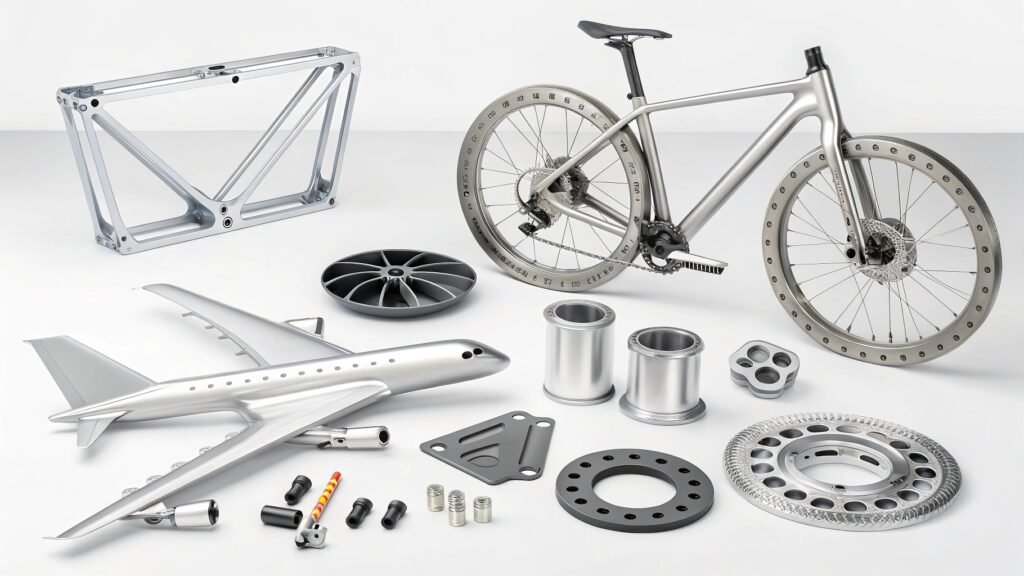
SWA Forging focuses on the most demanding applications of aluminum alloys, often those found in aerospace, defense, and heavy industrial sectors. Our expertise precisely aligns with uses requiring the utmost in strength, structural integrity, and uniform performance, such as critical components for engines, landing gear, or specialized machinery. The large-diameter forged rings and discs we produce offer superior mechanical properties unattainable through standard manufacturing, ensuring reliability and performance in the most critical use cases.
What are 7 uses for aluminum?
Are you looking for a quick rundown of seven distinct and important ways aluminum is used in everyday life and industry? These examples showcase its broad utility.
**Aluminum, and its alloys, are incredibly versatile, meaning they serve in a multitude of applications. Here are seven key uses:
- Aircraft Structures: Aluminum alloys are fundamental to building aircraft due to their high strength-to-weight ratio, enabling lighter planes that consume less fuel.
- Automotive Parts: Used extensively in car manufacturing for body panels, engine blocks, wheels, and chassis components to reduce overall vehicle weight and improve fuel efficiency.
- Food and Beverage Packaging: Aluminum cans for beverages and foil for food wrapping are common due to their inertness, barrier properties, light weight, and recyclability.
- Window Frames and Doors: In construction, aluminum frames are popular for their durability, corrosion resistance, light weight, and ability to be extruded into various shapes for aesthetic purposes.
- Heat Sinks and Electronics: The excellent thermal conductivity of aluminum makes it ideal for heat sinks in computers, electronics, and lighting to dissipate heat effectively.
- Cookware: Aluminum pots and pans are widely used because they heat up quickly and evenly.
- Building Facades and Cladding: Aluminum panels provide a durable, lightweight, and architecturally flexible option for the exterior of buildings, offering both protection and aesthetic appeal.**
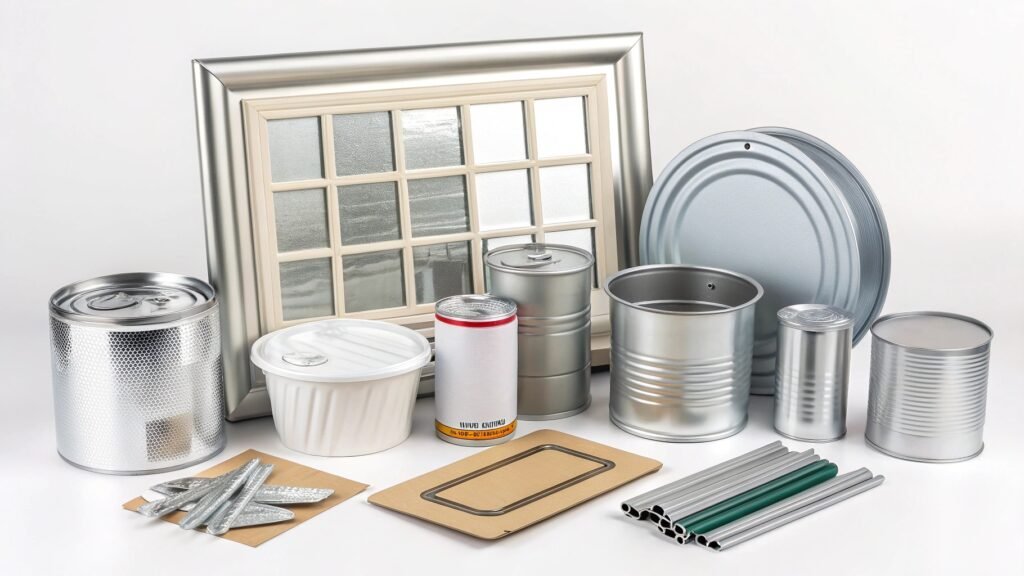
SWA Forging plays a critical role in supporting some of the most demanding of these aluminum alloy uses. While everyday aluminum products are plentiful, we excel in providing the specialized, high-performance forged components necessary for applications like aircraft structures, advanced defense systems, and heavy industrial machinery. Our large-diameter forged rings and discs, crafted from top-tier aluminum alloys, offer unparalleled strength, uniformity, and reliability for these critical uses where ordinary aluminum would not suffice.
Is Al stronger than steel?
Are you wondering how aluminum stacks up against steel in terms of strength? The answer is more nuanced than a simple yes or no.
When comparing aluminum and steel for strength, it's essential to consider strength-to-weight ratio rather than absolute strength. Pure aluminum is significantly weaker than steel. However, many aluminum alloys, especially those in the 7xxx series (like 7050 or 7075) when properly heat-treated, can achieve very high tensile strengths that are comparable to some common steels. The key advantage of aluminum alloys, even those with comparable tensile strength to steel, is their much lower density. Aluminum is about one-third the density of steel. Therefore, aluminum alloys can offer a much higher strength-to-weight ratio. This means that for a given structural requirement where weight is a critical factor (like in aircraft or vehicles), an aluminum alloy component can be designed to be stronger than a steel component of the same weight, or achieve the same strength with significantly less material. So, while steel is generally stronger in absolute terms, aluminum alloys often provide a superior strength-to-weight solution for many applications.
| Material | Typical Density (g/cm³) | Typical Tensile Strength (MPa) (Varies by alloy/grade) | Strength-to-Weight Ratio (Relative) |
|---|---|---|---|
| Steel | ~7.85 | 400 - 1500+ | Moderate to High |
| Aluminum | ~2.7 | 50 - 600+ (varies greatly by alloy) | High to Very High |
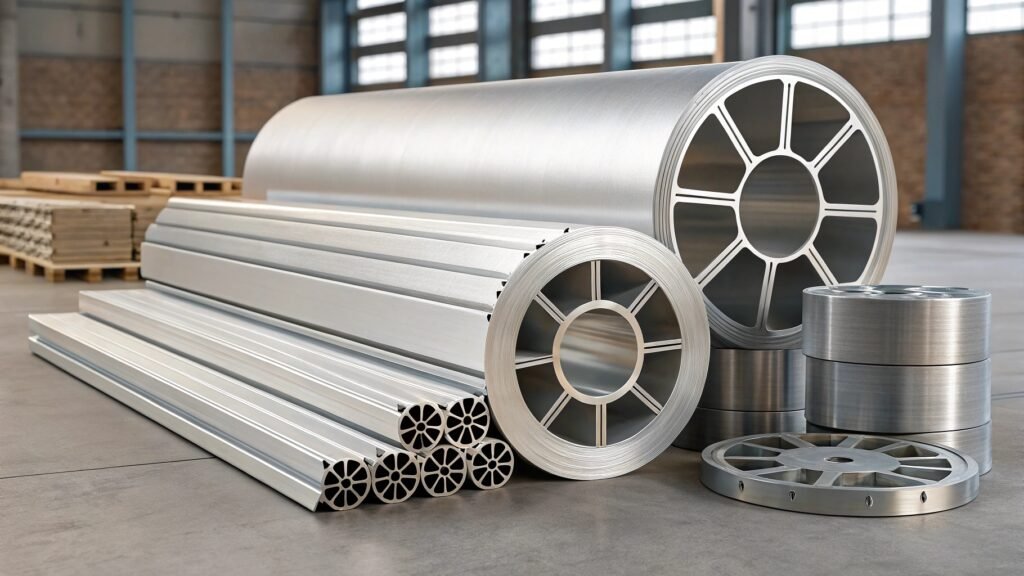
SWA Forging leverages the strength-to-weight advantage of aluminum alloys to produce superior components. For applications where performance under stress is critical but weight is a significant concern, such as in aerospace or high-performance machinery, our forged aluminum alloys offer an ideal solution. We enhance the inherent properties of alloys like 7075 through precision forging to deliver components with exceptional strength and uniformity, ensuring our clients benefit from the best possible strength-to-weight performance for their demanding projects.
What is the most commonly used aluminum alloy?
Are you trying to identify the workhorse of the aluminum alloy world, the one that appears in the broadest range of applications? There's one alloy that stands out for its versatility.
The most commonly used aluminum alloy worldwide is typically considered to be 6061. This alloy belongs to the 6xxx series, meaning it's primarily alloyed with magnesium and silicon. The widespread popularity of 6061 stems from its excellent balance of properties. It offers a good level of strength, remarkable corrosion resistance, good weldability, and excellent formability, especially through processes like extrusion. This makes it highly versatile for a vast array of applications. You'll find 6061 used in construction for window frames, door frames, and structural elements; in the transportation industry for truck bodies, automotive parts, and some bicycle frames; in marine applications; and in general industrial uses. While other alloys might offer higher strengths (like 7075) or better corrosion resistance in specific environments, 6061 provides a practical and cost-effective combination of desirable characteristics that meet the needs of a broad spectrum of manufacturing and design requirements.
- Construction: Window frames, door frames, structural components.
- Transportation: Truck bodies, RV parts, automotive components.
- Marine: Boat hulls, fittings.
- General Industrial: Machine parts, brackets, frames.
- Consumer Goods: Bicycles, furniture.
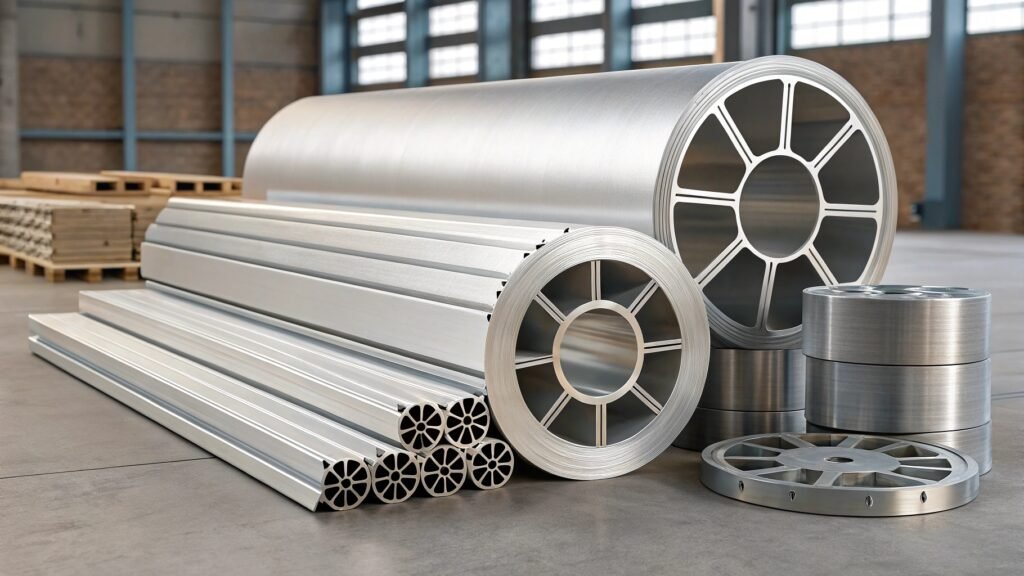
SWA Forging recognizes the utility and popularity of 6061 alloy. While it's a fantastic general-purpose material, we specialize in elevating its performance through advanced forging techniques. For applications requiring a higher level of structural integrity, dimensional stability, or specific mechanical properties beyond standard 6061, our large-diameter forged rings and discs offer a superior solution. We can enhance the strength and toughness of 6061 through precise forging and heat treatment, making it suitable for more demanding structural roles where standard 6061 might not fully meet requirements.
Conclusion
Aluminum alloys have diverse uses, from aircraft and cars to packaging and construction. While 6061 is the most common, SWA Forging provides specialized forged components from high-strength alloys for critical applications.