You carefully select an aluminum alloy known for its corrosion resistance1. Yet, the finished part fails unexpectedly in the field, not from rust, but from a sudden crack. This costs you money and damages your credibility.
Beyond surface rust, the real danger is when the environment and stress combine to create internal cracks. A forged part's dense grain structure is the ultimate defense, removing the microscopic pathways where this catastrophic failure begins.
We once worked with a client who manufactured high-performance marine hardware. They were machining parts from a standard 7xxx series aluminum plate, chosen for its high strength. The parts looked great and passed all initial strength tests. However, after a few months in a saltwater environment, some parts began to fail catastrophically under load. They were shocked. The parts weren't "rusting away"; they were just snapping. The problem was Stress Corrosion Cracking (SCC). The combination of high tensile stress on the part, the salty air, and the alloy's inherent susceptibility was a recipe for disaster. We helped them switch to a forged part made from a marine-grade 5xxx series alloy. The forging process created a flawless internal structure, and the alloy choice provided the necessary corrosion resistance. The failures stopped completely. It was a powerful lesson that the environment's most dangerous attack is often invisible.
Where are aluminum alloys typically used?
You know aluminum is used everywhere, from planes to boats. But matching the right alloy to the right environment is a complex task where mistakes can be very expensive.
Aluminum alloys are used in nearly every industry, including aerospace, automotive, marine, and construction. The key is selecting an alloy that balances strength, weight, and specific resistance to that industry's unique environmental challenges.
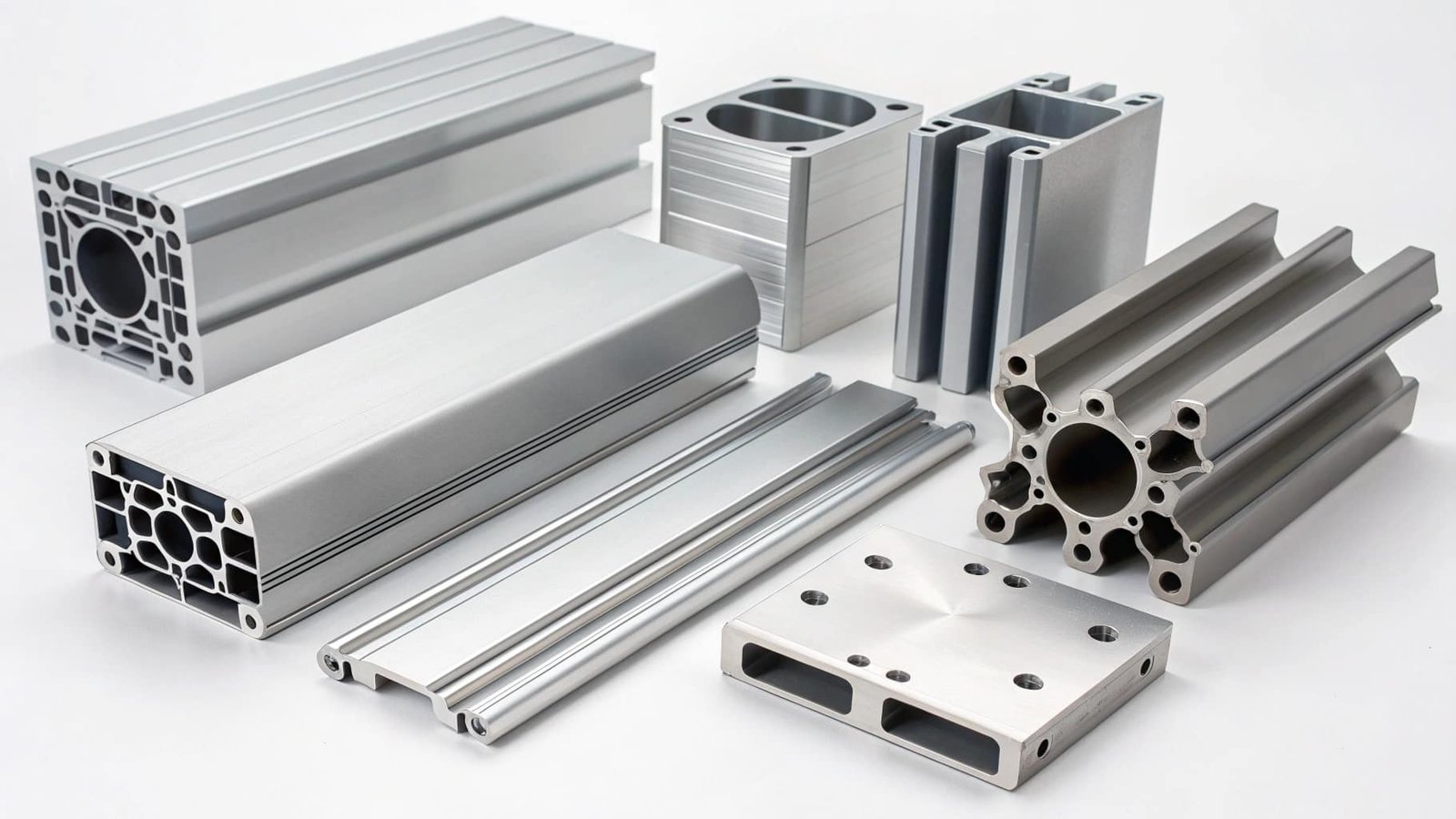
The versatility of aluminum alloys2 is their greatest strength. But this means you cannot have a "one-size-fits-all" approach. Each application environment presents a different set of problems that the alloy must solve.
| Industry | Common Alloys | Key Environmental Challenge |
|---|---|---|
| Aerospace | 7075, 2024, 6061 | Extreme temperature cycles, high stress, fatigue |
| Marine | 5083, 5086, 5052 | Constant saltwater spray and immersion (chloride) |
| Automotive | 6061, 7075, 5052 | Road salt, humidity, vibration, impacts |
| Construction | 6061, 6063 | UV radiation, acid rain, industrial pollutants |
As a supplier to traders and machining shops, we often consult on this. A customer might ask for a high-strength 7xxx series alloy for a part on a ship deck. We would guide them toward a 5xxx series alloy instead. Even though the 5xxx is technically weaker, its superior resistance to saltwater corrosion makes it the far more reliable and safe choice for that specific environment. Choosing the right material is about understanding the complete picture.
How does the environment actually attack an aluminum alloy?
You see a bit of white powder on an aluminum part and dismiss it. You think it's just harmless surface oxidation. But you could be ignoring a much more dangerous attack happening inside the material.
The environment attacks in two ways: general surface corrosion, which is predictable, and localized attacks like Stress Corrosion Cracking (SCC). SCC is the silent killer, creating invisible internal cracks in stressed parts that can lead to sudden, catastrophic failure.
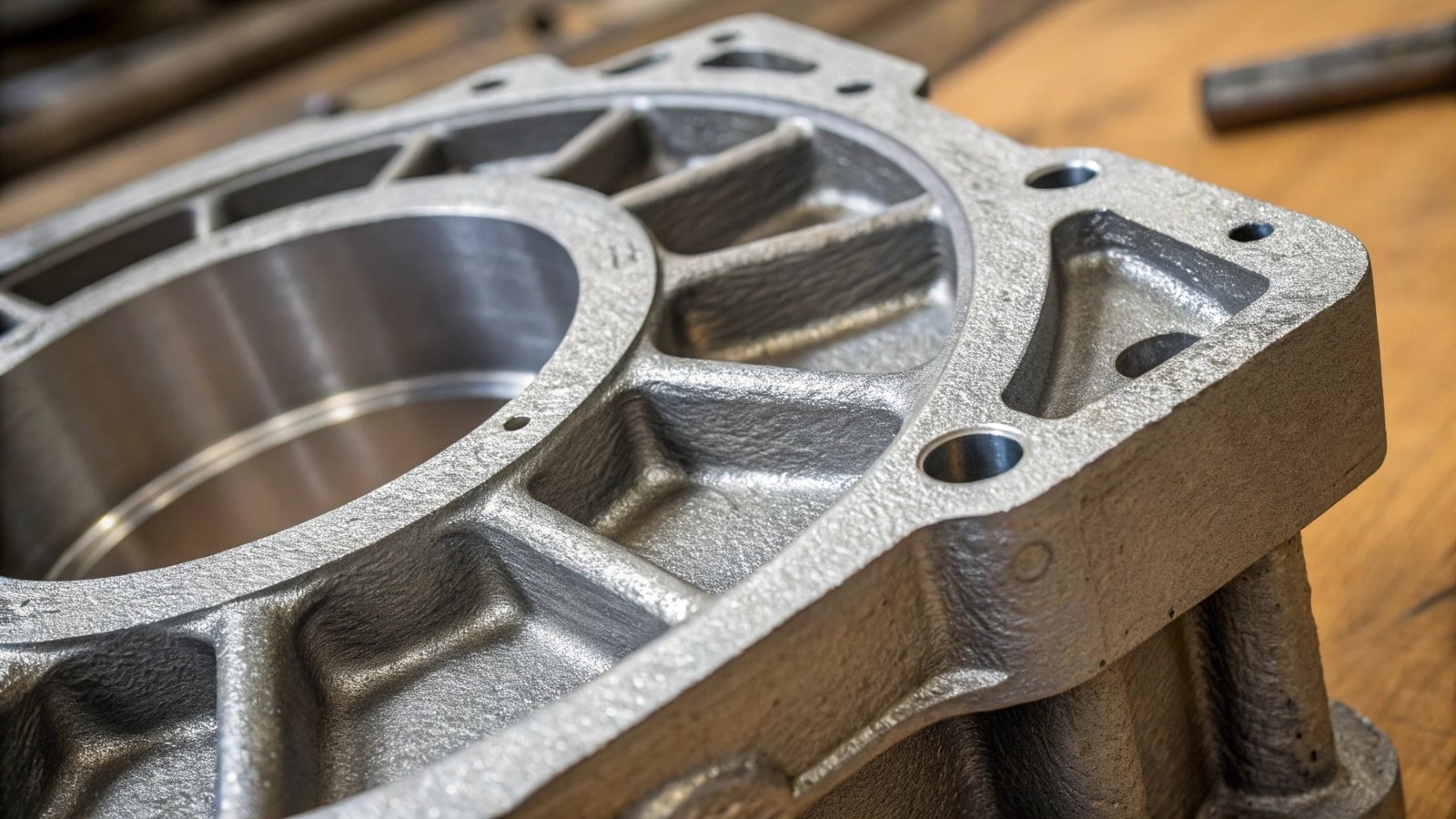
It is vital to understand the difference between these two forms of attack. One is a manageable cosmetic issue, while the other is a critical safety threat.
General Surface Corrosion
This is the uniform oxidation you see on an unprotected aluminum surface. The aluminum naturally forms a very thin, tough, and stable oxide layer that protects the metal underneath from further attack. In most environments, this layer protects the alloy for its entire service life. While it might not look pretty, it rarely affects the structural integrity of the part.
The Real Threat: Stress Corrosion Cracking (SCC)
SCC is a far more dangerous phenomenon. It occurs when three things are present at the same time: a susceptible alloy, a constant tensile stress, and a specific corrosive environment (like saltwater for aluminum). It doesn't eat away at the surface; instead, it finds a microscopic weak point and creates a tiny crack. The stress on the part then pulls this crack open, exposing fresh metal at the crack tip to the environment, which corrodes it further, and the crack grows. This deadly cycle continues until the part suddenly fails without any obvious warning. This is why for critical parts, preventing SCC is more important than preventing surface rust.
Why is a forged part the ultimate defense against environmental failure?
You have selected the correct alloy and specified the right heat treatment. But you still worry about invisible flaws inside the material that could become a starting point for failure. How can you guarantee total reliability?
Forging is the ultimate defense because it creates a dense, uniform internal structure. This process eliminates the microscopic voids and inconsistencies found in other material forms, effectively removing the pathways where internal cracks like SCC can start.
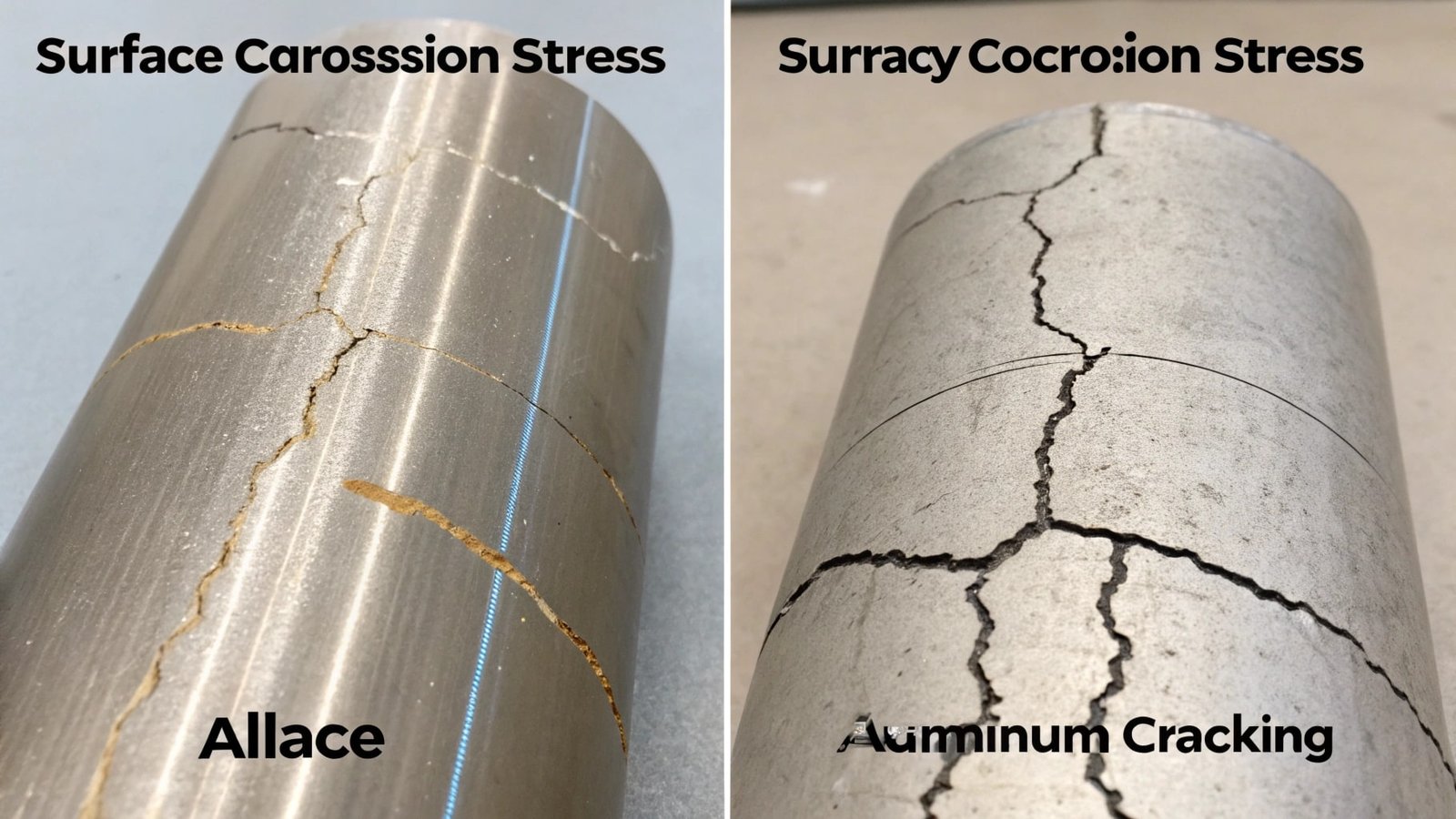
When we talk about forging, we are talking about fundamentally re-engineering the material from the inside out. It's a metallurgical event that creates a structure far superior to casting or extrusion for resisting environmental attacks.
Eliminating Porosity
The raw aluminum billets used for manufacturing can contain microscopic pores, which are tiny voids or gas bubbles trapped during the casting process. Under a microscope, these look like tiny caves inside the metal. These pores are the perfect places for moisture to collect and for corrosion to begin. They are natural starting points for SCC. The immense pressure of the forging process physically squeezes the metal, closing and welding shut these pores. This creates a fully dense, solid structure that leaves no place for corrosion to hide and start its attack.
Refining the Grain Structure
Forging also refines the grain structure. It breaks down the large, coarse grains of the cast billet into a network of very fine, interwoven grains. A crack finds it much harder to travel through this fine-grained structure. Instead of having a straight, easy path, the crack must constantly change direction, which slows its growth or stops it completely. This inherent toughness, created by the forged grain structure, provides a powerful, built-in defense against the propagation of any crack that might manage to form.
Conclusion
To guarantee reliability, look beyond surface corrosion and defend against hidden threats. A forged part’s dense, refined grain structure provides the ultimate defense, fortifying your component from the inside out.