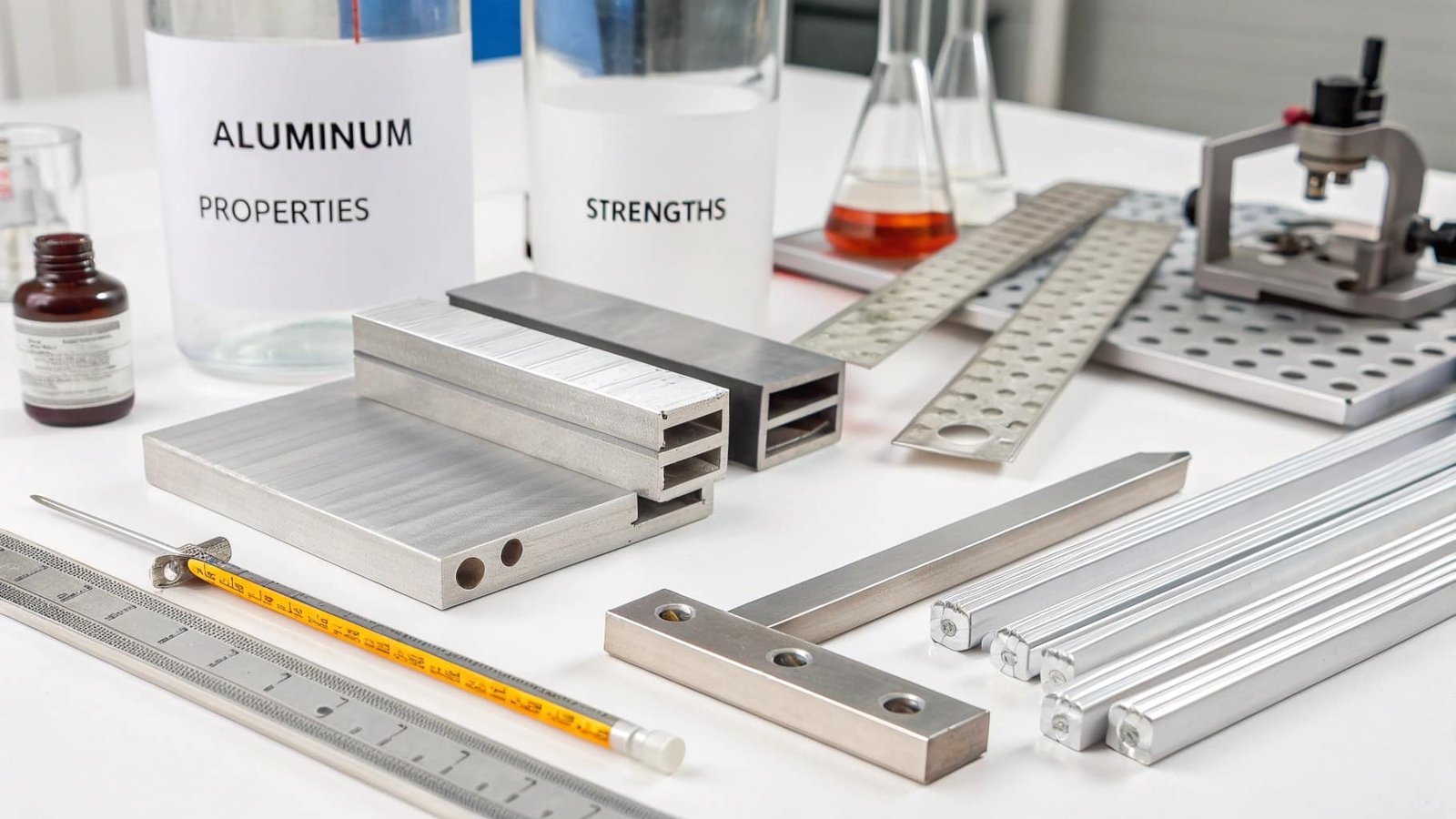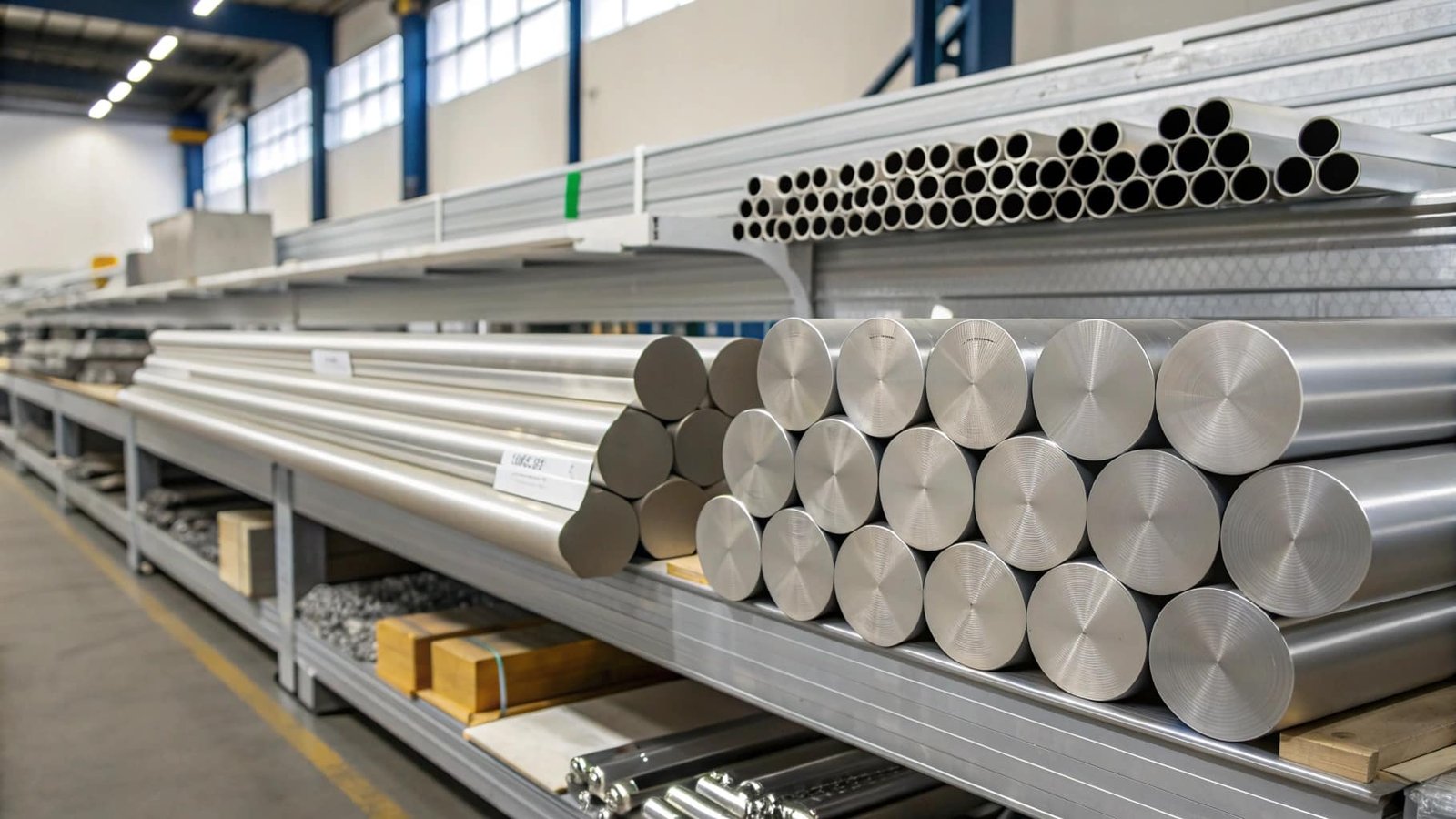
Are you wondering how the lightweight metal aluminum can be transformed into incredibly strong materials for high-demand applications? The answer lies in alloying.
The "best" aluminum alloy for strength is generally considered to be from the 7xxx series, specifically alloys like 70751, which uses zinc as the primary alloying element. These alloys, when properly heat-treated, can achieve tensile strengths comparable to many steels, far exceeding those of pure aluminum or other alloy series. However, superior strength often comes with trade-offs, such as reduced corrosion resistance2 and weldability. The ultimate strength of an alloy is a result of its composition and the mechanical treatments it undergoes, such as heat treatment or cold working.
At SWA Forging, our core competence lies in understanding precisely how alloying transforms aluminum into superior materials. We don't just work with aluminum; we masterfully forge specific aluminum alloys to achieve enhanced tensile strength and other critical mechanical properties. This allows us to produce large-diameter rings and discs that are not only strong but are crucial for demanding industrial applications where robust performance is absolutely non-negotiable.
What is the best aluminum alloy for strength?
Are you trying to pinpoint which aluminum alloy offers the absolute highest level of strength, making it suitable for the most challenging engineering tasks? The answer points to a specific series.
The aluminum alloy series that offers the highest strength is the 7xxx series. Within this series, alloys like 7075 are often cited as the strongest commercially available aluminum alloys. These alloys achieve their exceptional strength primarily through the addition of zinc (up to 6-8%), along with smaller amounts of magnesium and copper. When subjected to solution heat treatment and aging (such as the T6 temper), these alloys develop a fine dispersion of intermetallic precipitate particles within the aluminum matrix. These precipitates effectively impede the movement of dislocations (defects in the crystal structure), which is the fundamental mechanism that increases a metal's resistance to deformation and fracture – in essence, its strength. While alloys like 7075 are incredibly strong, it is important to note that this increased strength often comes with compromises in corrosion resistance and weldability compared to other aluminum alloys.
| Aluminum Alloy Series | Primary Alloying Element | Typical Highest Strength | Common Trade-offs |
|---|---|---|---|
| 1xxx (Pure Aluminum) | None | Low | Excellent corrosion resistance, formability |
| 2xxx (Aluminum-Copper) | Copper (Cu) | High | Lower corrosion resistance |
| 6xxx (Al-Mg-Si) | Mg, Si | Medium-High | Good balance of properties |
| 7xxx (Aluminum-Zinc) | Zinc (Zn) | Very High to Extremely High | Lower corrosion resistance, weldability |
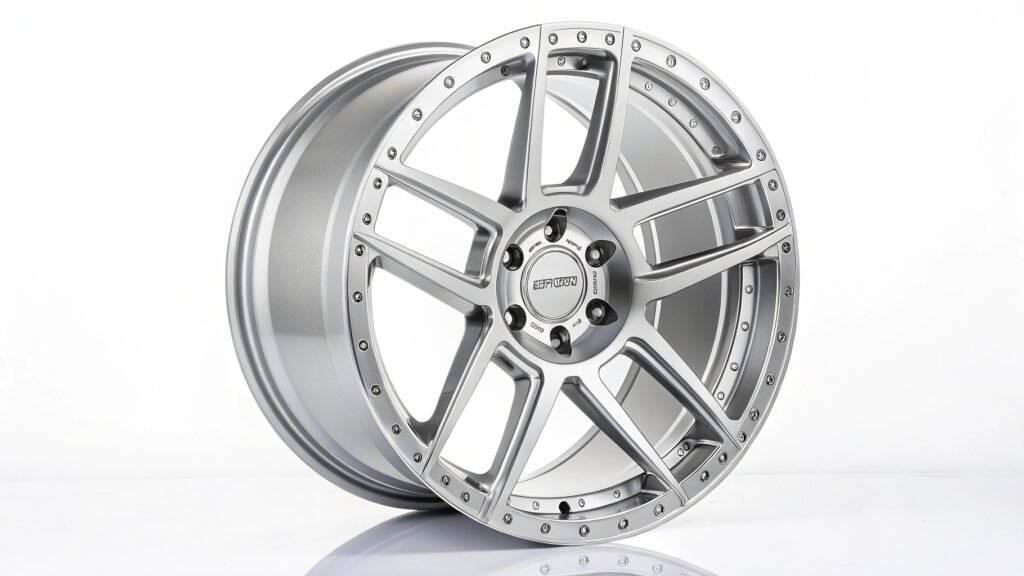
SWA Forging specializes in harnessing the power of precisely engineered alloys. While the 7xxx series offers unparalleled strength, we also work with other alloys like 6xxx for applications requiring a balance of properties. Our forging process is meticulously controlled to maximize the inherent strength of these alloys, producing large-diameter components that can withstand extreme conditions, ensuring that your critical applications are supported by materials engineered for peak performance.
How to strengthen aluminum alloy?
Are you curious about the different methods used to enhance the strength of aluminum alloys, transforming them from relatively soft metals into robust engineering materials? There are several key techniques.
Aluminum alloys can be strengthened through a combination of alloying, heat treatment, and mechanical processing. Alloying itself, as discussed, adds elements that interfere with dislocation movement. Heat treatment, particularly precipitation hardening (also known as age hardening), is a critical process for many high-strength aluminum alloys. This involves heating the alloy to a high temperature to dissolve alloying elements into a solid solution, rapidly cooling it (quenching) to trap these elements in a supersaturated state, and then aging it (either at room temperature or elevated temperatures) to allow fine precipitate particles to form throughout the metal's structure. These precipitates act as barriers to dislocation movement, significantly increasing hardness and strength. Mechanical processing, such as cold working (like rolling or drawing), also strengthens aluminum alloys by introducing dislocations and distorting the crystal lattice, making it harder for dislocations to move. The combination of these methods allows for precise control over the alloy's final mechanical properties.
| Strengthening Method | How it Works | Primary Alloys Benefited |
|---|---|---|
| Alloying | Adding metals (like Zn, Cu, Mg, Si) that distort the aluminum lattice and create new phases that hinder dislocation movement. | All alloyed aluminum (2xxx, 6xxx, 7xxx, etc.) |
| Precipitation Hardening | Heat treatment (solutionizing, quenching, aging) creates fine precipitates that block dislocations. | Heat-treatable alloys (2xxx, 6xxx, 7xxx) |
| Work Hardening (Cold Working) | Plastic deformation introduces and tangles dislocations, making them immobile and increasing hardness and tensile strength. | Many alloys, especially in annealed or solution-treated states |
| Grain Refinement | Promoting a finer grain structure can also increase strength by providing more grain boundaries to act as barriers to dislocation movement. | Most aluminum alloys |
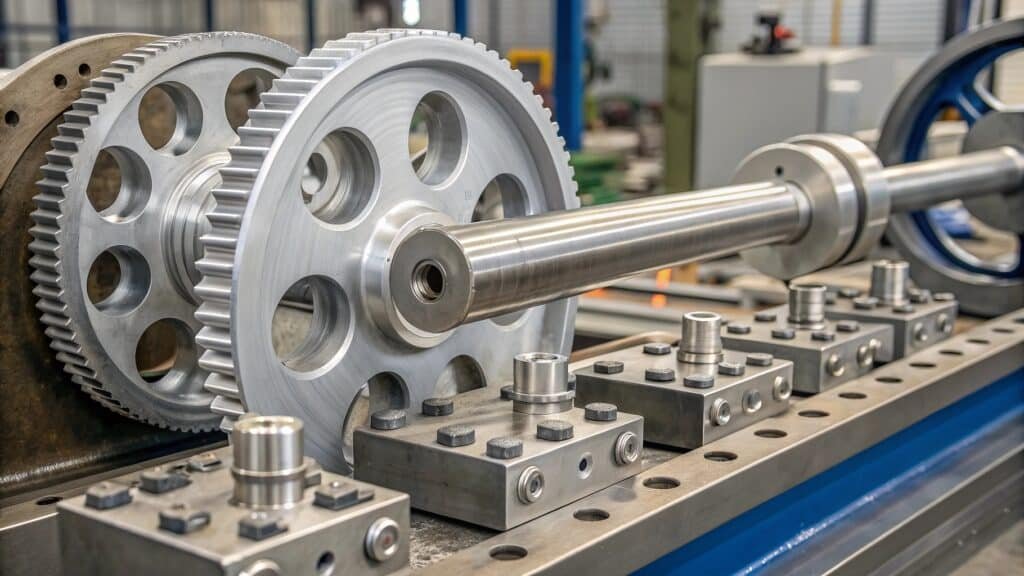
At SWA Forging, we utilize precise control over material processing to achieve exceptional strength in our aluminum alloy components. Our forging process itself is a form of mechanical working that refines the grain structure and enhances the distribution of alloying elements. When combined with alloys that are amenable to heat treatment, we can produce large-diameter rings and discs with incredibly high tensile strength, tailored to meet the rigorous demands of advanced engineering applications where material integrity is paramount.
How does alloying increase strength?
Are you looking to understand the fundamental metallurgical principles behind why adding other elements to aluminum makes it stronger, rather than weaker? It's all about interfering with material deformation.
Alloying increases the strength of aluminum by fundamentally interfering with the movement of dislocations, which are line defects within the crystalline structure of the metal. Pure aluminum, while ductile, is relatively soft because its dislocations can move relatively freely. When alloying elements are added, they distort the aluminum crystal lattice in several ways. Firstly, solute atoms (the added elements) can create local strain fields that impede the motion of dislocations. Secondly, some alloying elements form distinct precipitate phases (small particles of a new compound dispersed throughout the aluminum matrix), which act as physical obstacles that dislocations must either cut through or bow around, a process that requires significantly more energy. Thirdly, the formation of solid solutions – where solute atoms integrate into the aluminum lattice – means that the presence of these different-sized atoms disrupts the uniform arrangement, making it harder for dislocations to slide. This increased resistance to dislocation movement translates directly into higher tensile strength, yield strength, and hardness for the alloy.
| Alloying Element Effect | Description | Resulting Strength Increase |
|---|---|---|
| Lattice Distortion (Solid Solution Strengthening) | Solute atoms (e.g., Mg in Al) have different atomic radii, creating local stress in the lattice that pins dislocations. | Moderate |
| Precipitate Formation (Precipitation Hardening) | Intermetallic compounds (e.g., Al₂Cu, Mg₂Si) form as tiny particles, acting as strong barriers to dislocation movement. | Significant (especially with heat treatment) |
| Grain Boundary Refinement | Certain alloying elements can influence grain size, leading to more grain boundaries that hinder dislocation propagation. | Moderate |
| Interphase Precipitation | Precipitates forming at grain boundaries or along specific crystallographic planes can also act as effective barriers to dislocation movement. | Significant |
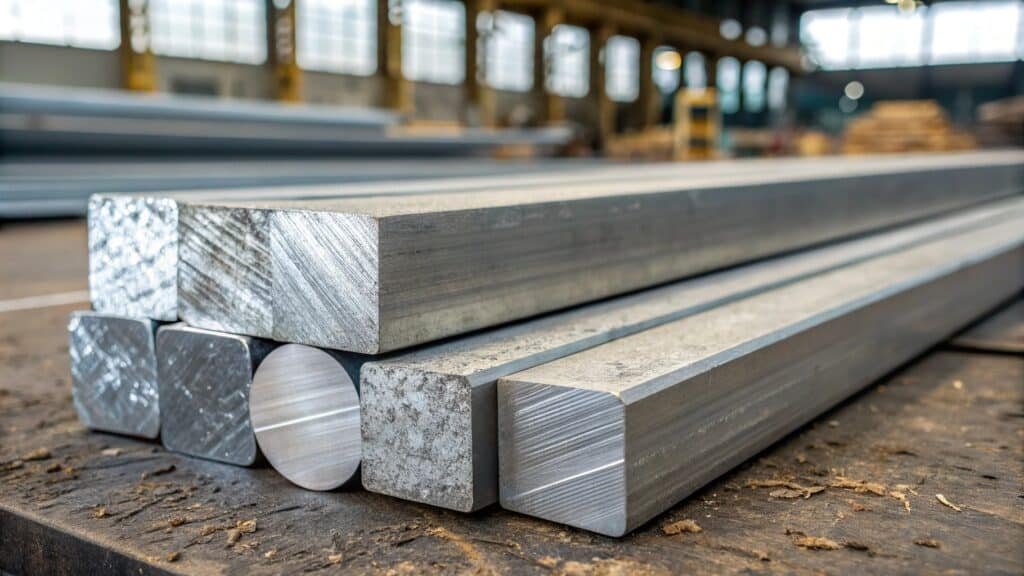
At SWA Forging, our mastery of forging processes relies heavily on understanding how alloying elements influence material behavior. When we forge large-diameter rings and discs from alloys deliberately strengthened through alloying, we are working with materials that have controlled internal structures designed to resist deformation. This allows us to apply immense pressure to shape them precisely without compromising their carefully engineered strength, ensuring that our finished components can withstand considerable loads and stresses in their intended applications.
What is the ultimate strength of aluminum alloy 6061 after being annealed?
Are you curious about the strength of 6061 aluminum after it has been softened through annealing, and how it compares to its heat-treated state? Annealing significantly impacts mechanical properties.
Annealing is a heat treatment process that softens metals by relieving internal stresses and allowing the material's crystal structure to recrystallize, leading to a more uniform and less distorted state. For aluminum alloy 6061, when it is fully annealed (typically to the 'O' temper), its ultimate tensile strength is significantly reduced compared to its heat-treated states (like T6). The ultimate tensile strength (UTS) of annealed 6061-O is typically around 120-150 MPa (17-22 ksi). This is substantially lower than the UTS of 6061-T6, which is usually in the range of 290-310 MPa (42-45 ksi). Therefore, while annealing makes 6061 much more formable and softer, it drastically decreases its load-bearing capacity. It's important to distinguish between the annealed state, which is ideal for extensive forming, and the hardened state, which is chosen for strength-critical applications.
| State of 6061 Aluminum | Typical Ultimate Tensile Strength (UTS) | Key Characteristics |
|---|---|---|
| Annealed (O Temper) | 120 - 150 MPa (17 - 22 ksi) | Softest, most ductile, excellent formability, low strength |
| Solution Heat Treated & Aged (T6 Temper) | 290 - 310 MPa (42 - 45 ksi) | High strength, good toughness, good corrosion resistance |
| Solution Heat Treated (T4 Temper) | ~207 MPa (30 ksi) | Moderate strength, good formability |
[^3] (low bar) versus T6 heat-treated 6061 aluminum (high bar).](https://southwestalu.com/wp-content/uploads/2025/10/aluminum-1-7-1024x576.jpg")
At SWA Forging, we understand the critical trade-offs between formability and strength. While we can work with annealed materials for ease of shaping, our focus for high-performance applications is on alloys in their hardened states. If your project requires the immense strength that alloying and specialized heat treatments provide, we can forge components from materials like 6061 in its T6 temper, or even the stronger 7xxx series alloys, ensuring that the ultimate strength is maximized for your specific, demanding use case.
Conclusion
Alloying is key to enhancing aluminum's strength by impeding dislocation movement. While 7xxx series alloys offer the highest strength, processes like heat treatment are crucial for achieving optimal toughness and performance in demanding applications.