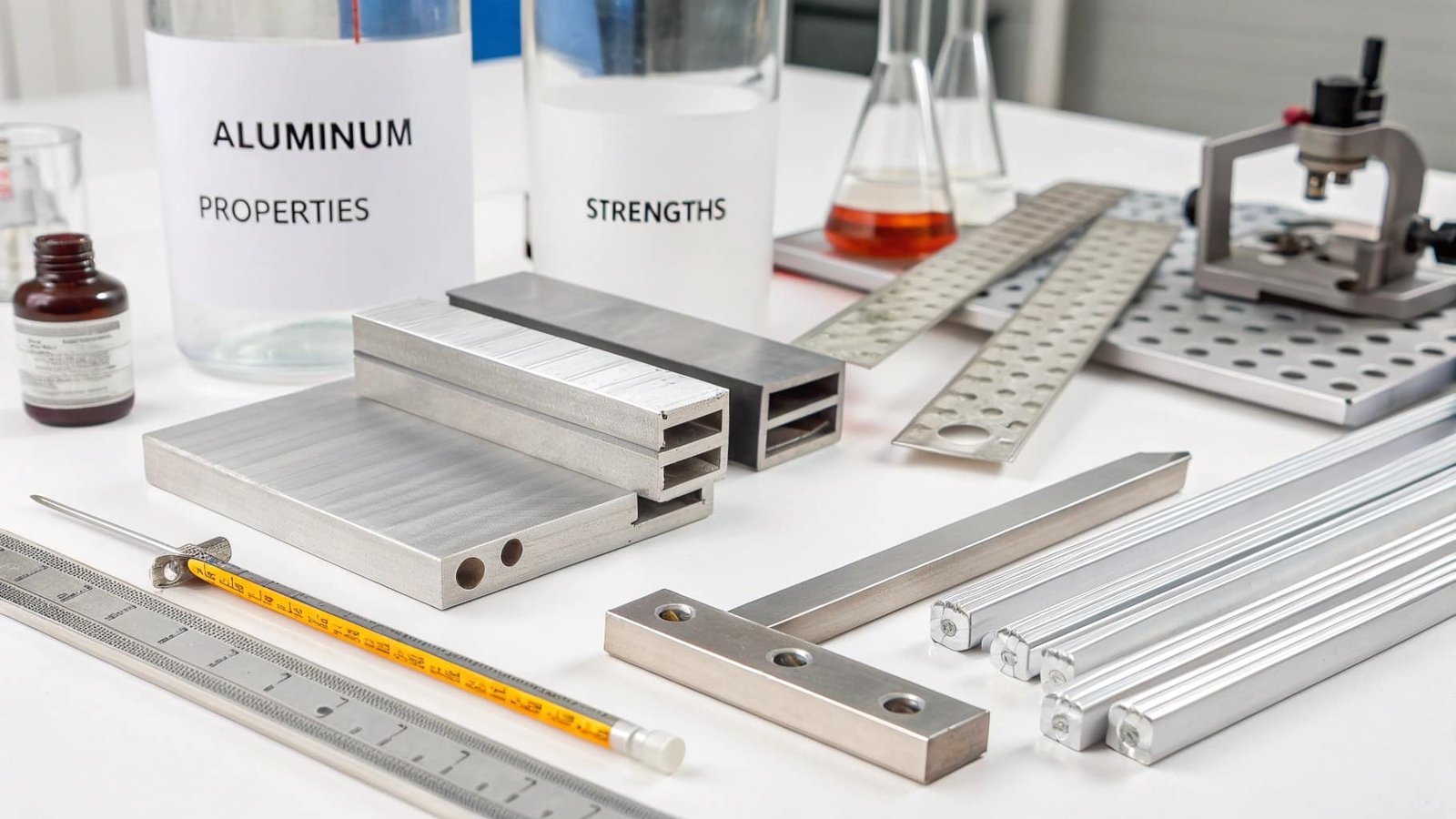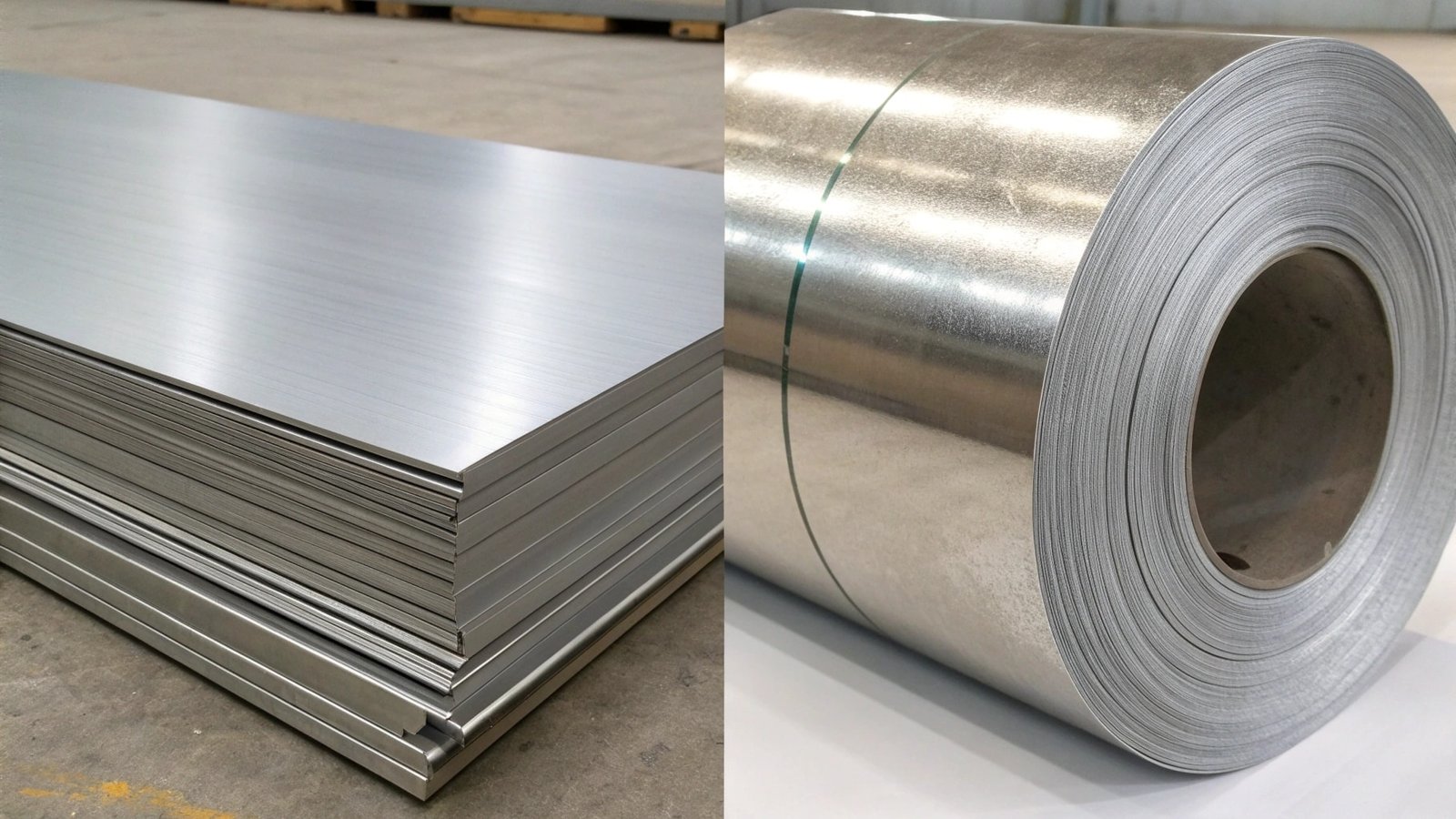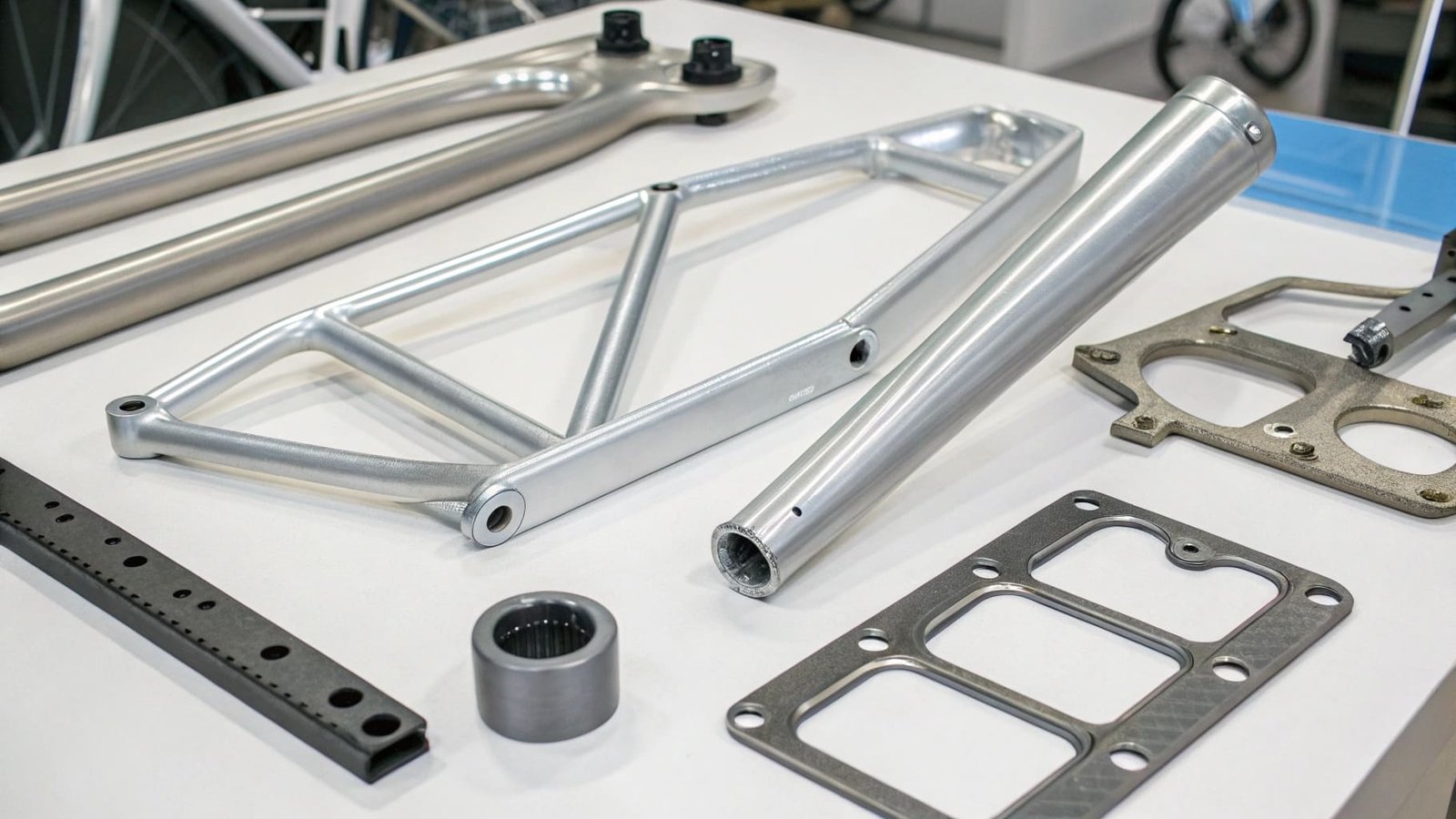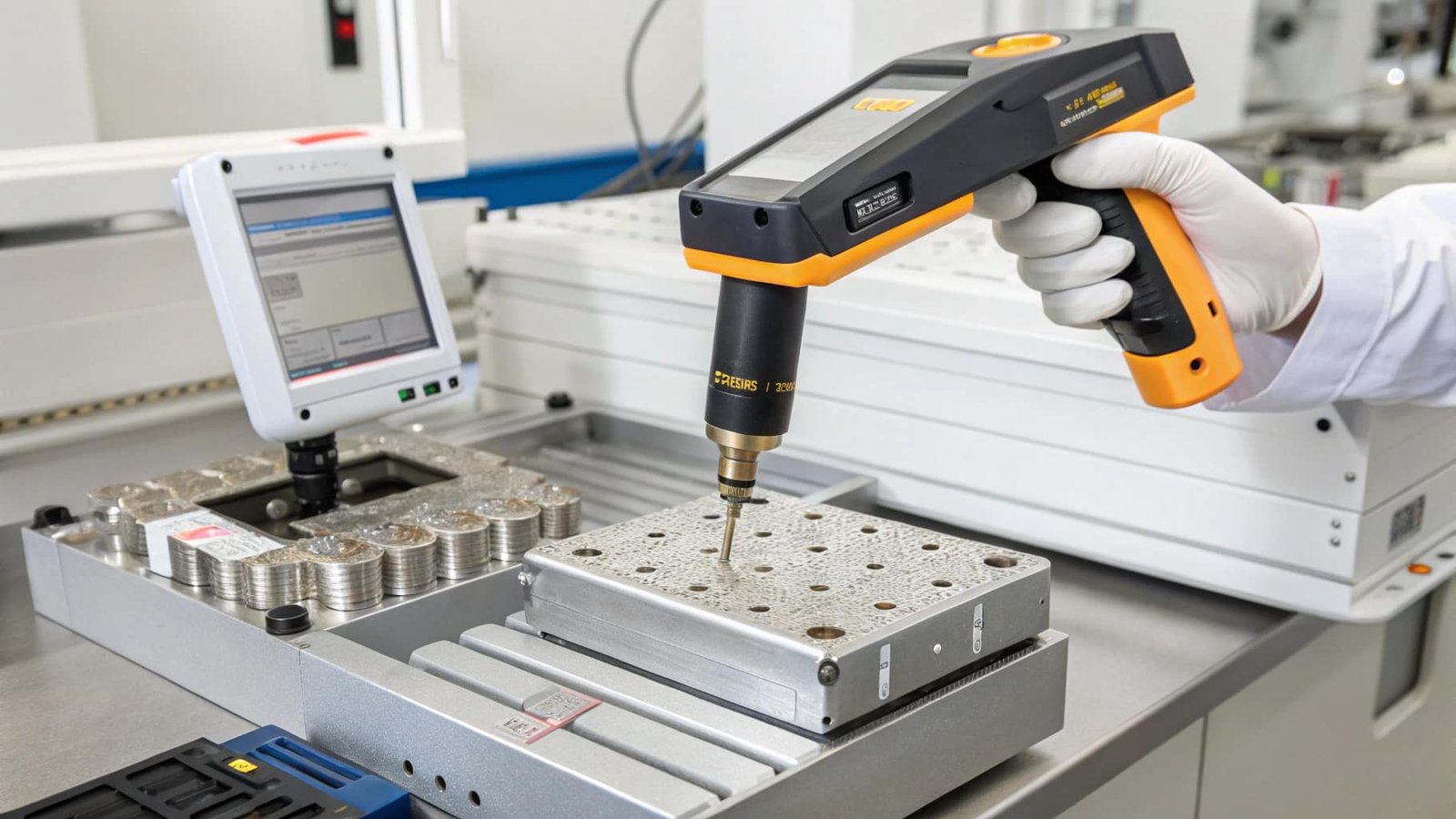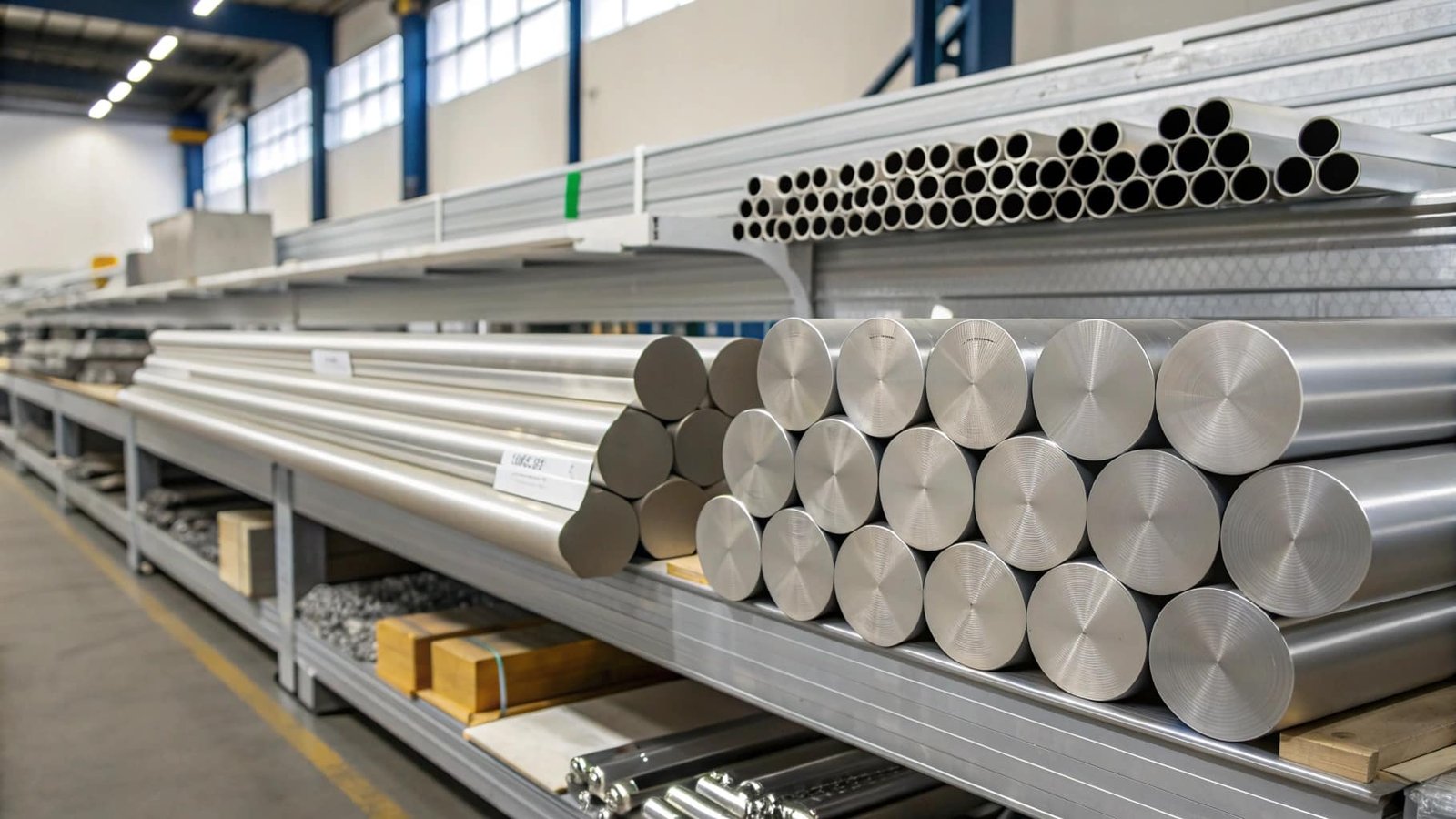
Are you in need of aluminum forgings1 that are perfectly prepared for secondary machining operations, ensuring ease of processing and superior final part quality? Precision starts with the right foundation.
Yes, you can absolutely machine forged aluminum, and it's often an ideal material for machining because the forging process refines the grain structure, leading to better control during cutting. Aluminum forging is a process where aluminum is heated and shaped under pressure using dies to create a component with improved mechanical properties and controlled grain flow. The best aluminum alloy for machining depends on the desired balance of machinability, strength, and cost; alloys like 6061 and 2011 (though less common for large forgings) are known for excellent machinability, while 7075 offers high strength with good machinability for its class. The four main types of forging are: 1. Open-die forging, 2. Closed-die forging (Impression-die forging), 3. Upset forging, and 4. Roll forging.
At SWA Forging, we understand the critical link between initial forging quality and the success of subsequent machining. We specialize in producing high-precision, custom-forged aluminum components optimized for excellent machinability. Our rigorous processes ensure superior surface finishes and tight tolerances from the start, providing you with a perfect foundation for your machining operations and guaranteeing exceptional results for your final parts.
Can you machine forged aluminum?
Are you wondering if the strength and structure achieved through aluminum forging make it difficult or impossible to machine accurately? The answer is a resounding yes, and with benefits.
**Yes, forged aluminum is highly suitable for machining, and in many cases, it offers advantages over other forms of aluminum. The forging process refines the material's grain structure, creating a more uniform and dense composition with optimal grain flow. This controlled microstructure leads to several benefits for machining:
- Improved Cutting Performance: The uniform grain structure and absence of porosity or voids mean that cutting tools encounter more consistent material, leading to smoother cuts, less tool wear, and higher machining speeds.
- Better Surface Finish: Forged aluminum typically achieves superior surface finishes after machining compared to cast aluminum, which can have internal defects that affect the surface quality.
- Higher Precision: The inherent properties of forged aluminum allow for tighter tolerances to be maintained during machining, which is critical for precision components.
- Strength for Complex Operations: The higher strength of forged aluminum means it can withstand the forces involved in complex machining operations without deforming, allowing for intricate features to be created.
- Machining Alloys Available: While alloys like 7075 are strong, alloys like 6061 are designed for a balance of strength and excellent machinability, making them excellent choices for applications requiring both rigorous forging and precision machining.**
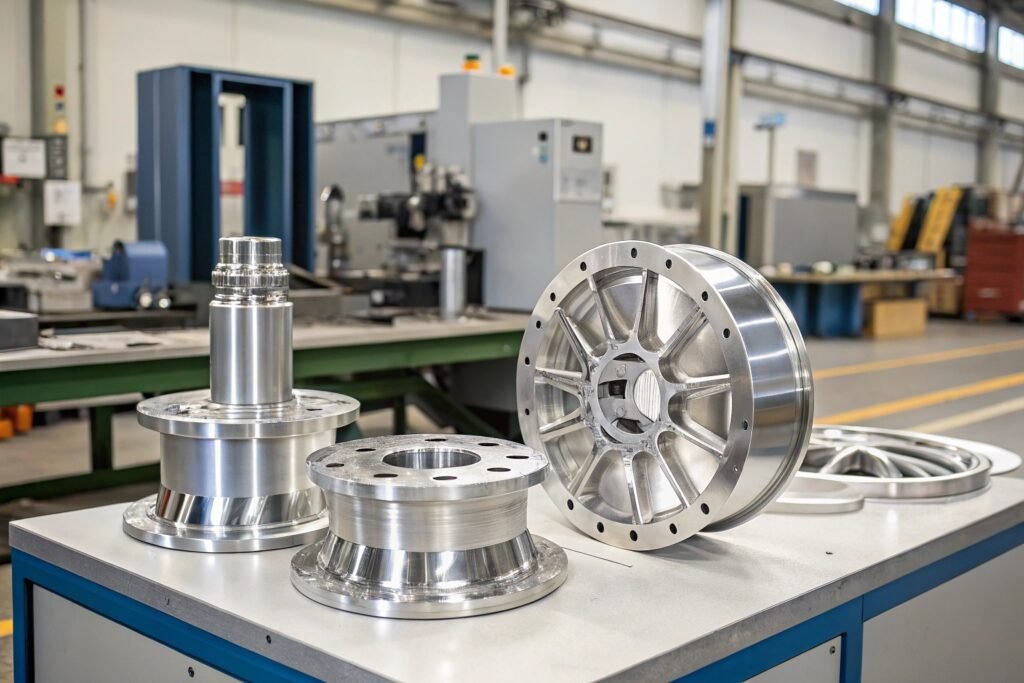
SWA Forging takes pride in producing large-diameter forgings that are specifically suited for machining. We pay close attention to material composition, grain flow, and surface integrity during our forging process to ensure that the resulting components are not only strong but also machine friendly. This preparation allows our clients to achieve excellent results in their machining operations, whether it's for simple cuts or highly complex geometries, ensuring efficiency and quality in their final product.
What is aluminium forging?
Are you seeking to understand the fundamental process by which aluminum is shaped into strong, reliable components? Forging is a time-tested manufacturing method.
Aluminum forging is a manufacturing process where aluminum metal is heated and then shaped by applying controlled force, typically using dies and hammers or presses. The aluminum billet or preform is placed into a die cavity, and force is applied, causing the metal to flow and conform to the shape of the die. This plastic deformation reshapes the material without removing it, leading to several significant advantages. Unlike casting, which can trap internal voids, or machining, which starts with a larger piece and removes material, forging consolidates the metal’s grain structure. This results in a denser material with a refined and directional grain flow that aligns with the part’s contours, significantly enhancing its mechanical properties such as strength, toughness, and fatigue resistance. This makes forged aluminum ideal for applications where high performance and reliability are critical.
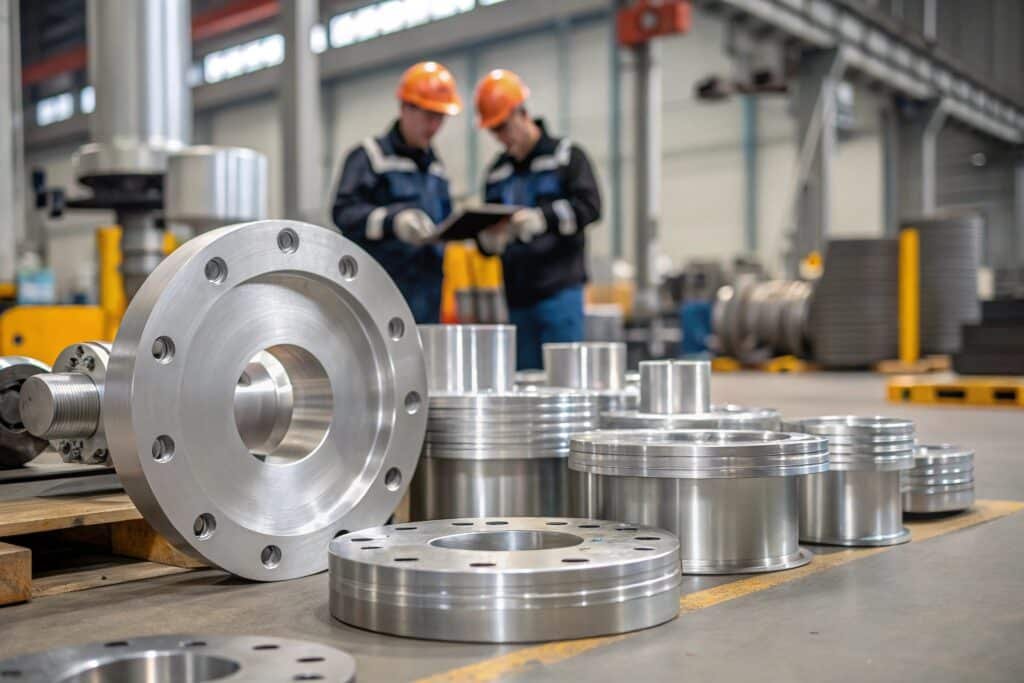
At SWA Forging, we specialize in the precise art of aluminum forging, particularly for large-diameter components. Our expertise lies in controlling the heat, pressure, and die design to maximize the benefits of this process. By carefully managing the grain flow and ensuring material consolidation, we create high-strength, high-precision aluminum forgings that are perfectly suited for demanding applications, providing superior performance and durability.
Which aluminum is best for machining?
Are you trying to decide which aluminum alloy2 will provide the best combination of strength and ease of machining for your project? This choice impacts efficiency and final part quality.
**For machinability, several aluminum alloys stand out, though the "best" often depends on the specific requirements like strength and cost. Here are some of the top contenders:
- 1100 and 1050 Series: These are nearly pure aluminum. They are extremely soft, easy to machine, and offer excellent surface finishes, but they lack significant strength. Suitable for applications where strength is not a concern but ease of machining and a good finish are paramount.
- 3003 Series: Offers good machinability, similar to 1100, with slightly better strength. It's often used for general-purpose sheet metal work and components where ease of fabrication is key.
- 5052 Series: Known for its good machinability and excellent corrosion resistance. It machines reasonably well, producing manageable chips, and is preferred for parts needing both good finishing and durability.
- 6061 Series: This is a very popular choice because it offers a great balance. It has good strength and is significantly easier to machine than higher-strength alloys like 7075, producing short, manageable chips. It's versatile for structural components that require significant machining.
- 2011 Series: Often called "free-machining" aluminum. It contains higher amounts of lead and bismuth to produce very small, easily cleared chips, allowing for high-speed machining and complex shapes. However, it has lower corrosion resistance and is not typically used in forged form for structural applications due to its lower strength and fatigue issues.
- 7075 Series: While known for its high strength, 7075 can be machined effectively, especially in its T6 temper. It requires more careful control of feeds and speeds due to its hardness, but it can achieve good finishes and is often chosen when high strength is a priority.**
| Alloy Series | Primary Machining Benefit | Strength Level | Typical Use Cases |
|---|---|---|---|
| 1xxx, 3xxx | Excellent finish, very easy to cut, forms small chips | Low | Decorative parts, heat sinks, simple fabrications |
| 5052 | Good finish, decent chip control, good corrosion resistance | Medium | Marine components, tanks, sheet metal parts |
| 60613 | Great balance: good finish, manageable chips, good strength | Medium/High | Structural components, frames, machined parts |
| 20114 | Superior chip control, high-speed machining | Medium | Complex machined parts where strength is secondary (less common for forged) |
| 70755 | Good finish, strong, requires controlled machining speeds | Very High | High-stress structural parts, aerospace components |
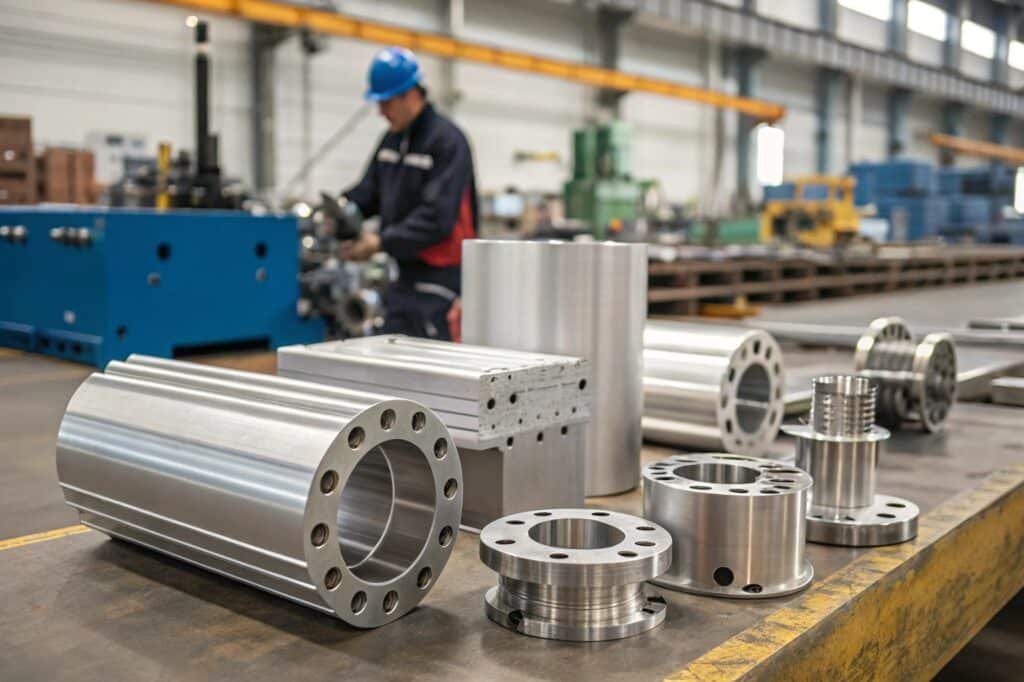
SWA Forging specializes in providing aluminum forgings that strike the ideal balance for machining. While we excel with high-strength alloys like 6061 and 7075, we ensure their forged structure promotes excellent machinability. Our custom-forged components are produced with controlled grain flow and precise dimensions, minimizing distortion during machining and allowing for efficient, high-quality production of your finished parts, whether you prioritize ease of cutting or the superior strength of advanced alloys.
What are the 4 types of forging?
Are you looking to understand the different fundamental techniques used in the forging process to shape metal? Knowing these types helps in appreciating the scope of metal shaping.
**The four primary types of forging are broadly categorized based on how the dies and metal interact and the nature of the deformation:
-
Open-Die Forging: In this method, the workpiece is shaped by tools (dies) that do not fully enclose it. The dies have simple shapes, often flat or with gentle contours. The operator manipulates the workpiece between the dies, using repeated blows from a hammer or press to gradually shape the metal. It's versatile for producing a wide range of shapes, including discs, blocks, rings, and shafts, and is often used for larger parts or when quantities are lower.
-
Closed-Die Forging (Impression-Die Forging): Here, the dies completely surround the workpiece at the end of the forging stroke. The dies have cavities that match the shape of the desired part. The metal is forced to flow into these cavities, taking on the precise shape of the die. This process offers high accuracy, excellent grain structure, and good repeatability, making it ideal for producing identical parts in large quantities, especially for complex geometries.
-
Upset Forging: This is a forging process where the length of a bar or rod is increased by reducing its cross-sectional area through compressive forces. It's essentially a controlled expansion of the metal in a particular direction. This is commonly used to create parts like bolt heads, shafts with integral flanges, or fittings.
-
Roll Forging: In roll forging, heated metal stock is passed between two or more rollers that are designed with contours or grooves. As the rollers turn, they reduce the cross-section and increase the length of the workpiece, or shape it into specific profiles. It’s efficient for producing long items with a gradually changing cross-section, like axles or connecting rods.**
| Forging Type | Key Characteristic | Typical Application Example |
|---|---|---|
| Open-Die Forging | Metal shaped by tools that don't fully enclose it; operator-controlled. | Simple shapes like discs, shafts, rings; custom parts; large components. |
| Closed-Die Forging | Metal flows into shaped cavities within dies that enclose it. | Complex geometries, precision parts, high-volume production (aerospace, automotive). |
| Upset Forging | Increases length by reducing cross-section through axial compression. | Bolt heads, studs, fittings, shafts with flanges. |
| Roll Forging | Metal shaped by passing through grooved rollers. | Axles, shafts, connecting rods, tools with specific profiles. |
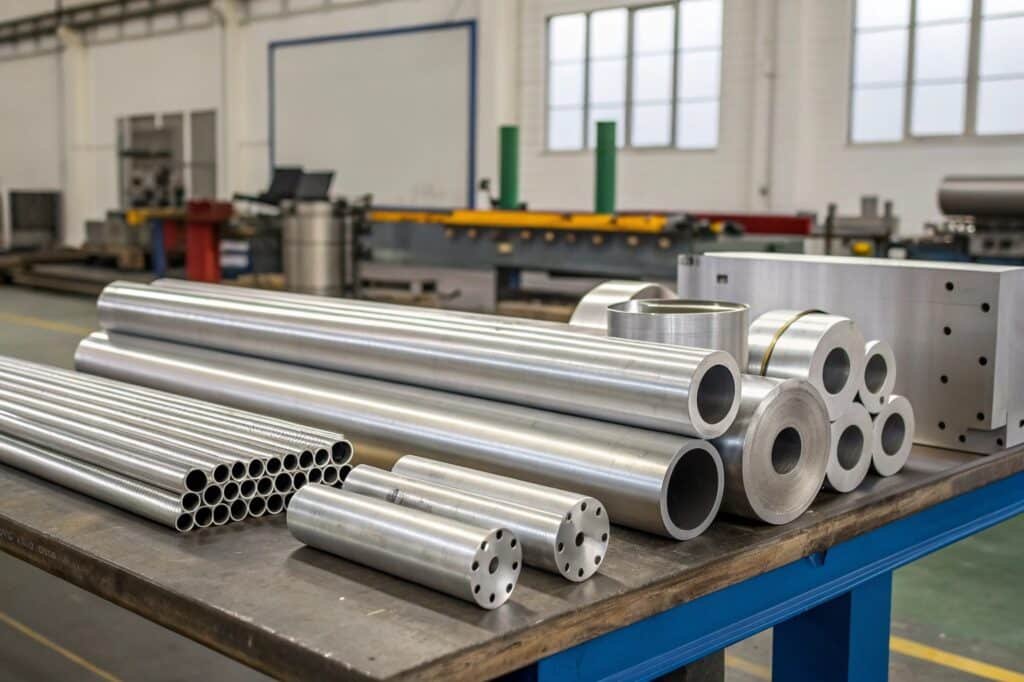
At SWA Forging, we utilize advanced closed-die and open-die forging techniques to produce large-diameter aluminum components. Our expertise allows us to precisely control the deformation and grain flow, ensuring optimal mechanical properties and superior dimensions. This attention to detail makes our forgings exceptionally well-suited for subsequent machining, providing a solid, high-precision foundation for your manufacturing needs.
Conclusion
Aluminum forgings offer an excellent balance of strength and machinability. SWA Forging provides custom-forged components optimized for your machining processes, ensuring quality from start to finish.
-
Explore the advantages of aluminum forgings, including strength and machinability, for your manufacturing needs. ↩
-
Find out which aluminum alloys are best suited for various machining applications. ↩
-
Discover the characteristics of 6061 aluminum alloy, known for its excellent machinability and strength. ↩
-
Find out why 2011 aluminum is favored for high-speed machining and complex shapes. ↩
-
Understand the properties of 7075 aluminum and its applications in demanding environments. ↩